On-screen, Lucy and Ricky Ricardo had one of the most entertaining marriages in television history—full of hilarious misunderstandings, musical numbers, and Lucy’s endless schemes. Off-screen, the relationship between Lucille Ball and Desi Arnaz was just as passionate, dramatic, and influential.
Their romance became the foundation for one of the most iconic sitcoms ever created, I Love Lucy. But behind the laughter that millions of viewers enjoyed every week was a real-life love story filled with ambition, cultural barriers, groundbreaking achievements, and emotional challenges.
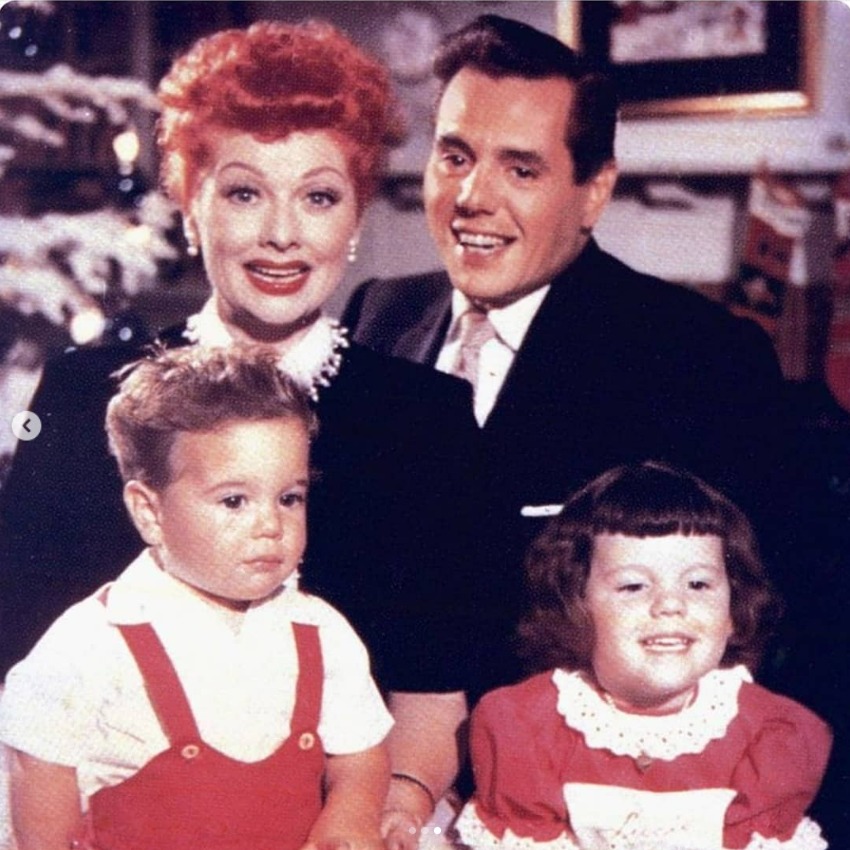
Their partnership didn’t just entertain audiences—it changed television forever. 📺
A Hollywood Romance That Started Fast
Lucille Ball and Desi Arnaz first met in 1940 on the set of the musical film Too Many Girls. At the time, Ball was already working steadily in Hollywood, while Arnaz was a charismatic Cuban bandleader whose musical performances were gaining attention in the United States.
The attraction between them was immediate.
Within months of meeting, the couple married in November 1940. Their relationship was passionate and energetic from the beginning. Arnaz’s lively personality and musical charisma complemented Ball’s quick wit and comedic instincts. Friends described their relationship as intense but deeply affectionate.
However, their early marriage was far from easy. Arnaz toured frequently with his orchestra, while Ball continued building her acting career in Hollywood. The constant travel and time apart created tension, and their relationship faced several difficult moments early on.
Despite these challenges, the connection between them remained strong.
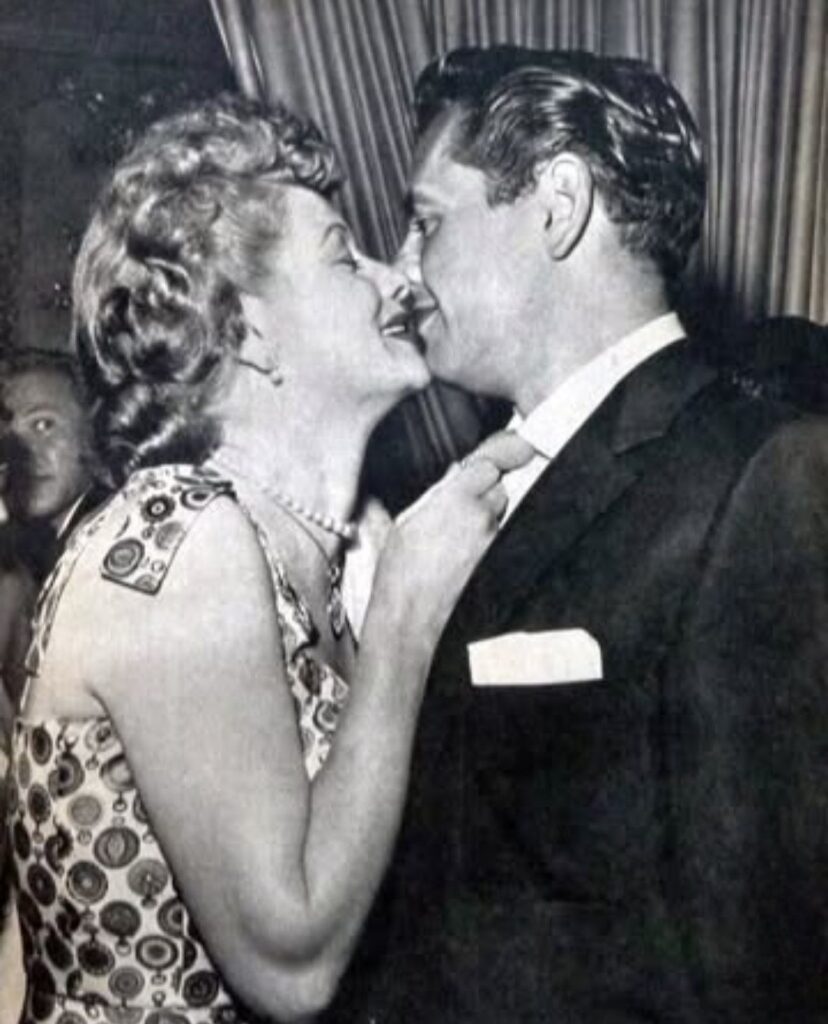
Fighting for a Shared Dream
By the late 1940s, Lucille Ball had become well known through radio, particularly for her role in the hit program My Favorite Husband. When the show’s success led to the possibility of a television adaptation, Ball had one condition: she wanted Desi Arnaz to play her husband.
At the time, television executives were skeptical. Many believed that American audiences would not accept a Cuban-born actor as the husband of a red-haired American woman on prime-time television. It was an era when interracial and intercultural relationships were rarely portrayed on mainstream TV.
But Ball refused to compromise.
To prove the idea would work, the couple took their act on the road as a vaudeville-style comedy show. Their live performances demonstrated their undeniable chemistry and comedic timing. Audiences loved them.
Eventually, the network agreed—and television history was about to change.
The Birth of I Love Lucy
When I Love Lucy premiered in 1951, it quickly became a cultural phenomenon.
The show followed the adventures of Lucy Ricardo, a housewife determined to break into show business, and her bandleader husband Ricky. Lucy’s outrageous plans constantly landed her in hilarious trouble, while Ricky struggled to maintain order.
What made the show special was the genuine connection between its stars. Because Lucille Ball and Desi Arnaz were married in real life, their interactions felt natural, spontaneous, and full of authentic emotion.
Audiences weren’t just watching actors—they were watching a real couple navigating comedy together.
Some of the show’s most famous moments, including Lucy’s wild disguises and unforgettable slapstick scenes, remain legendary in television history. Episodes such as the famous chocolate factory scene became timeless examples of physical comedy.
The show quickly rose to the top of the ratings and remained one of the most watched programs in America throughout its run.
Revolutionizing Television with Desilu
Lucille Ball and Desi Arnaz were not only performers—they were pioneers behind the scenes.
Together, they founded Desilu Productions, which became one of the most influential studios in early television history.
Arnaz, who had a keen business mind, helped introduce several innovations that shaped the way TV shows are produced today.
These included:
- The multi-camera filming technique, allowing scenes to be recorded from multiple angles at once
- Filming in front of a live studio audience, capturing genuine laughter and reactions
- High-quality film recording instead of live broadcast, which allowed episodes to be rerun later
At the time, many television shows were broadcast live and disappeared after airing. Desilu’s decision to film episodes created the foundation for the modern concept of TV reruns and syndication.
This innovation ultimately made I Love Lucy one of the most profitable shows in television history.
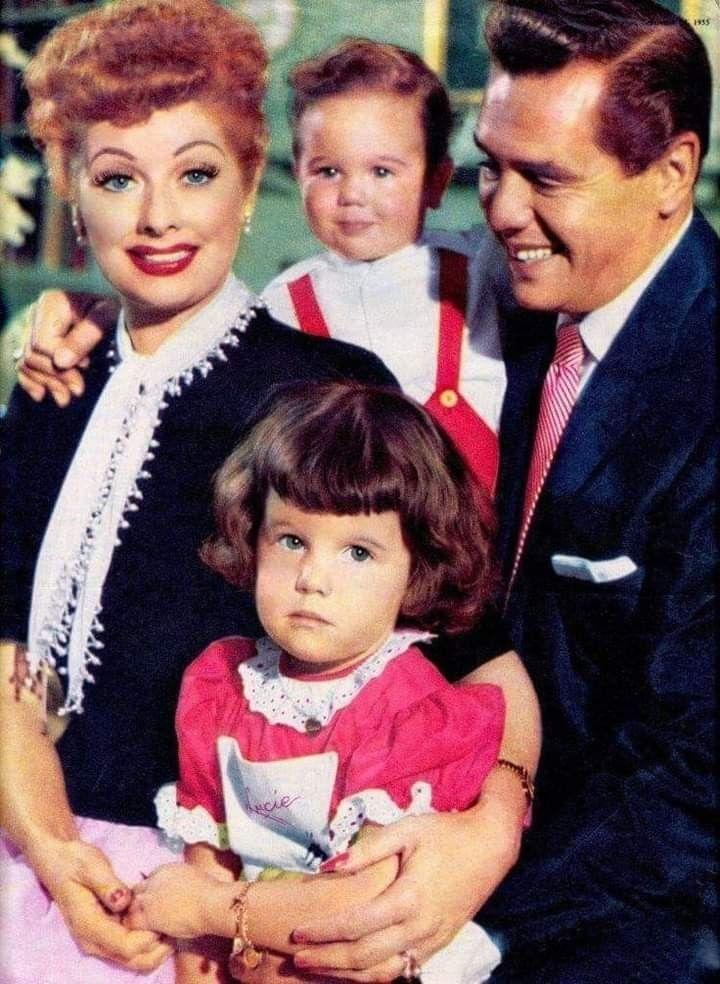
Desilu Productions later produced other famous television programs, including Star Trek and Mission: Impossible, proving that the company’s impact extended far beyond Lucy and Ricky.
Fame, Pressure, and Personal Struggles
While the couple achieved extraordinary professional success, their personal life became increasingly complicated.
The intense workload of running a television empire, combined with the pressures of fame, put a strain on their marriage. Arnaz’s touring lifestyle and the demands of production often kept them apart.
Over time, their relationship faced growing difficulties.
Despite the challenges, they shared deep affection for each other and were devoted parents to their two children, Lucie Arnaz and Desi Arnaz Jr..
Even as their marriage struggled, their professional partnership remained strong enough to keep the show thriving.
The End of a Marriage, But Not the Bond
In 1960, after nearly twenty years of marriage, Lucille Ball and Desi Arnaz divorced.
The decision was painful for both of them, but it marked the end of a chapter that had shaped television history. Although their romantic relationship ended, the respect and admiration between them never completely disappeared.
In later interviews, both Ball and Arnaz spoke openly about the love they had shared. Arnaz once described Lucille as the greatest talent he had ever known, while Ball credited Arnaz for much of the business success behind their television empire.
Their relationship had been imperfect—but also deeply meaningful.
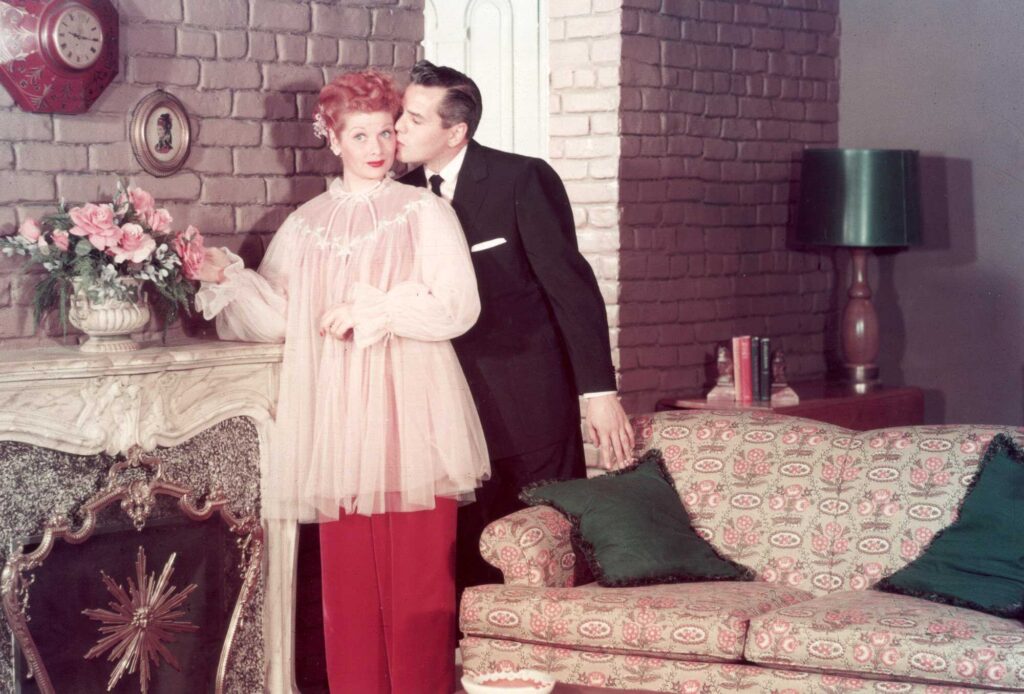
A Legacy That Changed Television Forever
Today, the impact of I Love Lucy is still felt across the entertainment industry.
The show helped establish many of the storytelling patterns and production techniques used in modern sitcoms. More importantly, it demonstrated that a multicultural marriage could be presented on American television in a positive and humorous way—something that was groundbreaking in the early 1950s.
Lucille Ball went on to become one of the most powerful women in Hollywood, eventually running Desilu Productions herself and helping bring new shows to life.
Desi Arnaz remained a respected producer and television innovator whose ideas influenced generations of filmmakers and showrunners.
Together, they proved that creativity, determination, and love could reshape an entire industry.
Love, Laughter, and an Unforgettable Partnership
The story of Lucille Ball and Desi Arnaz is more than just a Hollywood romance. It is a story about ambition, cultural barriers, innovation, and the complicated realities of love.
Their marriage may not have lasted forever, but the magic they created together certainly did.
Decades later, Lucy and Ricky Ricardo continue to make audiences laugh around the world. And behind those laughs is the real story of two people whose chemistry—both on-screen and off—helped build the foundation of modern television.
Sometimes the most unforgettable love stories are the ones that leave a lasting legacy. 💫