Every few years, a rising musician drops an album just after a very public breakup—and people act surprised all over again that songs often come straight from real life. In truth, that connection has been there since the earliest days of songwriting. Modern music, in particular, is filled with tracks born from heartbreak, intense relationships, fleeting encounters, and deeply personal moments that stuck with artists long after they happened. Sometimes the people behind these songs are named outright, preserved forever in lyrics. More often, though, they fade into the background while the music itself becomes timeless.
While outlets like Mental Floss have already highlighted famous muses like Pattie Boyd—whose relationships inspired numerous classic songs—there are countless other real-life figures who shaped some of the biggest hits in music history. Across genres and decades, these individuals left their mark, even if their names aren’t always widely known. Here’s a look at some iconic songs and the real stories behind them.
Johnny Cash’s “I Walk the Line” (1956), often portrayed as a romantic gesture toward June Carter, was actually written for his first wife, Vivian. It served as a heartfelt promise of loyalty early in their marriage.
“The Girl from Ipanema” (1964), performed by Astrud Gilberto with João Gilberto and Stan Getz, helped popularize bossa nova worldwide. The song was inspired by Heloísa Eneida Menezes Paes Pinto, a teenager who frequently passed by a café where the songwriters spent time. Her everyday presence became the basis for one of the most recognizable melodies ever recorded.
The Beatles’ “Something” (1969), written by George Harrison, is often linked to Pattie Boyd, his then-wife. Although Boyd later confirmed the connection, Harrison gave mixed explanations, at times attributing the inspiration to spiritual influences instead.
“A Boy Named Sue” (1969), made famous by Johnny Cash but written by Shel Silverstein, was inspired by writer Jean Shepherd, who endured teasing as a child because of his name.
The Rolling Stones’ “Wild Horses” (1971) evolved from a lullaby Keith Richards wrote for his infant son, but Mick Jagger reshaped it into a reflection on his relationship with Marianne Faithfull, turning it into a poignant love song.
Carly Simon’s “You’re So Vain” (1972) remains partly mysterious, but she has confirmed that at least one verse references actor Warren Beatty, known for his charm and ego.
“Killing Me Softly” (1973), later popularized by Roberta Flack and The Fugees, originated from Lori Lieberman’s emotional reaction to a live performance by Don McLean. Her experience became the foundation for the song’s haunting lyrics.
Dolly Parton’s “I Will Always Love You” (1974), often associated with Whitney Houston’s powerful cover, was originally written as a farewell to her mentor Porter Wagoner after they ended their professional partnership.
Fleetwood Mac’s “Go Your Own Way” (1976) emerged from the band’s internal romantic tensions, particularly the breakup between Lindsey Buckingham and Stevie Nicks. Their personal struggles directly shaped the sound and emotion of their album Rumours.
Phil Collins’s “In the Air Tonight” (1981) has inspired many rumors, but its true roots lie in the emotional fallout from his divorce, which also marked the beginning of his solo career.
Journey’s “Don’t Stop Believin’” (1981) was inspired by advice from keyboardist Jonathan Cain’s father, who encouraged him to keep pursuing music despite setbacks. That message became one of the most enduring anthems of perseverance.
Billy Joel’s “Uptown Girl” (1983) was initially inspired by his relationship with Elle Macpherson but later became associated with Christie Brinkley, whom he eventually married.
Peter Gabriel’s “In Your Eyes” (1986) is often linked to actress Rosanna Arquette, who was an important figure in his life at the time and helped bring the song renewed attention through film.
Alanis Morissette’s “You Oughta Know” (1995) marked a shift to a more raw, confessional style. While she never confirmed the subject, actor Dave Coulier has suggested the song reflects their past relationship.
No Doubt’s “Don’t Speak” (1996) was originally written as a love song but evolved into a breakup anthem when Gwen Stefani rewrote it about her split from bandmate Tony Kanal.
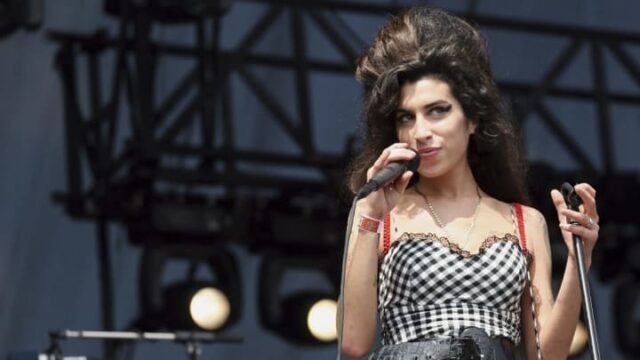
Amy Winehouse’s “Me & Mr. Jones” (2006) was inspired by rapper Nas, following a concert she attended. Subtle lyrical clues point to him, even though he’s never named directly.
Pink’s “So What” (2008) captured a turbulent period in her relationship with Carey Hart. Though the song has a defiant tone, the couple later reconciled.
Taylor Swift’s “Dear John” (2010) is widely believed to be about John Mayer. While Swift never officially confirmed it, Mayer himself reacted publicly, indicating the song hit close to home.
John Legend’s “All of Me” (2013) is a heartfelt tribute to his wife, Chrissy Teigen, celebrating love in its most vulnerable and authentic form.
Ariana Grande’s “Thank U, Next” (2018) stands out for directly referencing several of her exes, turning past relationships into a message of growth and self-awareness.
Finally, Blake Shelton’s “Turnin’ Me On” (2018) subtly nods to Gwen Stefani, referencing her association with a major cosmetics brand rather than naming her outright.
Together, these songs show how deeply intertwined music and real life can be. Whether the inspiration is openly acknowledged or quietly embedded in the lyrics, the people behind these stories have helped shape some of the most memorable music ever created.