Naturally and Safely at Home
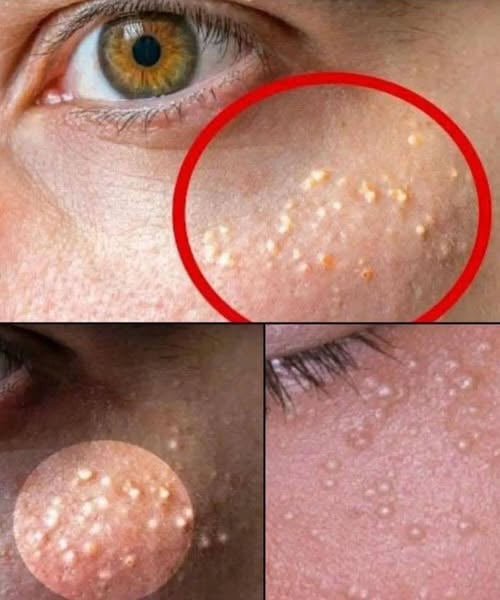
If you’ve noticed little pearly-white bumps around your eyes, cheeks or forehead that don’t pop like normal pimples — you’re likely dealing with what’s known as milia (singular: “milium”). These tiny cysts are harmless, but persistent ones can linger and bug you cosmetically. The good news: you can often manage them at home by gentle skin care and prevention, and avoid doing more harm than good.
What are milia?
Milia are small sub-epidermal cysts filled with keratin (a protein found in skin, hair and nails) that become trapped below the skin’s surface.They show up as hard, white or yellow-white bumps that are not inflamed, don’t have pus, and unlike acne, they don’t pop or drain easily.They often occur on the face — especially around the eye area, cheeks, nose and forehead — though they can appear elsewhere.
What causes milia?
Several factors can lead to milia formation:
- The skin’s natural process of shedding old skin cells can go awry: when old cells and keratin don’t shed or exfoliate as they should, they may get trapped under new skin.
- Skin damage, burns, blisters, excessive sun exposure, or trauma (including certain skin procedures) can trigger what are known as “secondary milia”.
- Use of very heavy creams or ointments, especially around thinner skin such as eyelids, may promote buildup and hinder normal exfoliation.
- Ageing and sun damage can contribute — the skin renewal process slows and may become less efficient, increasing the chance of trapped keratin.
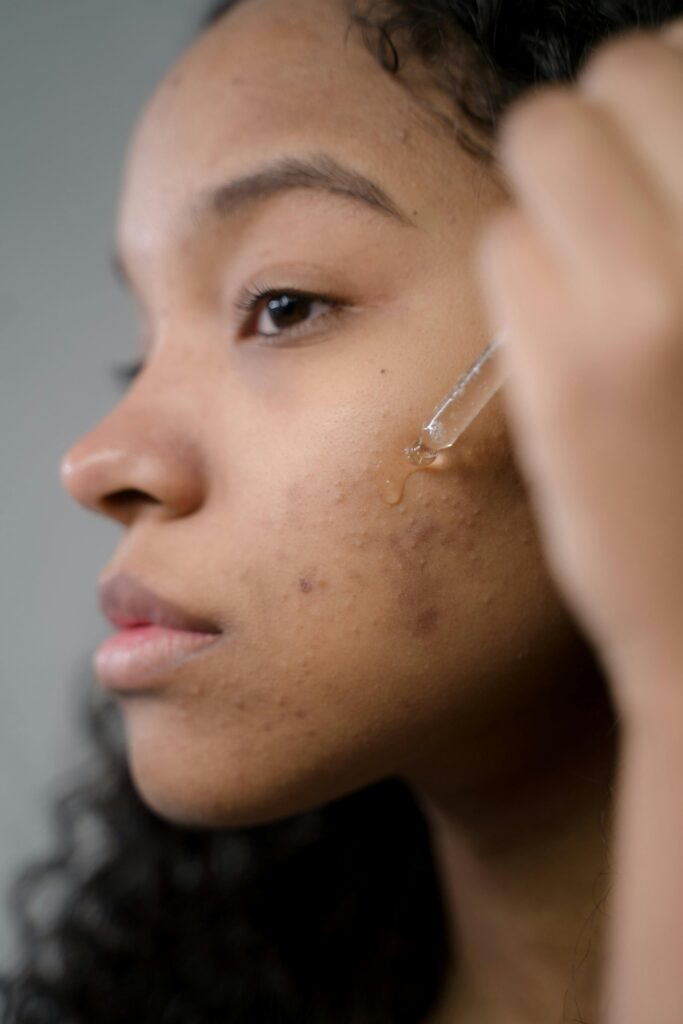
How do you know it’s milia — not acne or something else?
Because milia can look superficially like whiteheads, it’s worth distinguishing them.
- Milia are white or pearly bumps, firm, non-inflamed, and typically just beneath the skin’s surface.
- They don’t have the red base or pus typical of acne lesions.
- They may persist for weeks or months, rather than resolving quickly like some forms of acne. Although in infants milia often clear by themselves.
- They appear in typical areas where the skin is thinner and shedding is less efficient — around the eyes, cheeks, nose.
Natural & safe home-care approach
While persistent or bothersome milia should be evaluated by a dermatologist (especially if you’re unsure of the diagnosis), there are gentle steps you can take at home to help manage and reduce them:
- Gentle cleansing
Start with a mild, non-irritating cleanser to remove surface debris and allow your skin to renew. Avoid overly harsh scrubs or aggressive exfoliation around delicate areas (like eyes). - Mild exfoliation
To help the trapped keratin and old skin cells shed more effectively, incorporate a gentle chemical exfoliant (for example a low-strength AHA, BHA or retinoid as tolerated). This can help speed up the skin-renewal process and reduce build-up. (If you use retinoids or stronger acids, check with your dermatologist and avoid the immediate eye area unless formulated for it.) - Steaming / warm compress
A gentle warm-steam session (for example sitting in a steamy bathroom) may soften the top layer of skin slightly and help support exfoliation, though by itself it won’t make milia vanish. - Avoid heavy, occlusive creams where milia tend to appear
Particularly around the eyes and cheeks, avoid very heavy oil-rich or occlusive products (unless specifically recommended by your dermatologist) as they may further hinder shedding and cause build-up. - Sun protection
Chronic sun damage impairs skin renewal; consistent daily use of sunscreen helps support your skin’s healthy renewal process and prevents worsening of the condition. - Be patient and gentle
Milia often resolve over time. Don’t attempt to squeeze or pick them — doing so can cause scarring, infection or pigmentation changes
When to see a dermatologist
If the bumps persist for several months, grow in number or change in appearance, or you’re unsure they’re actually milia, it’s wise to consult a dermatologist. Medical treatments may include tiny surgical extraction (nick and remove), cryotherapy, or prescription-topical retinoids.A professional removal is sometimes the only guaranteed way to resolve stubborn milia.
Bottom line
Those little white bumps you noticed aren’t typical pimples — they’re likely milia: harmless keratin-filled cysts. While they’re mostly a cosmetic issue, you can support your skin by practising gentle cleansing, mild exfoliation, avoiding overly heavy skincare in prone areas, and using daily sun protection. With care and patience, many milia will gradually fade, and if they don’t, a dermatologist can help safely remove them.