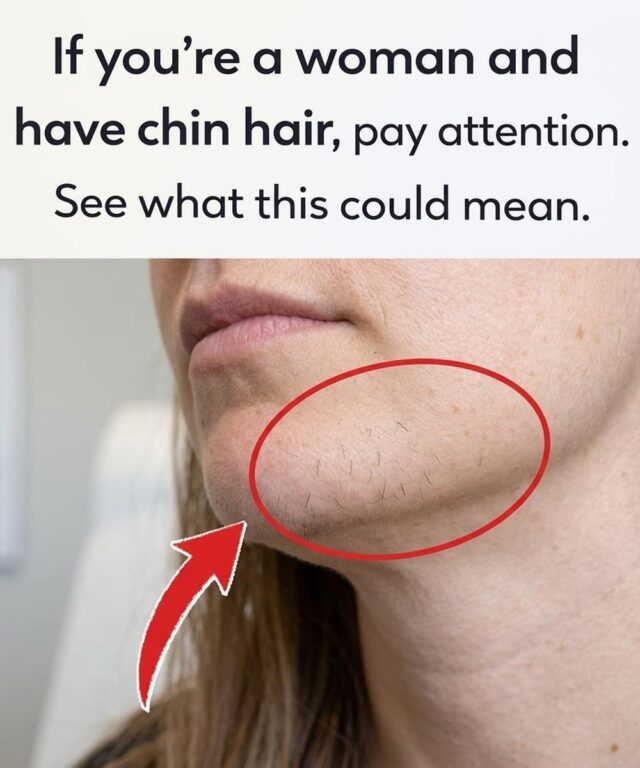
Chin hair in women is more common than many people realize, and it can vary widely in thickness, color, and pattern. Some women may notice only a few fine strands, while others experience more visible growth. This natural variation is often influenced by a combination of genetics, hormones, and overall health. Understanding that these differences are normal can help reduce unnecessary worry and encourage a more balanced, informed approach to personal care. Rather than viewing it as unusual, it can be helpful to recognize it as one of many ways the body naturally expresses itself.
Hair growth follows a natural cycle that includes phases of growth, transition, and rest. Hormones—especially androgens—play an important role in this process. While these hormones are often associated with men, women also produce them in smaller amounts. In some cases, the body may be more sensitive to these hormones, which can lead to increased facial hair growth. Genetics also contribute significantly, influencing how hair appears and where it grows. These factors work together in ways that are unique to each individual, making every experience slightly different.
Hormonal changes throughout life can also affect facial hair. For example, certain conditions such as polycystic ovary syndrome (PCOS) may influence hormone levels and lead to noticeable changes. Life stages like menopause or shifts related to medications can also play a role. When changes happen suddenly or feel significant, seeking guidance from a healthcare professional can provide clarity and reassurance. Understanding the underlying causes helps people make thoughtful decisions about how to manage these changes in a way that suits their needs.
Beyond the physical aspect, facial hair can sometimes affect how a person feels about their appearance. Social expectations and beauty standards may create pressure, but it’s important to remember that personal comfort and confidence matter most. There are many options available for those who wish to manage hair growth, including temporary methods and longer-term treatments. Others may choose to embrace it as part of their natural look. Ultimately, the goal is not to meet external expectations, but to feel comfortable, confident, and informed in whatever choice feels right.