
Entertainment

Why an Upside-Down Sticker Has Become Popular Among Some Drivers

If you spend time driving through the Pacific Northwest, you may notice a curious design appearing on car bumpers, water bottles, and laptops: the outline of Washington state displayed completely upside down. At first glance, it might look like a printing mistake. However, the more often you see it, the clearer it becomes that the flipped design is intentional. For many residents, this simple decal has grown into a lighthearted symbol of local pride, regional identity, and a shared sense of humor.

The trend began gaining momentum in the early 2010s, when minimalist state-outline stickers became popular across the country. In Washington, known for its recognizable rectangular shape, turning the outline upside down created a subtle twist that felt personal and creative. What started as a playful variation soon evolved into a quiet tradition. Outdoor enthusiasts, students, and longtime locals embraced the design as a way to stand out from more traditional souvenir-style graphics. It became especially common among hikers, cyclists, and people who feel closely connected to the state’s natural beauty.

There are several explanations for why the state is flipped. One popular joke references Washington’s famously rainy climate, with locals humorously suggesting the state must have “turned upside down” from all the precipitation. Others see it as a modest way to show appreciation for home without being overly bold. Some even note that the inverted outline resembles a mountain peak, subtly honoring iconic landmarks such as Mount Rainier and the surrounding mountain ranges that define the region’s landscape. Whether humorous or symbolic, the upside-down design invites conversation while remaining understated.

Today, the flipped Washington decal represents more than a simple sticker. It reflects a sense of belonging, appreciation for nature, and the distinctive personality often associated with the Pacific Northwest—creative, thoughtful, and quietly expressive. For many people who move away, keeping the sticker on a car or laptop serves as a small reminder of evergreen forests, ferry rides across Puget Sound, and misty mornings along the coast. It is a subtle way of saying, “This is home,” without needing to say much at all.

A Memorable Evening: Meeting His Family for the First Time

Last night, my boyfriend invited me to dinner to meet his family for the first time. I had spent hours choosing the right outfit and rehearsing polite introductions in my head. When we arrived, his parents greeted me warmly, but just as we sat down, he smiled and said, “Hope you brought your wallet. We’re starving.” My heart skipped. Before I could respond, his father stood up and added with a grin, “Don’t worry, we’re only teasing.” The entire table burst into laughter. My nerves were on full display, and my boyfriend quickly squeezed my hand, reassuring me that playful humor was simply part of how they welcomed people. Though the joke startled me, I began to sense there was no ill intent behind it.

As dinner began, the atmosphere shifted into something far more comfortable. The table was filled with homemade dishes, and the scent of warm bread and roasted vegetables created an inviting mood. His mother asked thoughtful questions about my work and hobbies, listening with genuine interest. His father turned out to be a lively storyteller, sharing funny memories from my boyfriend’s childhood—especially the time he attempted to cook pasta without adding water. Even his younger sister joined in, joking that I must be the reason her brother had finally learned to keep his room clean. The laughter that followed felt less intimidating and more inclusive, and I found myself relaxing into the rhythm of their conversations.

After dinner, we moved into the living room where his parents brought out old photo albums. My boyfriend protested playfully, but the pages turned anyway, revealing snapshots of school plays, family vacations, and everyday moments. What stood out most wasn’t the embarrassment on his face—it was the affection surrounding it. The teasing carried a tone of familiarity and closeness rather than criticism. Before we left, his father handed me a small gift bag. Inside was a simple keychain engraved with their family name. “You’re welcome here anytime,” he said gently. The sincerity in his voice replaced any lingering awkwardness with warmth.

On the drive home, my boyfriend apologized again for the earlier joke, worried it may have upset me. I told him honestly that while it caught me off guard, I understood it better now. Every family has its own traditions, humor, and unspoken ways of expressing connection. What first felt overwhelming turned into an evening filled with laughter and kindness. Holding the small keychain in my hand, I realized I hadn’t just met his family—I had been invited into their world. Sometimes, what begins with uncertainty can end with a sense of belonging.

A Unique Foot Massage Tool That Many People Are Discovering

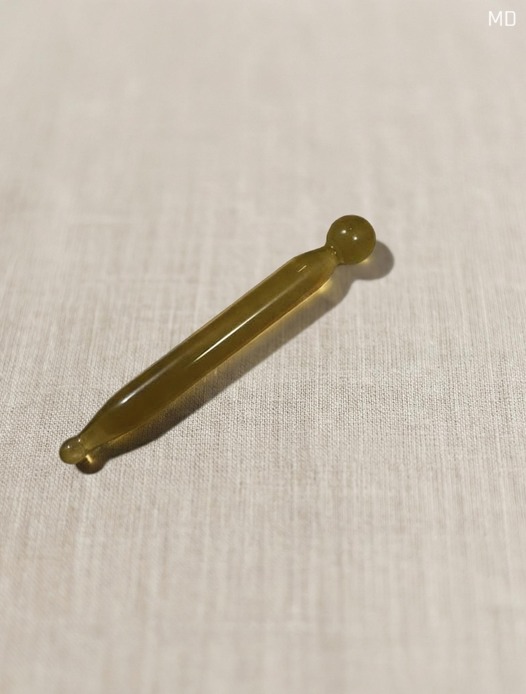
If you’ve ever noticed a small, smooth, amber-colored stick being rolled under someone’s bare feet and wondered what it was, you’re not alone. This simple tool—often called a resin foot massage stick or foot roller—has quietly gained popularity among nurses, teachers, runners, and anyone who spends long hours standing. While it may look basic, many people use it as part of their daily self-care routine to help ease foot fatigue and encourage relaxation after a busy day. Its appeal lies in its simplicity: no batteries, no cords, and no complicated setup—just a straightforward way to give tired feet a little extra attention.

Most resin foot massage sticks are made from natural tree resin or a durable, non-toxic synthetic material. They are typically about 6 to 8 inches long, with a smooth surface and subtle ridges that provide gentle stimulation. Unlike some plastic or wooden rollers, resin versions tend to offer a slightly tacky grip and stay comfortably cool to the touch. When rolled under the arches of the feet, they apply steady pressure that can help loosen tight muscles. Many physical therapists recommend similar rolling techniques as part of at-home care for mild plantar fasciitis or general arch discomfort, as the motion can help stretch the plantar fascia and promote flexibility.

In addition to easing tension, rolling a massage stick under the feet may help support circulation by encouraging blood flow to areas that feel sore or stiff. Some people also find the repetitive motion calming, making it a simple way to unwind at the end of the day. While reflexology—the idea that specific points on the feet connect to other parts of the body—remains a complementary practice rather than a medically proven treatment, many users report that regular foot massage helps them feel more relaxed overall. As with any wellness tool, it is best viewed as supportive rather than curative.

Using a resin foot massage stick is straightforward. Sit comfortably, place the stick on the floor, and gently roll your bare foot from heel to ball for several minutes, adjusting pressure to stay within a comfortable range. Those with chronic foot conditions, reduced sensation, or circulation concerns should consult a healthcare professional before use. For many people, however, this modest tool serves as an affordable, drug-free addition to a balanced self-care routine—proof that sometimes the simplest solutions can offer meaningful comfort.

From Tension to Understanding: A Driveway Disagreement Resolved

The morning it happened started like any other. Sunlight spilled across our driveway, warming the quiet suburban street where nothing dramatic ever seemed to occur. A few days earlier, though, a note had appeared on our windshield in thick, determined handwriting: “One car per house!” It wasn’t signed, but we knew exactly who it came from. Our neighbor across the street had always taken neighborhood “rules” very seriously—sometimes more seriously than anyone else. We shrugged it off at the time, assuming it was just another attempt to control things that weren’t hers to control. After all, our second car was legally parked, fully registered, and well within city guidelines.

Three mornings later, the sound of heavy engines jolted us awake. By the time we rushed outside, blinking in disbelief, both of our cars were already secured to tow trucks. Standing on the sidewalk was our neighbor, arms crossed and a wide, almost triumphant smile stretching across her face. It didn’t take long to understand what had happened. She had reported the vehicles, confident she was enforcing some invisible authority. My first reaction wasn’t anger—it was disbelief. “Wow,” I said calmly, “you really did it, huh?” She tilted her head and asked what was so funny. I simply replied, “Nothing. Just the fact that this might not end the way you expect.”

What she hadn’t realized was that our homeowners’ association had recently updated its policies. We had documentation approving our additional vehicle due to a temporary family situation. Not only that, but the towing company had removed the cars without verifying the proper authorization. Within hours, we were on the phone clarifying the misunderstanding. By the end of the day, the situation had turned in an unexpected direction. The tow was ruled improper, and responsibility for the fees shifted to the person who initiated the complaint. When we saw her later that evening, her confident grin had vanished, replaced by a nervous expression. It wasn’t about revenge or embarrassment—it was simply about accountability.

In the days that followed, something interesting happened. The tension that once hovered between our houses slowly faded. A brief but honest conversation replaced assumptions with understanding. She admitted she had acted out of frustration, worried that limited parking would become chaotic. We explained our situation and showed her the official approvals. What began as a conflict ended as a lesson for all of us: communication matters more than silent notes and snap decisions. Our driveway remained just as it had before, but the atmosphere felt lighter. Sometimes, the biggest misunderstandings don’t require raised voices—just patience, clarity, and the willingness to face consequences with grace.

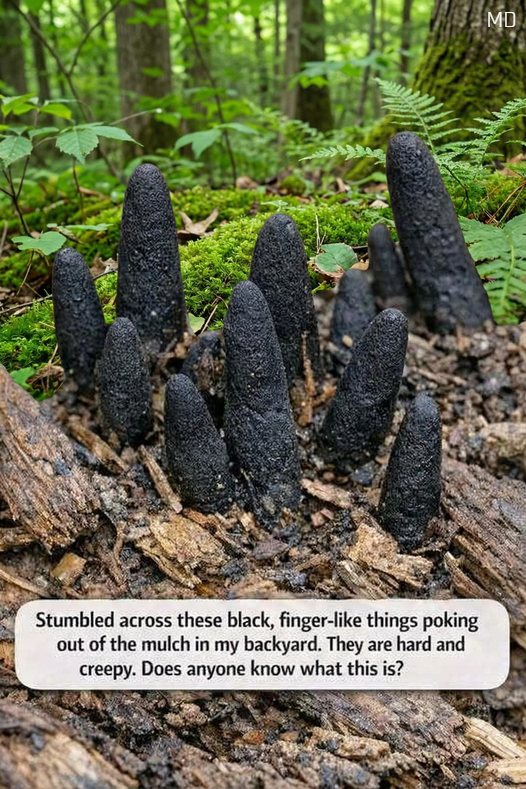
Mysterious Black Protrusions in Mulch: Here’s What They Are

Finding unusual growths in your backyard can be surprising, especially when dark, finger-shaped forms suddenly appear in mulch or soil. While they may look mysterious at first glance, these formations are often a common woodland fungus known as Dead Man’s Fingers (Xylaria polymorpha). Despite the dramatic name and unusual appearance, this fungus is generally harmless. In fact, it plays an important role in nature by helping break down decaying wood and returning nutrients to the soil. What may seem alarming at first is actually part of a healthy ecosystem quietly at work beneath your feet.

Dead Man’s Fingers typically grow in clusters and appear as upright, finger-like projections that can reach three to four inches tall. When they first emerge, they may be pale gray or whitish in color. As they mature, they darken to deep brown or black and develop a firm, slightly rough texture. These fungi are most often found in shaded, damp areas where buried wood, old tree roots, or mulch are present. Spring and fall are common seasons for their growth, especially after periods of rain. Their distinctive shape and color make them stand out against lighter wood chips or soil.

Correct identification is usually straightforward when you look closely at their features. They have a solid structure, a smooth to slightly bumpy exterior, and a darkened surface once mature. If cut open, the interior is typically white when young, becoming darker over time. Although they are sometimes confused with other fungi or even decomposing roots, their upright, clustered growth pattern helps distinguish them. Unlike some mushrooms that have caps or strong odors, Dead Man’s Fingers maintain a simple, elongated form without dramatic changes in shape.

While their appearance may be unsettling, these fungi are not considered harmful to people, pets, or healthy plants. They do not attack living trees but instead feed on already decaying wood. Because of their tough, woody texture, they are not suitable for consumption. Removal is optional and usually done for visual preference rather than safety concerns. If you prefer to clear them away, gently removing both the visible growth and any decaying wood beneath can help reduce regrowth. Improving drainage and minimizing excess organic debris may also limit future appearances. Rather than viewing them with concern, you can see them as a reminder of the natural processes that quietly sustain soil health and garden life.

The Phone Call That Changed How I See New Beginnings

When the notice went up that the flat I had rented for three years was being put on the market, I felt the familiar ache of starting over. It wasn’t just an apartment to me. It was the first place I could truly call my own after a long stretch of uncertainty. The creaky wooden floors, the tiny balcony that barely fit two chairs, even the way the kitchen window caught the morning light—all of it held pieces of my quiet routines and small victories. Still, I packed my boxes carefully, wiped down every surface, and scrubbed every corner until the place looked almost untouched. I wanted to leave with dignity, even if I hadn’t chosen to go.

The next day, when my phone rang and I saw my landlady’s name on the screen, my heart skipped. I replayed every detail in my mind, wondering if I had missed a scratch on the wall or a forgotten drawer. Instead of criticism, her voice carried warmth. She thanked me for leaving the flat in such good condition and said she hadn’t seen it that clean in years. Relief washed over me, but before I could respond, her tone shifted gently. “How come you’re always so careful with places that aren’t even yours?” she asked.

Her question lingered in the silence between us. I hadn’t thought much about it before. Maybe it was because I had grown up moving from one rented space to another, always aware that nothing felt permanent. Cleaning thoroughly before leaving had become my quiet ritual—a way of showing gratitude for the shelter I’d been given, even if only temporarily. I told her that respect doesn’t depend on ownership. A space holds your memories while you’re there. It keeps you safe from the rain and gives you a place to rest. The least you can do is leave it better than you found it.

There was a pause, and then she surprised me again. She explained that many tenants had left in a rush over the years, sometimes without even saying goodbye. My care, she said, reminded her why she started renting out the property in the first place—to help people build their next chapter. Before we hung up, she offered to write me a glowing reference and even mentioned she’d keep me in mind if another property became available. I realized then that leaving well can open unexpected doors. Sometimes, the way we close one chapter shapes the opportunities waiting in the next. And as I stepped into my new place a week later, I carried that lesson with me: wherever you live, even for a short while, treat it with care. The respect you show to a place often reflects the respect you have for your own journey.

Wheel of Fortune” Contestant Delivers Impressive Bonus Round Solve

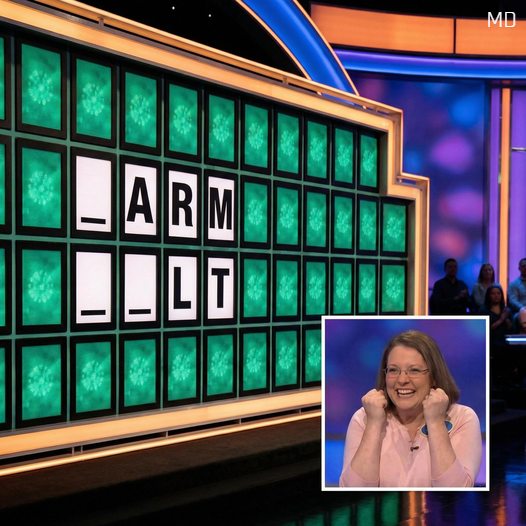
A recent episode of Wheel of Fortune delivered an especially memorable moment when contestant Delinda Rood stepped onto the stage and quietly transformed a routine appearance into a standout performance. Representing Rosemount, she faced competitors from Palo Alto and Chattanooga in a game that began at a measured pace. The early rounds unfolded with careful guesses, a few missed opportunities, and steady competition among all three players. Nothing initially suggested that the episode would soon become one viewers would be talking about long after it aired.

Rood described herself as an ambivert—someone who balances introversion with extroversion—and that self-awareness seemed to shape her approach to the game. Rather than rushing into risky spins or bold guesses, she observed the board closely and waited for strategic openings. When she captured an important toss-up puzzle, her momentum began to build. From there, she played with precision, choosing letters thoughtfully and solving puzzles efficiently. Her steady focus and disciplined pacing allowed her to take control of the scoreboard and ultimately secure a spot in the highly anticipated Bonus Round.

The most dramatic moment came during that final challenge. As the puzzle board revealed the standard letters and her selected choices, Rood studied the clues carefully. Then, with impressive speed, she delivered the correct answer almost instantly. The rapid solve caught the audience’s attention and prompted a visible reaction from host Ryan Seacrest, who acknowledged the remarkable timing. Applause filled the studio as the prize amount was revealed, bringing her total winnings to $65,650. The swift and confident finish marked one of the most exciting highlights of the episode.

Beyond the prize money, what resonated most with viewers was Rood’s composure under pressure. Game shows often test not just knowledge but also emotional control, and her calm demeanor stood out. Clips of her Bonus Round success quickly circulated online, with fans praising her strategic thinking and quick recall. Many commented on how rare it is to see such a decisive and immediate solution in the final round. Her appearance served as a reminder that preparation, patience, and self-belief can make all the difference. What began as an ordinary competition ended as a powerful example of focus and confidence shining on a national stage.

The Fourth of July That Taught Us a Lesson About Communication

Every year, the Fourth of July at our house was more than a holiday—it was a tradition. My husband handled the grill and fireworks while I focused on decorations, side dishes, and desserts. We invited both sides of the family and a few neighbors, filling the backyard with laughter, music, and the smell of barbecue drifting into the warm evening air. It was something we built together, a small celebration that felt uniquely ours. So when he suggested that this year he wanted to host a “guys-only” barbecue instead, I tried to hide the sting behind a casual smile. He said it was just about relaxing with friends, no pressure, no judgment. I told myself it wasn’t personal.

I packed a small overnight bag and decided to spend the night at my parents’ house. Before leaving, I stocked the fridge with homemade dips and cleaned the kitchen, wanting everything to run smoothly. I kept telling myself that space in a marriage can be healthy. A few hours later, my phone buzzed. It was our neighbor Claire. Her message was polite but urgent: “I’m sorry to bother you, but are you aware of what’s going on?” Attached was a photo. My heart skipped as I opened it.

The backyard was overflowing—not with just a handful of his close friends, but with a large crowd that looked more like a neighborhood block party. Music speakers were set up, cars lined the street, and people I didn’t recognize were everywhere. It wasn’t the small gathering he had described. I felt a mix of confusion and disappointment, but I paused before reacting. Instead of sending an angry message, I called him calmly. There was loud music in the background when he answered, but his voice shifted when he heard mine. I told him what I had seen and how it made me feel—not accusing, just honest.

The next morning, he came to my parents’ house to talk. He admitted the evening had gotten out of hand after a few friends invited others without checking first. He apologized for not communicating clearly and for minimizing my feelings. We agreed that traditions matter because they represent shared effort and respect. In the end, the lesson wasn’t about a barbecue or a guest list—it was about partnership. Celebrations should bring people closer, not create distance. That Fourth of July didn’t go as planned, but it reminded us that honesty and communication are the real foundations of any home. And next year, we decided, we’d host together again—side by side, like we always had.

One Missed Word, One Memorable Night: How Grace Made the Moment Meaningful

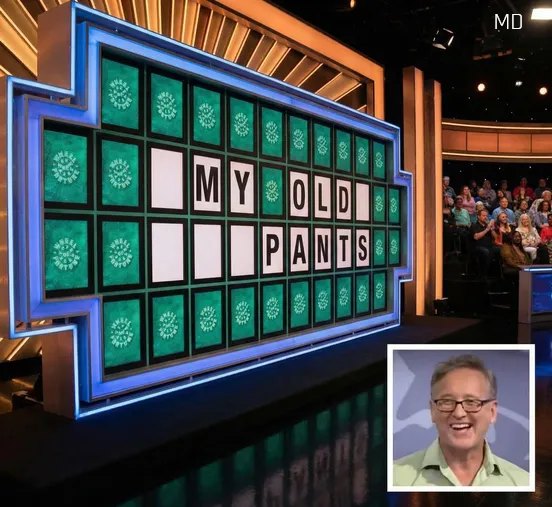
Beneath the bright lights of a nationally televised game show, one ordinary moment turned into something extraordinary. The studio was alive with anticipation as the final round began. A single word stood between a contestant and a life-changing prize. It was the kind of word most people would recognize instantly in everyday conversation, yet under pressure, even the simplest answers can feel distant. As the countdown clock ticked and the audience waited in silence, the tension became almost tangible. When the buzzer sounded and time ran out, the opportunity slipped away. What followed, however, was far more meaningful than any prize.

The contestant, a carpenter from a small Midwestern town, had captured viewers’ attention long before the final round. He wasn’t a seasoned performer or a media personality—just a hardworking man accustomed to early mornings and honest labor. Throughout the competition, he answered questions steadily and thoughtfully, relying on patience rather than flash. His calm presence and genuine humility resonated with both the studio audience and those watching from home. By the time he reached the last challenge, many people felt personally invested in his journey, cheering not just for his success but for the sincerity he represented.

When the crucial word failed to come to him, the loss was immediate and visible. For a brief moment, the studio seemed to pause. Then, instead of frustration or disappointment, the carpenter leaned forward and laughed softly, shaking his head in disbelief. He applauded the winner, offered a warm handshake, and thanked the host with a gracious smile. His reaction shifted the atmosphere entirely. What could have been remembered as a painful mistake became a powerful display of character. In choosing grace over regret, he reminded everyone watching that how we respond to setbacks often defines us more than success itself.

The clip quickly circulated online, not as a highlight of failure but as an example of resilience. Viewers admired the dignity he showed in a vulnerable moment. In a culture that often celebrates victory above all else, his response felt refreshing and deeply human. Though he left without the grand prize, he walked away with something equally valuable: widespread respect and admiration. His story became a gentle reminder that true strength is revealed in composure, kindness, and the ability to smile even when things don’t go as planned. Long after the episode ended, that simple, missed word continued to inspire conversations about humility and perseverance.

A Lighthearted Story That Gently Reminds Us What True Happiness Means

High above the clouds, where everything shimmered with peace and quiet order, three devoted Italian nuns arrived together at the Pearly Gates after long lives shaped by faith, service, and compassion. St. Peter welcomed them warmly, reviewing their names with a gentle smile. Then, with a twinkle in his eye, he shared unexpected news. As a special gift, they would each be granted six months back on Earth—free to become anyone they wished and to experience life purely for enjoyment. For women who had spent decades guided by discipline and devotion, the idea felt almost too wonderful to believe. Their expressions brightened with childlike excitement, as though Heaven had handed them a joyful surprise.

The first nun stepped forward eagerly. She had always loved music, even if her own singing was reserved for quiet hymns. “I would like to be Taylor Swift,” she said, imagining dazzling stages, heartfelt songs, and thousands of voices singing along. In a soft flash of light, she disappeared. The second nun followed without hesitation. Inspired by bold creativity and fearless self-expression, she declared that she wanted to be Madonna. With another gentle shimmer, she too was gone, ready to explore a world of rhythm, performance, and artistic freedom. St. Peter watched with an amused and understanding expression, accustomed to big dreams and even bigger transformations.

Then he turned to the third nun, who stood calmly, her hands folded and her gaze thoughtful. She had not rushed her answer. “I would like to be Alberto Pipalini,” she said softly. St. Peter paused, searching through the heavenly records with mild confusion. “I’m not familiar with that name,” he admitted kindly. “Is he someone well known?” The nun smiled and produced a small newspaper clipping. The headline read: “Local Man Alberto Pipalini Named Happiest Person Alive.” The article described a modest man who ran a small family business, helped neighbors whenever he could, laughed easily, and found joy in simple routines. His happiness did not come from fame or applause, but from gratitude and meaningful connections.

St. Peter’s laughter echoed warmly through the gates—not in mockery, but in admiration. “After all I’ve witnessed,” he said with a nod, “that may be the wisest choice of all.” With a final wave of his hand, the third nun vanished as well. As the gates gently closed, a quiet lesson lingered in the air: excitement can be found in bright lights and grand stages, but lasting happiness often lives in ordinary days, shared smiles, and a grateful heart. And somewhere back on Earth, three former nuns were discovering that while fun takes many forms, true contentment is the greatest gift of all.

Popular

How to Make Homemade Bread with Only a Few Basic Ingredients

0
This simple no-yeast bread recipe is inspired by traditional home baking, created during times when ingredients were limited but creativity was abundant. With just...