
Entertainment

Can Pickle Juice Actually Relieve Cramps? Experts Weigh In!

The sudden, agonizing grip of a muscle cramp is a sensation familiar to almost everyone, from elite marathon runners to those jolted awake in the middle of the night by a seizing calf muscle. These involuntary contractions are often attributed to a complex interplay of dehydration, electrolyte depletion, physical overexertion, or underlying neurological triggers. For decades, the search for a fast-acting remedy has led many to the pantry, specifically to the jar of pickles. What was once dismissed as an old wives’ tale whispered on the sidelines of high school football games has evolved into a legitimate, science-backed intervention. But the true story of how pickle juice alleviates pain is far more sophisticated than simply replenishing salt; it is a fascinating example of how the body’s neural pathways can be “hacked” through the sense of taste.

The rise of pickle juice as a therapeutic tool began in the world of professional sports, where athletes observed that a few ounces of the pungent green liquid could resolve a debilitating cramp almost the moment it touched their lips. The initial assumption among coaches and trainers was rooted in basic chemistry: because pickle juice is saturated with sodium and potassium, it must work by rapidly restoring the body’s electrolyte balance. However, as researchers began to scrutinize this phenomenon, they encountered a significant biological hurdle. For electrolytes to influence muscle behavior, they must be digested, absorbed into the small intestine, and integrated into the bloodstream—a process that typically takes anywhere from thirty to sixty minutes. The near-instantaneous relief reported by athletes happened in seconds, far too fast for the liquid to have even left the stomach.

This temporal discrepancy led scientists to look beyond the digestive system and toward the nervous system. A seminal study published in the journal Medicine & Science in Sports & Exercise shifted the focus from the gut to the oropharynx—the back of the mouth and throat. Researchers discovered that the high concentration of acetic acid, better known as vinegar, is the primary active ingredient in this “miracle” cure. When a person swallows pickle juice, the acidic vinegar triggers specific neuroreceptors in the throat. This sends a rapid signal to the central nervous system, effectively “short-circuiting” the overactive alpha motor neurons responsible for the muscle spasm. In simpler terms, the sharp, pungent shock of the vinegar acts as a biological distraction, forcing the brain to reset the neural signals that were causing the muscle to seize. It is a neurological override rather than a nutritional replacement.

For those considering this briny remedy, the application is straightforward. Clinical observations suggest that a dose of approximately two to three ounces is sufficient to trigger the necessary neural response. For most individuals, the relief is felt within thirty to ninety seconds of ingestion. This makes it an invaluable tool for athletes performing in high-heat environments or for older adults who suffer from chronic nocturnal leg cramps. However, because pickle juice is a concentrated solution, it is not without its caveats. The exceptionally high sodium content—often exceeding twenty percent of the daily recommended value in just a few ounces—makes it a risky choice for individuals managing hypertension or other cardiovascular conditions. Furthermore, the high acidity can be problematic for those with chronic acid reflux or particularly sensitive tooth enamel, as the vinegar can temporarily soften the protective surface of the teeth.

While pickle juice is a spectacular “rescue” treatment, experts emphasize that it should not be the sole component of a muscular health strategy. A truly holistic approach to cramp prevention focuses on addressing the root causes before the “short-circuit” is ever needed. Hydration remains the cornerstone of muscle function; water is the medium through which all cellular signals and nutrients travel. Beyond simple H2O, maintaining a consistent intake of magnesium, potassium, and calcium is vital for the long-term health of muscle tissue. Foods like bananas, spinach, and avocados provide a steady supply of these minerals, which help regulate the electrical impulses that allow muscles to contract and relax smoothly.

In addition to nutritional support, physical preparation plays a critical role. Regular stretching and mobility work help maintain the elasticity of muscle fibers, making them less prone to the “misfiring” that leads to spasms. For athletes, proper conditioning and a gradual increase in intensity prevent the neurological fatigue that often serves as the precursor to cramping. In cases where cramps are persistent and do not respond to simple remedies, medical professionals often look for underlying issues, such as poor circulation, nerve compression, or even the side effects of certain medications like diuretics or statins.

The evolution of pickle juice from a byproduct of food preservation to a respected tool in the sports medicine kit highlights a broader trend in health: the appreciation for “functional foods.” It serves as a reminder that the body is an incredibly complex network of interconnected systems, where a stimulus in the throat can have a profound effect on a muscle in the leg. For the average person, having a small bottle of pickle juice on hand is a cost-effective and highly efficient way to manage acute pain. It represents a rare instance where the “quick fix” is actually supported by rigorous scientific inquiry.

Ultimately, the bottom line is that pickle juice does indeed work, but its power lies in its ability to communicate with our nerves rather than its ability to nourish our cells in the heat of the moment. It is a sensory intervention that exploits the body’s own defense mechanisms to restore order to chaotic muscle signals. While it won’t replace the need for a balanced diet and proper hydration, it remains one of the most effective ways to stop a cramp in its tracks. As we continue to uncover the ways in which our sensory perceptions influence our physical health, the humble jar of pickles stands as a testament to the fact that sometimes, the most effective medicine is hiding in the back of the refrigerator. By understanding the “why” behind the remedy, we can use it more effectively, ensuring that when the next painful contraction hits, we have the tools to silence it before it takes over.

These are the consequences of sleeping co, C now! SOTD

Disclaimer: This article is intended for educational purposes only. It is not a replacement for professional medical advice, diagnosis, or treatment. Always consult a qualified healthcare provider with questions or concerns about your health.

Discovering a bump, spot, or unexpected change in the genital area can be unsettling. Many people immediately assume the worst, while others try to ignore it out of embarrassment or uncertainty. The truth is that genital skin changes are common, and in many cases, they are harmless. Still, some symptoms can signal infections or medical conditions that deserve attention. Understanding what you’re seeing—and knowing when to seek care—can make a significant difference in both physical health and peace of mind.

The skin in the genital area is sensitive and exposed to friction, moisture, hair removal, and close contact. Because of this, it reacts more easily than skin elsewhere on the body. Changes can appear suddenly and may look alarming even when they are not dangerous. The key is recognizing patterns, symptoms, and warning signs rather than jumping to conclusions.

Common Causes of Genital Bumps and Skin Changes

Many genital bumps are linked to everyday activities or minor skin reactions. These conditions are often temporary and manageable with simple care.

Folliculitis is one of the most frequent causes. It occurs when hair follicles become inflamed, usually due to shaving, waxing, tight clothing, sweating, or bacterial irritation. The bumps often look like small red or white pimples and may feel itchy or tender. Some contain pus, which can make them resemble acne. In most cases, folliculitis improves on its own with gentle hygiene, loose clothing, and avoiding further irritation. Warm compresses can help soothe discomfort. If the area becomes increasingly painful, swollen, or doesn’t improve, a healthcare provider may recommend treatment.

Sebaceous cysts are another common and typically harmless cause. These form when oil-producing glands under the skin become blocked. They appear as smooth, round lumps that are flesh-colored or slightly yellow. Most are painless and slow-growing. Problems arise only if a cyst becomes infected, leading to redness, swelling, or pain. While many cysts resolve without intervention, persistent or uncomfortable ones should be evaluated by a medical professional, who can safely drain or remove them if needed.

Ingrown hairs are also frequent, particularly after shaving or waxing. They occur when hair grows back into the skin rather than outward. Ingrown hairs can cause red, inflamed bumps that may itch or hurt. Avoiding aggressive hair removal and exfoliating gently can help prevent them.

Skin Conditions That May Need Medical Evaluation

While many genital bumps are benign, some are associated with infections or chronic skin conditions that require professional care. These conditions often have distinctive features or additional symptoms.

Genital warts are caused by certain strains of the human papillomavirus (HPV). They may appear as small, flesh-colored or gray growths and sometimes cluster together, giving a cauliflower-like appearance. Genital warts are often painless, which can delay diagnosis. Although they are not usually dangerous, they are contagious and should be evaluated by a healthcare provider for confirmation and treatment options.

Herpes simplex virus (HSV) infections can cause painful blisters or sores in the genital area. Early symptoms often include tingling, burning, or itching before visible lesions appear. The blisters eventually break open and heal, but the virus remains in the body and can recur, especially during stress or illness. Antiviral medications can reduce the severity and frequency of outbreaks and lower the risk of transmission.

Molluscum contagiosum is a viral skin condition that spreads through skin-to-skin contact. It causes small, firm, dome-shaped bumps with a characteristic indentation in the center. These bumps are usually painless and can appear anywhere on the body, including the genital area. In healthy individuals, molluscum often resolves on its own over time, but treatment may be recommended to prevent spreading or for cosmetic reasons.

Syphilis is a bacterial sexually transmitted infection that begins with a painless sore called a chancre. Because the sore does not hurt, it is often overlooked. Without treatment, syphilis can progress through stages that affect the skin, nervous system, and internal organs. Early diagnosis and antibiotic treatment are highly effective and prevent serious complications.

Lichen sclerosus and lichen planus are chronic inflammatory skin conditions that can affect the genital area. Lichen sclerosus often appears as white, thin patches of skin that may itch or tear easily, while lichen planus can cause flat, purplish bumps and irritation. These conditions are not infections but do require medical management, usually with prescription topical treatments, to control symptoms and prevent long-term damage.

When to Seek Medical Advice

Many people delay seeing a healthcare provider because of embarrassment or fear. However, early evaluation is often the quickest way to relieve anxiety and ensure appropriate treatment. You should consider seeking medical care if a genital bump or lesion is painful, spreading, bleeding, or changing in appearance. Persistent symptoms lasting more than a couple of weeks, sores that do not heal, or any signs accompanied by fever, unusual discharge, or general illness should be evaluated promptly.

It is also important to see a provider if you suspect a sexually transmitted infection, even if symptoms are mild or absent. Many STIs can be managed effectively when diagnosed early, and timely treatment helps protect both your health and that of your partners.

Reducing Risk and Supporting Skin Health

Good genital skin care can reduce the likelihood of irritation and infection. This includes keeping the area clean and dry, avoiding harsh soaps or scented products, wearing breathable underwear, and being gentle with hair removal practices. Using protection during sexual activity and maintaining regular health checkups also plays a crucial role in prevention.

Most importantly, remember that noticing a change in your body does not mean something terrible is happening. Bodies change, skin reacts, and not every bump is a crisis. What matters is paying attention, staying informed, and being willing to seek professional guidance when needed.

Addressing genital health concerns openly and responsibly is an act of self-care. By understanding common causes, recognizing warning signs, and knowing when to seek help, you give yourself the best chance at staying healthy—and at easing unnecessary worry.

Does anyone have any idea what this is used for? Seems like a waste

The modern kitchen is often a battleground between aesthetic ambition and the cold reality of spatial constraints. Homeowners and designers frequently find themselves staring at those awkward, three-to-six-inch gaps that inevitably appear between a dishwasher and a wall, or between the oven and a run of base cabinets. At first glance, these slivers of space seem like a design failure—a “waste” that serves no purpose other than to collect dust and dropped cutlery. However, the emergence of narrow cabinet filler pull-outs has transformed these perceived dead zones into some of the most efficient real estate in the home.

To the uninitiated, a filler pull-out looks like nothing more than a vertical strip of wood or a decorative pillar. When closed, it is a master of disguise, blending seamlessly into the surrounding cabinetry to maintain a clean, cohesive visual line. But with a gentle tug, the façade glides forward on full-extension ball-bearing slides, revealing a vertical library of utility. This bridge between discretion and functionality is the hallmark of sophisticated kitchen engineering. It is not merely a box; it is a system designed to exploit every cubic centimeter of a room that is often the most cluttered in the house.

The engineering behind these slim units is surprisingly robust. Because they are designed to fit into widths as narrow as three inches, they must be perfectly balanced to prevent tipping or sticking. High-quality pull-outs use heavy-duty runners that can support significant weight, allowing the homeowner to stack heavy glass bottles of olive oil or rows of canned goods without compromising the smooth glide of the mechanism. The interior architecture of these units is where the true customization happens. Many models feature adjustable stainless steel rails or chrome shelves, allowing the user to dictate the height based on their specific inventory. For some, the pull-out becomes a dedicated spice gallery; for others, it is a vertical rack for oversized baking sheets and cutting boards that would otherwise clutter a deep, dark cupboard.

One of the most significant, yet frequently overlooked, benefits of the filler pull-out is the improvement of kitchen ergonomics. In a traditional deep cabinet, smaller items like vanilla extract, peppercorns, or specialized vinegars often migrate to the back, effectively entering a “black hole” where they remain forgotten until long after their expiration dates. This leads to a cycle of over-purchasing and frustration. A vertical pull-out eliminates this issue by presenting the entire inventory in a single, accessible view. You no longer have to get on your hands and knees to peer into the depths of a base cabinet; instead, the contents come to you, perfectly organized and illuminated by the kitchen’s ambient light.

Despite these clear advantages, several misconceptions persist regarding the utility of narrow storage. A common critique is that such a small space “seems like a waste” or is purely decorative. This skepticism usually stems from a misunderstanding of kitchen volume. While a three-inch gap sounds negligible, when extended over the full height and depth of a standard base cabinet, it provides a surprising amount of storage capacity. In fact, by moving small, frequently used items into these specialized pull-outs, you liberate precious space in larger cabinets. This allows those main storage areas to be used for what they were intended for: bulky pots, pans, and small appliances like blenders or stand mixers. When the small clutter is moved to the perimeter, the entire kitchen feels larger and more organized.

There is also a lingering belief that these mechanisms are fragile or difficult to maintain. In the early days of kitchen “gadgetry,” this may have been true. However, the hardware available in 2026 is a far cry from the rickety tracks of the past. Modern runners are often equipped with soft-close technology, which prevents the unit from slamming and protects delicate glass bottles from clinking together. Maintenance is minimal, usually requiring nothing more than an occasional wipe-down and a quick check of the tracks. Furthermore, while these units are best integrated during a full kitchen remodel, the rise of “aftermarket” kits has made it possible to retrofit many existing kitchens with pull-out functionality, provided there is a filler strip that can be removed.

In the context of modern interior design trends, which lean heavily toward minimalism and “hidden” utility, the narrow pull-out is more relevant than ever. As urban living spaces shrink and “tiny house” philosophies influence mainstream architecture, the mandate to “waste nothing” has become a guiding principle. A well-planned kitchen in 2026 is one where the “work triangle”—the path between the stove, sink, and refrigerator—is optimized. Placing a pull-out filled with oils and spices directly next to the range, or a pull-out with towels and cleaning supplies next to the sink, creates a highly efficient workflow. It reduces the number of steps a cook has to take, making the process of meal preparation more fluid and less chaotic.

Ultimately, the narrow cabinet filler pull-out is a testament to the idea that thoughtful design is about more than just large-scale features; it is about solving the small problems that aggregate into daily frustration. It takes the “leftovers” of a kitchen layout and turns them into a premium feature. It proves that a waste of space is only a waste if you lack the imagination to fill it. For the homeowner who values a clutter-free environment and a streamlined cooking process, these slim vertical cabinets are not an extravagance—they are an essential component of a high-functioning home. They are a quiet, sliding reminder that in the world of design, the smallest additions often yield the greatest impact on our quality of life. When every inch is accounted for, the kitchen ceases to be a room of obstacles and becomes a finely tuned instrument for living.

Customers rage over sign on KFC door

The men and women who serve in the police force work hard to make sure that we live in a safe and lawful society.

Despite that their job is one of the toughest and most important in our country, many think they are underpaid.

This is something a KFC branch in Gallipolis, Ohio, wanted to highlight and bring to people’s attention.

The owner of the branch made the decision to hang a self-printed sign on the front door of the restaurant — and it has raised a few eyebrows.

As you can see below, the sign on the KFC door says “All uniformed police officers eat free everyday all day.”

The restaurant clearly wanted to show their gratitude towards the police officers in their town and all the hard work they do. I can only imagine how uplifting it must have been for the police officers to see the sign.

This was a brilliant and considerate initiative by the owner. After a picture of the sign made its way onto Facebook, it was liked over 10,000 times!

The KFC branch employees have also commented on the photo on Facebook and confirmed that it’s true — they are happy to serve free meals to all police officers all year long. This has raised a few eyebrows in the community and online.

Can’t please everyone

It seems not everyone is pleased with the sign.

Some think that it’s unfair that police officers are the only ones getting this special treatment and that the same should be applied to ambulance drivers, healthcare professionals and others working within emergency services.

The best comeback

After so many negative comments, one police officer felt the need to reply:

“This is a positive post, but some of you can’t see the bigger picture.
As an officer, I do not go into any establishment expecting/wanting ANYTHING to be free or let alone even a discount, wether I’m in uniform or not, and I can tell you other officers feel the same way.

We don’t like “special treatment”. The fact is that KFC is acknowledging law enforcement, which is why this was posted.
To those who stated that other first responders should also be acknowledged. My answer? ABSOLUTELY.”

Police officers dedicate their lives to protect ordinary citizens and our society. Their work is a fundamental foundation for the wellbeing of our country and I am grateful for all their efforts.

Please share if you think more restaurants should take after this great example — and to honor the important work of all our men and women in blue.

SAD NEWS – 10 minutes ago in New York, Savannah Guthrie was confirmed as – See now!

An unexpected and emotional moment unfolded earlier today in New York when Savannah Guthrie addressed viewers with an announcement that immediately sent a wave of concern across the country. Known for her calm presence and steady voice on morning television, Guthrie appeared visibly moved as she shared news that marked a significant pause in her professional life.

In a message delivered with sincerity and restraint, she confirmed that she will be stepping away from her broadcasting duties for an extended period to focus on personal priorities. While she chose not to detail the specific circumstances behind her decision, the tone of her words made clear that this was not a choice made lightly. It was, instead, the result of deep reflection and a recognition that certain moments in life demand attention away from public responsibilities.

The announcement spread rapidly across social media and news platforms, with viewers expressing a mix of sadness, empathy, and support. Many longtime fans remarked that they sensed the gravity of the moment even before her statement concluded. Her voice, while composed, carried an unmistakable emotional weight that resonated with audiences who have welcomed her into their homes each morning for years.

Guthrie spoke about the importance of knowing when to pause, emphasizing that even in demanding careers, there are times when stepping back is not a sign of weakness but of wisdom. She acknowledged how difficult it was to share such personal news publicly, yet underscored that honesty felt necessary. For many viewers, that transparency reinforced why she has earned such deep trust over the course of her career.

Colleagues were quick to voice their support. Fellow broadcasters and industry professionals described her decision as courageous and thoughtful, praising her for prioritizing what matters most. Several noted that Guthrie has long been admired not only for her professionalism, but also for her humanity—her ability to report on the world with empathy and grace while remaining grounded.

Within New York media circles, the announcement prompted widespread discussion. Guthrie has been a central figure in morning television for years, shaping conversations and guiding audiences through moments of national joy and collective grief alike. Her absence, even temporary, will undoubtedly be felt. Viewers have grown accustomed to her presence as a steady constant, someone who delivers difficult news with care and lighter moments with warmth.

What struck many observers was how the announcement served as a reminder that public figures are not immune to life’s pressures. Behind the polished broadcasts and familiar routines are individuals navigating personal challenges like anyone else. Guthrie’s decision highlighted that reality in a way that felt both intimate and universally relatable.

Despite the sadness surrounding her departure, she was careful to reassure her audience that this is not a permanent farewell. She expressed gratitude for the unwavering support she has received throughout her career and said she looks forward to returning when the time feels right. Her words suggested hope rather than finality, a pause rather than an ending.

Viewers responded with an outpouring of encouragement. Messages wishing her strength, peace, and rest flooded comment sections and social feeds. Many shared personal stories about how her work had accompanied them through their own life transitions, underscoring the bond she has built with her audience over time.

Industry analysts noted that while sudden, the move aligns with a broader cultural shift toward acknowledging mental health, family needs, and personal well-being. In an era where constant visibility is often expected of public figures, Guthrie’s choice to step back was widely seen as a powerful example of setting boundaries.

Her career has been defined by consistency, integrity, and an ability to connect with viewers on a human level. That legacy, supporters say, will not diminish during her time away. If anything, her willingness to be open during a vulnerable moment has strengthened the respect many already held for her.

As the broadcast concluded, the prevailing sentiment was one of quiet solidarity. There was sadness, yes, but also understanding. Guthrie left viewers with a sense that taking care of oneself is not something to apologize for, even when millions are watching.

For now, her chair will sit empty, and mornings will feel slightly different. But her impact remains unmistakable, woven into years of shared moments and conversations. As she steps away to focus on what she needs most, audiences across the country are united in the same hope: that she returns refreshed, supported, and ready when the time is right.

Until then, the message she delivered lingers—not just as news, but as a reminder that behind every familiar face is a person deserving of compassion, patience, and the space to heal.

My Wife Abandoned Me with Our Blind Newborn Twins – 18 Years Later, She Returned with One Strict Demand!!!

My name’s Mark. I’m forty-two, and last Thursday brought the kind of knock at the door that makes your whole past stand up inside you.

Eighteen years ago, my wife, Lauren, walked out on me and our newborn twin daughters, Emma and Clara. The girls were born blind, and the doctors delivered that news the way people deliver a storm warning—soft voices, careful eyes, hands folded like prayer.

Lauren didn’t hear “challenge.” She heard “burden.”

Three weeks after we brought the babies home, I woke up to an empty bed and a note on the kitchen counter.

“I can’t do this. I have dreams. I’m sorry.”

That was it. No number. No address. No promise to check in. Just a woman choosing a spotlight over two babies who couldn’t even see their own mother leave.

I didn’t get the luxury of falling apart.

Life turned into bottles at 2 a.m., diapers, laundry, and learning how to raise two blind children in a world that assumes everyone can see. I learned braille before they could even speak. I rearranged the apartment so they could move safely—sharp corners padded, pathways memorized, furniture locked into the same positions like it was bolted to the floor. I learned to listen harder than I’d ever listened in my life, because my daughters were going to experience the world through sound, touch, scent, and patience.

We survived. But I didn’t want survival to be the ceiling.

When the girls were five, I taught them how to sew. It started as therapy—fine motor skills, spatial awareness, keeping their hands busy and their confidence growing. But it became something else, something bigger than I expected.

Emma could run her fingers over fabric and tell you what it was like she had a catalog in her bones—cotton, silk, satin, linen, lace. Clara had an instinct for structure. She could “see” a garment in her mind, the way a musician can hear a song without touching a piano. Together, they turned our living room into a workshop. Fabric piled on chairs. Thread spools lined the windowsill. The sewing machine ran late into the night, that steady hum becoming the heartbeat of our home.

We built a life out of scraps, literally and figuratively.

The girls grew up strong. They learned cane routes like other kids learned shortcuts through backyards. They found friends who didn’t reduce them to a disability. They argued, laughed, dreamed, fought for independence—normal teenage stuff, just with more patience and more courage packed into it.

And they almost never asked about their mother.

Not because they didn’t wonder. Because I made sure her absence didn’t become their wound. I never poisoned them with hate, but I didn’t paint her into a saint either. I told them the truth in a way that didn’t crush them: she left, and it wasn’t their fault.

Last Thursday started like any other. Emma and Clara were working on new pieces at the table—hands moving with that familiar certainty—while I made coffee in the kitchen. Then the doorbell rang.

I wasn’t expecting anyone.

When I opened the door, Lauren stood there like a ghost I’d already buried.

She looked… expensive. Hair perfect. Clothes that probably cost more than our rent. Sunglasses even though the sky was dull and overcast. When she lowered them, her expression didn’t soften.

“Mark,” she said, like my name tasted unpleasant.

I didn’t move. I stayed in the doorway, blocking it with my body and my silence.

She pushed past me anyway, heels clicking against our worn floor as if she wanted the sound to announce her importance. Her eyes swept over the apartment—the sewing table, the fabric stacks, the humble space we’d made into a home. Her nose wrinkled.

“You’re still the same loser,” she said, loud enough for the girls to hear. “Still living in this hole? You’re supposed to be a man—making big money, building an empire.”

My jaw clenched, but I didn’t give her the fight she came looking for.

Emma and Clara had frozen at the table. They couldn’t see her, but they could hear her. That’s something people forget about blind kids—they don’t miss the truth. They hear it.

“Who’s there, Dad?” Clara asked quietly.

I drew a breath I didn’t feel ready for. “It’s your… mother.”

The silence that followed wasn’t awkward. It was surgical.

Lauren walked farther into the room like she owned it.

“Girls!” she said, suddenly syrup-sweet. “Look at you. You’re so grown up.”

Emma’s face stayed calm, but her voice went sharp. “We can’t see, remember? We’re blind. Isn’t that why you left?”

For half a second Lauren faltered. Then she recovered, because she’s the kind of person who treats emotion like a stage cue.

“Of course, sweetheart. I meant… you’ve grown so much. I’ve thought about you every day.”

“Funny,” Clara said, her voice cool as ice. “We haven’t thought about you at all.”

I didn’t tell them to soften it. I didn’t need to. The time for protecting Lauren’s feelings ended eighteen years ago.

Lauren cleared her throat, clearly thrown off by their lack of awe.

“I came for a reason,” she said. “I have something for you.”

She produced two garment bags and laid them neatly on the couch like a display. Then she pulled out a thick envelope—cash, heavy enough to make a dull, confident thud against the cushion. The whole thing felt rehearsed.

“These are designer gowns,” she said, unzipping one bag so expensive fabric slid into view. “The kind you could never afford. And there’s money too—enough to change your lives.”

My daughters’ hands found each other, fingers interlacing tight.

“Why?” I asked. My voice came out rougher than I intended. “Why now? After eighteen years?”

Lauren smiled, but it didn’t touch her eyes. “Because I want my daughters back. I want to give them the life they deserve.”

Then she placed a folded document on top of the cash.

“But there’s one condition.”

The room felt smaller.

“What condition?” Emma asked, her voice steady but careful.

Lauren’s smile widened like she enjoyed this part. “You can have all of it. The gowns, the money, everything. But you have to choose me over your father.”

The words sat in the air like poison.

“You have to acknowledge publicly that he failed you,” she added, voice rising with the confidence of someone who thinks money can buy truth. “That he kept you in poverty while I was out building a better future. That you’re choosing to live with me because I can actually provide for you.”

My hands tightened into fists at my sides. “You’re out of your mind.”

“Am I?” she snapped back, turning her triumph on me. “I’m offering them opportunity. What have you given them? A cramped apartment and sewing lessons?”

Emma reached toward the document, fingers hovering uncertainly. “Dad… what does it say?”

I took it, and my chest burned as I read. It was exactly what Lauren promised—a contract demanding Emma and Clara denounce me as inadequate, credit Lauren as the reason for their “real future,” and essentially sign my role in their lives into the trash.

“She wants you to trade me for money,” I said quietly, and my voice cracked anyway. “That’s what this is.”

Clara’s face went pale. “That’s… sick.”

“That’s business,” Lauren corrected. “Decide now.”

Emma picked up the envelope of cash, feeling its weight. For a second, my heart broke open in fear—not because I believed she’d choose Lauren, but because I knew how heavy money feels when you’ve lived without it. How tempting it can sound when you’ve had to earn everything twice.

“This is a lot,” Emma said softly.

My throat tightened. “Emma…”

“Let me finish, Dad.”

She turned toward Lauren’s voice.

“This is a lot of money,” Emma continued. “Probably more than we’ve ever had at once.”

Lauren’s smugness returned like a spotlight flipping on.

“But here’s the funny thing,” Emma said, her voice growing stronger. “We’ve never needed it. We’ve had everything that actually matters.”

Clara stood beside her sister, shoulders squared. “We had a father who stayed. Who learned braille. Who moved furniture so we wouldn’t get hurt. Who taught us skills so we wouldn’t be helpless.”

Emma nodded. “A dad who made sure we never felt broken.”

Lauren’s breathing changed. The confidence started to crack.

“We don’t want your money,” Clara said, precise and firm. “We don’t want your gowns. And we don’t want you.”

Emma lifted the envelope and tore it open.

Bills fluttered out into the air, floating down like confetti—soft paper rain landing on the floor, on the sewing machine pedal, on the edge of the table… and on Lauren’s expensive shoes.

“You can keep it,” Emma said. “We’re not for sale.”

Lauren’s composure shattered like glass.

“You ungrateful—!” she shrieked. “Do you know who I am now? I’m famous! I worked for eighteen years to build a career, to make something of myself!”

“For yourself,” I said, finally letting my voice cut through.

“And now you want to use us like a redemption story,” Clara added. “So people clap for the mother who ‘came back.’ We’re not your props.”

Lauren spun toward me, furious. “You kept them in poverty! You turned them into little seamstresses instead of giving them real opportunities! I came back to save them from you!”

“No,” I said, and my voice stayed steady because I’d had eighteen years of practice holding the line. “You came back because you want a storyline. You want the world to think you’re a good mother. You want applause.”

Her silence lasted one heartbeat.

Then she exploded.

“I wanted the world to see I’m a good mother!” she screamed. “That I stayed away because I was building something better!”

“You stayed away because you were selfish,” Emma said, and there was no cruelty in it—just clarity. “That’s the truth.”

Clara walked to the door and opened it. “Please leave.”

Lauren stood there breathing hard, the mask gone. She looked down at the scattered bills, then up toward the daughters who wanted nothing from her, then toward me—the man she thought she could erase.

“You’ll regret this,” she hissed.

“No,” I said. “You will.”

She bent down, scrambling to gather the money with shaking hands, stuffing it back into the envelope as if she could stuff her dignity back in with it. Then she yanked up the garment bags and stormed out.

The door shut behind her with a click that felt like a boundary locking into place.

Later, I found out the whole thing was recorded.

Emma’s best friend had been video-calling from a phone propped on the sewing table, watching the girls work, catching the entire confrontation without meaning to. She posted it with a caption that spread like wildfire:

“This is what real love looks like.”

By the next morning, strangers were in our inbox. Journalists. Commenters. People who wanted to turn our life into content.

We didn’t chase attention. We didn’t need it.

But something good came from it anyway—something real.

A costume design program reached out. Not because they pitied my daughters. Because their work was genuinely exceptional. Because talent doesn’t need eyesight to be real. They offered scholarships. Internships. A path forward based on skill, not sympathy.

Yesterday, I stood on a small set and watched Emma adjust an actress’s collar while Clara pinned a hemline with quick, confident hands. They moved like they belonged there—because they did.

A director came over, smiling. “Your daughters are incredibly talented. We’re lucky to have them.”

“I’m the lucky one,” I said.

Emma sensed me nearby and called out, “Dad, how does it look?”

“Perfect,” I said, and my eyes burned anyway. “Just like you.”

That night, we went back to our same modest apartment—the one Lauren mocked—and ate takeout at the kitchen table while the girls laughed about something silly that happened on set. The sewing machine sat in the corner like it always had. The fabric scraps were still there. The life we built from nothing was still here.

And it hit me, sitting there with them, that the condition Lauren brought wasn’t just cruel—it was revealing.

She thought love was something you could purchase.

She thought motherhood was something you could perform.

She thought a father who stayed was small because he didn’t shine.

But the truth is, the brightest thing in this house was never money.

It was loyalty. It was patience. It was two girls who learned how to build beauty with their hands and their courage. It was the kind of love that doesn’t leave when life gets inconvenient.

And when Lauren tried to buy her way back in, she learned what I learned a long time ago:

There’s a difference between expensive and valuable.

And my daughters already knew exactly which one she was.

My Husband Asked Me to Choose Between a Major Career Opportunity and Our Marriage — What Happened Next Changed Everything

My name is Teresa, and for more than a decade I devoted myself to becoming a physician, believing that dedication and perseverance could open any door. Long shifts, sleepless nights, and constant pressure became part of my daily routine, but I accepted the sacrifices because medicine was more than a job — it was my calling. My husband, Norman, seemed supportive at first, though over time I realized he preferred the version of me that worked hard quietly and never outshined him. Still, I focused on my goals, never imagining that success itself would become the biggest challenge in our marriage.

Everything changed when a prestigious private clinic offered me the role of medical director, complete with leadership authority and a salary that reflected years of hard work. I was overwhelmed with pride and relief, finally seeing the reward for countless sacrifices. That evening, I shared the news with Norman, expecting excitement or at least encouragement. Instead, he reacted with anger, insisting the position would damage our relationship and demanding I choose between my career opportunity and our marriage. His words hurt deeply, but they also forced me to see a painful truth: he was threatened by my success.

The next morning, I discovered an email had been sent from my phone overnight declining the offer in harsh terms. Realizing someone had interfered, I calmly contacted the clinic, explained the situation, and fortunately regained their trust. Rather than confront Norman immediately, I invited his parents for dinner, knowing they had always supported my career. During the meal, details emerged showing Norman knew private information from the email, revealing his involvement. His parents were shocked and disappointed, and the truth left Norman exposed without me raising my voice.

That same evening, I told him I had officially accepted the position and had also decided to end our marriage. Soon after, he received news that his own job situation had changed, consequences of choices he alone had made. Leaving the house with a single suitcase, I felt lighter than I had in years. Success had not destroyed my marriage; dishonesty and insecurity had. Walking toward my new future, I understood that ambition does not ruin relationships — it reveals which ones are strong enough to grow alongside it.

Debate Grows Around How Age, Vision, and Reaction Time Affect Senior Driving Safety

Conversations about road safety across the United States have increasingly focused on how aging can influence driving ability, particularly for motorists over the age of 70. As people grow older, natural physical changes can affect eyesight, reaction time, and flexibility, all of which are important for safe driving. Experts note that while many older adults remain capable drivers, some may experience challenges that increase accident risks if these changes go unaddressed. As a result, policymakers and safety organizations are examining whether additional evaluations or support measures could help older drivers continue traveling safely while protecting everyone who shares the road.

Licensing requirements for older drivers currently differ from state to state, creating a patchwork of rules across the country. Some states already require seniors to renew licenses more frequently or complete vision tests and in-person renewals after reaching a certain age. Others allow license renewal online without added screening. These varying policies have fueled a nationwide discussion about how to balance fairness and public safety. Many families and community leaders emphasize that driving is often essential for seniors’ independence, allowing them to manage errands, attend appointments, and remain socially connected.

Supporters of stricter renewal procedures argue that updated testing or screenings could reduce accidents and help identify drivers who may need assistance adapting to age-related changes. However, critics caution that age alone is not a reliable measure of driving ability. Many seniors maintain excellent driving records well into their later years, and blanket rules could unfairly limit their freedom. Transportation specialists suggest more flexible solutions, such as voluntary driving refresher courses, vision and reaction assessments, or education programs that help older motorists adjust their habits and stay confident behind the wheel.

Families also play an important role in supporting safe mobility for aging relatives. Experts recommend open, respectful conversations about driving comfort and safety, along with exploring alternatives when necessary. Ride-sharing services, community transportation programs, and public transit options can help seniors remain active without feeling isolated if driving becomes difficult. As lawmakers and safety advocates continue evaluating possible updates to regulations, the shared goal remains clear: creating safer roads while respecting the independence and dignity of older adults. With thoughtful planning and supportive resources, communities can help senior drivers maintain mobility and confidence without compromising safety for themselves or others.

A Simple First Date That Restored Her Faith in Real Connection

Maya almost canceled the date three times before leaving her apartment. Blind dates arranged by friends rarely matched expectations, and after a long week at work, curling up with a book felt far more appealing. But her best friend insisted this man was different—kind, respectful, someone who valued real connection. So Maya agreed, telling herself it would simply be dinner and conversation. When she opened the restaurant door and saw Daniel standing there holding a small bouquet of roses, she felt her nerves soften. It wasn’t extravagant, just thoughtful, and somehow that simple gesture made the evening feel warmer before it had even begun.

Dinner flowed easily, without the awkward pauses Maya had come to expect from first dates. Daniel listened more than he spoke, laughed easily, and treated everyone around them—from the host to the servers—with genuine courtesy. He pulled out her chair without making it feel forced, asked about her work with sincere curiosity, and shared stories about his own family that made her smile. It felt refreshingly simple: two people enjoying good food and honest conversation. For the first time in a long while, Maya didn’t feel pressured to impress or perform. She felt comfortable just being herself.

When the check arrived, Maya instinctively reached for her wallet, wanting the evening to feel fair and equal. Daniel gently slid his card forward and smiled, explaining that for him, offering to pay wasn’t about obligation but appreciation. He said he believed the best first dates were about generosity—of time, attention, and kindness. Maya didn’t feel uncomfortable or indebted; instead, she sensed that he simply wanted the evening to feel easy and pleasant for both of them. It wasn’t about money, but about effort, and that distinction mattered.

Later that night, walking back to her apartment, Maya realized what made the date memorable wasn’t the flowers or dinner, but the feeling of being genuinely valued. In a world where dating often felt rushed or transactional, Daniel’s gestures reminded her that small acts of respect still carried meaning. She texted her friend a simple message: “You were right.” As she placed the roses in water, Maya smiled, thinking that sometimes, the best beginnings are the ones that feel effortless—when two strangers meet, share kindness, and leave with the hope of seeing each other again.

‘I Love Lucy’s Little Ricky Actor Keith Thibodeaux on the Last Time He Saw Lucille Ball: ‘It Was Kind of Sad’

Find out what happened when ‘I Love Lucy’s Little Ricky actor, Keith Thibodeaux saw Lucille Ball for the final time.

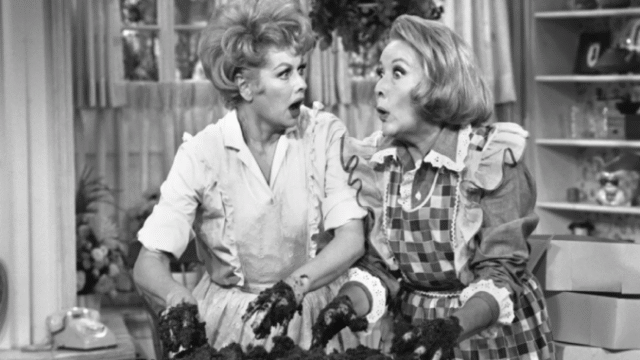
Actor Keith Thibodeaux played “Little Ricky” on I Love Lucy with such perfection, it was difficult for viewers to remember he wasn’t actually Lucy and Desi’s son.

The classic comedy series was an important part of his life at such a young age.

Here’s what the actor said took place when he last saw Lucille Ball in the 1980s.

Keith Thibodeaux (front) with the cast of ‘I Love Lucy’ | Silver Screen Collection/Getty Images

Auditioning to play Little Ricky

Keith Thibodeaux in 1955 | Arnold M. Johnson/Graphic House/Archive Photos/Getty Images

Keith Thibodeaux, as a musically precocious child, was earning $500 a week by age 3 while touring with the Horace Heidt Orchestra. His father took him to audition for the role of Little Ricky when he was about 5 years old.

“My dad brought me down to the studios, and I was introduced to Lucy. She said, ‘He’s cute, but what does he do?’ You have to do something, you know, for Lucy. My dad said, ‘He plays the drums.’”

‘I think we’ve found Little Ricky’

Lucille Ball and Desi Arnaz in 1951 | CBS/Getty Images

The show had a set of drums right on the set, so Thibodeaux, whose stage name was Richard Keith, showed everyone he knew how to keep a beat. According to Thibodeaux in his 2005 conversation with the Archive of American Television, 500 other boys had been vying for the role of the son of America’s most famous couple at the time.

“Everyone wanted to know what the commotion was, and Sheldon Leonard, the director for The Danny Thomas Show and other shows came over and was enjoying this little kid playing.

“Then finally, Desi Arnaz himself came over and started jamming with me on the drums and playing with me. He stood up and laughed in his way and said, ‘I think we’ve found Little Ricky.’”

His final visit with Lucille Ball

Keith Thibodeaux, front, in 2007 with Desi Arnaz Jr. | Kevin Winter/Getty Images

In the early 1980s, Thibodeaux recalled seeing Lucille Ball “on one of her birthdays.” It would be the last time he would see the actor before her 1989 death.

“I was playing with a band and I was in Los Angeles at the time,” he said. “It was her birthday, Lucy’s birthday, and my sister who lives in California, wanted to see Lucy.”

His sister decided they should just drop in on the red-headed legend but Thibodeaux didn’t like the idea. Eventually, his sister and his wife convinced him into seeing Lucy, along with the couple’s 3-year-old daughter.

Thibodeaux gave up hope of seeing her after working his way through a crowd of fans outside her home and leaving a note with Ball’s housekeeper that he had stopped by.

Ball was alone on her birthday

Gary Morton and Lucille Ball during Tribute to Cary Grant in Beverly Hills, California, United States. (Photo by Jeff Kravitz/FilmMagic, Inc)

He began backing his car off her property when “Here comes Lucy, just running out of the house, waving her hands and she’s just like, ‘Come on back!’ All these fans are going crazy by this time ’cause here comes Lucy out of the house,” Thibodeaux said.

“This is typical Lucy: She’s standing at the end of her hall, it’s about 50 feet down. She’s not greeting me at the door, she’s way down by the staircase, she’s got her hands wide open. Like, ‘Come to me!’” Thibodeaux said as he laughed at the memory. “There was this big hug, Lucy when she hugged you she just squeezed the life out of you. We spent a good hour there.”

Although it was her birthday, Thibodeaux’s former television mom was alone, he realized.

“It was kind of sad because it was her birthday and there was nobody there on her birthday,” he said. “She was by herself. I really thought it was a good thing that we were there.”

In the end, it turned out Thibodeaux’s sister’s idea had been a good one.

“It was just cool. She said, ‘I hear good things about you, I’m proud of you.’”

Popular

Desi Arnaz Described the ‘Beautiful Night’ He and Lucille Ball Had...

0
‘I Love Lucy’ stars Lucille Ball and Desi Arnaz were the ‘it’ couple in Hollywood. Here’s what they said about their wedding and the...