In the days following the passing of Eric Dane on February 19, 2026, public attention has turned toward the evolving personal life of Rebecca Gayheart. Dane died after battling ALS, a diagnosis he had shared publicly the previous year. While Gayheart has remained focused on supporting her daughters and honoring Dane’s memory, interest has also grown around her reported relationship with entrepreneur Peter Morton. The connection, which began several years ago, has drawn attention due to Morton’s prominent business career and the unique family dynamic Gayheart maintained with Dane until his final days.
Morton is best known as the co-founder of Hard Rock Cafe, the globally recognized restaurant brand he launched in London in 1971 alongside Isaac Tigrett. A graduate of the University of Denver, Morton expanded the brand internationally, later selling his stake in the company in 1995. He also developed the Hard Rock Hotel and Casino in Las Vegas, which he sold in 2006. Beyond his business success, Morton’s personal life has included both high-profile marriages and profound loss, including the passing of his son, restaurateur Harry Morton, in 2019. These experiences have shaped the quieter, more private chapter of his later years.
Gayheart and Morton were first romantically linked in 2023, during a period when she and Dane were separated but still legally married. Although Gayheart filed for divorce in 2018, the case was dismissed in 2025, and the two remained legally wed. Over the years, both Gayheart and Dane were open about the complexity of their relationship, describing it as rooted in deep friendship and shared commitment to their daughters. They met in 2003 and built a life that included more than two decades of partnership, raising two children together while navigating both personal and professional challenges.
When Dane publicly revealed his ALS diagnosis, Gayheart stood firmly by his side, describing their bond as familial and enduring, even if no longer traditionally romantic. Dane himself referred to her as one of his greatest supporters during his health battle. In a statement following his passing, his family shared that he spent his final days surrounded by loved ones, including Gayheart and their daughters. As she moves forward, Gayheart’s story reflects resilience, co-parenting partnership, and the ability to maintain compassion and loyalty through life’s most difficult chapters.
For centuries, the writings attributed to Nostradamus have inspired debate, curiosity, and countless interpretations. Rather than reading his quatrains as literal forecasts, many modern analysts view them as symbolic reflections on recurring human patterns—economic cycles, social change, and personal transformation. In this context, some commentators have pointed to January 2026 as a symbolic turning point. It is not described as a guaranteed moment of wealth or sudden success, but as a period when preparation and opportunity may align more clearly for certain individuals.
These interpretations emphasize that progress, if it comes, would not be universal or automatic. Instead, the focus is on alignment—between past effort, personal strengths, and evolving circumstances. Within popular astrological discussions, six zodiac signs are frequently highlighted for different symbolic reasons. Taurus is often associated with steady discipline and long-term planning, suggesting rewards for patience. Leo is linked to leadership and visibility, where confidence and initiative may open doors. Scorpio symbolizes transformation, hinting that change or challenge could lead to unexpected progress. Meanwhile, Capricorn represents endurance and persistence, qualities commonly tied to achieving long-term stability.
Additional interpretations include Aquarius and Virgo. Aquarius is often connected to innovation, originality, and forward-thinking ideas, with growth said to emerge through unconventional approaches or technological insight. Virgo, on the other hand, is described as benefiting through careful organization and recognition of personal skills. In these readings, success is not portrayed as dramatic or accidental. Instead, it is framed as gradual progress built on awareness, responsibility, and readiness to act when circumstances shift.
Importantly, many interpreters stress that these ideas should be approached thoughtfully rather than taken as financial or life guarantees. Practical reflection—such as reviewing goals, improving financial habits, and developing new skills—is often emphasized over speculation. January 2026, in this symbolic framework, represents a potential window of clarity rather than destiny. Whether it becomes meaningful depends less on astrology and more on preparation and decision-making. Ultimately, the message centers on patience, intention, and the value of steady effort over time.
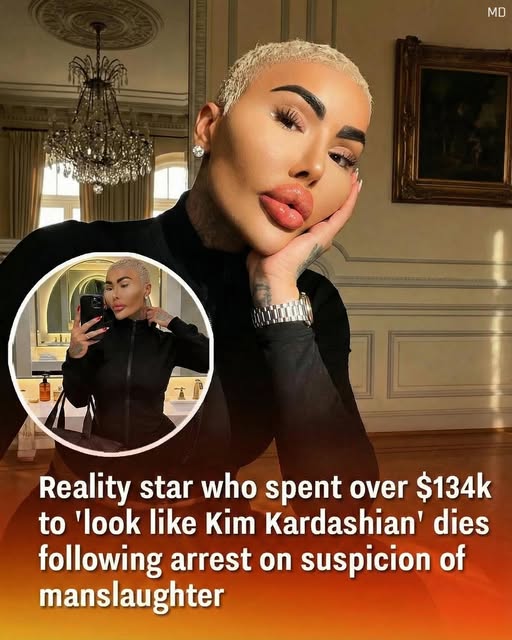
British reality television personality Jordan James Parke has passed away more than a year after his arrest in connection with an ongoing legal investigation. The news was shared by his sister, Sharnelle Parke, in a heartfelt message posted on social media. She confirmed that he died on February 18, 2026, and described the family as “numb, shocked and heartbroken.” In her tribute, she asked for compassion and understanding during what she called an incredibly painful time, remembering her brother as a beloved member of their family.
Parke became known to audiences through appearances on British television programs such as This Morning and Bodyshockers, as well as the American reality series Botched. Over the years, he openly discussed his extensive cosmetic transformation, reportedly undergoing more than 50 procedures. He often referred to media personality Kim Kardashian as a style inspiration and described himself as a strong advocate for cosmetic enhancement. According to previous media reports, his procedures included treatments such as a lip lift, chin implant, and liposuction. Parke was sometimes nicknamed the “Lip King” due to his well-publicized aesthetic changes.
Beyond television, Parke operated a beauty salon in Gloucestershire, England. In September 2024, a 33-year-old woman, Alice Webb, died one day after receiving a liquid BBL (Brazilian Butt Lift) procedure at the salon. The incident prompted a police investigation. Parke was arrested the following month on suspicion of manslaughter and was later released on bail. As of December 2025, no formal charges had been filed, and legal proceedings were ongoing at the time of his passing.
Following the news of Parke’s death, Webb’s family released a statement expressing mixed emotions. While acknowledging the developments, they said their focus remains on honoring Alice’s memory and continuing their campaign for stricter safety standards within the cosmetic industry. The family has been advocating for regulatory reform, informally referred to as “Alice’s Law,” which would require certain high-risk cosmetic procedures, including liquid BBL treatments, to be performed only by appropriately qualified medical professionals listed on the UK’s General Medical Council specialist register. As both families grieve in different ways, the broader conversation around safety and oversight in the cosmetic treatment sector continues.
Life at home often settles into a gentle rhythm shaped by the animals who share our space. There are familiar sounds and routines that quietly repeat themselves each day, bringing a sense of comfort and predictability. Our cat, Luna, had always been a perfect example of that calm presence. She was peaceful, observant, and content to sleep through the night in her small bed near the wall. Her evenings were uneventful, and mornings always began with the same soft stretch and slow blink. Because of this consistency, we rarely thought twice about her nighttime behavior—until subtle changes began to catch our attention.
Over time, I started waking up in the middle of the night with an odd sense of awareness, as though something nearby was quietly alert. At first, I assumed it was just a restless dream or my mind playing tricks in the dark. But the feeling returned again and again. One night, I opened my eyes and noticed Luna sitting near our pillows, completely still, watching the room with focused attention. She wasn’t acting frightened or aggressive—just unusually alert. During the day, she remained her affectionate, relaxed self, napping in sunlit corners and following us from room to room. The contrast between her daytime calm and nighttime vigilance sparked curiosity rather than fear.
To better understand what was happening, we first made sure Luna was healthy, and a routine checkup confirmed there was nothing medically wrong. Wanting clarity, we decided to observe her nighttime routine more closely. We placed a small camera in the bedroom to quietly record what happened after we fell asleep. What we discovered was surprisingly simple. Luna would wake around the same time each night, hop onto the bed, and sit nearby, patiently waiting. When my husband’s snoring became louder, she would gently reach out and rest her paw against his face—just enough to interrupt the sound without startling him. Once the room became quiet again, she calmly returned to her bed.
What initially felt mysterious turned out to be an example of quiet problem-solving. Luna wasn’t reacting to danger or behaving strangely; she was simply responding to her environment in the most practical way she knew. Cats are observant creatures, and she had clearly learned what disturbed her sleep—and how to fix it. Now, instead of feeling unsettled, we find the situation amusing and oddly endearing. Luna has claimed her role as the nighttime peacekeeper, ensuring the household remains calm and quiet. It’s a reminder that pets often understand our routines more deeply than we realize, and sometimes their unexpected behaviors are just clever solutions wrapped in whiskers and paws.
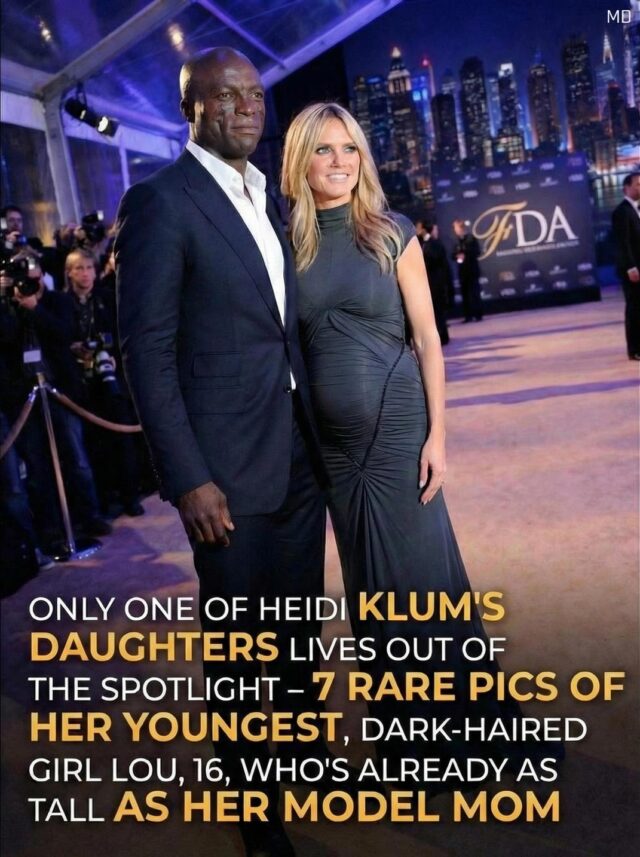
Growing up with a well-known parent can bring unique opportunities as well as challenges, and Heidi Klum has consistently worked to create a sense of stability for her four children. While they have occasionally appeared alongside her at public events and family outings, Klum has aimed to keep their upbringing balanced and grounded. Over the years, the children have gradually become more visible, especially during milestone celebrations or fashion-related occasions. As they mature, each of them is beginning to explore personal interests and define an individual path shaped by their own talents and goals.
A meaningful moment in their family life came when Tom Kaulitz proposed to Klum. Rather than keeping the occasion private between the two of them, he included the children by asking for their blessing beforehand. Klum later described the gesture as thoughtful and deeply moving, noting that it reinforced the sense of unity within their home. By involving the children in important life decisions, the family has emphasized open communication and shared experiences. Holidays, creative celebrations, and everyday gatherings have continued to reflect that inclusive spirit.
Klum’s eldest daughter, Leni, was born in 2004 and has grown up surrounded by encouragement and support. Although her biological father is Flavio Briatore, musician Seal became a consistent parental figure and later formally adopted her. As Leni reached adulthood, she chose to pursue modeling, building a career that reflects both personal ambition and professional guidance. Her brother Henry has also shown interest in fashion, exploring opportunities in modeling while maintaining a relatively private daily life. Their experiences highlight the importance of mentorship and family backing when stepping into competitive industries.
Meanwhile, Johan has largely preferred to stay out of the spotlight, appearing mainly during family moments rather than seeking public attention. His quieter approach has been respected, allowing him to grow at his own pace. The youngest sibling, Lou, is known for her creativity and enthusiasm, especially during themed events and artistic activities. Together, the four children demonstrate different ways of navigating life with a famous parent—some embracing visibility, others choosing discretion. Throughout it all, Klum’s consistent focus has remained clear: offering guidance, protection, and encouragement as her children move forward confidently into their own futures.
The transition from the routine of a quiet Arizona evening to a nationwide FBI search for an 84-year-old matriarch happened in the span of a single Saturday night. For Savannah Guthrie, the face of NBC’s “Today,” the cultural landscape of February 2026 has been defined by a personal nightmare that has shifted from a missing persons case to a “forensic” investigation of a potential abduction. As of February 23, 2026, the disappearance of Nancy Guthrie from her Tucson home has unmasked a series of chilling details, leaving a family in crisis and a community on edge.
In the aftermath of the disappearance, the Guthrie family has retreated into a protective silence, a “strategy of withdrawal” aimed at maintaining focus on the recovery efforts. For the first time since the investigation began, Savannah’s sister, Annie Guthrie, and her husband, Tommaso Cioni, were spotted in public. The encounter, documented by photographers in Tucson, captured a couple weighed down by the “mechanical noise” of a media circus and the sheer “financial tension” of an unfolding tragedy.
The Anatomy of an Abduction The investigation into Nancy Guthrie’s disappearance began with a disturbing “forensic” discovery at her residence. What started as a welfare check when the 84-year-old failed to appear for Sunday church services quickly escalated. Pima County Sheriff Chris Nanos confirmed that the home is being treated as a crime scene, citing evidence of forced entry and, most harrowing, a blood trail leading from the front door.
Nancy Guthrie is a woman who, according to family and medical records, could not “go 50 yards” on her own. With a pacemaker, high blood pressure, and significant cardiac issues, her survival depends on a strict medication regimen. The “hidden truth” of her disappearance suggests a high-stakes kidnapping, a theory bolstered by a chilling ransom note sent to a local news station. The note reportedly contained specific details about Nancy’s attire and the interior of her home—information that only someone with “forensic” access to the scene could possess.
The Last Contact: A Family Under Scrutiny In the early stages of the investigation, reports varied on who last saw Nancy alive. It has now been clarified that Tommaso Cioni, Annie’s husband, dropped his mother-in-law off at approximately 9:30 p.m. on Saturday after a family dinner. This “last point of contact” has placed the couple at the center of the timeline, though Sheriff Nanos has emphasized that the family remains “engaged, involved, and very cooperative.”
When Annie and Tommaso were spotted on Tuesday, their appearance reflected the “individuation” of grief. Clad in pink and gray hoodies pulled tight to mask their faces, they navigated the “shadow” of the paparazzi with the “consistency and honesty” of people who have reached their breaking point. Annie, a published poet and mother, and Cioni, an Italian-born writer, have spent over a decade in the Guthrie family orbit. Now, they find themselves protagonists in a “true story” far more tragic than any literature they have produced.
The Global Ripple: From NBC to the Winter Olympics The impact of Nancy’s disappearance has reached far beyond the borders of Arizona. Savannah Guthrie, a staple of morning television, has been absent from her post at “Today.” In a move of “strategic withdrawal” to prioritize her family, she has officially dropped out of hosting the 2026 Winter Olympics in Italy, which are set to kick off this Friday.
Her husband, Michael Feldman, has stepped into the role of family spokesperson, though he noted on Tuesday that there is “nothing new to report.” This “stability and growth” in their public messaging is a calculated effort to prevent “Online Theories” from hampering the FBI’s efforts. Savannah has utilized her platform to request “loyalty and trust” from her followers, asking for prayers for her “dear” mother’s safe return.
The Forensic Search: Buried Secrets and Blood Trails As the search enters its fourth day, the investigation has expanded into the “structural assessment” of the property and its surroundings. Reports from the Los Angeles Times and NewsNation have focused on the “mechanical noise” of forensic teams unearthing what some have called “buried secrets” in the garden of a Guthrie-owned property. While authorities have not officially linked these findings to Nancy’s location, the “forensic” intensity suggests they are looking for anything that might lead to a breakthrough.
The “shadow” over Tucson is deepened by the presence of federal agents. The FBI’s involvement indicates that the “ransom note” and the signs of a struggle have crossed jurisdictional lines, making this a high-priority federal case. The “salary difference” between a standard missing persons case and a federal kidnapping investigation is clear in the sheer volume of resources being deployed—from satellite telemetry to canine units.
The Synergy of Hope and Fear For the Guthrie siblings—Savannah, Annie, and Camron—the current crisis is a test of “loyalty and trust.” Sheriff Nanos has noted that the family is “leaning on each other,” a “synergy” of support that is vital when the world is watching. The “imperceptible changes” in the investigation, from a missing person to a blood-stained crime scene, have forced the family into a state of “fierce protection.”
Nancy Guthrie’s disappearance is a reminder that “dignity” and “safety” are fragile, even for those with high profiles. The “unforgettable” nature of this case lies in the vulnerability of an 84-year-old woman in need of her medication, held by unknown captors who seem to know the “forensic” details of her life.
As the Winter Olympics begin in Italy, the seat Savannah Guthrie was meant to occupy remains empty—a physical representation of a family’s “interrupted life.” The search for Nancy Guthrie continues, with the nation’s eyes turned toward the desert hills of Arizona, hoping for a “wink” of good news in an otherwise dark chapter.
The statistical reality of senior abductions in 2026 provides a sobering context:
82% of elderly abduction cases involving “ransom notes” see a resolution within the first 72 to 96 hours. 15% of such cases involve “forced entry” as a primary method of abduction in affluent rural areas. 94% success rate in federal recovery efforts when “forensic GPS tracking” and “silent fail-safes” are utilized early in the investigation.
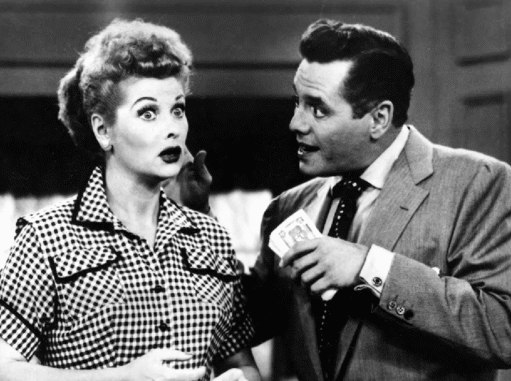
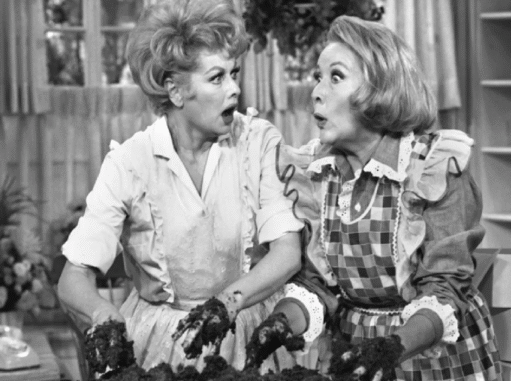
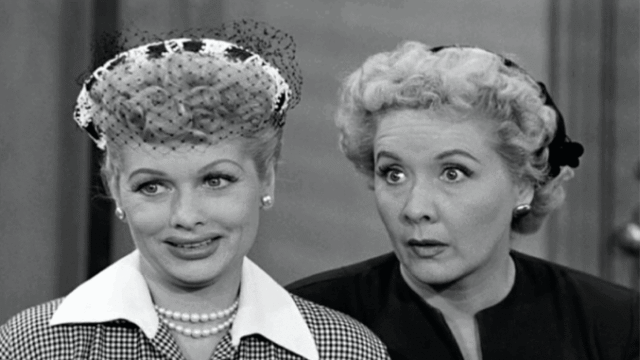
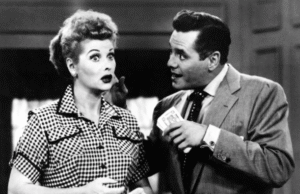
Lucille Ball and Vivian Vance had a falling out that took years to patch up.
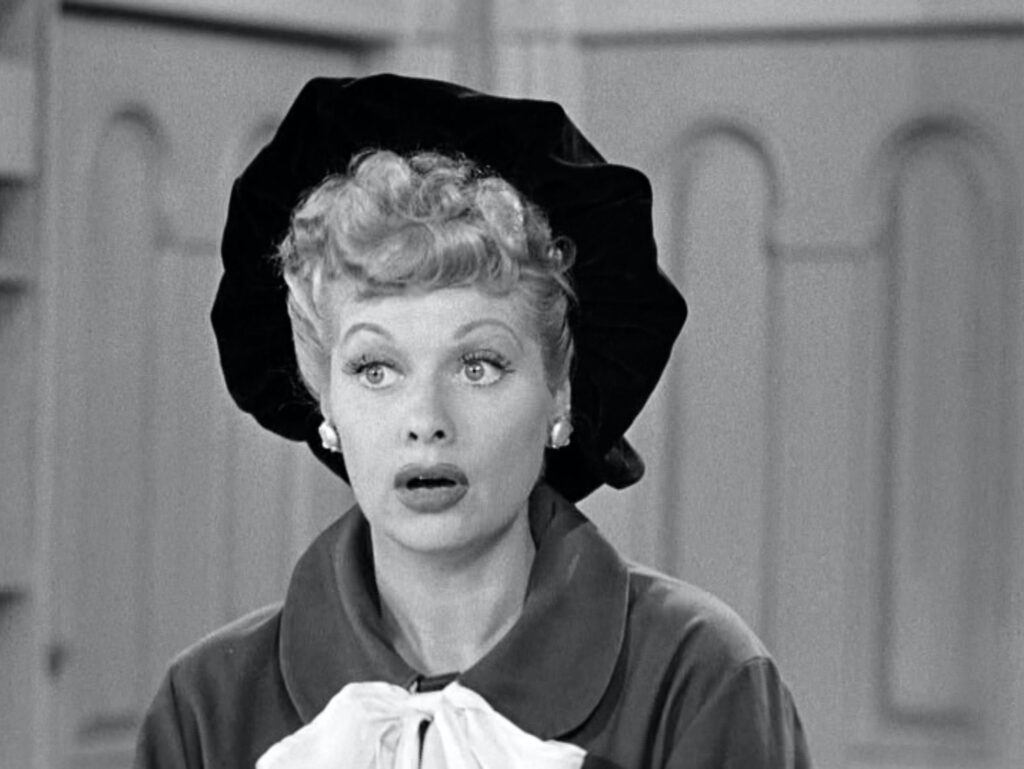
Lucille Ball played a significant role in the early days of classic television, securing a cherished spot in pop culture history. I Love Lucy was one of the first programs to give viewers a glimpse into the household of a young family.
Although Ball received most of the credit for the success of the popular television series, it was her loyal sidekick Ethel Mertz (Vivian Vance) that helped create the onscreen magic. Her character was the best friend who was ready at a moment’s notice to join Lucy in her fun-filled schemes.
Unfortunately, when the cameras stopped rolling, the onscreen chemistry didn’t translate to real life. The women endured both personal and professional differences that threatened their friendship, taking years to overcome.
The iconic stars of ‘I Love Lucy’
Lucille Ball on ‘I Love Lucy’ | CBS via Getty Images
In The Lucy Book, author Geoffrey Mark stated, “It took several months of filming for Ms. Ball to realize what she had with Vivian, which is why, as the show goes on, the Ethel Mertz character gets more and more prominent.”
Closer Weekly noted, “Both women were accomplished actors that had the uncanny ability to bring viewers into every scene, allowing them to ‘suspend disbelief.’ They played off of one another so well, audiences loved watching them tackle seemingly unbelievable dilemmas with ease.
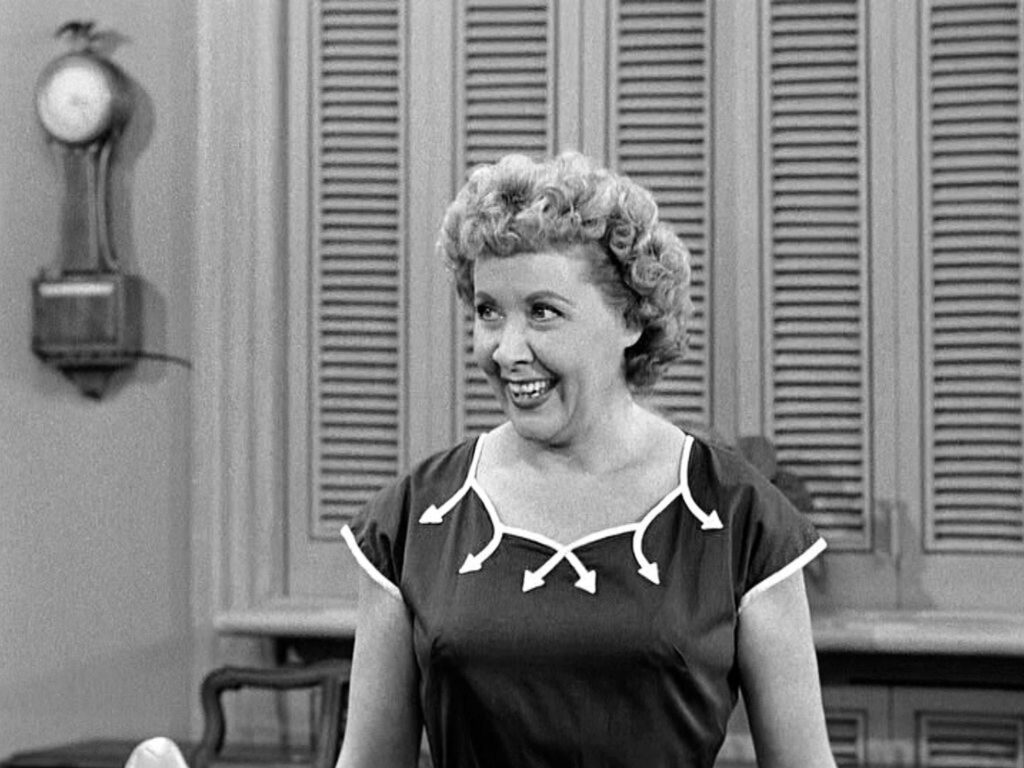
In real life, Vance was nothing like her character. The frumpy upstairs landlady was actually a beautiful actor with a long list of theater credits to her name. She transformed her physical appearance to get into the role and had to prepare herself mentally every day to meet the demands of playing Ethel Mertz.
Why Vivian Vance left ‘The Lucy Show’
Vivian Vance as Ethel Mertz | CBS via Getty Images
I Love Lucy stayed on the air for six regular seasons, running a total of 180 half-hour episodes from 1951 to 1957. When the series ended, Desilu offered Vance a spinoff series, but she wasn’t interested.
America’s favorite sidekick moved on to other projects, ready to distance herself from her role as Ethel. In 1962, Ball lured Vance back to portray a new character named Vivian on The Lucy Show, becoming the first divorced woman on television.
According to IMDb, “Vivian Vance refused to agree to appear on this show unless she was allowed to wear nice clothing. The days of a frumpy best friend were over. This was agreed to, and she signed the contract.”
The successful CBS series stayed on the air for six seasons, for a total of 156 episodes. The show ended in 1968, with Vance only appearing in 81 episodes.
In 1965, Vance asked to be let out of her contract. According to Closer Weekly, six months into the new show, Ball retained ownership of Desilu Studios. Several of the studio executives told her that Vance “was looking for more money, control, and in essence, wanted to be a full partner on the show.” Ball refused Vance’s demands but later discovered, “Nothing they told her was true.”
The Lucy Book author claims Vance merely wanted to make her character “consistent.” She also wanted to be paid more than the $250 a week she was receiving, feeling she deserved to be getting “what everybody else on television who was a co-star on a show was getting.” Some fans speculate that Vance was simply tired of the long commute to the studio from her Connecticut home.
The ultimate friendship
The series continued but was not the same without Vance’s presence. Ball later recognized that she should have fought harder for her friend, saying, “We let these men put a wedge between us that never should have been there.”
The friendship of these two iconic women endured because they truly liked one another. Vance went on to appear in other television shows until being diagnosed with bone and breast cancer. The two women put their past differences aside and remained friends until Vance’s passing in 1979 at the age of 70.
Before her death, Vance took out an ad in Variety that read, “Dear Lucy. You made me what I am today, and I’m satisfied. Love, Viv.”
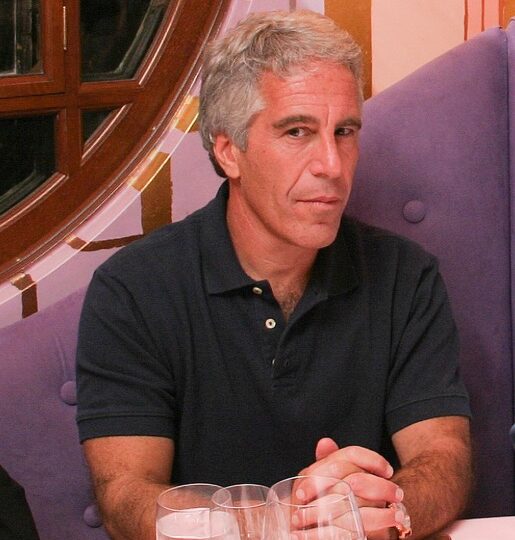
The long-running fallout surrounding financier and convicted sex offender Jeffrey Epstein continues to reverberate across politics, business, and the entertainment industry.
Years after Epstein’s 2019 death in federal custody, court filings, unsealed documents, investigative reporting, and legal proceedings involving his associates have kept his network of contacts under public scrutiny.
For Hollywood — an industry no stranger to controversy — renewed attention to Epstein’s records has added yet another chapter to an already complex history.
However, officials and legal experts consistently emphasize a critical point: the appearance of a person’s name in Epstein-related documents does not, by itself, indicate wrongdoing, criminal conduct, or even personal association.
As thousands of pages of court materials and records have been made public over time — particularly through litigation connected to Epstein’s accomplice, Ghislaine Maxwell — public curiosity has surged.
The documents include emails, deposition transcripts, contact lists, flight logs, and references to public figures spanning decades.
While Epstein’s social orbit included individuals from many walks of life, only a very small number of people have been criminally charged in connection with his offenses.
Understanding the difference between documented association and proven misconduct remains essential in navigating this complex and often emotionally charged subject.
A Long History of Public Scrutiny
Epstein’s case first became widely known after his 2008 plea agreement in Florida related to charges involving the solicitation of minors.
More than a decade later, in 2019, he was arrested again on federal sex trafficking charges. He died in a New York detention facility before trial. His death intensified public interest and led to continued investigations and civil litigation.
In 2021, Ghislaine Maxwell was convicted in federal court on charges related to her role in recruiting and grooming underage girls for Epstein.
She was sentenced to 20 years in prison. Her trial and related civil lawsuits resulted in thousands of documents becoming part of the public record.
Those materials have periodically been unsealed by court order. When such releases occur, they often generate renewed headlines — particularly when recognizable names appear in emails, contact lists, or witness testimony.
However, courts have repeatedly clarified that many names appear merely because individuals were mentioned in conversation, listed in address books, or invited to social events — not because they were accused of crimes.
Hollywood’s Complicated Relationship With Scandal
Hollywood has experienced its share of high-profile scandals in recent decades. The convictions of Harvey Weinstein for sex crimes reshaped the industry and fueled the #MeToo movement.
The decades-long legal case involving Roman Polanski continues to spark debate about accountability and artistic legacy.
The tragic on-set shooting during the production of the film Rust involving Alec Baldwin added another sobering chapter to conversations about responsibility in the entertainment world.
Against that backdrop, any connection — even peripheral — between Hollywood figures and Epstein inevitably draws intense public attention.
The blurred line between celebrity culture and serious criminal investigation can sometimes amplify speculation beyond the confirmed facts.
The Nature of the Documents
It is important to clarify what the so-called “Epstein files” typically consist of. They are not a single official master list created by the U.S. Department of Justice identifying guilty parties. Rather, they are a collection of:
Unsealed civil court filings
Deposition transcripts
Email correspondence introduced as evidence
Address books and contact lists
Flight manifests from Epstein’s private plane
Internal communications between Epstein and associates
Because Epstein cultivated relationships with politicians, academics, entertainers, philanthropists, and business leaders, his contact lists and event invitations were broad.
Inclusion in those records may indicate anything from a social introduction to a professional interaction — or, in some cases, merely that someone’s name was mentioned by a third party.
Federal authorities have consistently stated that only Epstein and Maxwell were charged in connection with the trafficking offenses proven in court.
No sweeping set of additional criminal charges against Hollywood figures has emerged from the released materials.
Kevin Spacey and Public Response
Among entertainment figures whose names have appeared in public reporting related to Epstein is Kevin Spacey.
Photographs from the early 2000s show Spacey alongside Maxwell and former President Bill Clinton during a visit to London. These images have circulated widely online.
Spacey has not been charged in connection with Epstein’s crimes. In 2023, Spacey was acquitted in the United Kingdom of unrelated sexual assault charges.
In mid-2024, he publicly urged full transparency regarding Epstein records, stating on social media that he supported the release of all documents and maintained that transparency would clarify misunderstandings.
Legal analysts note that photographs or social proximity do not establish criminal involvement. In many cases involving Epstein, public figures attended events without knowledge of later criminal conduct.
Woody Allen and Social Gatherings
The name of filmmaker Woody Allen has also appeared in previously unsealed civil litigation materials. Testimony suggested he and his wife, Soon-Yi Previn, may have attended a dinner gathering in New York that included Epstein and other public figures.
Allen has acknowledged attending a dinner at Epstein’s home but has stated that he had minimal contact and was unaware of any criminal behavior at the time. No criminal charges have been filed against Allen in relation to Epstein.
As with many such references, documentation of attendance at a social event does not equate to evidence of participation in illegal activity. Courts and investigators differentiate between social acquaintanceship and complicity.
Casey Wasserman and Documented Communications
Entertainment executive Casey Wasserman has also been mentioned in media coverage of Epstein-related materials.
Wasserman, who leads a major sports and talent management company representing global music and entertainment artists, appeared in email exchanges with Maxwell in the early 2000s.
Some messages referenced in court filings reflected personal or flirtatious language. Wasserman has publicly stated that he regrets the tone of those communications and emphasized that they occurred more than two decades ago, long before Maxwell’s criminal conviction.
Importantly, Wasserman has not been accused by prosecutors of any criminal wrongdoing related to Epstein. His appearance in communications does not constitute evidence of involvement in illegal conduct.
Other Entertainment Figures Mentioned
Various other well-known names from film and television have appeared in reporting tied to Epstein’s documents. These include:
Robert De Niro
Amy Schumer
Chris Tucker
Alyssa Milano
Whoopi Goldberg
Minnie Driver
In nearly all such instances, the context has involved mention in flight logs, contact lists, or witness testimony describing social events.
None of these individuals have been criminally charged in connection with Epstein’s offenses.
The public nature of celebrity often amplifies curiosity, but law enforcement agencies and courts have repeatedly cautioned against drawing conclusions based solely on documentation of association.
Why Names Appear in Legal Records
There are several reasons why a person’s name may appear in Epstein-related files:
They attended a social event where Epstein was present.
They were listed in an address book or contact list.
Their name was mentioned during testimony by a witness.
They appeared in photographs at public functions.
They traveled on a flight where Epstein was also present.
None of these circumstances alone prove criminal knowledge or participation. In high-profile investigations, especially those involving wealthy and socially connected individuals, large networks of peripheral contacts are common.
Public Fascination and Media Responsibility
The Epstein case sits at the intersection of celebrity culture, political influence, wealth, and serious criminal wrongdoing. That combination naturally fuels public interest.
However, responsible reporting requires careful distinction between:
Documented criminal convictions
Allegations under investigation
Social associations
Speculation without evidentiary basis
Courts operate on evidence, not public curiosity. As of now, aside from Epstein and Maxwell, no Hollywood actor, producer, or entertainment executive has been convicted of crimes tied directly to Epstein’s trafficking offenses.
The Broader Cultural Impact
The release of court documents has sparked ongoing debates about power, accountability, and transparency. Many advocacy groups argue that full disclosure is necessary to restore public trust.
Others warn that selective interpretation of unsealed documents can unfairly damage reputations.
The entertainment industry, already reshaped by movements demanding accountability and workplace reform, continues to confront how it responds to association controversies.
Studios, agencies, and public figures often issue statements clarifying limited contact when names surface.
In the digital age, archived photos and decades-old emails can resurface instantly. Context, however, is essential.
A Critical Legal Reminder
Federal authorities have emphasized a consistent point: inclusion in Epstein-related records is not proof of involvement in criminal activity.
The criminal case that resulted in convictions centered on Epstein and Maxwell’s documented exploitation of minors.
While investigations have examined potential accomplices, prosecutors have not filed sweeping additional charges against Hollywood figures.
In legal systems governed by due process, individuals are presumed innocent unless proven guilty in court.
Conclusion
The continuing public interest in Jeffrey Epstein’s network reflects broader societal concerns about power and accountability.
The entertainment industry, given its visibility and influence, naturally becomes part of that conversation when recognizable names appear in court documents.
Yet facts remain paramount. Court records show that many prominent individuals were referenced in Epstein’s materials.
At the same time, law enforcement has charged only Epstein and Ghislaine Maxwell in connection with the crimes proven in court.
As additional records are reviewed and discussed, the distinction between association and culpability remains critical.
In a landscape where headlines travel quickly and reputations can shift overnight, responsible analysis depends on evidence — not implication.
The Epstein case continues to generate discussion, but the legal record remains clear: beyond Epstein himself and Maxwell, no entertainment figure named in the released materials has been criminally convicted in relation to his offenses.
Marriage is often described as one of life’s most profound journeys—a dynamic and evolving partnership that reflects not only the bond between two people but also their individual growth over time.
Unlike a static contract, marriage is a living relationship shaped by experience, maturity, changing priorities, and personal transformation.
As individuals move from a first marriage to a second or even third, they often carry forward valuable lessons learned through both joy and hardship.
Each stage represents not failure or repetition, but evolution—an ongoing process of discovering what love, partnership, and commitment truly mean.
From youthful optimism to seasoned wisdom, the journey across multiple marriages reveals how deeply personal growth influences relational success.
While every union is unique, common themes often emerge: shifting expectations, emotional maturity, improved communication, and a clearer understanding of values and boundaries.
Whether entering marriage for the first time or beginning again later in life, the core foundation of a healthy relationship remains rooted in respect, empathy, honesty, and shared commitment.
The First Marriage: Idealism, Discovery, and Learning
For many individuals, a first marriage begins with hope, excitement, and a sense of possibility. Couples often enter this stage envisioning a shared future filled with companionship, achievement, and emotional fulfillment.
There is typically an abundance of optimism—an assumption that love alone will be enough to sustain the partnership through life’s challenges.
In early adulthood especially, first marriages may be shaped by romantic ideals influenced by culture, family examples, media portrayals, or personal dreams.
Couples might believe they are fully prepared for the responsibilities ahead, yet the realities of day-to-day life often introduce unexpected complexity.
Navigating Reality
The early years of marriage frequently reveal fundamental differences in communication styles, emotional expression, financial habits, conflict resolution approaches, and long-term goals.
Partners must learn to balance individuality with shared responsibility. Simple tasks—managing a household, dividing chores, budgeting, or deciding how to spend holidays—can become sources of tension if expectations are unclear.
Moreover, first marriages often coincide with other significant life transitions: building careers, relocating, starting families, or managing extended family relationships. These external pressures can test emotional resilience and highlight gaps in relational skills.
Because many individuals enter their first marriage without extensive experience in long-term partnership, they may not yet possess fully developed tools for resolving conflict constructively.
Misunderstandings can escalate when partners struggle to express needs clearly or listen without defensiveness. Over time, unresolved issues may create emotional distance.
Yet first marriages are also powerful classrooms. They teach lessons about compromise, vulnerability, patience, and the importance of shared responsibility.
Even when a first marriage does not endure, it often provides foundational insights that shape future relationships in meaningful ways.
The Second Marriage: Realism, Reflection, and Rebuilding
By the time someone enters a second marriage, the emotional landscape is typically different. Experience has replaced innocence. Reflection has replaced assumption.
Individuals often approach their second union with greater clarity about who they are and what they need in a partner.
Second marriages tend to be grounded in realism rather than idealism. Having navigated previous challenges, individuals may be more aware of potential pitfalls.
They often recognize the importance of open communication, clear boundaries, and mutual respect. Expectations may be less about perfection and more about compatibility, trust, and emotional safety.
Greater Self-Awareness
One of the most significant advantages of a second marriage is increased self-knowledge. Individuals often understand:
Their personal values and non-negotiables
Their communication strengths and weaknesses
Patterns they want to avoid repeating
The type of emotional support they require
This awareness can foster healthier dynamics from the outset. Partners may discuss finances, parenting philosophies, career ambitions, and long-term goals more thoroughly before committing.
They are often more willing to seek counseling or mediation if conflicts arise.
Blending Families and Financial Complexity
However, second marriages frequently introduce additional layers of complexity. Blending families can require extraordinary patience and sensitivity.
Children from previous relationships may experience loyalty conflicts, adjustment difficulties, or uncertainty about new family roles. Stepparents must build trust gradually, avoiding forced authority while demonstrating consistency and care.
Financial matters may also be more complicated. Previous obligations such as child support, alimony, shared property, or existing assets require transparent communication and careful planning.
Establishing clear agreements about budgeting, inheritance planning, and shared expenses becomes essential.
Emotional scars from earlier relationships can surface as well. Trust may need to be rebuilt slowly. Fear of repeating past mistakes can create anxiety.
Yet when addressed openly and compassionately, these challenges can strengthen rather than weaken the partnership.
For many individuals, the lessons learned in a first marriage become the foundation for a more stable and emotionally grounded second union.
The Third Marriage: Maturity, Authenticity, and Deep Companionship
Third marriages often reflect yet another transformation in perspective. By this stage, individuals frequently prioritize emotional intimacy, shared values, and mutual respect over societal expectations or traditional timelines.
There is often less pressure to meet external standards and more focus on internal fulfillment. Individuals entering a third marriage may have released unrealistic ideals and embraced authenticity.
They understand that lasting partnership requires acceptance of both strengths and imperfections.
Emotional Maturity
Emotional maturity tends to be a defining feature of many third marriages. Partners may demonstrate:
Greater empathy and perspective-taking
Improved conflict resolution skills
A calmer response to disagreements
Appreciation for autonomy within togetherness
Rather than attempting to change one another, partners may focus on supporting each other’s growth. Independence and interdependence are balanced thoughtfully.
Older couple laughing together in park.
Each individual maintains personal interests and friendships while nurturing shared experiences.
Third marriages often emphasize companionship. The relationship becomes a source of comfort, peace, and mutual understanding. The goal is not perfection but partnership rooted in wisdom and resilience.
Redefining Success
By the third union, many individuals redefine what marital success means. Instead of measuring success solely by longevity or public appearance, they may focus on emotional fulfillment, mutual growth, and authenticity.
This stage can represent renewal rather than repetition—a conscious choice to build something healthier and more aligned with present values.
The Universal Foundations of a Healthy Marriage
Regardless of whether a marriage is a first, second, or third, certain foundational elements remain essential.
Open and Honest Communication
Healthy communication forms the backbone of any successful partnership. This includes:
Expressing needs clearly and respectfully
Listening without interruption or defensiveness
Addressing concerns early rather than allowing resentment to build
Being transparent about finances, goals, and emotions
Couples who communicate effectively are better equipped to navigate misunderstandings and adapt to change.
Empathy and Patience
Life inevitably presents stressors: career transitions, health challenges, family obligations, and unexpected setbacks.
Empathy allows partners to support one another during difficult periods. Patience helps prevent minor disagreements from escalating into larger conflicts.
Shared Commitment to Growth
A lasting marriage requires ongoing effort. Growth is not automatic—it must be intentional. Couples who invest time in nurturing their emotional bond, setting shared goals, and celebrating milestones strengthen their connection over time.
Marriage thrives when partners view challenges not as threats but as opportunities for deeper understanding.
External Influences on Marriage
No marriage exists in isolation. Cultural background, family dynamics, financial stability, and personal ambitions all shape the nature of a relationship.
Cultural and Family Expectations
Cultural traditions may influence gender roles, decision-making processes, and expectations regarding extended family involvement. Navigating these factors requires mutual respect and adaptability.
Family history also plays a significant role. Individuals who witnessed healthy parental relationships may enter marriage with constructive models. Those who experienced conflict or instability may need to consciously develop healthier patterns.
Financial Stability and Career Demands
Economic stress can strain even strong relationships. Transparent budgeting, shared financial goals, and collaborative planning are crucial.
Likewise, career ambitions must be balanced with family responsibilities. Couples benefit from discussing how professional aspirations align with shared priorities.
Blended Families and New Traditions
In second or third marriages, blending families presents both challenges and opportunities. Creating new traditions can help build unity.
Establishing clear expectations for discipline, communication, and family roles fosters stability for children and adults alike.
The Importance of Emotional Bonding
At every stage of marriage, nurturing emotional intimacy is essential. This involves:
Spending quality time together
Expressing appreciation and gratitude
Offering support during stressful periods
Engaging in shared activities
Small gestures—thoughtful conversations, acts of kindness, or shared laughter—often have lasting impact.
Couples who intentionally invest in their emotional connection are better equipped to weather external pressures.
Growth Through Reflection
Transitioning from one marriage to another often involves deep reflection. Individuals may examine patterns from previous relationships and identify areas for improvement. This process can include:
Recognizing communication habits that contributed to conflict
Addressing unresolved emotional wounds
Clarifying long-term priorities
Establishing healthier boundaries
Personal growth enhances relational success. When individuals take responsibility for their own development, they bring greater stability into future partnerships.
Marriage as an Ongoing Journey
Marriage is not a destination reached at the wedding ceremony; it is an ongoing journey of adaptation and renewal. Each stage offers new opportunities to deepen understanding and strengthen commitment.
First marriages often teach foundational lessons about partnership. Second marriages may reflect realism and conscious rebuilding. Third marriages frequently embody maturity and authenticity.
None of these stages are inherently superior. Each carries potential for profound fulfillment when partners are willing to learn, adapt, and grow.
The path from a first marriage to subsequent unions is not necessarily a story of repetition—it is often a story of evolution. With each experience, individuals gain insight into themselves and their needs.
They develop resilience, empathy, and clarity about what truly matters.
Marriage, at its core, is about partnership. It requires open dialogue, compassion, shared responsibility, and ongoing commitment. External circumstances may vary, but the principles that sustain love remain constant.
By embracing change, fostering honest communication, and prioritizing mutual respect, couples at any stage can cultivate relationships that are lasting, meaningful, and deeply enriching.
Whether beginning anew or continuing a long journey together, marriage offers an enduring opportunity for growth, connection, and renewal—an evolving partnership shaped by experience, strengthened by wisdom, and sustained by love.
Hollywood is in mourning following the death of one of its most revered actors, whose range, depth, and intensity helped define modern American cinema.
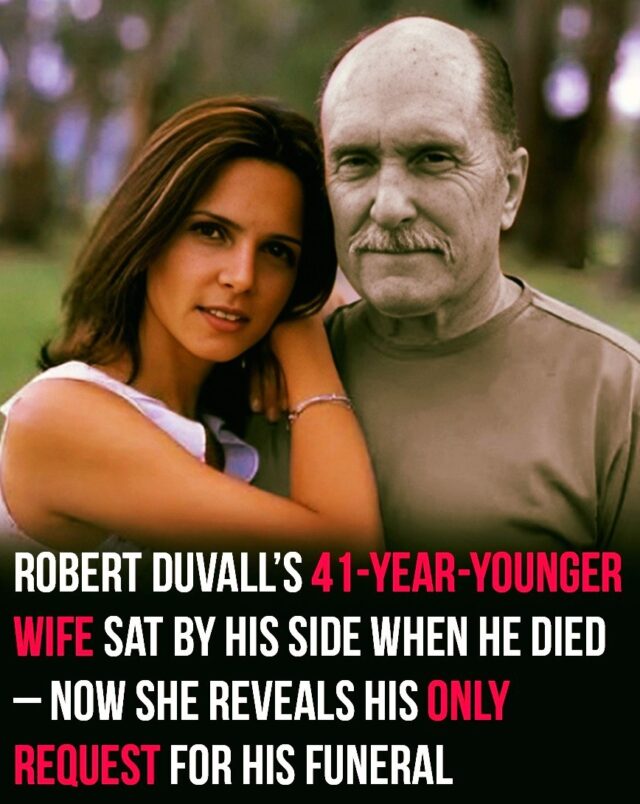
Robert Duvall, whose career of more than seven decades included some of the most iconic performances in film history, passed away on February 15, 2026, at the age of 95.
His wife announced that he died peacefully at home in Virginia “surrounded by love and comfort.” As tributes pour in from across the entertainment world, Duvall’s passing marks the end of a remarkable era — not only for Hollywood but for generations of audiences who were shaped by his performances in classics such as The Godfather, Apocalypse Now, To Kill a Mockingbird, Tender Mercies, Lonesome Dove, and many others.
A Storied Life From Humble Beginnings to Hollywood Immortality
Early Life and Formative Years
Robert Selden Duvall was born January 5, 1931, in San Diego, California, into a family with deep military roots.
His father was a U.S. Navy rear admiral, and much of Duvall’s youth was spent moving between postings, including time in the Washington, D.C., area and Maryland.
These early experiences instilled in him a sense of discipline and curiosity about human behavior — traits that would later inform his nuanced portrayals of complex characters.
Duvall attended Severn School and later majored in drama at Principia College in Illinois, where he began to seriously pursue acting.
After graduating, he served in the U.S. Army from 1953 to 1955, during the Korean War era, before moving to New York to train professionally with acting coach Sanford Meisner. His early training grounded him in emotional authenticity — a hallmark that would define his career.
Breakthroughs and Hollywood Ascendance
Film Debut and Early Roles
Duvall’s film debut came in 1962 as the enigmatic and deeply human Boo Radley in To Kill a Mockingbird. The role was small but unforgettable, hinting at the profound sensitivity and depth that he would bring to his performances throughout his career.
The 1960s and 1970s were a period of dynamic change in American cinema, often referred to as the New Hollywood era, when directors and actors pushed boundaries and explored new storytelling depths.
Duvall emerged as one of the era’s most compelling actors, fully capable of transforming himself into characters both gentle and savage, introspective and explosive.
Iconic Roles That Defined an Era
Some of Duvall’s most memorable and culturally enduring roles include:
Tom Hagen in The Godfather (1972) — as the calm, loyal consigliere to the Corleone family, Duvall earned his first Academy Award nomination and captivated audiences with quiet emotional power.
Lt. Colonel Bill Kilgore in Apocalypse Now (1979) — his electrifying performance as a war-hardened and philosophically conflicted officer became instantly iconic and is still quoted and referenced in discussions of cinema’s greatest performances.
Mac Sledge in Tender Mercies (1983) — Duvall won the Academy Award for Best Actor for his portrayal of a down-and-out country singer seeking redemption — a quiet, deeply humane role that showcased his extraordinary emotional range.
Throughout his career, Duvall demonstrated remarkable versatility, embracing both gritty realism and subtle introspection, whether in dramatic epics, Westerns, intimate character studies, or television productions that earned him additional Emmy Awards.
More Than an Actor: A Storyteller and Artist
Director and Artisan
Beyond acting, Duvall’s creative ambitions led him into directing and producing. His 1997 film The Apostle, which he wrote, directed, and starred in, explored themes of faith, redemption, and personal struggle with raw honesty and emotional depth.
The project was widely praised for its spiritual resonance and artistic courage, reflecting Duvall’s own commitment to storytelling grounded in human truth.
Duvall continued exploring roles that spoke to the American experience in its many forms: Westerns, dramas, character studies, and films that balanced mass appeal with emotional authenticity.
His later roles, including parts in films like Widows (2018), Jack Reacher (2012), and Hustle (2022), demonstrated that even in his later years he remained a force of presence and meaning onscreen.
Personal Life and the Man Beyond the Screen
Relationships and Family
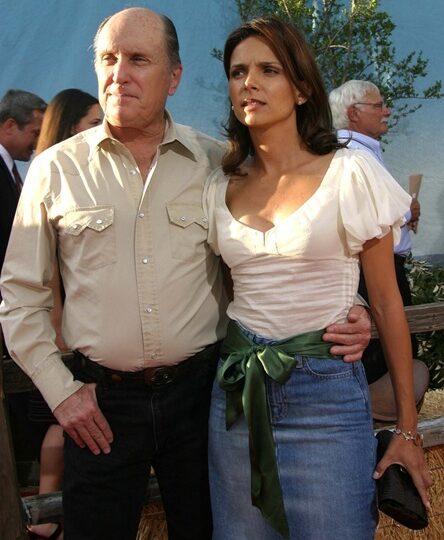
Though his public life often centered on his artistic achievements, Duvall also lived a rich personal life. He was married four times and is survived by his fourth wife, Luciana Pedraza, whom he married in 2005.
Luciana, an Argentine actress and director, was a constant support and collaborator. The two first met years earlier, blending shared passions for film, culture, and life.
Despite his long life and multiple marriages, Duvall never had children, something he once joked about with self-deprecating humor, saying in 2007 that he might be “shooting blanks” despite trying with different partners.
Friends and colleagues have said that, while he acknowledged this fact, he did not dwell on it as a sorrow but rather embraced the relationships and experiences he had.
Passions Outside Acting
Those who knew him personally described a man deeply committed to authenticity not only in performance but in life.
Duvall loved music — particularly guitar and the rhythms of Argentine tango — and often spoke fondly of Buenos Aires, a city he called one of his favorites in the world. He maintained an active lifestyle well into his 90s, engaging in activities such as swimming, tennis, and horseback riding.
Friends and co-workers frequently noted his dry humor, grounded presence, and absolute dedication to craft.
He was known to read scripts with meticulous attention, seeking out stories that spoke to the complexity of human experience. Directors and actors alike admired his ability to elevate every project with a grounded, understated authenticity.
Final Years and Legacy
In interviews late in life, Duvall often spoke not of retirement but of choosing projects that continued to challenge and inspire him.
He treasured his daily life with Luciana and their close circle of friends, focusing on shared routines, simple pleasures, and the joy of storytelling — whether on screen or around a table with friends.
Friends, co-stars, and audiences alike described Duvall not only as a tremendous actor but also as a profoundly human presence — a collaborator who brought depth, generosity, and integrity to every role.
His performances captured both the grandeur and the subtle emotional currents of life, making even his quietest moments resonate long after the credits rolled.
Tributes from Across Hollywood
The news of Duvall’s passing prompted an outpouring of tributes from peers spanning genres and generations. Actors who worked with or admired him remembered his patience, generosity, and artistry.
Adam Sandler, who shared the screen with Duvall in Hustle, described him as “one of the greatest actors we ever had,” a joy to be around and endlessly inspiring.
Viola Davis praised his towering portrayals and remarkable humanity onscreen, calling him an icon whose greatness will endure.
Others, from directors to co-stars, echoed similar sentiments, celebrating a career that not only shaped film history but influenced how actors approach character, truth, and emotional honesty in their work.
These tributes — coming from across Hollywood — underscore how deeply his work resonated with colleagues and audiences alike.
The End of an Era
Robert Duvall’s passing marks not only the loss of a singular talent but also the closing of a chapter in American film history.
He was one of the last major stars from the generation that reshaped Hollywood in the late 20th century, a group whose influence extended far beyond box office numbers to fundamentally change how stories are told and experienced on screen.
Through iconic characters, unforgettable performances, and a commitment to truth in storytelling, Duvall left a legacy that will continue to shape cinema for generations to come.
Whether portraying a compassionate consigliere, a conflicted military leader, a struggling country singer, or a reflective man searching for grace, his work resonated with humanity, complexity, and depth.
His name, and the characters he breathed life into, will be remembered for as long as films are watched and loved.
Remembering Robert Duvall
Robert Duvall was more than a screen legend; he was an artist who invited audiences to see themselves in the flawed, beautiful, and messy humanity of his characters. He understood that acting is not merely performance — it is empathy made visible.
In his passing at 95, the world has lost one of its great storytellers. Yet his films — and the emotions, truths, and questions they carry — remain immortal.
Rest in peace, Robert Duvall — a towering presence on screen and a gentle force off it.
Nearly 75 years after Lucy Ricardo first arrived before television viewers on October 15, 1951, I Love Lucy is making history again as the Television Academy...