Entertainment

The $200 That Changed Everything
My neighbor once knocked on my door, eyes red and hands shaking, and begged me for $200. She said her little boy needed medicine and she was short. I barely scrape by myself, juggling bills and praying my card doesn’t decline at the grocery store—but I gave it to her anyway. She promised she’d pay me back as soon as she could.

Weeks passed. Then two months. Not a word. No knock. No envelope. Not even a thank-you text.

Instead, tonight I heard music and laughter thumping through our thin walls. Kids shouting, chairs dragging, that unmistakable “party” sound. I sat there on my worn couch, staring at the ceiling, feeling something hot and ugly rise in my chest.

So she can’t pay me back, but she can throw a party? Really?

I marched over and knocked on her door, jaw clenched so tight it hurt. I was ready. I had a speech planned—about respect, about honesty, about how poor people can’t afford to be generous if they’re going to be used.

She opened the door, cheeks flushed, hair pulled back, eyes wide with surprise.

We just stared at each other for a beat: me, seething; her, startled.

Then she stepped aside.

Behind her, a dozen kids were packed into the living room. Balloons were taped to the walls, some already drooping. The cake on the table was a little uneven, icing smudged at the edges, but in big, shaky letters it said: “WELCOME HOME, CALEB” and underneath, “YOU’RE GOING HOME!”

I spotted him almost immediately—her son. He was thinner than I remembered, his hair just starting to grow back in patchy tufts, but his smile was huge. He was holding a paper cup and laughing at something another kid said.

The anger inside me deflated like a punctured balloon.

That money hadn’t gone to some fake emergency. It hadn’t been a lie. It had paid for his chemo meds and treatments I’d never even heard of. The party wasn’t some careless splurge—it was a celebration that her little boy was finally out of the hospital and could sleep in his own bed again.

She saw my expression change and swallowed hard.

“I meant to pay you back,” she said, her voice trembling. “I swear I did. But every time I had a little extra, something else happened. His counts dropped. He needed another round. I just… I had to keep him alive. Today, the kids insisted on doing this for him. They wanted to surprise him when he came home.”

I didn’t have a clever response. Just guilt sitting heavy in my chest.

Then Caleb shuffled over and threw his arms around me like I was family. “Thank you for helping my mom,” he said, muffled against my shirt.

I felt about two inches tall.

I mumbled something, backed away, and went home in a fog. I’d given that money even though I literally count coins some nights to make sure I can buy rice and eggs. I’d believed her at first… and then I’d let the silence and my own fear turn into suspicion. I’d convinced myself she’d lied, that I was a fool.

But the truth was right there in front of me—wrapped in mismatched streamers and a frail boy’s smile.

Later that night, I heard a soft knock on my door. When I opened it, she stood there holding a piece of cake wrapped in foil and a small, worn envelope.

“It’s not the whole amount,” she said, eyes wet. “But it’s something. I get paid next week. I’ll bring the rest.”

I took the envelope. There were a few bills inside—more than I expected, honestly. We sat down together on the concrete steps between our apartments, the hum of the city fading as we listened to the distant sounds of the kids still playing outside.

“I was ashamed,” she admitted quietly. “That’s why I stayed away. I hated owing you. I hated looking at you and knowing I hadn’t kept my promise. And when Caleb got worse before he got better, my mind… it just shut down. I wasn’t thinking about anything except the next appointment, the next pill, the next night I might lose him.”

I stared at my hands and told her the truth. That I’d thought she’d scammed me. That I’d been furious. That I’d started to think trusting people was a luxury I couldn’t afford.

“You’re not the only one who’s lost faith,” she whispered.

Over the next few weeks, she made good on her word. She repaid the rest of the money in small amounts—$40 here, $20 there—always apologizing that it wasn’t more. But by then, the money had stopped being the point.

We started talking more. About overdue bills. About being so tired you cry in the shower. About the way fear sits in your chest and never fully leaves once you’ve watched your child fight for their life.

Turned out we were more alike than I realized. We were both single parents. Both working ourselves to the bone. She cleaned offices at night and took any extra job she could on weekends—nursing homes, catering, whatever came up. I juggled three jobs, trying to hold everything together with sheer stubbornness and instant coffee.

I began watching Caleb when she needed to cover an extra shift. Sometimes, when I had a little extra food, I’d bring over a pot of soup and she’d send Caleb back with my bowl washed and a towel folded neatly around it. She didn’t have money to give, but she always found some small, thoughtful way to say thank you.

She’d give me rides on rainy mornings when my bus pass was tapped out. Fixed the broken latch on my screen door one afternoon without even telling me—just showed up with a screwdriver and a determined look. Helped me carry heavy bags of groceries up the stairs like it was nothing.

Life didn’t magically become easy, but it changed. We weren’t just surviving in our separate units anymore. We were leaning on each other.

One night, after she’d tucked Caleb in and the building was quiet, she came by again.

“I want to ask you something,” she said, twisting her hands together. “I’m thinking of starting my own cleaning business. Nothing big. Just me and maybe a couple of other moms who need work. I’ve got three regular clients already, and they keep telling me they’d recommend me. If I make it official, maybe I could charge better, get something steady going. Do you think…”

She hesitated. “Would you help me with the website stuff? I know you’re good with computers.”

I almost laughed. Me? “Good with computers” was a stretch. But I had built a simple website once for my cousin’s food truck. It wasn’t fancy, but it worked.

“Yeah,” I said. “We can figure it out.”

We spent three weekends hunched over my old, glitchy laptop at my kitchen table, drinking cheap coffee and trying not to throw the computer out the window when it froze. She decided to call the business “Second Chance Cleaning.”

“It’s for Caleb,” she said. “For me. For you. For anyone who needs a fresh start.”

We put her story on the site—simple, honest. A mom who’d been cleaning for years, who knew what it was like to start from nothing. We added photos of sparkling kitchens and dust-free shelves, contact forms, and a basic online booking option.

At first, it was quiet. A few calls, here and there. She kept hustling anyway. Passing out flyers. Asking her clients to spread the word. Showing up early, staying late, doing more than she was paid for.

Within a few months, she had more clients than she could handle alone.

She brought on two other single moms from our complex. They rotated childcare among themselves and took turns doing shifts. Suddenly, the building didn’t feel like a collection of strangers struggling behind closed doors. It felt like a small network of women quietly holding each other up.

One of her favorite clients was an older widow named Mrs. Alvarez. Sweet, sharp, and generous in that understated way where you only notice it when you add everything up. She owned a few rental properties and always had snacks and stories ready when the team came over.

Mrs. Alvarez noticed how organized everything was—schedules, invoicing, receipts.

“Who handles all your paperwork?” she asked one day.

“My neighbor,” my friend said. “She helped me set up the website and keeps track of things. She’s good with numbers.”

The next week, Mrs. Alvarez asked if I’d stop by.

“I hear you’re my secret administrator,” she said with a playful smile.

I laughed. “Hardly. I mostly stare at spreadsheets until they make sense.”

“Well,” she said, “that’s more than most people are willing to do. I need help with my tenants—keeping track of rent, maintenance requests, reminders. It’s not full-time, but it’s steady. Interested?”

It paid more than two of my side jobs combined.

I said yes.

Things didn’t transform overnight, but they shifted. I stopped dreading the first of the month quite so much. I fixed the leaky faucet I’d been ignoring for a year. Caleb got a secondhand bike, and you’d have thought it had flown down from heaven the way he reacted. I replaced my ancient laptop with a used but reliable one, which let me take on a little bit of extra online work.

Life still had its punches, but for the first time in a long time, I felt like I wasn’t always on the floor when they landed.

Then one morning, I stepped outside and saw a “For Sale” sign coming down across the street. A young couple was wrestling a crib out of a moving truck, looking exhausted and overwhelmed. The wife had that bleary newborn look—messy bun, dark circles, eyes on the brink of tears.

I walked over, offered coffee, and introduced myself. Over the next few weeks, I did for them what my neighbor had done for me. I watched their baby for an hour here and there. Shared leftovers when I cooked too much. Gave them a list of affordable services in the area.

One evening, the wife turned to me and said, “We almost moved out of this neighborhood. The listing fell through, and we were so frustrated. But now… I’m glad it did. I don’t think we would’ve made it without you.”

I smiled, thinking back to that day I stomped up to my neighbor’s door ready for a fight over $200. How easy it would’ve been to stay angry, to cut her off, to bury myself deeper in resentment and isolation.

Almost a year later, my neighbor called me, hardly able to get the words out.

“You’re not going to believe this,” she said. “One of my clients nominated me for a small business grant—some local program for women-owned businesses. I got it. Fifteen thousand dollars.”

She used that money to buy better supplies, new equipment, organize transportation, and hire two more women. Then she showed up at my place with an envelope and that same look on her face she had the night she brought cake and a partial repayment.

Inside was a check for $2,000.

I stared at it, stunned. “What is this?”

She shook her head when I opened my mouth to protest. “This isn’t paying you back. I already did that. This is different. You believed in me when nobody else did—not even me. This is partnership. I want you to build a simple website package for other people like us. People starting from scratch with nothing but a skill and a desperate need. We can help them get seen. We can help them grow. Together.”

I’m not usually speechless, but I was then.

That $200 I’d given with my hands shaking, wondering if I’d manage rent that month—it had come back to me over and over again. Not just in money, but in opportunities. Friendships. Work. A sense of belonging I hadn’t felt in years.

I’d almost lost all of that because I assumed the worst.

Here’s what I learned: sometimes the money you loan out doesn’t come back on your timeline. Sometimes the silence isn’t betrayal—it’s shame, fear, or sheer survival. Sometimes, a delayed debt is just life taking the long way around to show you how big the return can really be.

If you’re thinking right now about someone who owes you, someone who vanished, someone who disappointed you—it’s okay to feel hurt. It’s okay to set boundaries. But maybe, if your heart can bear it, leave a little space for the possibility that their story is bigger than what you see.

Give what you truly can. Protect yourself, but don’t let bitterness become your only shield. And remember: the kind of kindness that costs you something—in time, in pride, in money you can barely spare—has a way of circling back when you least expect it.

Sometimes, all it takes is one shaky “yes” at your front door to change not just one life, but a whole small circle of them.
Four Bikers Showed Up To Say Goodbye To The Little Girl Nobody Else Wanted To Visit

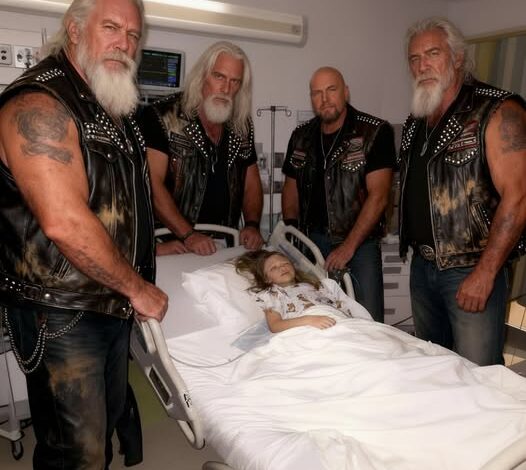
Four bikers showed up to say goodbye to the little girl nobody else wanted to visit. I’m talking about massive men in studded leather vests, chains hanging from their belts, tattoos covering every inch of visible skin.

The kind of men that make hospital security nervous. The kind of men parents pull their kids away from.

But these four men walked into room 312 at St. Mary’s Children’s Hospital with tears already streaming down their weathered faces.

They came to see seven-year-old Emma Rodriguez. A little girl they’d never met. A little girl who was dying alone.

My name is Jack “Hammer” Davidson. I’m sixty-six years old and I’ve been riding with the Steel Brotherhood MC for forty-two years.

I’ve seen some hard things in my life. Combat in Vietnam. Friends dying. Marriages failing. But nothing prepared me for the call we got from Emma’s nurse three days ago.

“There’s a little girl here who’s been in our pediatric ward for six weeks. She’s dying of bone cancer. Her mother abandoned her at the hospital. Her father’s in prison.

She has no other family. No visitors. She sits in that room alone every single day watching other kids get visitors and asking why nobody comes to see her.”

The nurse’s voice cracked. “She asked me yesterday if it was because she was bad. If that’s why her mama left. If that’s why nobody loves her.”

I had to pull my bike over when I heard that. Had to stop on the side of the highway because I couldn’t see through my tears.

“What do you need from us?” I asked.

“She loves motorcycles. Her father rode before he went to prison. She has a toy motorcycle she carries everywhere. She told me that bikers are the bravest, strongest people in the world.

The nurse paused. “I told her I knew some real bikers. I asked if she’d like to meet them. She said yes but that I was probably lying. That nobody like that would want to meet her.”

“We’ll be there tomorrow,” I said.

I called my three closest brothers. Tommy “Hawk” Martinez. Robert “Bear” Johnson. And Marcus “Preacher” Williams. Told them about Emma.

About a seven-year-old girl dying alone in a hospital because her mother couldn’t handle watching her daughter die.

None of them hesitated. “When do we ride?” they all said.

We showed up the next morning at 9 AM. The nurse—her name was Sarah—met us in the lobby. She looked nervous.

“I need to warn you. Emma’s cancer is very advanced. She’s in a lot of pain. She’s on heavy medication. And she looks…” Sarah’s voice broke.

“She doesn’t look like a seven-year-old anymore. The cancer and the treatment have taken everything from her.”

“We understand,” Tommy said quietly. “We just want to make sure she knows someone cares.”

Sarah led us to room 312. We could hear the beeping of machines before we even got to the door. Sarah knocked softly. “Emma, honey? I have some visitors for you. The bikers I told you about.”

A tiny voice from inside: “You’re lying.”

Sarah opened the door. “I’m not lying, sweetheart. They’re really here.”

We walked in. And my heart shattered into a thousand pieces.

Emma was so small. The cancer had eaten away at her. She was bald from chemotherapy. Her skin was pale and almost translucent.

Her arms were like twigs. She was drowning in a hospital gown that should have fit a seven-year-old but looked like a tent on her.

But her eyes. Her eyes were still alive. Still fighting. Still hoping.

She stared at us with her mouth open. Four massive bikers crowding into her small hospital room. We must have looked terrifying. But Emma wasn’t scared.

“You’re real,” she whispered. “You’re really real bikers.”

Tommy knelt down beside her bed. He’s the gentlest of us despite looking the most dangerous. “We’re really real, little darlin’. My name is Tommy but everyone calls me Hawk. These are my brothers. Bear, Preacher, and Hammer.”

Emma’s eyes went wide. “Those are your real names?”

“Our road names,” Marcus explained. “Every biker has a road name. It’s like a special nickname that means something important.”

“What’s yours?” she asked me.

I sat down in the chair next to her bed. “They call me Hammer. Because I used to be a construction worker and I was really good with a hammer. Built a lot of houses.”

“That’s cool,” Emma said softly. Then her face fell. “I don’t have a road name. I don’t have anything.”

Emma was quiet for a moment, then she said something that shattered my heart: “I’m dying. The doctors told I’m going to heaven soon.”

The four bikers exchanged glances. Tank’s voice was thick when he spoke. “Is that so, little one?”

“Yes. And I have a question.” Emma looked at each of them. “Will you sing at my funeral? Nurse says funerals are sad, but if the thunder men sing, maybe it won’t be so scary for everyone.”

Tank stood up abruptly. “No.”

I felt rage flood through me. How could he refuse a dying child’s wish? “How dare you—”

But Tank held up his hand. “We won’t sing at your funeral, little angel. Because you’re not having one yet. Not on our watch.”

“What?” I was confused and angry.

Diesel stepped forward. “What Tank means is, we don’t sing at funerals for warriors who are still fighting. And you, princess, are still here. Still breathing. Still got fight in you.”

“But the doctors said—” Emma started.

“Doctors don’t know everything,” Hammer interrupted gently. “Sometimes miracles happen. Sometimes little angels surprise everyone.”

Robert—Bear—pulled something from his vest pocket. A patch. It showed a small angel with motorcycle wings. “Emma, we came here to give you something. This is an honorary Steel Brotherhood patch. We only give these to very special people. People who have the heart of a warrior.”

Emma’s eyes filled with tears. “But I’m not special. I’m just sick. That’s why my mama left. Because I’m broken and nobody wants broken things.”

I felt like someone had punched me in the chest. Tommy’s hands were shaking. Marcus turned away, wiping his eyes. Bear’s voice was thick when he spoke.

“Emma, you listen to me. You are not broken. You are fighting the hardest battle any person can fight. You’re fighting cancer and you’re doing it alone and you’re still here. Still breathing. Still hoping. That makes you the bravest warrior I’ve ever met.”

“Your mama left because she was scared,” Tommy added gently. “Not because of you. Never because of you. Some people can’t handle watching someone they love suffer. It makes them weak. Makes them run. But that’s their failure, baby girl. Not yours.”

Emma looked at the patch in Robert’s hand. “Can I really have that?”

“It’s yours,” Robert said. “Along with a road name if you want one.”

“I get a road name?” Emma sat up a little straighter despite the obvious pain it caused. “Really?”

“Really,” I said. “But it has to be the right name. Something that fits who you are.”

Emma thought hard. “What about Hope? Because that’s what Nurse Sarah says I give everyone here. She says even though I’m sick, I always smile at the other kids and try to make them feel better. She says I give people hope.”

Marcus smiled. “Hope. That’s perfect. Emma ‘Hope’ Rodriguez. Member of the Steel Brotherhood MC. How does that sound?”

“It sounds like I finally belong somewhere,” Emma whispered.

We stayed for three hours that first day. Told Emma stories about riding. About the brotherhood. About the charity work we do. We told her about the toy runs where we collect presents for sick kids. About the rides we do for veterans. About how bikers take care of people who can’t take care of themselves.

Emma listened like we were telling her the secrets of the universe. And when we finally had to leave, she grabbed my hand. “Will you come back? Please? I don’t want to be alone anymore.”

“We’ll come back every single day,” I promised. “You’re family now. And family doesn’t abandon family.”

We kept that promise. For the next six weeks, at least one of us was at the hospital every single day. Sometimes all four of us. Sometimes other members of our club who heard about Emma and wanted to meet her.

Emma’s room became the most popular room in the pediatric ward. Bikers coming and going. Bringing presents. Telling stories. Making her laugh.

The other kids in the ward started calling her “the biker princess.” Emma loved that. She wore her Steel Brotherhood patch pinned to her hospital gown every single day.

The nurses said Emma changed after we showed up. She smiled more. Complained less about the pain. Started talking about the future even though everyone knew she didn’t have one.

“I want to be a biker when I grow up,” she told me one day. “I want to ride a big motorcycle and help people like you do.”

I held her tiny hand. “You’re already a biker, Hope. You’re already one of us.”

Two weeks ago, Emma’s condition got worse. The cancer spread to her brain. The doctors said she had days, maybe a week.

We called an emergency club meeting. Thirty-seven members showed up. We voted unanimously. Emma would get a full patch member funeral when the time came. Full honors. Full procession. Everything we do for our fallen brothers.

Because Emma was our sister. Our Hope. Our warrior.

Last Tuesday, Nurse Sarah called me at 3 AM. “Jack, you need to come now. Emma’s asking for you. For all of you.”

We broke every speed limit getting there. All four of us. Tommy, Robert, Marcus, and me. We ran through that hospital like it was on fire.

Emma was barely conscious when we got there. The machines were screaming. Doctors and nurses were everywhere. But Emma’s eyes found us immediately.

“You came,” she whispered.

“We’ll always come,” I said, taking her hand. “Always, baby girl.”

The other three surrounded her bed. We formed a circle around her. Our warrior. Our Hope.

“Am I dying?” Emma asked.

I couldn’t lie to her. Wouldn’t disrespect her by lying. “Yes, sweetheart. You’re dying.”

“Am I going to be alone?”

“No,” Tommy said firmly. “You’re going to ride into heaven with four guardian angels surrounding you. We’re not leaving. We’re staying right here.”

Emma smiled. It was the most beautiful smile I’d ever seen. “Will you tell me a story? About riding? I want to imagine I’m on a motorcycle going really fast.”

So we told her stories. About long rides through the mountains. About the wind in your face and the sun on your back. About the freedom of the open road. About brotherhood and loyalty and love.

We told her stories until her breathing slowed. Until the machines started making different sounds. Until her small hand went limp in mine.

Emma “Hope” Rodriguez died at 4

AM on a Tuesday morning surrounded by four bikers who loved her like she was our own daughter.

The nurse said she’d never seen anyone die so peacefully. Said Emma looked happy at the end. Said she kept smiling even as she took her last breath.

We buried Emma three days later. Two hundred and fourteen bikers from eight different motorcycle clubs showed up. We’d put the word out. “One of ours is going home. Come honor her.

They came from three states. Rode through rain to get there. Formed a procession over a mile long.

Emma was buried in a custom casket painted with motorcycles and angels. She wore a Steel Brotherhood vest we’d had made in her size. Her patch was sewn on the back. “Emma ‘Hope’ Rodriguez – Steel Brotherhood MC – Forever Our Warrior.”

Marcus gave the eulogy. Big, scary Marcus who makes grown men nervous. He stood at that podium and cried while he talked about a seven-year-old girl who taught him what real courage looked like.

“Emma was abandoned by the people who should have loved her most. But she never abandoned hope. She never gave up. She never stopped believing that someone would show up for her.” Marcus’s voice broke. “And when we did show up, she didn’t ask why we took so long. She just said thank you. Thank you for seeing her. Thank you for loving her. Thank you for making her part of our family.”

“Emma gave us far more than we gave her. She reminded us why we ride. Why we wear these patches. Why we call ourselves brothers. We ride for people like Emma. People who need someone to show up. People who need someone to care.”

“So today, we say goodbye to our sister. Our Hope. Our warrior who fought harder than any of us ever will. And we make her a promise. We promise to keep showing up. To keep caring. To keep fighting for the Emmas of this world. The forgotten ones. The abandoned ones. The ones who just need someone to prove that they matter.”

We buried her with her toy motorcycle. The one she’d carried everywhere. Her most precious possession. We figured she’d need it for riding in heaven.

After the funeral, Nurse Sarah approached us. She was crying. “I need to tell you something. Emma’s mother showed up at the hospital two days before Emma died. She’d heard Emma was in her final days and she wanted to see her.”

My blood ran cold. “What happened?”

“Emma refused to see her.” Sarah smiled through her tears. “She said, ‘I already have a family. I have my brothers. I don’t need anyone who didn’t want me when I needed them most.’ She died surrounded by the people who showed up. Not the people who were supposed to.”

That destroyed me. Destroyed all of us. We stood in that cemetery and cried like babies. Cried for a little girl who deserved so much better than what life gave her. Cried because we couldn’t save her. Cried because six weeks wasn’t enough time.

But then I thought about what Emma gave us. She gave us purpose. She reminded us that showing up matters. That love doesn’t have to be blood. That family is who you choose.

Emma chose us. Four scary bikers she’d never met. And we chose her right back.

The Steel Brotherhood MC started a foundation in Emma’s name. The Hope Foundation. We raise money for children’s cancer research. We visit sick kids in hospitals. We make sure no child dies alone like Emma almost did.

We’ve visited forty-seven kids so far. Brought them patches. Given them road names. Made them part of our family. Some survived. Some didn’t. But none of them died alone. None of them died thinking they didn’t matter.

Because that’s what bikers do. Real bikers. We protect the vulnerable. We show up for people who need us. We create family where there isn’t any.

People see us on the highway and they’re scared. They see the leather and the patches and the beards and they assume we’re dangerous. Assume we’re criminals. Assume we’re everything wrong with society.

They don’t see the hospital visits. The charity rides. The families we help. The kids we save just by showing up and proving someone cares.

Emma saw us. Saw past the scary exterior to the hearts underneath. And she loved us for it. Trusted us with her final days. Made us part of her story.

I’m sixty-six years old. I’ve lived a long, hard life. But the six weeks I spent with Emma Rodriguez were the most important weeks of my existence. That little girl changed me. Changed all of us.

We ride for Hope now. For all the Hopes out there who need someone to show up. Someone to care. Someone to prove they matter.

Four bikers showed up to say goodbye to a little girl nobody else wanted to visit. And that little girl taught us what love really means. What brotherhood really is. What it means to be truly brave.

Rest easy, Hope. Your brothers are still riding. Still fighting. Still showing up. Just like we promised we would.

Once a brother, always a brother. Even after death. Even across the divide between this world and the next.

We’ll see you again someday, baby girl. And when we do, we’re all going for that ride you always dreamed about. Fast bikes. Open road. Wind in our faces. Freedom.

Until then, we’ll keep your memory alive. Keep your spirit riding with us. Keep proving that bikers aren’t what people think we are.

We’re family. We’re protectors. We’re the ones who show up when everyone else walks away.

We’re Hope’s brothers. And we always will be.

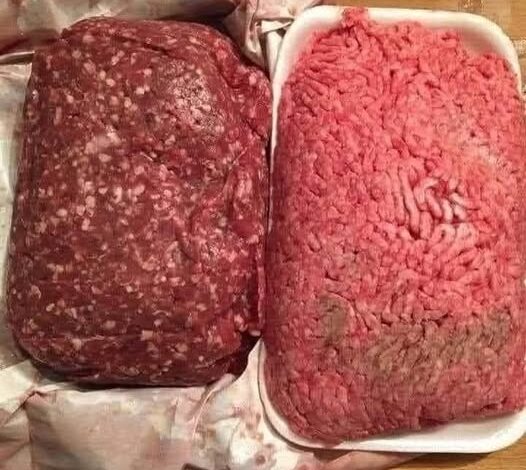
Do Not get fooled by the supermarkets, They are selling you meat from! See more

Supermarkets have always relied on one thing to keep customers loyal: trust. Shoppers trust that what they’re buying is what the label says it is, that the quality matches the price, and that the food they bring home to their families is safe. But recently, that trust has started to crack — not because of a single dramatic incident, but because of a slow, unsettling pattern that customers around the country began noticing at nearly the same time.

It started with something small: the texture of certain packaged meats seemed… off. Not spoiled, not obviously bad, but strangely inconsistent. One week the steak tasted rich and tender, the next week it was stringy and oddly watery. Chicken breasts that had always cooked normally suddenly released a flood of liquid in the pan. Ground beef browned unevenly, had an unusual smell, or behaved in ways long-time home cooks couldn’t quite explain.

At first, shoppers chalked it up to a bad batch. Maybe the store had rushed inventory. Maybe a truck had been delayed. Maybe colder temperatures during transport created the odd texture. People grumbled, returned packages, exchanged them for something else — but it wasn’t enough to raise alarms.

Then the complaints multiplied.

Online forums filled with identical experiences. Local Facebook groups shared warnings. Food bloggers wrote long posts comparing batches they’d purchased weeks apart. Something wasn’t right, and it wasn’t isolated.

What finally broke the silence was an independent investigation by a small food-testing group that decided to analyze several suspicious products bought from multiple stores. They weren’t expecting anything dramatic — maybe poor handling, maybe incorrect storage temperatures. But what they found was more complicated, and far more concerning.

Certain meat distributors — not the grocery chains themselves, but companies supplying them — had quietly begun mixing lower-grade imported meats with higher-quality domestic cuts. Sometimes the meat came from facilities with minimal oversight or vague regulatory histories. Sometimes it was simply a cheaper grade being blended and repackaged without disclosure.

This wasn’t about safety. The meats weren’t contaminated or dangerous. But they were mislabeled, misrepresented, and absolutely not worth the “premium” price tags shoppers were paying.

The packaging looked exactly the same as always: clean labels, familiar logos, certified stamps. The prices hadn’t changed. The shelves didn’t look any different. The deception was subtle — subtle enough that most customers never would have known without the shifting taste and texture giving it away.

When the findings hit the public, food safety experts were quick to voice their concerns. Not about immediate harm, but about transparency. For years, consumers have already struggled to decipher confusing labels like “natural,” “enhanced,” “injected,” and “processed in.” Now it became clear that even labels that seemed straightforward could hide uncomfortable secrets.

One expert put it bluntly: “The problem isn’t the meat. The problem is the lie.”

Supermarkets were quick to distance themselves. They insisted they had no idea what was happening inside their suppliers’ processing facilities. They emphasized that they rely on certifications, audits, and compliance from third-party distributors. And in fairness, that’s true: grocery chains aren’t the ones grinding, cutting, or mixing the meat. They’re the end point in a much larger supply web.

But customers didn’t care about corporate hierarchies. They cared that the steak they bought last week wasn’t the quality they paid for. They cared that chicken that used to taste like chicken now tasted like water and preservatives. They cared that companies they trusted to feed their families didn’t notice — or didn’t look closely enough.

One mother, interviewed outside a market, summed up the feeling perfectly: “I can’t afford to waste money. If I’m buying something labeled premium, I expect premium — not leftovers from who-knows-where that got slapped under a fancy brand.”

Online, frustration turned into anger. Consumers shared photos, receipts, even videos of meats cooking down into half their size due to excessive moisture.
Supermarkets were quick to distance themselves. They insisted they had no idea what was happening inside their suppliers’ processing facilities. They emphasized that they rely on certifications, audits, and compliance from third-party distributors. And in fairness, that’s true: grocery chains aren’t the ones grinding, cutting, or mixing the meat. They’re the end point in a much larger supply web.

But customers didn’t care about corporate hierarchies. They cared that the steak they bought last week wasn’t the quality they paid for. They cared that chicken that used to taste like chicken now tasted like water and preservatives. They cared that companies they trusted to feed their families didn’t notice — or didn’t look closely enough.

One mother, interviewed outside a market, summed up the feeling perfectly: “I can’t afford to waste money. If I’m buying something labeled premium, I expect premium — not leftovers from who-knows-where that got slapped under a fancy brand.”

Online, frustration turned into anger. Consumers shared photos, receipts, even videos of meats cooking down into half their size due to excessive moisture.
Where do our groceries really come from?
What happens between the farm and the shelf?
How many steps — and how many hands — handle our food before we touch it?
How much do labels actually reveal?

Food transparency advocates have warned for years that the supply chain is too complex, too opaque, too vulnerable to cost-cutting shortcuts. Now millions of everyday shoppers were seeing it for themselves.

Experts gave simple advice:

Read labels carefully — especially the fine print.
Choose brands known for consistent quality.
Buy from local butchers or farms when possible.
Research companies, not just products.
Pay attention to recalls and public reports.

None of these suggestions solve the deeper problem, but they give consumers a slight advantage in a system built on speed and volume.

Meanwhile, regulatory agencies announced they were reviewing documentation from the distributors involved. Some hinted at possible fines. Others promised tighter oversight. Whether any of these changes will last, or whether they’ll fade when headlines quiet down, remains to be seen.

For now, supermarkets are in damage-control mode. They’re issuing assurances, tightening supplier requirements, and trying to convince customers that the products on the shelves are exactly what the labels claim.

But the truth behind this whole situation is simple, and it’s bigger than meat:
Consumers don’t want to guess what they’re feeding their families.
They don’t want marketing disguised as honesty.
They don’t want to pay top dollar for something that belongs in the bargain bin.

They want transparency.
They want choice.
They want respect.

And they deserve all three.

This incident didn’t cause a food crisis — but it did expose a trust crisis. And that’s harder to fix. Because trust isn’t restored with coupons, statements, or promotional sales.

It’s restored when companies stop assuming customers won’t notice.

When the food industry stops cutting corners behind closed doors.

When the labels finally tell the truth — all of it.

Until then, shoppers will keep looking closer, reading deeper, and questioning more. And maybe that’s the one good thing to come out of all of this: people are paying attention now. And once consumers start paying attention, they rarely stop.

The Grief I Never Saw!

My son died in an accident at sixteen.
And my husband, Sam, never shed a single tear.

Not at the hospital while machines fell silent.
Not at the funeral as I clung to the coffin.
Not in the empty house where our boy’s laughter once lived.

I grieved out loud.
He grieved by disappearing into work, into chores, into silence so heavy it widened every crack between us.

I begged him to talk.
He stayed made of stone.
Slowly, the resentment we never addressed began to harden around our marriage like cement.

Eventually, it was too much.
We divorced.
He remarried.
Life carried us in different directions, the way grief often does when it has nowhere to breathe.

Twelve years passed.

Then one morning, I received a phone call:
Sam was gone. A sudden death. No warning. No time to patch any of the broken places between us.

A few days after his funeral, his new wife asked to see me.

She sat at my kitchen table, her hands trembling around a cup of tea she wasn’t drinking. For a moment, neither of us spoke. Then, with a voice that was barely holding itself together, she said:

“There’s something you deserve to know.”

My heart tightened.
I braced myself.

She told me that Sam did cry — just not where anyone could witness it.

The night our son died, he had driven alone to the small lake they used to visit when our boy was younger. A place where they’d fish, talk about school, skip stones. A place that belonged to them.

And then she said the part that broke me open:

“He went there every night for years. He left flowers. He talked to your son. He cried until there was nothing left in him. But he didn’t want you to see him like that. He thought if he stayed strong, you’d have something to lean on.”

Her eyes filled.
So did mine.

All those years, I believed he felt nothing.
In reality, he just hid everything.

Later that evening, something pulled me to the lake — a quiet instinct, soft but certain. When I arrived, the sun was dipping low, painting the water in gold. Under a tree near the shoreline, I noticed a small wooden box tucked inside a weathered indentation in the trunk.

I opened it with shaking hands.

Inside were letters — dozens of them — each written to our son.
One for every birthday since he’d been gone.

Some letters were short, only a few lines.
Some pages were tear-stained.
Some carried memories I hadn’t known.
All of them carried a love Sam had never stopped feeling.

I sat down on the cold ground and read until the sky went dark.

For the first time in twelve years, I saw the truth:

Love does not always grieve the way we expect.
Some hearts break in the open.
Others break in secret.
Both are still love.

And sometimes, the people we think abandoned us were actually carrying their pain so quietly — and so heavily — that we never noticed how much it cost them.

As the last light melted into the lake, I whispered into the wind:

“I see it now.
I see you now.”

And in that quiet moment, forgiveness finally found a place to rest.

The Transformation of Marina! From Neglect to Radiant Beauty

Marina never set out to let herself go. Nobody does. Life just has a way of pulling you in every direction at once, and before you know it, you’re lost somewhere in the middle of it, invisible even to yourself. For Marina, the shift happened slowly—so slowly she barely noticed

One year bled into the next, the same routine replaying on loop: wake up early, get the kids ready, rush to work, come home exhausted, take care of dinner, help with homework, clean up, collapse. Repeat. Day after day, the grind wore her down until she couldn’t remember the last time she looked in the mirror for anything other than a quick check that nothing was smeared on her face.

Marina used to be radiant. Not in some fairy-tale, effortlessly perfect way. In a real, vibrant, grounded way that came from laughter, curiosity, and the confidence of someone who knew she mattered. That woman didn’t disappear all at once. She faded. The long hours stole her energy. The financial strain pushed self-care to the bottom of the priority list. Dental issues were brushed aside with the hope they could be dealt with “later,” a later that never arrived. Her hair became an afterthought, her posture slumped, her spark dimmed. She wasn’t ugly—she was simply neglected. Forgotten. Not by others, but by herself.

Her friends saw it. They knew Marina wasn’t just tired—she was drowning in responsibilities. They could see the difference between someone who lacked vanity and someone who had lost any sense of personal identity. They loved her enough to intervene. It wasn’t staged or dramatic; it was real concern from people who remembered who she used to be and refused to let her disappear into the background of her own life.

When they told her they had applied to a transformation program on her behalf, Marina laughed it off, insisting she didn’t need anything like that. But behind the laugh was a quiet ache she didn’t voice—the ache of a woman who couldn’t remember the last time she felt beautiful or even visible. So when the official invitation arrived, she stared at it for a long time before she finally said yes. Not because she believed she deserved it, but because it had been so long since anyone offered her something just for her.

The program wasn’t some shallow beauty contest. It wasn’t about turning her into someone else. The goal was simpler: to bring her back to herself. Skilled professionals—people who actually understood how physical appearance ties into emotional identity—welcomed her without judgment. They didn’t lecture her about self-neglect. They acknowledged her exhaustion, her sacrifices, her reality, and then helped her take the first steps out of it.

The process started at the foundation: her health and her skin. Years of stress had left her complexion dull, uneven, and tired. Skincare specialists worked to restore balance, teaching her routines that fit into her chaotic life instead of pretending she had hours to spend on treatments. Her skin softened, brightened, and slowly regained the glow that had been hiding under fatigue

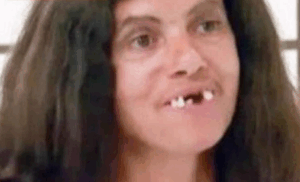
Her dental transformation was harder. Missing teeth weren’t just a cosmetic issue; they were a daily reminder of how far she’d slipped. Fixing them took time, care, and emotional vulnerability. But every appointment brought improvements—not just in her smile, but in how she carried herself. The moment she saw her reflection with a full, healthy smile for the first time in years, she couldn’t even speak. It wasn’t vanity. It was relief. It was recognition. It was the return of a part of her she had quietly mourned.

Her hair came next. A stylist assessed the damage, the dryness, the uneven texture, and the way she always kept it pulled back like she was trying to hide it. They trimmed, treated, shaped, and revived it until it framed her face again instead of dragging her down. Marina barely recognized herself as it settled around her shoulders, soft and healthy.

Then came the makeup artist—not someone painting on a mask, but someone skilled enough to highlight who she was beneath everything life had thrown at her. They brought out her eyes, shaped her brows, added subtle color where stress had drained it away. The result wasn’t overdone. It was intentional. Purposeful. It reminded Marina that beauty wasn’t a luxury; it was a form of self-respect.

Finally came the wardrobe transformation. Marina had spent years wearing whatever was practical, comfortable, and cheap. A stylist guided her through clothes that actually fit her body, honored her shape, and made her feel like a woman again—not just a worker, not just a mother, but a human being with presence.

The moment of truth came when they sat her in front of the mirror for the final reveal. She wasn’t prepared for what she saw. Her breath caught. Her eyes filled. The woman in the mirror wasn’t a fantasy version of herself. She wasn’t a princess from a children’s dream. She was Marina—restored, confident, alive. No trace of the invisible, exhausted woman remained. Instead, she looked like someone who had reclaimed her place in her own story.

It wasn’t magic. It was attention. Care. Effort. Things she’d been giving to everyone else except herself.

Marina realized something she had forgotten: beauty isn’t about perfection. It’s about presence. It’s about refusing to shrink away just because life gets hard. It’s about remembering that taking care of yourself isn’t selfish—it’s required if you want to keep showing up for the people you love.

When she walked out of the program, Marina didn’t just look different; she moved differently. Shoulders back, chin lifted, eyes bright. Her kids noticed first. Her friends noticed next. But the most important part was that she noticed. She saw herself again. And she vowed not to lose that woman ever again.

Her story isn’t a fairy tale. It’s a reminder. Neglect chips away at you until you forget who you are. But restoration—real, intentional restoration—brings you back. Every woman deserves that chance, not to become someone else, but to rediscover the version of herself she didn’t think she could get back

Her dental transformation was harder. Missing teeth weren’t just a cosmetic issue; they were a daily reminder of how far she’d slipped. Fixing them took time, care, and emotional vulnerability. But every appointment brought improvements—not just in her smile, but in how she carried herself. The moment she saw her reflection with a full, healthy smile for the first time in years, she couldn’t even speak. It wasn’t vanity. It was relief. It was recognition. It was the return of a part of her she had quietly mourned.

Her hair came next. A stylist assessed the damage, the dryness, the uneven texture, and the way she always kept it pulled back like she was trying to hide it. They trimmed, treated, shaped, and revived it until it framed her face again instead of dragging her down. Marina barely recognized herself as it settled around her shoulders, soft and healthy.

Then came the makeup artist—not someone painting on a mask, but someone skilled enough to highlight who she was beneath everything life had thrown at her. They brought out her eyes, shaped her brows, added subtle color where stress had drained it away. The result wasn’t overdone. It was intentional. Purposeful. It reminded Marina that beauty wasn’t a luxury; it was a form of self-respect.

Finally came the wardrobe transformation. Marina had spent years wearing whatever was practical, comfortable, and cheap. A stylist guided her through clothes that actually fit her body, honored her shape, and made her feel like a woman again—not just a worker, not just a mother, but a human being with presence.

The moment of truth came when they sat her in front of the mirror for the final reveal. She wasn’t prepared for what she saw. Her breath caught. Her eyes filled. The woman in the mirror wasn’t a fantasy version of herself. She wasn’t a princess from a children’s dream. She was Marina—restored, confident, alive. No trace of the invisible, exhausted woman remained. Instead, she looked like someone who had reclaimed her place in her own story.

It wasn’t magic. It was attention. Care. Effort. Things she’d been giving to everyone else except herself.

Marina realized something she had forgotten: beauty isn’t about perfection. It’s about presence. It’s about refusing to shrink away just because life gets hard. It’s about remembering that taking care of yourself isn’t selfish—it’s required if you want to keep showing up for the people you love.

When she walked out of the program, Marina didn’t just look different; she moved differently. Shoulders back, chin lifted, eyes bright. Her kids noticed first. Her friends noticed next. But the most important part was that she noticed. She saw herself again. And she vowed not to lose that woman ever again.

Her story isn’t a fairy tale. It’s a reminder. Neglect chips away at you until you forget who you are. But restoration—real, intentional restoration—brings you back. Every woman deserves that chance, not to become someone else, but to rediscover the version of herself she didn’t think she could get back.

Became Guardian to My Best Friend’s Daughter — On Her 18th Birthday, She Told Me Something That Changed Everything

I grew up in an orphanage with my best friend Lila, and together we dreamed of creating the kind of family we never had. When she became a mother, I stood by her through every challenge, loving her daughter Miranda like my own. After Lila’s tragic passing when Miranda was just five, I couldn’t bear the thought of her entering the system. I adopted her, promising her stability, love, and a home she could trust. It wasn’t always easy, but every moment—every bedtime story, every school play, every tear-filled night—wove us closer together.

Raising Miranda became the most meaningful part of my life. We learned to navigate grief, growing pains, and the ordinary chaos of everyday living. She blossomed into a bright, kind young woman who called me Mom without hesitation. As she grew older, I watched her become more confident, more independent, and more sure of her place in the world. I didn’t realize how deeply she had been paying attention to the sacrifices I made to give her a secure and loving life.

On her 18th birthday, after the guests had left and the laughter faded, Miranda appeared at my door with a seriousness that tightened my chest. She told me she had gained access to the money her mother left behind, and then, with trembling hands, she handed me a letter. I braced myself for heartbreak, thinking she wanted distance or independence. Instead, her letter revealed months of secret planning—she had used part of her inheritance to book a two-month trip for the two of us, to every place I’d ever dreamed of visiting but put aside to raise her.

I cried harder than I ever had, overwhelmed by her love and the thoughtfulness woven into her words. She told me it was her turn to choose me, just as I had chosen her. That trip became a celebration of everything we had overcome together—filled with laughter, adventure, and quiet moments that felt like healing. Watching the sunrise with her on a distant shore, I realized something profound: family isn’t defined by blood or circumstance, but by the people who stay, who love, and who choose each other again and again.

A Mother’s Worry, a Stranger’s Patience, and a Meaningful Flight

Apparently, she got tickets last minute, and they couldn’t sit together. I gave her my seat and took hers. I got the middle seat in the last row. An hour later, she stormed back and demanded to know why her daughter looked nervous and uncomfortable. I calmly explained that she was doing fine but seemed a little anxious flying alone. The flight attendants had checked on her twice, offering her snacks and reassurance. I told her there was nothing to worry about and that her daughter was safe and being cared for.

The woman’s expression softened as she realized I wasn’t upset, nor had I said anything negative about her. She apologized quietly, explaining that traveling alone with her child was overwhelming and that the stress of last-minute tickets had left her flustered. I reassured her that I understood and that any parent would worry in her situation. The cramped seat in the last row didn’t bother me as much as I expected; what mattered more was that a child felt secure during the flight.

A little later, she returned again—this time with a small snack and a grateful smile. She thanked me for switching seats without hesitation and for being patient when she reacted out of anxiety. Her daughter peeked from the row ahead, giving a shy wave. It was a simple gesture, but it made the uncomfortable seat feel lighter. The flight attendants even joked that I deserved a medal for “unexpected kindness at 30,000 feet.”

By the time we landed, the mother was calmer, and her daughter was cheerful and relaxed. As we walked off the plane, she told me that my small act of kindness had reminded her that strangers can be supportive, even on stressful days. I realized too that helping someone rarely requires grand gestures—sometimes, all it takes is giving up your seat and offering reassurance to make someone else’s journey a little easier.

How Helping a Grandmother and Her Grandson Led to an Unexpected Reunion

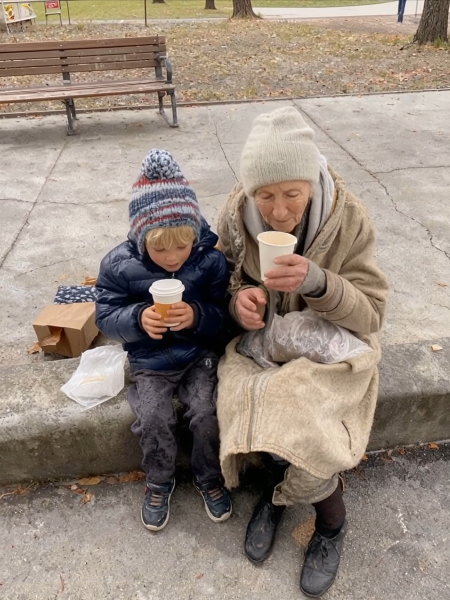
On a cold Thanksgiving evening, Brenda was exhausted after a long day at work when she crossed paths with a grandmother and her young grandson. They looked worn but hopeful as they approached her car, asking gently if she could help the boy get something to eat after the woman’s wallet had been stolen. Without hesitation, Brenda brought them inside the store, bought them warm food, and gathered extra groceries for their journey. Their gratitude moved her deeply, and after learning they had no way to get home, she paid for their bus tickets and wished them well.

Thanksgiving at Brenda’s home ended up being warm and joyful, but the family she had helped lingered in her mind. She hoped the little boy would be safe and that life would show them a bit of kindness. Over a week later, her husband called her at work, sounding shaken but calm, asking her to come home because someone was there wanting to speak with her. When she arrived, she found a man waiting in her living room, introducing himself as Matthew — someone connected to the grandmother and the child she had helped.

Matthew explained that he had once been in a relationship with the boy’s mother, Celia, and never knew she had been pregnant. Only recently did he learn the truth from the grandmother, Elsie, who had raised the boy since his birth. After hearing what happened on Thanksgiving, Matthew had searched for Brenda because her act of kindness had encouraged Elsie during a difficult moment and helped lead him back to the child he never knew he had. He told Brenda that the boy, Mason, was his son — a truth confirmed only days earlier.

Grateful that her compassion played a small role in reuniting a family, Matthew thanked Brenda in the most heartfelt way he knew. He offered support for her daughters’ future education, wanting to honor the kindness she had shown to his child and to Elsie when they needed it most. That night, Brenda realized how a simple gesture — a warm meal, a bus ticket, a moment of care — can create unexpected ripples. Sometimes, we help someone in passing, never imagining that kindness might become the reason a family finds its way back together.

I Learned a Powerful Lesson at My Daughter’s 8th Birthday Party

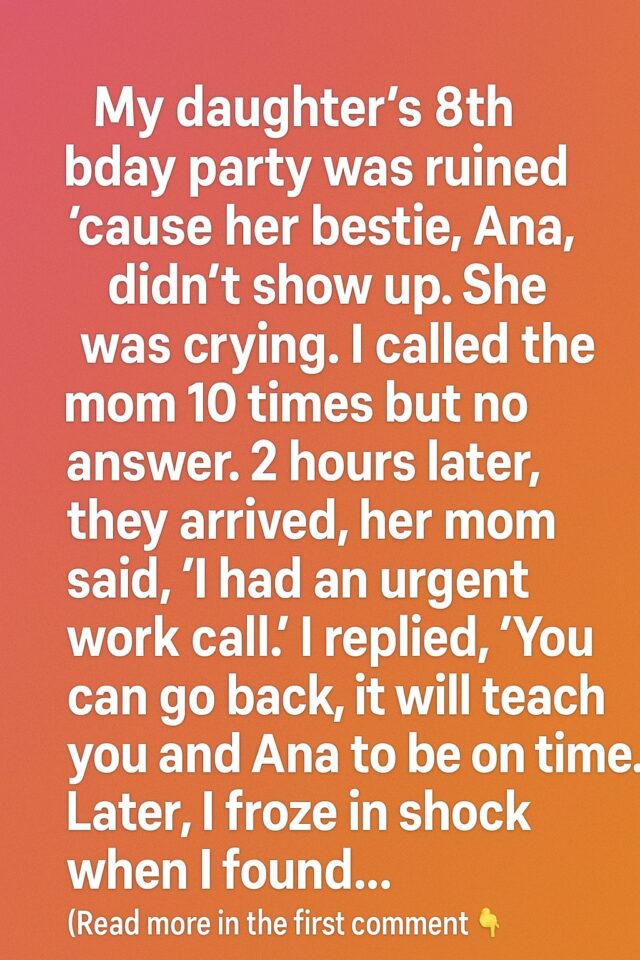
My daughter had been looking forward to her eighth birthday for weeks, planning every detail with excitement. She wanted her best friend Ana there more than anything. When Ana didn’t show up, her joy quietly faded into disappointment. I tried calling Ana’s mom several times, hoping for an answer. The minutes felt longer as my daughter wiped her tears, wondering why her friend wasn’t coming.

Two hours later, Ana finally arrived with her mom, who looked rushed and apologetic. She explained that she had an unexpected work call and couldn’t respond earlier. I reacted out of frustration, telling her they could return home so they would learn to value time. My daughter watched silently, holding her small gift bag in her hands. I walked away unsure if I had made the right decision.

Later that evening, I received a message from Ana’s mom. She shared that the “urgent work call” was actually a meeting with a counselor for Ana. Her daughter had been struggling with anxiety, and that morning had been especially hard for her. She didn’t want to discuss personal details in front of the children and hoped I would understand. I sat quietly, realizing I had judged too quickly without knowing the full story.

The next day, I invited Ana and her mom for a small celebration. The girls laughed together as if nothing had gone wrong. Watching them reminded me how important compassion is, especially when we cannot see the challenges others face. That day taught me to slow down before reacting and to choose kindness whenever possible. Sometimes the real gift is learning to understand one another a little more.

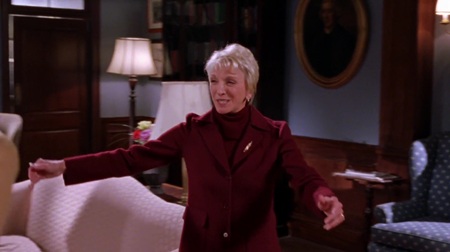
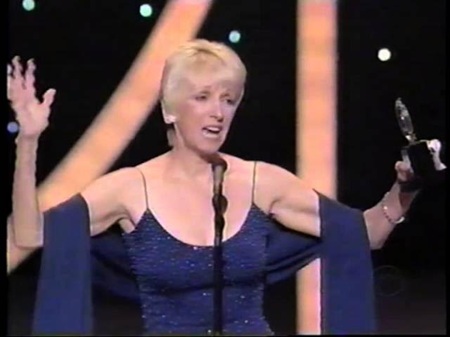
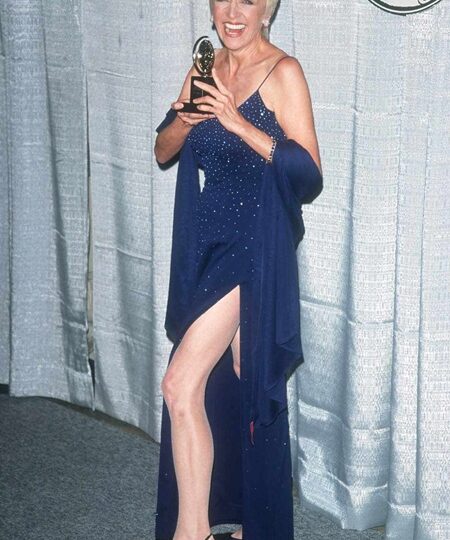
Elizabeth Franz, beloved star of stage and screen, dies at 84.

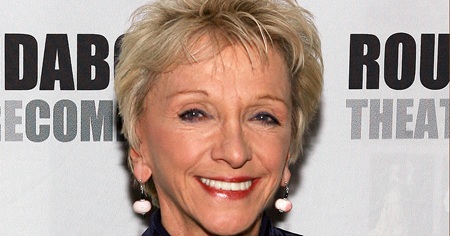
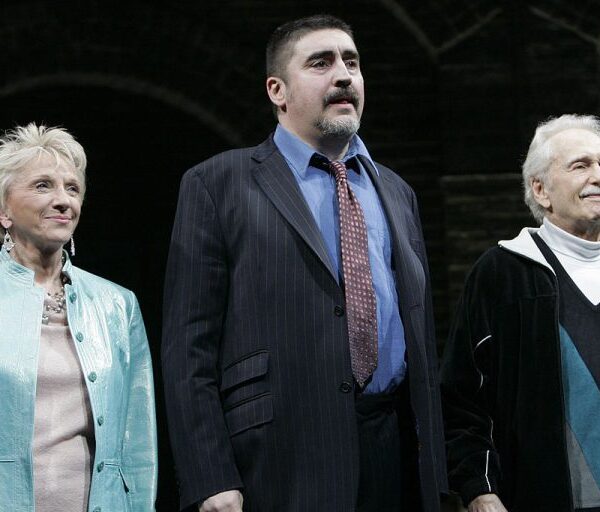
Broadway and the entertainment world are mourning the loss of one of their most luminous and respected talents. Elizabeth Franz — the beloved Tony Award–winning actress whose work captivated theater fans, film audiences, and millions of television viewers — has passed away at the age of 84.

Known for her iconic portrayal of Linda Loman in Death of a Salesman and her warm, unforgettable role as Mia on Gilmore Girls, Franz leaves behind a legacy of brilliance, dedication, and emotional truth. Elizabeth Franz’s husband, Christopher Pelham, confirmed to The New York Times that the actress died at their home in Woodbury, Connecticut. She had been undergoing cancer treatment and experienced a severe reaction that ultimately became fatal.

Her passing has sent shockwaves through the theater community, where she was regarded not merely as a great actress but as a mentor, a craftsman of extraordinary emotional depth, and one of the most authentic voices of American performance. Elizabeth Franz’s career was the kind that many actors dream of but very few ever achieve.

She possessed a rare combination of emotional intelligence, technical mastery, and raw vulnerability that allowed her to inhabit characters with profound truth. Colleagues often described her as “America’s Judi Dench,” a comparison that speaks to her artistic stature and the reverence she inspired.

A Star Who First Shook the Stage Off-Broadway

Her breakout moment came in the Off-Broadway production of Sister Mary Ignatius Explains It All for You, where she originated the role of a sharp-tongued Catholic nun. What began as a controversial performance soon became legendary.

Real nuns who initially arrived to protest the play ended up speaking with Franz afterward — disarmed by her humanity and her nuanced portrayal. Despite the production’s success, the pay was so low that Franz had to take a daytime job on a soap opera just to afford staying with the show. Her dedication to craft over comfort was evident from the very beginning.

Her Tony-Winning Masterpiece: “Death of a Salesman”

Her towering performance as Linda Loman in the 1999 Broadway revival of Death of a Salesman, opposite Brian Dennehy, cemented her place as a theatrical legend. Critics called her work “astonishing,” “devastating,” and “transformative.” She earned the Tony Award for Best Featured Actress, and later reprised the role for the Showtime television adaptation, earning an Emmy nomination.

Even playwright Arthur Miller praised her interpretation. He said that Franz had uncovered something essential — a protective inner fire that others had overlooked. To be publicly recognized by Miller himself was a distinction few performers ever achieve.

A Six-Decade Career Filled With Excellence

Elizabeth Franz seamlessly moved between theater, film, and television — and in each medium, she delivered soulful, grounded, deeply felt performances.

On Broadway, she starred in major productions such as:

  • Brighton Beach Memoirs
  • Morning’s at Seven
  • The Cherry Orchard
  • The Miracle Worker
  • Uncle Vanya
  • And many more timeless productions

Her film career was equally impressive, including roles in:

  • Jacknife (with Robert De Niro)
  • Sabrina (with Harrison Ford)
  • Christmas with the Kranks (with Jamie Lee Curtis)

On television, Franz became a familiar face through roles in:

  • Gilmore Girls (as Mia, a fan-favorite character)
  • Grey’s Anatomy
  • Law & Order
  • Law & Order: SVU
  • Homeland
  • Judging Amy
  • Cold Case

Even in smaller roles, she had the ability to elevate a scene, offering warmth, intelligence, and emotional precision.

A Childhood Marked by Struggle — And the Spark That Led to Acting

Born in 1941 in Akron, Ohio, Franz grew up in a working-class home filled with hardship. Her father worked in a tire factory, and her mother battled mental illness, often disappearing for long stretches. The instability of her early years shaped her sensitivity as an artist.

Her father’s life took a devastating turn after losing his job of 36 years — a loss so emotionally crushing that he soon suffered a debilitating stroke. These hardships taught Franz that emotional expression was both powerful and necessary. Acting became her refuge — a place to explore the feelings she had long held inside.

She later studied at the American Academy of Dramatic Arts, launching a career that would span six decades and inspire countless colleagues along the way.

Love, Family, and Devotion

Franz was married twice. Her first husband, actor Edward Binns, died in 1990. She later married Christopher Pelham, who remained her loyal partner until her final days. She is survived by Pelham and her brother, Joe — both of whom were deeply proud of the woman she became.

A Legacy That Will Live Forever

Elizabeth Franz was not just an actress — she was a storyteller, a mentor, a pioneer, and a beacon of emotional truth. Whether you encountered her on Broadway, in a classic film, or in a beloved TV show like Gilmore Girls, she had a way of making every role feel real, lived-in, and profoundly human.

Her legacy will continue through:

  • the performances that won her awards,
  • the characters she immortalized,
  • the actors she inspired,
  • and the audiences she moved for more than half a century.

She leaves behind a body of work that will be studied, cherished, and celebrated for generations.

Elizabeth Franz’s passing marks not only the loss of a gifted performer, but the end of a chapter in American artistic history. Her life, spanning more than eight decades, became a living testament to the transformative power of storytelling. She was a woman who dedicated herself — fully, unapologetically, and passionately — to the craft of acting. And through that dedication, she touched generations in ways that few performers ever do.

A Presence That Elevated Everyone Around Her

Actors who worked beside Franz consistently described the same experience: standing next to her on stage felt like stepping into a deeper layer of emotional truth. She had a rare ability to listen — really listen — in a scene. When she looked at a fellow actor, she didn’t just “play a moment”; she created a whole universe of feeling with the subtlety of a glance, the shift of her voice, or the tremble of a hand.

Colleagues often said that acting with Franz was like standing in front of a mirror that reflected not your face, but your soul. She made others better simply by being present.

For young performers, she became a guide and mentor. Many recalled how she would linger backstage long after rehearsals ended, offering gentle advice, encouraging actors to chase honesty over perfection, and reminding them: “A performance is not something you give. A performance is something you share.” Her generosity did not end with her performances; it lived in her willingness to nurture the next generation.

Her Artistic Philosophy: Emotion with Purpose

Elizabeth Franz was not a performer who believed in art for decoration. To her, acting was a responsibility — a sacred duty to reveal truth, bridge human experiences, and reflect the pains and joys that people often felt but could not articulate.

She often described her work as: “A way of giving people permission to feel.” In interviews, she spoke about how the characters she played — especially complex, wounded, resilient women — served as vessels for conversations audiences hesitated to have in their own lives.

Her portrayal of Linda Loman, for example, was not merely a role. It became a national moment in theatre — a study of loyalty, exhaustion, heartbreak, and unspoken sacrifice. Her Linda carried the weight of a family held together by hope and burdened by despair. And audiences saw themselves, their mothers, and their struggles in her eyes.

Through such roles, Franz reminded us that theatre is not an escape from life — it is a confrontation with it.

The Golden Thread Running Through Her Work: Humanity

Across six decades, Franz approached every role — big or small — with the same guiding principle: authenticity. She refused to rush emotions, exaggerate reactions, or perform “for effect.” Instead, she built characters from the inside out, studying their histories, motivations, fears, and dreams. Her performances always felt lived, never performed.

Even when she portrayed small television roles, she infused them with nuance. A glance, a breath, a pause — these subtle techniques made her characters feel real, warm, human. And this is why she resonated with audiences. Not because she sought applause, but because she sought connection.

Film, Television, and the Quiet Strength of Subtle Acting

Though her stage career earned her the greatest acclaim, Franz held a powerful presence on-screen as well. Her film roles in Jacknife, Sabrina, and Christmas with the Kranks revealed her range — from emotionally intense drama to heartwarming humor.

Television viewers adored her as Mia, the innkeeper who gave Lorelai Gilmore the opportunity to build a life. The character was gentle, compassionate, and supportive — qualities that many said mirrored Franz’s own personality. Her time on shows like Grey’s Anatomy, Homeland, Judging Amy, Cold Case, and Law & Order allowed her to reach millions who may never have seen her on stage. Even with limited screen time, she made her characters unforgettable.

Facing Hardship with Dignity and Strength

Behind the spotlight, Franz lived through deep personal sorrow.
The loss of her first husband, actor Edward Binns, and the death of her long-term partner Michelle Triola shaped her profoundly. And yet, she moved through grief with grace.

Her family background, marked by poverty, parental struggles, and emotional turmoil, could have broken her spirit. Instead, it shaped her into an artist capable of extraordinary empathy.

Even later in life, when she faced cancer with courage, she remained focused on gratitude rather than fear.

“We do not get to choose the hardships,” she once said.
“But we can choose how to keep our hearts open despite them.”

A Private Life Filled with Love, Creativity, and Loyalty

Though admired publicly, Franz was deeply private.
She preferred conversations in living rooms to interviews on red carpets. She loved books, music, and spending slow, quiet evenings with her husband Christopher Pelham, who adored her and described her as “a universe of kindness.”

Their home in Woodbury became a sanctuary — a place where Franz could rest from the emotional intensity of her art. Surrounded by nature, light, and the presence of her loved ones, she found peace from a world she had given so much to. Her bond with her brother Joe was equally strong, grounded in loyalty and shared history.

The Cultural Impact of Her Passing

The news of Elizabeth Franz’s death left the artistic community in mourning.
Theatres dimmed their lights.
Actors shared memories across social media.
Fans honored the roles that shaped their lives.

Many expressed a deep sense of gratitude — not just for her performances, but for the emotions she helped them confront.

Broadway veterans wrote tributes describing her as:

  • “A master of emotional truth”
  • “A performer who never took shortcuts”
  • “A teacher without calling herself one”
  • “A soul who carried entire universes in her voice”

Her death is not simply the loss of an actress — it is the loss of an institution, a pillar of the American stage.

A Legacy That Lives Through Every Performance She Ever Gave

Elizabeth Franz may no longer walk the stages she once graced, but her artistry lives on.

It lives in the actors she inspired.
It lives in the audiences she moved to tears.
It lives in every recording, every script, every memory.
It lives in the stories she brought to life with courage and sincerity.

Her performances continue to be studied by students learning the craft. Her techniques continue to influence directors and playwrights who admired her honesty. And for those who saw her live on stage, her presence remains unforgettable — a once-in-a-lifetime experience.

A Gentle Farewell to a Giant of the Stage

In reflecting on her life, one sees a woman who embraced vulnerability as strength, who turned personal pain into artistic triumph, and who proved that storytelling can be a profound act of healing. Elizabeth Franz’s passing closes a chapter, but her work ensures that her spirit remains alive.

Her artistry, her humanity, and her generosity will echo through theaters and classrooms and living rooms for years to come. She leaves behind a life not defined by fame, but by excellence, dedication, and truth.

Rest in peace, Elizabeth Franz — a woman who gave the world beauty, honesty, and unforgettable art.

Your light remains.
Your work remains.
Your legacy is forever.

Broadway and the entertainment world are mourning the loss of one of their most luminous and respected talents. Elizabeth Franz — the beloved Tony Award–winning actress whose work captivated theater fans, film audiences, and millions of television viewers — has passed away at the age of 84.

Known for her iconic portrayal of Linda Loman in Death of a Salesman and her warm, unforgettable role as Mia on Gilmore Girls, Franz leaves behind a legacy of brilliance, dedication, and emotional truth. Elizabeth Franz’s husband, Christopher Pelham, confirmed to The New York Times that the actress died at their home in Woodbury, Connecticut. She had been undergoing cancer treatment and experienced a severe reaction that ultimately became fatal.

Her passing has sent shockwaves through the theater community, where she was regarded not merely as a great actress but as a mentor, a craftsman of extraordinary emotional depth, and one of the most authentic voices of American performance. Elizabeth Franz’s career was the kind that many actors dream of but very few ever achieve.

She possessed a rare combination of emotional intelligence, technical mastery, and raw vulnerability that allowed her to inhabit characters with profound truth. Colleagues often described her as “America’s Judi Dench,” a comparison that speaks to her artistic stature and the reverence she inspired.

Popular

I Love Lucy: 10 Worst Episodes (According To IMDb)

0
The Fumbles of a Legend: The 10 Worst Episodes of I Love Lucy, According to IMDb For six seasons and 181 episodes, I Love Lucy...