
Entertainment

This Was Not Edited, Look More Carefully!

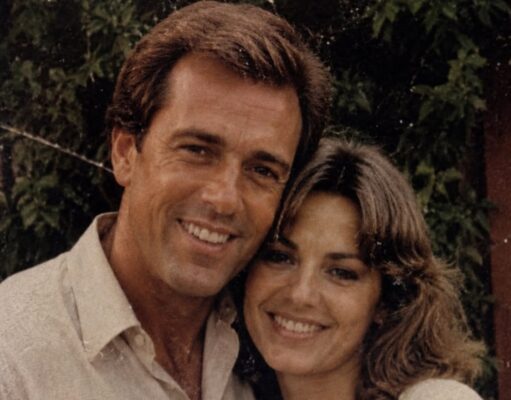
For generations of television viewers, Elizabeth Montgomery has remained inseparable from the image of Samantha Stephens—the intelligent, warm, and quietly defiant witch at the heart of Bewitched. Although the series first aired in 1964, Montgomery’s performance continues to resonate decades later, standing as one of the most enduring portrayals in television history. Her appeal was never rooted in gimmicks or spectacle. It came from emotional intelligence, natural grace, and an understated strength that defined both her work and her life.

Born Elizabeth Victoria Montgomery on April 15, 1933, in Los Angeles, she entered the world already surrounded by the entertainment industry. Her father, Robert Montgomery, was a highly respected actor, director, and producer whose career spanned film, stage, and television. He was particularly known for Robert Montgomery Presents, a prestigious anthology series that helped shape serious dramatic television in its early years.

Growing up in that environment gave Elizabeth early exposure to the discipline and demands of acting, but it also placed her under a long shadow. From a young age, she understood that inherited opportunity would never be enough. Those who knew her as a student described her as thoughtful, observant, and quietly determined. Acting was not a fallback or a family tradition she leaned on—it was a craft she chose and committed to mastering.

To prepare seriously, Montgomery studied at the American Academy of Dramatic Arts in New York City. There, she received classical training that emphasized restraint, vocal control, movement, and psychological depth. This foundation became one of her defining strengths. Unlike many performers of her era who relied primarily on charm, Montgomery treated acting as a disciplined, technical art. That approach later set her apart on television, where subtlety often carried more power than volume.

Her early career unfolded in the 1950s through television anthology dramas, which were then considered a proving ground for serious actors. She appeared in programs such as Studio One, Kraft Television Theatre, Playhouse 90, and The Twilight Zone. These performances earned her early recognition for emotional precision and intelligence. She often portrayed women facing moral conflict, internal struggle, or psychological tension—roles that demanded control rather than exaggeration.

In 1953, Montgomery made her Broadway debut in Late Love, further establishing her credibility as a serious performer. She also appeared in several feature films, including The Court-Martial of Billy Mitchell and Johnny Cool, but she increasingly gravitated toward television. At the time, television offered more complex opportunities for women, while Hollywood films often confined actresses to decorative or narrowly defined roles. Montgomery recognized this imbalance early and chose depth over conventional stardom.

Her personal life during these years was marked by transition. She married four times, but none of those early relationships provided lasting stability. It was later, in her long-term partnership with actor Robert Foxworth, that she found enduring companionship. Though they never married, their relationship became a source of emotional balance and support, particularly during the later stages of her career.

The turning point that defined Montgomery’s public legacy came in 1964 when she was cast as Samantha Stephens in Bewitched. Created by Sol Saks, the series centered on a witch who marries a mortal man and chooses suburban domestic life, suppressing her supernatural abilities to fit societal expectations. While the premise was whimsical, Montgomery played it with sincerity and depth.

Under her interpretation, Samantha was never a novelty. She was intelligent, empathetic, and quietly assertive—often more emotionally perceptive and practical than the men around her, including her husband, Darrin. Without overtly challenging social norms, Montgomery infused the character with subtle authority. Samantha’s restraint, rather than her magic, became the show’s emotional core.

Bewitched ran for eight seasons, from 1964 to 1972, becoming one of the most successful sitcoms of its era. Montgomery received multiple Emmy nominations, but the show’s cultural impact extended beyond awards. Over time, Samantha Stephens came to be seen as a symbolic figure—a woman negotiating autonomy, power, and identity during a decade of major social change. Montgomery later acknowledged that the role resonated more deeply than anyone initially anticipated.

Despite the show’s success, Montgomery was careful not to let it define her limits. Even during Bewitched, she continued taking dramatic roles in programs like Alfred Hitchcock Presents, consistently demonstrating range and resisting typecasting. When the series ended in 1972, she faced a crossroads familiar to many actors closely associated with a single iconic role.

Rather than clinging to familiarity, Montgomery chose reinvention.

The rise of made-for-television films in the 1970s offered her a new creative path, and she embraced it fully. Her post-Bewitched career became defined by serious, socially relevant roles that demanded emotional risk. One of her most significant performances came in 1974 with A Case of Rape, in which she portrayed a woman navigating the aftermath of sexual assault and a deeply flawed legal system. At a time when such topics were rarely addressed openly, Montgomery’s restrained, honest performance earned widespread acclaim and an Emmy nomination.

In 1975, she delivered what many critics still consider her most daring work in The Legend of Lizzie Borden. Rather than offering a clear verdict on guilt or innocence, Montgomery leaned into ambiguity, using silence and psychological tension to unsettling effect. The performance was fearless and complex, cementing her reputation as one of television’s most formidable dramatic actresses.

Throughout the late 1970s and 1980s, Montgomery continued selecting projects centered on moral complexity and social issues, including The Awakening Land, Amos, and Face to Face. These roles reflected her commitment to meaningful storytelling over commercial safety.

Beyond acting, Montgomery became increasingly active in social advocacy. She supported civil rights, women’s rights, and LGBTQ+ equality, and was particularly vocal in raising awareness about HIV/AIDS during a time of widespread stigma. Her advocacy was not performative; it was consistent, private when necessary, and grounded in empathy.

In the early 1990s, Montgomery reduced her public presence while continuing to work selectively. Behind the scenes, she was facing a serious illness. Diagnosed with colon cancer in 1995, she chose to keep her condition largely private. She passed away on May 18, 1995, at the age of 62, surrounded by loved ones at her Beverly Hills home.

Her death shocked fans, but her legacy endures. While Samantha Stephens remains beloved, Montgomery’s broader body of work reveals something deeper: a career defined by courage, intelligence, and reinvention. She refused to be confined by expectation, choosing instead to challenge herself and her audience.

Elizabeth Montgomery bridged eras—bringing warmth and magic to early television comedy, then helping redefine the potential of television drama. Decades later, her performances remain studied and appreciated for their emotional authenticity and quiet power.

In an industry often driven by image and repetition, her career stands as proof that integrity, depth, and conviction leave the longest shadow.

Kindness and Boundaries on a Plane: A Travel Moment That Taught a Lesson in Empathy

The cabin lights glowed softly as the plane prepared for takeoff, wrapping the rows of business-class seats in a calm, golden hush. Daniel settled into his upgraded seat with a quiet sense of accomplishment. He had worked months of overtime for this trip, justifying the cost as a rare gift to himself — a long flight made easier by comfort. He fastened his seatbelt, tucked his bag away, and exhaled, ready to drift into the hum of travel. That was when he noticed a woman standing beside him, one hand resting protectively on her noticeably pregnant belly, the other gripping the seat in front of her for balance.

She looked tired but determined, her voice gentle at first. “Would you consider giving me your seat?” she asked. “It would make this flight much easier for me.” Daniel paused, surprised. He respected her situation, yet he also knew how much this seat had cost him. He explained politely that he had paid extra for the upgrade, hoping his calm tone would keep the moment from escalating. Her expression shifted — not anger, but frustration born from discomfort and fatigue. A few nearby passengers glanced over, sensing tension rising in the confined space.

A flight attendant approached quickly, offering assistance with a professional smile. She listened to both sides, nodding with empathy. Then she proposed a solution: another business-class seat was available farther forward. The airline could move the woman there without disrupting anyone else’s arrangements. Relief softened both faces. The woman apologized for the abrupt request, admitting she hadn’t meant to cause discomfort. Daniel nodded back, appreciating her honesty. The attendant guided her toward the new seat, and the cabin returned to its gentle hum as boarding continued.

As the plane lifted into the sky, Daniel reflected on the exchange. It reminded him that every traveler carries a story — some visible, some hidden. He realized that kindness and fairness do not always require sacrifice; sometimes they require understanding and calm communication. Across the aisle, the woman rested comfortably in her new seat, eyes closed, breathing steady. Daniel reclined slightly, satisfied that the moment had ended with dignity for everyone involved. Above the clouds, the aircraft sailed forward, a small reminder that even in tight spaces and stressful moments, compassion and patience can keep journeys peaceful.

The Meaning Behind the Phrase “Six-Seven” Explained Clearly

Every generation invents its own style of humor, and each new wave of internet culture brings phrases that can leave others wondering what they missed. One of the latest examples is the phrase “six-seven” or “6-7,” which has become a popular expression on social media, especially on TikTok. At first glance, it sounds like it should have a hidden meaning or a coded message. Surprisingly, it doesn’t. The phrase is intentionally meaningless, and that randomness is exactly what makes it amusing to many young users. It represents a type of playful, nonsensical humor that thrives online, where being confusing on purpose is often part of the joke.

The trend gained momentum after a song lyric helped push the phrase into the spotlight. A hip-hop track released in late 2024 featured the words “6-7” in a catchy, rhythmic line. Soon after, TikTok creators began repeating the phrase in videos, pairing it with exaggerated hand gestures, sound effects, and unexpected situations. The number quickly became a flexible reaction phrase. People used it in comment sections, in short skits, and even as replies to everyday questions. Its rise shows how fast a single soundbite can spread across platforms and become a shared inside joke among millions of users.

As with many viral trends, what delights young audiences can sometimes puzzle or frustrate others. Educators have shared stories of students inserting “six-seven” into classroom moments, especially during math lessons or counting exercises. Some teachers describe entire classes responding with “6-7” instead of normal answers, turning structured lessons into spontaneous comedy routines. While most see it as harmless fun, it highlights how online trends can spill into real-world spaces. This crossover between digital culture and daily life is now common, as students often bring the language and humor of their favorite apps into school hallways and classrooms.

Despite the confusion it may cause, the popularity of “six-seven” is a reminder of how humor evolves. It isn’t designed to be logical or informative; it’s simply a shared playful reference that signals belonging within a particular online community. For those who don’t understand it, that’s perfectly okay—many internet jokes aren’t meant to be explained. The phrase’s success reflects the creativity and spontaneity of modern meme culture, where even a random number can become a cultural moment. In the end, “six-seven” doesn’t need a meaning to make people laugh; its purpose is simply to entertain.

A Simple Guide to Storing Memorial Ashes at Home

Keeping a loved one’s ashes at home has become a deeply personal choice for many families navigating loss. As cremation becomes more common, especially among those planning end-of-life arrangements in advance, people are increasingly asking whether bringing ashes home is the right decision. For some, an urn placed beside a photograph or candle provides comfort, a gentle reminder that love does not end with physical absence. For others, the idea raises emotional, spiritual, or practical questions. There is no universal answer — only what feels respectful, healing, and meaningful for each family.

Many people choose to keep ashes at home because it helps maintain a sense of closeness. This can be especially comforting for individuals who have lost a lifelong partner or family member. A familiar presence in the home can ease loneliness and offer a quiet space for reflection. However, different spiritual and religious traditions view this practice in distinct ways. Some belief systems encourage releasing ashes into nature or placing them in a dedicated memorial site, emphasizing the importance of allowing the spirit to move forward while preserving remembrance through prayer, memory, and gratitude. These perspectives remind families that love continues, even without physical proximity.

Christian traditions generally permit cremation today, though many denominations recommend placing ashes in a consecrated or memorial setting such as a cemetery or columbarium. This approach honors both the body’s dignity and the emotional need for a place to visit and reflect. Other faiths and philosophies emphasize either keeping ashes close or returning them to the earth. Despite differing practices, the shared message across beliefs is one of respect, compassion, and thoughtful intention. What matters most is that the decision reflects care for both the departed and the living.

Grief counselors often suggest focusing on what supports emotional healing. Keeping ashes at home may bring comfort for a time, but if it prolongs sadness or makes it difficult to move forward, families might consider alternative memorials. Creating remembrance rituals — such as planting a tree, making a memory book, or holding an annual reflection gathering — can provide lasting connection without emotional strain. Practical factors also matter: urns should be secure, future plans for the ashes should be considered, and local guidelines followed if scattering is chosen. In the end, there is no single “right” choice — only the one that brings peace, honors love, and allows healing to unfold naturally.

How a Life Journey Led to Self-Understanding

Dalia Naeem, a 29-year-old actress and television host from Baghdad, recently drew international attention after revealing a striking change in her appearance. In a widely shared video, she appeared with golden-blonde hair, carefully styled makeup, and features that many viewers compared to a doll-like aesthetic. The video, filmed with her makeup artist, included lighthearted compliments about her new look and quickly spread across social media platforms. As the clip gained traction, online audiences began referring to her by a playful nickname inspired by her styling, turning her personal makeover into a viral moment.

The rapid spread of the video sparked global conversations about cosmetic procedures and personal image. Reports suggested that Dalia underwent numerous beauty treatments to achieve her desired look, which led many viewers to reflect on how far some individuals are willing to go to express their vision of beauty. Supporters admired her dedication to personal style and self-expression, while others raised questions about the pressures created by modern beauty standards. The discussion expanded beyond one individual, touching on the broader influence of social media in shaping how people perceive themselves and others.

Public reaction was divided, highlighting how appearance-based transformations can generate strong opinions. Some users praised her confidence and creativity, seeing her transformation as an example of owning personal choice without apology. Others voiced concern about the physical and emotional impacts of undergoing multiple procedures. These conversations revealed the delicate balance between embracing individuality and understanding the potential risks involved in altering one’s appearance. Cultural expectations, entertainment trends, and digital influence all played a role in shaping the public response.

Regardless of differing opinions, Dalia Naeem’s transformation has become part of a larger discussion about identity and modern beauty culture. Her story illustrates how personal decisions can quickly become global talking points in today’s connected world. More importantly, it emphasizes the value of informed choices and self-awareness when considering cosmetic changes. Whether viewed as bold self-expression or a reflection of societal pressure, her experience offers insight into the evolving relationship between beauty, confidence, and individuality in the digital age.

Twelve Traits Often Found in Adults Who Lacked Emotional Support in Childhood

Many adults reach a point in life when they realize something important was missing in their childhood — not food, shelter, or education, but steady emotional support. Children develop confidence and security through warmth, encouragement, and understanding. When these needs are inconsistent or absent, the impact may remain hidden for years, quietly shaping how a person sees themselves and relates to others. These effects are not signs of weakness, but reflections of early experiences that can influence emotional growth.

One common pattern in adults who lacked emotional reassurance is difficulty with self-worth. They may question their value, downplay achievements, or feel uncomfortable receiving praise. Some develop a fear of rejection, making relationships feel uncertain or unsafe. To protect themselves, they might avoid deep emotional connections or hide their true feelings. Without early guidance on healthy emotional expression, managing feelings can become challenging — either shutting down emotions completely or becoming overwhelmed by them.

Trust and connection may also feel complicated. Adults who grew up without consistent emotional care sometimes stay guarded, unsure of others’ intentions. Many become highly sensitive to criticism, interpreting it as confirmation of self-doubt. Others develop perfectionist tendencies, believing they must perform flawlessly to earn acceptance. People-pleasing behaviors can appear as well, where personal needs are pushed aside to maintain harmony. Chronic worry, overthinking, or a constant sense of alertness may develop, especially in those raised in unpredictable emotional environments.

Despite these challenges, early emotional gaps do not determine a person’s future. Awareness is the first step toward healing. With time, supportive relationships, self-reflection, and sometimes professional guidance, individuals can learn new ways to build confidence, trust, and emotional balance. Many go on to form healthy relationships, set boundaries, and develop strong self-esteem. Childhood experiences shape us, but they do not define us. Growth remains possible at every stage of life, and emotional strength can be built even after a difficult beginning.

NBA Game in London Sees Crowd Moment During National Anthem

Before an NBA game in London, the atmosphere inside the O2 Arena was festive and full of anticipation. Fans had gathered to watch the Orlando Magic and Memphis Grizzlies meet in an international regular-season matchup, part of the league’s growing presence in Europe. As pre-game ceremonies began, acclaimed singer Vanessa Williams stepped forward to perform the United States national anthem. The crowd quieted, lights softened, and for a moment everything felt ceremonial and unified — until a single voice cut through the performance with an unexpected remark that drew immediate attention.

From somewhere in the audience, a man shouted a brief message referencing former U.S. President Donald Trump’s widely reported interest in Greenland. The comment lasted only a moment, but it echoed clearly across the arena. A mix of reactions followed — a few scattered boos, followed by louder cheers that rolled through the crowd. Williams remained composed and completed the anthem without pause, earning applause as the final note faded. While the interruption was brief, it became a talking point for spectators and online viewers alike, illustrating how global sporting events sometimes become stages for spontaneous expressions from the crowd.

The chant referred to ongoing public discussions sparked by Trump’s previous statements suggesting the United States should seek control of Greenland, a semi-autonomous territory of Denmark. Those remarks had led to strong responses from European leaders emphasizing national sovereignty and territorial integrity. Although such political debates are far removed from basketball itself, they occasionally surface in unexpected places — even during pre-game ceremonies meant to celebrate international cooperation. The London crowd’s reaction reflected the diverse perspectives present in a global audience, especially at events bringing together fans from many countries.

Once the game began, attention returned to the sport. The Memphis Grizzlies defeated the Orlando Magic in a lively contest that delighted fans who had waited years for another NBA regular-season game in the United Kingdom. The league has announced plans to continue hosting international fixtures in cities such as Manchester, Paris, and Berlin over the next few seasons, expanding basketball’s global reach. While the brief interruption of the anthem became a memorable footnote, the evening ultimately centered on athletic performance, shared excitement, and the continuing growth of international sports connections — a reminder that even when unexpected moments arise, the game itself remains the main event.

IOC Issues Official Statement on Team USA’s Olympic Participation

The International Olympic Committee (IOC) has issued an official statement to address growing speculation about the participation of American athletes in the upcoming Winter Olympic Games in Milan and Cortina d’Ampezzo. Set to begin in early February, the event will welcome thousands of athletes, officials, and fans from across the globe. As preparations advance in Italy, online discussions and media reports recently questioned whether international political developments could affect Team USA’s presence at the Games. In response to these rumors, the IOC moved to clarify its position early, aiming to maintain confidence and excitement ahead of one of the world’s most anticipated sporting events.

The discussions emerged after recent international developments involving the United States attracted global attention. In various media and commentary platforms, some voices suggested that international sports organizations should reconsider athlete participation during periods of heightened global tension. Similar debates have occurred in past Olympic cycles when geopolitical situations placed other nations under scrutiny. Although these conversations gained visibility in certain circles, no official sporting authority had taken formal action regarding American participation. Still, the growing speculation led to uncertainty among fans and athletes, prompting the IOC to publicly reaffirm its guiding principles.

In its statement, the IOC emphasized its long-standing commitment to keeping sports independent from political affairs. The committee reiterated that the Olympic Games exist to bring together athletes from all nations in a spirit of peace, respect, and fair competition. According to the IOC, political disputes and government decisions fall outside its jurisdiction, and the organization does not serve as a political body. Instead, it focuses on protecting the integrity of sport and ensuring that every athlete who qualifies has the opportunity to compete. The IOC also explained that any extraordinary circumstances affecting participation are reviewed individually under Olympic Charter rules, rather than being driven by public debate or external pressure.

With the clarification now issued, Team USA is confirmed to participate in the Milan-Cortina Winter Olympics as planned. Construction and venue preparations across Italy continue on schedule, while athletes around the world finalize training programs in anticipation of the competition. The IOC’s message reinforces its vision of unity through sport, particularly during complex international times. For spectators, athletes, and host communities, attention now shifts back to the excitement of the Games themselves — the performances, the stories of perseverance, and the celebration of human achievement. As the Winter Olympics approach, the IOC hopes the event will once again demonstrate that sport can bridge divides and bring people together beyond borders, cultures, and political differences.

Christopher Reeve’s Son Will Reeve Celebrates Wedding With Amanda Dubin in Miami

Will Reeve’s wedding was more than a beautiful celebration of love — it was also a heartfelt tribute to family, legacy, and personal growth. The ABC News correspondent recently married Amanda Dubin in an elegant outdoor ceremony in Miami, surrounded by close friends, family members, and colleagues from “Good Morning America.” The setting featured tropical greenery, soft lighting, and an intimate atmosphere that reflected the couple’s warm connection. Guests shared glimpses of the evening on social media, showing joyful moments of dancing, laughter, and thoughtful details such as handwritten notes placed at each table setting. Though many aspects of the wedding were kept private, one meaningful element stood out: Will chose to wear his late father Christopher Reeve’s cufflinks, a quiet but powerful tribute woven into the celebration.

Christopher Reeve, widely known for portraying Superman, passed away in 2004, and Will’s mother, Dana Reeve, died two years later. Their absence was deeply felt, yet their presence was honored in subtle and respectful ways throughout Will’s life milestones. Before the wedding, Will had shared in an interview that wearing his father’s cufflinks was his way of keeping him close on such an important day. Rather than a grand gesture, it was a simple symbol of remembrance — one that reflected love, respect, and continuity. This thoughtful tribute resonated with many who admire how Will has carried forward his parents’ spirit while building his own life and career.

The wedding followed a romantic engagement announced in late 2025. Will proposed to Amanda in New York City against a candlelit backdrop with the Empire State Building shining nearby. Photos from the evening captured the couple embracing, celebrating with loved ones, and enjoying live music surrounded by flowers and soft lighting. In a statement after the proposal, Will described it as one of the happiest nights of their lives. Their engagement reflected the same warmth and sincerity that later defined their wedding — intimate, meaningful, and focused on shared joy rather than spectacle.

Beyond the wedding celebrations, Will Reeve’s journey has been shaped by learning how to honor his parents’ legacy while forging his own path. In past reflections, he shared childhood memories of admiring his father’s work and dreaming of shared adventures that never came to pass. Losing both parents at a young age left him with questions about how best to carry their influence forward. Over time, he realized that true honor was not imitation, but authenticity — becoming his own person while keeping their love in his heart. Today, as a journalist, husband, and individual growing into his own story, Will continues to embody that lesson. His wedding was not only the beginning of a new chapter with Amanda, but also a graceful reminder that love, memory, and personal purpose can beautifully coexist.

What the First Animal You Notice in This Image Might Say About You

In recent years, images containing cleverly hidden animals have become a popular trend across social media. At first glance, these pictures often appear to be a simple face or abstract design. But with closer attention, viewers begin to notice multiple animal shapes carefully blended into the image. What makes these illusions especially engaging is the playful idea that the first animal you spot might reflect something about your personality. People share these images with friends, compare results, and enjoy guessing what each discovery might mean. While these visual puzzles are mainly designed for entertainment, they capture attention because they invite curiosity and participation in a simple, lighthearted way.

The appeal of hidden animal illusions lies in how they interact with the human mind. Our brains are naturally drawn to patterns and meaning, even when the connection is purely imaginative. Spotting an animal in a complex picture gives a small sense of achievement, like solving a tiny puzzle. When combined with personality interpretations, the experience becomes even more engaging. These tests offer a moment of reflection without requiring effort or expertise. They also encourage social interaction, as people enjoy discussing what they saw first and whether the description feels accurate. In this way, the illusion becomes not just an image, but a shared experience.

Each animal in these pictures is usually linked to a symbolic trait based on common cultural associations. For example, a rabbit might represent sensitivity, a turtle may reflect caution, and a peacock can symbolize confidence. A whale is often connected with deep emotions, while a bird suggests a free-spirited nature. These interpretations are not scientific evaluations, but gentle metaphors meant to spark thought and amusement. The charm of these symbols lies in their familiarity—people enjoy seeing a part of themselves reflected in something as simple as an animal shape hidden in a drawing. This symbolic storytelling adds an extra layer of fun to the viewing experience.

Although hidden animal personality tests are not tools for serious self-analysis, they serve an important purpose in modern digital culture: they bring joy, curiosity, and connection. They remind us that even in a busy world, a few seconds spent exploring a playful illusion can create a moment of wonder. Whether you believe the interpretations or simply enjoy the challenge of spotting every animal, these images offer harmless entertainment and an invitation to look a little closer. Sometimes, the real discovery isn’t about what animal you see first—it’s the reminder that imagination and curiosity still have a place in everyday life.

Popular

A Mother’s Love: Vienna’s Journey with a Birthmark

0
Love compels parents to do extraordinary things for their children’s well-being. Celine Casey, a British mother, took remarkable steps to ensure her daughter Vienna’s...