
Entertainment

How Many Holes You See in These Shorts Reveals Your Thinking Style

At first glance, the viral image of a worn pair of shorts looks simple—just another optical puzzle shared for fun. But once the caption appears, inviting viewers to count the number of holes they see, curiosity instantly takes over. What seems like a quick visual check becomes a deeper mental exercise, sparking debates across social media. Despite the sensational phrasing the puzzle is often paired with, its real purpose has nothing to do with evaluating personality traits. Instead, it highlights how uniquely our minds interpret images and how easily small differences in perception can lead to completely different conclusions.

When most people encounter the puzzle, their instinct is to answer immediately. They may see only the two obvious torn holes on the front of the shorts, choosing the simplest and fastest response. But as soon as someone mentions the waist opening or the two leg openings, the total changes. Others look closer still, considering that the tears may go through both the front and back fabric, effectively doubling the count. What started as a straightforward question quickly becomes a lesson in perspective. Whether someone counts two, five, seven, or more, each answer reflects a unique way of observing the same image. Some people focus on what stands out right away, while others zoom in on structure, logic, and physical details.

Rather than interpreting these differences as indicators of personality flaws, this puzzle offers a gentler and far more insightful takeaway. Those who choose fewer holes tend to respond based on instinct and immediate visual impressions. Those who choose moderate numbers usually think methodically, breaking down the garment’s structure to reach a reasoned answer. Meanwhile, those who count the highest values often approach the puzzle with a three-dimensional mindset, considering depth and layers that others may miss. None of these approaches are right or wrong—they simply reflect diverse cognitive styles. That is precisely what makes the puzzle so engaging. It invites people to compare their thinking patterns in a lighthearted, approachable way that encourages conversation rather than conflict.

The reason this image continues to spread is simple: it transforms a small observation into a moment of self-reflection and friendly debate. People love puzzles that challenge their certainty and reveal something about how they process information. The shorts puzzle does exactly that—it encourages viewers to pause, reconsider, and appreciate how many interpretations can grow from a single image. In the end, the value of the puzzle is not in the “correct” number of holes but in the thoughtful discussions it inspires. It reminds us that perception is personal, that our minds naturally work in different ways, and that sometimes the most ordinary images can spark the most interesting conversations.

The Pacifier Clip That Led Me Back to a Life I Once Helped

The voice on the other end of the line was soft, almost cautious, as if unsure whether hope or fear should take the lead. When I introduced myself and mentioned the pacifier clip, there was a long pause before the young mom, whose name was Lily, finally replied. She explained that the clip wasn’t just a thank-you gift—it was the only way she knew to leave a connection behind without feeling like she was burdening me. She had been going through a difficult season, balancing young motherhood with unexpected setbacks, and the night we met had been one of her lowest moments. She hoped that if I ever reached out, it would mean she had a chance to return the kindness in some small way.

As we continued talking, I learned that the blanket and the money I gave her had done more than help her through a cold night. They had given her enough stability to contact a local support center, secure a temporary place to stay, and begin rebuilding her life. She shared how her baby, whom she called Rose, had been thriving ever since—warm, safe, and finally able to rest without trembling from the winter chill. With every word she spoke, I realized how much a moment of compassion can ripple outward, touching corners of someone’s life that we may never fully see. Lily told me she had wanted to thank me again, but she didn’t know how to reach me until the day I called.

Her gratitude, though heartfelt, wasn’t what moved me most. It was what she told me next: she had recently begun volunteering at the same support center that once helped her. She and Rose would visit weekly, offering gentle encouragement to other young mothers facing tough circumstances. Lily said that receiving help had awakened a desire to give back—that kindness, when passed from one person to the next, becomes a kind of shelter in itself. The pacifier clip had been her way of keeping the door open, in case our paths were meant to cross again for a greater purpose. Hearing the strength in her voice, I realized how beautifully she had risen from a moment of despair into one of resilience.

When we eventually said goodbye, I held the small pacifier clip in my hand, now seeing it with new understanding. It wasn’t just a token—it was a symbol of a shared moment, one that had shaped two lives in quiet but powerful ways. Sometimes, the smallest gestures carry the deepest meaning, reminding us that compassion has a way of circling back when we least expect it. And that day, as I placed the clip carefully back in the drawer, I felt grateful—not for what I had given, but for what I had been given in return: a reminder that kindness, even in its simplest form, can change the course of a story.

The Wrong Number That Became the Right Call

A married couple were asleep when the phone rang at 2 in the morning. The wife picked up the phone, listened a moment and said, ‘How should I know? That’s 200 miles from here!’ and hung up. Curious, the husband said, ‘Who was that?’ And his lovely wife replied…“…I think someone who simply dialed the wrong number,” she said, rubbing her eyes, still half-asleep. But even as she settled back into bed, something about the call lingered in her mind. There had been panic in the stranger’s voice—rushed words, a trembling edge, as if they were desperate for help but unsure whom to turn to. The couple lay there in the dark for a few minutes, the house silent once again, but sleep refused to return. Finally, the wife whispered, “I hope they’re alright.” Her husband, sensing the unease in her tone, reached for her hand. Neither of them knew why the call felt different from an ordinary wrong number—it simply did.

The next morning, while brewing coffee, the wife kept replaying the conversation in her mind. All she truly remembered was the caller asking if she knew which road connected to a small rural town far away. The more she thought about it, the more she felt the tug of compassion urging her to do something. She mentioned it to her husband, and together they decided to look up the town name. What they discovered surprised them: heavy storms had swept through that region overnight, flooding several backroads and leaving some travelers stranded. Suddenly, the late-night desperation made sense. They contacted the local authorities in that area and reported the call, hoping it might help someone who had reached out blindly in the dark.

Later that afternoon, the couple received a call from a local deputy in that distant county. He explained that a family had indeed been stranded during the storm, stuck on an unfamiliar road with no cell service—except for a brief moment when their phone caught a flicker of signal and dialed the first number that went through. While they hadn’t been able to communicate clearly, the fact that the couple had reported the call provided the search team with a clue about where to look. “You may not realize it,” the deputy said, “but your quick call this morning helped us narrow the search. The family is safe now.” The couple looked at each other, stunned that such a small, confusing moment in the night had blossomed into something meaningful.

That evening, as they sat together watching the sunset through their living room window, the wife said softly, “It’s strange how life works. You think something is just a nuisance or an interruption, and it ends up being a moment that matters.” Her husband nodded. They had done nothing extraordinary—only followed a feeling—but sometimes kindness begins just like that. A wrong number becomes the right call. A restless night becomes a quiet reminder that compassion can turn even a puzzling moment into an opportunity to help someone far beyond the reach of your own home. And as they finally prepared for bed, they both felt grateful that they had listened, not just to the phone ringing, but to the gentle pull of their own hearts.

The Real Purpose Behind the Tiny Hole in a Safety Pin

Sewing has evolved dramatically over the centuries, from simple hand-stitching to advanced machines and digital tools. Yet, as technology has progressed, many traditional techniques once used by skilled seamstresses and tailors have slowly faded from everyday practice. Interestingly, some of these old methods still offer remarkable benefits—especially for those who appreciate precision, durability, and craftsmanship. Among these rediscovered techniques is one that not only strengthens stitches but also helps create cleaner results with far less frustration. It’s a simple method, yet it has been passed down through generations for good reason.

One of the most effective traditional tips involves using beeswax on sewing thread. Before stitching, gently glide the thread across a small block of beeswax. This creates a thin, natural coating that reduces tangling, enhances strength, and helps the thread glide more smoothly through fabric. The result is sturdier seams and a more enjoyable sewing experience overall. While modern tools can offer convenience, timeless methods like this one demonstrate how much wisdom was built into the sewing traditions of past generations. As more hobbyists and professionals rediscover these techniques, they are finding that combining old skills with new tools brings out the best in every sewing project.

Alongside beeswax, several other traditional sewing practices remain incredibly valuable today. Using a piece of dry soap to mark fabric, for example, is a clever alternative when tailor’s chalk is unavailable—it leaves clear lines that wash away easily. Reinforcing seams with backstitching ensures that garments and accessories hold up over time, preventing unraveling through repeated wear or washing. Even the placement of pins matters: angling them diagonally can keep fabric more secure and make pins easier to remove while guiding material through a machine. Another favorite trick involves creating strong knots by wrapping thread around the needle before pulling it through—a tiny step that results in a reliable, neat finish. And one surprisingly useful detail often overlooked is the small hole at the end of a safety pin. By threading a cord through this hole, you can guide elastic or ribbon through a waistband or casing with far greater control, preventing the pin from slipping inside the fabric.

Bringing these traditional methods into your modern sewing routine can transform the way you work. They save time, reduce frustration, and help produce cleaner, more professional results. Whether you are just learning to sew or have years of practice, these simple, effective hacks can add precision and ease to every project. They remind us that sewing is not only a craft but a connection to centuries of creativity and problem-solving. By blending old wisdom with new tools, you gain the best of both worlds—faster progress, stronger seams, and a deeper appreciation for the art of making something with your own hands.

The Date That Changed Everything: A Gentle Start to Something Real

At 7:13 a.m., Andy sent me a cheerful message thanking me for the evening and asking if I’d like to go hiking that weekend. I smiled—his enthusiasm was refreshing—but before I could respond, a second message followed, this one much longer. Andy explained that he’d spent the morning reflecting on our conversation and felt grateful to have met someone who listened, laughed, and shared openly. He told me that the reason he valued kindness and patience so deeply was because he had once gone through a difficult chapter in his life where both were scarce. Losing his father young and helping care for his younger siblings had shaped him into someone who tried to make others feel safe and respected, even if he didn’t talk about it much. His honesty felt sincere, not rushed or overwhelming, just a window into the person behind the polished first impression.

The more we talked, the more I realized how much intentionality Andy carried into his daily life. He wasn’t trying to be impressive—he simply treated people the way he wished the world had treated his family when they needed support the most. When we finally went on that hike, I saw that same thoughtfulness in the way he kept checking if the pace was okay, offered to carry my water bottle when I got tired, and paused often to point out small, beautiful details around us. He told stories that weren’t meant to boast but to share moments of growth, resilience, and humor. And with every step, he made it feel like I wasn’t just on a dat

e—I was getting to know someone who had spent years learning how to appreciate life gently and deliberately.

By the time we reached the summit, the sun was dipping low, casting warm gold across the trees. Andy sat beside me, quiet for a moment before saying he knew our connection was still new, but he hoped it could grow into something meaningful. There was no pressure, no expectation—just sincerity. And in that stillness, I realized something important: kindness doesn’t always come with grand gestures. Sometimes it shows itself in steady consistency, in thoughtful messages, in showing up exactly when you say you will. That day, I understood that the best people don’t try to impress you in one evening—they show you who they are little by little, in ways that feel safe, natural, and true. And for the first time in a long while, I felt ready to let someone good into my life again.

Which Everyday Ingredient Could You Live Without? What Your Choice Reveals About You

If you were told that you must permanently give up one everyday ingredient, your choice would likely feel emotional rather than logical. Ingredients are more than items on a grocery list; they are deeply tied to habits, comfort, culture, and even identity. Coffee signals ritual and routine, chocolate represents pleasure and reward, sugar fuels indulgence, potatoes suggest simplicity and sustenance, salt defines balance, and butter symbolizes richness. Being forced to choose one to live without becomes a small psychological experiment, revealing how we prioritize joy, practicality, and self-control in daily life.

For many people, coffee is the first sacrifice considered—and the hardest to imagine losing. Beyond caffeine, coffee anchors mornings, conversations, and productivity. Those who could live without it often value calm energy over stimulation, or they rely on discipline rather than external boosts. Chocolate, on the other hand, appeals to emotion. Giving it up may signal a person who values long-term balance over short-term pleasure, someone able to detach from comfort foods without resentment. These choices don’t imply right or wrong personalities; they simply highlight how individuals cope with stress, reward themselves, or stay motivated.

Other ingredients represent practicality rather than indulgence. Sugar is everywhere, hidden in foods we barely notice, making it difficult—but not impossible—to abandon. People who choose sugar as the ingredient they can live without often prioritize health, structure, and mindful eating. Potatoes represent affordability and versatility; giving them up might suggest adaptability and creativity in problem-solving, since alternatives would need to fill the gap. Salt, perhaps the most fundamental seasoning, is rarely chosen lightly. Those who imagine life without salt may value restraint and minimalism, believing that less enhancement allows authenticity to shine through.

Butter completes the list as a symbol of comfort and tradition. It enhances flavor, texture, and satisfaction, especially in home cooking. Someone who could live without butter might prioritize function over luxury, or health over nostalgia. Ultimately, this thought exercise isn’t about food alone—it’s about decision-making under limitation. When choice is reduced, personality emerges through values: discipline versus pleasure, simplicity versus richness, habit versus flexibility. The ingredient you can live without doesn’t define you entirely, but it does offer a small, telling glimpse into how you balance enjoyment, health, and practicality in everyday life.

Huge house with 14 bedrooms and eight bathrooms! Circa 1890. Almost an acre in Maine. For a price of $***,000

14 bedrooms and eight bathrooms! Circa 1890. Almost an acre in Maine. $340,000

In the quiet town of Dexter, Maine, stands a sprawling historic home that immediately captures attention—not only for its impressive size but also for its rich character and charm.

Built circa 1890, this magnificent residence spans 8,660 square feet and rests on nearly an acre of land, a testament to a bygone era when craftsmanship and architectural detail defined domestic design.

With fourteen bedrooms and eight bathrooms, the home stands as one of the grander historic residences in the region, offering a glimpse into the past while holding immense potential for restoration and revitalization.

The house greets visitors with an inviting covered front porch, the kind that instantly evokes memories of long summer evenings, quiet reading, and the soft hum of conversation. The double front doors—bold, wide, and welcoming—set the tone for what lies inside: a space that once thrived with life and social gatherings.

Stepping through those doors, one encounters the soft gleam of worn wood floors that still hold their beauty after more than a century of use. The layout unfolds with a sense of history in every corridor, each room holding whispers of the people who once called this place home.

One of the first details that draws the eye is the presence of stained-glass windows—delicate, colorful panes filtering light into soft hues that dance across the woodwork. These decorative touches, though small, reveal the careful attention to artistry that characterized late 19th-century homes.

At the heart of the interior is a staircase that curves gracefully upward, sturdy and elegant, with the kind of craftsmanship rarely replicated in modern construction. It’s easy to imagine the generations who ascended and descended those steps, their footsteps leaving faint echoes of daily life and quiet dignity.

Though time has left its mark, the home still radiates an unmistakable charm. Many of the rooms remain spacious and bright, with tall windows and original moldings that speak of an era when natural light and fine wood detailing were integral to design.

The sheer number of bedrooms—fourteen in all—suggests that this property may once have served as more than a private home. Its scale and layout hint at possible use as a boarding house, inn, or guest residence in the past. Dexter, a town with deep roots in Maine’s manufacturing and agricultural history, would have been the perfect setting for such a stately building.

While some later renovations have altered portions of the home, its historic integrity remains strong. There are areas that need careful restoration—sections where walls or finishes reflect mid-century changes that could be peeled back to reveal the home’s original beauty.

Yet beneath these layers lies the potential for something remarkable: a chance to bring back the essence of 1890 craftsmanship with modern comfort. A restoration here could honor its historic character while introducing subtle updates for contemporary living.

The home’s nearly one-acre lot provides additional appeal, offering a sense of openness and privacy that complements the grand scale of the house. Mature trees likely shade parts of the property, adding to its timeless atmosphere. The large basement, a feature not often found in homes of such age and size, offers additional space for storage, workshops, or creative conversion into functional living areas.

In many ways, this house embodies the spirit of Maine’s small-town heritage—practical yet proud, detailed yet sturdy. Its design speaks to the Victorian influence that dominated American architecture at the turn of the 20th century, blending elegance with durability. The covered porch, double doors, and ornamental glass are not mere decoration; they are expressions of an age when even the simplest details carried meaning and pride of ownership.

Restoring this grand 1890 residence would be more than a project—it would be an act of preservation. It offers the opportunity to revive a structure that once stood at the heart of community life, perhaps as a family home or a gathering place for travelers. With its fourteen bedrooms and eight bathrooms, it could once again serve as a spacious family retreat, a bed-and-breakfast, or even an artist’s residence.

At its core, this Dexter property represents potential—both architectural and emotional. It stands as a bridge between Maine’s past and its present, waiting for someone with vision to restore its former grace. Beneath the worn paint and aged wood lies a story worth continuing, a home built in a time of care and intention, now ready for its next chapter.

With its history, scale, and enduring beauty, this circa 1890 home in Dexter, Maine, is more than just a large old house—it’s a monument to the craftsmanship, imagination, and spirit of an earlier America, waiting patiently for someone to rediscover its heart and bring its grandeur back to life.

Huge Old West End Home, Ohio 5,000 Sq Foot Mansion Features Lists For Just $169,900!

Huge Old West End Home

In the heart of Ohio’s storied Old West End, a grand 5,000-square-foot mansion stands as a magnificent reminder of the state’s architectural golden age.

With its sprawling layout, intricate detailing, and unmistakable old-world charm, this impressive home offers not only a glimpse into the past but also an opportunity for a new beginning.

Situated on a prominent corner lot, it’s the kind of property that captures attention from every angle — stately, elegant, and brimming with potential.

Huge Old West End Home is one of Ohio’s most architecturally significant neighborhoods, known for its elaborate 19th and early 20th-century residences.

Walking through its tree-lined streets feels like stepping back in time, where ornate façades, stone columns, and stained glass windows tell stories of the industrial prosperity that once defined the region.

This mansion fits seamlessly into that heritage, boasting all the features one expects from a home of its stature — tall ceilings, decorative moldings, and craftsmanship that speaks to a bygone era of artistry and pride.

From the moment you approach the residence, its grandeur is unmistakable. The exterior showcases period architecture at its finest, with elegant woodwork, arched windows, and possibly a turret or bay projection that adds a sense of drama to the façade.

A wide porch wraps around part of the structure, providing a welcoming spot to sit and enjoy the peaceful rhythm of the neighborhood. Mature trees frame the home, and the corner lot enhances both visibility and privacy, offering a gracious presence within the community.

Inside, the mansion continues to impress. The foyer opens to soaring ceilings and an ornate staircase that immediately captures the imagination. Original hardwood floors stretch across expansive rooms, their patina reflecting decades of life and laughter.

Each room feels steeped in history — from formal parlors with tall windows to a grand dining room that likely once hosted elegant gatherings. Decorative fireplaces, carved wood mantels, and pocket doors serve as enduring reminders of the home’s craftsmanship and cultural legacy.

Huge Old West End Home with over 5,000 square feet of living space, the layout offers remarkable flexibility. The main level accommodates several large living areas, ideal for entertaining or quiet family moments.

The kitchen, while functional, presents a canvas for restoration, ready to be transformed into a space that honors its heritage while providing modern convenience. The high ceilings, thick trim, and generous proportions make every renovation possibility feel rich with potential.

Upstairs, the second floor reveals a thoughtful arrangement of bedrooms and additional living spaces, along with laundry hookups and a secondary kitchen — a feature that opens the door for creative use. Whether for extended family living, guest accommodations, or a private studio, the upper level can adapt to countless lifestyles while preserving the home’s vintage atmosphere.

Adding to its appeal, the property includes a rental unit above the garage — a charming and practical bonus that can generate additional income or serve as a guest suite. This element not only enhances the home’s functionality but also reflects the resourceful design approach common in early 20th-century estates, where every space was built with purpose and intention.

Throughout the home, sunlight filters through large, old-world windows, illuminating details that can’t be replicated in modern construction — the wavy texture of antique glass, the solid feel of original doors, and the ornate plasterwork that adds character to every ceiling.

Each corner of the mansion reveals another story, another glimpse into a time when homes were built not just for shelter, but as works of art meant to endure for generations.

Outside, the corner lot provides plenty of outdoor space for gardens, gatherings, or simply admiring the architecture from every angle. The setting complements the home’s grandeur, offering both urban convenience and historic serenity — hallmarks of life in the Huge Old West End Home.

For anyone who treasures history, architecture, and the idea of living in a space that breathes with character, this Ohio mansion presents a rare and inspiring opportunity. With its combination of timeless features, generous proportions, and thoughtful modern adaptability, it stands ready to welcome a new chapter while preserving the beauty of the past.

Huge Old West End Home, In a world where contemporary construction often sacrifices personality for efficiency, this 5,000-square-foot masterpiece stands proudly as a reminder that true craftsmanship never goes out of style. It’s more than a home — it’s a piece of Ohio’s architectural legacy, waiting for someone who sees not just walls and rooms, but history, artistry, and the promise of something truly special.

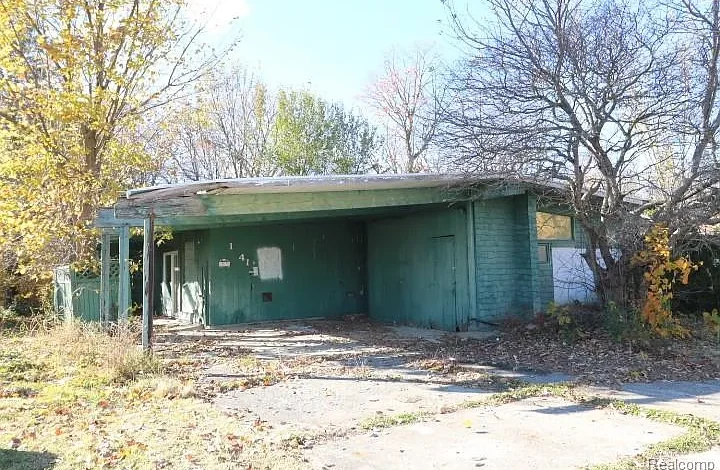
Exceptional Investment Opportunity: Transform This 3-Level Colonial on a Spacious 0.48-Acre Lot

Calling all investors, rehabbers, builders, and visionaries—this is the opportunity you’ve been waiting for. This three-level Colonial home, situated on a generous 0.48-acre lot, presents a rare and remarkable chance to bring new life into a property with tremendous potential. With a walk-out basement, a strong structural footprint, and a desirable layout, this home is more than just a renovation project—it’s a blank canvas waiting for your creativity. Whether you’re planning to renovate and resell for profit or design a fully customized dream residence, this property stands out as a golden investment in a highly sought-after area.

Homes with this level of potential rarely hit the market, especially in neighborhoods where demand is high and opportunities for large-scale transformation are limited. This home is being sold As-Is, giving you complete freedom to reshape it exactly as you envision, without being restricted by previous updates or renovations. It’s the perfect project for those who understand the value of location, lot size, and structural integrity.
A Solid Foundation with Endless Possibilities

The home spans three full levels, offering ample interior space and flexibility for a variety of design directions. Traditional Colonial-style homes are beloved for their timeless charm, balanced layout, and functional living spaces—and this property embodies all of these characteristics.

While the home requires a complete rehabilitation, one of its greatest strengths is the solid structural base. The walls, framing, and overall footprint are ready to support a full redesign. For experienced investors and rehabbers, this means the hardest part—finding a property with a good foundation and great location—is already done.

With the right vision, this home can be completely transformed into a modern masterpiece. Consider the possibilities:

Opening the main level to create a bright, airy, open-concept layout

Redesigning the kitchen with premium finishes and a large center island

Adding a primary suite with a spa-inspired bathroom

Finishing the basement to create an additional living area or rental unit

Expanding the outdoor living space with a deck, patio, or screened porch

The potential to dramatically increase the home’s future market value is significant.
A Spacious 0.48-Acre Lot—A Rare Find

The nearly half-acre lot is one of the most valuable aspects of this property. Large lots of this size are increasingly difficult to find, especially in desirable neighborhoods. Whether you want outdoor recreation space, room for expansion, or simply privacy, this lot provides all of that and more.
What You Can Do With This Lot:

Build an expansive deck or patio for outdoor entertaining

Add a two- or three-car garage

Install a pool or hot tub

Design a landscaped garden or playground

Create a firepit area or outdoor kitchen

Add an addition to increase square footage

For families, builders, and homeowners who appreciate space and flexibility, this lot offers almost unlimited design freedom. For investors, it adds tremendous resale appeal.
A Walk-Out Basement—A Major Value Booster

One of the most desirable features of any home today is a walk-out basement, and this property already has one in place. This feature alone can add significant usability and value to the home after renovation.

Walk-out basements allow natural light to flow in, creating an inviting atmosphere that feels like an extension of the main living spaces—not a dark, typical basement. With direct access to the yard, the basement becomes a versatile area that can serve numerous purposes.
Potential Uses for the Walk-Out Basement:

A fully separate rental apartment or in-law suite

A home office or business studio

A recreation room or entertainment center

A gym or wellness room

A home theater

Guest bedroom and bath

Additional storage or utility space

Modern buyers love finished basements, and this layout provides a built-in advantage when it comes to future resale.
Ideal Buyers for This Opportunity

This property appeals to a wide range of buyers, each with their own vision for its future:

  1. Real Estate Investors

If you specialize in flipping houses, adding value, or building equity through renovation, this home is an incredible opportunity. With its great bones, large lot, and strong resale potential, it checks all the boxes for a profitable project.

  1. Professional Rehabbers and Contractors

For those who thrive on major renovation projects, this home provides a blank slate. Every aspect of the interior and exterior can be modernized to meet today’s trends, ensuring a high-demand finished product.

  1. Homebuyers Seeking a Custom Dream Home

Some buyers want more than a move-in-ready house—they want a space they can shape to their exact style. This property allows you to design everything from the layout to the finishes, creating a truly personalized home.

  1. Buy-and-Hold Investors

With enough renovation, this property could become a highly rentable home or multi-generational living space, thanks to its size and basement access.
High Resale Potential in a Desirable Location

One of the most compelling reasons to consider this property is its location. Homes in sought-after areas benefit from strong resale values, competitive markets, and long-term appreciation. Once renovated, this home will attract a wide pool of buyers seeking space, convenience, and modern features.

The phrase “This won’t last!” isn’t just a marketing tagline—it’s a genuine statement about the rarity of opportunities like this. Homes with this much potential, especially on large lots, tend to sell quickly once investors recognize their value.
As-Is Sale—A Benefit to Visionary Buyers

Because the home is being sold As-Is, you’ll have complete freedom to transform it without worrying about prior renovations or the seller making changes. For many investors and builders, this is a major advantage.
Benefits of Buying As-Is:

Lower purchase price

Full creative control

Ability to plan renovation budget from scratch

No wasted money on temporary or low-quality fixes

Higher overall ROI potential

Buyers who understand renovation know that starting with a clean slate is often the best scenario.
Why This Property Is a Rare Opportunity

Here’s what makes this home stand out from the rest:

Highly desirable location

Nearly half an acre of land

Solid Colonial structure ready for redesign

Walk-out basement offering incredible possibilities

Full renovation freedom

Exceptional ROI potential for investors

A project with both character and scalability

This is the kind of property that experienced investors recognize instantly. With the right vision and execution, it can transform from an outdated structure into a stunning, high-value home that commands strong attention in the market.
Conclusion

This three-level Colonial home sitting on a spacious 0.48-acre lot is far more than a fixer-upper—it’s a major investment opportunity with all the elements needed for success. From its walk-out basement and solid construction to its large lot and incredible design flexibility, every aspect of this property makes it a top choice for buyers who see potential where others see a project. Whether you plan to renovate and resell, lease, or create a personalized dream home, this is a chance you don’t want to miss.

Opportunities like this don’t come often. If you’re searching for your next big project, this property is the perfect fit.

Listed on Zillow

A Late-Night Act of Kindness That Returned to Us Years Later

My wife and I were returning from a party at 2 AM when our car died in a remote area. There were no mobiles then, so we waited. An hour later, a college student passed by and drove us to town. We offered money but he said, “Happy to help.” Years later, my wife called in tears. With a shaky voice she told me to open the news. Turns out that student— had gone on to do something extraordinary. His name appeared in the headline of a national article announcing that he had just received an international humanitarian award. I stared at the photo and recognized the same warm smile he’d given us that night on the dark roadside. Back then, he was simply a young man driving home after studying late at the library. He never hinted at his ambitions or dreams, only that helping strangers seemed like the right thing to do. We remembered that night many times over the years, often saying how kindness appears in unexpected places.

The article described how he had become a dedicated community organizer working in underserved regions, helping expand access to education and building programs to support young people facing difficult circumstances. It explained that he had spent decades focusing on small, steady acts of service—mentoring students, organizing scholarships, and advocating for better learning resources. He had traveled between towns and cities, raising awareness about the challenges many families faced. What struck us most was that his impact didn’t come from a desire for recognition or praise; it grew from the same quiet sincerity we felt when he stopped for us without hesitation.

Reading more about his journey, I learned he often shared stories of moments that shaped him—times when people had shown him compassion when he needed it most, including strangers who didn’t expect anything in return. It made me wonder if our brief encounter had stayed with him the way it stayed with us. Maybe it reminded him that every small gesture matters. My wife and I talked for a long time about how easily that night could have gone differently. We remembered sitting in our stalled car, cold and frustrated, hoping someone would eventually come by. His arrival had felt like a simple stroke of good fortune. Now, reflecting on everything he accomplished, it felt like we had crossed paths with someone whose purpose in life was to make the world just a little better wherever he went.

That evening, my wife and I wrote him a letter through the organization that honored him. We didn’t expect a reply, but a few weeks later, a handwritten note arrived. He remembered us. He said that helping us reminded him how meaningful even small acts of goodwill can be, and that encouragement from strangers had motivated him during difficult early years. His words left us deeply moved. Life had brought us together for just a short moment on a dark road, yet the memory of that kindness had grown into a lesson we carried forward: you never know how far a simple act of help can reach, or how much light it can bring into someone else’s journey.

Popular

A Mother’s Love: Vienna’s Journey with a Birthmark

0
Love compels parents to do extraordinary things for their children’s well-being. Celine Casey, a British mother, took remarkable steps to ensure her daughter Vienna’s...