Meghan Markle’s public appearance has inspired trends, discussions, and countless digital conversations, yet her path to confidence was anything but instant. Long before she stepped into global visibility, Meghan experienced years of feeling overlooked and unsure of herself. She wasn’t born into fame or prepared for red-carpet moments; instead, her early photos—school portraits, small acting roles, and early event appearances—tell the story of a young woman still searching for her identity. She once described herself as an “ugly duckling,” recalling frizzy hair, a gap-toothed smile, and a shy personality that made her feel invisible during her teenage years. Those memories shaped her understanding of beauty and belonging long before cameras ever did.
As she moved into adulthood, Meghan’s transformation unfolded gradually. In the mid-2000s, her first appearances at entertainment events showed a natural and understated look, reflecting a newcomer still learning how to navigate the industry. Over time, as she gained experience and confidence, her style grew more polished—soft waves, fresh makeup, and a sense of poise that suggested she was beginning to understand her own presence. By the time she joined Suits, her image carried a new refinement. Her portrayal of Rachel Zane helped shape not only her career but also her signature aesthetic: luminous skin, simple elegance, and an effortless confidence that resonated with audiences around the world.
Her public profile expanded dramatically when she and Prince Harry began appearing together. Interest in her appearance intensified, with many discussing her style, makeup, and natural features—most notably her nose, which became a point of reference for beauty consultations. Specialists offered their opinions in interviews, some attributing her evolving look to skillful makeup, lighting, and natural maturity, while others speculated about possible cosmetic enhancements. Through all the noise, Meghan remained silent on the subject, allowing her evolution to speak for itself. Her early years as a duchess revealed a serene and polished image, highlighting her growing comfort with high-profile engagements and the global spotlight.
Online reactions have continued to reflect a mix of admiration, curiosity, and commentary—common for public figures whose appearances are frequently observed. Whether attending fashion shows, charity events, or speaking engagements, Meghan’s style has leaned into clean lines, radiant skin, and understated sophistication. Social media conversations often revolve around her skincare, grooming techniques, or the subtle changes in her presentation over time. Yet the heart of her transformation lies not only in her appearance but in the journey from a shy, uncertain girl to a woman who carries herself with confidence and purpose. The collection of photos spanning decades highlights this evolution clearly—not as a sudden shift, but as a gradual unfolding shaped by experience, self-discovery, and the strength that comes from embracing one’s true identity.
This morning, I went out into the yard—just to water the flowers and check if the cats had scattered litter, as usual. But as soon as I opened the gate, I immediately smelled a terrible odor. It made my chest tighten and my mouth taste metallic. I took a few steps and froze. Something was moving on the ground next to the flowerbed. In front of me lay something slimy, reddish, as if turned inside out. It reeked of something unpleasant, as though something in the garden had been left too long in the sun. I even recoiled—my heart pounding as unfamiliar thoughts rushed through my mind. “What is this? Some strange growth? A creature I’ve never seen?” For a moment, my imagination outran reality, and I stood rooted to the spot, unsure whether to approach or run back inside.
I forced myself to take a steadying breath and remembered that fear often fills in the unknown with the worst possible answers. So, instead of panicking, I stepped closer—carefully, slowly—and realized I couldn’t identify it at all. It didn’t behave like an animal, nor did it resemble anything I had seen in the yard before. Determined to find clarity, I took out my phone, snapped a photo, and began searching online for explanations. I typed in the simplest terms I could think of: “red slimy thing in garden with bad smell.” Instantly, the search engine flooded with possibilities, some scientific, some humorous, some absolutely unrelated. But one result kept appearing—a harmless, natural phenomenon that people often mistake for something frightening. That alone eased my breath a little. Perhaps this wasn’t a crisis. Perhaps it was simply something nature had placed in my path to remind me how quickly our minds jump to fear.
As I scrolled further, I discovered that what I had found was most likely a type of fungus—an odd-looking one that gardeners often write about with equal parts fascination and alarm. It grows after heavy rain, carries an unpleasant odor to attract insects, and often appears suddenly, catching homeowners completely off guard. The moment I read that, something inside me relaxed. The unknown had become known, and the frightening had become understandable. Suddenly, my yard did not feel like a scene from a strange dream but a small ecosystem doing what ecosystems do best—changing, adapting, surprising. I returned outside with new eyes, no longer intimidated but curious, and observed the odd fungus from a comfortable distance, marveling at how unusual nature can be when it reveals its lesser-known forms.
Later, as I finished watering the flowers, I realized how symbolic the moment had been. So often, the things we fear most are simply things we do not yet understand. Our minds stir up shadows where only unusual shapes stand. That morning taught me two quiet lessons: first, that curiosity can be stronger than fear, and second, that even the strangest moments carry opportunities to learn. I left the yard with a lighter heart, grateful that what had begun as panic had turned into a reminder that not everything unfamiliar is a threat—sometimes, it is simply nature asking us to look closer.
Emma, my ten-year-old daughter, had spent weeks crocheting hats for children in hospice care, pouring her kindness into each loop of yarn. After losing her biological father at a young age, it had always been just the two of us—until I married Daniel, who loved Emma as though she had always been his. He helped with school projects, read her bedtime stories, and celebrated every milestone she achieved. Yet, his mother, Carol, struggled to see Emma as part of the family. Though Daniel always defended his daughter, Carol’s comments lingered, quietly eroding the peace we tried to build. Still, we maintained polite distance, hoping time would soften her heart. But the day Daniel left on a short business trip, that fragile balance shattered in a way I never expected.
Emma and I returned from errands to find her room empty of the hats she had lovingly made. Moments later, Carol appeared in the doorway, casually admitting she had thrown them away. The shock that crossed Emma’s face is something I will never forget. Her weeks of effort—meant to bring comfort to children spending the holidays in difficult circumstances—were dismissed in seconds. I held her as she cried, trying to soothe her while my own heart ached. In the quiet that followed, I searched through our trash bins, hoping to recover even one hat, but there was nothing. Emma cried herself to sleep that night, and I sat beside her, wishing I had the right words to take away her hurt. I chose not to call Daniel, thinking I was protecting his peace while he traveled, unaware that silence would only deepen the storm ahead.
When Daniel returned and learned what had happened, his heartbreak was immediate. He comforted Emma gently, promising her that she would never face such cruelty again. Then he left the house with a resolve I had never seen in him. Hours later, he returned holding a large bag filled with all of Emma’s hats—rescued after a long search. When Carol arrived expecting a pleasant surprise, Daniel calmly revealed the truth and explained how deeply her actions had wounded his daughter. Her dismissive response made his decision clear: he asked her to step out of our lives until she could treat Emma with kindness. It was not anger that drove him, but a father’s quiet determination to protect the child he loved.
In the weeks that followed, a gentle healing took place. Daniel and Emma began crocheting together, laughing at his beginner mistakes until they completed all 80 hats once more. When the hospice shared photos of the children wearing them, Emma’s smile returned—soft, proud, and full of hope. The post spread quickly, and messages of gratitude poured in. Even when Carol later reached out overwhelmed by public reaction, Daniel held firm, choosing peace for our home over old patterns of hurt. Today, our house feels warm again, filled with the rhythmic sound of yarn sliding through careful fingers and the steady love of a family choosing kindness, growth, and one another.
Green eyes have long captured the imagination of people around the world, often associated with uniqueness, depth, and creativity. Because only a small percentage of the global population naturally has green eyes, the color tends to stand out instantly, creating a sense of intrigue. Their rarity is a major reason they are frequently described as captivating or uncommon, and many cultures throughout history have woven stories and symbolism around them. Whether admired for their beauty or their air of mystery, green eyes continue to spark curiosity wherever they are seen.
From a scientific perspective, green eyes are a fascinating example of how light and biology work together to create color. Contrary to how they appear, there is no actual green pigment present in the iris. Instead, green eyes form through a combination of low melanin levels and a naturally occurring yellowish pigment called lipochrome. When light enters the eye, it scatters across these pigments through a process known as the Tyndall effect, producing the green hue that people recognize. This interaction with light also explains why green eyes seem to shift in brightness or tone depending on the environment, making them appear almost chameleon-like in different settings.
Individuals with green eyes may experience certain sensitivities due to their lower melanin levels. Melanin provides natural protection against sunlight, so people with lighter eye colors—including green—may find bright light more intense or may be slightly more prone to certain sensitivities. While this does not pose a serious issue for most, it does highlight the importance of simple habits like wearing sunglasses outdoors and scheduling regular eye check-ups. These small steps can help maintain long-term eye comfort and health, regardless of eye color.
Culturally, green eyes have held special meaning for centuries. In European folklore, they were often associated with intuition, independence, or a touch of mystery, while writers and filmmakers have frequently used green-eyed characters to symbolize charisma or inner strength. Today, the enduring fascination with green eyes arises not only from their rarity but also from the blend of science, symbolism, and personal identity that surrounds them. Appreciating green eyes means recognizing both the biological processes that create their unique appearance and the stories people have built around them. Their beauty lies not just in the color itself, but in the wonder they inspire and the individuality they represent.
My son called crying—his wife had emptied their savings and disappeared. I stormed in, ready to say everything I’d swallowed for years. We filed reports, called banks. At 2 AM, the door opened. I was ready to destroy her. But when she walked in, I froze. She was pale, shaking, and carrying a crumpled envelope as though it were the only thing keeping her upright. The anger I had meticulously prepared dissolved the instant I saw her face. Fear—raw and unguarded—clung to her like a shadow. She didn’t look like someone who had run away with money; she looked like someone who had been running from something. My son stepped toward her, torn between fury and concern, but she raised a trembling hand and whispered, “Please… just let me explain before anyone calls the police again.”
She sank onto the couch, exhausted, and handed us the envelope. Inside were documents—pages stamped with official seals, letters from an attorney, and a series of threatening messages she had received for months but kept hidden. She had discovered her estranged father had resurfaced, a man with a long history of manipulating and draining the finances of anyone connected to him. When he found out about her new life, he began demanding money, insisting she owed him debts she never incurred. She tried to ignore him, but the letters grew darker, the threats sharper. She emptied the savings not to escape her marriage, but to move the money to a secure account the attorney guided her to set up, keeping it out of her father’s reach. “I wasn’t running from you,” she said, tears slipping down her cheeks. “I was trying to keep you both safe.”
The room fell silent except for the quiet hum of the refrigerator. My son’s clenched jaw softened, and he knelt beside her, torn between relief and the sting of being shut out. I watched them—two young people drowning in a situation far larger than themselves—and felt a shift inside me. I had spent years holding reservations about their relationship, always ready to assume she was the fragile link. But now, seeing her courage and fear laid bare, I realized how easily assumptions can build walls where bridges should stand. She wasn’t the villain in a story I had been narrating silently to myself; she was a young woman who had tried to carry a burden alone, hoping to protect the man she loved.
As dawn crept in, warm light slowly filling the room, we made a new plan together—one built not on suspicion or secrecy, but on honesty. My son held her hands, promising they would face whatever came next as a team. For the first time, I believed him. And for the first time, I saw her not as someone who might hurt him, but as someone fighting desperately to preserve the life they were building. Families aren’t forged in perfect moments; they are forged in nights like this—messy, frightening, and unexpectedly transformative. And as we sat together, bruised but united, I realized the story I had come ready to finish had only just begun.
Chocolate may be a delicious treat, but your favorite flavor can also offer a playful glimpse into your personality. While it’s not a scientific test, many people enjoy seeing how their instincts reflect their inner traits. When you look at different types of chocolates, you may notice that one catches your attention right away. That quick choice often reveals more than you expect. Without overthinking it, imagine the chocolate that appeals to you the most and explore what that preference might say about your natural strengths, energy, and outlook on life.If you’re drawn to rich, comforting flavors like hazelnut, nougat, or caramel, you’re likely someone who values warmth, support, and meaningful relationships. Hazelnut lovers tend to be steady and trustworthy, offering quiet strength to the people around them.
Nougat fans often have a nurturing and dependable nature, always ready to help and uplift others. Caramel enthusiasts usually radiate friendliness and charm, making people feel welcome and appreciated. Those who prefer toffee may be more introspective and emotionally deep, able to understand others with genuine empathy.Fruity and vibrant chocolates like strawberry, orange, and raspberry often appeal to lively, imaginative personalities. If strawberry is your top pick, you may have a romantic, creative spirit that sees beauty in everyday moments. Orange lovers are typically adventurous, spontaneous, and full of enthusiasm, bringing energy wherever they go.
Raspberry fans tend to be bold and expressive, unafraid to share their opinions and stand out when it matters. Each of these flavors reflects a spark of passion and a desire to embrace life with color and curiosity.Classic choices such as fudge, truffle, coffee, almond, and even a light crisp chocolate speak to individuals with confidence, balance, and a strong sense of identity. Fudge lovers often appreciate simplicity and elegance, preferring quality over quantity. Those who enjoy truffles may have a mysterious, thoughtful presence, valuing deep connections more than small talk. Coffee-flavored chocolate typically attracts focused and ambitious personalities who chase their goals with determination. Almond fans are practical, independent, and calm under pressure, while crisp-chocolate lovers are playful, cheerful, and young at heart.
Each preference highlights a different kind of inner strength, whether bold, refined, or delightfully carefree.While this chocolate personality guide is meant for fun, it can also encourage self-reflection and help you appreciate the qualities that make you unique. Whether you’re adventurous like orange, gentle like nougat, or determined like coffee, your choice shows a small part of the energy you bring to the world. Most importantly, it reminds us that everyone has their own flavor—one that deserves to be celebrated. So the next time you reach for a piece of chocolate, enjoy the sweetness and smile at the little insights it may reveal.
Barron Trump has not been seen in public for months. The youngest son of Donald Trump is a sophomore at Stern Business School and once again lives at the White House as he attends the school’s DC campus. When he was younger, he was often pictured with his parents. But sadly, one detail in pictures with his parents could possibly hold a heartbreaking truth.
Barron Trump has lived a life of extreme wealth. Donald and Melania’s son had an entire floor to himself at Trump Tower in Manhattan, and as a youngster, he moved into the White House when his father won his first Presidential term.
While his mother tried to shield him from media scrutiny, Barron was pictured many times, for example, walking from the helicopter on the White House lawn to the house.
Barron Trump showed off a new side when Donald got elected a second time. He stood in the spotlight, almost stealing the show from his father, and smiled and waved to the big crowd chanting.
However, it has not always been like that. Speaking with the Express, body language expert and psychologist Bruce Durham has analyzed pictures of Barron Trump, and, according to him, the direction he looks reveals a heartbreaking truth about his life.
Of photos, when Barron was a bit younger, he said, “I think it is quite sad and sweet that Barron is looking at the floor in both photos.”
Body language expert brands Barron “a helpless puppy” in throwback photo
“It must be hard for any young adult to be in that position – but again, with Donald being so focused on ‘himself’ maybe he hasn’t got time for ‘others’ – including helping his son with his confidence levels in front of the cameras,” Durham continued. “It’s a bit like this with his powerhand over Melania, directing her to go where he demands, almost like pulling a helpless puppy along on a lead.”
It is well known that Melania has been very protective of her son. He has now reunited with Donald and Melania in Washington, as he continues his studies at NYU’s DC campus.
Melania Trump opted for Barron not to live in a dorm but instead to stay at Trump Tower during his freshman year of college. Earlier this fall, a People source claimed that the First Lady is devoting a ‘considerable amount’ of her time and focus to Barron and his well-being.
According to the source, described as “political,” Melania is concerned about her son and always aims to know his whereabouts.
“Melania watches Barron constantly in an effort to be sure nobody messes with him or bullies him, as this is a constant worry with her,” the source told People. “She always knows where he is and what he’s doing.”
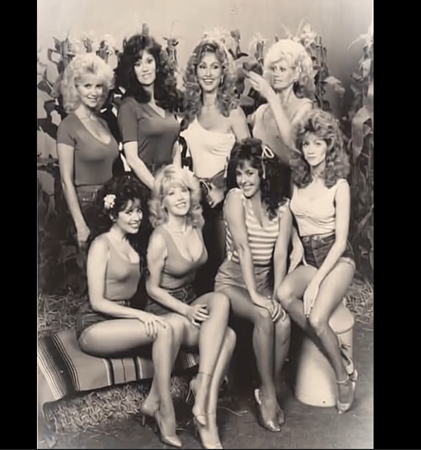
Hee Haw was far more than a television show—it was a cultural institution, a weekly ritual that united families across the United States in laughter, music, and storytelling.
Premiering in 1969 during a time of profound social and cultural change, the variety series offered a unique blend of humor, live country music, and rural charm that resonated with audiences in a way few shows of its time could.
Each episode invited viewers into a whimsical, often exaggerated world of barnyard jokes, musical performances, and comedic sketches that reflected the rhythms, values, and humor of small-town life.
For many families, Saturday nights became synonymous with Hee Haw, a time to gather in the living room, share stories, laugh together, and savor moments of connection long before smartphones, streaming services, or constant media saturation reshaped entertainment.
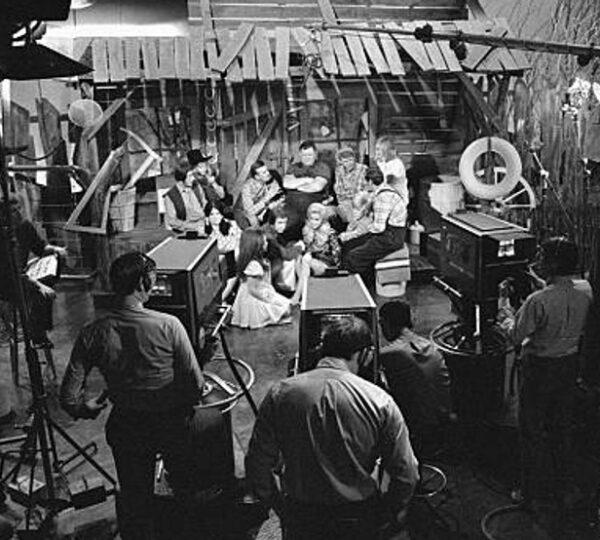
Watching an uncut scene from the show today is like stepping into a time capsule, transporting audiences to a slower, simpler, and more human-centered era of television.
A Window into Cultural Nostalgia
The enduring appeal of Hee Haw lies in its raw, unpolished authenticity.
Unlike contemporary television, which often prioritizes slick production and perfection over personality, Hee Haw thrived on spontaneity, camaraderie, and the charm of imperfection.
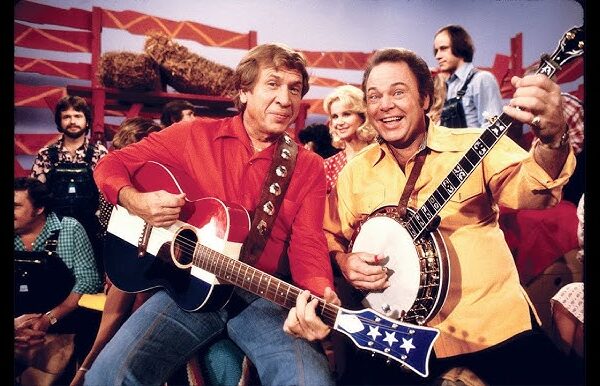
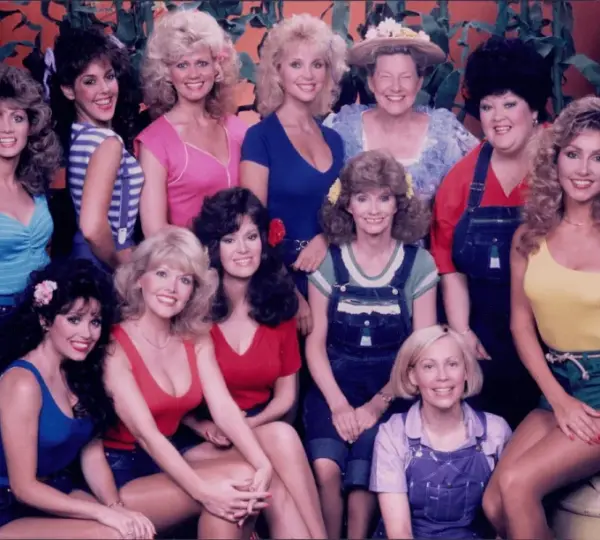
Its performers—ranging from musical legends such as Roy Clark and Buck Owens to iconic ensemble members like Grandpa Jones, Minnie Pearl, and the countless Kornfield Kounty humorists—radiated warmth, approachability, and familiarity, making audiences feel as if they were visiting old friends rather than watching distant celebrities.
The show’s signature sketches, including the beloved “Kornfield Kounty Jokes,” employed clever wordplay, slapstick, and gentle satire to reflect the quirks and idiosyncrasies of rural life.
These short comedic interludes were lighthearted yet insightful, offering subtle commentary on social norms, family life, and the everyday struggles of rural communities.
Musical segments, performed live on set, featured a rich repertoire of country, bluegrass, gospel, and southern folk music, showcasing both contemporary hits and traditional favorites.
These performances were not mere entertainment; they were cultural preservation, celebrating a musical heritage often overlooked in mainstream media.
Through its humor, music, and sketches, Hee Haw became a mirror reflecting the values, traditions, and joys of rural America, inviting viewers into a shared, participatory experience that celebrated community, resilience, and the simple pleasures of life.
Authenticity That Resonates Across Time
One of the defining qualities of Hee Haw was its unfiltered, down-to-earth spirit.
Uncut scenes capture small imperfections—a missed line, a spontaneous smile, a cast member laughing uncontrollably—that humanized the performers and made viewers feel connected to the experience.
Unlike modern television, dominated by meticulous editing, computer-generated effects, and formulaic scripting, Hee Haw reminded audiences that entertainment rooted in sincerity, spontaneity, and human warmth could be infinitely more engaging.
Its humor was never mean-spirited or cynical; it celebrated everyday life, resilience, and the quirks that make people relatable.
Decades later, these unedited moments continue to elicit smiles, nostalgia, and a profound sense of belonging, demonstrating that authentic entertainment transcends time and trends.
A Cultural Touchstone for Generations
Though the show first aired more than fifty years ago, Hee Haw’s cultural significance endures.
Younger audiences discovering the show today, through streaming platforms or archived footage, can still appreciate its charm, humor, and musical richness.
The program serves as a historical snapshot, documenting rural America’s aesthetics, values, and everyday life during a transformative period in the nation’s history.
It offers insight into the traditions, struggles, and celebrations of small-town communities, making the show both entertaining and educational.
Moreover, Hee Haw created a lasting legacy of cultural inclusivity within its framework.
While rooted in rural Americana, the show highlighted universal themes—family, community, humor, and music—that transcended geography and background.
It bridged generational divides, allowing grandparents, parents, and children to enjoy the same programming together, creating a shared experience that strengthened familial bonds.
The combination of storytelling, comedy, and music ensured that the show’s impact went beyond entertainment, cultivating a sense of identity, nostalgia, and belonging among viewers.
The Musical Heart of Hee Haw
Music was the lifeblood of Hee Haw. Live performances were a hallmark, with Roy Clark and Buck Owens often taking center stage, alongside talented ensemble members delivering vocals, instrumental solos, and impromptu jams.
The show’s musical range was impressive: country standards, bluegrass fiddle solos, gospel-inspired choruses, and humorous novelty songs all found a home on the stage.
These performances were often interwoven seamlessly with sketches, creating a rhythm and flow that mimicked the cadence of life in rural communities.
By spotlighting authentic musicianship, Hee Haw preserved the sound and spirit of American country music, introducing it to audiences who may have had little exposure to the genre.
Comedy Rooted in Humanity
The sketches on Hee Haw were equally timeless. Humor was grounded in everyday experiences: family dynamics, neighborly gossip, seasonal work, and rural idiosyncrasies.
Characters like Grandpa Jones, with his endearing grumpiness, and Minnie Pearl, with her iconic greeting of “How-w-w-w-dee-hoo!”, brought joy through exaggerated, yet deeply human performances.
The show’s comedy did not rely on malice or cynicism; it thrived on empathy, wit, and the shared experiences of ordinary life. In doing so, it created a gentle, uplifting form of entertainment that appealed to all ages.
Lessons in Authentic Entertainment
At its core, Hee Haw demonstrated that entertainment is most meaningful when it celebrates authenticity and human connection.
Its uncut scenes, spontaneous laughter, and heartfelt musical performances captured moments of honesty, imperfection, and shared joy.
They remind us that true entertainment is participatory, communal, and emotionally resonant, fostering empathy and connection across generations.
Even decades after its original broadcast, the show continues to teach that simplicity, warmth, and sincerity can leave a lasting impact far beyond fleeting trends.
Conclusion: The Enduring Legacy of Hee Haw
An uncut Hee Haw scene is more than a television clip; it is a window into history, a celebration of culture, and a testament to the enduring power of authenticity.
Through its music, comedy, and storytelling, the show preserved the essence of rural Americana, highlighting values of family, community, resilience, and joy.
Its influence persists, inspiring modern entertainers and audiences alike to value sincerity over polish and human connection over spectacle.
Revisiting Hee Haw is an act of nostalgia, education, and appreciation—a reminder that entertainment is at its best when it feels lived-in, heartfelt, and communal.
For viewers old and new, the show embodies the timeless lesson that the simplest moments, shared laughter, and genuine performances create memories that endure, proving that authentic, human-centered storytelling never goes out of style.
Hee Haw was far more than a television show—it was a cultural institution, a weekly ritual that united families across the United States in laughter, music, and storytelling.
Premiering in 1969 during a time of profound social and cultural change, the variety series offered a unique blend of humor, live country music, and rural charm that resonated with audiences in a way few shows of its time could.
Each episode invited viewers into a whimsical, often exaggerated world of barnyard jokes, musical performances, and comedic sketches that reflected the rhythms, values, and humor of small-town life.
For many families, Saturday nights became synonymous with Hee Haw, a time to gather in the living room, share stories, laugh together, and savor moments of connection long before smartphones, streaming services, or constant media saturation reshaped entertainment.
For nearly nine decades, Ed Bambas lived by a guiding principle: serve, work hard, and honor the commitments you make.
Born in a generation shaped by World War II and the post-war American dream, Ed’s early life instilled in him a sense of duty, discipline, and perseverance.
He began his adult life in service to his country, joining the United States Army, where he dedicated years to protecting the freedoms and security of his fellow citizens.
The lessons of the military—resilience, loyalty, and the importance of hard work—remained with him long after his service ended.
After leaving the Army, Ed transitioned to civilian life and built a long career at General Motors (GM), where he worked for decades.
By the time he retired in 1999, he had amassed not just professional experience, but the promise of a secure retirement.
He had a home he owned outright, a pension he could depend on, and the satisfaction of knowing that decades of dedication had brought him stability.
Alongside him through it all was his beloved wife, Joan, whose partnership had been unwavering.
Together, they envisioned a retirement filled with simple pleasures: tending to a garden, enjoying family gatherings, and relishing the knowledge that their shared life had been meaningful, productive, and rooted in love.
Ed believed he had done everything right. He followed the rules, remained loyal to his employers, and invested wisely in his future.
He trusted the system to honor his sacrifices and provide a dignified retirement. But life, as it often does, had other plans.
The Collapse of Security
In 2012, the restructuring of GM—exacerbated by the lingering effects of the 2009 financial crisis—shattered the foundation of Ed’s retirement.
The pension that he had depended on for decades, the one designed to guarantee security in his later years, was suddenly gone.
Health insurance, once a reliable part of his post-retirement life, disappeared almost overnight.
Life insurance policies, which had offered reassurance for the future of his family, were slashed to mere fractions of what they had been.
For Ed, the loss was more than financial—it was profoundly personal. Everything he had worked for, the assurances that had allowed him to plan and dream, was gone.
He found himself confronting the kind of vulnerability he had never expected.
During this tumultuous period, Joan’s health began to decline rapidly.
Medical bills accumulated faster than any paycheck could cover, and Ed was forced to make impossible choices.
The couple sold their home, the very place that had been a symbol of decades of hard work and shared dreams, just to keep up with mounting expenses.
The emotional toll was staggering: watching the life he had painstakingly built dissolve before his eyes, all while caring for the woman he loved, left an indelible mark on his spirit.
When Joan passed away seven years ago, Ed was left not only widowed but uprooted.
The home, savings, and benefits that had once provided stability were gone, leaving him with little more than his work ethic and quiet dignity to sustain him.
Returning to Work at 88
Most people in their late eighties spend their days resting, reflecting, or enjoying a slower pace of life.
Ed, however, returned to work. He became a cashier at a Michigan supermarket, clocking in five days a week, eight to nine hours per shift. He did not seek promotion or recognition.
He worked because he had to, because survival demanded it, and because he carried an unwavering sense of responsibility and self-reliance.
Each day, Ed would rise early, put on his worn coat, and walk into the store.
Each scanned item, each bagged grocery, carried with it not just the purchases of strangers but a lifetime of perseverance, resilience, and dignity.
Customers often saw an elderly man behind the counter, but those who took a closer look could sense the weight of decades of service, loyalty, and quiet sacrifice etched into every movement.
He worked tirelessly, not for ambition, but to honor the life he had led and to maintain his independence despite overwhelming hardship.
A Stranger, a Camera, and a Spark of Hope
Life has a way of changing in moments of chance. One quiet afternoon, a social media influencer named Samuel Weidenhofer walked into Ed’s lane.
Weidenhofer, part of a growing “positivity influence” movement on digital platforms, immediately noticed something remarkable: Ed’s calm dignity, the way he carried himself despite the visible wear of years and hardship.
“What’s your dream?” Weidenhofer asked.
Ed paused, then answered with quiet honesty, “To live a little, somewhat, the life I was hoping for.”
That brief exchange might have been a small, passing moment—but it became the catalyst for something extraordinary.
Weidenhofer left a $400 tip, and then, recognizing the broader significance of Ed’s story, shared it online.
The video and post spread quickly, resonating with thousands of people who were touched by Ed’s story—a story of service, loss, endurance, and unwavering integrity.
A Nation Responds
The response was immediate and overwhelming. People from all over the United States contributed to a GoFundMe campaign launched in Ed’s honor. In mere days, the fundraising effort surpassed $1 million.
Within weeks, donations climbed past $1.5 million—a collective gesture of recognition, compassion, and gratitude from strangers who understood that Ed deserved more than mere survival.
For Ed, the support was about more than money. It was about recognition—acknowledgment of decades of labor, sacrifice, and resilience.
For the first time in years, he could imagine a future where he could live in comfort, honor Joan’s memory, and finally experience the peace and dignity that had long been promised to him.
Beyond One Man’s Story
Ed’s journey highlights a sobering truth: even those who serve their country and work diligently are vulnerable when systems fail.
Pension collapses, healthcare loss, and financial instability can leave seniors and veterans exposed, regardless of their careful planning or dedication.
His story underscores the fragility of retirement security and the necessity of protecting those who have given so much.
Yet it also shows the transformative power of empathy, community, and modern connectivity.
A single question, a simple tip, and a shared story became a movement, reminding the world that collective kindness can change lives—even in an era often defined by distraction and digital fragmentation.
Most importantly, Ed’s story exemplifies dignity, resilience, and integrity. He never sought pity.
He endured hardship quietly, worked tirelessly, and remained committed to his principles.
In return, he earned not only public admiration but a chance to reclaim the life he had long dreamed of.
A New Chapter
Thanks to the generosity of thousands of strangers, Ed can finally retire.
He can step away from long shifts behind the checkout counter, live with comfort, and enjoy the simple joys of a life earned through decades of effort.
This new chapter honors Joan’s memory, recognizes the sacrifices of countless veterans and workers, and serves as a powerful reminder of what empathy and collective action can achieve.
For Ed, this is more than financial security—it is an affirmation that dignity, hard work, and resilience are valued.
It is a testament to the ripple effect of kindness, demonstrating that a single question, a story shared, or a thoughtful gesture can transform a life forever.
Because sometimes, the smallest acts—an inquiry about one’s dreams, a tip, or simply seeing the humanity in someone—can restore hope, heal wounds, and change the course of a lifetime.
For nearly nine decades, Ed Bambas lived by a guiding principle: serve, work hard, and honor the commitments you make.
Beyond One Man’s Story
Ed’s journey highlights a sobering truth: even those who serve their country and work diligently are vulnerable when systems fail.
Pension collapses, healthcare loss, and financial instability can leave seniors and veterans exposed, regardless of their careful planning or dedication.
His story underscores the fragility of retirement security and the necessity of protecting those who have given so much.
Yet it also shows the transformative power of empathy, community, and modern connectivity.
A single question, a simple tip, and a shared story became a movement, reminding the world that collective kindness can change lives—even in an era often defined by distraction and digital fragmentation.
Most importantly, Ed’s story exemplifies dignity, resilience, and integrity. He never sought pity.
He endured hardship quietly, worked tirelessly, and remained committed to his principles.
In return, he earned not only public admiration but a chance to reclaim the life he had long dreamed of.
A New Chapter
Thanks to the generosity of thousands of strangers, Ed can finally retire.
He can step away from long shifts behind the checkout counter, live with comfort, and enjoy the simple joys of a life earned through decades of effort.
This new chapter honors Joan’s memory, recognizes the sacrifices of countless veterans and workers, and serves as a powerful reminder of what empathy and collective action can achieve.
For Ed, this is more than financial security—it is an affirmation that dignity, hard work, and resilience are valued.
It is a testament to the ripple effect of kindness, demonstrating that a single question, a story shared, or a thoughtful gesture can transform a life forever.
Because sometimes, the smallest acts—an inquiry about one’s dreams, a tip, or simply seeing the humanity in someone—can restore hope, heal wounds, and change the course of a lifetime.
Ten of the country’s biggest retail chains are making a deliberate shift this holiday season, stepping away from the catch-all “Happy Holidays” and returning to a more traditional greeting: “Merry Christmas.” It’s a move that signals something larger than a seasonal slogan change. These companies want to plant a clear flag, emphasizing a focus on Christmas itself and the cultural weight it carries for many of their customers.
The list isn’t made up of fringe names or boutique shops. It includes major national players—Hobby Lobby, Belk, Nordstrom, Home Depot, Walmart, Macy’s, JCPenney, Bass Pro Shops, Lowe’s, and Toys “R” Us. Each of these retailers is integrating “Merry Christmas” into their advertising, signage, and store messaging. For years, many brands leaned heavily on neutral phrasing to keep things broadly inclusive. But this time, they’re leaning back into the traditional greeting that dominated American retail for decades.
According to the article, this isn’t happening by coincidence. These companies are making “a collective effort to bring back the traditional Christmas greeting,” suggesting a coordinated or at least shared sentiment across the industry. Retailers have always been sensitive to customer expectations, cultural shifts, and what signals will bring people through the doors. In this case, they seem to believe that embracing the familiar phrase brings a sense of warmth, nostalgia, and clarity to the season—something people might be craving more than ever.
Shoppers are encouraged to participate in the same spirit. The article pushes the idea that if stores are going all-in on “Merry Christmas,” customers shouldn’t hesitate to say it back. The message is simple: join the atmosphere, enjoy the tradition, and don’t shy away from a greeting that once defined December across the country.
What’s interesting is how this shift fits into the broader landscape of holiday retail culture. For years, companies tried to be careful—sometimes overly careful—with their language during the holiday season. The goal was to avoid alienating anyone, especially in an increasingly diverse and hypersensitive marketplace. “Happy Holidays” offered safety. It covered Christmas, Hanukkah, Kwanzaa, New Year’s, and any other celebrations packed into winter months. But that neutrality also softened the identity of the season. For many customers, “Happy Holidays” didn’t feel wrong—it just didn’t feel personal.
Retail thrives on sentiment. People spend more when they feel something—nostalgia, warmth, connection, tradition. Christmas, for better or worse, is a brand in itself, and these companies are leaning into that brand again. Not in a political sense, not in a divisive sense, but in a way that re-centers December around the imagery, language, and emotional cues that once dominated store windows, commercials, and customer interactions.
Hobby Lobby and Bass Pro Shops were already known for maintaining a strong Christmas identity, but others on the list—like Nordstrom and Macy’s—spent recent years focusing more on inclusive messaging. Seeing them return to “Merry Christmas” suggests they’re responding to customer feedback or tracking a cultural moment that has been building quietly. People seem to want stronger anchors, stronger traditions, and brands that aren’t afraid to commit to something specific instead of trying to please every audience at once.
Retailers aren’t naïve. They understand that greeting choices can become flashpoints, especially in the age of social media. But they also know the holiday season is their biggest financial engine of the year, and emotional tone matters. If their customers want the full Christmas experience, right down to the phrasing used at checkout, they’re willing to deliver it.
Inside the stores, this shift is already visible. Decorations lean more heavily into classic reds, greens, golds, and winter themes that center Christmas imagery. Ad campaigns use language that’s more direct, nostalgic, and reminiscent of older holiday marketing. Sales associates are instructed to greet customers with “Merry Christmas,” and the stores’ soundtracks reinforce the theme with traditional Christmas music and familiar carols.
Online, the messaging mirrors the in-store experience. Websites display holiday banners that explicitly reference Christmas rather than broad winter themes. Social media posts lean into Christmas-oriented promotions. Email campaigns make it clear they’re celebrating the season with its traditional name.
This doesn’t mean the other winter holidays are being erased or dismissed. It simply means the companies are choosing to highlight the holiday that drives the largest share of seasonal spending and holds the strongest cultural presence in the retail landscape. They’re prioritizing clarity over neutrality, specificity over generalized cheer.
For customers who grew up hearing “Merry Christmas” at every store counter, this shift feels familiar and comforting. For those who prefer broader greetings, nothing stops them from choosing whatever wording feels right. But the message from the retailers is unmistakable: they’re stepping back into a tradition that shaped their busiest season long before marketing departments leaned into generic phrasing.
The article encourages shoppers to embrace the greeting as part of the atmosphere. “Wherever you shop this Christmas, don’t hesitate to spread the cheer by saying ‘Merry Christmas.’” It’s a call for customers to match the tone retailers are setting, reinforcing a shared cultural moment and re-establishing a seasonal identity that had been diluted over time.
Whether people see this shift as refreshing, nostalgic, unnecessary, or overdue, it signals something real. Retailers are recalibrating. They’re acknowledging that tradition still has power, that specific language still carries meaning, and that customers respond to seasonal cues that feel authentic rather than sanitized.
This movement among the ten major stores could also prompt others to follow. Retail is competitive. When one group leans heavily into a theme—especially a theme tied to emotional spending—others pay attention. If these companies see strong customer engagement or improved seasonal sales tied to the return of “Merry Christmas,” expect more brands to embrace the same messaging next year.
The broader takeaway is straightforward: major retailers are betting that shoppers want a holiday season that feels like a holiday season—not a corporate winter blur. They’re betting people want familiarity, warmth, and a little bit of old-school Christmas spirit. And they’re shaping their messaging to deliver exactly that.
For now, these ten retailers are standing out, making a clear statement about the kind of holiday experience they want to create. They’re not hiding behind generic greetings anymore. They’re choosing a direction, owning it, and inviting customers to join the moment. And as December unfolds, shoppers will decide whether that choice resonates—one “Merry Christmas” at a time.