Entertainment

Man Uses 11 Shipping Containers To Build His 2,500 Square Foot Dream House, And The Inside Looks Amazing

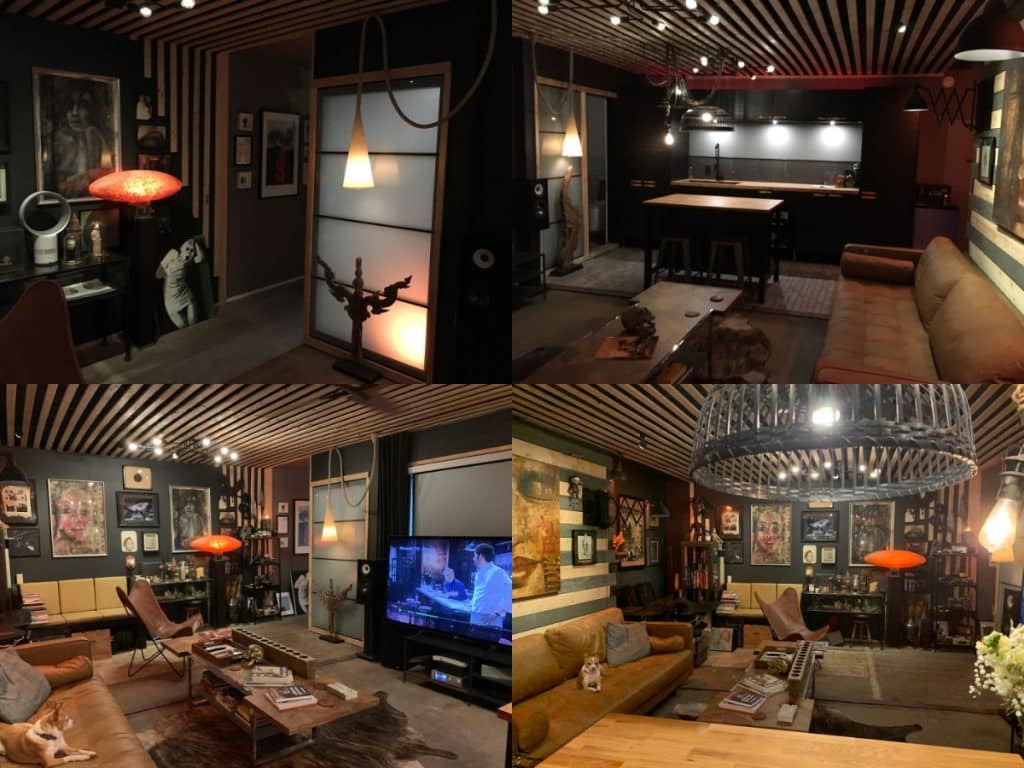
Will Breaux, a designer, created his ideal home by constructing it completely out of shipping containers. Eleven shipping containers were used to construct his one-of-a-kind three-story, 2,500-square-foot home with a rooftop deck on Houston’s McGowen Street.

Since the early 2000s, Breaux had dreamed of building his own home, but he had trouble finding a designer who could create the house he wanted. He ultimately made the decision to act independently.

Breaux wrote on his blog, “I started looking at projects that were being built that I liked.” Around 2011, he started designing the house himself after dismissing a design team that didn’t live up to his standards.

Breaux was drawn to the idea of using shipping containers because of their strength, resilience to hurricanes, durability, and fireproof nature. He studied container construction despite having no prior professional building experience, and he produced a 3D sketch of his ideal home. Breaux is now the proud owner of an amazing, fully furnished container home after many hours of labor.

So many people know this easy trick for perfectly peeled hard-boiled eggs — have you heard about it?

Cooking eggs seems like one of the simplest kitchen tasks, yet many people still end up with less-than-perfect results. One of the most common issues is the greenish-gray ring that sometimes appears around the yolk. While completely harmless, it can make even a well-prepared meal look unappetizing. For years, I dealt with this problem and assumed it was just a normal part of boiling eggs. But after researching professional cooking techniques and testing different methods, I discovered that achieving consistently perfect eggs is easier than most people think. With the right approach, anyone can enjoy bright-yellow yolks, tender whites, and shells that slide off effortlessly.

The green ring forms due to a simple chemical reaction. When eggs are cooked for too long or kept hot after they finish cooking, the iron in the yolk reacts with the sulfur in the egg white. This reaction is what creates the greenish tint many people associate with overcooked eggs. Fortunately, avoiding this issue doesn’t require special equipment or complicated steps. It all comes down to controlling temperature and cooling the eggs quickly. Understanding these small but important details can make a noticeable difference in the appearance and texture of your eggs.

To achieve perfectly cooked, easy-to-peel eggs, professional chefs often follow a reliable and straightforward process. First, place your eggs in a pot and cover them with cold water. Bringing the water to a gentle rolling boil ensures the eggs heat evenly. Once the water reaches a boil, turn off the heat, cover the pot, and let the eggs sit for exactly ten minutes. This resting time allows the eggs to cook through without becoming tough or overdone. Immediately after the ten minutes are up, transfer the eggs to a bowl filled with ice water. This rapid cooling stops the cooking process and prevents the green ring from forming. For even easier peeling, use eggs that are a few days old, and consider adding a spoonful of salt or a splash of vinegar to the water to help minimize cracking.

After switching to this method, the difference was immediate and impressive. My eggs peeled smoothly, without tearing, and the yolks were consistently bright, creamy, and perfectly cooked. No green discoloration, no chalky texture — just clean, attractive eggs that were ideal for breakfasts, salads, snacks, and meal prep. What surprised me most was how simple the secret really was. There was no special trick, no complicated technique — just proper timing and rapid cooling. With this method, anyone can prepare flawless boiled eggs without frustration. It’s a small kitchen improvement that delivers big results, making everyday cooking easier and more enjoyable.

Trump – Sad News!

Maryanne Trump Barry’s final morning in her Upper East Side home unfolded quietly, but the news that followed hit with the blunt weight of inevitability. On Monday, she was found dead—no spectacle, no public drama, just the end of a long, complicated life lived at the intersection of law, legacy, and the relentless scrutiny that comes with being part of the Trump family. She was 86.

Barry wasn’t a political showman like her younger brother, nor a tabloid regular. She moved differently—deliberate, trained, disciplined. A federal judge for years in New Jersey, she operated in a world where you didn’t get points for noise, only results. She’d spent decades navigating the precision of legal briefs, the grind of courtroom schedules, and the pressure that comes with high-stakes cases. Even after retiring, her reputation held: tough, sharp, and respected, the kind of judge attorneys prepared extra hard for.

Two people close to the situation confirmed the news, speaking to the New York Times. Details were scarce—no cause of death, no spectacle, just a stark acknowledgment that another branch of the Trump dynasty had quietly fallen. Given her age, speculation simmered, but no official narrative stepped in to replace it.

Barry’s life wasn’t defined solely by her legal work. She was married for many years to John Barry, a seasoned trial and appellate lawyer with his own strong reputation. Together, they formed the kind of professional power couple that didn’t need to announce itself. Their names carried weight in the legal world long before politics made the Trump name globally unavoidable.

Her career had weathered storms, including public scrutiny over some family financial matters that surfaced years ago. But unlike others in her orbit, she kept her responses measured, restrained. That was her style. She knew the value of silence when everyone else was shouting. Even in retirement, she maintained that distance—no press circuits, no commentary on her brother’s political rise or the chaos that trailed it. If anything troubled her, she didn’t parade it. She just lived her life on her own terms.

Her passing marks the end of a specific era for the Trump family. She represented the branch that built its name through institutions rather than populism—law, courts, discipline, the expectation that authority carries responsibility. Her approach stood in contrast to her brother’s more flamboyant, confrontational public presence. Whether they agreed or clashed privately, only those close to them truly know. But the difference in style was obvious.

The news spread quickly, landing between the usual clutter of online ads and clickbait that seem to cling to every headline these days. Despite the mess surrounding it—miracle cures, prostate supplements, joint pain remedies promising salvation in 24 hours—the core of the story remained: Maryanne Trump Barry was gone. A judge, a sister, a woman who carved out her own professional legacy long before the world obsessed over her family name.

Her death also pulls attention back to the Trump family’s shifting landscape. As political tensions continue to simmer around the former president, the loss of an older sibling adds a personal weight behind the scenes—something outside rallies, interviews, and campaign talking points. Families fracture and realign over decades; theirs has done so in the public eye, with more intensity than most. Barry’s absence will change that internal dynamic, whether or not the world gets a glimpse of how.

Her legal peers will likely remember her for her directness—she favored clarity over theatrics, substance over noise. She wasn’t the type to indulge nonsense in her courtroom. There are countless attorneys who will remember the experience of appearing before her: the preparation, the pressure, the relief of a fair ruling, even when it wasn’t in their favor. The federal bench attracts sharp minds, but Barry stood out for her steadiness, something increasingly rare as public discourse tilts toward extremes.

The family side of her life was tighter, less visible. She rarely shared glimpses of her private world, and even now, with news of her death circulating, the specifics remain largely unknown. That’s fitting. She lived with a sense of boundaries—clear lines between public responsibility and personal identity. When everything around her family became chaotic, she didn’t join the fray. She stayed in her lane.

Her death also serves as a reminder of time’s quiet erosion. These figures who shaped the backdrop of the Trump story—parents, siblings, spouses, all the people who existed before the political storm hit—are slowly disappearing. Barry belonged to the older generation that carried the early expectations of the family name, the one built on real estate, discipline, and a certain old-school New York toughness. Now, another one of those pillars is gone.

The simplicity of the announcement almost feels out of sync with the world her brother dominates—where everything becomes a headline, a controversy, a rallying cry. Barry’s life ended the way she lived it: straightforward, no theatrics, nothing performative. Just a final line, delivered without embellishment.

Even the site reporting the story felt like a collage of modern digital chaos—ads for prostate cures, joint pain fixes, diabetes “antidotes,” miracle recipes promising men renewed strength at seventy. Amid the noise, her story cut through with a different tone. Clean. Factual. Unembellished.

There won’t be a long public spectacle around her passing. She wasn’t a celebrity judge; she didn’t chase cameras or cultivate a public persona. But she mattered—to the legal community that respected her, to the family that knew her beyond headlines, and to the broader story of a dynasty that continues to command attention for better or worse.

Maryanne Trump Barry lived a full life marked by professional rigor and personal restraint. Now that chapter is closed. There’s no drama to analyze, no political angle to exploit—just the quiet truth that an influential judge, a woman who shaped her own path despite the unavoidable shadow of her family name, has reached her final page.

Desi Arnaz Reveals the Truth Behind Lucy’s On-Screen Pregnancy — And Hollywood Was NOT Ready for It

If you’re an I Love Lucy fan, you already know the show was groundbreaking. But every now and then, a story resurfaces that reminds us just how far ahead of their time Lucille Ball and Desi Arnaz really were.
And in one unforgettable appearance on Late Night with David Letterman, Desi himself broke down the hilarious — and shocking — behind-the-scenes drama surrounding Lucy’s pregnancy storyline.

Most fans have heard bits of this history…
But you’ve probably never heard it told like this — directly from Desi, and with that iconic Cuban comedic charm that made America fall in love with him.

🎤 “Can you hide her behind high chairs?”
That’s what the network executives suggested.

Yes. Seriously.

Watch Vivian Vance hilariously roast Lucy & Desi on live TV — a moment fans STILL can’t believe happened.

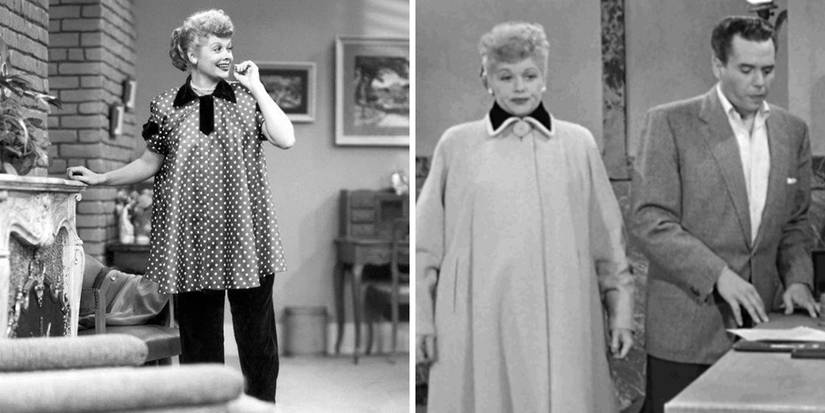
According to Desi in the Letterman interview, when Lucy became pregnant in real life, the producers panicked. The 1950s were a VERY different time, and the idea of showing a pregnant woman on television was considered too controversial, too intimate, even too risky for family audiences.

“You couldn’t even SAY the word ‘pregnant’ back then,” Desi reminded Letterman with a grin.
And he wasn’t joking.

Executives came to him with a list of “solutions,” asking things like:

  • “Can you keep her behind the kitchen counter?”
  • “Maybe she can sit down for most episodes?”
  • “Can we hide her behind furniture or high-backed chairs?”

Imagine telling Lucille Ball, one of the most dynamic physical comedians of all time, to spend an entire season sitting behind a table.

Desi said even Letterman started laughing — because it was absurd.
Absurd, but true.

📺 But Desi Arnaz fought back — and changed TV forever.
As Desi explained, he didn’t just politely decline the executives’ requests.
He pushed, he negotiated, and he insisted that Lucy’s real pregnancy be written into the show.

Why?

See why Lucie Arnaz rejected the original “Lucy & Desi” documentary idea — and what her mother truly wanted remembered.

“Because families go through this,” he told Letterman.
“And America loves Lucy — they should love this part of her life too.”

In that single moment, Desi wasn’t just a husband or a star.
He was a producer and a visionary.

And his insistence paid off:

I Love Lucy became the first TV show in history to depict pregnancy realistically.
⭐ The episode “Lucy Is Enceinte” became one of the most-watched broadcasts of the decade.
⭐ The birth of Little Ricky drew 44 million viewers — more than the Eisenhower inauguration.

This wasn’t just TV history.
It was a cultural shift.

Desi’s Letterman story reminds us that behind the laughs, behind the fame, behind the adorable Ricardo family…
was a couple who kept pushing boundaries long before television was ready.

💙 A husband defending his wife.
💙 A producer defending good storytelling.
💙 Two entertainers rewriting the rules — together.

If you’ve never seen the full Letterman interview, you’re missing out.
Desi is charming, quick-witted, brutally honest, and hilarious.
I’ve included the full clip below so you can watch the entire moment unfold.

Loved this story? Don’t miss the newly uncovered love letters between Lucy & Desi — raw, emotional, and shocking.

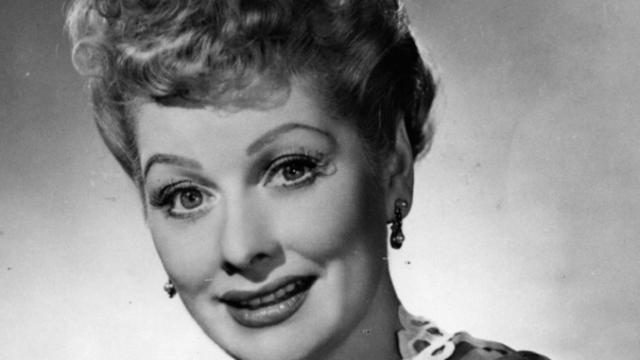
Here’s How Much Lucille Ball Was Worth At The Time Of Her Death

Everybody loves Lucille Ball. And her pocketbook showed it. Not only did she make money from I Love Lucy but also from the production company she owned and other production deals she had with her ex-husband Desi Arnaz. So when she died in 1989, her children received a huge windfall.

You see, Lucile Ball was worth an estimated $60 million when she died, according to Celebrity Net Worth. Before she made it big with I Love Lucy, Ball starred in several plays in New York. She moved to Los Angeles to pursue film roles. She even auditioned for the role of Scarlett O’Hara, which eventually went to Vivien Leigh, for Gone with the Wind. Ball signed a contract with MGM and she became known as the Queen of B Movies, writes the National Women’s Hall of Fame. Not a bad distinction… but not the best.

Things changed in 1948. Ball starred in a radio show called “My Favorite Husband.” It was so successful that CBS approached her to develop it for television. She agreed, on the condition that her real-life husband Arnaz star with her. Celebrity Net Worth says Ball and Arnaz had struck a deal with CBS and sold their I Love Lucy episodes for $4.5 million. Along with the show, they also starred in The Lucy-Desi Comedy Hour and The Lucille Ball-Desi Arnaz Show and other films.

Lucille Ball was a media mogul

Ball and Arnaz started a production company called Desilu Productions, per the National Women’s Hall of Fame. This made her one of the first female entertainment executives. Desilu produced popular television shows, too, says Celebrity Net Worth, including Star Trek, The Untouchables, and Mission: Impossible. Desilu soon became a force in the entertainment industry, raking in $20 million in revenue in 1958.

When Ball divorced Arnaz, and bought out his share of Desilu, before selling it to Gulf + Western in 1967 for $17 million. She continued to act in TV specials and comedy shows, until she suffered a heart attack in 1988, dying just a year later.

After her death, her children Lucie and Desi Jr., inherited the bulk of her estate. Her daughter became the executor of her trust, the Lucille Ball Morton Trust. In 2007, The Observer reports, Lucie bought a two-bedroom, 1,014 square-foot condo in Manhattan for $1.15 million.

Lucille Ball is not just a comedy legend but also a pioneer as one of the first female entertainment moguls. In an industry that still sees few women in leadership roles, according to Variety, she was a trailblazer. She earned every single dollar of that $60 million she was worth.

I Love Lucy: 10 Shocking Facts About The Classic ’50s Sitcom

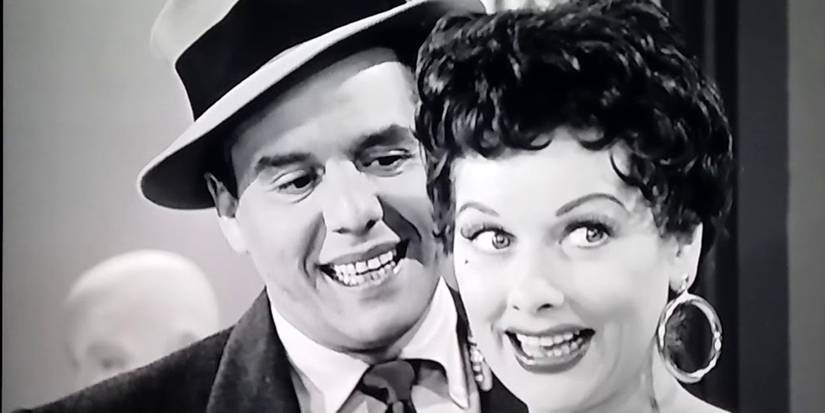
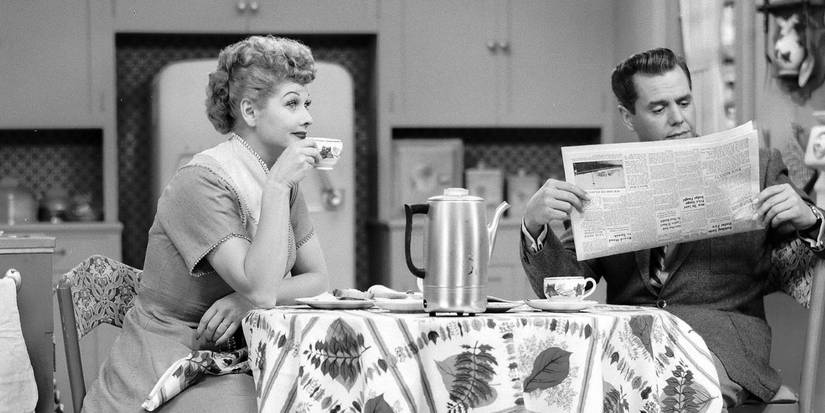
I Love Lucy lasted for six seasons in the ’50s and is still talked about today. Starring Lucille Ball and Desi Arnaz, the classic sitcom focused on their relationship, Desi’s career as a nightclub owner and bandleader, and the shenanigans Lucy would get herself into with her best friend Ethel.

What made I Love Lucy so memorable is that Lucille Ball and Desi Arnaz were married in real life. The intimate sitcom broke records, boundaries, and was unlike anything on TV at the time. While it may not look the part today, I Love Lucy was instrumental for the sitcoms and comedies of today, paving the way for future shows to come.

Executives Didn’t Know If An Onscreen Mixed-Marriage Would Work

Lucille Ball and Desi Arnaz got married in 1940 after meeting at a Broadway musical. The two fell for each other instantly and were married shortly after. It wouldn’t be another 11 years before the two started I Love Lucy, which only made their bond on TV stronger. Given the show’s lasting impact and legacy, it’s hard to imagine the doubts and concerns that the producers had before the pilot even aired, but I Love Lucy did in fact spark concerns from the top brass.

Although CBS loved the idea for the show, executives weren’t sure if they should hire another actor to play Lucy’s husband. With Desi being from Cuba, executives weren’t sure if Americans would believe that Lucy married someone from another country. Seeing mixed marriages wasn’t common on TV at that time, which made their relationship even more special.

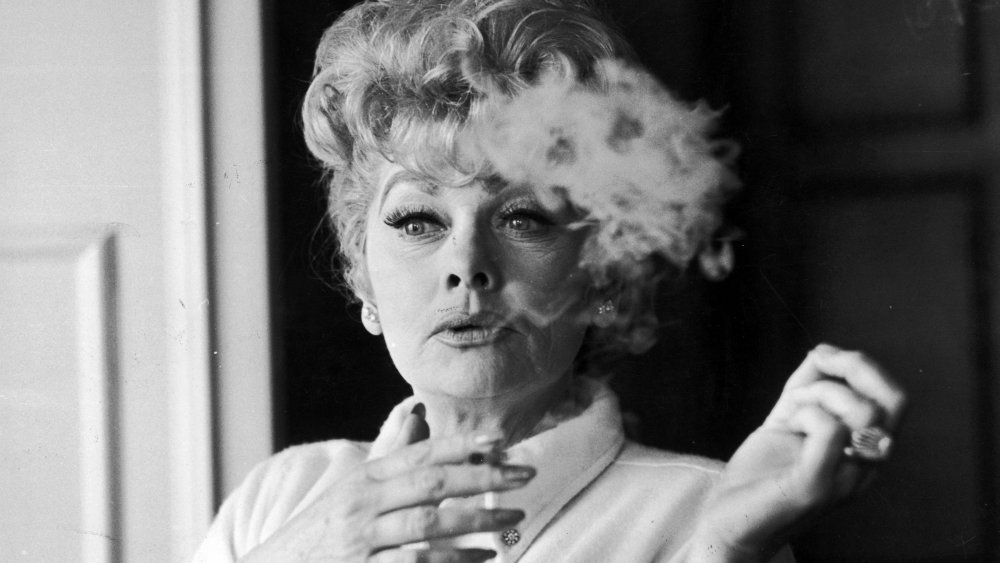
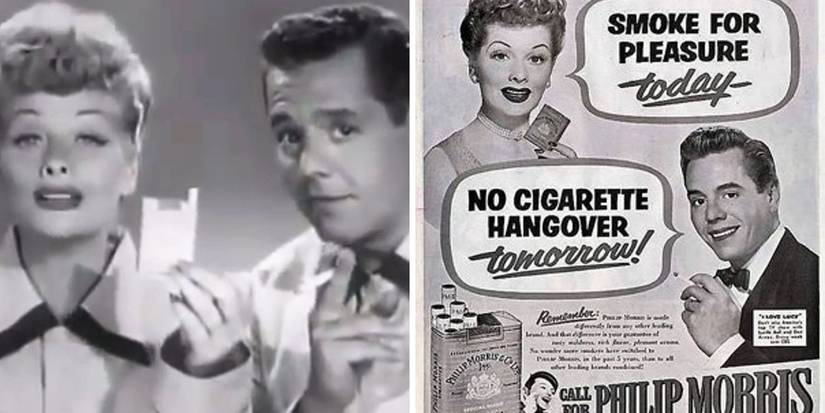
They Actually Smoked On Camera

Smoking in the ’50s was what everyone did. It was a way to unwind and mingle, which is what was shown on I Love Lucy. However, Lucy and Desi made it a point to showcase the brand of cigarettes they were smoking (i.e. Philip Morris) because they were a major sponsor of the show.

They dropped Phillip Morris into the dialogue when they could and the cast even smoked real cigarettes on camera! Funny enough, Lucy didn’t love Philip Morris cigarettes so she had Chesterfields shoved in the Philip Morris packaging instead.

The Show Broke New Ground With Lucy’s Real-Life Pregnancy

Not only did I Love Lucy show a mixed-race couple on camera but it was also the first show to have a pregnant woman visibly shown on camera. Back in the puritan ’50s, pregnancy was seen as too scandalous for TV. In fact, even the word “pregnant” was seen as jaw-dropping. But with Lucy being pregnant in real life, she couldn’t hide it in public, let alone onscreen.

CBS eventually agreed to write the pregnancy into the script but Desi made sure they were in safe hands. As a solution, Desi had a minister, rabbi, and a priest sit in during the writing process to make sure that the writers didn’t accidentally offend anyone.

Fred & Ethel Weren’t So Loving Off-Screen

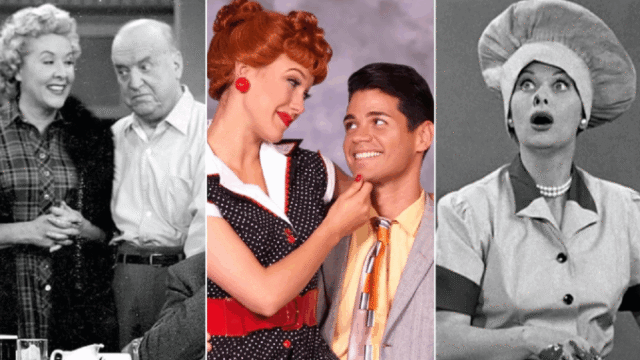
Fred and Ethel weren’t just Lucy and Ricky’s neighbors, they were each other’s best friends. While Desi and Fred were at work, Lucy and Ethel always got into trouble. The foursome made incredible television as Fred and Ethel were the perfect pair to join Lucy and Ricky. Sadly, it’s been said that William Frawley (Fred) and Vivian Vance (Ethel) didn’t get along in real life.

Vivan didn’t think Frawley was the right choice as her onscreen husband and said “No one will believe I’m married to that old coot.” Unfortunately, Frawley heard her and things became tense ever since.

Fred & Ethel Were Inspired By Lucy & Desi’s Real-Life Friends

With I Love Lucy detailing Lucy and Desi’s relationship in an exaggerated fashion, the same was said for their on-screen besties, Fred and Ethel.

As it turns out, Fred and Ethel were based on real-life friends that Lucy and Desi had: Fred Arnaz and Ethel Merman! The fabulous foursome was always finding themselves in funny situations, which made for perfect television.

The Show Made Lucy & Desi Richer Beyond Belief

No one was doing what I Love Lucy was doing at the time. They were at the forefront of change, which ended up paying off big time. The show made Lucy and Desi instant celebrities who even ended up owning their own production company that produced I Love Lucy and The Lucy Show.

From the production process to the show itself, they earned over $256 million (in today’s economy) while working on the show. What’s even more shocking is that the show still brings in millions every year to CBS through reruns and specials!

It Took The Show A Long Time To Get The Names Right

Every show has its mistakes and I Love Lucy was no exception. If viewers take a look at the opening and ending credits over the years, they may notice slight changes in spelling.

For starters, Ethel’s full name has changed over time. TV Over Mind noted that Ethel’s full name changed many times, going from Ethel Roberta, Ethel Louise, to Ethel Mae. The same thing happened to her on-screen husband, Fred who went from Freddy to Freddie. It seems like the show couldn’t make up its mind but it’s a small blunder for an award-winning hit.

Ad-libbing Was Not Allowed

To prove how amazing I Love Lucy was for its time, there was no ad-libbing or improvising allowed. All of the jokes and actions performed on the show were done in the writer’s room, and the actors performed them word for word.

This may sound like a restrictive way of making comedy but one actor who didn’t have a problem with this was Desi Arnaz, who was said to have a photogenic memory. Reportedly, Desi would only read his lines once and nail them perfectly on stage when it was time for filming.

Lucy Almost Drowned In One Of The Funnier Scenes

Originally airing in the fifth season, “Lucy’s Italian Movie” quickly became the series’ most beloved episodes. Here, Lucy had her dreams answered when an Italian filmmaker wanted her to be in his next Italian film.

In one of the scenes, the actress opposite Lucille was instructed to dunk Lucille’s head in the grape juice. However, she held Lucy’s head in the juice for far too long, resulting in Lucy almost drowning!

Lucille’s Mom Was At Every Filming

Like many sitcoms before and after it, I Love Lucy was filmed in front of a live audience at CBS’s studios in Los Angeles. Most of the laughs heard on the show are from real audience members, not a recorded laugh track. What’s worth noting is that diehard fans may recognize one fan’s voice more than the others.

As it turns out, Lucille’s mom, Dede, came to most episodes as they were filmed live. The reactions heard from her mom were authentic and can be heard often in most episodes — especially when she says “Uh Oh!”

Last surviving ‘I Love Lucy’ star recalls ‘very demanding’ Lucille Ball

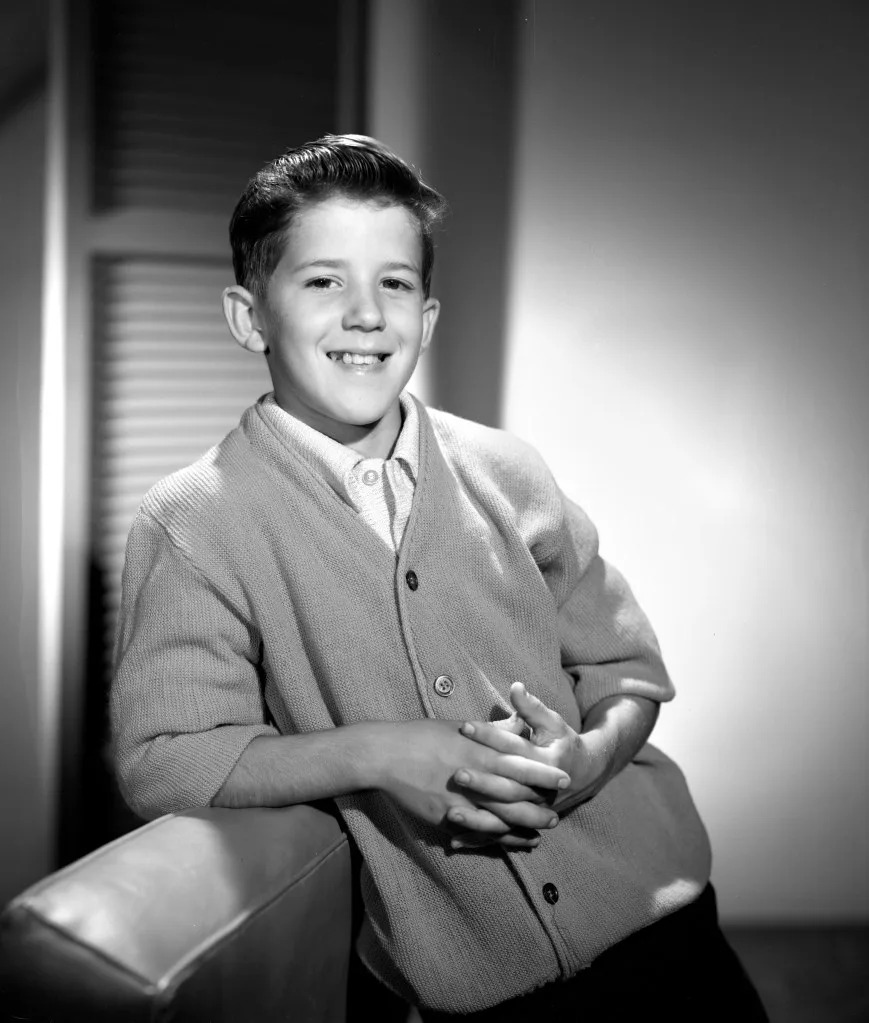
Keith Thibodeaux, the last surviving member of the main “I Love Lucy” cast, is looking back on his life-changing experience on the show.

Thibodeaux, who was credited as Richard Keith on the beloved sitcom, shared his memories from playing Lucy and Ricky Ricardo’s son, Little Ricky, during the CW’s new eight-part special, “TV We Love.”

The now-74-year-old actor recalled that Lucille Ball, who played Lucy, created pressure for the rest of the cast during filming.

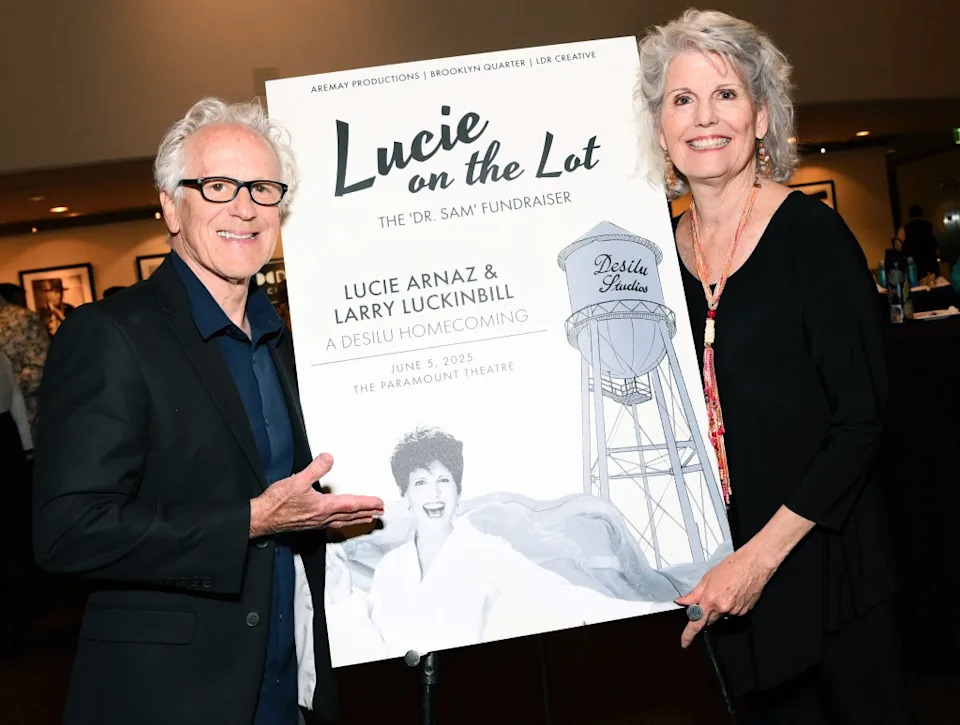
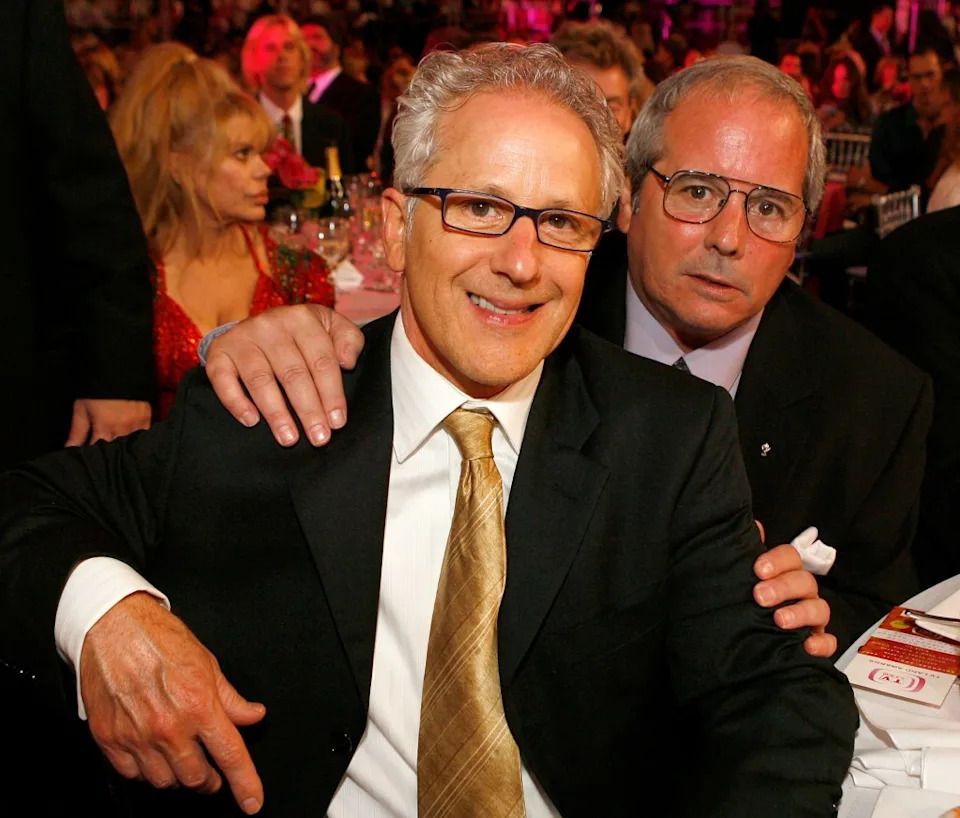
Keith Thibodeaux attends Lucie on the Lot: The “Dr. Sam” Fundraiser on June 5. Getty Images
Keith Thibodeaux as Little Ricky Ricardo on “I Love Lucy.” CBS via Getty Images

“Lucy was very demanding of everybody being right on cue,” Thibodeaux said of his former TV mom.

But Desi Arnaz, who played Ricky, “treated me really, really good,” Thibodeaux remembered.

“He’d teach us how to fish and ride horses and swim,” Thibodeaux added. “I had a heart for him.”

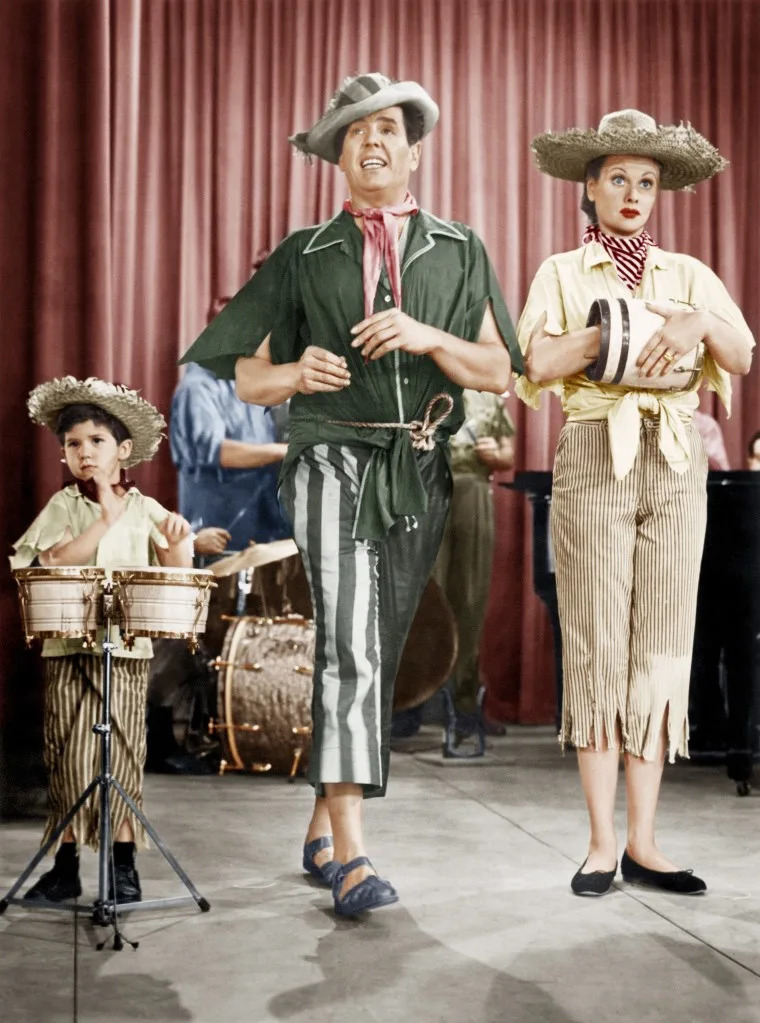
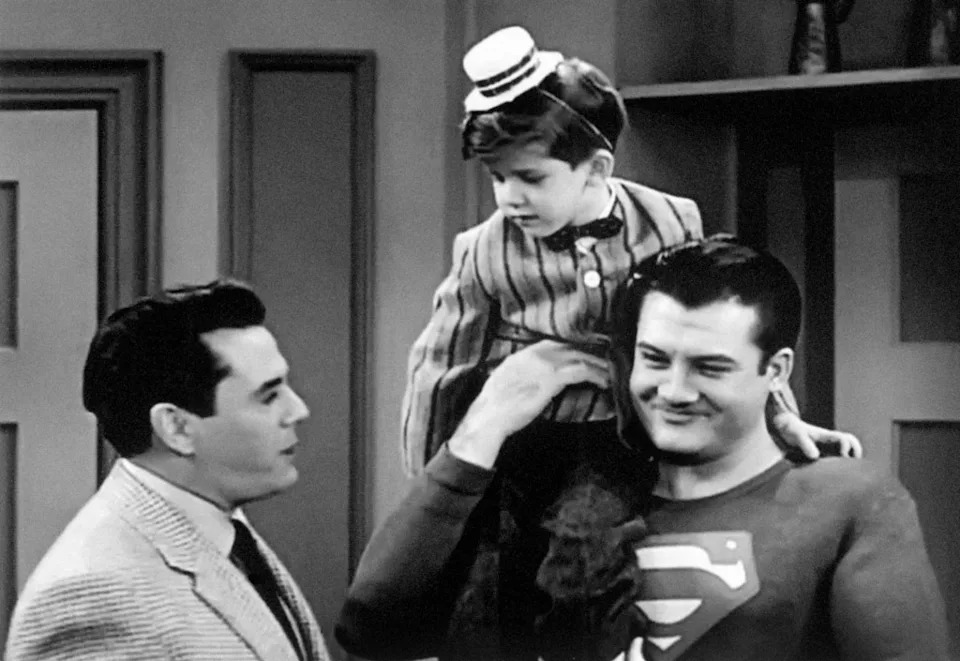
Richard Keith, Desi Arnaz, Lucille Ball in “I Love Lucy” Season 6. Everett Collection / Everett Collection
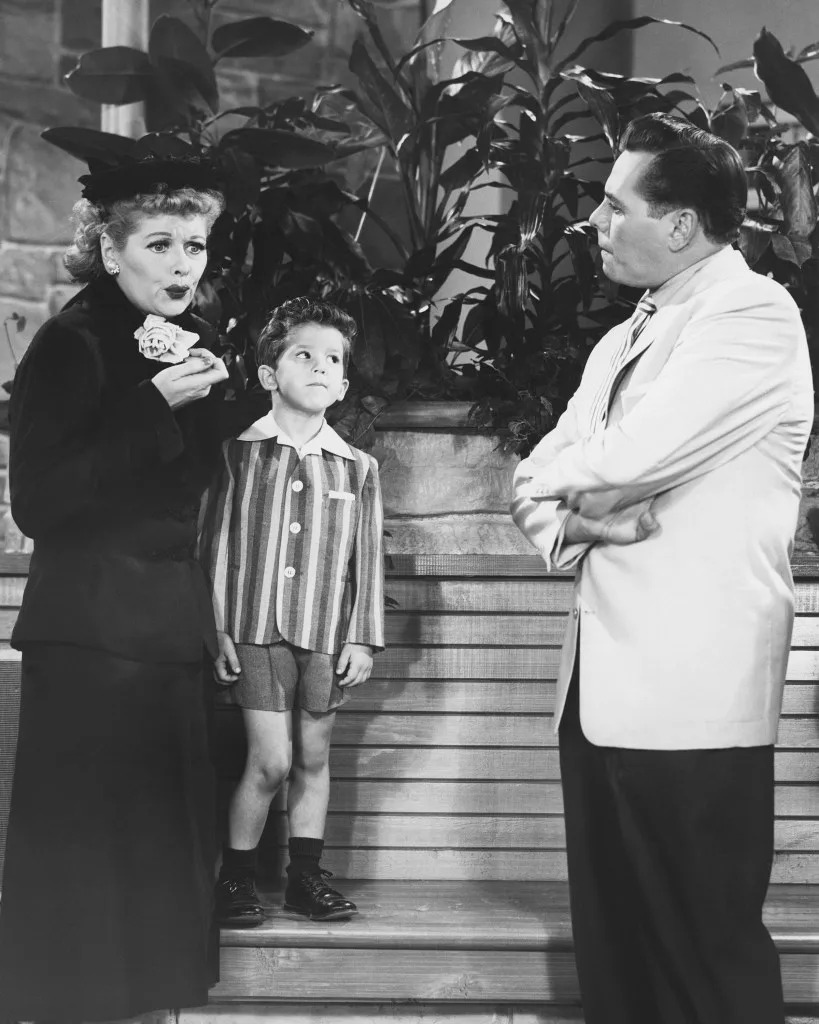
Lucille Ball, Richard Keith, Desi Arnaz in “I Love Lucy.” Courtesy Everett Collection

Thibodeaux also said that Ball and Arnaz — who were married in real life and had two kids together — “took me in as their own child and introduced me to their children, Lucie Jr. and Desi Jr., who I became really good friends with as a kid.”

“We grew up together,” Thibodeaux shared.

Thibodeaux, who was 4 years old when he started on the show, noted that the job was “a lot of pressure for a little kid.”

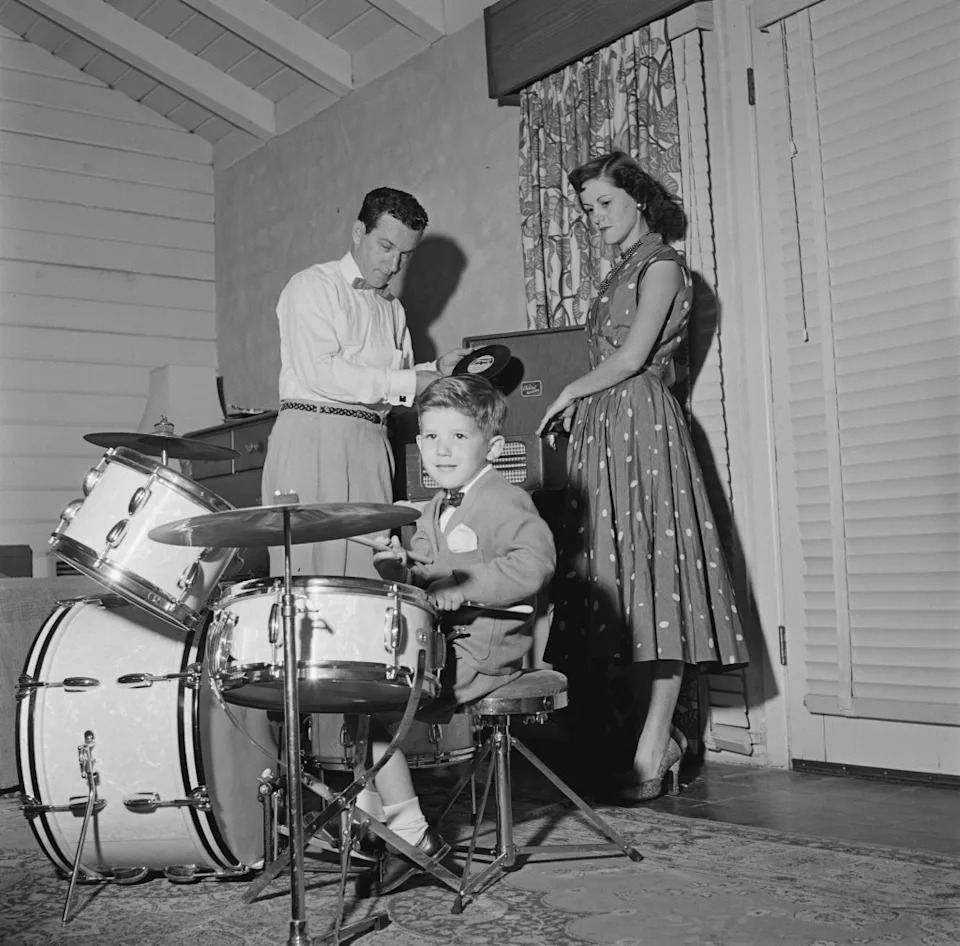
“I did other shows after that, but this was the big one, in front of a live audience,” he explained. “You did one take, and that was it. It hurt my hand so much to do, because I wasn’t used to doing that, playing the congas.”

Keith Thibodeaux and Desi Arnaz Jr. at the 5th Annual TV Land Awards in 2007. Getty Images

Thibodeaux also looked back on his audition for “I Love Lucy” and his first-ever interactions with Ball and Arnaz.

“I started playing drums when I was like two years old on trash cans in my backyard in Lafayette, Louisiana. At the audition for the I Love Lucy show, they were looking to expand the part of Little Ricky,” he said. “I went to meet Lucy there in her glory, there she was in the flesh, and she looked at me and she said, ‘Well, he’s cute. But what does he do?’ and my dad said, ‘He plays the drums.’”

“So I started jamming on the drums … finally Desi himself came over, started playing with me, stood up after a while, laughed and said, ‘I think we found our Little Ricky,’” Thibodeaux added.

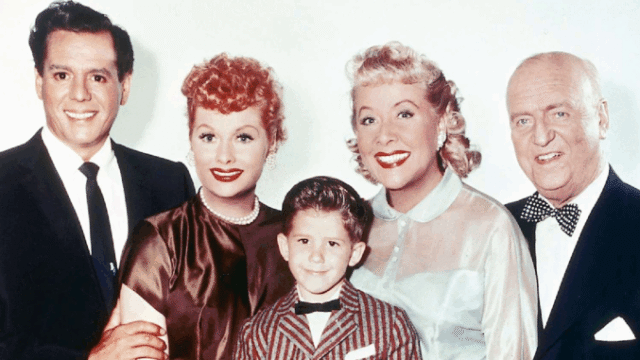
“I Love Lucy” aired on CBS from 1951 to 1957. The series also starred Vivian Vance and William Frawley as Lucy’s friends and landlords, Ethel and Fred Mertz.

Ball and Arnaz were married for 20 years before they split in 1960. The stars had a turbulent relationship that involved frequent arguments and Arnaz having alleged affairs.

Arnaz died at age 69 in 1986, while Ball died at age 77 in 1989.

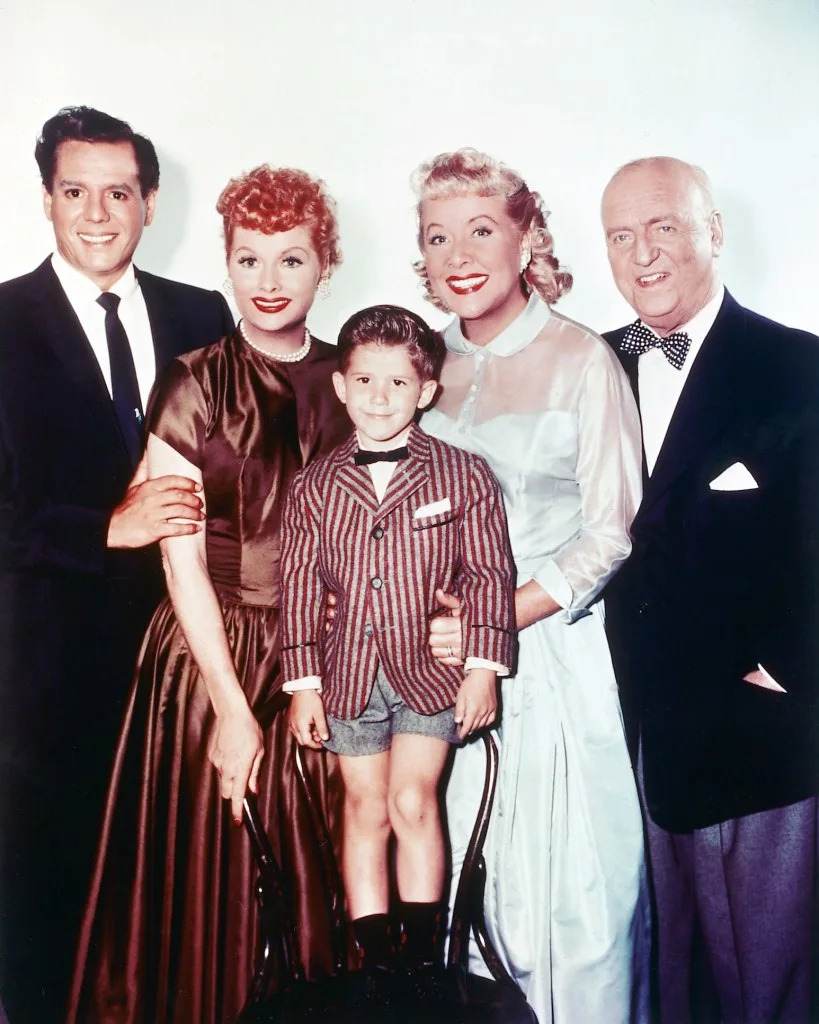
Desi Arnaz, Lucille Ball, Keith Thibodeaux, Vivian Vance and William Frawley in a group studio portrait in 1955. Getty Images

5 Days After Desi Arnaz’s Death, Lucille Ball Received Tearjerking Posthumous Tribute from Her Ex-Husband

Desi Arnaz paid tribute to his ex-wife in a letter read just five days after his death

Desi Arnaz loved Lucille Ball right until the end.

The famed actor died on Dec. 2, 1986, but just two days before his death, he had a brief conversation on the phone with his ex-wife. Their daughter, Lucie Arnaz, was by her ailing father’s side when she called her famous mother, allowing the former husband and wife duo to have one final conversation.

“He was very, very sick. And I said, ‘I’m going to put him on the phone now, so say what you want to say,’ ” Lucie, 73, told CBS Sunday Morning. “And I just held the phone to his ear, and all I could hear her saying was, ‘I love you’, like five times in a row. And he listened, and he said, ‘I love you, too, honey.’ And then he said, ‘Good luck with your shows.’ ”

The day they last spoke was Nov. 30, which was their wedding anniversary, their daughter revealed.

Lucille, however, would get another surprise from her ex-husband just days later. As she was being celebrated at the Ninth Annual Kennedy Center Honors on Dec. 7, 1986, she discovered that Desi had written a tribute to her, which Robert Stack read on stage.

I Love Lucy had just one mission: to make people laugh. Lucy gave it a rare quality,” the posthumous letter said. “She can perform the wildest, even the messiest, physical comedy without losing her feminine appeal. The New York Times asked me to divide the credit for its success between the writers, the directors and the cast. I told them, ‘Give Lucy 90% of the credit and divide the other 10% among the rest of us.’ “

“Lucy was the show. Viv, Fred and I were just props, damn good props, but props never the less,” the letter continued. “P.S.  I Love Lucy was never just a title.”

Clearly moved, the Three For Two actress was seen wiping tears away and getting emotional.

Lucille and Desi married in 1940, but the next few years were turbulent and filled with frequent fights, as he was routinely caught having affairs.

In chatting with CBS, however, their daughter argued that her father never had affairs of the heart.

“People say he had affairs. He never had an affair. He didn’t even know these dames’ names. They were hookers.” CBS correspondent Mo Rocca chimed in, asking, “They were transactional?”

“Yeah. He loved my mother, he loved his family,” Lucie replied. “It was a very unique, weird problem to have. And I think that’s the reason she stayed with him so long, is that she understood it. I don’t think I could do what she did, but somehow, at the time, with what they had, with what they needed from each other, they stuck it out as long as they could.”

Lucille and Desi ended their marriage and subsequently their hit television show, I Love Lucy, in 1960. Lucie was 8 years old at the time, and her younger brother Desi Jr. was 7.

Desi Arnaz and Lucille Ball celebrate their Emmy in 1953.FPG/Getty

In the new book Desi Arnaz: The Man Who Invented Television, biographer Todd S. Purdum claimed that Lucille and Desi’s divorce was ruled invalid just hours after a judge signed it. According to Pardum, the couple was just one day away from officially divorcing when Desi gave the Stone Pillow actress a call, inviting her to a farewell dinner in Beverly Hills. The conversation went well, it seems, as Purdum writes that the two “wound up in bed.”

But the next morning, Lucille woke up in a frenzy, telling her estranged husband, “Oh, my God, I’m late,” before he asked, “Where are you going?”

“I told you, I’m divorcing you this morning,” Ball replied, before telling him she had to “go through with it,” knowing that press had gathered at the courthouse in anticipation.

“She went to court, got the divorce decree from the judge, and came right back and joined Desi in bed again — thus invalidating the breakup under California law, which had a one-year period banning cohabitation after a provisional decree,” Purdum writes. “Cuddled together, they read the afternoon papers announcing their split. After that, they went back to their Desilu ranch — and Desi started coming home on the weekends.”

The legendary actress died at age 77 on April 26, 1989.

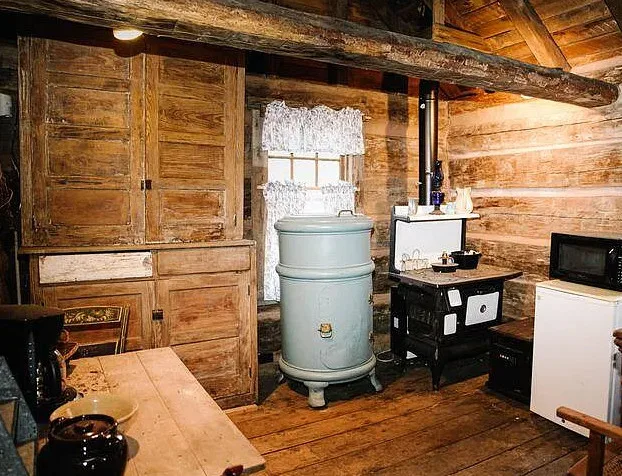
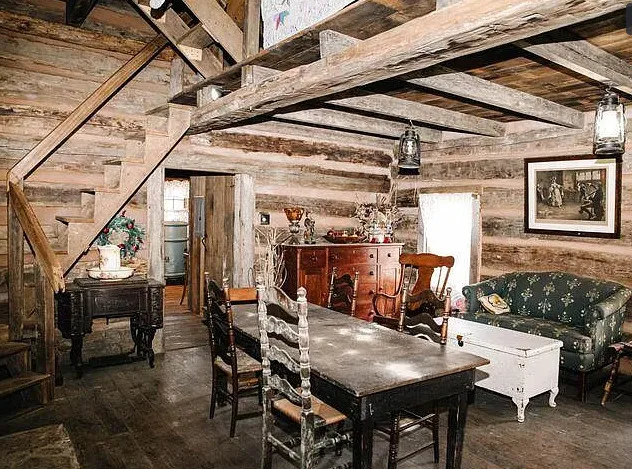
OMG! I want this village! That old chapel is so cool! Ten cabins on 22 acres in Kentucky. $350,000

OMG! I want this village! That old chapel is so cool! The earliest building dates back to the 18th century. They are located on 22 acres in Mt. Vernon, Kentucky. The property consists of ten cabins, including an old general store with commercial kitchen and bathrooms, an old chapel with stained glass and pews, a trapper’s cabin, blacksmith shop, post office, corn crib, salt house and cowboy bunkhouse.

The property is situated in the mountains of Renfro Valley. Lots of possibilities with this property! $350,000
Contact Victoria Caldwell with Berkshire Hathaway HomeServices Foster Realtors: 859-626-2578

From the Zillow listing:

Own your own piece of history! This unique property nestled in the mountains of Renfro Valley features 10 cabins. Among them, there is the General Store with a commercial kitchen and bathrooms; the Trapper’s cabin that was built in the 1700s; the Pennington, that has one bedroom, one bath, kitchen, and living room with a fireplace; and the 1800s Church with its beautiful stained glass windows. There is also a Blacksmith Shop, Post Office, Corn Crib, Salt House, School House, and the Cowboy Bunkhouse. With all of this on 22 +/- acres, the possibilities here are endless! Whether you want to run a store front, host weddings and events, own vacation rentals, or simply find a peaceful unique homestead, this beauty is for you!

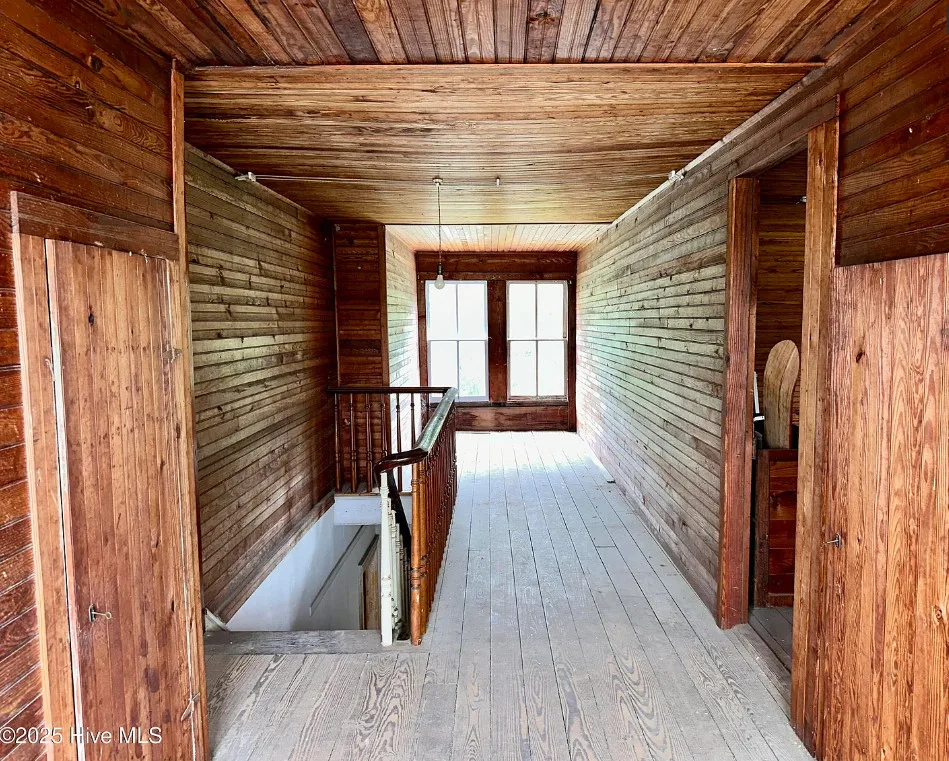
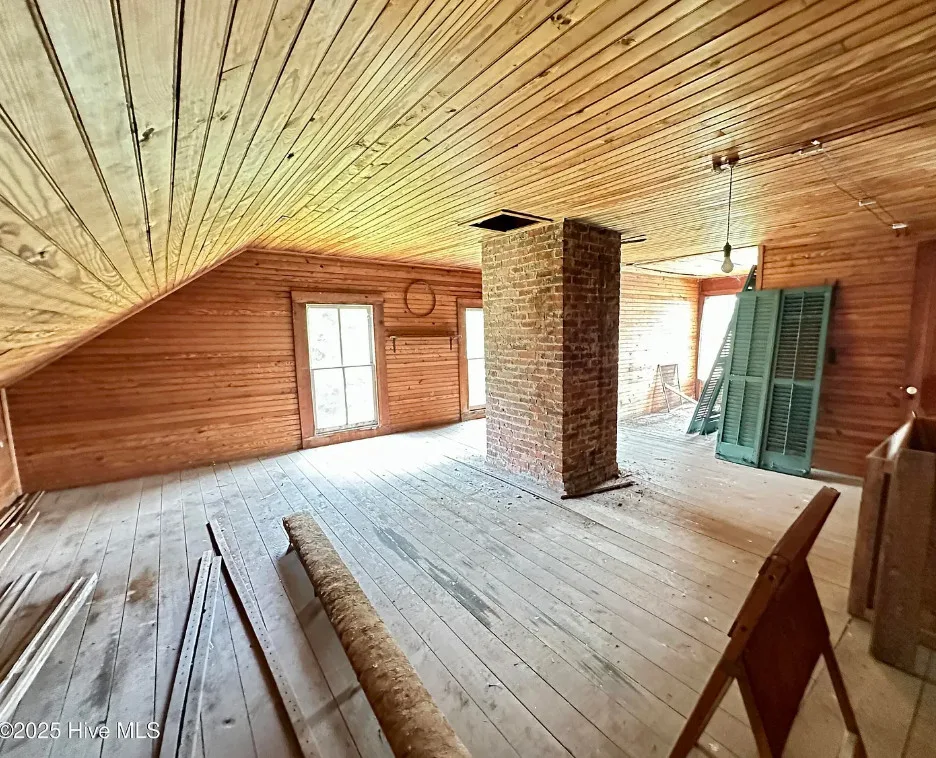
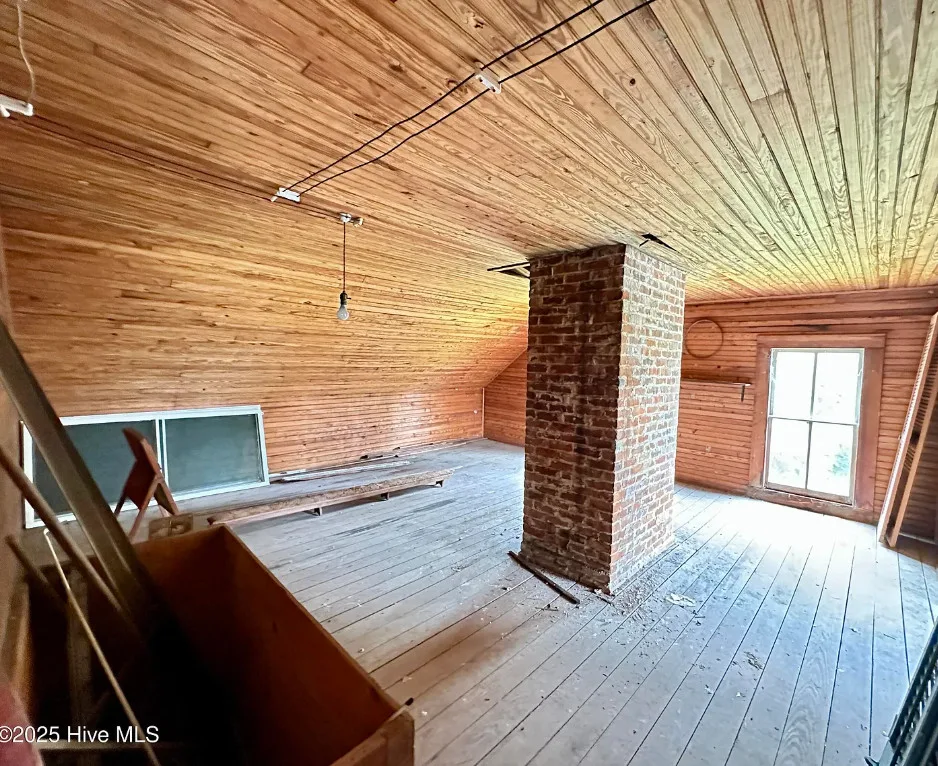
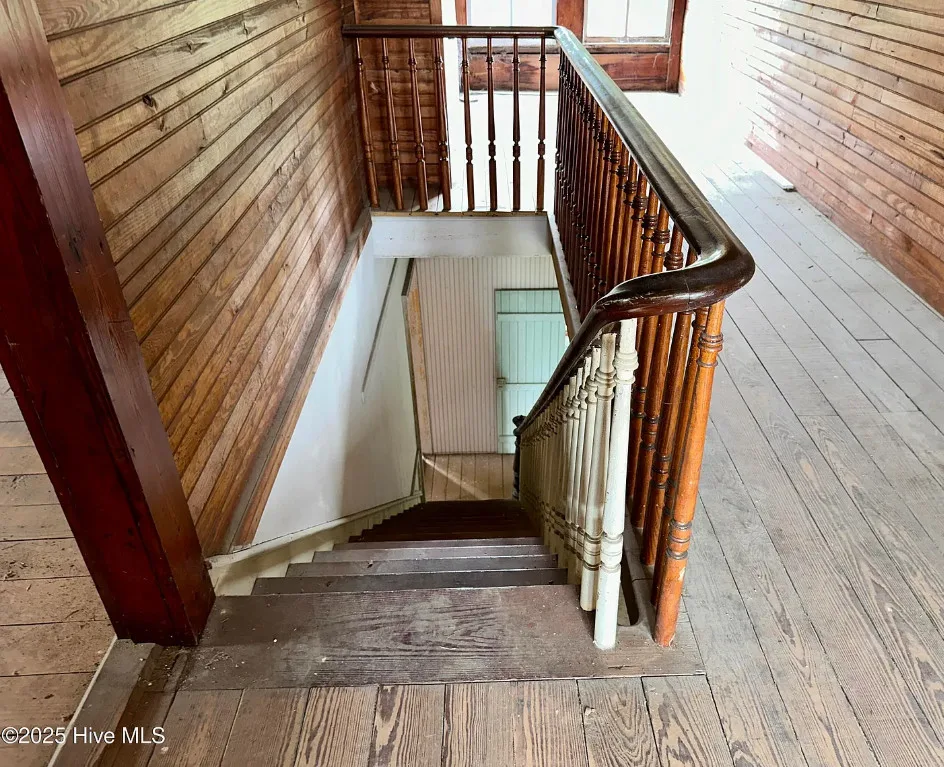
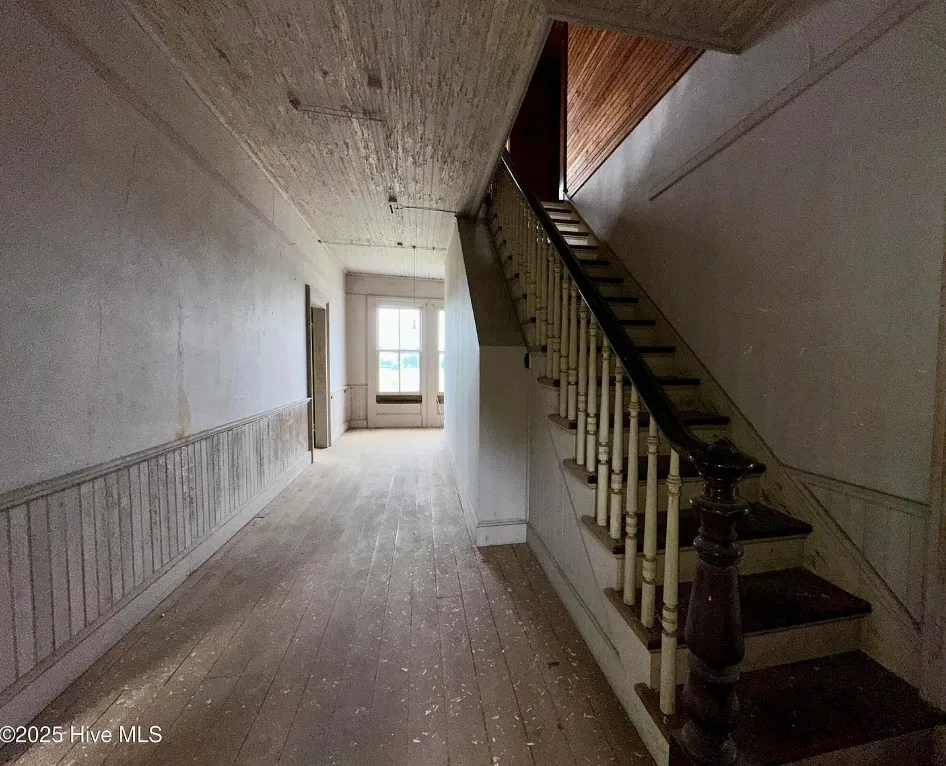
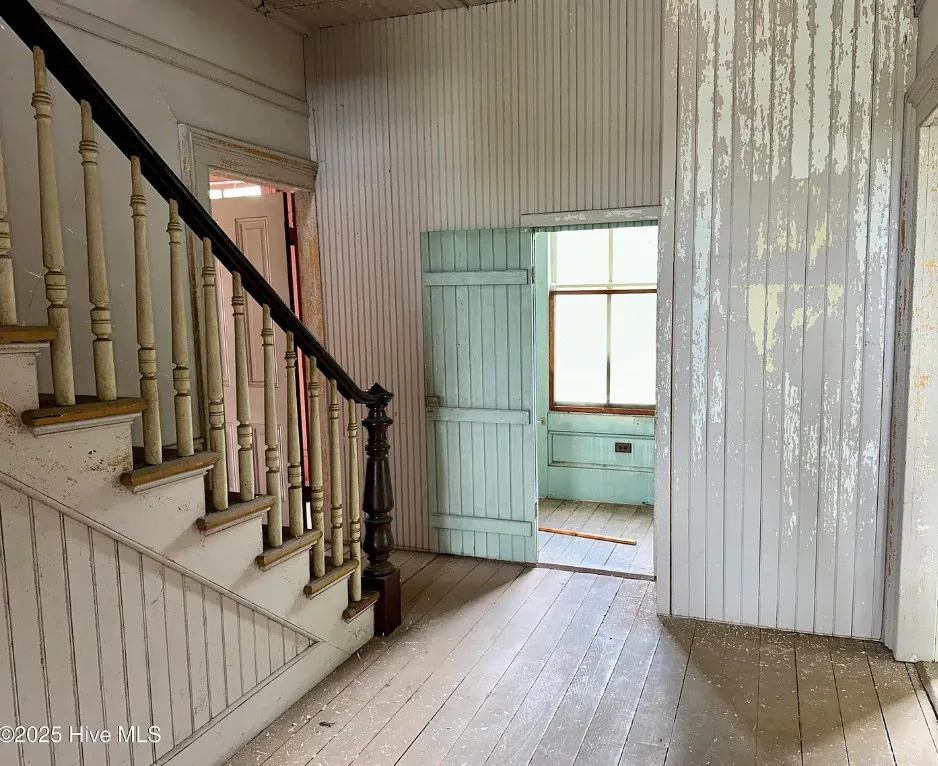
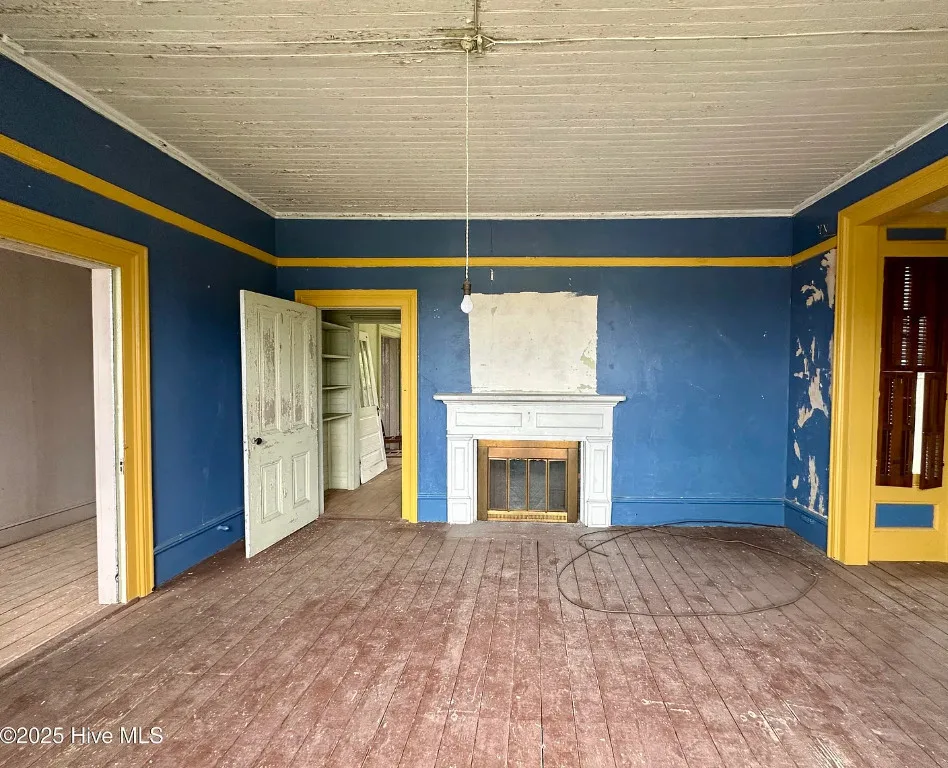
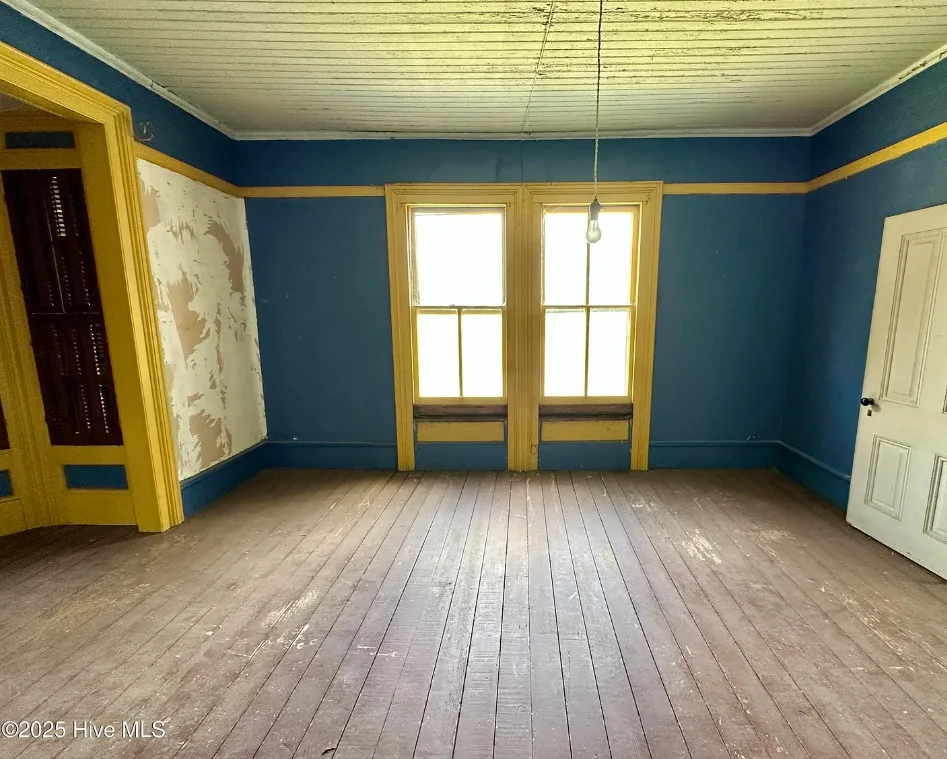
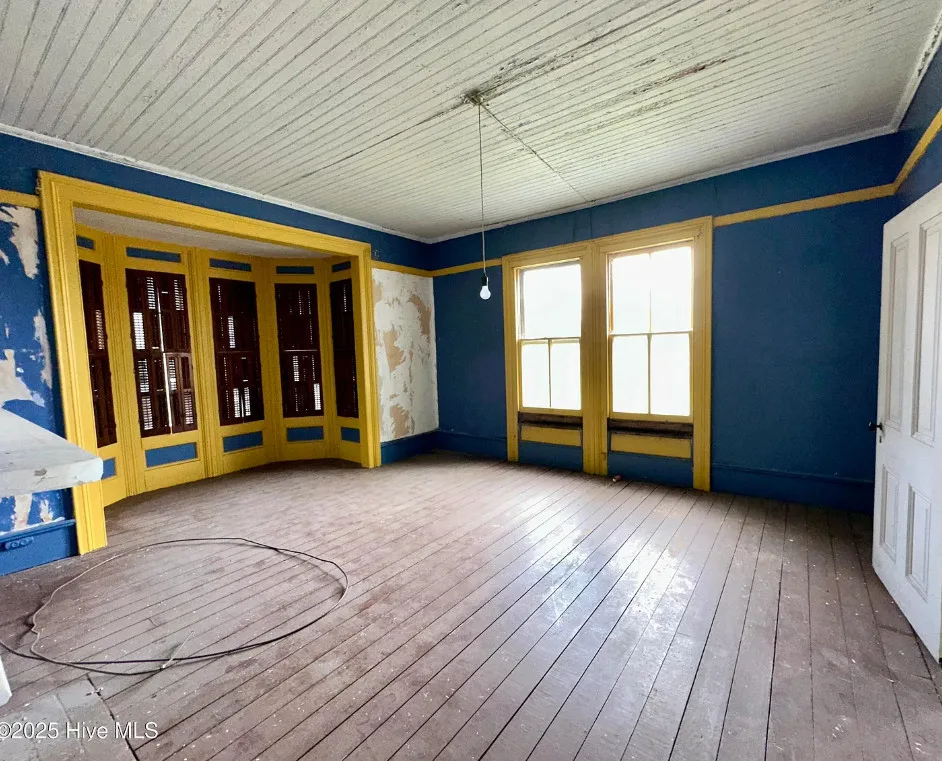
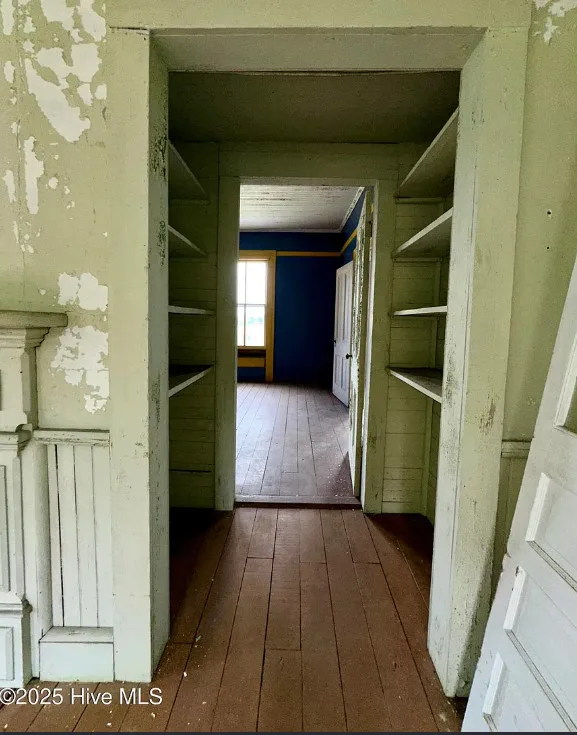
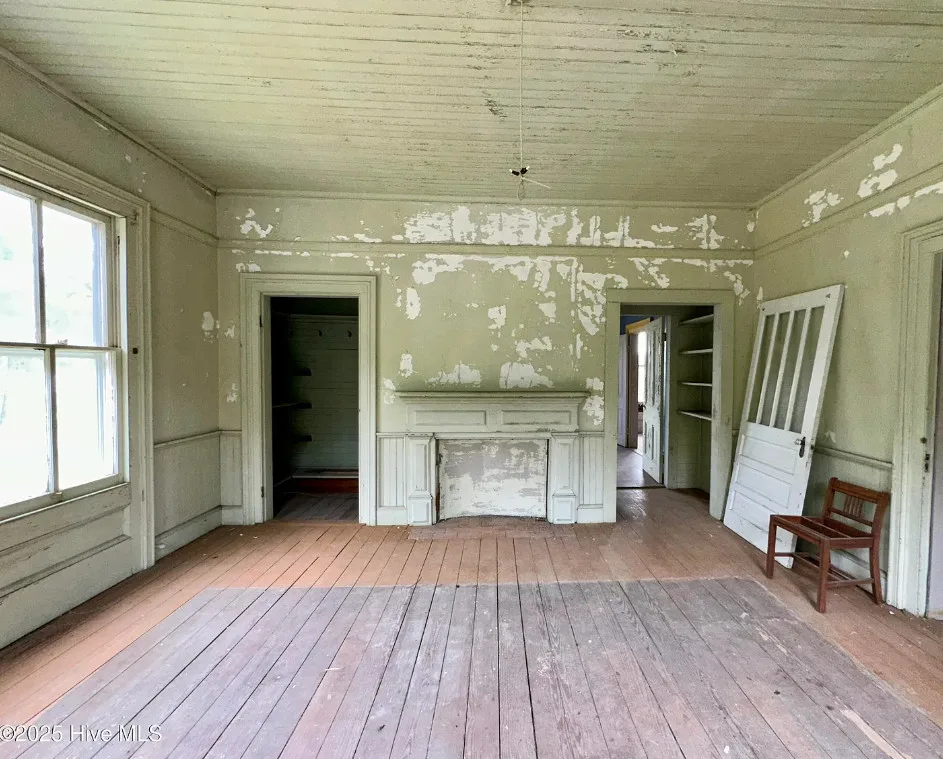
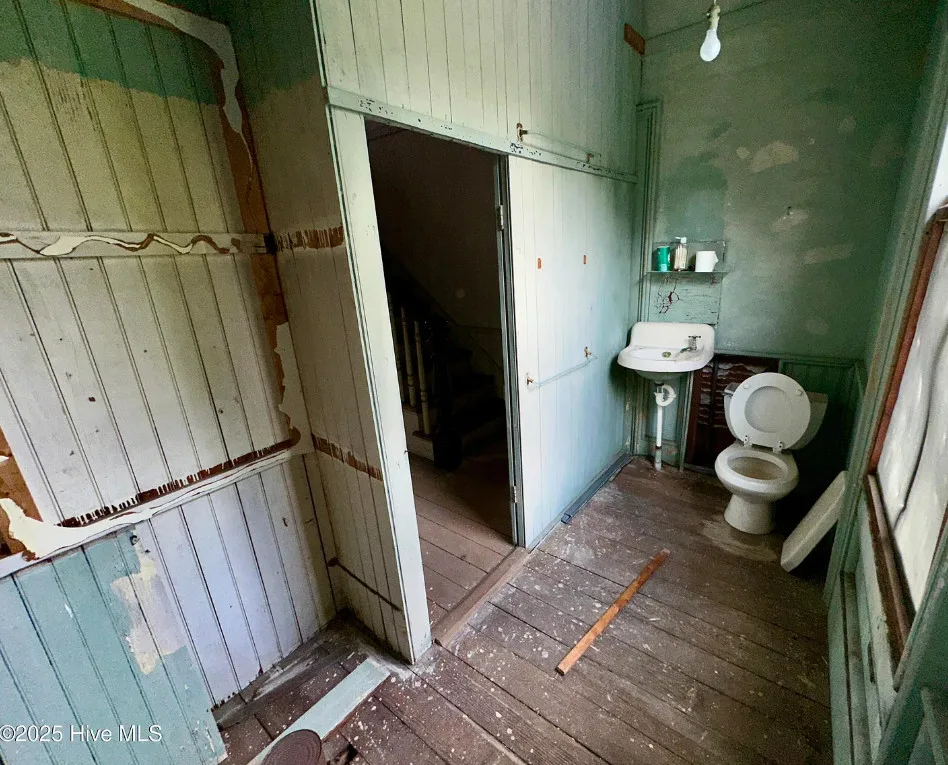
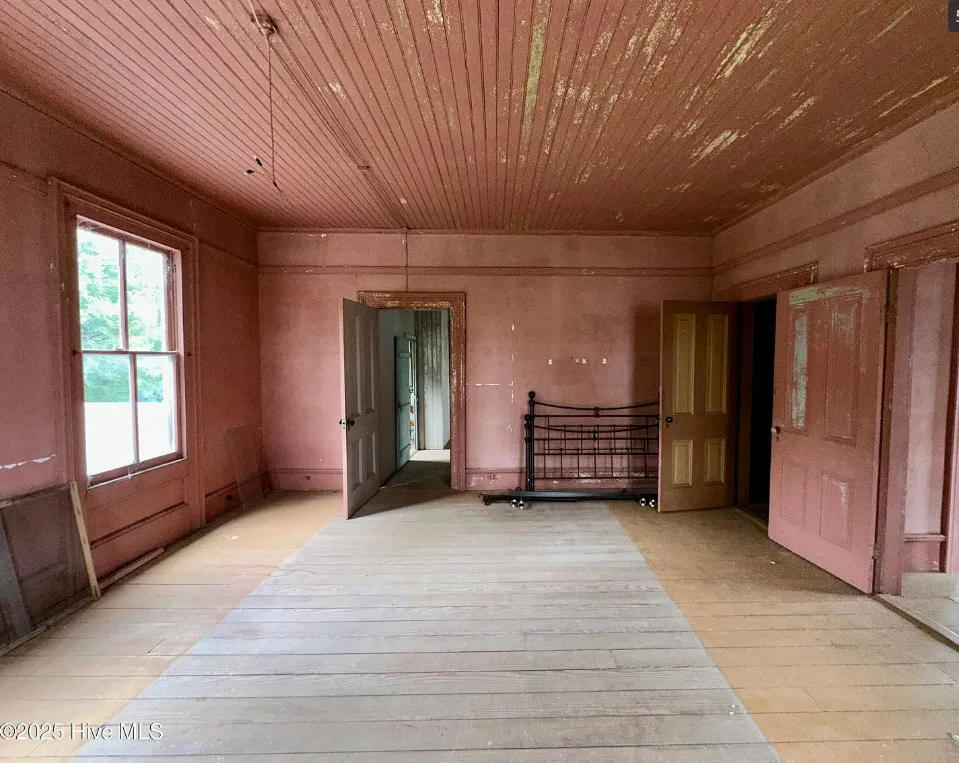
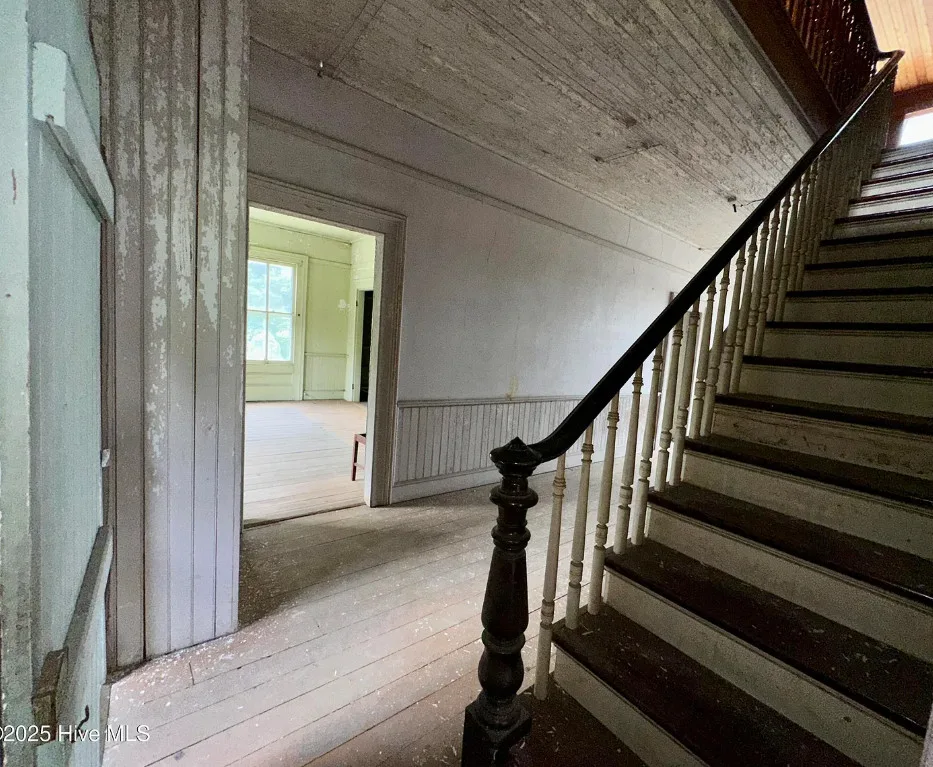
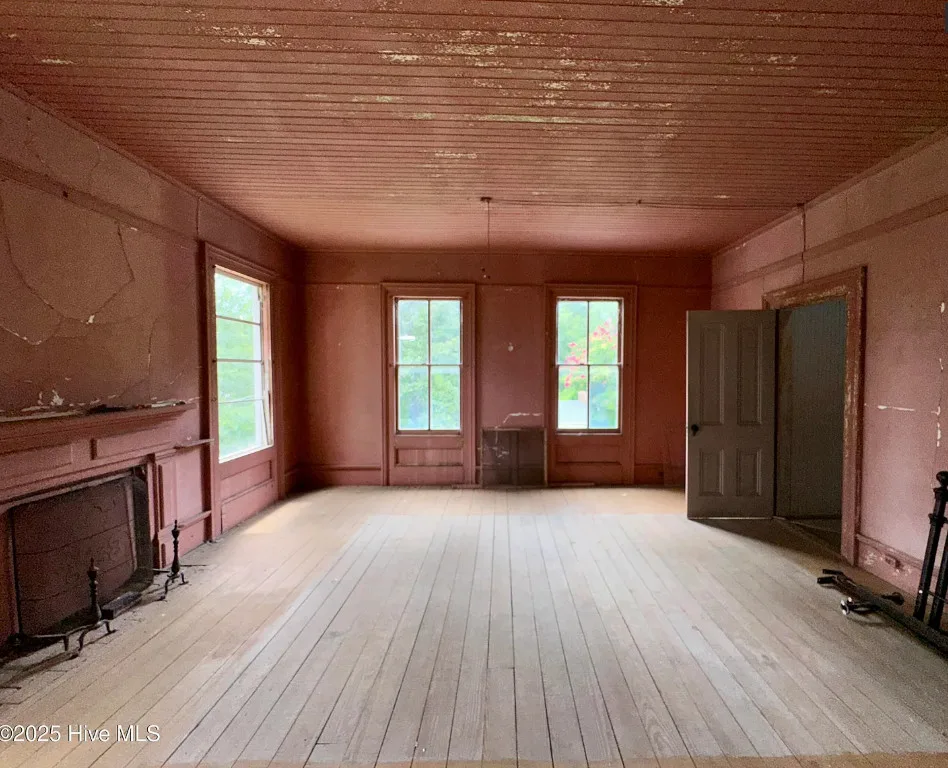
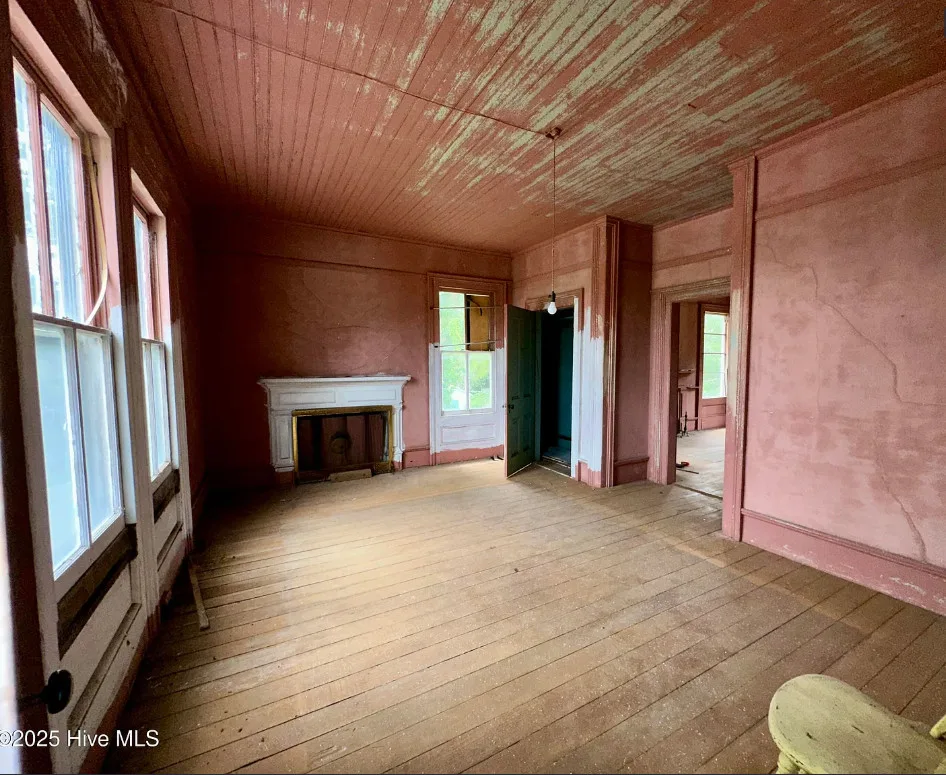
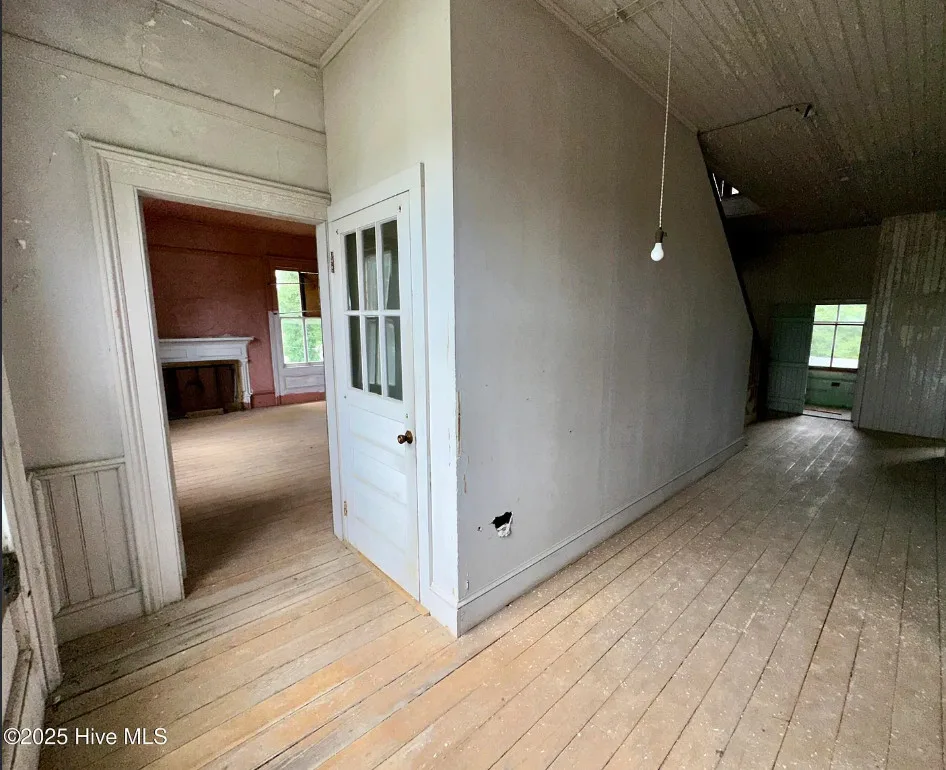
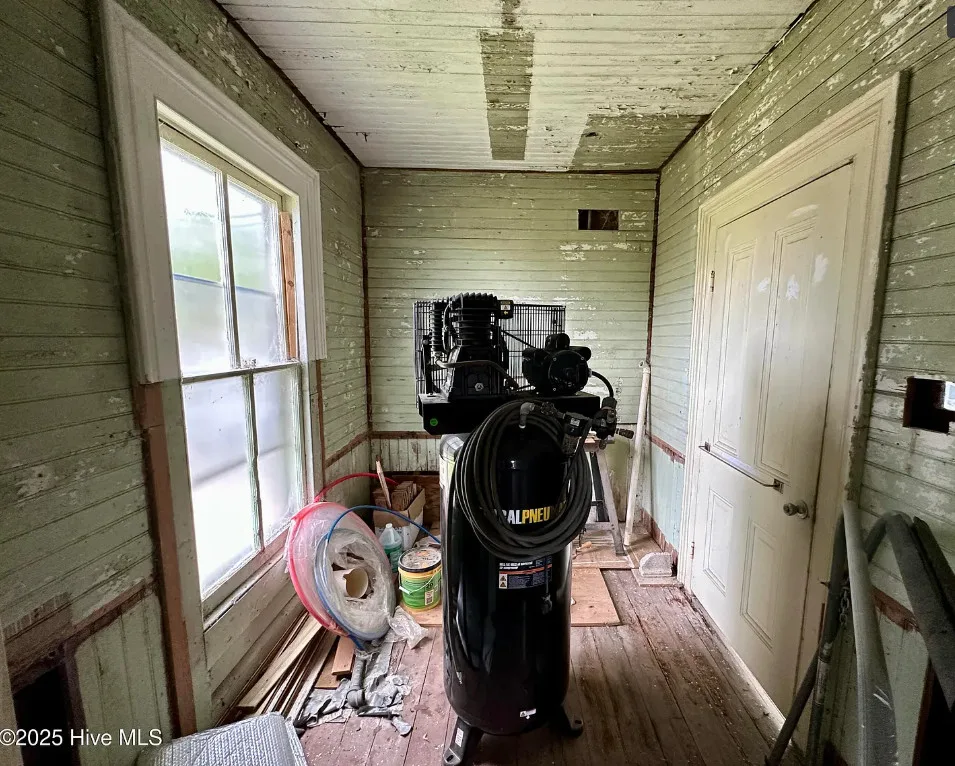
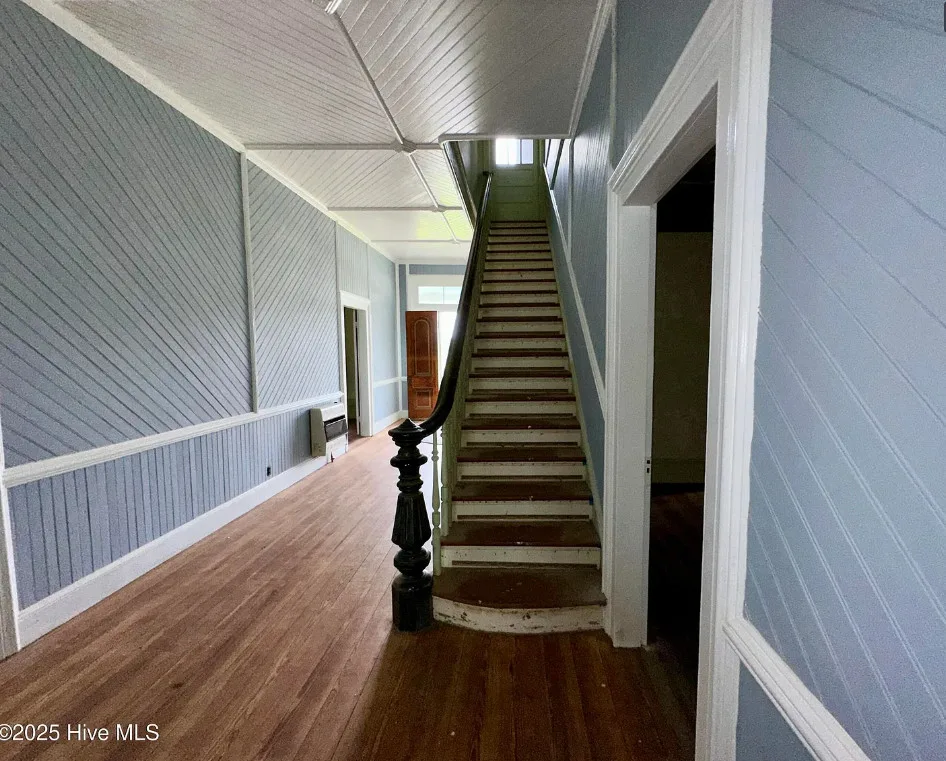
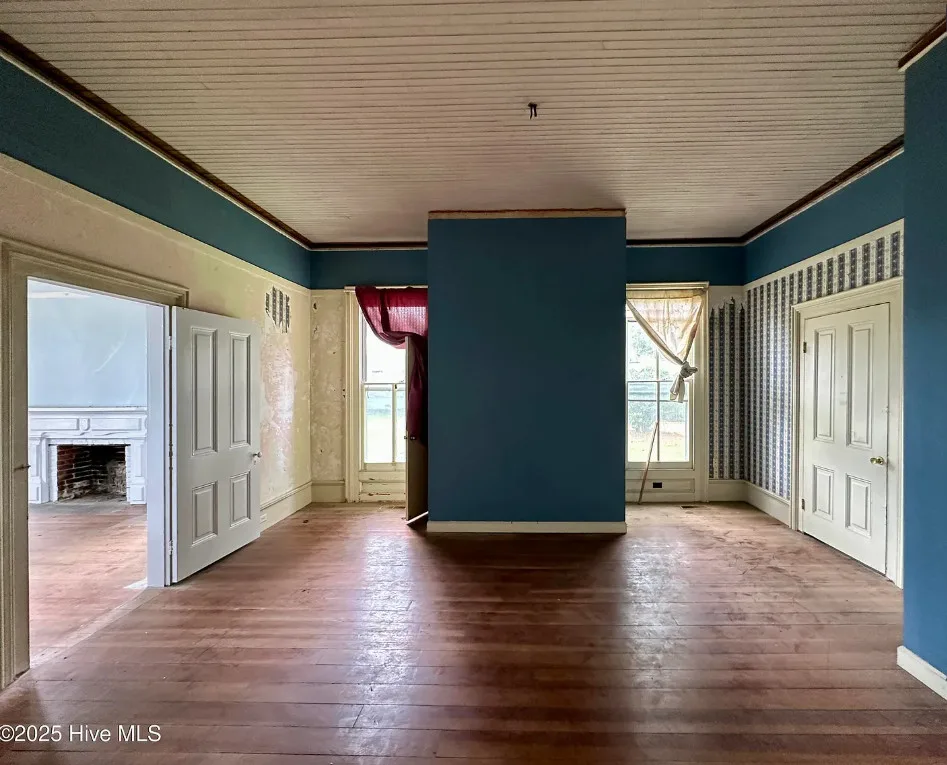
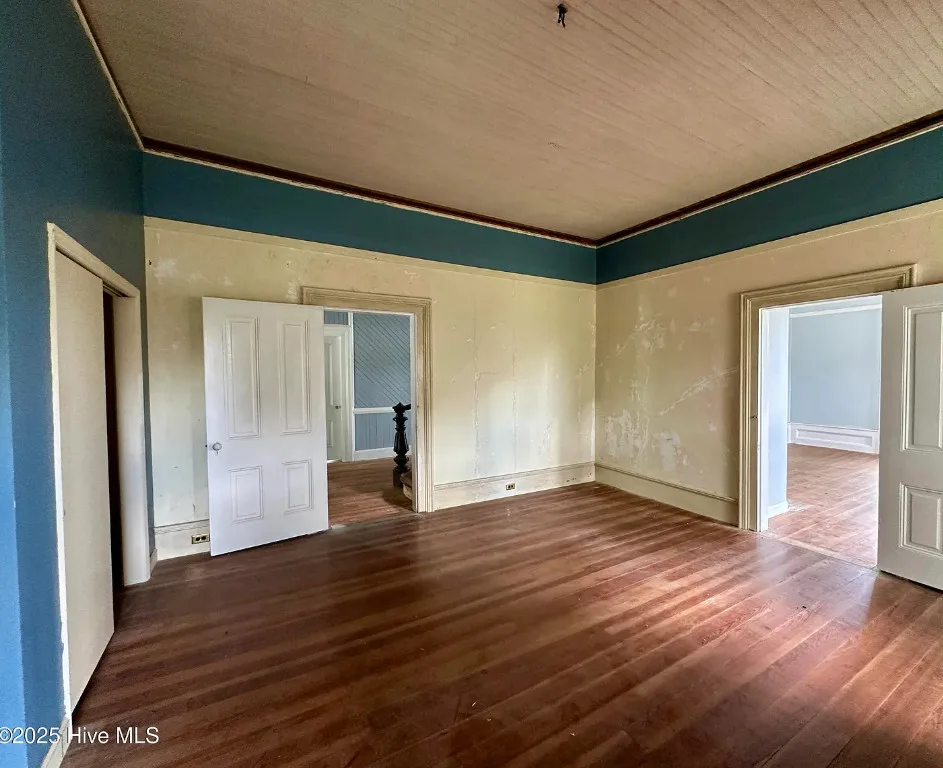
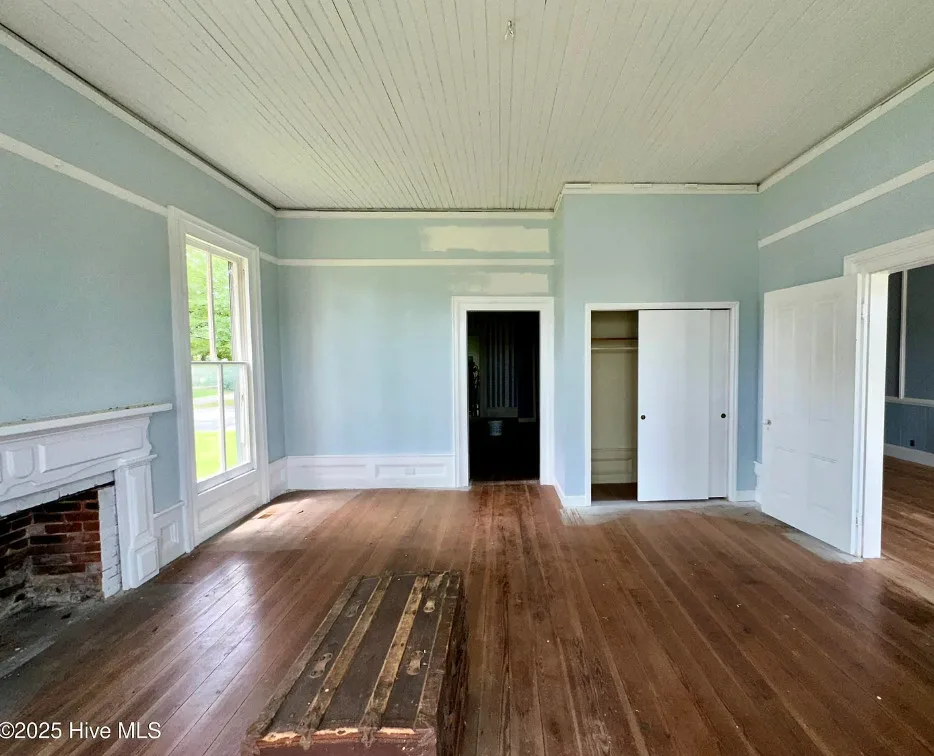
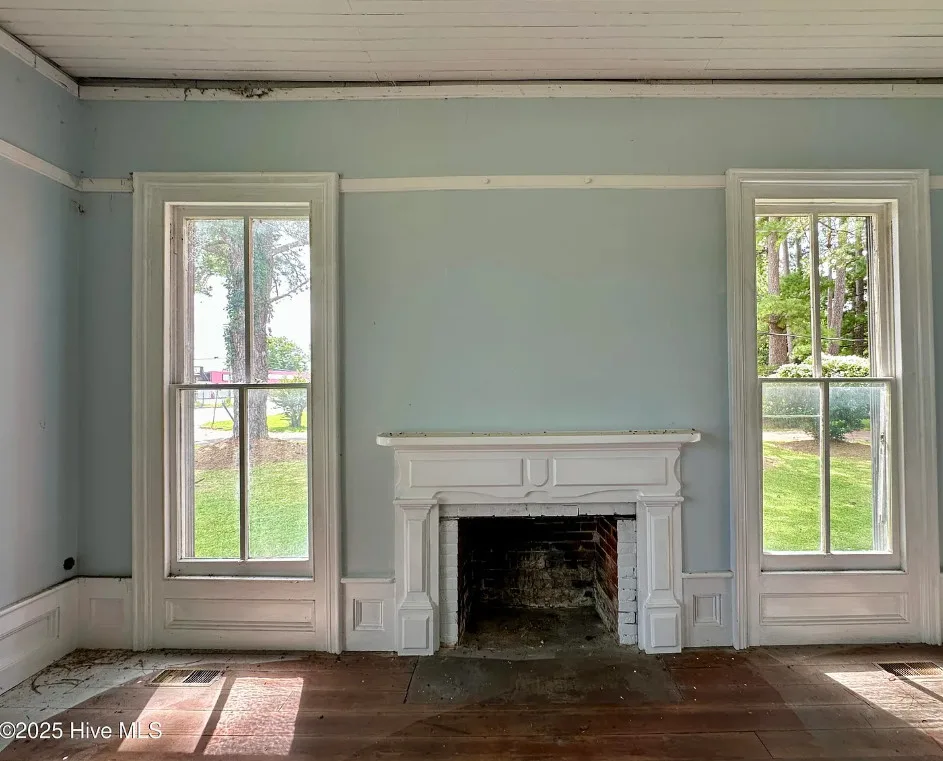
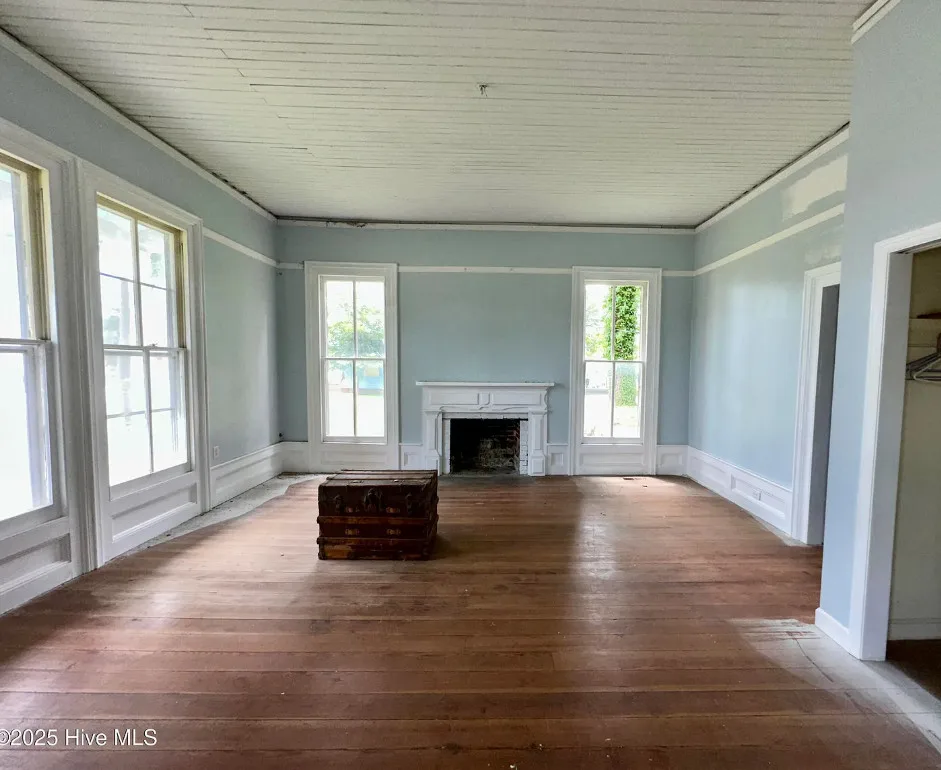
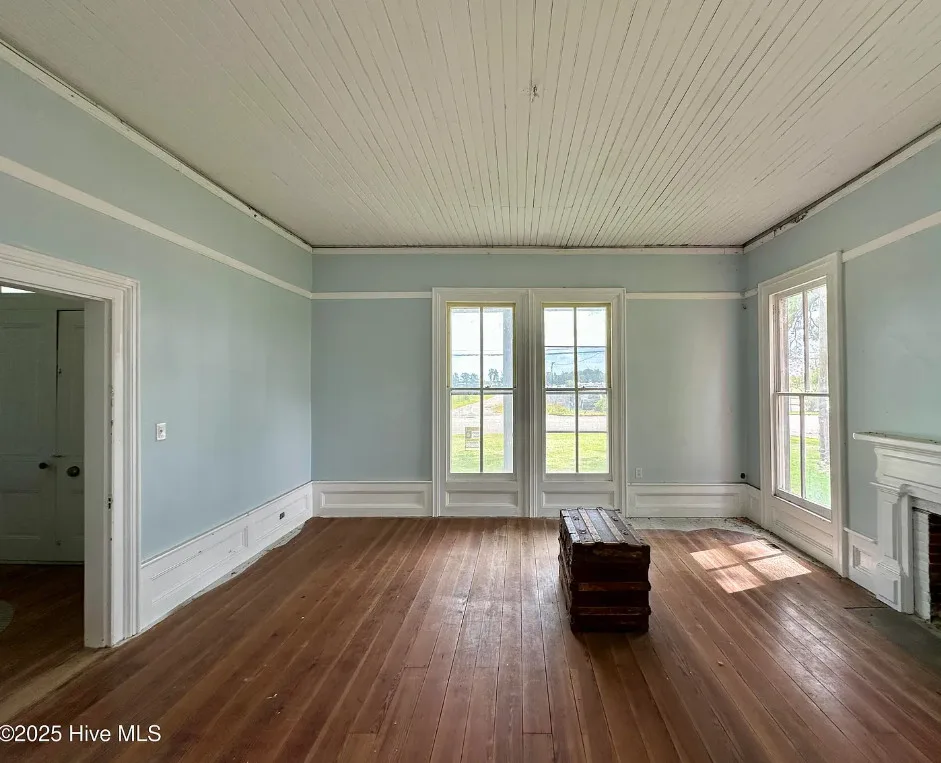
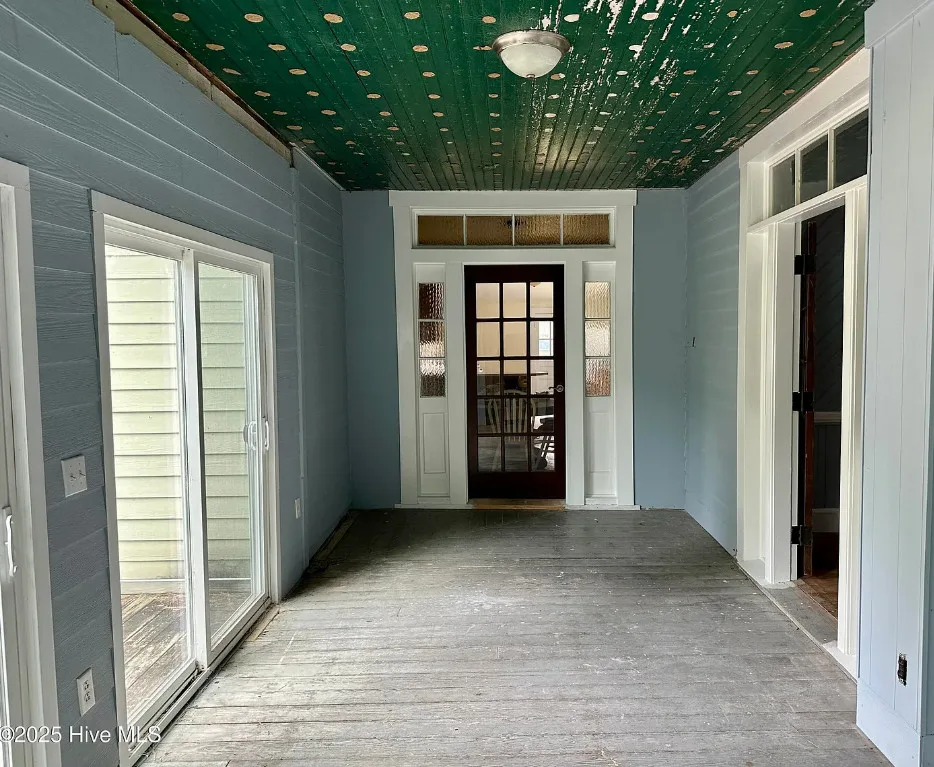
Diamond in the Rough! 4,500 square feet! C. 1900 in North Carolina. $150,000

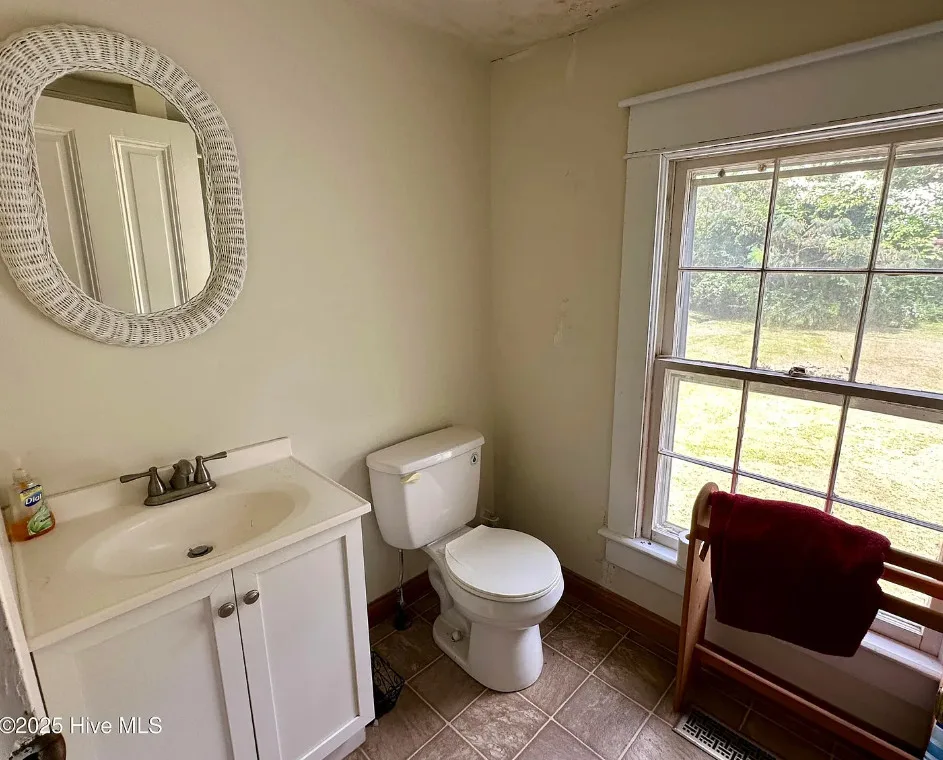
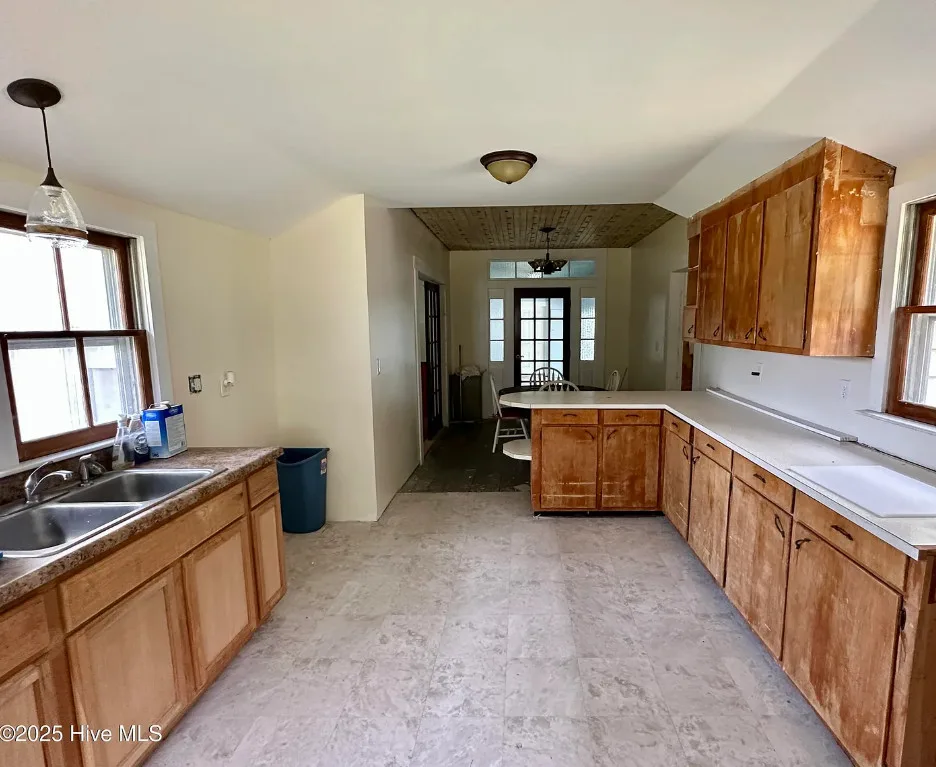
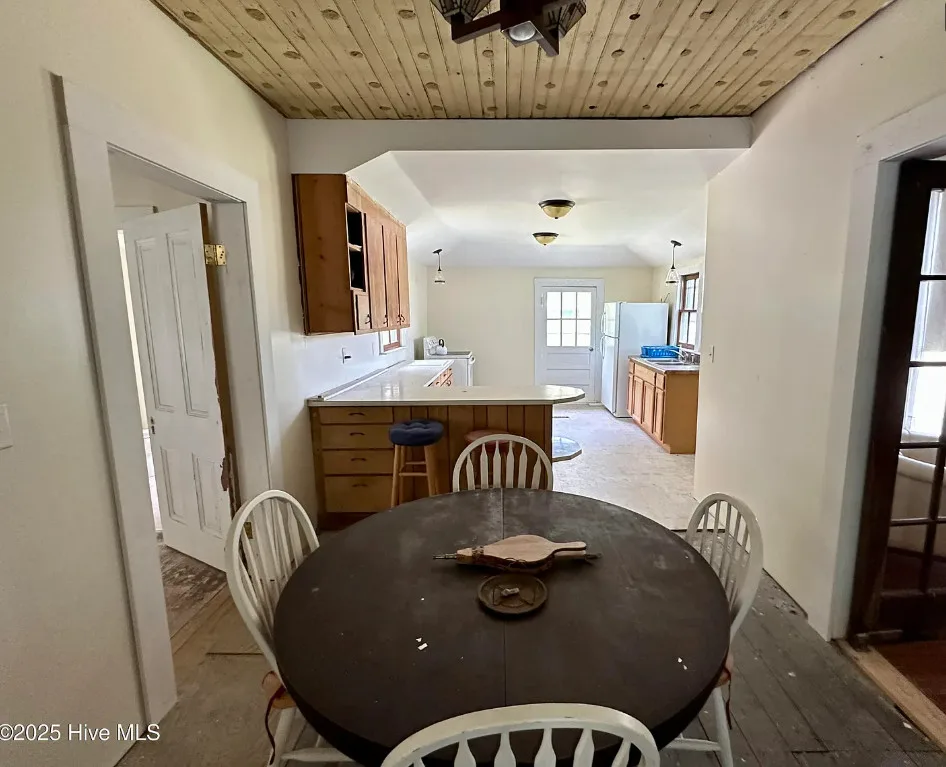
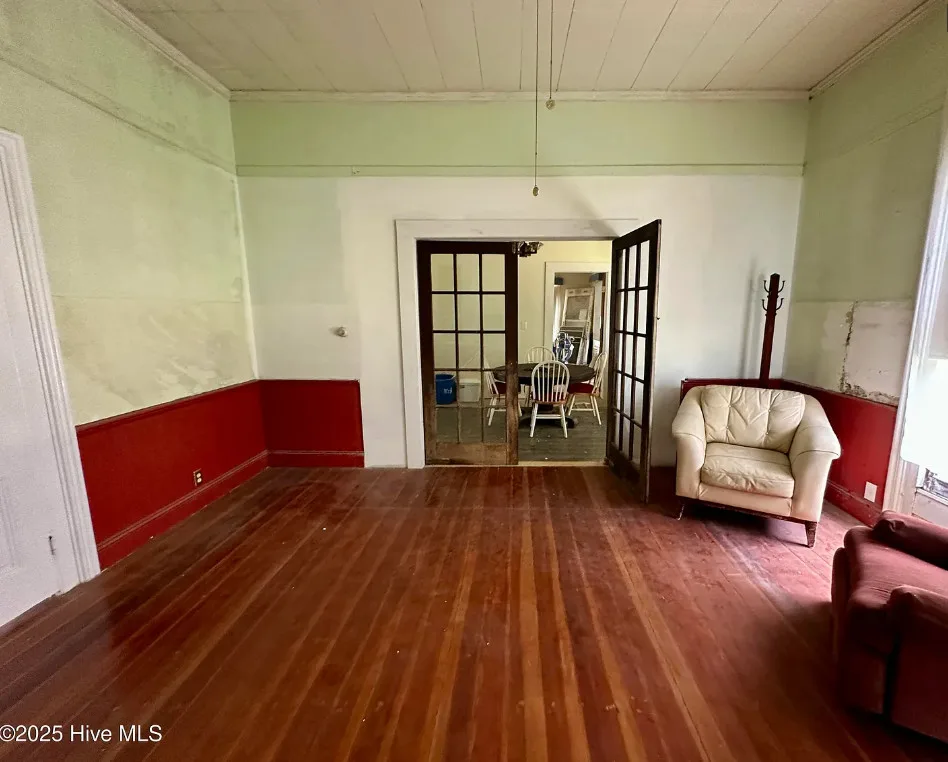
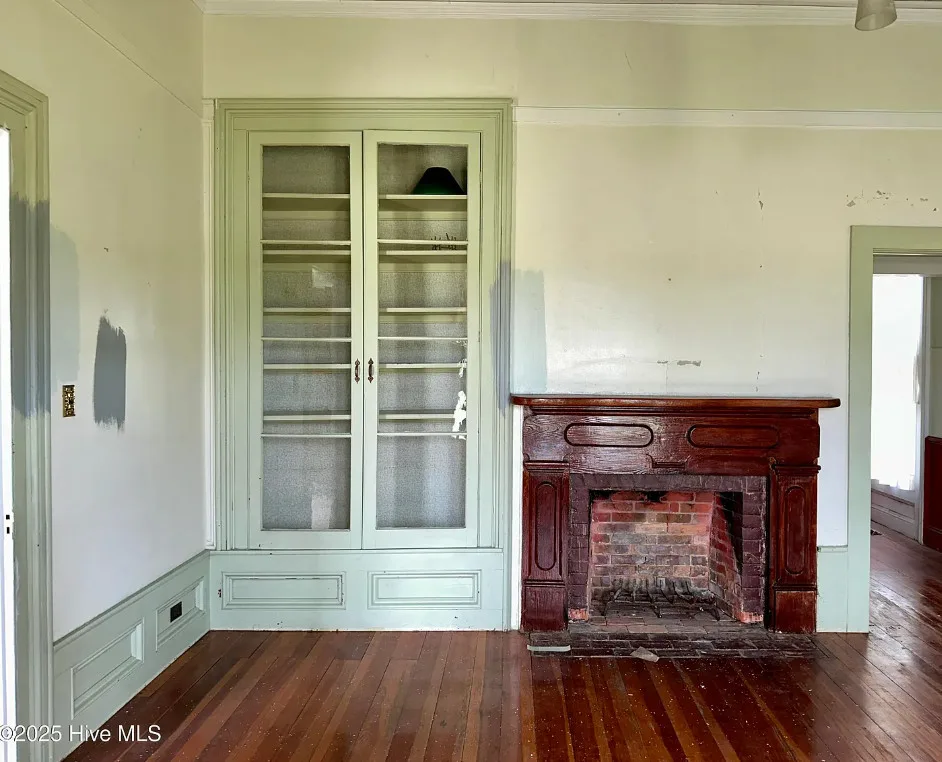
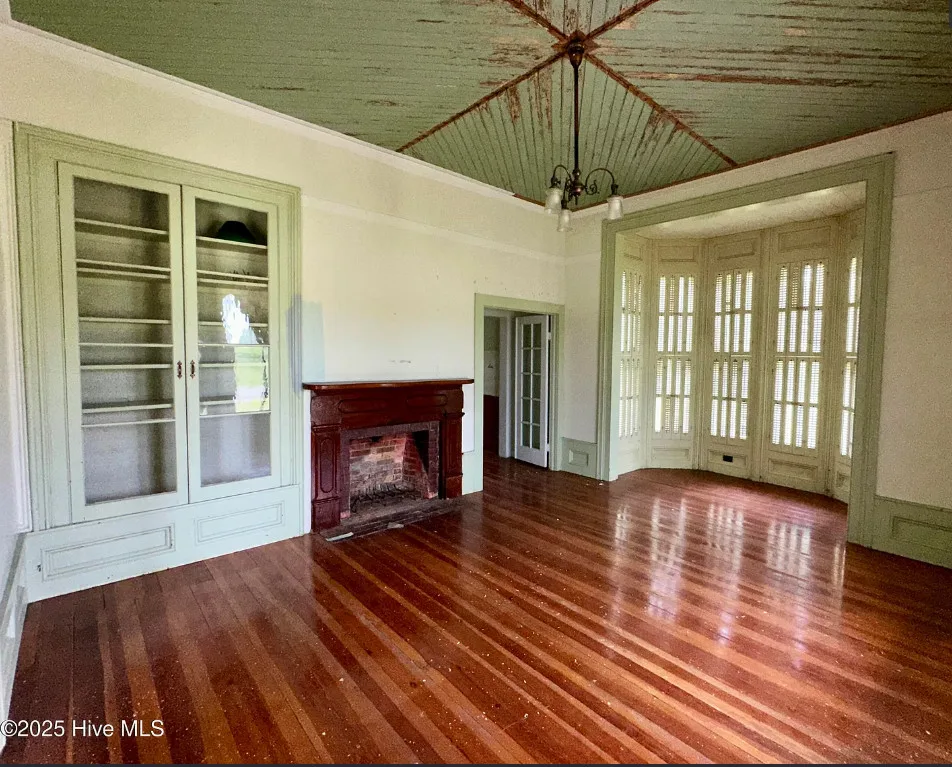
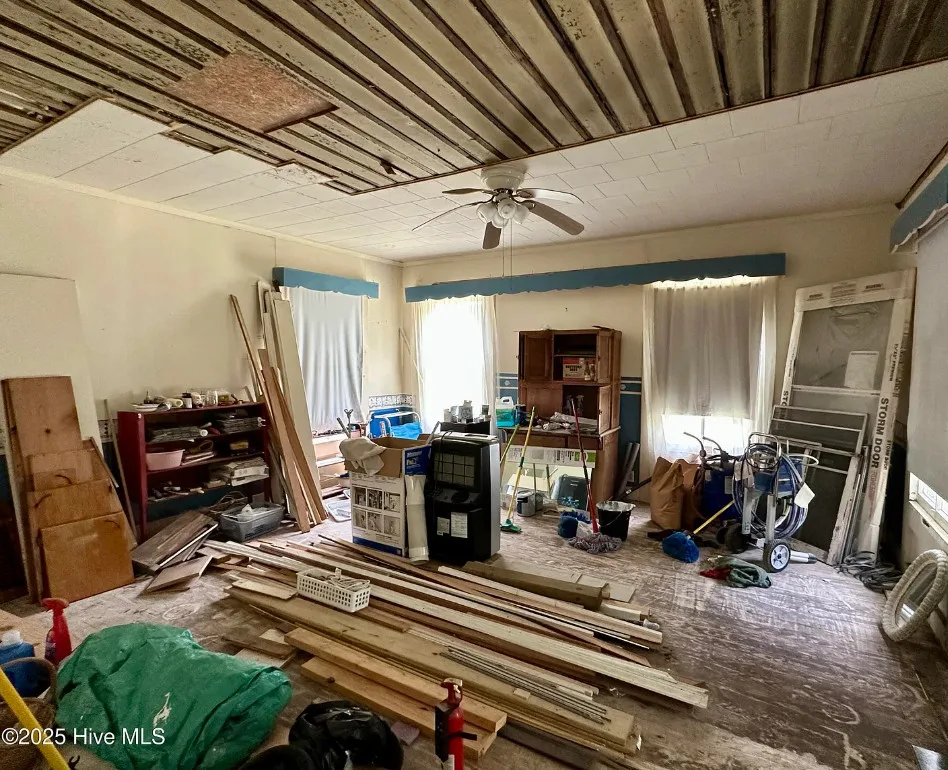
This house looks like a diamond in the rough to me! Love that third floor space! This is in an interesting town! They have a fossil museum and fossil pit where you can hunt for fossils. The house was built in 1900. It is located on .78 acre in Aurora, North Carolina. The house features a covered front porch, wood floors, bead board, chair rails, baseboards, built-ins, tall ceilings, big windows, crown moulding, picture rails, french doors, spacious kitchen, sunroom and a great third floor space!

There is a detached storage shed and this house is within walking distance to the fossil museum. The house is a big one! Three bedrooms, two bathrooms and 4,500 square feet. $150,000

Contact Jennifer Theocles with Neuse Realty: 443-600-6560

From the Zillow listing:

Welcome to a rare opportunity in the heart of Aurora! This historic home, originally built around the turn of the century, blends timeless character with the potential for modern updates. with over 4,500+ square feet of living space. The residence offers multiple bedrooms and bathrooms, making it ideal for a large family, multi-generational living, or those who love to entertain. Step inside and you will find soaring ceilings, generous room sizes, and charming architectural details that speak to its 19th-century craftsmanship. Large windows flood the interior with natural light, while original woodwork and period features add warmth authenticity. The expansive floor plan provides endless possibilities-whether you restore it to its original grandeur, creating a bed-and-breakfast, or tailoring it to your personal lifestyle. Situated on a spacious lot in a quiet neighborhood, the property offers room for gardens, outdoor gatherings, or simply relaxing on the porch while enjoying small-town living. Located walking distance from the Aurora Fossil Museum, the Pamlico River, local shops, and community amenities, this home combines the charm of Aurora with easy access to boating, fishing, and coastal exploration.

This property gives you the rare chance to own a piece of Aurora’s history, and 207 N Fifth St can become the masterpiece you envisioned, leaving your own mark, while honoring it’s roots!

Popular

At 76, I Took a Bus to See My First Love...

0
Harrison had spent hours on a bus imagining the moment he would finally see his first love again after half a century of regret....