When I arrived at my wedding venue two hours before the ceremony, something immediately felt wrong. The gates were locked, the building was dark, and there was no sign of the preparations that should have been underway. A notice on the gate explained that the event had been canceled days earlier, yet no one had informed me. Guests were already traveling, vendors were on their way, and my carefully planned wedding seemed to have disappeared overnight. Then a message arrived saying the celebration had been moved to another location without my knowledge. In that moment, I realized this was not a misunderstanding. Someone else had taken control of a day that was supposed to belong to me. Instead of panicking, I made a decision: if my wedding plans had been changed, I would create a new plan of my own.
Within minutes, I began calling vendors and searching for alternatives. A local warehouse venue happened to be available, and one by one the people I trusted stepped in to help. The caterer redirected the food, the florist moved the arrangements, the officiant agreed to meet us downtown, and the DJ changed locations without hesitation. Most importantly, I used the wedding app I had built months earlier to send a new address directly to my guests. Across the city, people adjusted their routes and headed toward the new location. What could have become a disaster slowly transformed into something entirely different. The warehouse was warm, welcoming, and full of character. As decorations went up and guests arrived, it began to feel less like a backup plan and more like a celebration built on genuine support.
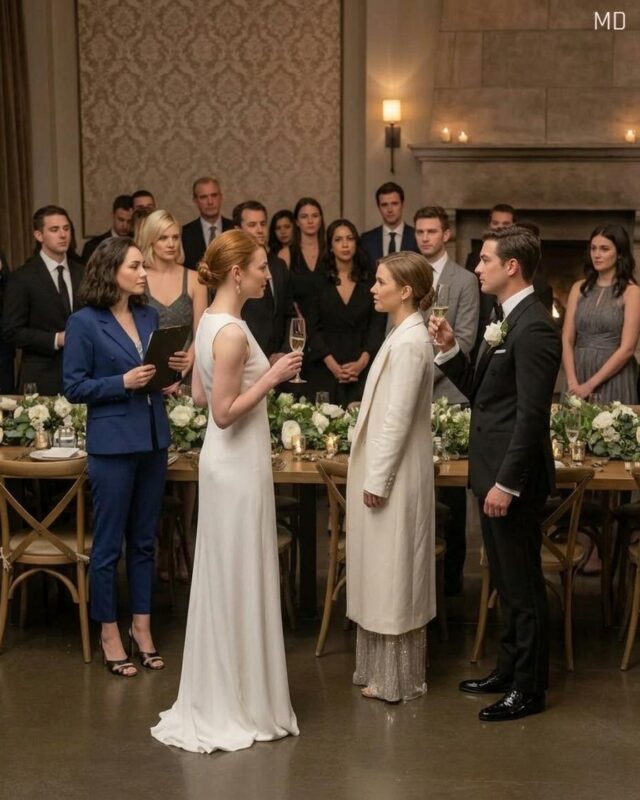
As the room filled, I finally learned the truth. The venue change had not been a last-minute necessity at all. Decisions had been made without my knowledge, and the person I was preparing to marry had chosen not to tell me. That realization hurt more than the canceled venue itself. A wedding is built on trust, and trust cannot survive when honesty is missing. Rather than continue pretending everything was fine, I stood before my guests and calmly explained what had happened. I told them that the ceremony would not move forward as planned, but that I was grateful they had come to support me. To my surprise, no one left. Instead, they stayed, shared a meal together, laughed, and turned an uncertain afternoon into an unforgettable gathering filled with kindness and encouragement.
Months later, people still talked about that day, but not because a wedding was canceled. They remembered how quickly a room full of strangers, friends, relatives, and vendors came together to create something meaningful. Looking back, the most important lesson was not about wedding plans at all. It was about knowing when to change direction instead of forcing something that no longer felt right. The locked gate I found that afternoon seemed like the end of my story, but it became the beginning of a much better one. Sometimes life closes one door without warning, and in that moment you discover who truly supports you. What started as the most disappointing day of my life became a reminder that the right people do not control your path—they help you find a better one.