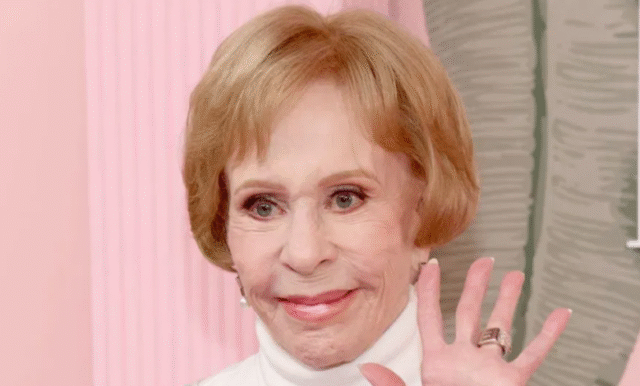
For many Americans, Carol Burnett brought back a familiar scene: the family gathered around the television, someone laughing so hard they could barely catch their breath, and an evening made better by a woman willing to look ridiculous for the perfect joke.
Her legacy reaches beyond memorable characters and famous sketches. Burnett helped make television comedy feel personal. Audiences could admire her talent while feeling that she was someone they knew.
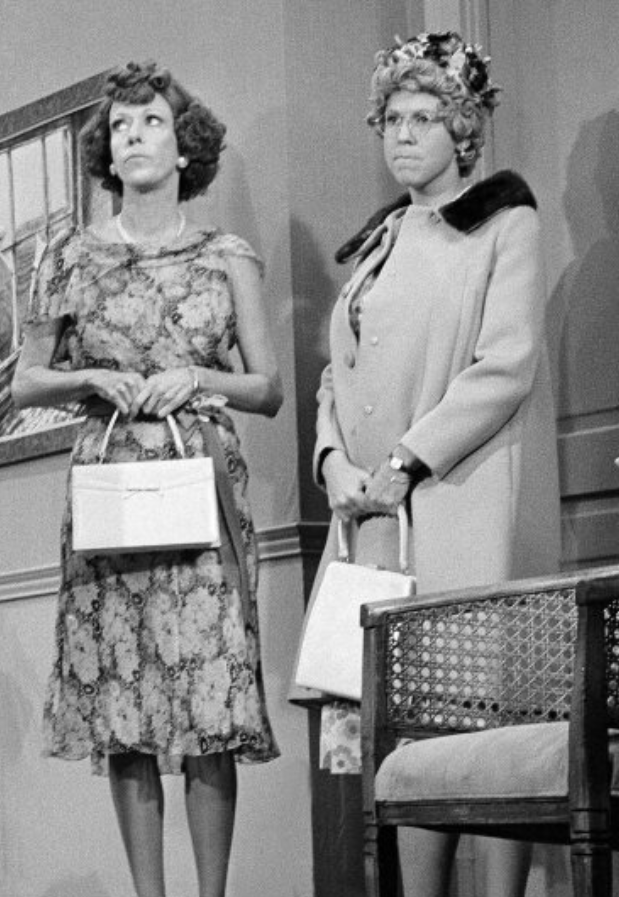
From 1967 to 1978, *The Carol Burnett Show* combined sketches, music, and movie parodies with an extraordinary ensemble that included Harvey Korman, Vicki Lawrence, Lyle Waggoner, and Tim Conway. Together, they created a program where carefully rehearsed comedy could give way to the irresistible sight of performers struggling to contain their own laughter.
Those moments revealed something essential about Burnett’s appeal. She could command a stage without needing to control every laugh. She gave other performers room to shine, and their chemistry became as much a part of the entertainment as the scripts.
Her comedy also demanded considerable skill. A change in posture, a pause, or a startled expression could turn an ordinary exchange into a scene audiences remembered for years. She understood that a character could be absurd and still recognizable: proud, insecure, frustrated, hopeful, or desperate to make a good impression.
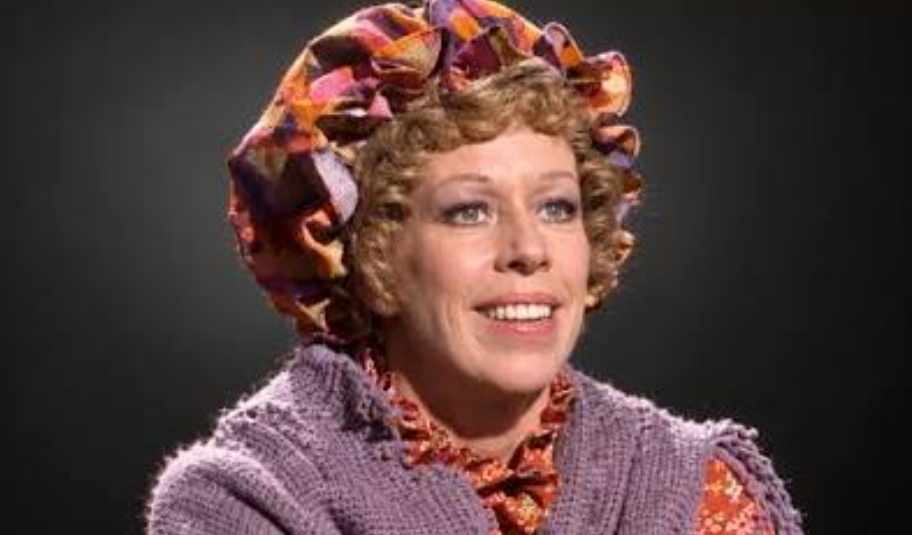
Burnett’s place in television history carries particular significance for women in entertainment. As the star of a successful comedy and variety series bearing her name, she demonstrated the range of a female performer who could sing, act, lead an ensemble, and embrace broad physical comedy. Her work helped expand expectations of what women could do at the center of a major television production.
For viewers who grew up watching her, the affection often extends beyond the show itself. A familiar sketch can recall a parent’s laughter or an evening spent with grandparents. The comedy becomes attached to the people who shared it.
That is why Carol Burnett’s legacy cannot be measured only through awards or television milestones. It also lives in those ordinary memories: a room full of laughter, a difficult day briefly forgotten, and the pleasure of watching talented people delight one another.
Her enduring achievement is making that pleasure feel shared. Even through a screen, Burnett could make the audience feel included in the joke.