
Entertainment

The Fourth of July That Taught Us a Lesson About Communication

Every year, the Fourth of July at our house was more than a holiday—it was a tradition. My husband handled the grill and fireworks while I focused on decorations, side dishes, and desserts. We invited both sides of the family and a few neighbors, filling the backyard with laughter, music, and the smell of barbecue drifting into the warm evening air. It was something we built together, a small celebration that felt uniquely ours. So when he suggested that this year he wanted to host a “guys-only” barbecue instead, I tried to hide the sting behind a casual smile. He said it was just about relaxing with friends, no pressure, no judgment. I told myself it wasn’t personal.

I packed a small overnight bag and decided to spend the night at my parents’ house. Before leaving, I stocked the fridge with homemade dips and cleaned the kitchen, wanting everything to run smoothly. I kept telling myself that space in a marriage can be healthy. A few hours later, my phone buzzed. It was our neighbor Claire. Her message was polite but urgent: “I’m sorry to bother you, but are you aware of what’s going on?” Attached was a photo. My heart skipped as I opened it.

The backyard was overflowing—not with just a handful of his close friends, but with a large crowd that looked more like a neighborhood block party. Music speakers were set up, cars lined the street, and people I didn’t recognize were everywhere. It wasn’t the small gathering he had described. I felt a mix of confusion and disappointment, but I paused before reacting. Instead of sending an angry message, I called him calmly. There was loud music in the background when he answered, but his voice shifted when he heard mine. I told him what I had seen and how it made me feel—not accusing, just honest.

The next morning, he came to my parents’ house to talk. He admitted the evening had gotten out of hand after a few friends invited others without checking first. He apologized for not communicating clearly and for minimizing my feelings. We agreed that traditions matter because they represent shared effort and respect. In the end, the lesson wasn’t about a barbecue or a guest list—it was about partnership. Celebrations should bring people closer, not create distance. That Fourth of July didn’t go as planned, but it reminded us that honesty and communication are the real foundations of any home. And next year, we decided, we’d host together again—side by side, like we always had.


One Missed Word, One Memorable Night: How Grace Made the Moment Meaningful

Beneath the bright lights of a nationally televised game show, one ordinary moment turned into something extraordinary. The studio was alive with anticipation as the final round began. A single word stood between a contestant and a life-changing prize. It was the kind of word most people would recognize instantly in everyday conversation, yet under pressure, even the simplest answers can feel distant. As the countdown clock ticked and the audience waited in silence, the tension became almost tangible. When the buzzer sounded and time ran out, the opportunity slipped away. What followed, however, was far more meaningful than any prize.

The contestant, a carpenter from a small Midwestern town, had captured viewers’ attention long before the final round. He wasn’t a seasoned performer or a media personality—just a hardworking man accustomed to early mornings and honest labor. Throughout the competition, he answered questions steadily and thoughtfully, relying on patience rather than flash. His calm presence and genuine humility resonated with both the studio audience and those watching from home. By the time he reached the last challenge, many people felt personally invested in his journey, cheering not just for his success but for the sincerity he represented.

When the crucial word failed to come to him, the loss was immediate and visible. For a brief moment, the studio seemed to pause. Then, instead of frustration or disappointment, the carpenter leaned forward and laughed softly, shaking his head in disbelief. He applauded the winner, offered a warm handshake, and thanked the host with a gracious smile. His reaction shifted the atmosphere entirely. What could have been remembered as a painful mistake became a powerful display of character. In choosing grace over regret, he reminded everyone watching that how we respond to setbacks often defines us more than success itself.

The clip quickly circulated online, not as a highlight of failure but as an example of resilience. Viewers admired the dignity he showed in a vulnerable moment. In a culture that often celebrates victory above all else, his response felt refreshing and deeply human. Though he left without the grand prize, he walked away with something equally valuable: widespread respect and admiration. His story became a gentle reminder that true strength is revealed in composure, kindness, and the ability to smile even when things don’t go as planned. Long after the episode ended, that simple, missed word continued to inspire conversations about humility and perseverance.

A Lighthearted Story That Gently Reminds Us What True Happiness Means

High above the clouds, where everything shimmered with peace and quiet order, three devoted Italian nuns arrived together at the Pearly Gates after long lives shaped by faith, service, and compassion. St. Peter welcomed them warmly, reviewing their names with a gentle smile. Then, with a twinkle in his eye, he shared unexpected news. As a special gift, they would each be granted six months back on Earth—free to become anyone they wished and to experience life purely for enjoyment. For women who had spent decades guided by discipline and devotion, the idea felt almost too wonderful to believe. Their expressions brightened with childlike excitement, as though Heaven had handed them a joyful surprise.

The first nun stepped forward eagerly. She had always loved music, even if her own singing was reserved for quiet hymns. “I would like to be Taylor Swift,” she said, imagining dazzling stages, heartfelt songs, and thousands of voices singing along. In a soft flash of light, she disappeared. The second nun followed without hesitation. Inspired by bold creativity and fearless self-expression, she declared that she wanted to be Madonna. With another gentle shimmer, she too was gone, ready to explore a world of rhythm, performance, and artistic freedom. St. Peter watched with an amused and understanding expression, accustomed to big dreams and even bigger transformations.

Then he turned to the third nun, who stood calmly, her hands folded and her gaze thoughtful. She had not rushed her answer. “I would like to be Alberto Pipalini,” she said softly. St. Peter paused, searching through the heavenly records with mild confusion. “I’m not familiar with that name,” he admitted kindly. “Is he someone well known?” The nun smiled and produced a small newspaper clipping. The headline read: “Local Man Alberto Pipalini Named Happiest Person Alive.” The article described a modest man who ran a small family business, helped neighbors whenever he could, laughed easily, and found joy in simple routines. His happiness did not come from fame or applause, but from gratitude and meaningful connections.

St. Peter’s laughter echoed warmly through the gates—not in mockery, but in admiration. “After all I’ve witnessed,” he said with a nod, “that may be the wisest choice of all.” With a final wave of his hand, the third nun vanished as well. As the gates gently closed, a quiet lesson lingered in the air: excitement can be found in bright lights and grand stages, but lasting happiness often lives in ordinary days, shared smiles, and a grateful heart. And somewhere back on Earth, three former nuns were discovering that while fun takes many forms, true contentment is the greatest gift of all.

Experiencing the Amazing Lucy-Desi Museum in Jamestown, NY

As a child growing up in the 80s and 90s, I have great memories of watching Nick at Night and seeing many of the older television shows from the fifties, sixties, and seventies. And while there were many that I enjoyed, none made me laugh more than “I Love Lucy.”

So, when I discovered that Jamestown, New York, was the hometown of Lucille Ball and had a museum dedicated to her life, I knew I had to visit.

The Lucy-Desi Museum is located in the heart of Jamestown, a city in southwestern New York’s Chautauqua County. The museum is actually split into two separate buildings that celebrate the life of local legend Lucille Ball and her partner Desi Arnaz.

The original museum is located within this storefront.

The original museum is located within this storefront.

The two museums together are officially known as the Lucille Ball Desi Arnaz Museum and occupy two adjacent buildings along West 3rd Street.

During my visit, I opted to first visit the Desilu Museum, which is essentially an I Love Lucy Museum. If you’ve ever seen the show, you are going to really enjoy this spot.

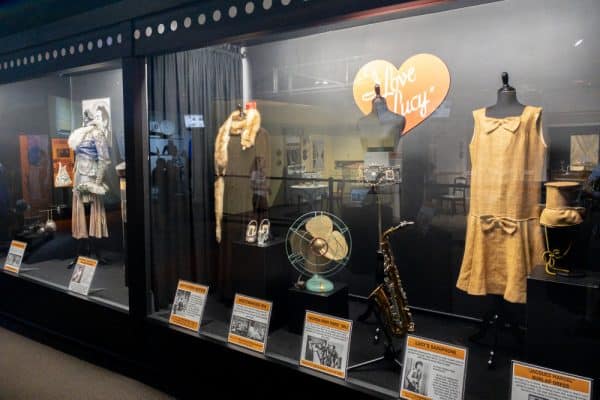
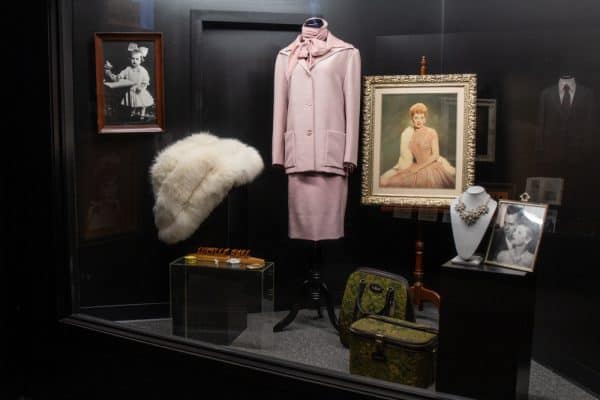
Inside, the Desilu Museum is filled with props used by each of the main characters on the show, though the plurality of the costumes and props were used by Ball.

The Desilu Studio Museum filled with many props from “I Love Lucy”.

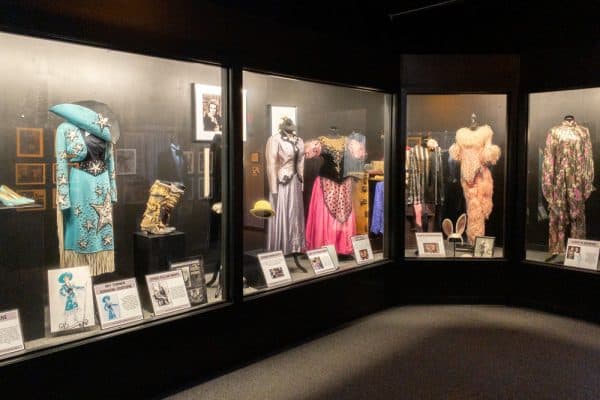
Next to many of the artifacts from the show are photos that show the items on-screen and text describing the episode and how the piece was used in the show.

It really is great seeing photos of classic scenes from “I Love Lucy” and looking at clothing or set props that were used during the episodes.While I thoroughly enjoyed the entire museum, for me, the highlight of the Lucy-Desi Museum was the recreated sets.

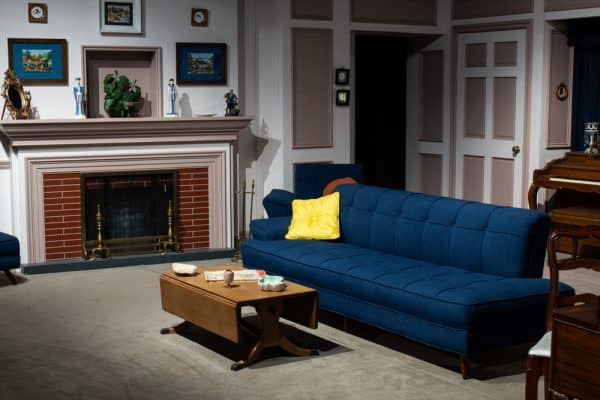
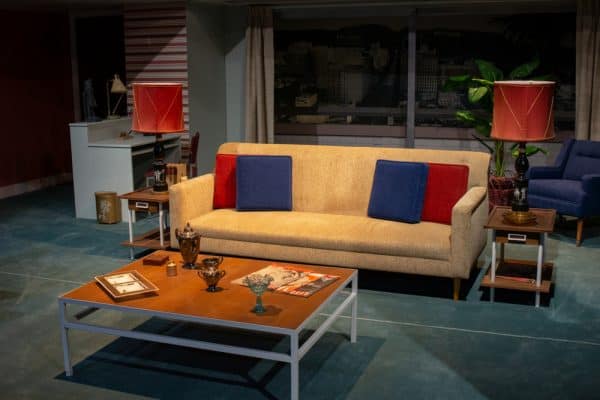
There are two sets that have been meticulously recreated from the show and, while not original, really bring the show to life. These were created for the I Love Lucy 50th Anniversary Set that toured the country in 2001-2002. After the tour, it was moved to Jamestown and opened at the museum in 2005.

The museum features several recreated sets from “I Love Lucy”.

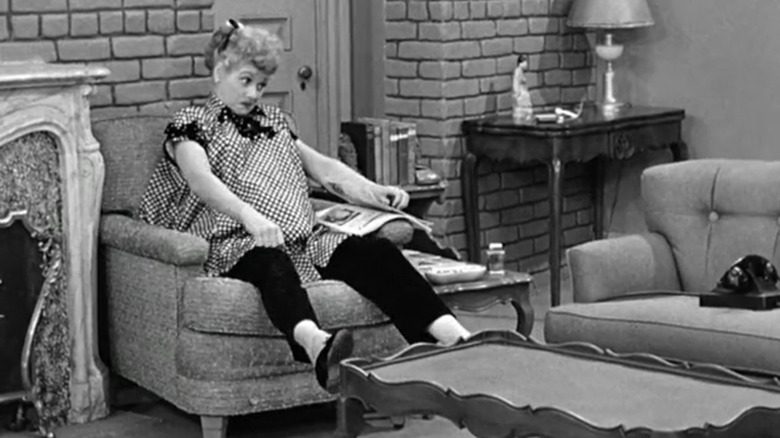
The first set you come to is the Ricardo’s kitchen and living room that they moved in to in episode 61 of the series. Having seen the set on TV many times in the past, it was fun to see this authentic reproduction in person.

The second set was one that I wasn’t as familiar: a recreation of the Ricardo’s Los Angeles hotel room that was used for 18 episodes in 1955-1956. For fans of the shows later seasons, however, this will definitely be a neat treat.

The second recreated set features a hotel room from the show.

One thing that I thought was great about the Desilu Museum was that it also paid homage to the crew that made the show possible. There was information about key crew members and the actual desk and momentoes of show producer Jess Oppenheimer on display in the museum which really helped me further appreciate this classic show.

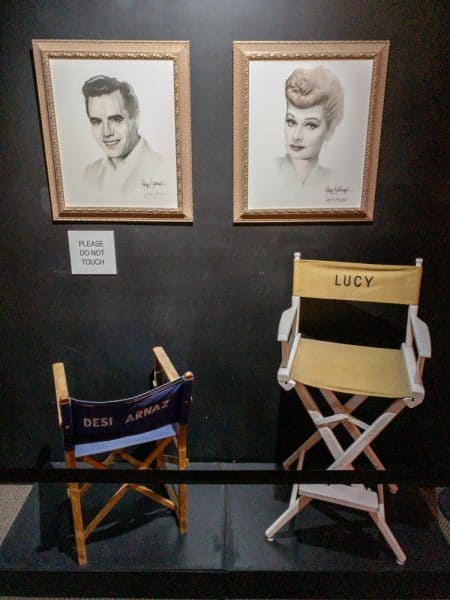
In addition to sets and props, the museum also features some other really cool items related to the show. This includes six different Emmy awards that the show won, as well as a cabinet full of other awards and accolades. There is also the studio chairs used by Lucy and Ricky during the show.

The museum features many great props from “I Love Lucy”.

Before leaving, you can even hop onto a recreated “Vitameatavegamin” set and have your photo taken reenacting one of the shows most famous scenes.

While the Desilu Museum portion of the Lucy-Desi Museum is an ode to I Love Lucy, the other half of the museum highlights the lives and careers of Lucille Ball and Desi Arnaz.

It is located next door, and you have to exit one museum, go outside, and into the second to access the other half, so make sure you don’t miss it when you visit.

While the museum focuses more on Ball than Arnaz (it is her hometown after all), there’s really a ton of great information about them both in this museum.

One thing I thought was really interesting was learning about how different their childhoods were. While Arnaz grew up the child of wealthy and influential parents in Cuba, Ball was raised by her grandparents in a modest home in nearby Celoron, New York.

Throughout the Lucy-Desi Museum, there are many momentoes from their childhoods, marriage, and later careers. It was really fascinating for me to learn more about the people beyond the TV characters and about their incredible influence on Hollywood.

In addition to pieces from their lives, the museum also features a video that tells the story of Lucille Ball’s childhood in Chautauqua County using interviews with her childhood friends, family members, and even Ball herself. The video also has some information on the childhood of Arnaz.

My personal favorite part of the Lucy-Desi Museum was one of the last rooms I came to. Here, there was a video that was playing old clips of Lucille Ball on television shows, in movies, and even on talk shows.

While it was neat to see these clips, what made it most interesting was that on the wall opposite the video screen, the clothes that she was wearing in each clip are on display. This did a great job of not only highlighting some of her other roles but also bringing them to life.

A collection of Lucille Ball’s clothes from various television appearances.

Overall, I really had a great time visiting the Luci-Desi Museum in Jamestown, NY. While there, I saw several women geeking out at the artifacts on display, and if “I Love Lucy” was a major part of your life, you undoubtedly will be just as excited as they were to experience the museum.

However, even if you aren’t overly familiar with the show, it’s still an interesting museum where you can learn more about the lives and careers of two of televisions most influential and respected people.

Consider a visit to this fantastic museum a must-do the next time you find yourself in southwestern New York.

Lucy-Desi Museum

Hours: Thursday-Tuesday: 10am-5pm
Closed Wednesdays
Cost: Adults: $21, Youth (13-17): $18 Child (6-12): $16 
Website: Lucy-Desi.comAddress: 2 West 3rd Street
Jamestown, NY 14701

Lucy’s Legacy Shines Bright: Emmy Awards Now on Display in Jamestown

Nestled in the heart of Lucille Ball’s hometown of Jamestown, New York, the Lucy-Desi Museum has unveiled a moving new display: Lucille Ball’s Emmy Awards, now shimmering under spotlights as a symbol of her groundbreaking contribution to American television.

For decades, Lucille Ball brought laughter into living rooms across the country. With I Love Lucy, she didn’t just make people laugh—she changed the game. From pioneering live studio audiences to redefining the role of women in comedy, Lucy carved a path few dared to tread. And those Emmy statuettes? They are the shining proof of that legacy.

Now, fans can stand mere inches away from the very awards that once graced the hands of a comedy legend. The display isn’t just about trophies. It’s about the weight of history, the echo of laughter, and the unmistakable presence of a woman who lit up black-and-white screens and left a permanent mark on the medium.

Museum visitors are often seen pausing for long moments, gazing at the trophies behind the glass with a mix of reverence and nostalgia. Some remember watching Lucy live. Others discovered her in reruns, streaming services, or even through the stories of their parents. Regardless of generation, the message is clear: Lucille Ball’s magic is timeless.

Alongside the Emmy Awards, the museum offers original costumes, scripts, rare photos, and behind-the-scenes treasures. But it’s the golden statuettes that steal the spotlight—quiet, regal, and utterly radiant.

Lucille Ball won four Primetime Emmy Awards during her legendary career and received 13 nominations. She was also the first woman to run a major television studio, Desilu Productions. These accolades represent not only personal triumphs, but also groundbreaking moments in entertainment history.

As Jamestown continues to embrace its identity as the birthplace of America’s favorite redhead, the Emmy display serves as a heartfelt tribute—a reminder that comedy, when done with heart and courage, can become eternal.

So if you ever find yourself in upstate New York, don’t miss the chance to walk among television history. Lucy’s Emmys are more than just awards. They’re beacons from a golden age—proof that legends never truly leave us.

How ‘I Love Lucy’ Revolutionized American Pregnancy on TV – Without Showing a Belly

The Taboo Topic That Changed Primetime Forever

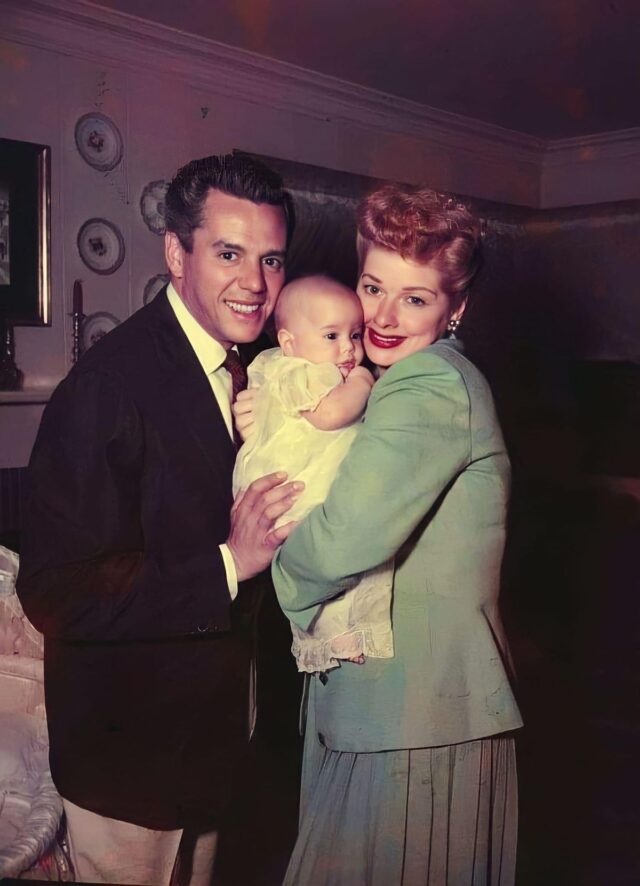
When Lucille Ball’s real-life pregnancy was written into I Love Lucy in 1952, it marked a seismic shift in what American television dared to portray. At the time, the word “pregnant” couldn’t even be said on air. Yet Lucy Ricardo’s onscreen journey to motherhood became a cultural milestone, ushering in a new era of realism on TV.

CBS’s Reluctance and Religious Oversight

Ball’s pregnancy was a reality CBS couldn’t ignore—she was too central to the show to hide it for long. Still, the network was nervous. Executives consulted clergy from different faiths to ensure the depiction of pregnancy wouldn’t offend religious viewers. It was ultimately agreed that the storyline could proceed, as long as euphemisms like “expecting” were used in place of “pregnant.”

America’s First TV Birth

On January 19, 1953, over 44 million viewers tuned in to watch Lucy give birth to “Little Ricky”—a number far exceeding the audience for President Eisenhower’s inauguration the next day. It was the first scripted birth of a major TV character and became a shared national experience. Despite the limited language and the conservative framing, I Love Lucy made pregnancy not only acceptable on TV—but essential storytelling.

Legacy Beyond Laughter

Ball’s bold move opened the door for future series like The Dick Van Dyke Show, The Cosby Show, and Friends to tackle pregnancy with more openness. While Lucy never showed a bare belly or discussed labor in detail, her storyline humanized a previously hidden part of women’s lives—and did so in front of tens of millions of homes.

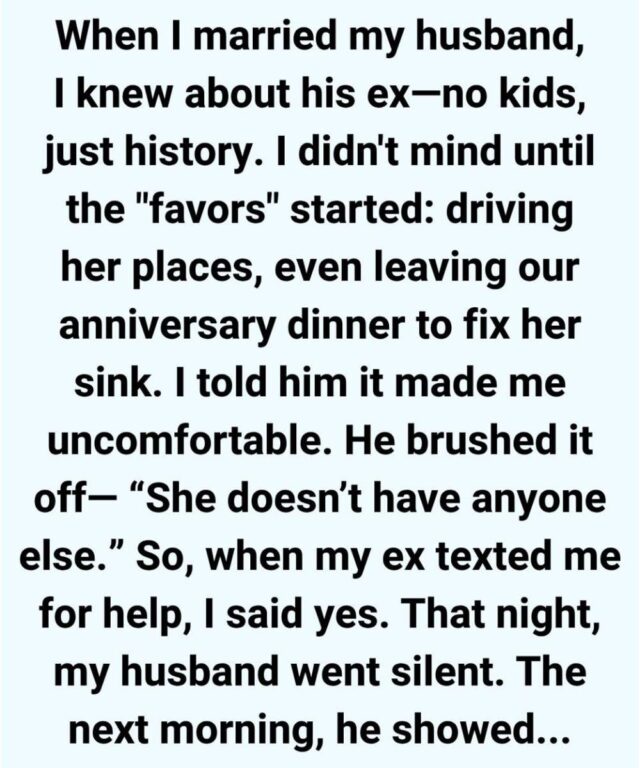
My Husband Walked Out on Our Anniversary for His Ex — He Never Saw My Response Coming

When I married my husband, I stepped into our life with open eyes. I knew about his history with his ex-wife, Sarah. There were no children tying them together, no shared house, no custody schedules to juggle—just a past that had supposedly run its course. I believed I was steady enough to live with that knowledge.

In the beginning, I truly was.

Then the favors began—small, almost innocent.

It started with things that sounded harmless. Her Wi-Fi wasn’t working. Could he stop by and take a look? Her car wouldn’t start. He had always been good with engines. A quick ride to the airport. Advice on a lease. Help carrying boxes up three flights of stairs. Late-night calls about “emergencies” that somehow couldn’t wait until morning.

And every time, without hesitation, he said yes.

When I admitted that it made me uncomfortable, he brushed it aside with a soft shrug. “She doesn’t really have anyone else,” he’d say. “It’s just practical.”

Practical.

I didn’t want to sound insecure. I didn’t want to be the jealous wife who couldn’t handle a little kindness. I told myself that maturity meant tolerance, that compassion wasn’t something to resent.

But something inside me tightened with each favor.

The breaking point came on our anniversary.

We were halfway through dinner—candles flickering, low music drifting through the restaurant, plates warm in front of us. For once, it felt like we were paused in our busy lives, fully present.

Then his phone buzzed in his pocket.

I didn’t need to look to know who it was. I recognized the name the moment it flashed across his screen.

He hesitated—just a second. Then he stood.

“I’ll just be an hour,” he promised.

I watched him walk out, leaving his steak half-eaten and his wine untouched. I stayed seated, surrounded by couples clinking glasses and leaning into each other, wondering how I had become the one waiting while another woman’s leaking sink took priority.

I didn’t make a scene. I didn’t cry. I didn’t even argue when he came home.

I thought.

A week later, my own ex reached out. Mark was organizing a charity event and needed help coordinating sponsors. Normally, I would have declined politely. I preferred clean lines, closed chapters.

This time, I agreed.

That evening at dinner, I mentioned it casually.

“Oh, by the way, I’m helping Mark with a fundraiser next weekend.”

He looked up immediately. His expression shifted—subtle, but unmistakable.

“A fundraiser?” he repeated.

“Yes,” I said lightly. “He said he could use a hand.”

He didn’t respond.

A few days later, I added, almost offhandedly, “Mark and I might grab coffee to go over the details.”

He set his fork down with a quiet clink.

“You’re not actually going, are you?”

I met his eyes. “Why wouldn’t I? He just needs a friend.”

The silence that followed wasn’t our usual friction. It wasn’t defensive or dismissive. It was something else—something heavier.

For the first time, I saw it cross his face. The discomfort. The unease. The quiet insecurity I had been carrying for months.

He didn’t accuse me. He didn’t raise his voice.

He just went quiet.

The next morning, he approached me while I was making coffee. His phone was in his hand.

“I sent Sarah a message,” he said.

I turned slowly.

He showed me the screen.

“I can’t keep being the one you call for every problem. I need to focus on my marriage. I hope you understand.”

The message wasn’t dramatic. It wasn’t cruel. There were no sharp edges, no bitterness.

But it was clear.

He lowered the phone and looked at me differently—less defensive, more aware.

“I didn’t realize how it felt,” he admitted. “Not until I imagined you doing the same thing.”

I nodded. “I wasn’t trying to hurt you. I just needed you to see it.”

There was no triumphant feeling in that moment. No victory.

I didn’t love that it took a mirror for him to understand. And he didn’t love being on the uncomfortable side of it.

But he understood.

Sometimes boundaries aren’t established through long arguments or emotional speeches. Sometimes they are learned in a single quiet shift—the instant someone feels what it’s like to stand on the other side of the line.

Discovering My Mothers Final Secret After Years Of Quiet Daily Sacrifices

My mother’s memory left in small pieces.

First it was misplaced keys. Then forgotten appointments. Then stories told twice. Eventually, she no longer recognized my face.

When the doctors spoke of progression and uncertainty, their voices were careful. My siblings responded with practicality — discussing facilities, costs, schedules.

I listened.

And I knew I would not send her away.

Not because nursing care was wrong.
But because my mother was afraid of unfamiliar places.
Because comfort mattered more than efficiency.

So I brought her into my home.

Life changed slowly at first — then completely.

Work hours shortened. Savings disappeared into medication, safety rails, and doctor visits. My world narrowed to routines: meals, bathing, calming her when fear rose suddenly in her eyes.

My siblings visited rarely.

Some days were peaceful. She hummed old songs and smiled at nothing in particular. Other days were heavy with confusion and restlessness.

But I learned something important during those years.

Love does not require recognition.

It is enough to offer safety.

I reminded myself that caring for her was not about being remembered — it was about letting her feel secure in the moments she still had.

She passed just before dawn one morning, quietly, while I held her hand.

There was no struggle.

Just breath slowing into stillness.

Afterward, my siblings returned to handle paperwork and read the will. Everything was divided evenly, exactly as she had planned long ago.

I said nothing about the years I gave.
Nothing about the life I set aside.

Not because it didn’t matter — but because peace mattered more than explanation.

When they left, the house felt impossibly empty.

The purpose that had shaped my days was suddenly gone.

Three days later, the phone rang.

An old colleague of my mother’s called gently. He said she had asked him to keep something private while she still could.

There was a small account placed entirely in my name.

And a letter.

Written before her words slipped away.

In it, she thanked me for staying. For choosing patience. For making her feel safe when the world no longer made sense. She said she knew what I had given up, even when she could no longer say it out loud.

I held that letter for a long time.

And I understood something quietly powerful.

Memory may fade.
Names may disappear.
But love leaves a record deeper than recollection.

Not all gratitude is spoken in time.
Not all sacrifices are seen immediately.

But what is given with sincerity is never lost.

I didn’t care for my mother to be rewarded.

I cared for her because she was my mother.

The letter was not payment.

It was simply proof that love had been felt — even when words were gone.

And that, more than anything, made every difficult day worth it.

I won 50 million dollars in lottery money and carried my son to my husband’s

I took a deep breath, the weight of the world seemingly resting on my shoulders even as the golden ticket in my pocket promised freedom. In that moment of frozen hesitation, I realized that the laughter echoing from behind the door was a revelation, peeling away layers of neglected truth. It was as if every unaddressed doubt and overlooked instinct had materialized, crystallized in the cheerful cadence of those mysterious voices.

My son fidgeted, pulling back slightly to look at me with his innocent eyes. His world was still simple, untainted by adult complexities. The enormity of the situation threatened to overshadow his easy joy, and I couldn’t let that happen. He was too precious, too pure to be drawn into the turbulent undercurrent of my wavering emotions.

I wrapped my arms around him tighter, drawing strength and clarity from his presence. It dawned on me then, standing in the sterile hallway of a building that represented my husband’s aspirations, that the lottery wasn’t just about numbers or money. It was about opportunity — the chance to step into a life reshaped by choice rather than circumstance.The idea of confronting my husband was swiftly replaced by a vision of a future unconstrained by the daily grind and silent grievances that had quietly defined my life. The laughter behind the door had unintentionally granted me permission to reconsider, to prioritize my happiness and my son’s well-being.

I took a step back, slowly retreating from the door. It was a deliberate act, pulling me toward a new path. As I turned away, the receptionist caught my eye with a curious glance. I smiled, a genuine smile that hinted at secrets and newfound resolve, and she nodded back, unknowingly complicit in my quiet exodus.

Leaving the building, the bright Atlanta sun greeted us, casting long shadows on the pavement. Each step outside felt like shedding an old skin, a release from roles I’d played for too long. My mind buzzed with possibilities: a new home where laughter wouldn’t be a stranger, travels that could unearth parts of the world — and myself — I’d never seen, and time, precious time for my son and me to explore life without constraints.As we stood by the curb, waiting for our ride, I pulled out my phone. The lottery numbers glared back at me, surreal and real all at once. I sent a silent thank you to the fates for this incredible twist, even as I acknowledged the bittersweet nature of the revelation it had triggered.

I held my son’s hand, feeling the warmth and promise of a new beginning. We didn’t have to rush. The world waited for us, and for the first time in years, I felt its vastness with a sense of anticipation rather than dread. The future stretched out before us, a blank canvas on which we could paint our dreams.As the car pulled up, I took one last look at the building behind us. It was a farewell, not just to the physical space, but to the limitations it had come to symbolize. With determination, I stepped into the car, holding my son close, ready to embark on a journey that was entirely ours. This was not just a day of good fortune. It was the first day of the rest of our lives, unburdened and full of promise.

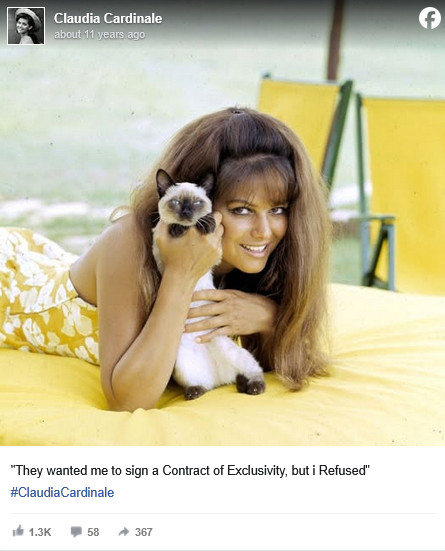
This iconic actress was one of the mos famous beauites of the 60s – take a look at her today, at 86

In a career spanning over six decades, Claudia Cardinale has captivated audiences around the world with her breathtaking screen presence, emotional depth, and unwavering strength. While many remember her as the ethereal beauty of European cinema’s golden age, her path to stardom was anything but conventional. Cardinale’s journey to becoming a cinematic icon was shaped not just by talent and opportunity, but also by deep personal trauma, resilience, and an unshakable sense of self.

Born in Tunis, Tunisia in 1938 to Italian parents, Claudia Cardinale had no initial plans to become an actress. In fact, she was studying to be a teacher when, at just 18, her life changed in a moment of unexpected spectacle. While helping organize an Italian film festival, she was pushed onstage and crowned “Most Beautiful Italian Girl in Tunisia.” The prize—a trip to the Venice Film Festival—opened doors she hadn’t intended to walk through.

Producers began to pursue her, eager to cast the radiant newcomer. But behind her graceful exterior, Cardinale was keeping a heartbreaking secret: she was pregnant as a result of a violent assault by an older man. She turned down most offers until one producer, Franco Cristaldi, managed to draw her in with promises of fame and protection. He became not just her manager but, eventually, her husband—though their relationship was one of control more than love.

Cristaldi insisted her pregnancy be hidden from the world. When her son, Patrick, was born, the public was told he was her younger brother. Under Cristaldi’s strict guidance, Cardinale was molded into what the industry hoped would be the Italian answer to Brigitte Bardot, though she remained firmly committed to her own values—including never appearing nude on screen.

Despite the personal turmoil, Cardinale’s star rose quickly. She appeared in Three Strangers in Rome in 1958 and within a few years was sharing the screen with legendary actors in acclaimed films. In 1963, she starred in Federico Fellini’s  and Luchino Visconti’s The Leopard, both considered masterpieces of world cinema. Her performances, marked by a balance of strength and vulnerability, earned her widespread acclaim.She then conquered Hollywood, appearing in The Pink Panther with David Niven, Circus World alongside John Wayne and Rita Hayworth, and Once Upon a Time in the West, where her portrayal of a prostitute set against the brutal American frontier became one of her most celebrated roles. Unlike many of her contemporaries, Cardinale refused to conform to the Hollywood system. She prioritized substance over stardom and resisted the industry’s objectification of women.

Though often compared to Brigitte Bardot—her co-star in The Legend of Frenchie King—Cardinale prided herself on maintaining mystery and dignity on screen. “I always thought it was more erotic to leave some room to imagination,” she once said.

Off-screen, her life was equally complex. Her controlling relationship with Cristaldi eventually ended in 1975, the same year she met director Pasquale Squitieri, whom she remained with until his death in 2017. They had a daughter, Claudia. Her son Patrick, whose paternity remained concealed for nearly two decades, eventually stepped into the spotlight as her true child—a moment of truth and healing for Cardinale.

In 2017, Cardinale spoke candidly about the sexual assault she had endured as a teenager. Rather than being broken by the experience, she chose to raise her child and pursue her career, even while being silenced by an industry that preferred its stars flawless and uncomplicated. “It was terrible,” she said, “but the most beautiful thing is that my wonderful Patrick was born from that violence.”

Now 86, Cardinale lives in France and remains in good health, despite false reports of hospitalization in recent years. In 2022, she personally dismissed the rumors, saying, “I’m next to my family, I’m in full health.”

Today, her legacy extends beyond film. As a goodwill ambassador for UNESCO, she uses her voice to advocate for the defense of women’s rights—a cause close to her heart given her own past.

Claudia Cardinale’s life has been marked by beauty, brilliance, and bravery. Her story is a reminder that behind the glamorous photos and silver screen roles are real women with stories of survival, strength, and self-discovery. Through it all, Cardinale never let the industry define her—and instead, she became one of its most unforgettable legends.

Popular

PRAYERS ARE NEEDED FOR KURT RUSSELL!!

0
Kurt Russell, one of Hollywood’s most respected and beloved actors, has captivated audiences for decades with his charisma, versatility, and memorable performances. From his...