Entertainment

Remembering Two Lifelong Friends from Texas Who Passed Away Under Similar Circumstances

A winter afternoon meant for laughter and simple joy ended in heartbreak for a Texas community unprepared for such loss. On January 25, 2026, a rare snowfall drew three teenagers outdoors in Frisco, eager to enjoy a moment that felt special and fleeting. What began as playful adventure quickly turned tragic, leaving two best friends gone and an entire town struggling to understand how a single moment could change so many lives. Their story is now a solemn reminder of how fragile life can be, especially when excitement overshadows caution.

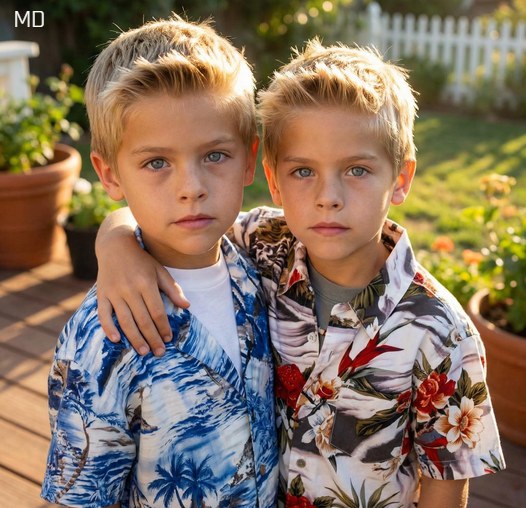
Elizabeth Angle and Gracie Brito, both just sixteen, were inseparable—teammates, classmates, and best friends whose bond was evident in every photo and memory shared by those who knew them. During their outing, a sled ride tied to a vehicle lost control and collided with a tree. Elizabeth passed away shortly after, and Gracie, critically injured, fought bravely for several days before also losing her life. Elizabeth’s mother described her daughter as full of light and promise, someone who had only just begun to experience independence and joy. At Wakeland High School, teachers, coaches, and students honored the girls with messages of remembrance, describing them as kind, driven, and deeply loved.

As the community grieved, officials were forced to address another painful challenge: misinformation. Rumors spread rapidly online, adding unnecessary pain to families already devastated by loss. Local police firmly clarified that there was no evidence of substance involvement and urged the public to act with care and responsibility. Investigations continue, but authorities emphasized that the focus should remain on safety education and compassion, not speculation. They also reminded families that winter conditions—especially in regions unaccustomed to snow—can turn ordinary activities into serious risks in seconds.

In moments like these, grief extends beyond one town or one family. Recent events elsewhere have also underscored how unexpectedly tragedy can strike, whether during a joyful outing or a routine day of work. Together, these losses serve as a call for greater awareness, empathy, and caution in everyday life. For the families left behind, no explanation can replace what was taken. But through remembrance, honesty, and care for one another, communities can honor those lives by protecting others. Elizabeth and Gracie will be remembered not for how they were lost, but for the friendship, warmth, and promise they brought into the world—and for the reminder they leave behind: every moment matters.

The Overlooked Kitchen Tool That Once Helped Improve Baking Results

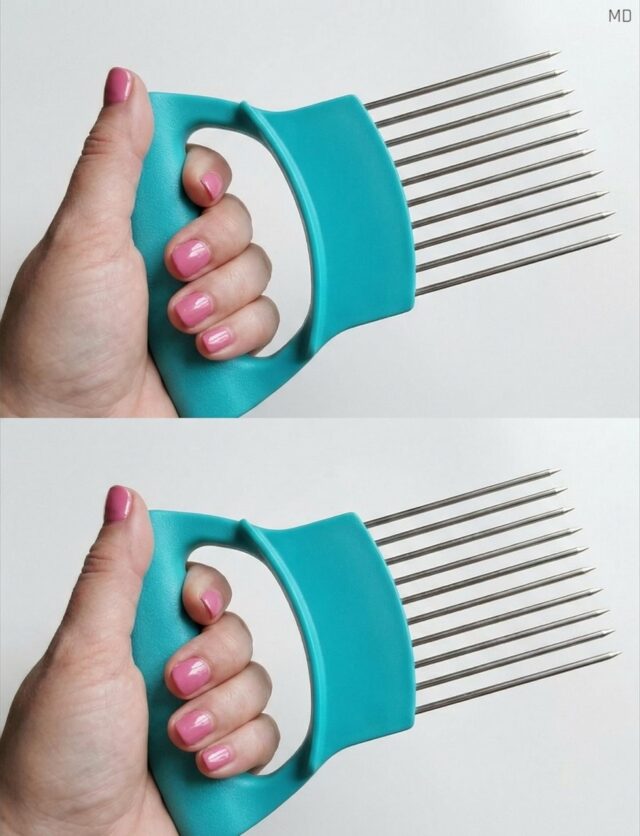
Tucked away in kitchen drawers beside worn wooden spoons and faded recipe cards, the flour wand is a quiet reminder of a time when baking was woven into daily life. Long before baking became a curated weekend project, it was a practical routine shaped by rhythm and repetition. The flour wand—made from a simple springy coil of metal—was never meant to impress with its looks. Its purpose was purely functional: to sift flour, break up stubborn clumps, and gently bring ingredients together without forcing air out or overworking the mixture. In its simplicity, it reflected a deeper understanding of how textures and timing shape good baking.

In the era before electric mixers and countertop gadgets, tools like the flour wand made reliable baking possible with little more than patience and practice. Home cooks depended on it to mix doughs and batters evenly by hand, allowing them to feel when a mixture was just right. That tactile feedback mattered. Overmixing could toughen bread or flatten cakes, while undermixing led to uneven results. The flour wand offered balance. Its coiled design notes resistance without aggression, helping bakers achieve consistency across loaves, pies, cookies, and cakes—day after day, recipe after recipe.

As modern kitchens filled with stand mixers, silicone spatulas, and high-speed blenders, the flour wand slowly slipped out of view. It wasn’t flashy, and it didn’t promise speed. But what it offered instead was control. The tool’s gentle action protected delicate structures in batters that benefit from careful folding, such as quick breads and tender cakes. For bakers who prefer hands-on methods—or who simply enjoy slowing down—the flour wand still has a place. It’s especially useful when a recipe calls for minimal mixing or when working with small batches that don’t justify a machine.

Finding a flour wand while sorting through an old kitchen can feel like discovering a forgotten chapter of culinary history. Rather than discarding it, consider giving it a second life. It can still perform beautifully, and even when it’s not in daily use, it serves as a quiet tribute to the craft of baking as it once was—patient, thoughtful, and grounded in feel rather than speed. This unassuming coil of metal carries more than flour through a bowl. It carries generations of knowledge, the value of restraint, and the enduring lesson that sometimes the simplest tools leave the most lasting results.

7 Everyday Habits That May Affect How Others See You

Many people assume that appearance is largely determined by genetics, but daily habits often play a much bigger role than we realize. The small things we do repeatedly—often without thinking—can influence skin clarity, facial balance, posture, and even the energy we project. Over time, these habits quietly shape how we look and how we’re perceived. The good news is that awareness brings choice, and choice brings change. When we understand how everyday behaviors affect us, we gain the ability to improve both appearance and well-being without drastic measures.

One common habit is frequently touching the face. While it can feel harmless or comforting, it transfers oil, dirt, and bacteria from the hands to the skin, which may lead to irritation and breakouts. Another subtle factor is chewing primarily on one side of the jaw. Over months or years, this can contribute to muscle imbalance and jaw tension, slightly altering facial symmetry. Excessive caffeine intake can also leave visible traces. While coffee and energy drinks offer a quick boost, too much caffeine may dehydrate the body, making skin appear dull and emphasizing dark circles under the eyes.

Posture is another powerful yet underestimated influence. Spending long periods lying in bed outside of sleep or slouching throughout the day weakens posture and reduces circulation. Poor posture can make someone look more tired, less confident, and older than they feel. Similarly, avoiding sunlight altogether can unintentionally affect appearance. While protecting the skin from excessive sun exposure is important, brief, safe time outdoors helps support healthy skin tone, circulation, and overall vitality. Balance—not extremes—is what allows the body to function and look its best.

What makes these habits encouraging rather than discouraging is that their effects are often reversible. Small adjustments can create noticeable improvements over time. Alternating chewing sides, reducing caffeine, washing hands before touching the face, standing taller, and getting short, protected sun exposure can all make a difference. True self-care doesn’t require expensive products or dramatic changes. It starts with paying attention to daily choices and making thoughtful improvements one habit at a time. When care becomes consistent, confidence grows naturally, energy improves, and appearance follows—proving that how we live each day matters far more than the traits we were born with.

Touching Tribute from Macaulay Culkin: “Mama. I Thought We Had Time”…….

Right after the news broke, Macaulay Culkin—who played her on-screen son Kevin McCallister in Home Alone (1990) and Home Alone 2: Lost in New York (1992)—shared a deeply emotional tribute on Instagram. Even years after filming, they still affectionately called each other “mom” and “son” whenever they met. “Mama. I thought we had time.” 💔


Home Alone star Macaulay Culkin has paid tribute to his on-screen mother Catherine O’Hara following the sad news about her death.

Macaulay and Catherine starred as Kevin and Kate McCallister in ‘Home Alone’ and ‘Home Alone 2’, and reunited in 2023 for Macaulay’s Hollywood Walk of Fame ceremony.

In a 2024 interview, Macaulay revealed that he still called Catherine ‘mom’ and she called him ‘son’ whenever they saw each other

Culkin accompanied his post with side-by-side photos: one from the Home Alone set (where she hugs him as a child) and another from his Hollywood Walk of Fame ceremony in December 2023 (where she was there to support him).

His full post reads:

“Mama. I thought we had time. I wanted more. I wanted to sit in a chair next to you. I heard you. But I had so much more to say. I love you. I’ll see you later.”

This short but profoundly moving message has touched millions, highlighting their special bond—not just as co-stars, but as a real family figure in Culkin’s life.

Tributes from Other Stars

Many colleagues and friends have shared heartfelt messages:

  • Michael Keaton (her co-star in Beetlejuice): “We go back before the first Beetlejuice. She’s been my pretend wife, my pretend nemesis and my real life, true friend. This one hurts. Man am I gonna miss her.”
  • Christopher Guest (longtime collaborator on mockumentaries like Waiting for Guffman, Best in Show, and A Mighty Wind): “I am devastated. We have lost one of the comic giants of our age. I send my love to her family.”
  • Joe Pesci (Uncle Harry in Home Alone): “Catherine was a great actress, and she will be missed. God bless. Rest in Peace.”
  • Pedro Pascal (who worked with her on season 2 of The Last of Us): “Oh, genius to be near you. Eternally grateful. There is less light in my world, this lucky world that had you.”

Catherine O’Hara leaves behind a legacy full of laughter, brilliant improvisation, and deep humanity. She will forever be remembered as the mom who made us laugh and cry at the same time—especially on those Christmas nights when Kevin was left home alone.

Rest in peace, Catherine. Thank you for the magic.

If Donald Trump were to die while in office, here’s the very first thing you would hear

President Donald Trump’s health is constantly a topic of debate — not least because the president himself likes to boast about how virile and energetic he still is.

But what would actually happen if Trump were to die while in office?

Here’s the answer:

Donald Trump, the oldest person ever elected U.S. president, is set to celebrate his 80th birthday in June. He insists he’s in excellent health — but questions about what would happen if a sitting president were to die in office continue to surface.

An expert has even gone so far as to speculate that the president might have just “2 to 4 months left in the land of the living.”

But as most know, it’s virtually impossible to predict something like this. On the other side of the ring, the president frequently boasts about his physical condition, even claiming that doctors are impressed by his vitality.

Still, sharp-eyed viewers have occasionally spotted unexplained bruises on his hands, sparking fresh speculation about his health.

It’s uncommon for a U.S. president to die while in office, but it has happened a few times. Clear procedures exist to ensure a smooth transition when it does.

An expert has even gone so far as to speculate that the president might have just “2 to 4 months left in the land of the living.”

But as most know, it’s virtually impossible to predict something like this. On the other side of the ring, the president frequently boasts about his physical condition, even claiming that doctors are impressed by his vitality.

Still, sharp-eyed viewers have occasionally spotted unexplained bruises on his hands, sparking fresh speculation about his health.

It’s uncommon for a U.S. president to die while in office, but it has happened a few times. Clear procedures exist to ensure a smooth transition when it does.

Donald Trump. Credit: Getty Images
President Donald Trump’s health is constantly a topic of debate — not least because the president himself likes to boast about how virile and energetic he still is.

But what would actually happen if Trump were to die while in office?
Here’s the answer:

Donald Trump, the oldest person ever elected U.S. president, is set to celebrate his 80th birthday in June. He insists he’s in excellent health — but questions about what would happen if a sitting president were to die in office continue to surface.

An expert has even gone so far as to speculate that the president might have just “2 to 4 months left in the land of the living.”

But as most know, it’s virtually impossible to predict something like this. On the other side of the ring, the president frequently boasts about his physical condition, even claiming that doctors are impressed by his vitality.

Still, sharp-eyed viewers have occasionally spotted unexplained bruises on his hands, sparking fresh speculation about his health.

It’s uncommon for a U.S. president to die while in office, but it has happened a few times. Clear procedures exist to ensure a smooth transition when it does.

What happens if a president dies in office?
The U.S. Constitution leaves no ambiguity when it comes to presidential succession. Should a president die, resign, be removed, or become unable to perform the duties of the office, the vice president assumes power immediately.

Article II, Section 1, Clause 6 of the Constitution states:

“In Case of the Removal of the President from Office, or of his Death, Resignation, or Inability to discharge the Powers and Duties of the said Office, the Same shall devolve on the Vice President.”

In real-world terms, that means the vice president would be sworn in as president as quickly as possible, ensuring there is no gap in leadership during a time of uncertainty.

If such a scenario were to occur during Trump’s current term, the first major development the public would see is Vice President JD Vance taking the oath of office.
What happens next?

Once sworn in, the former vice president immediately becomes president and gains full authority. They may choose to keep the existing cabinet intact or appoint an entirely new leadership team.

The new president can also nominate a vice president of their own choosing, though that nominee must be confirmed by both the House and the Senate.

There are also limits on future elections. If the new president serves less than two years of the original term, they may still run for two full terms of their own. If they serve more than two years, they are eligible for only one additional term.
A modern precedent

The last time this process played out was in 1963, following the assassination of President John F. Kennedy. And that historical example continues to shape today’s procedures for ensuring continuity of government.

Back in 1963, Vice President Lyndon B. Johnson was sworn in as president aboard Air Force One at Dallas Love Field just over two hours after Kennedy’s death.

Johnson chose to retain much of Kennedy’s cabinet, won re-election in 1964, and later opted not to seek another full term.
Eight have died while in office

Out of the 45 men who have served as U.S. President, eight died while still in office—a surprisingly high number for such a position.

Four were assassinated: Abraham Lincoln, James A. Garfield, William McKinley, and John F. Kennedy. William Henry Harrison died of pneumonia in 1841, just a month after taking office, though the popular story that it was caused by skipping a coat at his February inauguration has been debunked.

The other three — Zachary Taylor, Warren G. Harding, and Franklin D. Roosevelt—passed away from various illnesses while serving as president.
What could happen if Trump dies in office

If Donald Trump were to pass away while still in the White House, things could get messy fast.

For one, Trump and his team have a history of ignoring norms, protocols, and even the rule of law, so standard procedures might not go exactly as planned.

A big, extravagant funeral is almost guaranteed, but unlike the outpouring of unity seen after President Kennedy’s death, today’s political climate is far more polarized. With tensions so high and public discourse already deeply divided —much of it shaped by Trump and his supporters — national mourning would likely be anything but universal.

Former CNN anchor Don Lemon arrested by federal agents

Former CNN anchor and longtime journalist Don Lemon has been arrested by federal agents, according to multiple reports.

The arrest took place Thursday night in Los Angeles, where Lemon was in town covering this weekend’s Grammy Awards, his attorney confirmed.

The move comes two weeks after Lemon was present at an anti-immigration protest that disrupted a church service at Cities Church in St. Paul, Minnesota.

Authorities say demonstrators entered the church after learning that one of its pastors was also an ICE official.

Sources familiar with the case say a grand jury was empaneled on Thursday, and that both the FBI and Homeland Security Investigations (HSI) were involved in Lemon’s arrest. At this stage, it remains unclear what specific charges he may face, according to CBS.

Lemon’s attorney, Abbe Lowell, confirmed his client was taken into custody and strongly criticized the Justice Department’s actions.

“Don has been a journalist for 30 years, and his constitutionally protected work in Minneapolis was no different than what he has always done,” Lowell said in a statement.

“The First Amendment exists to protect journalists whose role it is to shine light on the truth and hold those in power accountable. There is no more important time for people like Don to be doing this work.”

Lowell went further, accusing federal authorities of targeting Lemon instead of investigating the deaths of Renee Good and Alex Pretti, two protesters killed earlier this month in Minnesota.

“Instead of investigating the federal agents who killed two peaceful Minnesota protesters, the Trump Justice Department is devoting its time, attention and resources to this arrest, and that is the real indictment of wrongdoing in this case,” Lowell said.

“This unprecedented attack on the First Amendment and transparent attempt to distract attention from the many crises facing this administration will not stand. Don will fight these charges vigorously and thoroughly in court.”

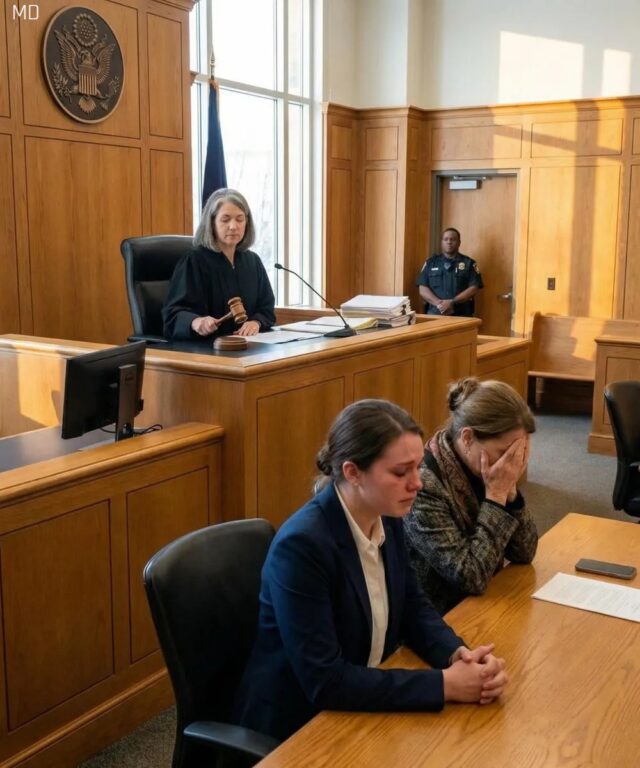
According to court filings, a federal appellate court last week declined to force a lower court judge to approve arrest warrants for five individuals connected to the protest, including Lemon. However, one appellate judge stated there was probable cause to justify.

Lemon, who has worked as an independent journalist since being fired by CNN in 2023, previously said he traveled to Minneapolis amid weeks of protests because “I believe in the Constitution and I believe, especially, in the First Amendment and that all journalists should be here if they have the opportunity.”

“The Letters He Never Shared: An Untold Story of Passion Kept Quiet, Longing Left Unspoken, Pain That Time Could Not Erase, the Crushing Weight of Loss, and the Surprising Power of Healing Found in Memory and Forgiveness”

I lost my son when he was sixteen, and from that moment, my marriage began to change in ways I didn’t yet understand. While I collapsed under the weight of grief, my husband, Sam, became quiet and contained. At the funeral, he stood still, accepting condolences with a politeness that felt distant. He didn’t cry. He didn’t speak about our son. He didn’t reach for me. I begged him to let me in, to grieve together, but he seemed unreachable.

The silence between us grew heavy. It settled into every room of our home, stretched across conversations, and slowly widened the distance between us. Within a year, our marriage ended. Sam moved out, and not long after, he remarried. Watching him build a new life felt like a betrayal, and bitterness took root. I told myself his composure meant he hadn’t felt the loss the way I had. It was easier to believe that than to face the loneliness.

For twelve years, I carried that belief with me. I visited our son’s grave regularly, holding on to grief as something familiar, even protective. When Sam died suddenly of a heart attack, I was surprised by how empty I felt—not angry, not relieved, just quiet.

A few days later, his wife, Claire, came to see me. She held a small wooden box and looked as if she hadn’t slept. She told me it was time I knew something. Inside were hundreds of letters, all written to our son.

Sam had written to him every day for twelve years.

The letters were filled with memories, apologies, and love he never found a way to speak aloud. He never sent them. He just wrote, and kept them close.

Claire told me he cried every night after the house was asleep. That his silence had never been indifference. It had been the only way he knew how to survive.

Standing there, holding those letters, I understood something far too late. Grief doesn’t always look the way we expect it to. Sometimes it is loud and breaking. Sometimes it is quiet and private. And sometimes, the deepest pain lives in the words that never get spoken at all.

Expert issues warning and reveals exactly how long Donald Trump has ‘left to live’

Some observers are openly questioning how much time he has left. Others point to his own insistence that he feels better than ever. As speculation continues, a licensed physical therapist with more than a decade of experience has publicly raised concerns about President Donald Trump’s health—comments that are now drawing widespread attention.

Health questions surrounding Donald Trump are nothing new. Throughout his political career, Trump has consistently presented himself as strong and energetic, often brushing off suggestions that his age or physical condition might be an issue. Still, as he approaches his 80th birthday on June 14, scrutiny has intensified. Trump is now the oldest individual ever sworn into the presidency, and that fact alone has kept public interest in his health alive.

The most recent round of discussion followed Trump’s appearance at the World Economic Forum in Davos, where viewers noticed visible bruising on his hands. An initial explanation suggested the marks were caused by a minor accident involving a bird, but the images sparked renewed debate online about whether there could be broader health concerns at play.

Those discussions gained further momentum after comments made by Adam James, a licensed physical therapist with 14 years of clinical experience. In a recent appearance on The David Pakman Show, James offered his professional interpretation of Trump’s public behavior and physical presentation, emphasizing that his views were based solely on observation rather than direct medical examination.

James, who posts online under the name “Epistemic Crisis,” said he has noticed what he believes may be neurological warning signs. He pointed to Trump’s gait in public appearances, describing what looks like a swinging leg motion and occasional balance issues. According to James, such patterns can sometimes indicate weakness on one side of the body, which in other contexts may be associated with stroke-like events or neurological impairment.

He also cited episodes of slurred speech, apparent confusion over certain factual details, and what he described as repetitive language patterns. In James’ view, these behaviors could suggest cognitive decline. He speculated that the symptoms resemble those seen in frontotemporal dementia, a progressive neurological condition that affects personality, decision-making, and language. James explained that this condition typically carries a life expectancy of seven to twelve years after diagnosis, though progression can vary significantly from person to person.

In Trump’s case, James suggested that the progression appears more rapid than average, leading him to speculate—controversially—that Trump could have as little as two to four years to live. He stressed that this was an estimate based on patterns he has seen in clinical practice, not a confirmed diagnosis. Trump’s medical team has not announced any diagnosis of frontotemporal dementia or any other neurological condition.

James also raised concerns about what he described as reduced impulse control, pointing to instances in which Trump has spoken publicly about sensitive or classified matters. He suggested that such behavior could be linked to changes in the frontal lobes of the brain, which are responsible for judgment and self-regulation. Additionally, he noted that age-related risks and possible chronic conditions—such as heart or kidney issues—could further complicate overall health, even with access to top-tier medical care.

It is important to note that James’ claims remain speculative. Medical professionals generally caution against diagnosing individuals without direct examination, imaging, or access to medical records. Trump himself has repeatedly stated that he feels strong and capable, and no official statement from the White House or his physicians has supported claims of serious neurological illness.

Still, the comments have fueled ongoing debate about transparency, aging leadership, and how much the public should rely on observable behavior when assessing the health of elected officials. Whether these concerns fade or intensify may depend on future medical disclosures—or the lack of them.

For now, Trump continues to project confidence about his health, while critics and commentators scrutinize every public appearance for signs that suggest otherwise.

A Vacation That Changed Everything: A Story of Resilience and Self-Respect

I had a vacation approved for months.

Everything was booked. Time off confirmed. My calendar was cleared, my bags were practically packed.

Two days before I was supposed to leave, HR fired me.

No warning. No explanation that made sense. Just a short meeting, a rehearsed tone, and a door that closed behind me faster than I could process what had happened.

When my final paycheck came through, there was no vacation pay on it. Not a single day.

I went back and checked their own policy—the one they’d made us sign, the one they loved to reference whenever it benefited them. According to their rules, approved vacation time was supposed to be paid out, even upon termination.

So I sent it to them. Calmly. Professionally. Just the policy, highlighted, with a simple message asking for clarification.

The next morning, I got a response.

Apparently, I was suddenly “on vacation.”

No apology. No acknowledgment of the firing. Just that—on vacation—as if the last 48 hours hadn’t happened.

At that point, I didn’t even argue. I just took the trip.

Halfway through it, while I was sitting by the pool trying to convince myself I wasn’t furious, my phone buzzed.

It was my manager.

“Hey,” the text read.
“Quick question. Can you just answer one thing for me?”

I stared at the screen for a long time before responding.

Because here’s the thing no one tells you when something like this happens: once you’ve been fired, the confusion doesn’t stop. It lingers. It shows up in moments when you least expect it. You keep wondering what you did wrong. Whether you missed a sign. Whether you should’ve fought harder sooner.

And then, suddenly, the people who cut you loose act like you’re still available.

I didn’t respond right away.

Instead, I scrolled back through old emails. Performance reviews. Slack messages where I’d stayed late, covered shifts, stepped in when others didn’t. Messages that ended with “Thanks so much, we couldn’t have done this without you.”

I remembered how often I’d put off trips, skipped family events, answered messages on my days off because I didn’t want to be seen as difficult. I wanted to be reliable. Dependable. The kind of employee they didn’t regret having.

And yet, two days before a vacation they’d approved months ago, I was disposable.

My phone buzzed again.

“Sorry to bother you on vacation,” my manager added, as if that made it better. “It’ll only take a second.”

That’s when something shifted.

Not dramatically. Not explosively. Just quietly.

For the first time since being fired, I realized something: they didn’t miss me. They missed the convenience of me.

They missed having someone who would answer. Someone who would fix things without complaint. Someone who would make their lives easier, even at the expense of their own peace.

I typed out a response.

Then deleted it.

Typed another.

Deleted that too.

Finally, I sent one sentence:

“Since I was terminated before this trip, I’m no longer able to assist. I hope you understand.”

That was it. No attitude. No explanation. No emotional labor.

The reply didn’t come right away.

When it did, it was short. Awkward. Carefully worded.

“Oh. Right. Okay. Enjoy your vacation.”

And for the first time since all of this started, I actually did.

I slept in without guilt. I turned my phone face-down. I let myself exist without waiting for an email or a message that needed my attention.

Somewhere between the second cup of coffee and the sound of waves hitting the shore, the anger softened into clarity.

I realized that losing that job didn’t ruin my vacation.

It saved it.

Because if I’d stayed, I would’ve kept giving more than I had. I would’ve kept shrinking myself to fit into a place that saw me as replaceable but still wanted access to my time.

They showed me exactly who they were the moment it mattered.

And I finally believed them.

When I got home, I didn’t rush into anything. I didn’t scramble to prove myself somewhere new. I took my time. Updated my résumé. Applied selectively.

And when I eventually accepted a new position, it was with a company that respected boundaries, honored written policies, and didn’t treat people like disposable resources.

But even if that hadn’t happened right away, I would still count that trip as a win.

Because sometimes, the best closure isn’t confrontation.

It’s silence.
It’s rest.
It’s realizing you don’t owe access to people who already showed you the door.

And no matter how they try to rewrite the story after the fact—
You were there. You remember what happened.

The One Thing She Wasn’t Using Anymore!

She came home tired but satisfied, arms aching from bags, mind still ticking through prices and errands. The house was quiet—too quiet—but she didn’t think much of it at first. Until she walked into the bedroom.

There, in her bed, was her husband. And beside him was a young woman—pretty, soft-looking, the kind of beauty that makes your stomach drop before your brain catches up.

For a split second, she couldn’t even breathe. Shock gave way to fury. She turned on her heel, ready to storm right back out the door and keep walking until the anger burned itself out.

“Wait,” her husband said quickly. “Before you go, please. Just listen. Let me explain how this even happened.”

She froze, one hand still on the doorframe, every instinct screaming not to believe a word of it. But curiosity—and maybe years of shared history—made her pause.

“It started on my drive home,” he said. “I saw her on the side of the road. She looked exhausted. Poor. Like someone life had been rough to for a while. I stopped and offered her a ride.”

His wife crossed her arms, saying nothing.

“She told me she hadn’t eaten all day,” he went on. “So when we got here, I warmed up that roast in the fridge. The one you said you’d get to, but never did.”

Her jaw tightened.

“Then I noticed her shoes,” he said. “They were falling apart. So I gave her that pair of yours in the closet—the ones you stopped wearing because they were ‘out of style.’”

Still no interruption.

“She was shivering,” he continued, voice almost gentle now. “So I gave her that birthday sweater. You remember—the one you never wore because you didn’t like the color.”

Her expression didn’t change, but her eyes narrowed.

“And her pants,” he added. “They were torn at the knees. So I offered her a pair of yours you haven’t fit into in years.”

He took a breath. The room felt heavy with everything unsaid.

“She thanked me,” he said. “She was about to leave when she stopped at the door, turned back, and asked me something.”

The wife finally spoke. “What did she ask?”

His voice dropped just a little.
“She asked, ‘Is there anything else your wife doesn’t use anymore?’”

There was a long silence.

The wife stared at him. Then, slowly—very slowly—the corners of her mouth lifted.

“Oh,” she said softly. “I see.”

That was the moment it clicked. The young woman hadn’t been asking about clothes. Or shoes. Or sweaters.

She’d been asking about him.

The husband swallowed. “That’s… that’s when I realized what she meant.”

For a beat, neither of them moved.

Then his wife did something unexpected.

She laughed.

Not a sharp, angry laugh. Not the kind that comes before throwing a lamp. It was quiet at first, then fuller, shaking loose years of unspoken truth. She sat down on the edge of the bed, still laughing, wiping at her eyes.

“You know,” she said finally, “for a second there, I thought this was going to be a tragedy.”

He blinked. “And now?”

“Now?” She stood, smoothing her coat. “Now I realize it’s a mirror.”

He didn’t understand.

She gestured around the room. “The clothes. The sweater. The shoes. All the things you say I don’t use anymore.” She looked at him steadily. “Funny how easy it is to notice what someone else has set aside… while forgetting why.”

She walked to the door, paused, and looked back at him one last time.

“If you feel unused,” she said calmly, “that’s a conversation we should’ve had years ago. But charity begins with honesty—not assumptions.”

Then she left the room, not in rage, not in tears, but with clarity.

Later that night, long after the house had settled back into silence, the husband sat alone and replayed every word. He thought about how comfort can quietly turn into distance. How people stop wearing things—not because they’re worthless, but because they no longer feel seen in them.

The young woman had been a stranger. But the moment had been a message.

And sometimes, the most uncomfortable question—Is there anything else you don’t use anymore?—is really asking something deeper:

Have you noticed what you’ve been taking for granted?

That question lingered long after the door closed.

Popular

My Entitled Daughter In Law Tried To Trap Me As An...

0
The complex emotional landscapes of multigenerational families frequently feature subtle, deeply hidden power dynamics where younger generations mistakenly conflate a grandparent’s unconditional love with...