Entertainment

White House Reacts After Team USA Secures Winter Olympic Gold

Team USA delivered a dramatic performance on Sunday, defeating Canada in overtime to capture its first Winter Olympic gold medal in men’s hockey since the iconic 1980 victory often referred to as the “Miracle on Ice.” The championship game, held in Milan, lived up to its historic rivalry billing, with both teams trading intense moments before Jack Hughes scored the decisive goal just over a minute into overtime. The arena erupted as American players celebrated the hard-fought win against one of their most formidable international opponents.

Hughes, who had lost a front tooth earlier in the tournament, spoke emotionally after the game, expressing pride in representing his country and gratitude for his teammates. He praised the unity and determination of the squad, acknowledging Canada’s strength while emphasizing how meaningful the victory was for the United States. The win marked a significant milestone for American hockey and reignited memories of past Olympic success, energizing fans both at the venue and across the United States.

Celebrations quickly extended beyond the ice. Supporters nationwide shared their excitement, and the White House’s official social media account joined in, posting a symbolic image referencing the long-standing sports rivalry between the two nations. The post appeared to echo a comment made by former Canadian Prime Minister Justin Trudeau during a previous international tournament, when Canada had secured a victory over the U.S. The exchange highlighted the competitive spirit that often accompanies high-profile matchups between the neighboring countries.

The rivalry between the United States and Canada in hockey has historically carried both athletic and cultural significance. In the months leading up to the Olympic final, discussions between political leaders from both nations had also drawn public attention, adding another layer of context to the matchup. Despite any off-ice commentary, the focus on Sunday remained firmly on the athletes and their performance. With the gold medal secured, Team USA’s achievement stands as a memorable chapter in Olympic history and a testament to the intensity and tradition of international hockey competition.

12 Subtle Changes People Experience as They Grow Older

Aging is a natural and meaningful stage of life, but it can sometimes bring subtle changes in behavior that go unnoticed. Over the years, habits and attitudes may shift in ways that unintentionally affect relationships. Recognizing these patterns is not about criticism—it is about awareness. With reflection and small adjustments, it becomes easier to maintain strong connections built on respect, warmth, and understanding.

One common tendency is allowing conversations to revolve mainly around health concerns. While it is completely normal to discuss personal challenges, focusing exclusively on illness can make interactions feel heavy and limit opportunities for uplifting exchanges. Similarly, frequently comparing “how things used to be” with today’s world can create distance, especially with younger generations. Sharing life experiences is valuable, but mutual respect grows best when conversations are open, curious, and free of judgment.

Another subtle shift can be persistent negativity. Constant complaints or dwelling on what is wrong may gradually drain energy from relationships. Loved ones often respond more positively to balance—acknowledging difficulties while also expressing gratitude and optimism. Imposing personal beliefs or attempting to control decisions, particularly involving children or grandchildren, can also create tension. Offering support through guidance rather than expectation fosters trust and preserves harmony within families.

Self-care plays an important role as well. Maintaining personal hygiene, dressing thoughtfully, and staying engaged with new ideas or technology all contribute to confidence and connection. Repeating the same stories too often or resisting change may unintentionally create communication gaps. Kindness, adaptability, and emotional generosity remain essential at every stage of life. Growing older does not mean becoming distant or rigid; instead, it offers an opportunity to model grace, empathy, and resilience. With self-awareness and flexibility, aging can be defined by dignity, meaningful relationships, and a continued sense of purpose.

David Hasselhoff’s Ex-Wife and Baywatch Star Dies at 61

Remembering Pamela Bach-Hasselhoff: A Life of Talent, Warmth, and Quiet Strength

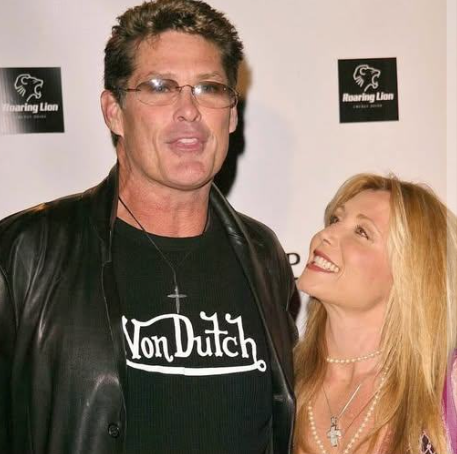
Actress Pamela Bach-Hasselhoff has passed away at the age of 61, leaving fans, colleagues, and loved ones across the entertainment world in mourning. She was found at her home in Los Angeles after family members were unable to reach her. Authorities later stated that her death appeared to be a suicide.

The news has been met with deep sadness, prompting an outpouring of tributes from those who admired her work and knew her personally.

A Career Marked by Dedication

Throughout her career, Pamela Bach-Hasselhoff built a steady presence in television and film. She was known for her natural charisma, professionalism, and ability to connect with audiences.

On set, colleagues often described her as supportive, reliable, and generous with her time. She approached her work with care and commitment, valuing collaboration and mutual respect.

Beyond roles and credits, she earned admiration for the way she treated others — with kindness, patience, and sincerity.

Remembered for Her Character

Off-screen, Pamela was known for maintaining close relationships and offering encouragement to friends and family. Those in her circle recall her sense of humor, warmth, and willingness to uplift others.

A statement shared on behalf of her former husband, David Hasselhoff, expressed deep sorrow over her passing and gratitude for the public’s support, while respectfully asking for privacy as the family grieves.

Many fans have also taken to social media to share memories, photos, and messages of appreciation, highlighting the positive impact she had on their lives.

A Broader Conversation About Mental Health

Her passing has renewed important conversations about mental health and emotional well-being.

Public success, recognition, and admiration do not always protect individuals from inner struggles. Pamela’s story is a reminder that pain is often invisible, and that compassion and attentiveness matter deeply.

Experts and advocates continue to emphasize the importance of checking in on loved ones, creating spaces for honest conversation, and reducing the stigma around asking for help.

Sometimes, a simple question — “How are you really doing?” — can open a door to healing.

A Legacy That Endures

Pamela Bach-Hasselhoff’s legacy lives on through her work, her relationships, and the many lives she touched. She will be remembered not only for her performances, but for her generosity of spirit and the care she showed to others.

Her life reflects both the beauty and complexity of being human — capable of bringing joy to many while quietly carrying personal challenges.

In honoring her memory, many are choosing to lead with empathy, patience, and understanding.

A Message of Care and Hope

If you or someone you know is struggling emotionally, you are not alone. Reaching out to a trusted friend, family member, or local support service can make a meaningful difference.

Seeking help is not a weakness. It is an act of courage.

Pamela’s life reminds us of the importance of kindness — toward others, and toward ourselves.

May she be remembered with respect, gratitude, and compassion.

I Bought My Daughter a Teddy Bear at a Flea Market – After She Died, I Discovered What She Had Hidden Inside

I always thought grief would be loud. Sirens. Shouting. Things breaking.

Instead, mine arrived quietly — in highway miles and stale coffee breath.

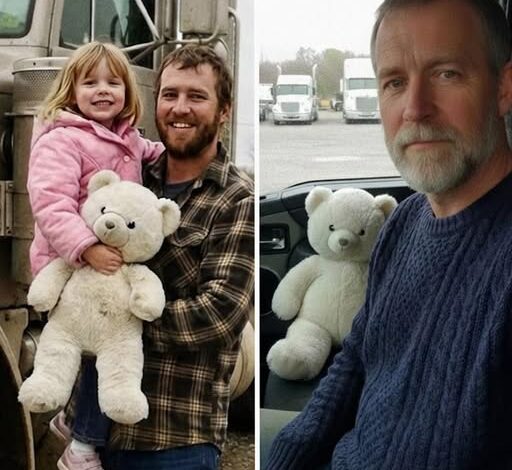
Ten years ago, I was broke, brand new to trucking, and trying to be the kind of dad who shows up with something magical. Emily was turning four. She wanted a teddy bear “as big as me.”

At a dusty flea market outside Dayton, I found him — giant, white, one eye stitched slightly higher than the other. The woman selling him, Linda, looked at my thin wallet and smiled.

“Ten bucks. Dad price.”

Emily wrapped her arms around that bear like she’d just been handed the moon. She named him Snow.

And Snow became our ritual.

Every time I left for a long haul, she dragged him to my truck, struggling under his size, and ordered, “Buckle him in.”

So I did. Seatbelt across his belly. Every time.

At night, when the cab hummed and loneliness tried to settle in my chest, that lopsided face kept it from landing fully. When I came home, Emily would sprint down the driveway, unbuckle him, and say, “See? He protected you.”

I’d tap Snow’s head and reply, “Good job, partner.”

Even when she got older — too cool, too tall, rolling her eyes — she still packed him for me. Called it dumb. But she never forgot.

Her mom, Sarah, hated the bear riding shotgun. Said it made me look childish. Like I needed a mascot to be a parent.

Truth was, I needed anything that felt like home.

Sarah and I didn’t explode. We wore thin.

I was gone. She was exhausted. Our conversations turned into logistics and invoices. By the time Emily was twelve, the divorce papers were signed.

But Emily never stopped handing me Snow before every trip. Quietly. Like a treaty between two houses.

Then cancer arrived the year she turned thirteen.

It started with bruises that didn’t make sense. Then fatigue. Then hospital ceilings and IV poles. Emily named hers “R2-Drip2.”

She hated pity. Cracked jokes at nurses. Made us all laugh when we didn’t want to.

One night, under buzzing hallway lights, she squeezed my hand and said, “Promise you’ll keep driving.”

I tried to argue. She stared me down.

“Promise, Dad.”

So I promised.

Two weeks later, she was gone.

And that promise felt like it was welded to my ribs.

After the funeral, I did something I’m ashamed of. I started stuffing her things into black trash bags.

Clothes. Drawings. Glitter pens.

Sarah walked in and saw them by the door. “What are you doing?” she asked.

“Surviving,” I snapped.

She looked at me like I’d just set fire to the house. “You’re throwing her away.”

We yelled. She left. We didn’t speak again except for paperwork.

The only thing I couldn’t throw out was Snow.

Maybe because he didn’t smell like her.

Snow went back into the truck. Buckled in.

Years blurred into highways and motel curtains. I told people I was fine. I could still laugh. That was enough for them.

Last week, packing for a Colorado run, I panicked because the passenger seat was empty.

I found Snow buried in my closet behind blankets. Like I’d misplaced my grief.

When I lifted him, I heard it.

A small, brittle crack.

I felt along his back and found a seam barely open. Inside, something hard.

I cut the stitches slowly. Pulled out stuffing until I found an envelope and a tiny voice recorder taped shut.

The envelope was in Sarah’s handwriting.

The recorder had Emily’s messy label: “FOR DAD.”

I sat at my kitchen table staring at it like it might explode.

Then I pressed play.

Static.

And then—

“Hi, Daddy.”

Her voice hit me like cold water.

She giggled. “If you’re listening, you found it. Good job.”

I covered my mouth but the sound that came out of me was animal.

Then I heard Sarah’s voice behind her. “Keep going, Em.”

Emily said, “Mom helped me hide this inside Snow. Because Dad is bad at surprises.”

I could hear Sarah trying not to cry.

Emily’s tone shifted, softer.

“I need you to be okay even if I’m not.”

The air left my lungs.

She said she buried a box for me in my yard. By the old maple tree. Where we played baseball.

Then her voice faded into static.

Right before it cut out, she said, “Keep driving. Don’t get stuck. When you find the box, you’ll know.”

There was a final burst of static. Then Sarah’s voice, just for a second:

“Jake, if you ever hear this, I’m sorry. I didn’t send it because after the funeral you—”

Silence swallowed the rest.

I opened the envelope.

Sarah explained everything. Emily had hidden the recorder months before she died. Made Sarah swear not to tell me. Sarah planned to mail it after the funeral — until she saw the trash bags.

“She was afraid you’d throw it away,” she wrote.

She gave directions to the buried box.

I went outside without a coat. The maple tree stood bare against the sky.

I dug like I was chasing my daughter’s voice through the dirt.

When the shovel hit plastic, my hands shook.

Inside the box were Polaroids. And a letter.

The first photo was me asleep on the couch, mouth open. On the border she’d written, “Dad snores like a bear.”

Another was us clinking milkshakes at a diner.

Another showed Snow buckled into my truck.

Near the bottom was Emily in a hospital bed, bald and grinning, holding Snow up.

On the border she’d written: “Still magic.”

Her letter said, “Dad. If you found this, you are still here. Good.”

She told me I was a good father even when I doubted it.

Then she wrote, “Tell Mom you’re not mad. She cries in the car.”

That line broke something open in me.

I wasn’t angry anymore.

I was ashamed.

I called Sarah.

When she answered, her voice was guarded. “Hello?”

“It’s Jake,” I said. “I found it.”

There was a sharp inhale.

“You found Emily’s photos,” she whispered.

“She told me to tell you I’m not mad.”

Sarah made a sound I can’t describe. Half sob. Half relief.

She told me the rest.

Emily had started taking Polaroids after she overheard me crying alone in a parking lot.

“Dad acts tough,” she told her mom, “but he breaks easy.”

So she built proof. For my worst day.

I packed Snow into the truck and drove to Sarah’s house.

When she opened the door, we just stood there.

She touched Snow’s ear and whispered, “She loved you so much.”

“I’m sorry for the bags,” I said.

“I’m sorry for the silence,” she replied.

And for the first time since the funeral, we cried together.

Snow is buckled in beside me again.

The seam is stitched, but you can still see where it opened.

And every time I hear that first crackle of static — “Hi, Daddy” — I remember the promise.

Keep driving.

Don’t get stuck.

If you could give one piece of advice to anyone in this story, what would it be?

From beaten and bruised to one of the brightest stars in the world

He used to sit quietly in the corner of the studio while his mother worked.

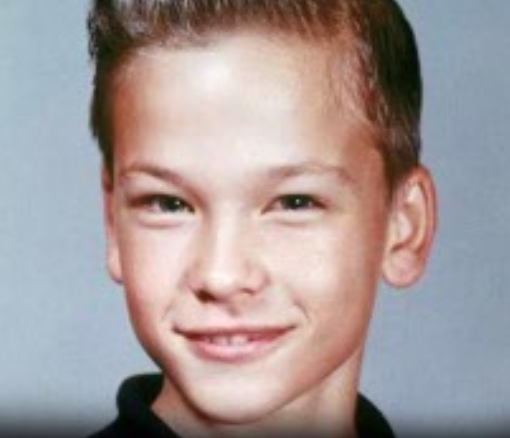
There were no babysitters in his childhood. If Patsy was choreographing, he was there — watching, listening, absorbing every movement. While other boys spent afternoons trading baseball cards, he was memorizing counts, stretching his legs, and studying the rhythm of music echoing through a dance hall in Houston.

He was born on August 18, 1952. From the beginning, there was something restless and electric about him. His father, Jesse, worked as a draftsman at a chemical plant. His mother founded the Houston Jazz Ballet Company. Between engineering precision and artistic discipline, he grew up in a house where structure and creativity coexisted.

And he wanted all of it.

“He wanted to do everything,” his mother once said. “He was a skater, a swimmer, involved in all the Little League sports, baseball, football, studied dancing every day, he played the violin, sang in the school choir, did the leads in the school plays from junior high up. I guess you could call him hyper, but he just has to be busy all the time.”

Busy wasn’t the problem.

Different was.

In Texas during the 1960s, a boy carrying ballet shoes and a violin didn’t blend in. He stood out — and not always in a good way.

His brother later recalled one painful moment to Biography: “He had his dance shoes in one hand and a violin in the other and these three boys were waiting for him. They said something to the effect of ‘Hey, twinkle your toes for us, pretty boy.’”

The teasing didn’t stop at words. There were bruises. There were fights. There were days he came home battered but silent.

His father had his own rule: “If I ever see you start a fight, I’ll kick your [expletive]. And if I ever see you not finish a fight, I’ll kick your [expletive].”

It was harsh, but it was meant to teach him resilience. His mother had her own brand of fierce loyalty. She once told him to take his ballet shoes and “beat the snuff” out of anyone who mocked him. And according to family stories, he did confront his tormentors one by one in a gym with boxing gloves — and the bullying slowed.

Strength, in his house, meant more than muscles. It meant not apologizing for who you were.

As a teenager, he was as serious about football as he was about dance. A scholarship seemed possible — until a knee injury ended that dream. At the time, it felt devastating. In hindsight, it may have redirected his destiny.

He poured himself into dance and gymnastics instead. By 20, he moved to New York to train at the Harkness Ballet and Joffrey Ballet schools. He worked relentlessly. Talent had always been there — but discipline sharpened it.

Then came Hollywood.

In 1983, he appeared in The Outsiders under the direction of Francis Ford Coppola, alongside a young Tom Cruise. Roles in Red Dawn and Youngblood followed. But in 1987, everything changed.

Dirty Dancing made him a global icon.

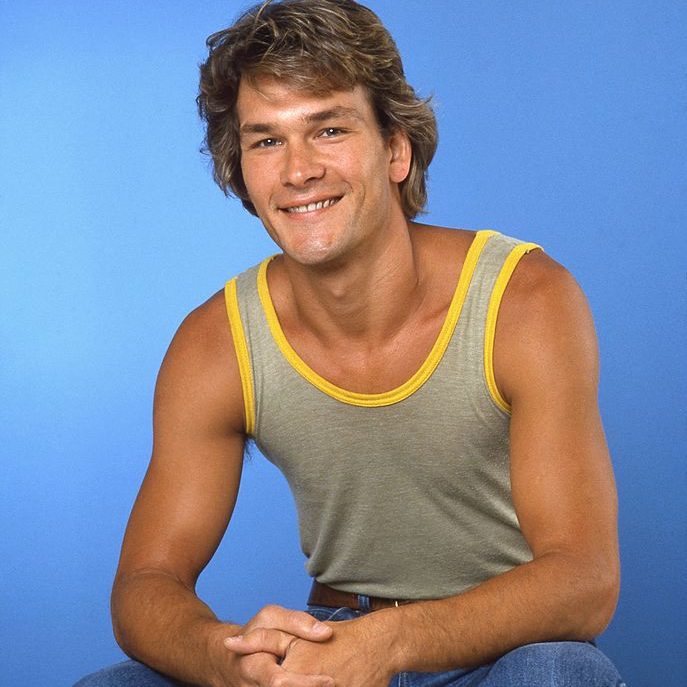
Patrick Swayze — the boy who had once been mocked for dancing — became the embodiment of masculine grace and intensity. Johnny Castle wasn’t just a role; he was proof that strength and artistry could exist in the same body.

But fame didn’t silence his private battles.

He had met his wife, Lisa Niemi, when he was 18 and she was 14, in his mother’s dance studio. Their love story lasted decades — steady, grounded, real. They longed for children. In 1990, they thought that dream was finally coming true. Instead, they left a doctor’s appointment grieving a pregnancy that never continued.

They tried again. It never happened.

The loss carved something deep inside him.

Fame added pressure he hadn’t expected. “Trying to deal with fame, I got stupid and drank too much,” he admitted to People in 2007. Alcohol became a shield against insecurity and grief

And loss kept coming.

His father died in 1982. His sister Vicky died years later. “Her death changed my life,” he told The Daily Mail. “It was hard not to feel responsible… I started to feel like I was cursed.”

Behind the confident smile and iconic dance lifts was a man wrestling with guilt, identity, and the weight of expectations.

Yet he kept working. Kept performing. Kept fighting.

In 2008, he was diagnosed with pancreatic cancer. Even then, he approached it with the same stubborn resilience that once pushed him through schoolyard taunts. He continued filming, giving interviews, refusing to collapse under the label of “victim.”

Patrick Swayze died on September 14, 2009.

But the bullies who once mocked him? By the 1980s, they had long fallen silent. The boy they teased had become one of the brightest stars in the world.

His story isn’t just about Hollywood success. It’s about a child who carried ballet shoes in one hand and bruises in the other — and chose not to put either down.

It’s about staying loyal to what sets you apart.

Because sometimes the very thing they mock you for is the thing that makes you unforgettable.

The Symbolism Carried by Gold Star License Plates

Most license plates are created solely to identify a vehicle, blending into everyday traffic without drawing attention. Some plates, however, carry symbols that hold deep meaning. Among the most significant is the gold star.

This symbol is not decorative, nor is it used in a vague symbolic sense. It represents profound loss, enduring honor, and a family’s sacrifice. A gold star license plate identifies the driver as an immediate family member of a U.S. service member who died while serving in the military. It stands as a quiet, respectful acknowledgment of devotion and remembrance, visible not to seek attention but to honor a life given in service.

he gold star tradition traces its origins to World War I, when families searched for meaningful ways to show public support for loved ones serving overseas. In 1917, Army Captain Robert L. Queisser designed what became known as the Blue Star Service Banner to represent his sons on active duty.

The idea spread rapidly, and homes across the country displayed banners with blue stars hanging in their windows as a sign of support. When a service member died, the blue star was replaced with a gold one, turning the banner into a symbol of loss, honor, and gratitude from the nation.

That same year, the gold star received formal recognition. Woodrow Wilson authorized mothers who had lost sons in combat to wear black armbands bearing gold stars. This gesture acknowledged the depth of their sacrifice and helped establish the gold star as a powerful and lasting emblem of military loss.

As time passed, families who shared this painful experience sought connection and community. Their collective strength led to the formation of American Gold Star Mothers, Inc. in 1928. The organization continues to support grieving families, advocate for veterans, and foster unity among those who carry this profound form of loss.

In 1936, United States Congress designated the last Sunday of September as Gold Star Mother’s Day, a day meant to honor mothers who lost children in military service. Over time, the observance expanded to include all Gold Star families, acknowledging spouses, siblings, and children who carry this heavy burden.

Today, many states issue gold star license plates to eligible family members. These plates accompany people through daily commutes, errands, and quiet moments on the road, serving as continual reminders of sacrifice and love. They are more than identification markers. They are symbols of remembrance, strength, and enduring commitment. Each gold star represents a life given in service and a family reshaped forever by loss.

Every plate carries a story. Every star honors someone who wore a uniform and gave everything. And for those who recognize the symbol, seeing it becomes a moment of reflection—an acknowledgment that freedom carries a cost felt deeply by real families, every single day.

This photo has never been edited – take a closer look and try not to gasp when you learn the surprising detail

The film Perfect had all the ingredients for success—a star-studded cast, a respected director, a hefty budget, and a subject that tapped into the fitness craze of the 1980s. Yet, despite all these elements, it became one of Hollywood’s biggest flops, leaving audiences and critics alike baffled.

John Travolta and Jamie Lee Curtis were at the height of their careers when they were cast in Perfect in 1985. Travolta had already solidified his status as a cultural icon with hits like Saturday Night Fever and Grease, while Curtis had carved a niche for herself as both a horror queen and a rising A-list actress. Columbia Pictures poured a whopping $20 million into the production, an enormous sum for the time. With James Bridges directing—best known for The China Syndrome—expectations were high. Yet, upon its release, the film struggled at the box office, earning only $12.9 million worldwide.

Adding insult to injury, Perfect was nominated for three Golden Raspberry Awards, including Worst Actor (Travolta), Worst Supporting Actress (Marilu Henner), and Worst Screenplay. It even received a nod for Worst Picture at the infamous Stinkers Bad Movie Awards. The film, which followed journalist Adam Lawrence (Travolta) as he investigated fitness clubs and fell for aerobics instructor Jessie Wilson (Curtis), was intended to capture the pulse of a fitness-obsessed generation. Instead, it became a textbook case of how a film can go terribly wrong.

Many critics were baffled by the execution. The film was filled with awkward creative choices, from overly stylized workout sequences to questionable dialogue. Travolta’s revealing gym shorts became an unintentional talking point, and the aerobic class sequences—which involved an excessive number of pelvic thrusts—bordered on comical. For some, it was impossible to take the film seriously. The New York Times summed it up by saying that Perfect was “one of the most unintentionally campy films of the decade.”

The film’s soundtrack also contributed to its peculiar energy. Featuring songs from Whitney Houston, Jermaine Jackson, Berlin, and Wham!, it amplified the neon-lit, overly sexualized aesthetic of the film, making it feel more like a long, sweaty music video than a compelling drama. Critics noted the film’s “weird gay vibe” due to the lingering close-ups of chiseled, glistening bodies in skin-tight leotards. Variety delivered one of the harshest verdicts, stating: “On any level, Perfect is an embarrassment and unlikely to satisfy any audience.”

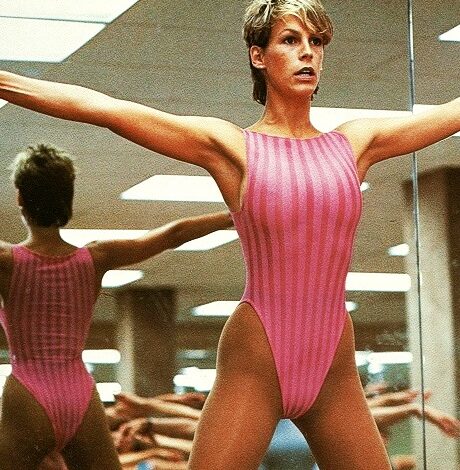
One of the film’s more surprising details was Jamie Lee Curtis’s physical transformation for the role. As a committed actress, she trained extensively to embody Jessie Wilson, the ultimate aerobics instructor. Prior to filming, she dedicated herself to months of rigorous training, reducing her diet to just one meal a day. By the time she filmed the final aerobics scene for the credits, she had lost 10 pounds of muscle. Curtis even participated in a music video with Jermaine Jackson to help promote the film. Despite her dedication, Perfect failed to deliver the career boost she had anticipated.

John Travolta, on the other hand, remained surprisingly unbothered by the film’s failure. While Perfect was a box office disaster that temporarily derailed his career, he never expressed regret about taking on the role. For him, the opportunity to work with James Bridges again and the friendships formed on set made the experience worthwhile. However, critics weren’t as forgiving. Many remarked that the film felt like nothing more than “a bunch of scenes of Jamie Lee Curtis and John Travolta working out.”

Following the failure of Perfect, Travolta took an extended break from Hollywood, not returning to the big screen until 1989 with The Experts and Look Who’s Talking. This marked one of the longest gaps in his career, showing just how much of an impact Perfect had on his trajectory.

The production of Perfect was also plagued with delays. Initially planned as an 81-day shoot, it ended up taking a staggering 140 days to complete. Jamie Lee Curtis, accustomed to fast-paced low-budget productions, was vocal about her frustration with the extended timeline. In a 1984 interview with The Boston Globe, she quipped: “This hasn’t been the fastest production I’ve ever worked on. We could probably have shot every movie I’ve ever made in the time it’s taken to do this one.”

One of the more fascinating aspects of Perfect was the inclusion of Jann Wenner, the real-life co-founder and editor of Rolling Stone magazine. Playing Travolta’s editor, Wenner went through a full screen test before landing the role. He insisted that the film was “dead-on accurate” in its portrayal of Rolling Stone’s journalistic process. However, Perfect didn’t do much to enhance the magazine’s reputation, as the film’s over-the-top fitness scenes overshadowed its journalistic themes.

For Curtis, Perfect had a deeper meaning. She viewed the film’s title not as a reference to physical fitness but as a symbol of personal freedom. “There is no such thing as being perfect,” she explained in an interview. “Perfection is the right that people have to be whatever they want to be.” While the film’s message may have resonated with Curtis, it was ultimately overshadowed by its most infamous aspect—the aerobics sequences.

The workout scenes in Perfect became notorious for their suggestive choreography. Curtis’s leotard-clad, hip-thrusting routines were seen as overly provocative, bordering on erotic. In retrospect, Curtis admitted she was deeply uncomfortable with how these scenes were handled. “They’re supposed to be substitute love scenes,” she explained in a 1984 interview. “But in a way, the scenes are almost more pornographic than if I were naked.”

When she asked for the sequences to be toned down, she was told they already had been. Her disappointment reflected a larger issue in Hollywood, where female performances were often sexualized beyond the actor’s control. Curtis would later negotiate for more say in her roles, ultimately moving away from projects that required nudity or exploitative scenes.

Despite Perfect’s disastrous reception, it has since gained cult status. John Wilson’s The Official Razzie Movie Guide listed it as one of “The 100 Most Enjoyably Bad Movies Ever Made.” Even acclaimed director Quentin Tarantino had a soft spot for the film, calling it “greatly under-appreciated” and praising Curtis’s performance.

Curtis herself has since embraced the film’s infamous legacy. In a hilarious moment on The Tonight Show, she teamed up with Jimmy Fallon to recreate the iconic aerobics scene. Dressed in her signature leotard, Curtis led Fallon through an exaggerated, thrust-heavy workout routine. The segment featured absurd antics, from Fallon releasing a dove from his shorts to Curtis dramatically sipping champagne mid-routine. It was a perfect (no pun intended) reminder that even the most critically panned films can have a lasting impact.

Looking back, Perfect may not be a cinematic masterpiece, but it’s far more interesting than its reputation suggests. Travolta and Curtis brought undeniable charisma to their roles, and the film captured a very specific moment in 1980s pop culture. While Curtis’s aerobics scenes may have been a source of regret, they remain unforgettable—cementing Perfect as an enduring piece of Hollywood history.

What do you think? Should Perfect be re-evaluated as a cult classic, or does it deserve its reputation as one of the biggest misfires in Hollywood?

When I Returned from the Hospital with Our Newborn, My Husband Had Changed the Locks – Twenty Hours Later, He Showed Up, Pounding and Screaming

I had waited a long time to become a mother. Not the dramatic, movie-montage kind of waiting—just the quiet kind, the kind where you smile at baby announcements and tell yourself someday, over and over, until the word starts to feel fragile.

Raymond and I talked about it late at night, whispering like the dream might vanish if we said it too loudly. When it finally happened, I was both terrified and euphoric.

Pregnancy was hard on me. Bone-deep tiredness. Ached joints. Swollen feet. Ray tried to be steady for both of us. He downloaded apps, read articles, talked to my belly when he thought I wasn’t listening.

“This kid’s already tougher than both of us,” he’d say.

We planned everything carefully. He promised he’d take time off work, promised I wouldn’t be alone. I clung to that promise when labor left me exhausted and stitched and overwhelmed.

So two days later, standing on our front porch with my newborn daughter in my arms, the locked door didn’t just confuse me.

It broke me.

The key wouldn’t turn. I tried again. And again. Ray’s car was in the driveway. The house looked normal. Too normal.

I knocked gently. Then harder.

Footsteps.

“Ray?” I called. “The key isn’t working.”

Silence. Then his voice, muffled.

“Penelope… please just go.”

I laughed at first, because it made no sense. “Go where? Ray, I just gave birth. Open the door.”

“I need space. Please don’t make this harder.”

Space. With a two-day-old baby.

I heard noises inside. Tools, maybe. Something scraping.

“Go to your sister’s,” he said. “Please.”

My hands shook as I turned away. I believed, in that moment, that my marriage was over.

Vanessa took one look at me and went nuclear. She talked about lawyers and illegality and rage. But something didn’t fit. Ray had been there in the hospital. Crying. Holding our daughter like she was glass.

“This doesn’t add up,” I whispered.

I didn’t sleep that night. Every time my daughter woke to nurse, I stared at the ceiling wondering how a man I trusted could become a stranger overnight.

By morning, I’d decided. I’d go back, pack my things, and figure out how to do this alone.

That’s when the pounding started.

Ray’s voice cracked through the door. “Penny! Please. It’s life or death.”

Vanessa blocked him, furious. He looked wrecked—paint in his hair, dust on his jeans, panic carved into his face.

“Ten minutes,” I said. “That’s all you get.”

The drive was silent. There was a new car seat in the back. Paint under his fingernails.

When he opened the front door, I stopped breathing.

Fresh paint. Soft lighting. A rug I’d never seen. The bathroom had handrails. Our bedroom had blackout curtains and a bassinet.

And then the nursery.

It wasn’t perfect in a showroom way. It was perfect in a us way.

A rocking chair. Books. Stuffed animals. Soft colors. Above the crib, hand-painted words: Welcome, Little One.

I cried so hard my knees shook.

He told me everything at the kitchen table, voice breaking. About seeing a window when I had to stay longer in the hospital. About feeling useless. About wanting to give me rest, safety, something solid after everything my body had given.

“I panicked,” he said. “I thought if you saw the mess, it would ruin it. I didn’t think about how it would feel to be locked out.”

“I thought you abandoned us,” I whispered.

“I know,” he said. “And I hate myself for that.”

Vanessa showed up later, sheepish and smiling. She’d known. She’d helped sell the performance.

When I asked Ray why he said it was life or death, he didn’t hesitate.

“Because I didn’t know who I was supposed to be yet,” he said. “And I was terrified of failing you both.”

I looked at him holding our daughter, swaying gently.

“You scared me,” I said.

“I know. I’m so sorry.”

And for the first time since bringing our baby home, I felt steady. Not because everything was perfect—but because we were finally standing in the same place, together.

Hillary Clinton Issues Strong Statement After New Attention on Files

Hillary Clinton Calls for Full Transparency in Epstein Records Dispute

In a renewed and highly public exchange, Hillary Clinton has criticized former President Donald Trump, accusing his administration of delaying the release of key documents connected to Jeffrey.

Speaking to BBC while attending an international forum in Berlin, Clinton framed the issue as one of transparency, fairness, and public accountability.

Her remarks come amid heightened scrutiny over recently released materials tied to Epstein’s estate and investigations, which continue to raise questions about the scope of his associations with powerful figures.
“Get the Files Out”

During the interview, Clinton accused the Trump administration of delaying disclosures.

“Get the files out,” she said. “They are slow-walking it.”

She suggested that political motivations may be influencing how information is released, arguing that renewed attention toward her family was being used as a distraction.

“Look at this shiny object,” she said. “We’re going to have the Clintons — even Hillary Clinton, who never met the guy.”

Clinton has repeatedly stated that she never met Epstein and had no involvement in his activities. She also emphasized that neither she nor her husband has been accused of wrongdoing by survivors.

“We have nothing to hide,” she said. “We have called for the full release of these files repeatedly. Sunlight is the best disinfectant.”
Recent Release of Records

The United States Department of Justice has recently released large volumes of material connected to Epstein and related investigations.

These include:

Flight logs

Contact lists

Deposition transcripts

Internal correspondence

Officials and legal experts have stressed that appearing in such documents does not imply misconduct. Epstein maintained broad social and professional networks that included politicians, business leaders, academics, and entertainers.

Both Trump and Bill Clinton are named in publicly available records due to past social interactions with Epstein.
Bill Clinton’s Past Connections

Public records show that Bill Clinton had contact with Epstein in the 1990s and early 2000s.

After leaving office, Clinton traveled on Epstein’s private jet for several foundation-related trips. His representatives have said he was unaware of Jeffries criminal behavior at the time and cut ties well before Epstein’s later arrest.

No evidence has been presented linking those trips to criminal activity.

Hillary Clinton has reiterated that neither she nor her husband knew of Epstein’s crimes during their association.

Encounters With Ghislaine Maxwell
Clinton has also acknowledged that she met Ghislaine Maxwell “a few times” in social settings.

Maxwell was convicted in 2022 for her role in recruiting and grooming underage girls for Epstein.

Clinton has said her interactions with Maxwell were limited and not indicative of any close relationship.
Congressional Oversight

As part of ongoing congressional review, both Clintons have agreed to testify before the House Oversight Committee.

Hillary Clinton is scheduled to appear first, followed by Bill Clinton. The hearings follow criticism from committee chair James Comer, who had earlier suggested delays in testimony signaled resistance.

A planned contempt vote was dropped after formal agreements to testify were reached.

Clinton has said she is willing to participate, but favors public hearings.

“We will show up,” she said. “It should be in public.”
Trump’s Response

Trump responded by denying any wrongdoing.

“I have nothing to hide,” he told reporters. “I have nothing to do with Jeffrey.”

He has acknowledged knowing Epstein socially in the past but says they later fell out.

He also dismissed Clinton’s remarks as politically motivated.

The White House defended its handling of records, citing document releases and cooperation with congressional inquiries.
Politics, Evidence, and Public Trust

The exchange highlights how the Epstein case continues to shape American political debate years after his death in 2019.

Because Epstein’s network crossed political and social boundaries, scrutiny has affected figures from both major parties. Legal analysts consistently emphasize that:

Social contact does not equal criminal involvement

Documentation requires careful context

Conclusions must rest on evidence

At the same time, critics argue that document releases have been slow and incomplete. Officials respond that privacy protections, legal reviews, and verification processes affect timelines.
A Broader Question of Accountability

Beyond partisan disagreement, Clinton framed the issue as one of institutional integrity.

“I just want it to be fair,” she said. “I want everybody treated the same way.”

Her remarks reflect broader public concern over whether powerful individuals face equal scrutiny under the law.

The Epstein case has become a symbol of those anxieties, raising questions about how justice operates when wealth and influence are involved.
An Ongoing National Debate

As congressional hearings move forward and additional records are reviewed, the Epstein case remains a sensitive and unresolved chapter in public life.

For Clinton, the issue is both political and personal, shaped by decades of scrutiny.

For Trump, it represents another arena of longstanding political rivalry.

At its core, the dispute centers on three principles:

Transparency

Accountability

Fairness

Whether future disclosures will satisfy public demand for clarity remains uncertain.

For now, the debate serves as a reminder that the search for truth in complex cases requires patience, restraint, and commitment to verified facts — not assumptions.

As Clinton stated:

“Sunlight is the best disinfectant.”

Whether that sunlight brings full understanding is a question still unfolding.

Credits: BBCNEWS

The House Without Snow and the Secret It Hid-

Snow fell steadily across the neighborhood, softening every shape it touched. Cars disappeared beneath white layers. Trees bowed under the weight. Rooftops slowly vanished into winter.

All except one.

In the middle of the street, a single house remained bare — dark shingles exposed, no frost settling, no snow holding. At first, neighbors brushed it off as a strange effect of wind or insulation. But as hours passed and the snowfall thickened, the roof stayed warm and clear.

Curiosity gave way to unease.

People knew that in winter, heat escaping through a roof can mean more than comfort. Eventually, a few residents decided it was worth reporting — not with accusation, but with concern.

When authorities inspected the property, the reason became simple and quiet.

Inside was an illegal indoor cannabis grow operation. Powerful lights and heating systems designed to keep plants thriving had warmed the building enough to melt every flake of snow on contact. What looked like an odd winter detail was, in fact, a signal of something hidden.

Police later explained this had become a recognizable pattern during cold seasons. Snow doesn’t lie easily. Where warmth appears out of place, it often points to heavy energy use — sometimes from unlawful setups that otherwise blend into ordinary homes.

While the Netherlands allows limited personal cannabis cultivation, large unlicensed operations remain illegal. The house had crossed that line.

The owner now faces the consequences — not because of snow, but because of choices.

The incident wasn’t about clever detection or dramatic exposure.

It was about attention.

Communities noticing when something quietly doesn’t fit. Authorities responding without spectacle. And the reminder that even in places known for tolerance, boundaries still exist to protect safety and order.

Sometimes the truth doesn’t announce itself loudly.

Sometimes it simply melts the snow.

Popular

PRAYERS ARE NEEDED FOR KURT RUSSELL!!

0
Kurt Russell, one of Hollywood’s most respected and beloved actors, has captivated audiences for decades with his charisma, versatility, and memorable performances. From his...