Entertainment

A 73-Year-Old ‘I Love Lucy’ Episode Wasn’t Allowed to Use This Unlikely Word

I Love Lucy fans, unite!

Seventy-three years ago to this day, a landmark episode aired that would arguably change the landscape of network television forever.

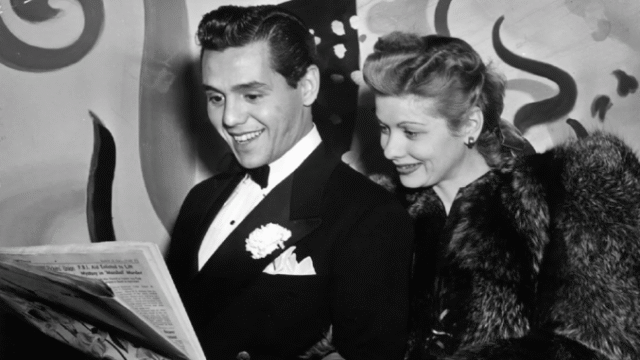
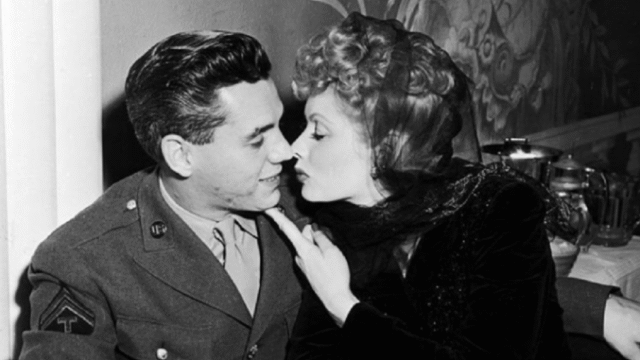
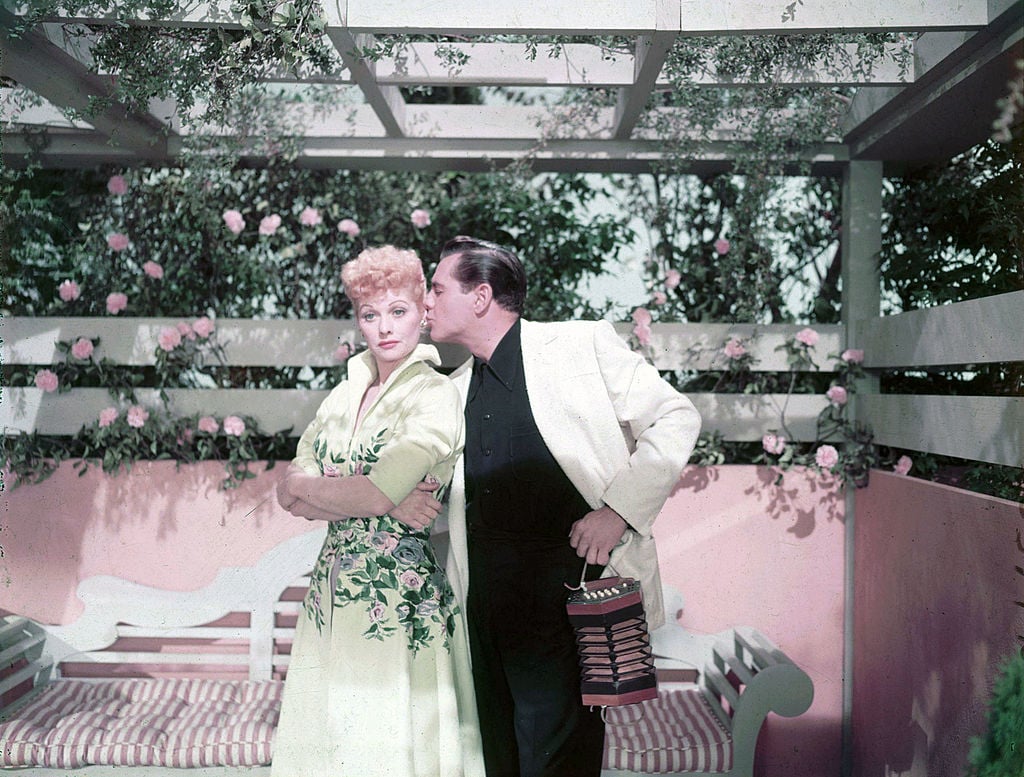
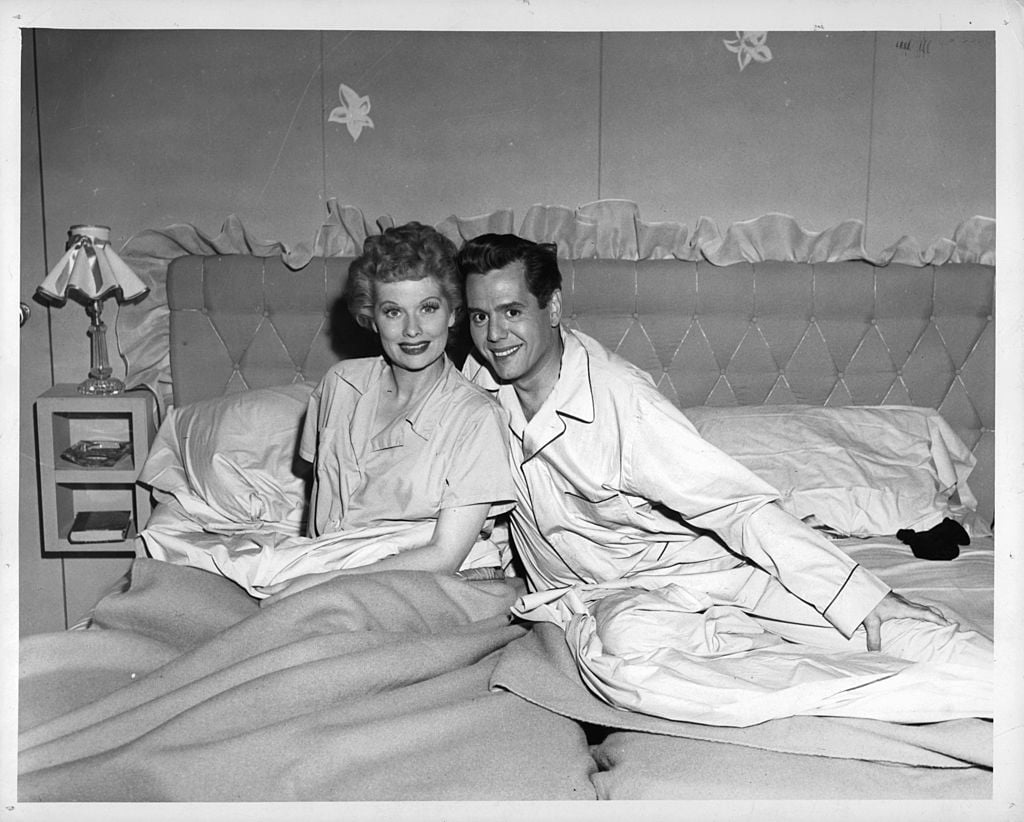
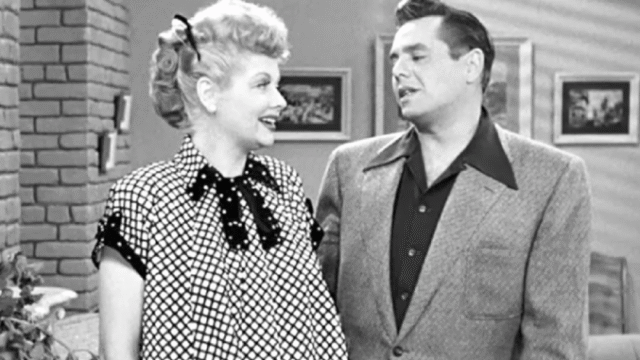
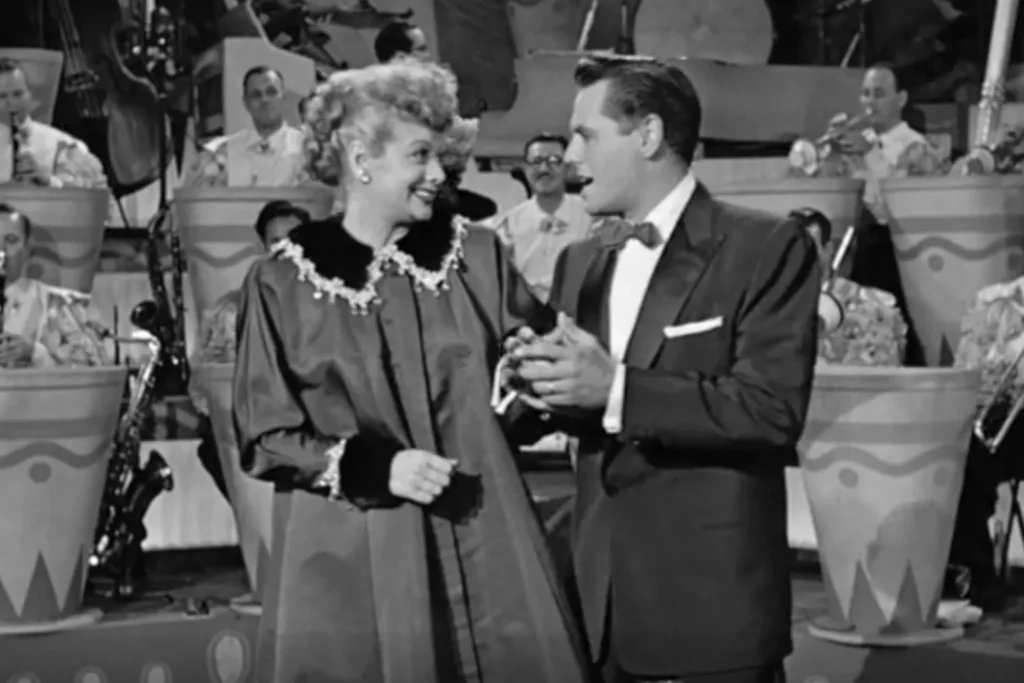
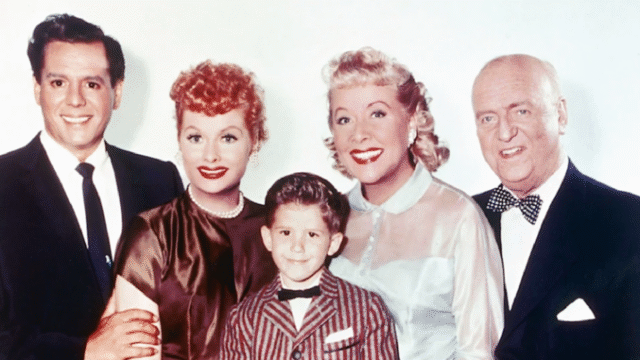
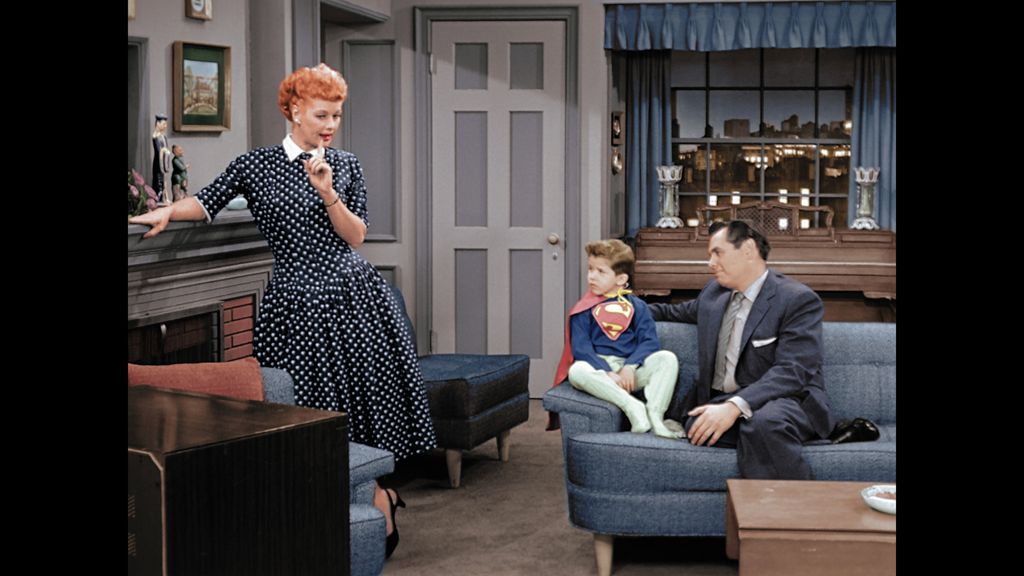
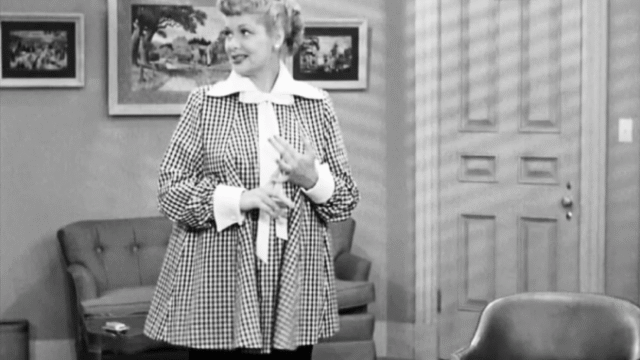
On Dec. 8, 1952, I Love Lucy aired “Lucy Is Enceinte,” marking the first time that a pregnancy was acknowledged on TV — as the eponymous Lucy Ricardo (Lucille Ball) revealed her real-life pregnancy to husband Ricky (Desi Arnaz).

The kicker? The beloved stars had to navigate TV censors at the time — so if you go back and watch, they used words like “expecting” to circumvent such strict regulations. It’s hard to believe the word “pregnant” was too controversial to be allowed on the small screen!

And you’ll notice the episode’s title uses the French word for “pregnant” — “enceinte” — also to make the end result work for CBS.

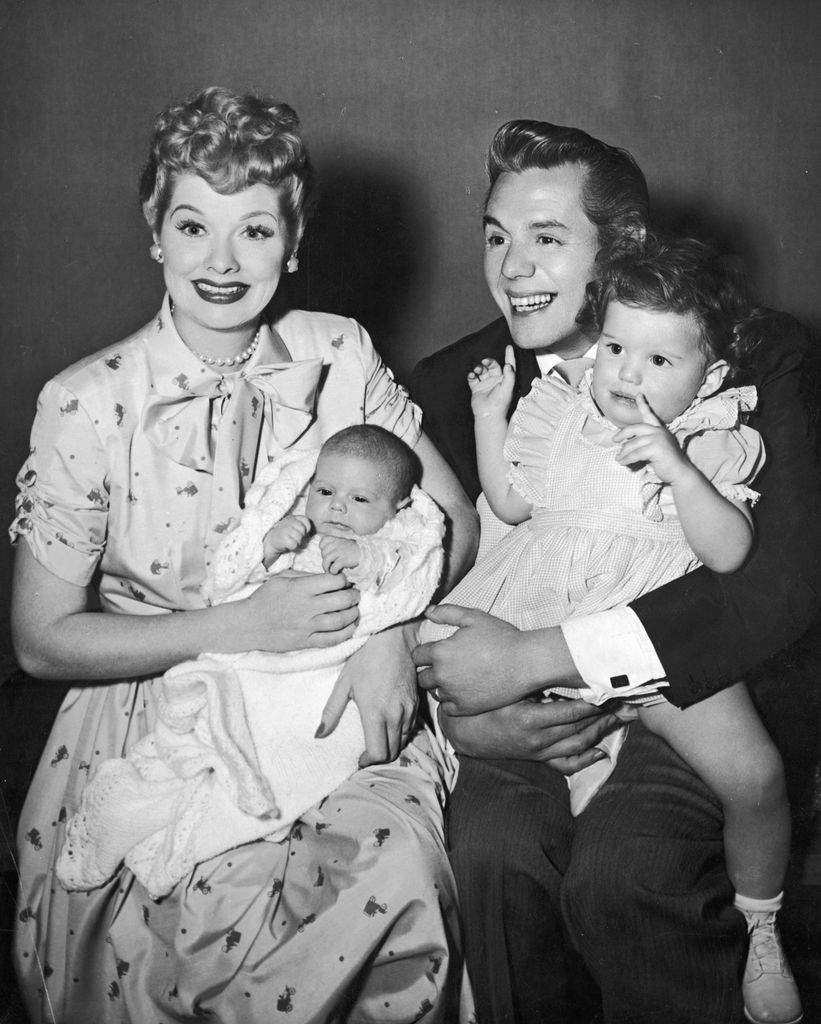
In 1952, Ball had become pregnant with her second child. In the historic, now-73-year-old episode, Lucy learns she’s pregnant and tries to figure out how to tell Ricky. It was filmed while Ball was five months pregnant. The tears shed by Ball and Arnaz were real, according to media reports.

And at the end of the day, Ball became the first pregnant woman to play a pregnant woman on TV. It’s clear, then, that this airing was deemed a landmark episode in more ways that one.

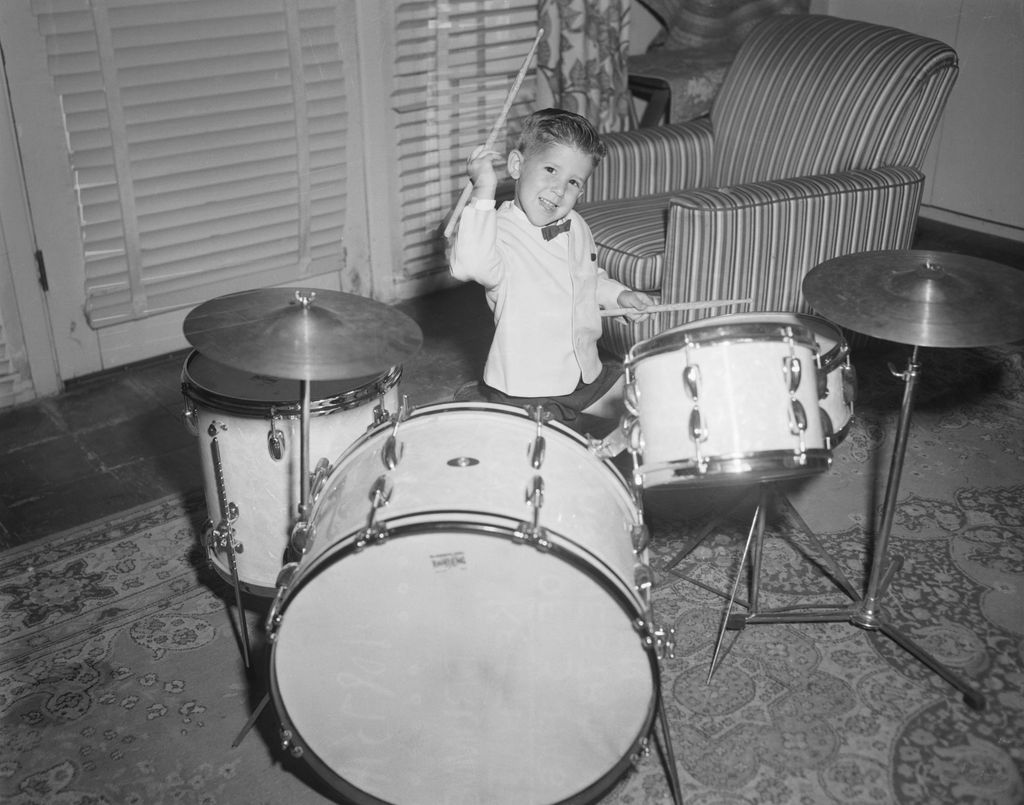
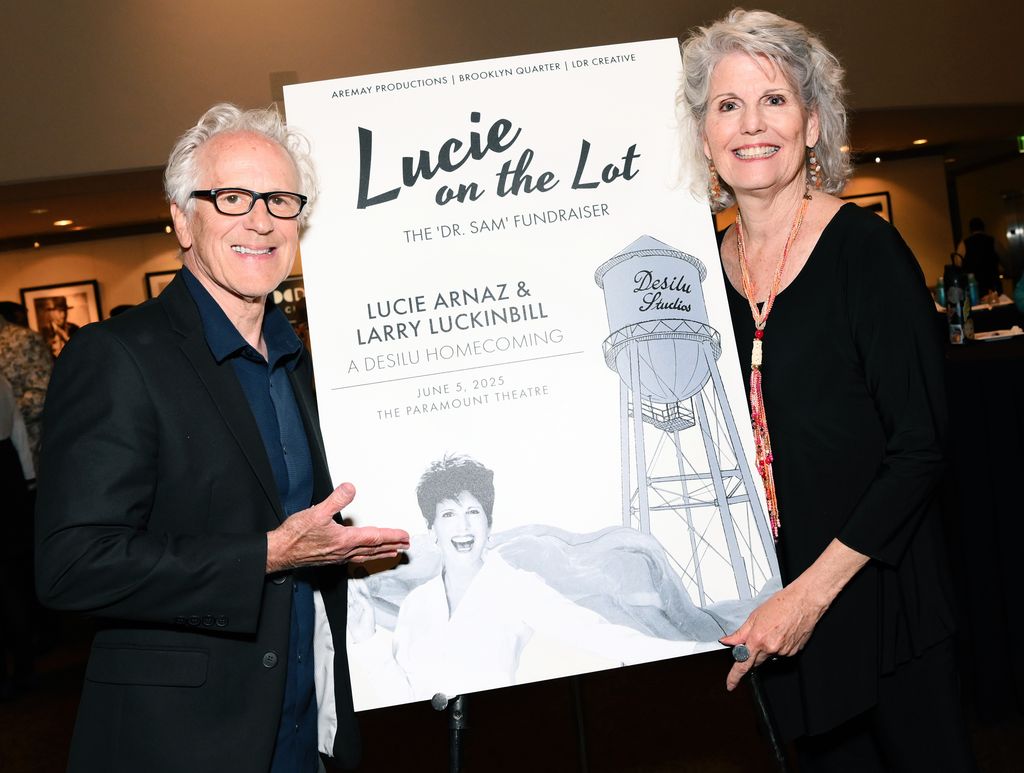
The iconic sitcom made headlines this fall when another one of its stars, Keith Thibodeaux, marked his 49th wedding anniversary to wife Kathy Thibodeaux. Keith, 75 — the former child actor who played Little Ricky Ricardo — posted a photo to Instagram that showed him posing for a selfie with his wife in a restaurant.

The performer captioned the post to commemorate the 49 years since his wedding to the ballet dancer, 69. “Happy anniversary to us 49 years !!! …how time flies!” Keith wrote. “God is so good to us, and has been, and will be!”

‘I Love Lucy’: Vivian Vance’s Contract Demanded She Weigh 10 Pounds More Than Lucille Ball

‘I Love Lucy’ reportedly had it in Vivian Vance’s contract that she be heavier than Lucille Ball at all times.

One of the classic shows that made a mark on American culture was I Love Lucy. Everyone loved Lucille Ball’s comedic genius. She worked hard to bring her character to life, which took a physical toll.

Her fellow cast members helped to make the show remarkable as well. Vivian Vance was Ball’s best friend both on and off the set. However, her weight was a running gag throughout the show. There is even speculation that she had to gain some pounds due to her contract.

‘I Love Lucy’ is a classic sitcom

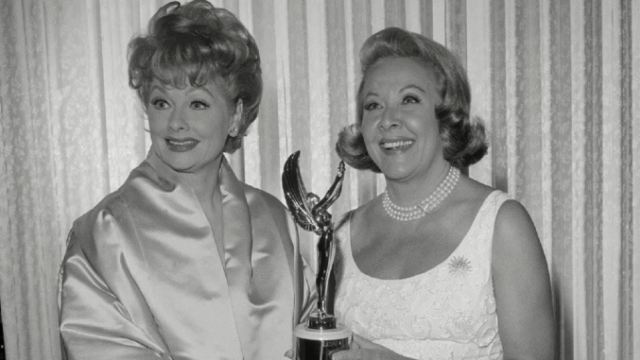
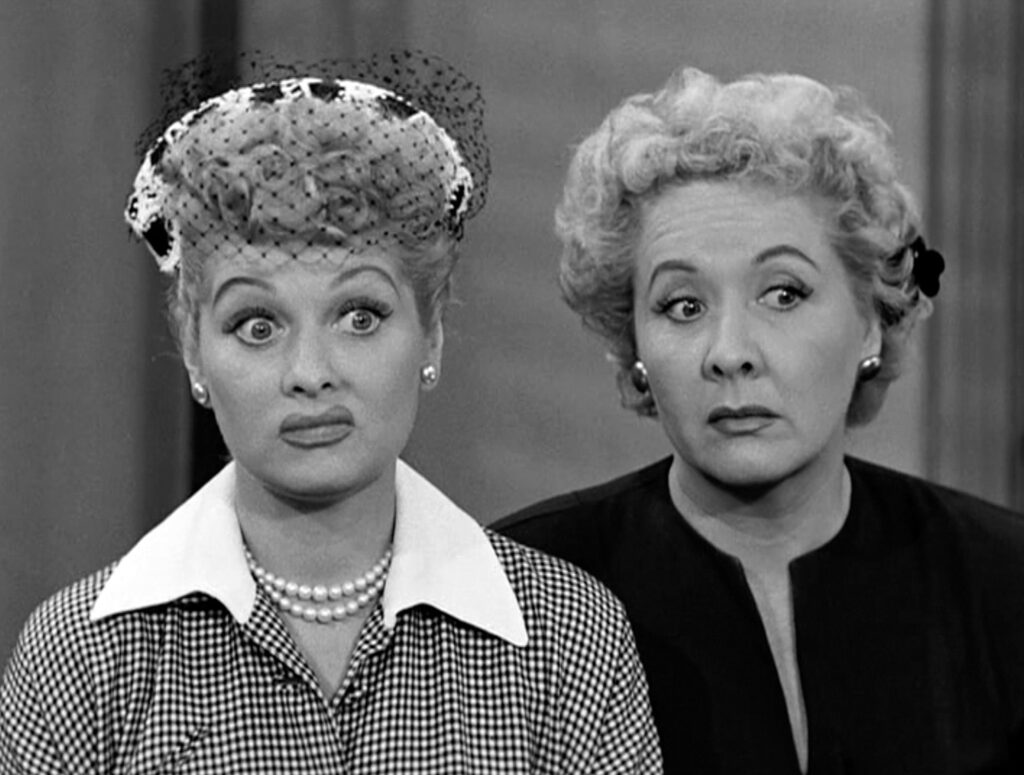
Lucille Ball, left, and Vivian Vance in a scene from ‘I Love Lucy’ | CBS Photo Archive/Getty Images

I Love Lucy is a classic television series from the 1950s. It became one of the highest-rated shows in the country. It obtained millions of viewers during its run, which lasted six seasons. The show starred Ball as Lucy and Vance as Ethel.

The show is a sitcom that takes place in an apartment in New York City. The plot centers around Lucy Ricardo and her husband, Ricky Ricardo. Her friends are Fred Mertz and Ethel Mertz. Lucy is an ambitious character and has a tendency to get herself and others into trouble.

Vivian Vance performed in theater

Vance moved to New Mexico to find work as an actress. She performed her first show at the Albuquerque Little Theater. She appeared in a few plays before finding success on I Love Lucy. The actress became a dynamic duo with Ball while filming.

Vance and Ball went on to star in The Lucy Show. However, Vance had to leave the show after a few seasons. She had to make long commutes, and Ball refused to accept Vance’s contract demands. Although both actresses were crushed, they remained on friendly terms.

The show made jokes about her weight

What some fans may not know is that Ball had a methodical approach to the comedy on the show. She never allowed other cast members to improvise any of the scenes. The actors had to repeat the lines the same way and maintain their energy for each rehearsal.

Of course, the strict approach benefited the show. Pretty much all the jokes that people hear got planned ahead of time, which includes the punchlines that revolve around Vance’s weight. Some of the characters make comments about her size.

In the episode “The One-Million Dollar Idea,” Ricky says that Ethel is a growing girl after seeing her eating some leftovers. Ethel’s husband agrees but adds that she is growing sideways. Similar punchlines frequently appeared throughout the show.

Vivian Vance may have had to gain weight

Ball had a specific appearance in mind while she oversaw the auditions for Ethel. Since the character is the landlady in the show, Ball wanted the chosen actress to look the part. Vance needed to be “dumpy” as well as have peroxide-blonde hair. Vance readily complied with her requests.

After she landed the role, rumors suggest that Vance’s contract told her to gain weight. According to House Beautiful, Vance mentioned that she had to weigh about 10 pounds more than Ball. However, there is no official confirmation on whether this is true or not.

Perhaps, the producers had her gain wait for the frequent punchlines in the show. Since Ball imagined a certain look, it is possible that weight gain was a requirement. It also Is likely that Vance was making a joke.

Regardless of whether Vance had to weigh more than her costar, she and Ball had a tight bond. They became fast friends and had great chemistry. They were as close as their characters were onscreen.

At one point, their friendship got tested when the two were getting a divorce around the same time. Still, the actresses remained good friends over the years.

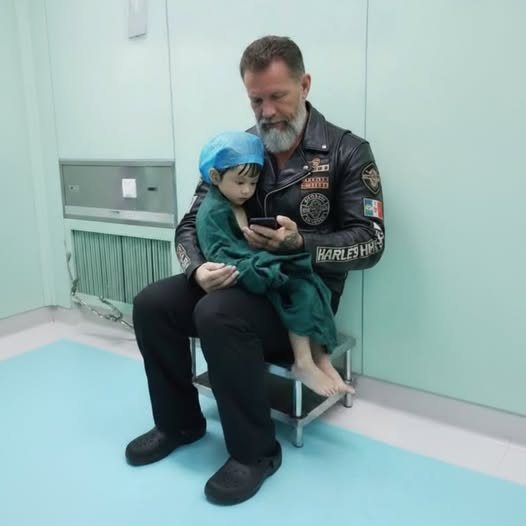
My dying son asked the scary biker in the hospital waiting room to hold him instead of me. I’m his mother!

My dying son asked the scary biker in the hospital waiting room to hold him instead of me. I’m his mother. I’ve held him through every fever, every nightmare, every pain for six years.

I’ll never forget that moment as long as I live.

We’d been at Children’s Hospital for eleven hours that day. Liam was seven years old and had been fighting leukemia for two years. We’d done everything. Chemo. Radiation. Experimental treatments. Prayers. Bargaining with God. Nothing worked.

The doctors had told me that morning it was time. Time to take him home. Time to say goodbye. Time to stop fighting and start letting go.

I wasn’t ready. I’ll never be ready. But Liam was so tired. So sick of being poked and prodded and tested. He just wanted to go home.

We were waiting for his final discharge papers when Liam saw him. This massive man, probably six-foot-three, full beard going gray, leather vest with patches and pins and an American flag. Tattoos covering both arms. Harley-Davidson across his sleeve.

He looked exactly like the kind of person I’d been taught to fear my whole life.

Liam stared at him for a long time. Then he tugged my sleeve. “Mama, can I talk to that man?”

My heart clenched. “Sweetie, he’s busy. Let’s not bother him.”

But Liam was insistent. He’d been so weak all day, barely able to walk, but suddenly he had energy. “Please, Mama. I need to talk to him.”

The biker must have heard us because he looked up. Our eyes met.

The biker’s expression changed. Softened. He stood up and walked over, and I instinctively pulled Liam’s wheelchair closer to me.

He knelt down so he was at Liam’s eye level. “Hey there, buddy. I’m Mike. What’s your name?”

Liam’s face lit up. “I’m Liam. Are you a real biker?”

Mike smiled. “I sure am. I ride a Harley. Been riding for thirty years.”

“That’s so cool.” Liam’s voice was getting weaker but his eyes were bright. “My daddy wanted to ride motorcycles. Before he died.”

Mike’s smile faded. “I’m sorry about your daddy, Liam.”

“It’s okay. He’s in heaven. I’m going to see him soon.” Liam said it so matter-of-factly. Like he was talking about going to the grocery store.

I started crying. I couldn’t help it. I’d been holding it together all day but hearing my baby talk about dying so casually broke something in me.

Mike looked up at me. His eyes were kind. Understanding. “I’m so sorry, ma’am.”

I nodded, unable to speak.

Liam reached out and touched one of Mike’s patches. “What’s this one?”

“That’s my club patch. I ride with a group of veterans. We do toy runs for kids and help out families who need it.”

“You help kids?” Liam’s face was full of wonder.

“We try to, buddy. Kids like you are our heroes.”

Liam was quiet for a moment. Then he said something that stopped my heart. “Can you hold me? Just for a minute? I’m really tired and Mama’s been holding me all day and her arms hurt.”

My arms didn’t hurt. I would have held him forever. But I understood what he was really asking.

He wanted to be held by someone who reminded him of his daddy. His daddy who died in Afghanistan when Liam was three. His daddy who wore uniforms and had tattoos and was big and strong and made him feel safe.

Mike looked at me, asking permission. I nodded, tears streaming down my face.

Mike scooped Liam up like he weighed nothing. Liam was tiny, maybe forty pounds, wasted away from the cancer. Mike sat down in one of the waiting room chairs and settled Liam on his lap, wrapping his big arms around my little boy.

Liam laid his head on Mike’s chest. “You smell like my daddy. Like outside and leather and motorcycles.”

Mike’s voice was thick. “Your daddy was a good man, Liam. A hero.”

“I know. Mama tells me all the time.” Liam closed his eyes. “Will you show me pictures of your motorcycle?”

Mike pulled out his phone with one hand, keeping the other arm wrapped around Liam. He started showing him photos. His bike. His rides. His brothers in the club. Liam asked questions about every picture.

Other people in the waiting room were staring. I could see the judgment in some of their eyes. Why was I letting this rough-looking stranger hold my sick child?

But I also saw others who understood. A nurse who smiled and nodded at me. An elderly man who gave me a thumbs up. A young mother who mouthed “that’s beautiful” across the room.

After about ten minutes, Liam’s questions got slower. His voice got softer. He was falling asleep.

Mike just held him. Didn’t complain. Didn’t try to hand him back. Just held my dying son like he was the most precious thing in the world.

I sat down next to them. “Thank you,” I whispered. “You have no idea what this means.”

Mike looked at me and his eyes were wet. “I have three kids of my own. Grandkids too. If my boy was sick and needed comfort from a stranger, I’d hope that stranger would be kind.”

“What are you here for?” I asked. “If you don’t mind me asking.”

“My daughter’s having her second baby. I’m waiting to meet my new granddaughter.” He smiled. “It’s a good day for me. I know it’s not a good day for you. I’m sorry about that.”

“It’s been a good day too, in its own way,” I said. “We’re taking him home. He gets to sleep in his own bed tonight. See his dog. Eat his favorite foods. He’s been asking to go home for weeks.”

Mike nodded. “Home is important. Especially at the end.”

We sat in silence for a while. Liam was fully asleep now, his mouth open slightly, breathing steadily for the first time all day.

“He never sleeps this peacefully anymore,” I told Mike. “He’s in too much pain. But right now he looks peaceful.”

“He feels safe,” Mike said simply. “That’s all kids want. To feel safe.”

A nurse came over with our discharge papers. She saw Liam sleeping in Mike’s arms and smiled. “He looks comfortable. Do you want me to come back?”

“No, it’s okay.” I started signing the papers. Instructions for end-of-life care. Hospice information. Pain medication protocols. All the things you never want to sign for your seven-year-old.

Mike watched me sign. “You’re the strongest person I’ve met in a long time.”

I shook my head. “I’m not strong. I’m falling apart.”

“Strength isn’t not falling apart. Strength is falling apart and still showing up for your kid. Still signing papers. Still taking him home to give him the best last days you can. That’s real strength.”

I finished signing and the nurse left. I looked at Mike. “I should take him. You’ve been holding him for twenty minutes. Your arms must be tired.”

“I’m good,” Mike said. “Let him sleep a bit more. When’s the last time he slept without pain?”

“Months,” I admitted. “The pain medication helps but it never goes away completely.”

“Then let him have this. For as long as he needs.”

We sat there for another fifteen minutes. Mike showed me pictures of his family. His wife of thirty-five years. His three kids. His five grandkids. His motorcycle club and all the charity work they do.

“We do a toy run every Christmas,” he said. “We collect toys and deliver them to kids in hospitals and shelters. Last year we had 200 bikers and raised $50,000 worth of toys.”

“That’s incredible,” I said. “People don’t know that about bikers. They just see the leather and the tattoos and think the worst.”

“I know. We’re used to it. But we don’t do it for recognition. We do it because it’s right.”

Liam stirred in his arms. “Mama?”

“I’m right here, baby.”

He opened his eyes and looked up at Mike. “Thank you for holding me, Mr. Mike. You’re a good person.”

Mike’s face crumpled. “You’re a good person too, Liam. The best person I’ve met in a long time.”

Liam smiled. Then he looked at me. “Mama, can Mr. Mike come visit us? At home?”

I looked at Mike. He nodded immediately. “I’d be honored, buddy.”

I gave Mike our address and phone number. “We live about thirty minutes from here. You’re welcome anytime. Truly.”

Mike carefully transferred Liam back into his wheelchair. Liam hugged him around the neck. “Will you bring your motorcycle?”

“Absolutely. I’ll even give you a ride if your mama says it’s okay.”

Liam looked at me with such hope. “Can I, Mama? Please?”

Every parental instinct in me wanted to say no. It wasn’t safe. He was too sick. What if something happened?

But then I realized—what was I protecting him from? He was dying. Safety didn’t matter anymore. Joy mattered. Memories mattered. Giving him every experience he wanted in the time he had left mattered.

“Yes, baby. You can ride on Mr. Mike’s motorcycle.”

Liam’s smile was the brightest thing I’d seen in months.

Mike came to our house three days later. He rode up on his Harley and Liam heard it from his bedroom. “Mama! Mama! He came! Mr. Mike came!”

I helped Liam out to the front porch. He was weaker than he’d been at the hospital. The doctors said we had maybe a week left. Maybe less.

Mike had brought his whole motorcycle club. Fifteen bikers on fifteen motorcycles. All of them with patches and vests and beards and tattoos. All of them looking rough and tough and intimidating.

All of them crying when they saw Liam.

“We heard our brother Mike made a friend,” one of them said. “We wanted to meet you, Liam.”

They’d brought gifts. Toy motorcycles. A leather vest sized for a seven-year-old with patches that said “Honorary Member.” A certificate making Liam an official member of their club.

Liam was overwhelmed. “This is the best day ever.”

Mike knelt down. “You ready for that ride, buddy?”

“Yes!”

Mike looked at me. “I’ll go slow. Just around the block. I’ve got a special helmet for him and I’ll hold him the whole time.”

I helped Liam into the little helmet. Mike lifted him onto the motorcycle and settled him in front, wrapping his arms around him protectively.

The other fourteen bikers formed an escort. Seven in front, seven behind. Making sure nothing could touch Liam.

They rode around our block at maybe ten miles an hour. Liam’s arms were outstretched like he was flying. I could hear his laughter even over the sound of the engines.

They did three loops. By the third loop, our neighbors had come out to watch. Some of them were crying. Everyone knew Liam was dying. Everyone knew what this meant.

When they came back, Liam was glowing. “Mama! Mama! Did you see me? I was riding a real motorcycle! I was flying!”

“I saw you, baby. You looked so cool.”

Mike carried Liam inside and laid him on the couch. Liam was exhausted but happy. “That was the best thing I ever did.”

The bikers stayed for two hours. They sat with Liam. Told him stories. Showed him their bikes. Treated him like he was one of them.

When they left, Mike hugged me. “Thank you for letting us give him that. It meant the world to all of us.”

“You gave him more than a motorcycle ride,” I said. “You gave him joy. You gave him dignity. You gave him something to be excited about in a life that hasn’t had much excitement lately.”

“Call me if you need anything. Anything at all. My brothers and I, we’re here for you.”

Liam died four days later. Early morning. Peaceful. In his own bed like he wanted.

I called Mike. I didn’t know who else to call. My family was there but I needed someone who understood. Someone who’d seen Liam happy in those final days.

Mike answered on the first ring. “I’m so sorry. We’ll be there.”

The funeral was small. Just family and a few friends. But in the parking lot were thirty motorcycles. Mike’s entire club plus clubs from three other counties.

They didn’t come inside. They said they didn’t want to intrude. But they formed a line outside the funeral home. Standing at attention. Honoring a seven-year-old boy they barely knew because that’s what brothers do.

After the service, they escorted us to the cemetery. Thirty motorcycles riding slowly behind the hearse. The sound of the engines was like thunder. Like a tribute. Like a promise that Liam wouldn’t be forgotten.

At the cemetery, Mike came up to me. He handed me a folded flag. “This is from our club. It flew on my bike during our last veteran’s ride. We want Liam to have it. He was one of us.”

I broke down completely. Mike held me while I sobbed. This stranger who’d become family in less than two weeks.

“He loved you,” I told Mike. “In those last days, he talked about you constantly. About the ride. About how you held him. About how you made him feel brave.”

“He was brave,” Mike said. “Braver than any of us. It was an honor to know him.”

That was eight months ago. Mike and his club still check on me. They helped me fix my car when it broke down. They brought food when I couldn’t get out of bed. They invited me to their toy run and let me help distribute gifts to kids at the children’s hospital.

The same hospital where my son asked a scary biker to hold him.

I learned something important through all of this. You can’t judge people by how they look. The scariest-looking man in that waiting room turned out to be the kindest. The most compassionate. The most understanding.

Mike gave my son joy in his final days. He gave him dignity. He gave him an experience most dying kids never get. And he gave me hope that there are still good people in this world.

People who stop what they’re doing to hold a stranger’s dying child.

People who bring their entire brotherhood to honor a seven-year-old boy.

People who look scary but have the softest hearts you’ll ever find.

I keep the leather vest they gave Liam hanging in his room. I keep the certificate on his wall. And I keep Mike’s number in my phone under “Family.”

Because that’s what he is now. That’s what all of them are.

My son’s dying wish was to be held by a biker. And that biker held him with more love and gentleness than I ever thought possible from a stranger.

Never judge a book by its cover. Never assume you know someone’s heart by looking at their appearance. And never underestimate the kindness that can come from the most unexpected places.

Thank you, Mike. Thank you to all the bikers who showed up for my son. You made his last days beautiful. And you taught me what real brotherhood looks like.

It looks like leather and chrome and tattoos. And underneath all that, it looks like love.

The teacher asked the children

The teacher asked the children in the Sunday School class,
“If I sold my house and my car, had a big garage sale and gave all my money to the church, would I get into Heaven?”

“NO!” the children all answered.

“If I cleaned the church every day, mowed the yard, and kept everything neat and tidy, would I get into Heaven?”

Again, the answer was, “NO!”

“Well,” the teacher continued, “then how can I get to Heaven?”

In the back of the room, a 5 year old boy shouted out, “You gotta be dead.”

================================
One day in a language school in Australia.
Teacher: “All right, now I`d like you to make a sentence using the words GREEN, PINK and YELLOW. Who`d like to try?”

A student raised his hand. It was Kukoya from Japan.

Kukoya: “Early this morning, I looked out the window, I saw the GREEN grass and PINK roses in the garden. I went outside and I feel the warm YELLOW sunlight around me.”

Teacher: “Not bad. Okay, who`s next?”

Another student raised his hand. It was Weng from Singapore.

Weng: “I try! I try. Can aaah?”

Teacher “No, no, not you”

Weng: “Aaaiiyaaa… let me try lah… I can do lah… you think I`m stupid meeeh..?”

Teacher: “Okay.. go ahead”

Weng: “This morning I heard the phone GREEEEEN…GREEEEEN… I PINK it up and I said YELLOOOOW?”

================================
My daughter hates school.
One weekend, she cried and fretted and tried every excuse not to go back on Monday.

Sunday morning on the way home from brunch, the crying and whining built to a crescendo.

At the end of my rope, I finally stopped the car and explained, “Honey, it’s a law. If you don’t go to school, they’ll put daddy in jail.”

She looked at me, thought for a moment, then asked, “How long would you have to stay?”

================================
Two old men, Abe and Sol, sit on a park bench feeding pigeons and talking about baseball.
Abe turns to Sol and asks, “Do you think there’s baseball in Heaven?”

Sol thinks about it for a minute and replies, “I dunno. But let’s make a deal — if I die first, I’ll come back and tell you if there’s baseball in Heaven, and if you die first, you do the same.”

They shake on it and sadly, a few months later, poor Abe passes on. Soon afterward, Sol sits in the park feeding the pigeons by himself and hears a voice whisper, “Sol… Sol… .”

Sol responds, “Abe! Is that you?”

“Yes it is, Sol,” whispers Abe’s ghost.

Sol, still amazed, asks, “So, is there baseball in Heaven?”

“Well,” says Abe, “I’ve got good news and bad news.”

“Gimme the good news first,” says Sol.

Abe says, “Well, there is baseball in Heaven.”

Sol says, “That’s great! What news could be bad enough to ruin that?”

Abe sighs and whispers, “You’re pitching on Friday.”

BREAKING NEWS – Maximum worldwide alert! The war begins! See more

In the early hours of the day, governments across multiple continents issued an extraordinary global alert, triggering an immediate wave of concern and speculation. Headlines moved fast, social feeds filled with alarm, and the word “war” began circulating with unsettling speed. Officials were quick to clarify the situation: no formal declaration of war has been made. What prompted the alert was not a single event, but a convergence of escalating tensions, fractured diplomacy, and visible military posturing that has pushed the international system into a fragile and potentially volatile moment.

According to security briefings released by several nations, the alert reflects a heightened state of readiness rather than an announcement of imminent conflict. Intelligence agencies have been tracking a series of developments that, taken together, raise the risk of miscalculation. These include troop movements near contested borders, suspended ceasefire agreements, aggressive military exercises, cyber incidents targeting critical infrastructure, and the collapse of key diplomatic negotiations that once acted as stabilizing buffers.

For weeks, behind closed doors, diplomats attempted to de-escalate disputes that have been simmering for years. Those efforts have stalled. In some cases, talks ended abruptly. In others, negotiators walked away without agreements, leaving unresolved issues to fester. Analysts describe the current climate as one in which trust has eroded so deeply that even routine actions are now interpreted as threats. In such an environment, the margin for error narrows dangerously.

Military experts emphasize that global alerts of this scale are rare and not issued lightly. They are designed to synchronize awareness among allied nations, reinforce communication channels, and ensure that civilian authorities, humanitarian organizations, and emergency systems are prepared for a range of possible scenarios. This includes not only armed conflict, but also secondary consequences such as refugee displacement, economic disruption, energy shortages, and cyber instability.

International organizations have responded with urgency. Emergency sessions have been convened, and statements released calling for restraint, transparency, and renewed dialogue. Leaders have been reminded that escalation often begins not with intent, but with misinterpretation. A single incident, misunderstood or mishandled, can spiral rapidly when tensions are already high. For this reason, diplomatic backchannels remain active, even as public rhetoric grows sharper.

Humanitarian agencies are watching developments closely. While no large-scale civilian impact has been confirmed, contingency planning is underway. Aid groups are assessing supply chains, regional vulnerabilities, and access routes should conditions deteriorate. Their concern is not hypothetical. History has shown that when diplomacy fails, it is ordinary people who bear the heaviest cost—families uprooted, livelihoods destroyed, and communities plunged into uncertainty.

Governments have urged citizens to remain calm and rely on verified information from official sources. The warning comes amid a surge of misinformation and sensational claims circulating online. False reports of troop deployments, fabricated videos, and exaggerated timelines have contributed to public anxiety. Authorities stress that reacting to unconfirmed reports can amplify fear and create unnecessary instability at a moment when clarity and discipline are essential.

Economists note that even without open conflict, the mere perception of instability has immediate consequences. Markets have reacted with volatility, commodity prices have fluctuated, and investors are reassessing risk. Energy sectors, shipping routes, and supply chains are particularly sensitive to geopolitical tension, and even small disruptions can ripple globally. The alert, while precautionary, reflects an understanding that modern conflict is not confined to battlefields. Its effects reach homes, wallets, and daily routines far from any front line.

At the heart of the situation lies a broader truth: the global order is under strain. Power balances are shifting, alliances are being tested, and long-standing rules are increasingly challenged. Some analysts argue that the current moment represents a crossroads—either a reset through renewed cooperation or a slide toward deeper fragmentation. Which path emerges will depend on decisions made not just by one nation, but by many, often under intense domestic and international pressure.

Despite the gravity of the alert, officials continue to emphasize that diplomacy has not been exhausted. Channels remain open. Conversations are ongoing, sometimes quietly, sometimes tensely. The purpose of the alert, they say, is to prevent surprise, not provoke panic; to prepare systems, not inflame emotions. It is a recognition that the world is interconnected, and instability in one region can quickly affect many others.

For citizens watching events unfold, the sense of unease is understandable. Memories of past conflicts, sudden escalations, and promises that “nothing will happen” linger in public consciousness. Yet experts caution against fatalism. History also offers examples where moments of extreme tension were defused through deliberate restraint and dialogue, precisely because leaders understood what was at stake.

As days ahead unfold, the world remains in a holding pattern—alert, watchful, and uncertain. This is not yet the beginning of war, but it is a reminder of how close the edges can feel when trust erodes and communication falters. Whether this moment becomes a turning point toward renewed stability or a step toward deeper conflict will depend on restraint, clarity, and the willingness of leaders to prioritize long-term consequences over short-term posturing.

For now, the message from global authorities is consistent and deliberate: stay informed, stay calm, and understand that preparedness does not equal inevitability. The alert is a signal of risk, not destiny. In a world where decisions made in hours can shape decades, the coming days will matter more than most.

Little girl who calls me daddy isn’t mine but I show up every morning to walk her to school.

Little girl who calls me daddy isn’t mine but I show up every morning to walk her to school. Her real father is in prison for killing her mother. I’m just the biker who heard her crying behind a dumpster three years ago when she was five years old.

Every morning at 7 AM, I park my Harley two houses down from where she lives with her grandmother. I walk up to the door in my leather vest covered in patches, and eight-year-old Keisha runs out and jumps into my arms like I’m the most important person in the world.

“Daddy Mike!” she screams, wrapping her small arms around my neck. Her grandmother, Mrs. Washington, always stands in the doorway with tears in her eyes. She knows I’m not Keisha’s father. Keisha knows it too. But we all pretend because it’s the only thing keeping this little girl from completely falling apart.

Three years ago, I was taking a shortcut behind a shopping center when I heard a child crying. Not normal crying. The kind of crying that makes your soul hurt. I found her sitting next to a dumpster in a princess dress covered in blood. Her mother’s blood.

“My daddy hurt my mommy,” she kept saying. “My daddy hurt my mommy and she won’t wake up.”

I called 911 and stayed with her. Held her while she shook. Gave her my leather jacket to keep warm. Told her everything would be okay even though I knew it wouldn’t be. Her mother died that night. Her father got life in prison. And this little girl had nobody except a seventy-year-old grandmother who could barely walk.

The social worker at the hospital asked if I was family. I said no. Just the guy who found her. But Keisha wouldn’t let go of my hand. Wouldn’t stop calling me “the angel man.” Kept asking when I was coming back.

I wasn’t planning to come back. I’m fifty-seven years old. Never had kids. Never wanted them. Been riding solo for thirty years. But something about the way she held my hand, like I was her lifeline, broke something inside me.

So I went back the next day. And the next. And the next. Started visiting her at her grandmother’s house. Started showing up for her school events. Started being the one stable male figure in her life who didn’t hurt her or leave her.

The first time she called me daddy was six months after I found her. We were at a school father-daughter breakfast. All the other kids had their dads there. Keisha had me—a biker she wasn’t even related to. When the teacher asked everyone to introduce their fathers, Keisha stood up and said, “This is my daddy Mike. He saved me when my real daddy did a bad thing.”

The whole room went silent. I started to correct her, to explain I wasn’t really her father. But Mrs. Washington, who was watching from the doorway, shook her head at me. Later she pulled me aside.

“Mr. Mike, that baby has lost everything. Her mama. Her daddy. Her home. Her whole world got destroyed in one night. If calling you daddy helps her heal, please don’t take that away from her.”

So I became Daddy Mike. Not legally. Not officially. Just in the heart of one little girl who needed someone to show up for her.

Every morning I walk her to school because she’s terrified of walking alone. Afraid someone will hurt her like her father hurt her mother. I hold her hand and she tells me about her dreams. Usually nightmares. Sometimes good dreams where her mother is still alive.

“Daddy Mike, do you think my real daddy thinks about me?” she asked me this morning.

I never know how to answer that question. Her father is a monster who murdered her mother in front of her. But she’s eight. She still loves him despite what he did. That’s the tragedy of being a child—you love the people who hurt you most.

“I think he probably does, baby girl,” I said carefully. “But what matters is that you have people who love you now. Your grandma. Your teachers. Me.”

“You won’t leave me, will you?” She asks me this every day. Every single day for three years.

“Never, sweetheart. I’ll be here every morning until you don’t need me anymore.”

“I’ll always need you, Daddy Mike.”

The truth is, I need her too. Before I found Keisha, I was just existing. Riding from bar to bar. Working construction. Going home to an empty house. No purpose. No family. No reason to wake up except habit.

Now I wake up at 6 AM every day to make sure I’m never late for our morning walk. I’ve been to every school play, every parent-teacher conference, every field trip. I taught her to ride a bicycle. I help with homework I don’t understand. I learned to braid hair from YouTube videos.

Last year, Mrs. Washington had a stroke. She recovered but she can’t take care of Keisha like before. Social services started talking about foster care. About moving Keisha to another family.

I went to a lawyer the next day. Started the process to become a licensed foster parent. A fifty-seven-year-old single male biker trying to foster a little Black girl whose father is in prison for murder. The social workers looked at me like I was insane.

“Mr. Patterson, you have no experience with children. You have no family support system. You live alone. You ride a motorcycle. This is not an appropriate placement.”

But Keisha’s therapist disagreed. She wrote a letter to the court describing how I was the only stable adult in Keisha’s life. How Keisha had severe PTSD and separation anxiety. How removing her from the only father figure she trusted would cause irreparable psychological damage.

Mrs. Washington testified too, even though she could barely speak after the stroke. “That man… saved my grandbaby,” she said slowly. “He shows up… every day… He loves her… like she’s his own blood.”

The judge was skeptical. Asked me why a man with no connection to this child would dedicate his life to her.

I told him the truth. “Your Honor, I found this little girl covered in her mother’s blood. I held her while she screamed. I promised her she’d be safe. And I don’t break promises to children. I may not be her biological father. I may not be the ideal candidate on paper. But I’m the one who shows up. Every single day, I show up.”

The judge gave me temporary custody while I completed foster parent training. Six months of classes. Background checks. Home inspections. Interviews. They made me jump through every hoop twice because of who I am. What I look like. The life I’ve lived.

But I did it all. For her. Because she needs me. Because she calls me daddy. Because I’m the only daddy she’s got who isn’t behind bars.

Two months ago, the adoption papers were finalized. I’m officially Keisha Marie Patterson’s father. Not foster father. Not guardian. Father.

When the judge announced it, Keisha ran to me and jumped into my arms. “You’re my real daddy now?”

“I’ve always been your real daddy, baby girl. Now it’s just official.”

She cried. I cried. Mrs. Washington cried. Even the judge wiped his eyes.

That night, Keisha asked me something that shattered me. “Daddy Mike, if my real daddy gets out of prison, will you have to give me back?”

“No, sweetheart. Never. You’re my daughter now. Forever. No one can take you away from me.”

“Promise?”

“I promise.”

She still has nightmares. Still wakes up screaming for her mother. Still asks why her father did what he did. I don’t have answers for those questions. All I can do is hold her. Tell her she’s safe. Tell her she’s loved. Show up every morning like I have for three years.

Her biological father wrote her a letter from prison last month. Mrs. Washington gave it to me, asked what we should do. I read it. Pages of excuses and manipulation. Trying to justify what he did. Trying to make Keisha feel guilty for being happy without him.

I burned it. Maybe that was wrong. Maybe when she’s older she’ll hate me for it. But right now she’s eight years old and healing. She doesn’t need his poison in her life.

She needs stability. Safety. Love. She needs someone to walk her to school every morning. Someone to check for monsters under the bed. Someone to call daddy who won’t hurt her.

I’m not perfect. I’m a fifty-seven-year-old biker who doesn’t know anything about raising little girls. I curse too much. I don’t understand modern math homework. I can’t do her hair as well as her grandmother. I look ridiculous at PTA meetings surrounded by suburban parents.

But I show up. Every single day. Rain or shine. Sick or healthy. Tired or energized. I show up.

This morning, after I walked her to school, her teacher pulled me aside. “Mr. Patterson, I just wanted you to know that Keisha wrote an essay about her hero. She wrote about you. How you saved her. How you chose to be her dad when you didn’t have to.”

She handed me the essay. In Keisha’s careful handwriting:

“My hero is my Daddy Mike. He’s not my real daddy but he’s better than my real daddy because he chooses to love me every day. He has a motorcycle and tattoos and looks scary but he’s really soft. He reads me stories and makes me pancakes and never yells even when I have bad dreams. He adopted me so I’ll never be alone. My real daddy hurt my mommy but my Daddy Mike protects me. He’s the best daddy in the world because he picked me when nobody else wanted me.”

I sat in my truck in the school parking lot and cried for twenty minutes. This little girl who’s been through hell thinks I’m a hero. But she’s the hero. She’s the one who survived the worst night imaginable. She’s the one who chooses to trust again despite having every reason not to.

People judge me. See a rough-looking biker with a little Black girl and make assumptions. Some think I’m her grandfather. Some think worse things. But I don’t care what they think.

All I care about is being there when she needs me. Being the father she deserves. Being the stable, safe, loving presence in her chaotic world.

The little girl who calls me daddy isn’t mine by blood. But she’s mine by choice. By love. By showing up every single day for three years and counting.

And I’ll keep showing up. Every morning. Every school event. Every nightmare. Every triumph. Until she’s grown and doesn’t need me anymore.

Though something tells me we’ll always need each other. The broken biker who found purpose in a traumatized little girl. And the little girl who found safety in the arms of a stranger who refused to let her go.

That’s what family really is. Not blood. Not DNA. Just people who show up for each other when it matters most.

And I’ll show up for my daughter until the day I die.

Red Wax on Your Lock! What It Could Mean?

Finding red wax on your house lock is the kind of detail that makes your stomach tighten before your brain catches up. It’s small, easy to overlook, and completely out of place—yet once you notice it, you can’t unsee it. Most people’s first instinct is to shrug it off as nothing: a prank, leftover candle wax, maybe something that brushed against the door. But when it comes to home security, unexplained details deserve attention. Not panic—attention.

Red wax on a lock is unsettling precisely because it doesn’t belong there. Locks are functional objects. They don’t change color, texture, or shape without a reason. When something unfamiliar appears, especially something deliberate-looking, it raises a legitimate question: why would anyone mark this door?

In some cases, red wax can be a silent signal. Criminals have long used subtle markers to communicate with one another. These signs aren’t meant for homeowners or passersby to notice. They’re designed to blend into the environment while still being visible to people who know what to look for. A small wax dab on a lock can serve as a low-risk way to mark a property without drawing attention.

The purpose of such a mark varies. It may indicate that a house has already been checked and found potentially vulnerable. It could signal that the residents appear to be away during predictable hours. It might even be a test—applied to see whether it’s removed quickly or ignored. If the mark stays in place, it suggests no one is paying close attention. That information alone can be valuable to someone looking for an easy target.

Wax is particularly useful for this kind of signaling because it’s simple and discreet. It can be applied in seconds and doesn’t require tools. It’s easy to explain away if questioned, and it doesn’t immediately look like damage. Red, while noticeable to those searching for it, doesn’t scream danger to the average person. Against metal or painted surfaces, it can easily be mistaken for rust, residue, or dirt.

This doesn’t mean every instance of red wax is a criminal marker. There are innocent explanations. Nearby construction, candles carried past the door, children playing, or even decorative wax seals used by previous residents can all leave residue. The problem isn’t the wax itself—it’s the uncertainty. When you don’t know how it got there, it’s worth treating the situation seriously.

The first step is inspection. Look closely at your entire entryway, not just the lock. Check door frames, hinges, windows, mailboxes, and gates. Are there scratches that weren’t there before? Signs of tampering? Small marks, chalk lines, or unusual smudges? Criminals often test multiple access points, not just the front door. A single mark might be part of a larger pattern.

Document what you find. Take clear photos of the wax and any other suspicious details before removing anything. This gives you a record in case you need to report it or notice something similar again later. Then remove the wax completely and clean the area thoroughly. If it reappears, that’s no longer a coincidence.

Next, take a hard look at your lock itself. If it’s old, basic, or easy to manipulate, upgrading is a smart move. High-quality deadbolts, reinforced strike plates, and modern smart locks significantly reduce the chance of forced entry. Criminals prefer homes that can be accessed quickly and quietly. Anything that adds time or noise makes your house less appealing.

Visible security measures matter more than most people realize. Cameras don’t just record crime—they prevent it. Even a single, clearly visible camera near an entry point can discourage someone who’s testing a property. Motion-sensor lights serve a similar purpose. Darkness is cover. Light removes it.

Equally important is communication. Talk to your neighbors. Ask if they’ve noticed anything unusual on their doors, gates, or locks. Criminal activity rarely targets a single home in isolation. Patterns often emerge across a street or block. A neighbor mentioning a similar mark suddenly turns a strange detail into a shared warning.

If you feel uneasy or notice repeated signs, contact local law enforcement. Reporting doesn’t mean accusing someone or demanding action. It creates a record. Police departments track trends, and small reports can connect dots you can’t see. Even if nothing comes of it immediately, your information could help prevent something worse later.

Daily habits matter more than people like to admit. Predictability is a vulnerability. Leaving and returning at the same times every day, letting mail pile up, or keeping blinds open at night can signal when a house is empty. Small changes—holding mail when you’re away, using timers for lights, varying routines—add layers of protection without much effort.

One overlooked factor is complacency. People often assume that serious crime happens somewhere else, to someone else. That assumption is exactly what criminals rely on. A friend once dismissed a strange mark on their door as meaningless. They didn’t mention it to anyone. They didn’t change anything. A week later, someone attempted to break in during the afternoon. The only reason it didn’t succeed was a motion sensor that triggered an alarm and sent the intruder running. The mark wasn’t proof—but it was a warning.

Home security isn’t about living in fear. It’s about awareness. A red wax mark doesn’t mean your house will be robbed. It means something unusual happened, and unusual things deserve a response. Calm, practical steps can turn a potential risk into a non-event.

Your home is more than walls and locks. It’s where you sleep, where your routines live, where you feel safe enough to let your guard down. Protecting it doesn’t require paranoia—just attention and action when something feels off. The next time you approach your door, take a second look. Notice the small things. They’re often the first signs that matter.

Donald Trump unexpected message to Renee Good’s father after fatal ICE shooting

Grief and anger continue to ripple through Minneapolis following the fatal shooting of 37-year-old Renee Nicole Good, a mother of three whose death has ignited national debate and deeply divided reactions.

Renee was killed on January 7 during an ICE protest, shot in front of her wife as the confrontation escalated. Almost immediately, the Trump administration — including South Dakota Governor Kristi Noem — labeled Renee a “domestic terrorist,” asserting that she had attempted to run over an ICE officer, later identified as Jonathan Ross. That narrative, however, has been challenged by video footage that appears to show Renee trying to drive away as Ross fired three shots, killing her.

In the days that followed, former President Donald Trump placed responsibility for the incident squarely on Renee, a stance echoed by Vice President JD Vance. Vance went further, suggesting — without presenting evidence — that Renee had been “brainwashed” and tied to a broader left-wing network. Those comments intensified backlash, even as Renee’s family and supporters across the country mourned her death.

Among those speaking publicly is Renee’s former father-in-law, Tim Macklin Sr., who told NBC News that he had always shared a positive relationship with her. He described Renee as outgoing and kind, saying her death had been “really hard” on the family.

Renee had previously been married to Macklin’s son, Tim Macklin Jr., for about five years before they separated. Together, they shared a six-year-old son, one of Renee’s three children. Macklin Jr. died in 2023 at age 36, according to an online obituary. Despite the separation, Macklin Sr., a preacher from Knoxville, said he remained in close contact with Renee and that she often brought his grandson to visit.

“I think she’s a great person,” he said, reflecting on her life and the loss the family is now facing.

The case took on an added layer of complexity during an interview on CBS Evening News, when anchor Tony Dokoupil told Trump that Renee’s father — a Republican and a supporter of the former president — was heartbroken by both his daughter’s death and the administration’s swift decision to label her a domestic terrorist.

“Well, I want to say to the father that I love all of our people,” Trump responded. “They can be on the other side, as you say, he might be on my side. And I think that’s great.”

Trump went on to say that Renee, “under normal circumstances,” was likely “a very solid, wonderful person,” though he also characterized her actions as “pretty tough.”

When pressed on whether deadly force was justified, Trump shifted focus to Renee’s wife, Becca Good, criticizing what he described as disrespect toward law enforcement.

“The woman and her friend were highly disrespectful of law enforcement,” he said. “Law enforcement should not be in a position where they have to put up with this stuff.”

He later described the actions of Renee and her wife as “outrageous.”

Despite supporting Trump, Macklin Sr. has publicly acknowledged the emotional and situational complexity surrounding Renee’s death. Speaking to CNN’s Erin Burnett OutFront, he emphasized that the incident was “hard for everybody involved.”

“I’m not blaming anybody,” he said. “I mean, the ICE agent — at first I didn’t see the footage where… he was actually being rammed. I’ve seen the bumper of the car hitting his legs. And so in a flash like that, it’s hard to say how you would react.”

As investigations and public debate continue, Renee Nicole Good remains at the center of a painful national conversation — one shaped by grief, conflicting narratives, and unresolved questions about force, accountability, and the human cost left behind.

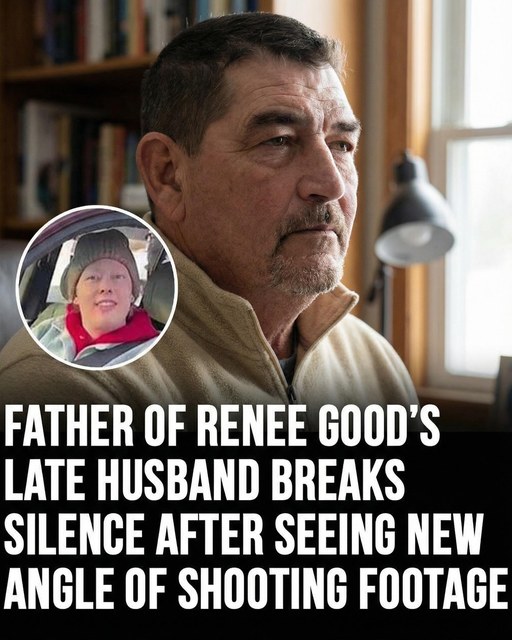
Father of Renee Good’s late husband breaks silence after seeing new angle of shooting footage

There are surely very few people the world over who have seen the harrowing footage of Renee Good’s fatal shooting and not formed an opinion one way or another.

The 37-year-old mother was shot by an ICE officer during an interaction last week in Minneapolis. Reports claim Good had been obstructing ICE agents with her vehicle, while video footage seemingly confirmed she was trying to flee when ICE officer Jonathan Ross opened fire.

Ross, positioned in front of Good’s car as she tried to drive away, fired three shots into the vehicle, killing Good before muttering “f****g b***h” as she drove away and crashed.

The horrifying incident has proven to be a catalyst for heated debate online, while high-profile figures on either side of the U.S.’s political divide continue to fiercely argue their respective stances.

The Department of Homeland Security were quick to label Good a “domestic terrorist”, a sentiment echoed by President Donald Trump, Vice President JD Vance, and White House Press Secretary Karoline Leavitt.

The stance of the Trump administration very much appears to be that Good was trying to run over ICE agents, thereby enabling Ross (the officer who shot her dead) to claim that his actions were in self-defense.

Others, meanwhile, including the Mayor of Minneapolis Jacob Frey, have openly declared that Good was murdered, and that Ross should be charged.

So divisive has the turn of events proven that even Good’s family are split on whether or not her killing can be justified within the bounds of the law.

The 37-year-old’s former father-in-law recently revealed in an interview that he doesn’t blame ICE for Good’s death. Speaking to CNN, Timmy Macklin, father of Renee’s second husband Tim Macklin Jr, said he believed the situation was ‘hard for everybody involved’.

“I’m not blaming anybody,” he said of Ross’ decision to shoot Good in the head.

Timmy Macklin said he didn’t blame ICE for Renee Good’s death. Credit / X

“I mean, the ICE agent, you know, at first I didn’t see the footage where he was actually being rammed.

“I’ve seen the bumper of the car hitting his legs. And so in a flash like that, it’s hard to say how you would react.”

Elsewhere in the interview, Macklin confirmed he was a supporter of Donald Trump, adding that he did not agree with the actions of his former daughter-in-law (Good) on the day she was killed.

“I think there’s some bad choices… if we’re walking in the spirit of God, I don’t think she would have been there. That’s the way I look at it,” he said.

Reflecting on Ross’ decision to call Good a “f*****g b***c” after firing the fatal shots, Macklin said: “His statement that he made after the incident, the things he called her, I mean, that’s definitely showing evidence that he that he don’t know the Lord like he should.”

In an interview with Donald Trump yesterday, CBS anchor Tony Dokoupil revealed that he’d spoken with Renee’s father, relaying that he was also a supporter of the 47th POTUS.

When asked by Dokoupil for his thoughts on his administration branding Renee a ‘domestic terrorist’, Trump said: “I wanna say to the father that I love all of our people. They can be on the other side.

“And I would bet you that she, under normal circumstances, was a very solid, wonderful person. But, you know, her actions were pretty tough.”

What did you make of the shooting of Renee Good? Let us know in the comments.

I Opened My Teen Daughters Bedroom Door Fearing the Worst, and What I Saw Changed Me!

I have a fourteen-year-old daughter, and somewhere along the way I learned that parenting at this age means living in a permanent state of tension. You’re suspended between trust and fear, pride and anxiety, wanting to protect without hovering, wanting to believe without being reckless. Every decision feels like a test you don’t know you’re taking until after it’s over.

If you’ve raised a teenager, you understand this space. It’s quiet, exhausting, and filled with second-guessing.

A few months ago, my daughter started seeing a boy from her class named Noah. From the beginning, there was nothing obvious to worry about. He wasn’t loud or performative. He didn’t try to charm us. He was just… respectful. The kind of respectful that feels genuine. He made eye contact. He said thank you without being prompted. When he came over, he asked whether he should take his shoes off and offered to help carry groceries in from the car.

On paper, he was exactly the kind of boy a parent hopes their child will choose.

And still, that didn’t stop the unease.

Every Sunday afternoon, almost like a ritual, Noah would come over after lunch and stay until dinner. Without fail, the two of them would head straight to my daughter’s room, close the door, and settle in. There was no loud music, no bursts of laughter, no constant chatter drifting down the hallway.

Just silence.

At first, I told myself that the silence was reassuring. They weren’t sneaking around the house. They weren’t trying to hide their presence. My daughter had always been responsible, thoughtful, and open with me. I reminded myself that trust isn’t something you ration out—it’s something you choose to give.

But doubt doesn’t arrive loudly. It slips in quietly, disguised as responsibility.

One Sunday afternoon, I was folding laundry in the hallway. The house was calm, warm, and unusually still. I remember holding a towel fresh from the dryer, heat still trapped in the fabric, when a single thought crept in and refused to leave.

What if?

What if I was being naïve? What if my desire to be the “trusting parent” was blinding me? What if something was happening behind that closed door that I’d regret not stopping?

I stood there longer than necessary, towel forgotten in my hands, my heart racing far beyond what the moment deserved. I told myself I wasn’t panicking. I was being careful. Responsible.

I’d just take a quick look. A glance. The kind of thing parents do and then laugh about later.

Before I could talk myself out of it, I walked down the hallway. My footsteps sounded louder than usual. I stopped outside her bedroom door, took a breath, and opened it.

And then I stopped cold.

My daughter wasn’t on her bed. She wasn’t laughing, whispering, or scrolling on her phone. She wasn’t even looking at Noah.

She was kneeling on the floor.

So was he.

Between them was a large piece of cardboard spread across the carpet. It was covered in handwritten notes, rough sketches, and photographs carefully taped into place. Open notebooks surrounded them. Colored markers lay scattered, uncapped. A laptop sat nearby, paused on what looked like a presentation slide.

They both looked up at me, startled.

“Mom!” my daughter said, her face flushing instantly. “You weren’t supposed to see this yet.”

For a moment, my brain couldn’t catch up with what my eyes were seeing.

“See… what?” I asked.

Noah stood immediately, as if out of instinct. “I’m sorry,” he said quickly. “We were going to clean up. We didn’t mean to make a mess.”

My daughter walked toward me and gently took my hand. Her voice shook just slightly, but she met my eyes.

“We’re working on something,” she said. “Together.”

I looked back at the floor, really looked this time.

One photograph caught my attention. It was my father—her grandfather—lying in a hospital bed, smiling weakly but trying to look strong. Another photo showed a small neighborhood park. Another showed a stack of books with a handwritten sign that read: Community Literacy Drive.

My chest tightened.

“What is all this?” I asked quietly.

My daughter took a breath. “You know how Grandpa’s been struggling since his stroke,” she said. “He told me he feels useless sometimes. Like he doesn’t matter anymore.”

I nodded. I knew that feeling too well.

“Well,” she continued, “Noah’s grandmother helps run a small community center. They don’t have enough volunteers, especially for kids who need help reading. And Grandpa used to be a teacher.”

Noah stepped forward carefully, not interrupting but adding gently, “We thought maybe we could organize something. A reading program. Just a few hours a week. Grandpa could help plan it. Pick books. Feel useful again.”

The cardboard on the floor wasn’t a mess. It was a plan. Dates penciled neatly in the margins. A list of roles. A simple budget. A draft letter asking neighbors to donate books. One section was labeled, in my daughter’s handwriting: How to Make It Fun.

This wasn’t idle time. It was intention.

“You’ve been doing this every Sunday?” I asked.

She nodded. “We didn’t want to tell anyone until we knew it could actually work.”

I sat down on the edge of her bed, suddenly overwhelmed by an emotion I hadn’t expected. All the worry I’d carried, all the assumptions I’d built in my head, collapsed under the weight of what was actually in front of me.

I had opened that door prepared to confront a problem.

Instead, I’d walked into compassion.

“I’m sorry,” I said quietly. “I shouldn’t have assumed.”

My daughter smiled, not smugly, not defensively—just warmly. “It’s okay,” she said. “You’re my mom.”

Noah nodded. “If you want to go through everything, you can.”

So I did.

I knelt on the carpet and looked carefully. I saw effort. Thoughtfulness. Empathy far beyond what I had expected from two fourteen-year-olds. I saw kids who weren’t trying to rush into adulthood, but who were learning how to care about someone outside themselves.

That night at dinner, I watched them differently. Not as children I needed to monitor constantly, but as young people figuring out how to show up in the world.

They talked about school, books, ideas. I realized how easy it is to underestimate teenagers, especially when fear takes the lead.

I had walked down that hallway full of worry.

I walked away carrying something else entirely.

Pride.

That moment taught me something I didn’t know I needed to relearn: not every closed door hides something dangerous. Sometimes it hides growth. Sometimes it hides kindness. Sometimes it hides young people trying, imperfectly and sincerely, to make the world a little better.

I didn’t close that bedroom door relieved that nothing bad had happened.

I closed it grateful that something good had.

Popular

A Mother’s Love: Vienna’s Journey with a Birthmark

0
Love compels parents to do extraordinary things for their children’s well-being. Celine Casey, a British mother, took remarkable steps to ensure her daughter Vienna’s...