
Entertainment

Lori Harvey Attends the Golden Globes in a Sleek Black Dress

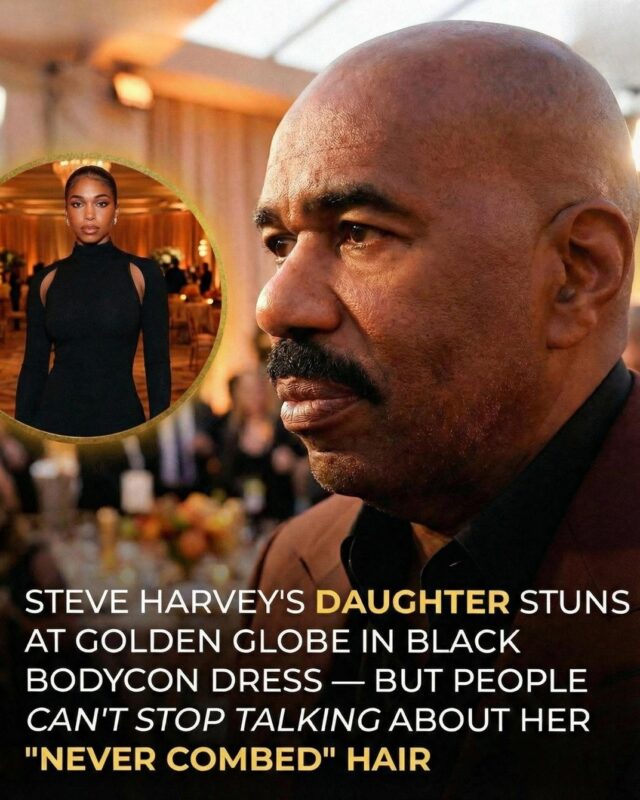
The 83rd Annual Golden Globe Awards on January 11, 2026, brought Hollywood’s biggest names together at The Beverly Hilton for a night of celebration and style. Among the many standout appearances, Lori Harvey captured attention with a graceful blend of vintage elegance and modern confidence. Known for her refined fashion sense, she arrived in a sleek black gown that echoed the evening’s classic theme. Cameras followed her as she moved across the red carpet, and it quickly became clear that her look would spark plenty of conversation long after the event ended.

Harvey’s dress, a vintage design from Roberto Cavalli’s early 2000s collection, featured a halter neckline and intricate detailing that gave the gown a sculptural finish. Paired with simple accessories and understated makeup, the ensemble highlighted timeless glamour rather than excess. Yet while the dress earned widespread admiration, it was her hairstyle — a smooth, high bun with softly styled edges — that became the unexpected focal point of online discussion. Viewers shared varied opinions, some praising the clean simplicity of the style, others expressing curiosity about the choice. The mix of reactions demonstrated how even the smallest styling details can spark wide-ranging conversations in today’s social media landscape.

Across platforms, comments reflected admiration for Harvey’s poise and natural beauty, with many noting her resemblance to her mother and praising her graceful presence on the carpet. Others focused on the overall styling, discussing how the classic gown and sleek hair created a balanced, polished appearance. Rather than dominating the narrative with a single opinion, the online dialogue showed how fashion at award shows remains a shared cultural experience — a blend of personal taste, creativity, and interpretation. In the end, Harvey’s appearance became less about approval or critique and more about visibility in a space where individuality stands out.

The Golden Globes night was filled with similarly memorable fashion moments from other stars, each contributing to the event’s atmosphere of celebration and creativity. From couples posing together to solo red carpet portraits, the evening showcased a wide range of styles and personalities. Lori Harvey’s appearance fit seamlessly into this tapestry of elegance and expression, reminding audiences that fashion is as much about confidence as it is about clothing. In an industry where every detail is captured and shared instantly, her poised presence offered a quiet but lasting impression — a reminder that style often speaks most clearly through simplicity.

10 Common Nightmares and Their Possible Meanings

Nightmares can make peaceful sleep feel unsettling, leaving us waking with lingering emotions. While they may seem random or frightening in the moment, many experts believe nightmares are the mind’s way of processing stress, fears, and unresolved feelings. During sleep, the brain sorts through daily experiences and emotions, sometimes expressing them through vivid or uncomfortable imagery. Rather than being meaningless, nightmares often reflect what is happening beneath the surface of our thoughts, giving us clues about areas of life that may need attention or care.

Certain nightmare themes appear across cultures and age groups because they connect to universal human experiences. Dreams of falling may mirror feelings of insecurity or loss of stability. Finding yourself unable to speak in a dream can relate to feeling unheard in real life. Teeth falling out often connect with anxiety about confidence, communication, or personal image. These symbols aren’t exact predictions or diagnoses, but they can serve as gentle reminders to check in with our emotional well-being and recognize where we might be under pressure.

Other recurring nightmares reflect how we respond to challenges. Being chased in a dream can symbolize avoiding a difficult situation or emotion. Car or travel-related accidents may suggest uncertainty about life direction or a sense of lost control. Dreams of being unprepared for an exam or public situation often point to self-doubt or fear of judgment. Even strange or eerie dream images may represent hidden worries or emotions we haven’t fully acknowledged during our waking hours. When we take time to reflect on these patterns, we may discover insights about what is truly on our minds.

Understanding nightmares doesn’t mean every dream has a deep message, but noticing frequent themes can be useful. Simple steps like reducing stress before bed, keeping a dream journal, and practicing relaxation techniques can help lessen disturbing dreams over time. If nightmares become persistent or distressing, speaking with a healthcare professional can provide helpful guidance. By approaching dreams with curiosity rather than fear, we can turn nighttime disruptions into opportunities for self-awareness and emotional growth.

My Son Turned an Awkward Birthday Party Into a Proud Moment

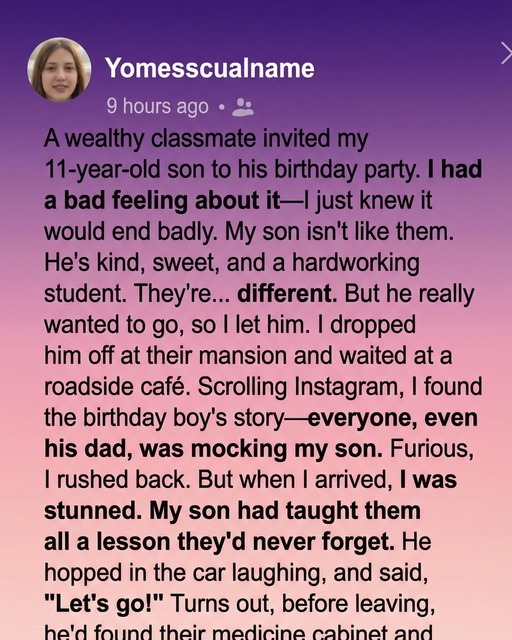
When my son came home with an invitation to a classmate’s birthday party, my first reaction was hesitation. The boy came from a wealthy family, the kind that lived in a mansion on the hill and posted every detail of their lives online. I had always sensed that my son felt out of place among some of his classmates, not because he lacked confidence, but because he was gentle, thoughtful, and more comfortable with books than bragging. Still, he wanted to attend, eager to be included. Against my instincts, I agreed, drove him to the grand house, and waited nearby at a small roadside café, telling myself that trust sometimes means letting go. While sipping coffee, I scrolled through social media and stumbled upon a story posted by the birthday boy. My heart sank.

There, in a short video clip, a group of children and even a few adults were laughing at my son, imitating his quiet voice and making light of his simple clothes. Anger rose quickly. I left my cup untouched, hurried to the car, and sped back toward the mansion, imagining the embarrassment my child might be feeling. Every red light felt too long, every second unbearable. I rehearsed what I would say when I arrived, determined to defend him from any further unkindness. But when I stepped into the grand entrance hall, the scene before me froze my breath. My son stood in the center of the room, calm and composed, surrounded by children who were suddenly silent and attentive. Instead of looking hurt, he was smiling.

He had taken a small notebook from his pocket and was showing them a puzzle he had created, challenging them to solve it. One by one, the children leaned closer, curious and impressed. Even the adults who had been laughing earlier now watched with interest. My son wasn’t upset; he had turned the moment into an opportunity, using kindness and creativity rather than anger. When he finally walked toward me, he hopped into the car with a cheerful grin. “Let’s go,” he said simply, as though nothing unusual had happened. On the drive home, he explained that when he saw the teasing begin, he remembered something we had once talked about—that responding with grace often speaks louder than responding with hurt. So he chose to share something he loved instead of shrinking away.

The group ended up enjoying his puzzle, and the laughter changed from mockery to genuine amusement. My son didn’t just endure the moment; he reshaped it. That night, as I tucked him into bed, I realized how much I had underestimated his strength. I had feared he would be wounded by the experience, but instead, he had taught everyone around him a quiet lesson in dignity. Parenting often means wanting to shield our children from every hard moment, but sometimes the greatest growth happens when they learn to stand in their own light. I kissed his forehead, grateful not only for his safety, but for the reminder that kindness, confidence, and self-respect can turn even the most uncomfortable situations into something unforgettable.

Golden Globes 2026: The Most Memorable Red Carpet Looks

The 83rd Golden Globe Awards lit up Los Angeles on January 11, 2026, bringing together the biggest names in film and television for a night that blended celebration, fashion, and industry recognition. Hosted at the Beverly Hilton, the ceremony honored standout productions and performances from the past year while signaling the start of awards season. Inside the ballroom, anticipation built with every envelope opened, while outside, the red carpet served as a dazzling preview of the glamour and creativity that define Hollywood’s most photographed evening.

On the awards front, the historical drama Hamnet emerged as a major winner, taking home Best Motion Picture – Drama, while One Battle After Another claimed the top prize in the musical or comedy category. Acting honors followed suit, with Jessie Buckley earning Best Actress in a Drama and Wagner Moura winning Best Actor in a Drama. Timothée Chalamet and Rose Byrne captured the leading musical or comedy acting awards, reinforcing their strong year in cinema. Television categories also saw memorable wins, highlighting both emerging talent and established stars. Together, the night reflected an industry eager to celebrate storytelling in all its forms.

Long before the trophies were handed out, however, attention centered on the red carpet. Designers, stylists, and stars transformed the arrival area into a runway of artistic expression. Sculptural gowns, tailored suits, and carefully chosen jewelry turned fashion into a parallel conversation alongside the awards themselves. Teyana Taylor impressed in bold couture lines, while Tessa Thompson’s shimmering gold look embraced understated drama. Priyanka Chopra Jonas, Jennifer Lawrence, and Jessie Buckley embodied modern elegance, while Michael B. Jordan and Colman Domingo delivered refined menswear statements. Classic Hollywood glamour also made a return through Selena Gomez’s feathered Chanel ensemble and Julia Roberts’ sleek black Armani gown, proving that timeless style remains a red-carpet staple.

Beyond style, several appearances carried personal significance. Amal and George Clooney’s coordinated elegance drew attention as one of the evening’s most admired couple moments. Hailee Steinfeld and Wunmi Mosaku shared joyful personal milestones, bringing warmth and authenticity to the spotlight. Younger attendees added fresh energy, while veterans like Snoop Dogg and Pamela Anderson reminded audiences that individuality remains at the heart of fashion. As the evening concluded, the lasting impressions came not only from acceptance speeches and accolades, but from the visual stories told through fabric, color, and confidence. The 2026 Golden Globes once again proved that Hollywood’s biggest night is as much about creative expression as it is about recognition — a celebration of talent both on screen and on the carpet.

Updated Travel Entry Requirements for U.S. Visitors in Two Countries

Recent policy decisions by several West African governments to limit entry for American citizens reflect a deeper shift in international relations rather than a short-term disagreement. For many years, global travel policies have often been shaped by powerful nations with little pushback from smaller states. Now, some countries in the Sahel region are signaling that they expect balanced treatment in diplomatic affairs. By grounding their actions in the principle of reciprocity, these governments emphasize fairness and equality in international mobility rather than hostility or confrontation.

Although the discussion appears centered on visas and border regulations, the real-world consequences extend far beyond government offices. Sudden travel restrictions have disrupted family reunions, postponed educational exchanges, and slowed humanitarian and development programs that rely on international cooperation. These interruptions tend to affect ordinary people most—students, aid workers, entrepreneurs, and relatives—who have no direct role in the policy decisions that triggered the changes. As a result, communities on both sides face unexpected challenges in maintaining personal, academic, and professional connections.

From the United States’ perspective, stricter travel requirements are presented as administrative measures designed to manage security, documentation standards, and compliance procedures. Meanwhile, several West African leaders describe these same rules as unequal or dismissive, reinforcing long-standing concerns about limited access to global mobility for their citizens. This difference in interpretation highlights how policy tools can carry symbolic weight, shaping national pride and perceptions of respect in international affairs. When one side sees regulation as routine management and the other views it as unfair treatment, tension naturally grows.

Recent announcements by Mali and Burkina Faso introducing bans on U.S. travelers follow earlier steps by Niger, which suspended visa issuance, and Chad, which previously enacted similar limitations. Together, these moves suggest a broader effort among Sahel states to assert diplomatic independence and redefine their relationships with major global partners. Whether these measures lead to constructive negotiation or prolonged strain will depend on future dialogue and mutual understanding. What remains clear is that the region is seeking a stronger voice in shaping how international travel and cooperation should work, marking a notable moment in evolving global partnerships.

A Late-Night Call That Healed a Broken Family

The first time Lila brought her boyfriend home, Mara thought the evening would be simple. A polite dinner, light conversation, maybe a little awkwardness — the usual things parents endure when meeting someone new in their child’s life. But when the door opened, Mara froze. The young man was tall, quiet, his arms covered in dark ink, his clothes carrying the scent of concrete dust and hard labor. He greeted them respectfully, but Mara’s eyes lingered on the tattoos and worn boots. She didn’t mean for the words to come out as sharply as they did, yet they slipped free anyway. “We raised you for better than this.” Lila’s face tightened, not with anger, but something colder — disappointment. She stood up, left her plate untouched, and walked out without a word. The door shut gently, but the sound echoed in Mara’s chest.

Weeks passed. Then months. Lila didn’t call. She didn’t visit. Mara replayed that night endlessly, wishing she could pull the words back, wishing she had simply asked questions instead of passing judgment. Her husband said their daughter was strong and would return when ready. But Mara knew pride can build walls thicker than brick. Every night she set an extra place at the table, just in case.

Six months later, the phone rang at three in the morning. The number was unfamiliar. Mara’s heart pounded as she answered. A steady male voice spoke softly. “This is Lila’s boyfriend. I’m sorry to call so late. She told me about what happened. She said she misses you but doesn’t know how to come back.” There was no drama in his voice, no accusation. Only concern. “She’s safe,” he added quickly. “She’s sleeping beside me. I just thought… maybe it’s time you talked.”

Mara sat in silence, the weight of her assumptions pressing down on her. She realized she knew nothing about the man beyond his appearance. She knew nothing about the life her daughter had built, the tenderness that must exist if he was calling her mother in the middle of the night to mend a broken bridge. Tears blurred her vision. “Tell her,” Mara whispered, “that I’m sorry. Tell her I want to listen this time.” The next morning, when the sun rose, Mara cleared the table and set out breakfast for three. She didn’t know if Lila would walk through the door that day or the next, but she was ready — not to judge, but to learn. And sometimes, that’s how families find their way back home.

Forensic Analyst Highlights Important Detail in Renee Good Footage Before Fatal Minneapolis Shooting

Renee Nicole Good, a 37-year-old mother of three, was killed during a confrontation with an Immigration and Customs Enforcement (ICE) agent in Minneapolis shortly after dropping her young son off at school. She was pronounced dead at the scene, and news of the incident quickly spread across the country. What began as a local tragedy soon became a widely discussed law enforcement case, drawing emotional reactions from the public and raising serious questions about what occurred in Good’s final moments. As video footage of the event surfaced, it became the focus of intense analysis, with experts and viewers searching for details that could clarify the sequence of events.

Public response to the January 7 shooting has been strong and divided. Demonstrations took place in Minneapolis and beyond, while officials offered differing explanations of what led to the fatal encounter. The case grew even more prominent after several national political figures commented publicly on the footage. Some described the agent’s actions as self-defense and claimed Good posed a threat during the confrontation. Others criticized those statements, arguing they reached conclusions before a full investigation was completed. These competing narratives fueled broader discussions about law enforcement practices, public safety, and accountability, turning the incident into a national point of debate.

Minneapolis Mayor Jacob Frey publicly disagreed with claims that the video clearly supports a self-defense explanation, emphasizing the need for careful and unbiased investigation. As attention intensified, independent analysts and online commentators began studying the video frame by frame. One forensic video reviewer, known online as Dr. G, focused on Good’s hand movements, the vehicle’s steering wheel, and the car’s lighting signals. His analysis suggested that small physical details in the footage could provide important insight into Good’s intentions during the tense moments before the shooting. This detailed review added another layer to the ongoing public conversation, highlighting how modern technology allows incidents to be examined with unprecedented scrutiny.

According to the analyst’s interpretation, Good appeared to be turning the steering wheel in a way that indicated she was attempting to leave the scene rather than confront anyone. The presence of illuminated brake or reverse lights also suggested that she may have been trying to back away as the situation escalated. Additionally, footage showing another individual attempting to enter the vehicle may have contributed to confusion and panic, potentially leading to rapid and uncoordinated movements. While these observations do not replace an official investigation, they have raised further questions and increased calls for transparency. As inquiries continue, many people are seeking a clear, factual explanation of what happened in Renee Good’s final moments, underscoring the broader demand for accountability, accurate reporting, and respectful handling of sensitive events.

My Daughter Catered a Birthday Dinner for 23 Guests

My name is Rachel Morgan, and last weekend gave me a new perspective on family, appreciation, and love. My daughter Emily is 18, quiet by nature, and expresses herself best through cooking. When my mother’s 70th birthday approached, Emily volunteered to prepare the entire celebration meal. Not just one or two dishes—everything. Dinner for 23 guests. I worried it was too much responsibility, but she was determined. She told me she wanted her grandmother to feel special, and that simple wish became her motivation for days.

Our kitchen turned into a lively workspace. Emily planned the menu, wrote shopping lists, and carefully prepared every recipe. There were roasted chicken dishes, fresh salads, homemade bread, flavorful sauces, and a blueberry dessert that filled the house with a warm, comforting aroma. She worked late into the evenings, tasting and adjusting seasonings, checking cooking times, and setting serving trays with care. It wasn’t just about food—it was her way of showing love and pride in what she could do. Watching her dedication made me realize how deeply she wanted her family to recognize her effort.

On the afternoon of the celebration, an unexpected message arrived. My father informed us that the family had decided to go to a restaurant instead, leaving no place for the meal Emily had prepared. The news was disappointing. Emily quietly looked at the food she had worked so hard on, unsure of what to do next. Rather than letting the meal go to waste, I shared a message with neighbors offering the homemade food to anyone who could use it. Within an hour, several families arrived. Emily served the plates herself, receiving sincere compliments and warm smiles. Her confidence returned as people thanked her for the wonderful meal.

The following morning, my parents visited, surprised to see that the food had been shared with others. A conversation followed, and feelings were expressed honestly. In the days that came after, my father returned to apologize to Emily and presented her with a small gift—a chef’s knife engraved with her initials. It was a thoughtful gesture that meant a great deal to her. That weekend reminded me that kindness and effort deserve recognition, whether it comes from family or from strangers. Most importantly, I learned to support my daughter’s passion and stand beside her. Seeing her smile again made every challenge worthwhile.

My Brother and I Raised Our Younger Siblings After Losing Our Mother

My name is Anna, and I am one of a set of twins. Five years ago, my brother Daniel and I were just eighteen, planning college and dreaming about independence, when life suddenly changed. Our mother became seriously ill, and as she began treatment, our father quietly withdrew. One evening, he gathered us in the living room and explained that he could not handle the situation. He said he needed a different life and left soon after. There were no follow-up calls, no financial support, and no explanations to our three younger siblings, who were still children. From that moment, Daniel and I were no longer just older siblings—we became the foundation holding our family together.

In the months that followed, we learned to manage responsibilities far beyond our years. We attended court hearings, filled out paperwork, and were officially granted guardianship of Liam, Maya, and Sophie. While our friends were choosing dorm rooms and classes, we were learning how to schedule doctor visits, pack school lunches, and balance bills. When our mother passed away, we promised her we would keep the children together and safe. That promise became our guiding force. We enrolled in a nearby community college so we could stay close to home, worked multiple jobs, and divided every duty—from bedtime stories to parent-teacher meetings—without ever needing to ask who should do what.

The years that followed were not easy, but they were meaningful. We lived on tight budgets, celebrated birthdays with homemade cakes, and found joy in small victories like good report cards and family movie nights. Slowly, stability returned. Daniel secured steady work, I finished my degree, and the house began to feel less like a place of survival and more like a real home. The children grew confident and happy, and for the first time, we believed the hardest part was behind us. Our family had rebuilt itself through patience, teamwork, and quiet determination.

Then, one Saturday morning, our father appeared at the door after five years of silence. He spoke as if no time had passed and announced that he wanted the house back, explaining that it had once belonged to him and our mother. Daniel and I listened calmly. Instead of reacting emotionally, we invited him to sit down. A family lawyer joined us and presented documents our mother had arranged before her passing—papers that secured the home for her children and recognized our guardianship. Our father realized he no longer had any legal claim. Without raising voices or creating conflict, the meeting ended, and he left. When the door closed, our home felt peaceful again. We had honored our mother’s wishes, protected our siblings, and built a future with our own hands. And in that quiet moment, I knew every sacrifice had been worth it.

Women Share Their Stories About Unexpected Relationships

People often say we cannot control who we develop feelings for. But choices still matter, especially when emotions intersect with complicated situations. Attraction can appear unexpectedly, and sometimes individuals find themselves drawn into relationships that carry emotional weight and ethical complexity. While some step away when they recognize boundaries, others admit that curiosity, excitement, or vulnerability influenced their decisions. The following reflections share how different women found themselves involved with married men—and what they later learned from those experiences.

For some, the appeal came from excitement and escape. One woman admitted she was drawn to the secrecy and intensity of a relationship that had no future. Another shared that she never knew the man she met was married until afterward, leaving her feeling shocked and regretful. Others described believing promises that never came true, holding onto hope that a situation would change. In each case, emotions and expectations blurred judgment, creating connections that felt meaningful in the moment but later led to disappointment or self-reflection.

A few stories revealed different motivations. One woman said she enjoyed the challenge of pursuing someone unavailable, viewing it as an emotional thrill rather than a long-term plan. Another explained that she, too, was married at the time and felt that shared circumstances justified her choices, only to realize later that both relationships ended without lasting happiness. There were also accounts of peer pressure, attention, or persistent pursuit from the other person—situations where boundaries weakened gradually rather than through deliberate intent.

Looking back, many of these women described their experiences as lessons rather than victories. Some expressed regret for their role in situations that caused pain to others. Others recognized how easily excitement can overshadow long-term consequences. Across all stories, a common understanding emerged: short-lived emotional intensity often fades, while personal growth comes from acknowledging mistakes and choosing differently moving forward. Their reflections remind us that while attraction may be natural, responsibility and self-awareness shape the kind of lives and relationships we ultimately build.

Popular

A Mother’s Love: Vienna’s Journey with a Birthmark

0
Love compels parents to do extraordinary things for their children’s well-being. Celine Casey, a British mother, took remarkable steps to ensure her daughter Vienna’s...