Entertainment

Why Older Generations Value This Everyday Item

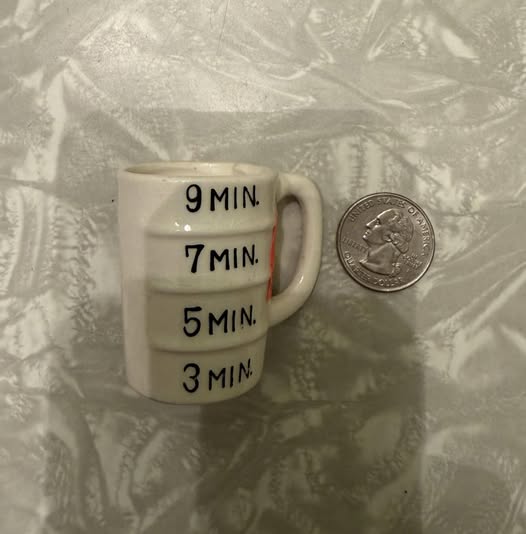
Vintage kitchen tools have a special way of sparking curiosity, especially when their purpose isn’t immediately obvious. One such item is the Howard Electric Egg Boiler, often found at estate sales or thrift shops alongside a tiny ceramic cup covered in mysterious numbers. To many modern shoppers, the cup looks like a miniature mug, a decorative piece, or even a playful accessory with no real function. Its unusual design often leaves people wondering what it was really meant for and why anyone would need something so specific.

The ceramic cup, however, was an essential part of a thoughtfully designed cooking system. The numbers printed on its side—3, 5, 7, and 9—were not time indicators but water measurements. Each marking represented the amount of water needed to cook an egg to a particular level of doneness, from soft to firm. Users simply filled the cup to the chosen line and poured the water into the base of the egg boiler. The egg would sit inside the appliance, gently steaming as the water heated.

What made this device especially clever was its automatic shut-off feature. Once the measured water fully evaporated, the unit turned itself off, signaling that the egg was ready. There was no need to set a timer, watch a pot, or guess cooking times. This made the Howard Egg Boiler a convenient solution for busy mornings, small apartments, or anyone who wanted a quick and tidy way to prepare breakfast. Cleaning was just as simple—rinse the cup and wipe the base, and it was ready for next time.

Today, the Howard Electric Egg Boiler is appreciated not only for its usefulness but also for its vintage charm. Collectors enjoy displaying it alongside classic kitchen appliances, admiring its compact design and clever engineering. More than just a nostalgic object, it represents a time when household inventions focused on making everyday tasks easier through smart, straightforward solutions. This small gadget reminds us that even the simplest meals once inspired creative and efficient designs that still impress us decades later.

ICE Agent Speaks Out After Fundraising Support, Neighbors Share Their Surprise

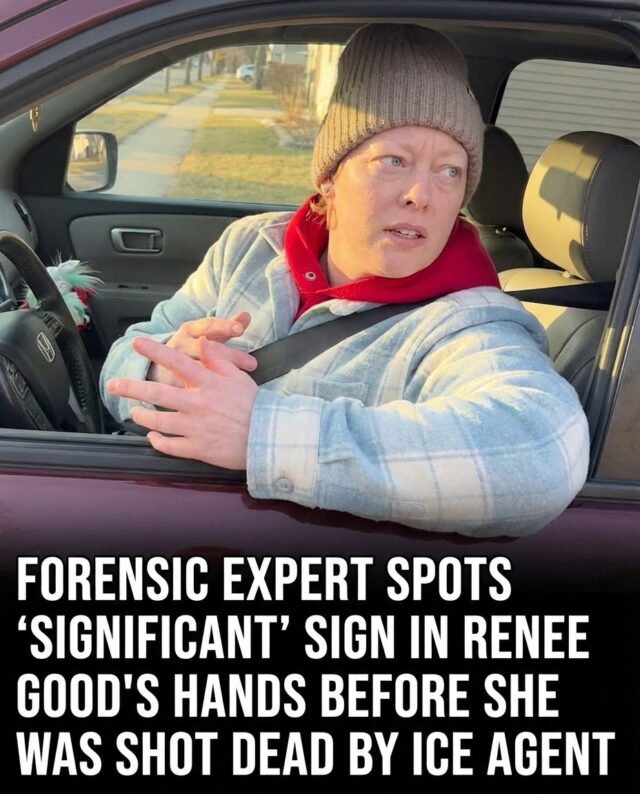
Public reaction in Minneapolis and across the country has been deeply divided following a fatal incident involving a federal immigration enforcement officer earlier this year. The event, which resulted in the death of local resident Renee Nicole Good during a law enforcement operation on January 7, has drawn national attention and prompted ongoing discussion about accountability, public trust, and community safety. As investigations continue, online fundraising efforts have emerged on both sides, reflecting how differently people respond to tragedy depending on perspective, personal beliefs, and emotions surrounding law enforcement actions.

In the days after the incident, several crowdfunding campaigns were launched in support of the ICE agent involved, who has been identified in media reports as Jonathan Ross. Hosted on platforms such as GiveSendGo and GoFundMe, these fundraisers collectively brought in hundreds of thousands of dollars, reportedly exceeding $570,000 in total. Organizers stated that the donations were intended to assist with legal expenses and personal security concerns. Through platform representatives, the agent expressed gratitude for the financial support he received, acknowledging the challenges that come with being at the center of a high-profile case.

At the same time, the fundraising campaigns sparked criticism from many members of the public. Some observers took issue with the wording used in certain donation pages, saying it placed inappropriate focus on blame rather than compassion. This led to strong reactions online, with calls for more sensitivity when discussing incidents involving loss of life. Meanwhile, separate fundraising efforts were created for Renee Good’s family. One campaign raised significant contributions to support her wife and children, focusing on helping the family manage emotional and financial hardship during an extremely difficult period.

Beyond online fundraising, the local community response has been equally powerful. Vigils and gatherings have been held in Good’s memory, while civic leaders and legal representatives seek further clarity about the circumstances surrounding the incident. Her family has retained independent legal counsel to ensure a thorough review, emphasizing transparency and fair process. City and state officials have also called for careful examination of enforcement policies and procedures to prevent future tragedies. As the case moves forward, advocates continue to encourage respectful dialogue, reminding the public that healing and progress depend not only on justice, but also on empathy and responsible public conversation.

A Practical Guide to Freezing Bread the Right Way

With two growing boys at home, bread never lasts long. Sandwich loaves, burger buns, bagels, and breakfast muffins seem to vanish as soon as they enter the kitchen. To keep up, I stock up when there’s a good sale and freeze what we won’t use right away. It saves money, reduces food waste, and ensures we always have something ready for quick breakfasts or school lunches. Freezing bread is convenient, but if it’s done the wrong way, the texture and taste can suffer — leaving slices dry, stiff, or covered in freezer frost.

Many people have experienced pulling a loaf from the freezer only to find the slices stuck together in a solid block or tasting stale once thawed. These problems usually happen when air gets trapped inside storage bags or when bread freezes unevenly. Fortunately, there’s an easy method that keeps bread tasting fresh and allows you to take out exactly the number of slices you need, without breaking them apart or wasting any.

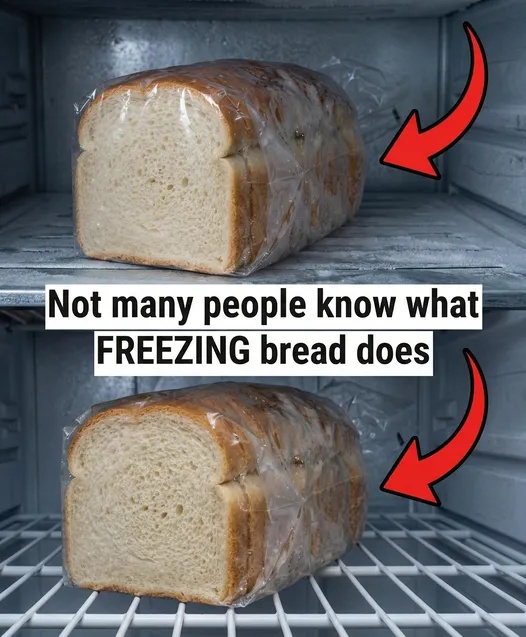
The process starts as soon as you bring bread home from the store. While the loaf is still soft and fresh, slice it evenly if it isn’t pre-sliced. Then place parchment paper on a baking sheet and arrange the slices in a single layer, making sure they don’t overlap. Slide the tray into the freezer uncovered for one to two hours. This quick pre-freeze step keeps slices separate, so they won’t fuse together later. Once the slices feel firm to the touch, remove the tray from the freezer and transfer the bread into a resealable freezer bag. Press out as much air as possible before sealing to protect against freezer burn.

For extra freshness, you can double-bag the slices or wrap the freezer bag in foil for additional insulation. Store the bread flat in the freezer so it keeps its shape and is easy to access. When you need a slice or two, simply remove what you need and return the rest to the freezer immediately. Bread can be thawed at room temperature in just a few minutes or placed straight into a toaster using the defrost setting. This method keeps the texture soft, the flavor intact, and the bread ready whenever you need it. With a little preparation, you’ll always have fresh-tasting bread on hand, fewer wasted groceries, and smoother mornings in a busy household.

After My Son Helped a Baby in Need, Our Family Faced a Surprise

I used to think my sixteen-year-old son, Jax, was the one I needed to worry about most. With his bright pink hair, loud music, and rebellious style, people often judged him before hearing a single word he said. But beneath the leather jacket and sarcastic humor was a kind heart I sometimes forgot to notice. One winter night, when the air was sharp and the park across the street sat empty under orange streetlights, I learned who my son truly was. I heard a faint cry through the window and saw Jax sitting on a bench, holding something small and wrapped in his jacket. When I ran outside, I realized he had found a newborn baby left alone in the cold. Without hesitation, he had called for emergency help and used his own body heat to keep the baby warm until responders arrived.

The professionals took over quickly, wrapping the infant safely and rushing him away for care. Jax stood quietly afterward, hands trembling not from fear, but from the weight of what had just happened. He didn’t boast, didn’t dramatize the moment, and didn’t seek attention. He simply said he had heard a cry and couldn’t walk away. That night, as we sat in the kitchen with warm drinks, he admitted the sound of that tiny cry stayed in his mind. I reminded him he had done everything right, but he shrugged it off like it was nothing special. Yet I knew that simple choice had changed a life.

The next morning, a police officer came to our door. My heart jumped, worried Jax had somehow done something wrong. Instead, the officer explained that the baby Jax had found was his son. Due to a chain of unfortunate misunderstandings, the child had been left briefly unattended, and Jax’s quick response had prevented a tragic outcome. The officer thanked him sincerely, telling him that his actions had saved what mattered most to him. He even placed the baby in Jax’s arms for a brief moment, letting him see the tiny life he had protected. Jax, usually so guarded, held the child gently and whispered a quiet greeting, his tough exterior softening completely.

In the days that followed, the story spread through our small town. People who once stared at Jax with suspicion now looked at him with admiration. At school, neighbors smiled differently, and whispers changed from criticism to praise. Jax still wore his bright hair and heavy boots, still joked and rolled his eyes at me, but something inside him stood taller. Watching him sit on our front steps one evening, looking toward the park bench where it all began, I realized that heroes don’t always look the way the world expects. Sometimes they wear combat boots, bright hair, and a stubborn attitude—but when a fragile cry breaks the silence, they choose compassion without hesitation. And that is the kind of person my son is.

What the First Animal You Notice May Say About Your Personality

Have you ever looked at the same image as someone else and been surprised to discover that you each noticed something completely different? Experiences like this highlight how uniquely the human mind works. Our brains are constantly interpreting visual information based on past experiences, habits, and instincts, often in ways we are not consciously aware of. What seems obvious to one person may be invisible to another, reminding us that perception is highly personal and shaped by how our minds organize the world around us.

Visual illusions are especially interesting because they sit at the crossroads of perception and psychology. When we look at an illusion, the brain tries to make sense of it almost instantly, often before careful reasoning has time to step in. That first impression is guided by attention, intuition, and cognitive style. Because of this, optical illusions have long been used as simple tools to explore how people think and process information. They do not diagnose personality, but they can offer playful insights into mental preferences and tendencies.

One of the most well-known examples is an image that contains two animals hidden within the same drawing. At first glance, some people notice one animal immediately, while others are certain they see the other first. Neither perspective is more correct than the other—the image is designed to support both interpretations. What makes it fascinating is how quickly the brain commits to one view, often without effort. This initial reaction can reflect whether someone tends to focus on structure and detail or leans toward imagination and flexible thinking.

If you noticed one animal first, it may suggest that you naturally approach situations in a practical and organized way. People with this tendency often value clarity, logic, and efficiency, and they are comfortable analyzing problems step by step. On the other hand, noticing the other animal first may point to a more creative and intuitive mindset. These individuals often enjoy exploring ideas, thinking symbolically, and seeing possibilities beyond the obvious. Both ways of thinking are valuable, and most people use a blend of both depending on the situation. Ultimately, optical illusions are less about labeling personality and more about appreciating how wonderfully diverse human perception can be.

Snoop Dogg’s Golden Globes Moment That Got Everyone Talking

The 83rd Annual Golden Globe Awards in Beverly Hills was filled with glamour, laughter, and memorable moments as Hollywood’s biggest names gathered to celebrate a year of outstanding film and television. The evening sparkled with designer gowns, tailored suits, and emotional acceptance speeches, but what captured viewers’ attention most were a few unexpected on-stage moments that quickly became the night’s most talked-about highlights. Two stars in particular—Snoop Dogg and Teyana Taylor—brought authentic personality to the ceremony in ways that reminded audiences that live events always carry a touch of surprise.

Snoop Dogg took the stage to present an award with his signature charisma, dressed in a sharp black suit accented with bold red detailing and his trademark sunglasses. As music from one of his classic hits played, the crowd erupted in cheers, instantly setting a playful tone. He joked with the audience, encouraged them to relax and enjoy the evening, and even introduced a brand-new awards category celebrating podcasts. His relaxed humor and confidence drew laughter from the room, though a brief unscripted remark during his presentation led the broadcast to momentarily lower the audio for television viewers. Inside the venue, the audience responded with good-natured amusement, while the official event replay later shared a slightly edited version of the moment.

Online, reactions were mixed. Some viewers praised Snoop Dogg’s long-standing authenticity and comedic timing, calling his presence refreshing and true to form. Others felt the moment was unnecessary for a formal awards setting. The debate remained lighthearted, with fans and critics exchanging opinions across social media. Still, the rapper smoothly moved on to announce the winner of the new podcast category, where Amy Poehler accepted her award with warm humor and gratitude, adding to the night’s friendly energy. Later in the evening, actress Teyana Taylor delivered one of the most heartfelt moments of the ceremony. Winning an award for her powerful supporting performance in a motion picture, she took the stage visibly emotional, thanking her family, collaborators, and community.

During a brief candid moment while adjusting the trophy, part of her audio was softened for the television broadcast, but her closing words rang clear and inspiring. She spoke about self-belief, creative expression, and the importance of representation, earning a standing ovation from her peers. Her speech became one of the most shared highlights of the night, celebrated for its sincerity and strength. Beyond the unexpected broadcast edits, the 2026 Golden Globes remained a night of celebration, connection, and shared joy. From affectionate table moments between longtime friends to backstage embraces among rising stars, the ceremony reminded audiences why award shows continue to captivate year after year. In the end, it wasn’t just about trophies—it was about personality, passion, and the unforgettable moments that happen when the spotlight is live and the world is watching.

My Fiancé Suggested I Pay More for Our New Bed — I Responded in an Unexpected Way

Erin believed in fairness. When she and her fiancé Mark moved in together, they split every bill down the middle—rent, groceries, furniture—proud of their equal partnership. It felt modern and balanced, the kind of relationship built on mutual respect. But that illusion cracked the night their old bed collapsed beneath them. Erin laughed at the absurdity; Mark didn’t. His sharp remark about her weight landed harder than the fall itself. She told herself it was a joke, yet the comment echoed in the quiet that followed. Soon, jokes became routine—small, cutting remarks about her body and her accident recovery, always disguised as humor, always leaving her a little smaller inside.

When Erin ordered a new bed and asked Mark to send his half of the cost, his response stunned her. He argued she should pay more because she “used more of the mattress,” calling it logical and fair. The word fair suddenly twisted in her mind. She realized Mark wasn’t just joking—he believed his cruelty was reasoned truth. Instead of exploding, Erin went silent. She listened, observed, and quietly began keeping track of everything: shared expenses, promises, and moments where she carried more than her share. Something inside her shifted; the laughter that once smoothed over discomfort disappeared, replaced by clarity.

The new bed arrived while Mark was at work. Erin transformed it into a physical expression of his logic—measuring out his claimed thirty percent and marking it cleanly. That evening, when he saw the division, outrage filled the space where his smugness used to sit. Erin remained calm, simply reflecting back his own reasoning. That night he slept cramped and uncomfortable, while she rested peacefully in the space she had claimed. The next morning, when he tried to backtrack and call everything a joke, Erin handed him an envelope: every shared cost documented, every imbalance recorded, and a final request for him to move out. Her voice did not shake. She was no longer trying to be agreeable; she was choosing herself.

Mark left quietly. No dramatic farewell, no heartfelt apology. And in the silence he left behind, Erin rebuilt. Therapy helped her unlearn the habit of laughing at pain. Gentle routines—walks, haircuts, new clothes chosen without shame—became acts of reclaiming. She stopped shrinking to fit someone else’s expectations. She breathed more deeply, stood more firmly, and let herself take up space in her own life. Erin didn’t just end a relationship; she redefined fairness on her own terms. Not a split down the middle, but a balance that honored her worth.

What Wearing a Ring on the Middle Finger Can Represent

Rings have always been more than decorative accessories. They serve as personal statements, memory keepers, and subtle reflections of identity. While most people immediately think of the ring finger as a symbol of love or the pinky as a sign of style or tradition, the middle finger often goes unnoticed. Yet it sits at the center of the hand—tall, balanced, and naturally eye-catching. When a ring rests there, it doesn’t follow old rules or fixed traditions. Instead, it quietly expresses intention, confidence, and individuality.

The middle finger stands apart because it carries no long-standing cultural obligation. It is the longest finger, positioned right at the hand’s center, creating a sense of symmetry and strength. Unlike the ring finger, which is strongly tied to romance, or the index finger, often associated with authority, the middle finger is a blank canvas. That neutrality gives it special freedom. A ring placed there can symbolize personal choice rather than expectation. It suggests someone who prefers to define their own meaning instead of following prescribed customs.

Across different belief systems and modern interpretations, the middle finger has gathered thoughtful symbolism. In holistic traditions, it is sometimes linked with balance, structure, and self-discipline. Wearing a ring here can represent staying centered during life’s challenges or taking responsibility with calm assurance. In contemporary culture, it has also become a popular sign of independence and self-respect. Many people choose a middle-finger ring as a reminder of self-love—a statement that they are complete without needing external validation. This meaning has grown especially popular through social trends that celebrate personal empowerment.

Of course, not every ring needs deep symbolism. Sometimes beauty alone is reason enough. The middle finger naturally draws attention, making it an ideal spot for bold designs, wider bands, or statement pieces. Jewelers often craft rings specifically to suit its shape, and fashion lovers appreciate how it balances other jewelry on the hand. Whether chosen for style, sentiment, or self-expression, a ring on the middle finger reflects intention. True style is never about following rules—it is about wearing meaning in a way that feels entirely your own.

The Awful Accident That Happened While Filming Tom Cruises American Made

During the production of the 2017 crime drama American Made, a film built around daring flights, covert operations, and high-risk aviation, tragedy struck in a way that permanently altered lives and exposed the hidden dangers behind ambitious filmmaking. What was meant to recreate the reckless energy of Barry Seal’s real-life exploits instead became a sobering reminder that cinematic realism can come at a devastating cost when safety is pushed aside.

The accident occurred in September 2015 during aerial filming in Colombia. A twin-engine Aerostar 600 aircraft, contracted for production use, crashed during a flight intended to support filming logistics. On board were three experienced pilots: Andrew Purwin, Jimmy Lee Garland, and Carlos Berl. The crash killed Purwin and Berl instantly. Garland survived but suffered severe, life-altering injuries that ended his aviation career and left him facing years of recovery.

All three men were seasoned aviators, but the circumstances surrounding the flight raised immediate questions. The Aerostar 600, while a capable aircraft, was not one that all of the pilots were deeply familiar with. Carlos Berl, in particular, had reportedly expressed concerns about the plane’s condition and overall safety before the flight. According to later legal filings, those concerns were not adequately addressed.

Jimmy Lee Garland, a pilot and mechanic, was closely involved with the production and had served as a stunt double for Tom Cruise in several aerial sequences. His role placed him in frequent high-pressure situations, balancing the demands of filmmaking with the realities of aviation safety. Andrew Purwin, meanwhile, was known in aviation circles for his bold flying style and a history that included previous regulatory scrutiny. While his experience was unquestionable, his approach to risk was often described as aggressive.

On the day of the crash, weather conditions were deteriorating. Reports later indicated that there was significant pressure to proceed with the flight despite those conditions. Tight production schedules, financial pressures, and the expectation to keep filming moving forward created an environment where hesitation was discouraged. What followed was a catastrophic failure: the aircraft went down in rough terrain, leaving little chance of survival for two of the men on board.

In the aftermath, grief quickly turned into anger and questions. The families of the deceased pilots, along with Garland himself, filed lawsuits against the production companies involved. The claims alleged negligence, coercion, and a systemic failure to prioritize safety. Among the accusations were assertions that the aircraft had unresolved mechanical issues, that proper certifications were either missing or misrepresented, and that pilots were pressured to fly when they believed conditions were unsafe.

Court documents painted a troubling picture of how aviation decisions were made during production. According to the lawsuits, safety meetings were rushed or inadequate, and concerns raised by crew members were minimized. There were also claims that the production relied on paperwork that did not accurately reflect the aircraft’s true condition or the pilots’ level of familiarity with it. While the defense disputed many of these points, the overall narrative suggested a culture where speed and spectacle outweighed caution.

The legal battle stretched on for several years. Depositions, expert testimonies, and internal communications were examined, revealing the complexity of blending film production with real-world aviation. In 2019, the lawsuits were settled for an undisclosed amount. While the settlement brought legal closure, it offered little emotional resolution for the families who had lost loved ones or for Garland, whose life had been permanently changed.

The tragedy forced the film industry to confront uncomfortable truths. While movies often celebrate bravery and risk, the real people behind the scenes do not have the luxury of scripted outcomes. Unlike actors, pilots and crew members face genuine consequences when something goes wrong. The crash highlighted gaps in oversight, particularly when productions operate internationally, where regulatory standards and enforcement can vary widely.

This was not the first time aviation risks had surfaced in Hollywood. Decades earlier, during the filming of Top Gun in the mid-1980s, a fatal jet crash had already underscored how dangerous aerial filmmaking could be. Yet, despite past lessons, the American Made accident demonstrated that history can repeat itself when institutional memory fades and commercial pressure takes over.

In the years since, industry professionals have pushed for stricter protocols. More productions now rely heavily on computer-generated imagery to reduce the need for dangerous real-world flights. When aircraft are used, there is greater emphasis on independent safety officers, clearer lines of authority for pilots, and explicit permission to ground flights without fear of professional consequences. These changes, however, came too late for those affected by the 2015 crash.

Today, American Made continues to circulate on streaming platforms, often praised for its energy and daring tone. For many viewers, it is simply another fast-paced Hollywood film. For the families of Purwin and Berl, and for Garland, it represents something far darker: a reminder of loved ones lost and of a moment when caution was overridden by urgency.

The legacy of the accident is not found in box office numbers or critical reviews, but in the ongoing conversation about responsibility. It stands as a stark warning about what can happen when the pursuit of authenticity and spectacle eclipses fundamental safety principles. Behind every dramatic aerial shot is a human being trusting that their life is valued more than a schedule or a budget.

The tragedy surrounding American Made remains one of the most painful examples of how thin the line can be between cinematic ambition and real-world disaster. It serves as a lasting reminder that no film, no matter how compelling, is worth a life—and that true professionalism is measured not by how much risk one can take, but by how carefully that risk is managed.

The Graduation Speech That Taught Me What Love Really Means

I raised my stepson from age 4. At his high school graduation, he thanked “his parents” and his dad’s new wife of two years. He didn’t mention me. I clapped and smiled. But then everyone went silent when I stood up and walked toward the stage, not with anger or disappointment, but with a calmness I didn’t even know I had. I simply wanted him to see me — not as someone demanding recognition, but as someone who had quietly loved him for over a decade.

When I reached him, he froze, unsure of what I was about to say. The audience watched closely, expecting drama or confrontation. Instead, I adjusted his graduation sash and whispered, “I’m proud of you. That’s all I ever wanted.” My voice didn’t shake; it carried the weight of years of school projects, early morning rides, doctor appointments, and bedtime stories that didn’t need applause to matter. He looked at me with confusion, maybe even guilt, but I smiled anyway because my love for him was never conditional.

As I turned to walk back to my seat, the principal gently tapped the microphone and said, “Sometimes the people who shape our lives aren’t always the ones mentioned out loud.” The room softened. My stepson took the mic again, his voice quieter this time. “There’s someone else I need to thank,” he said, and his eyes searched for mine. But I didn’t turn around. I wanted him to speak from his heart, not because I was watching, but because he meant it.

When he finally said my name, the applause felt warm, not because I needed recognition, but because he had understood something important: love isn’t erased just because it isn’t spoken immediately. That day taught both of us a valuable lesson — that gratitude grows when we lead with grace, not resentment. And sometimes, choosing kindness in a moment of hurt becomes the exact moment someone realizes what you’ve truly meant to them.

Popular

A Mother’s Love: Vienna’s Journey with a Birthmark

0
Love compels parents to do extraordinary things for their children’s well-being. Celine Casey, a British mother, took remarkable steps to ensure her daughter Vienna’s...