Entertainment

$119,000 | 5+ Acres | Idyllic Mini Farm | Virginia

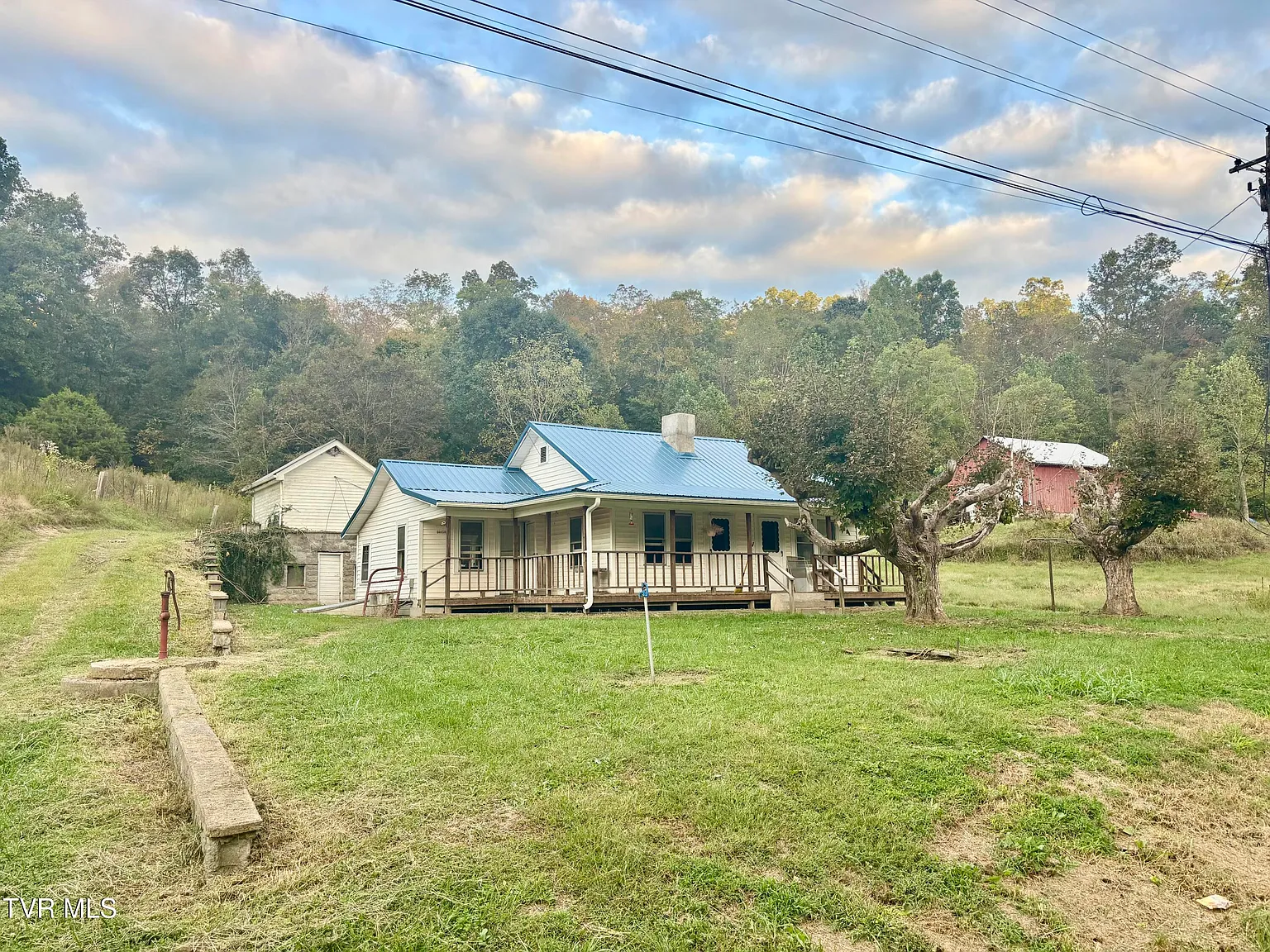
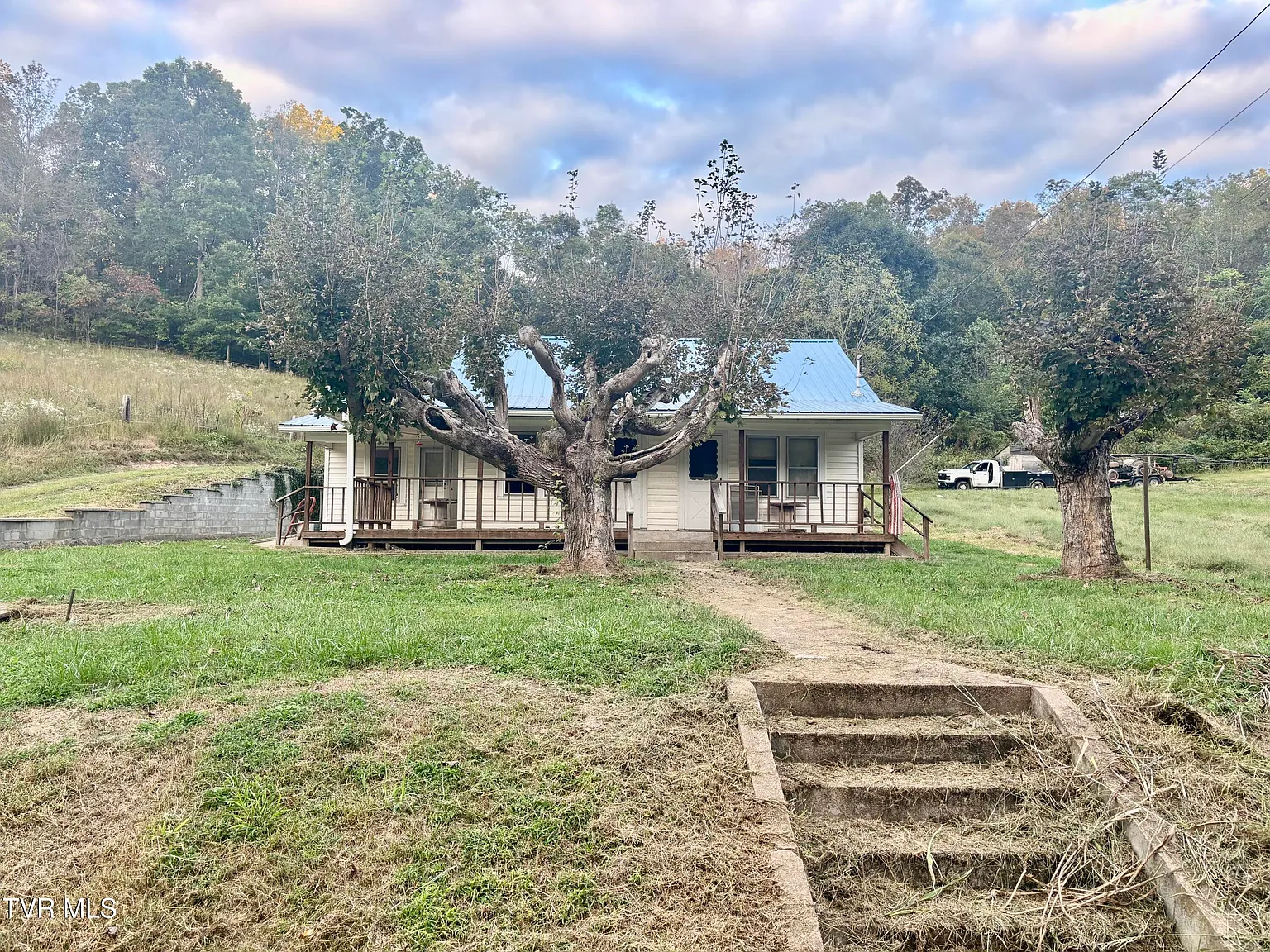
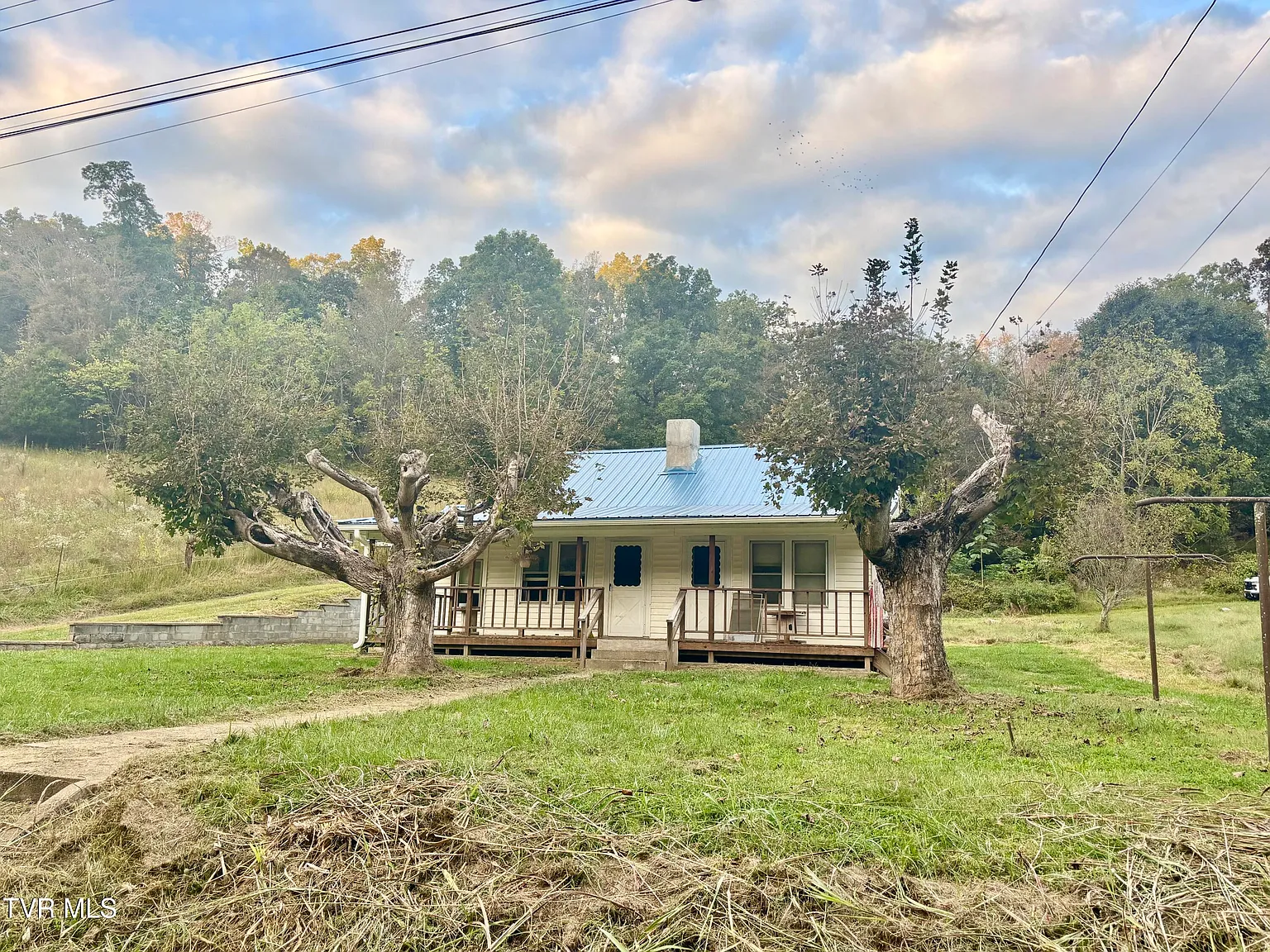
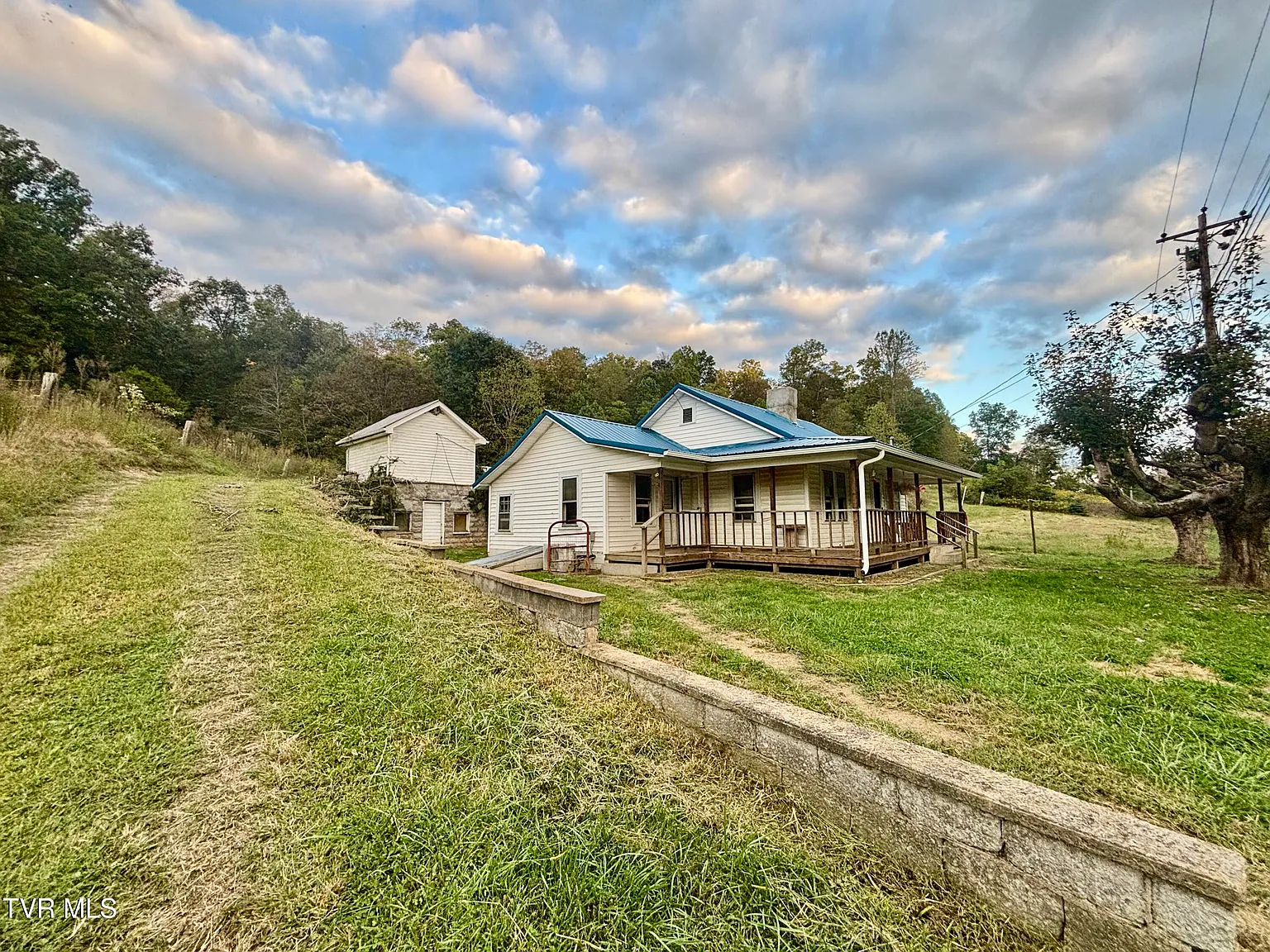
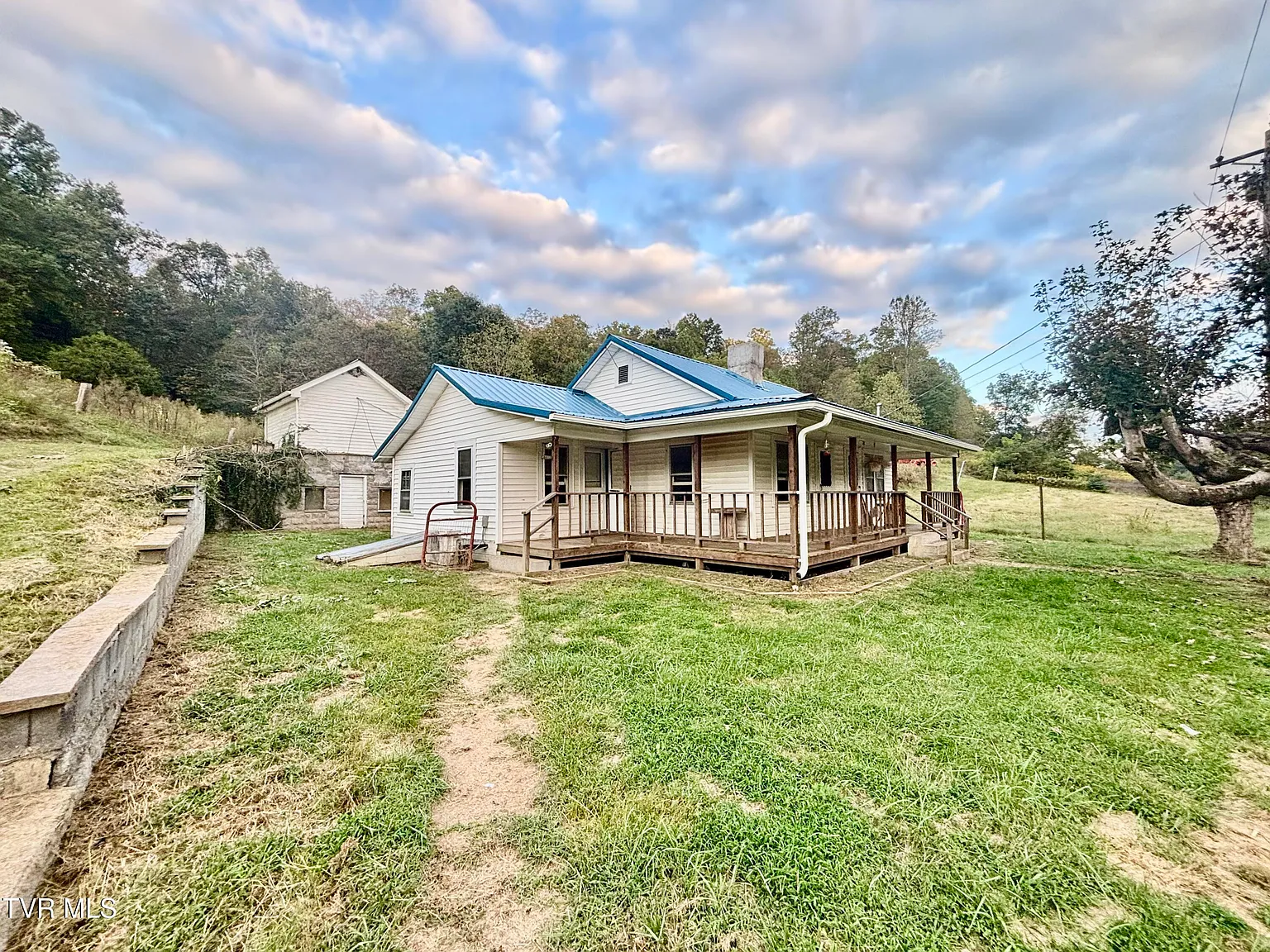
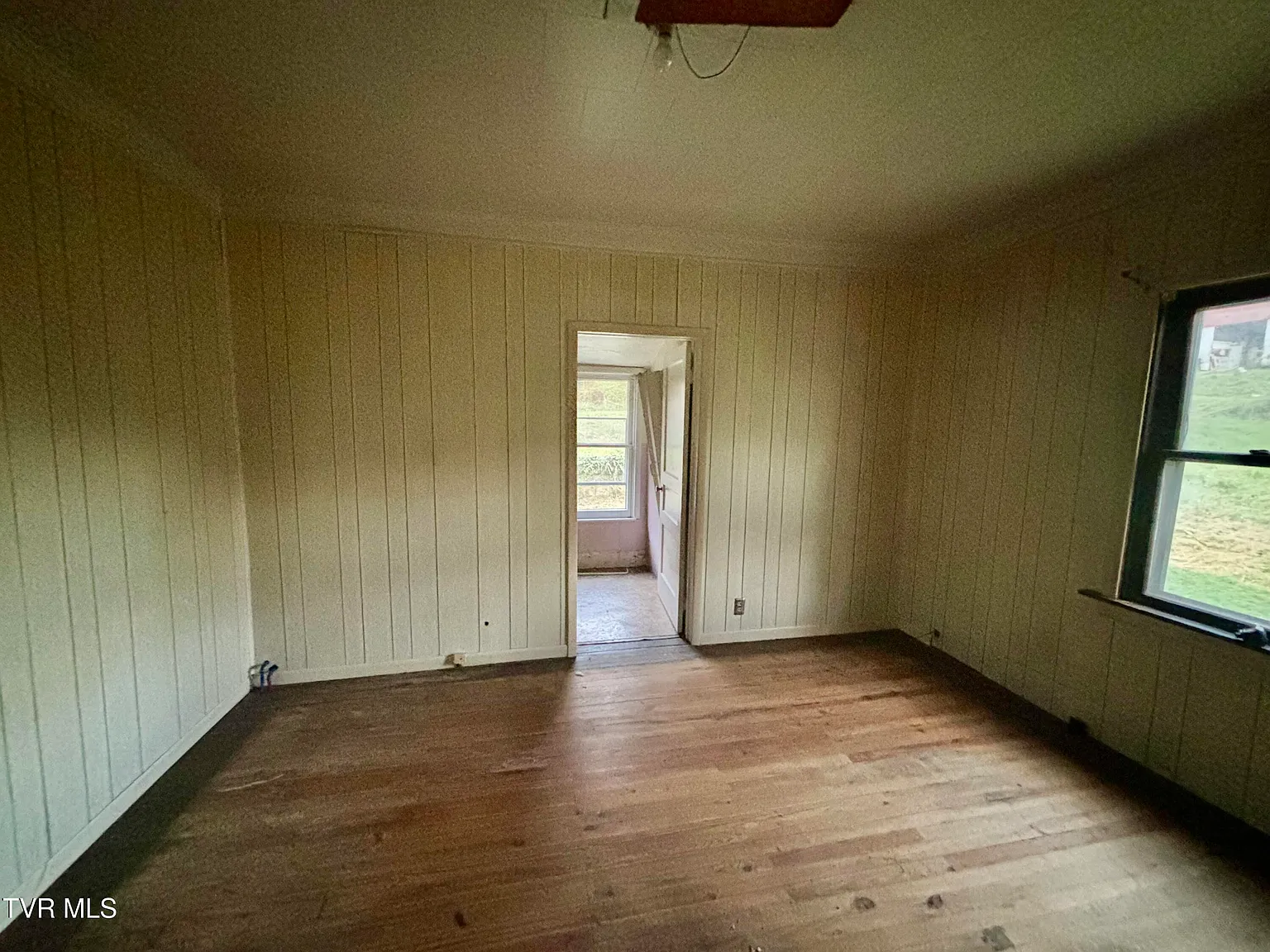
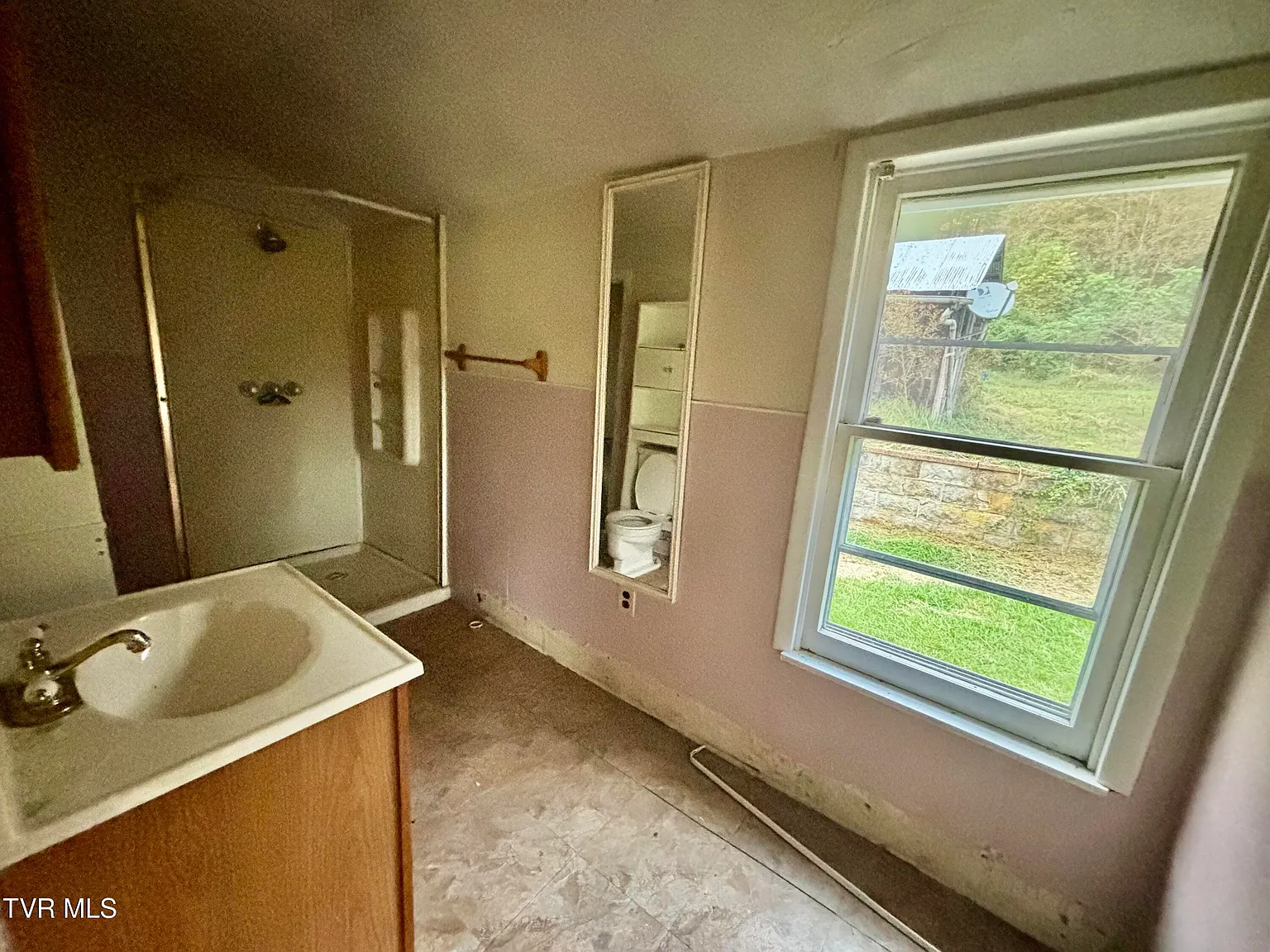
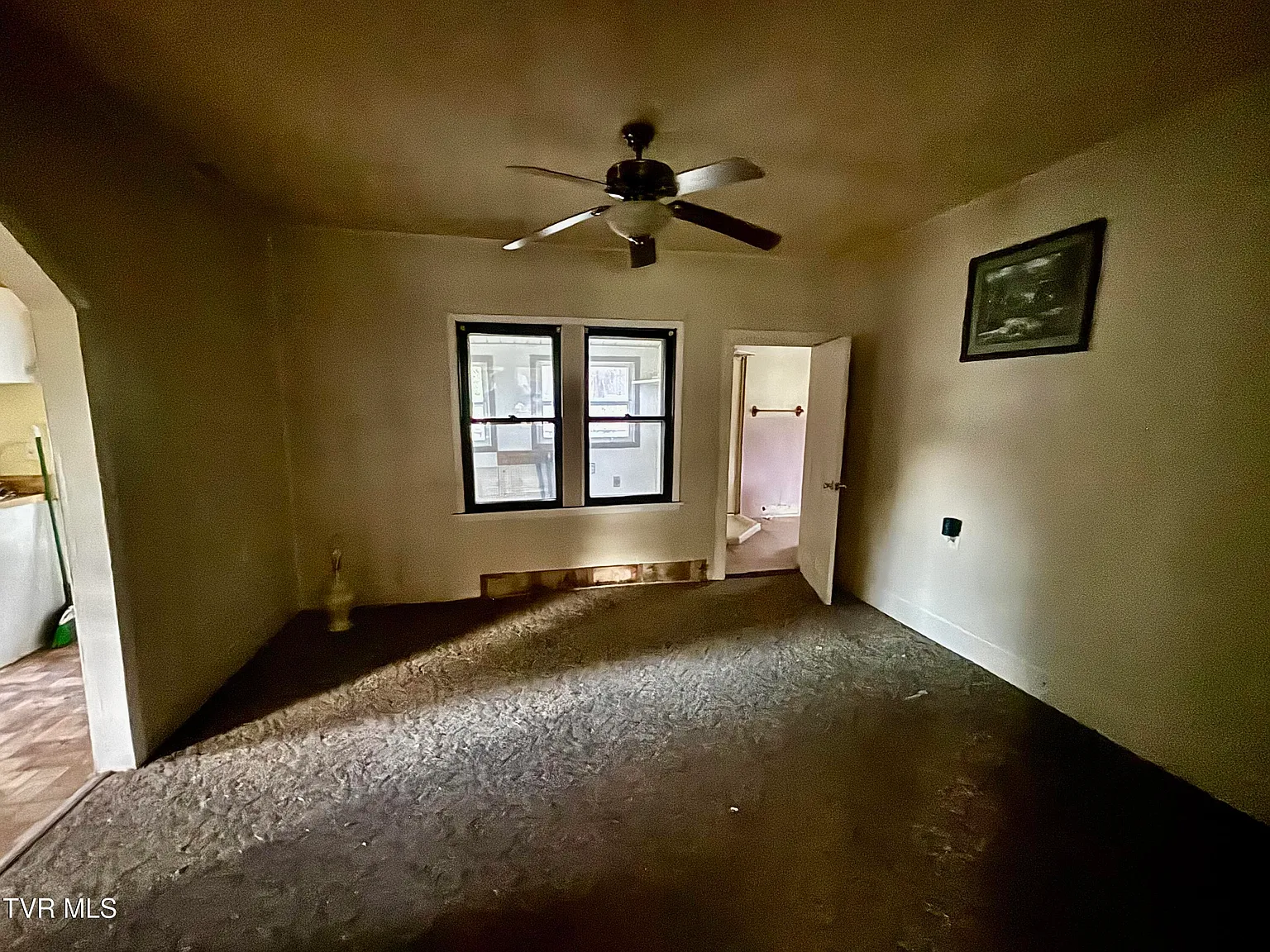
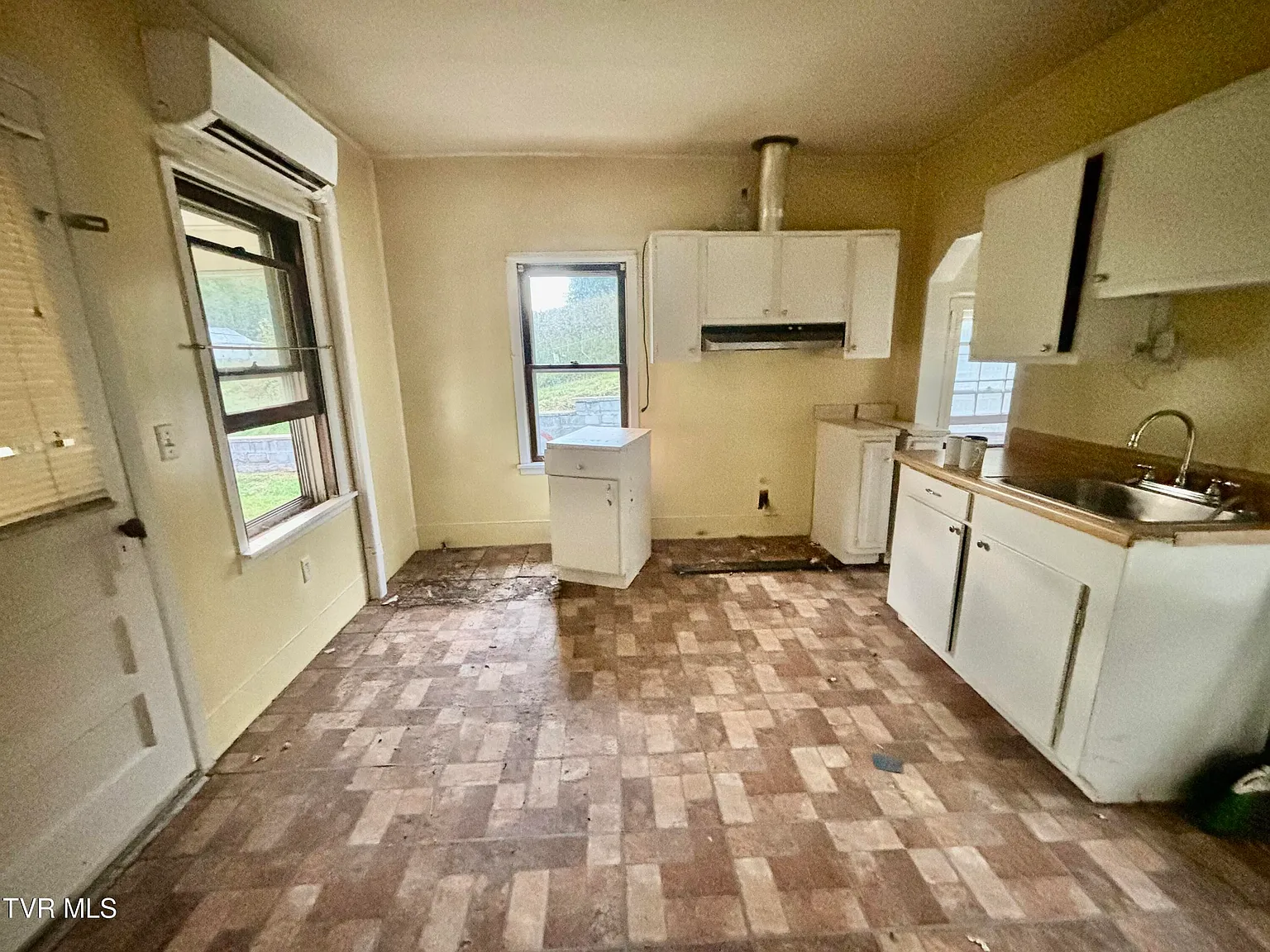
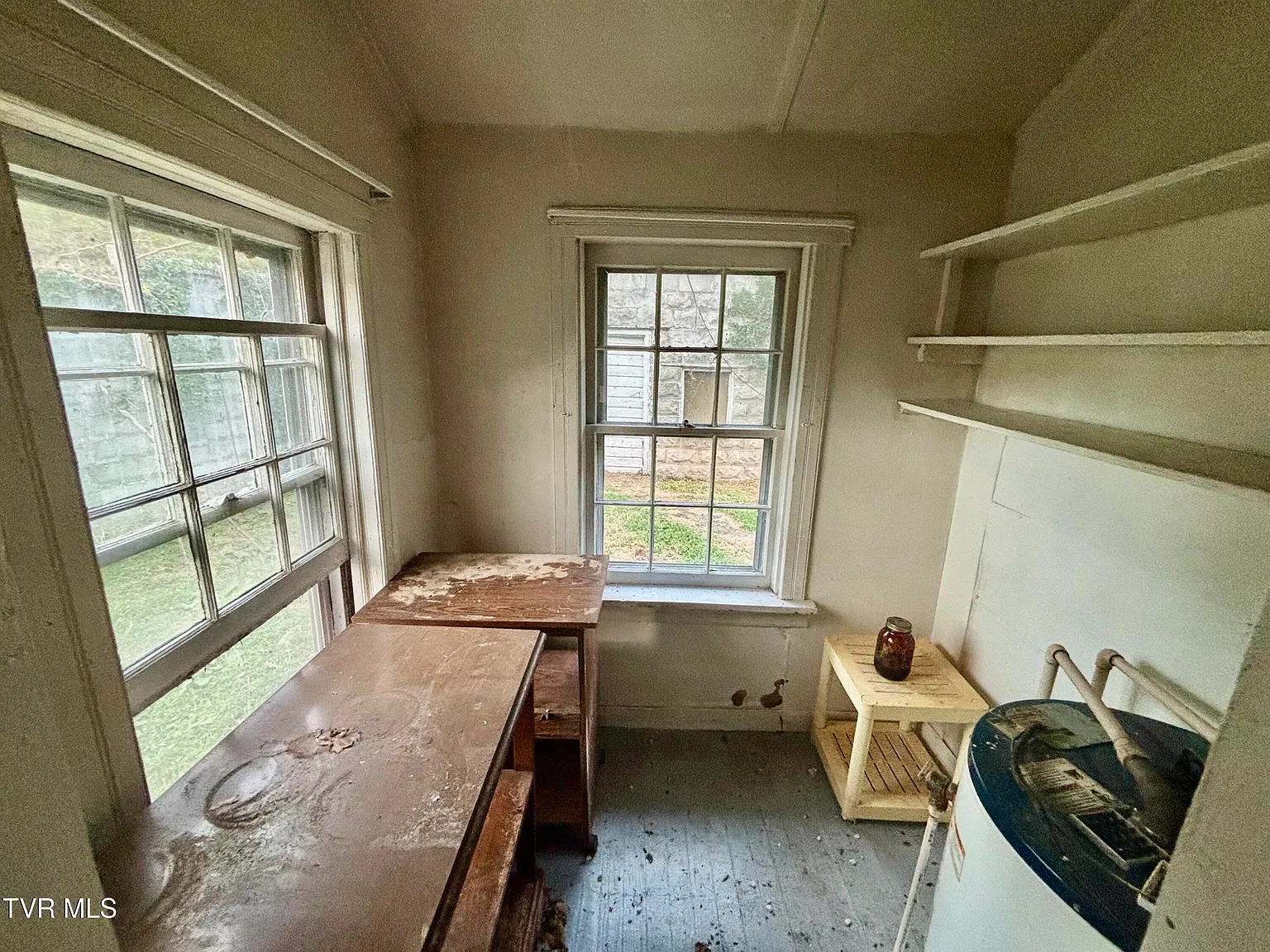
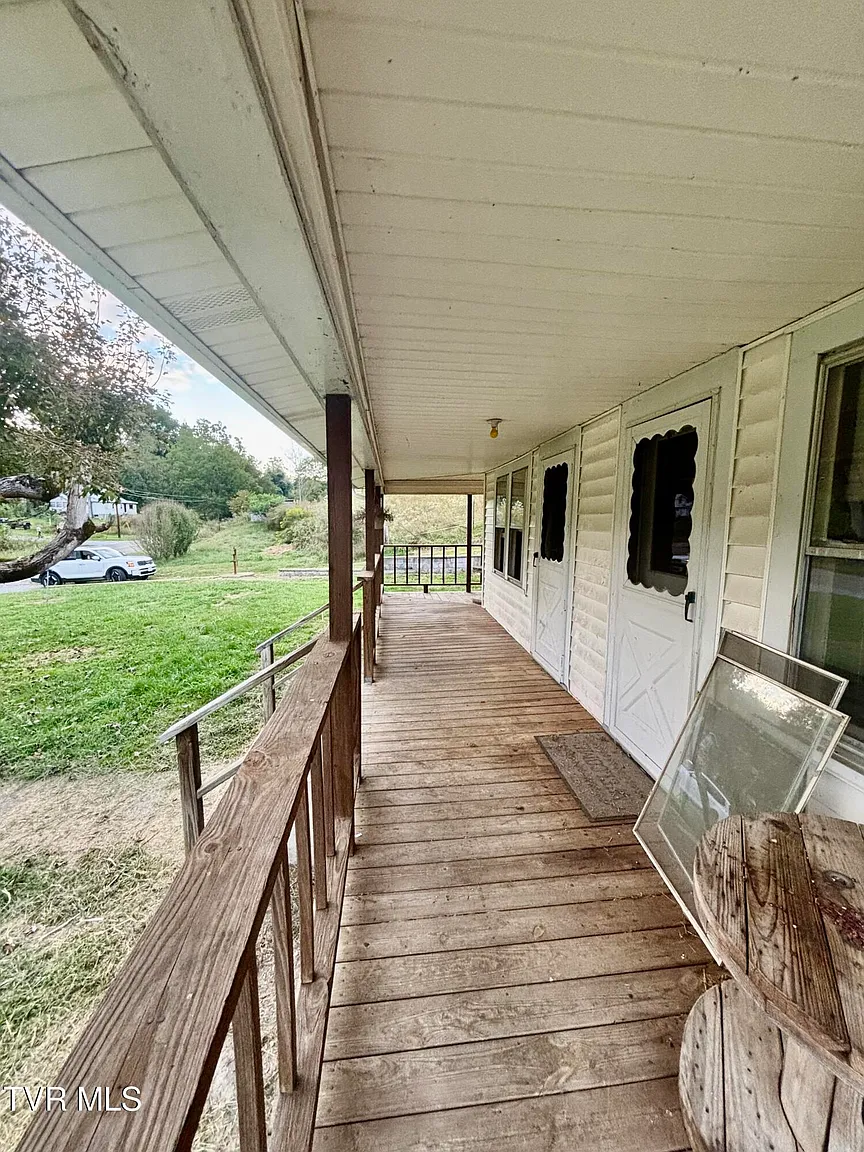
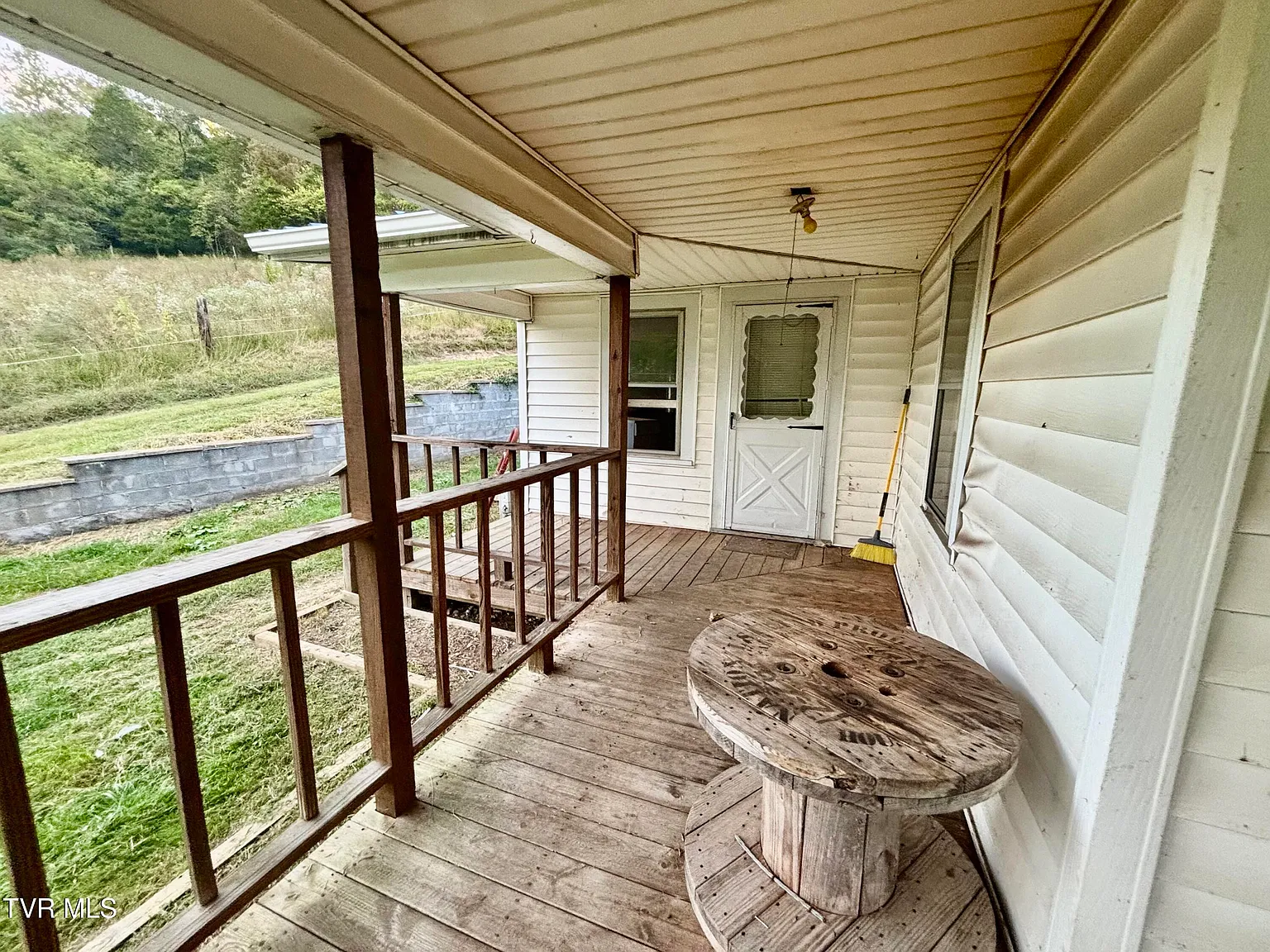
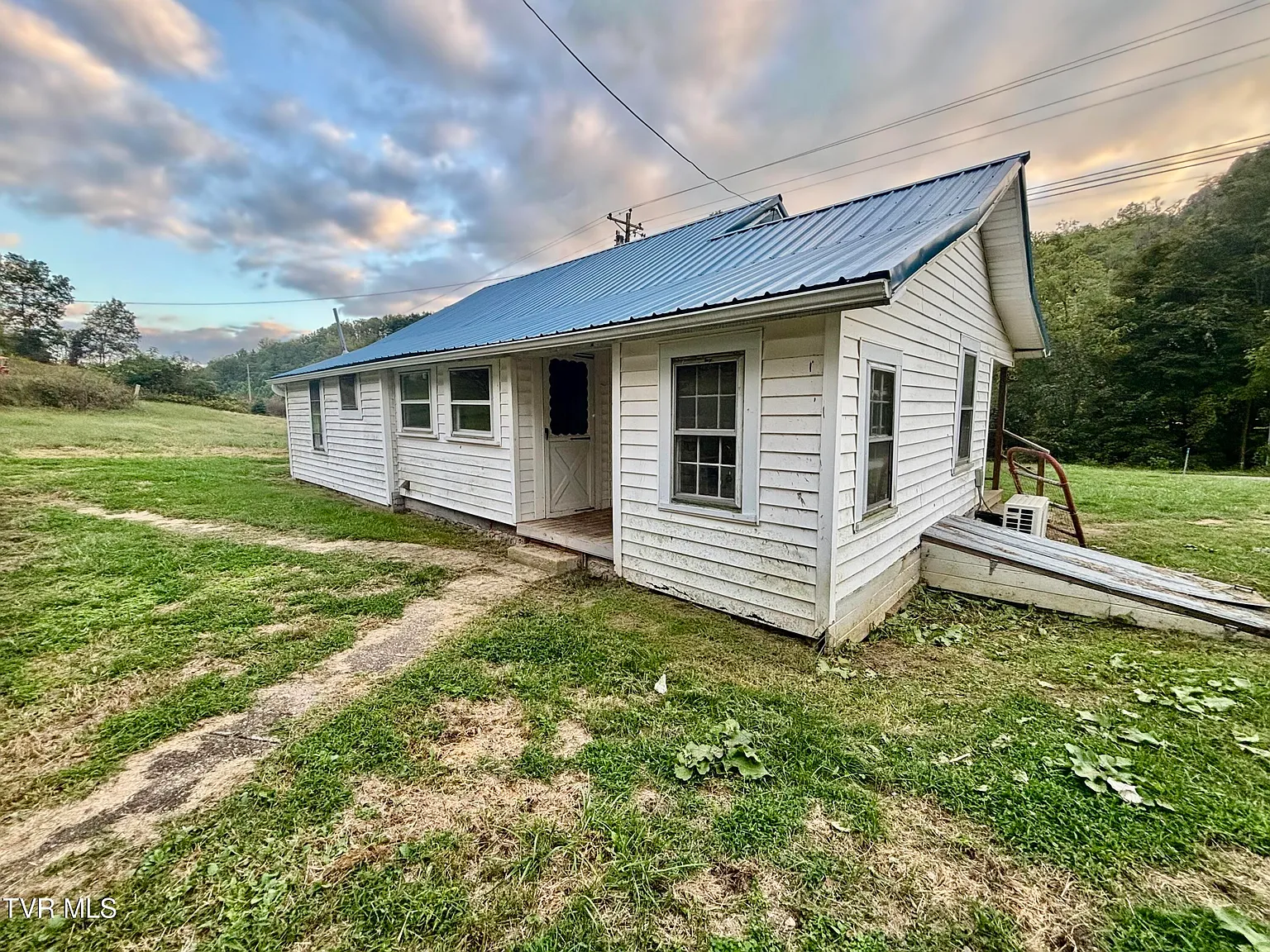
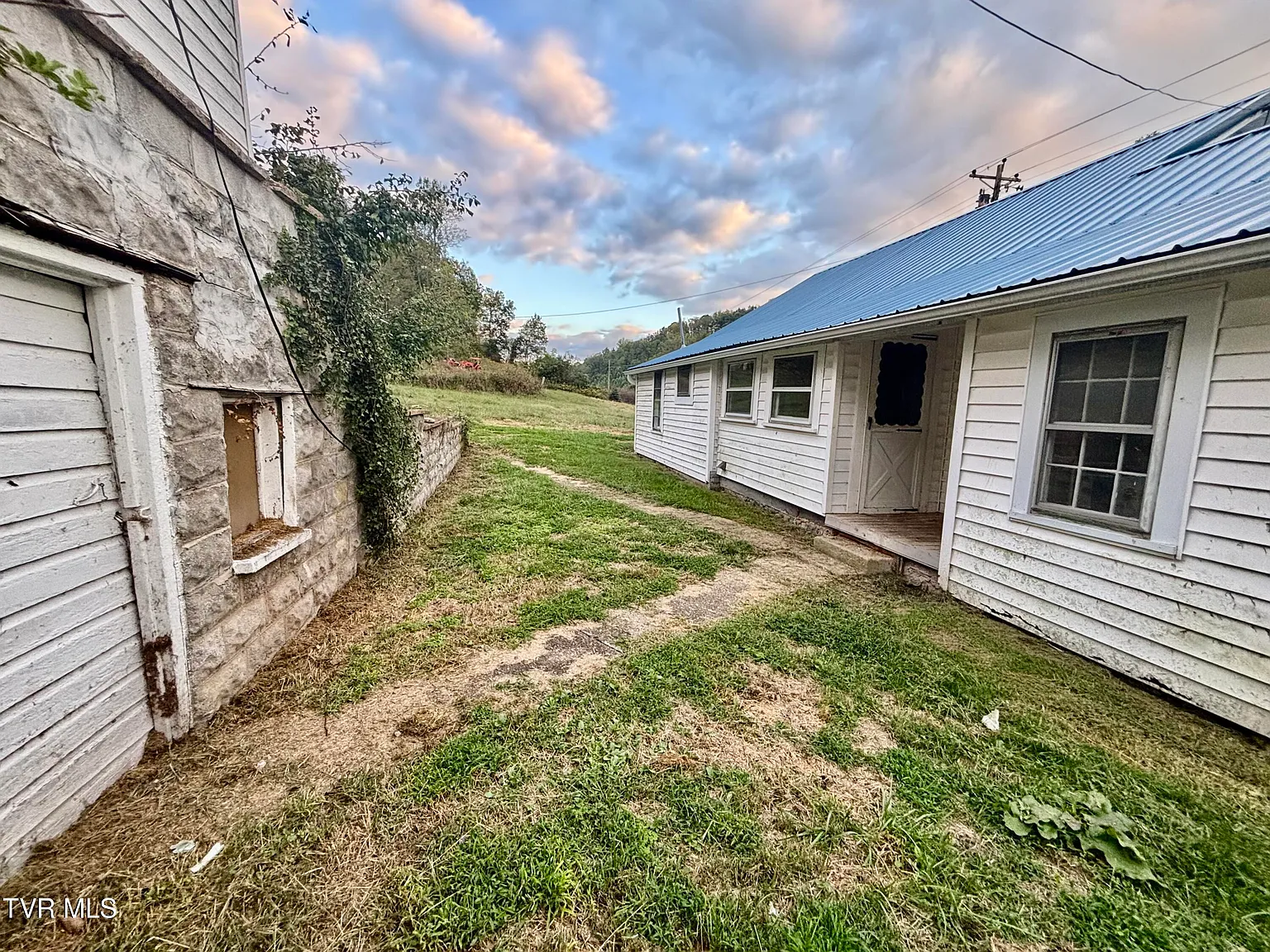
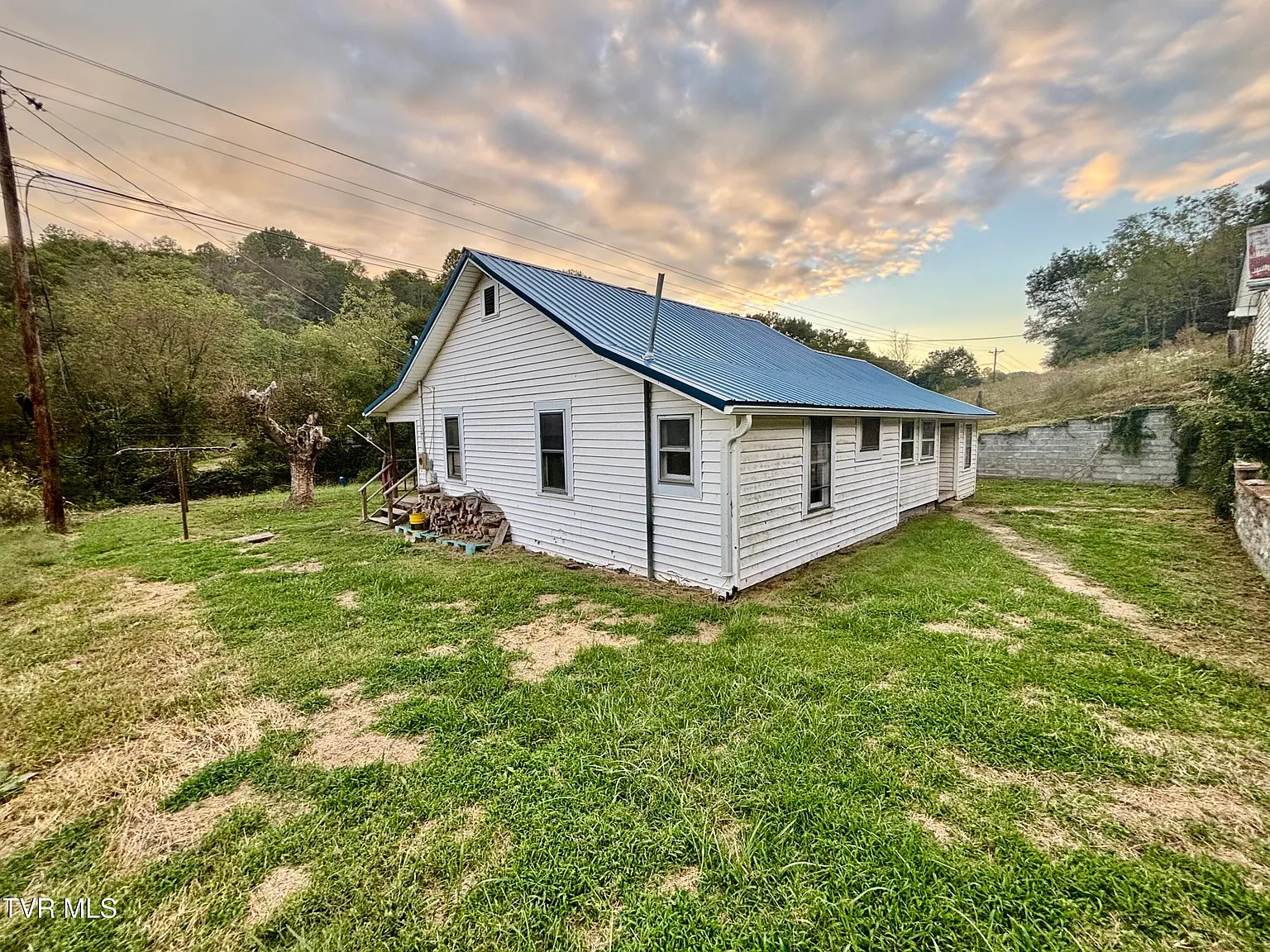
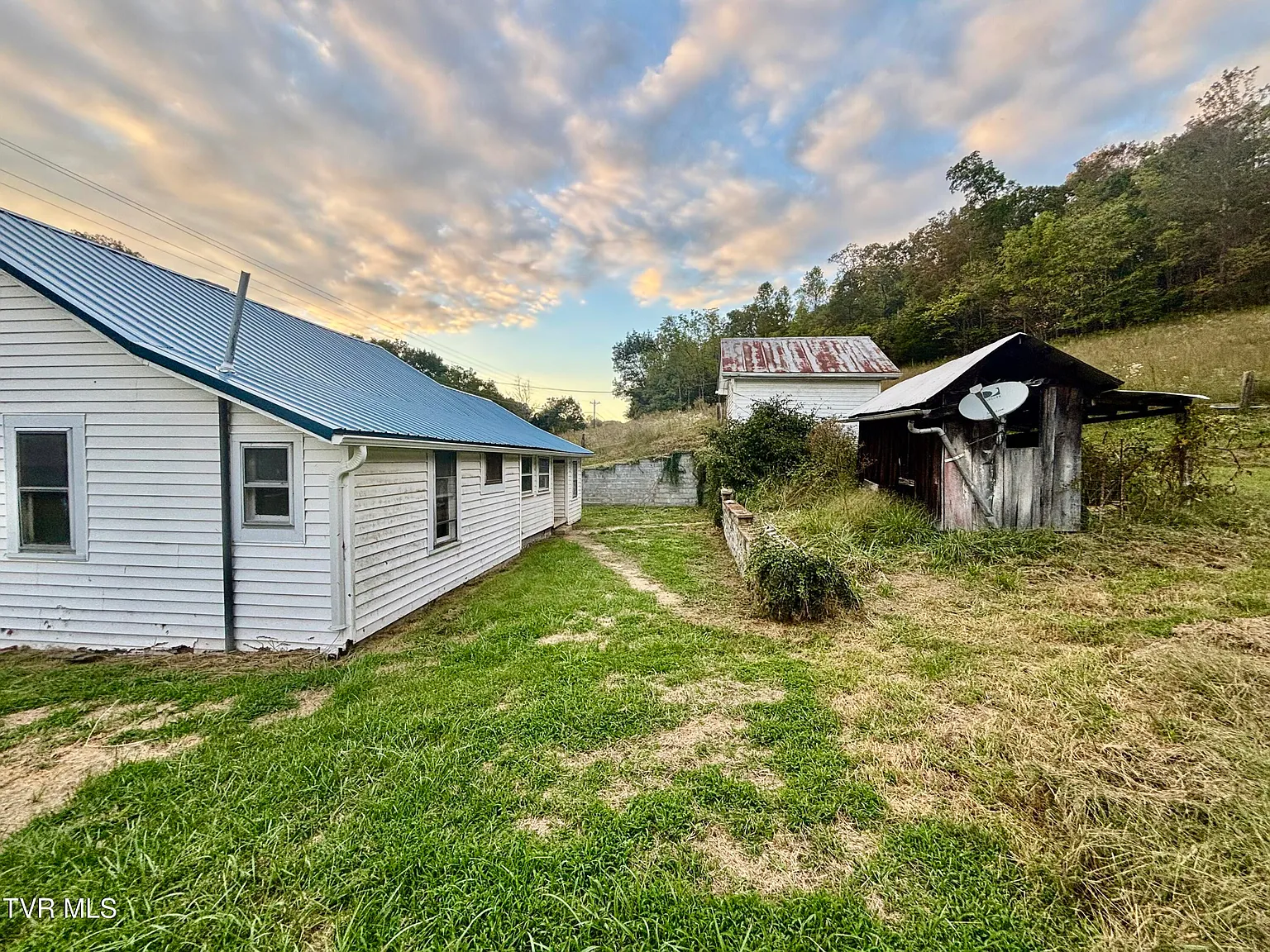
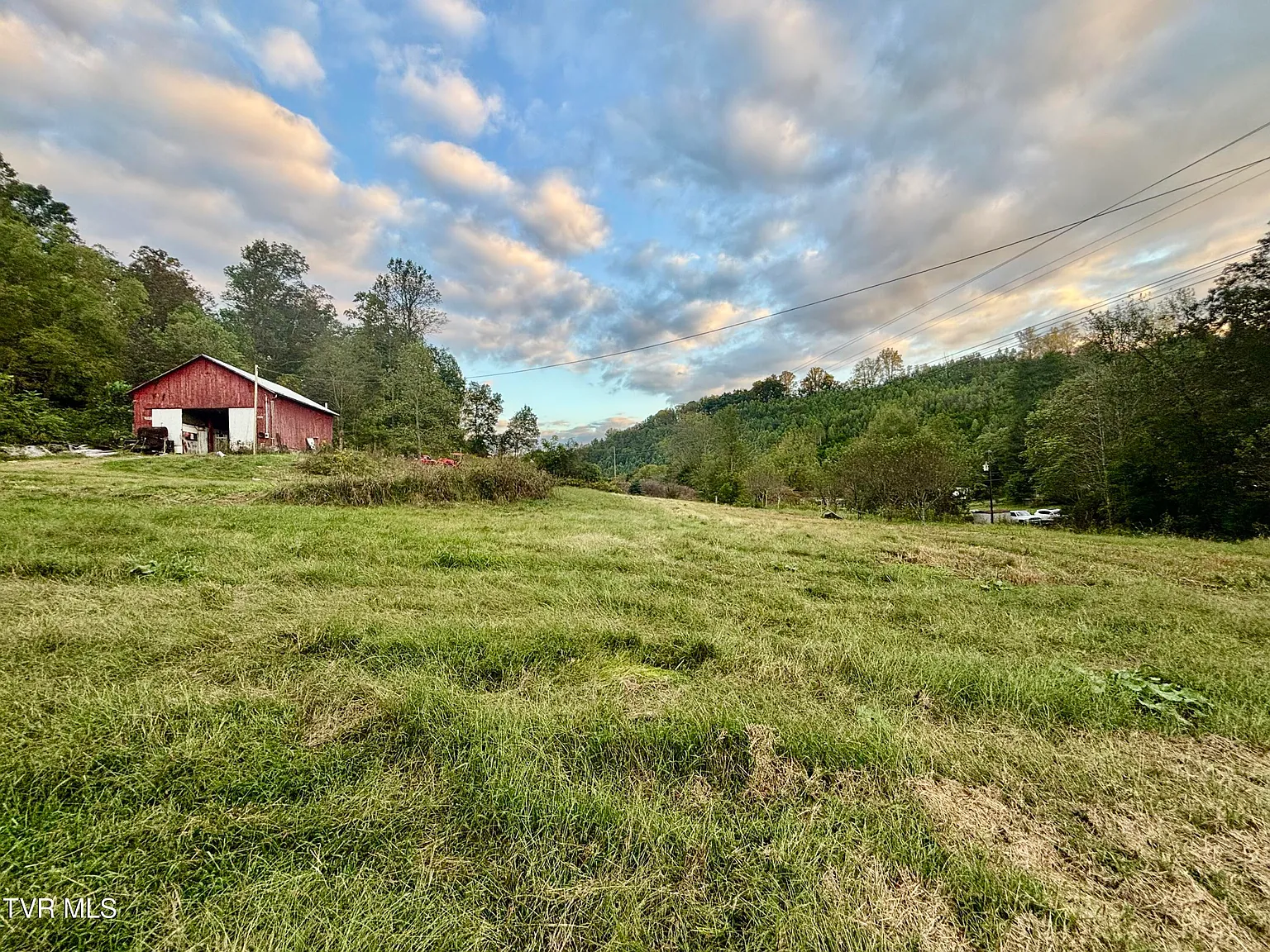
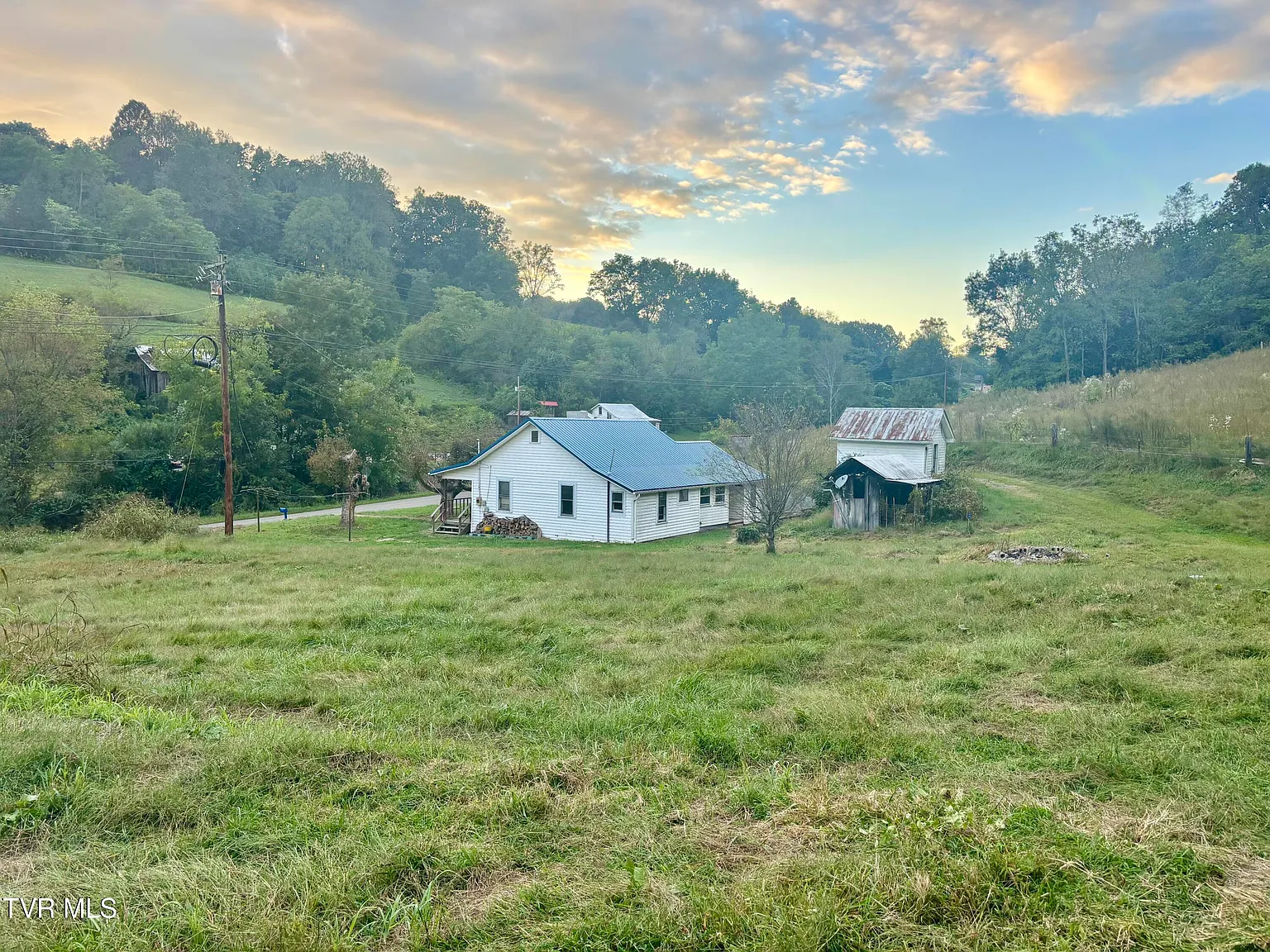
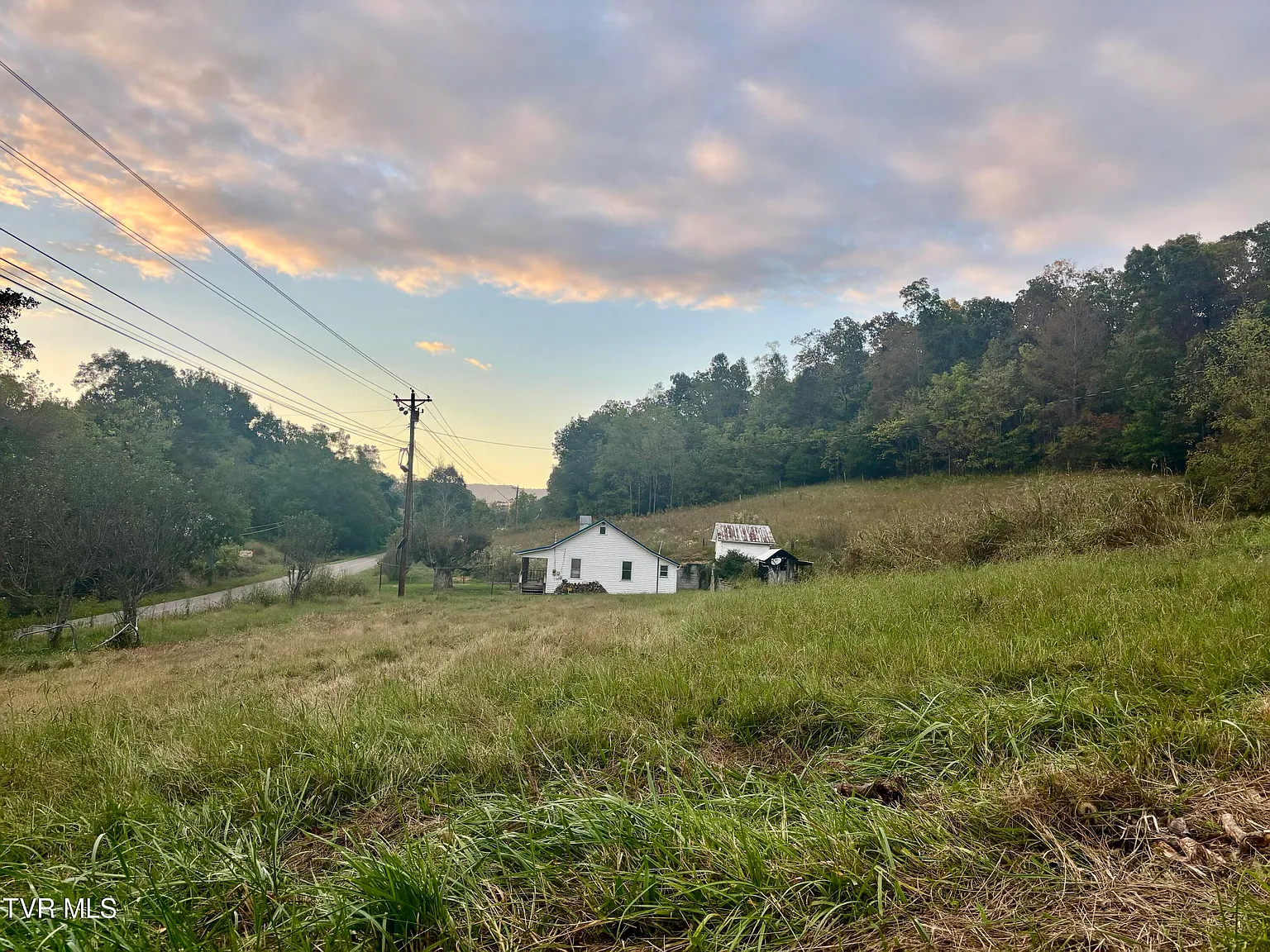
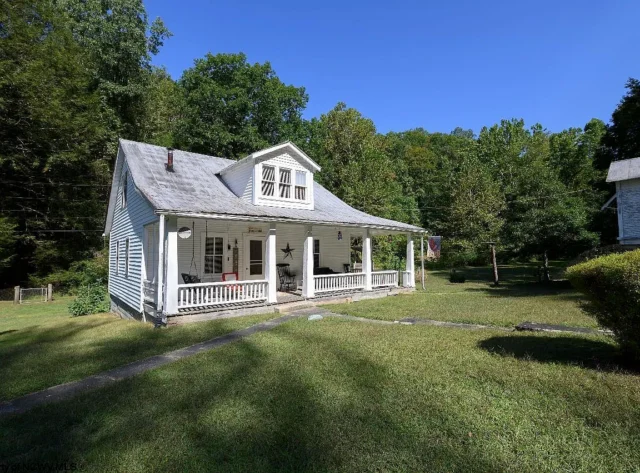
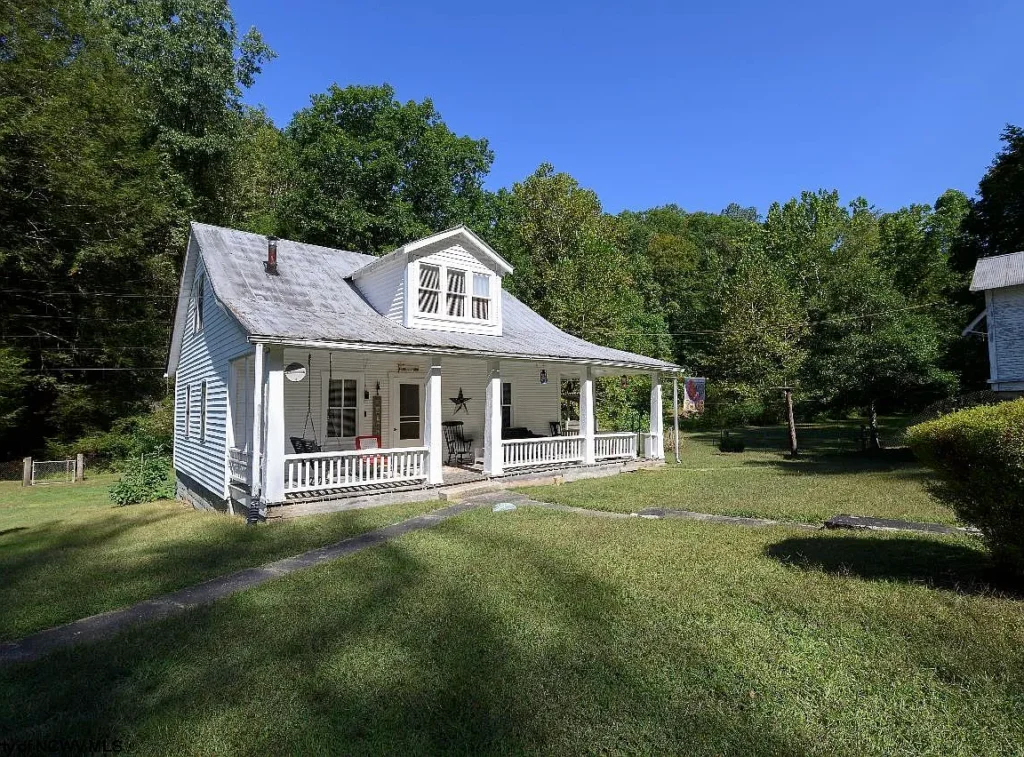
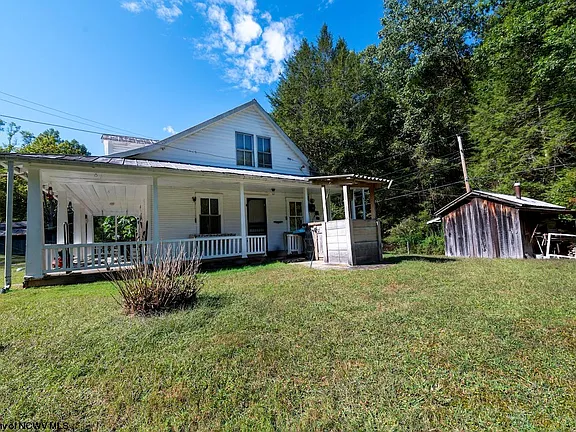
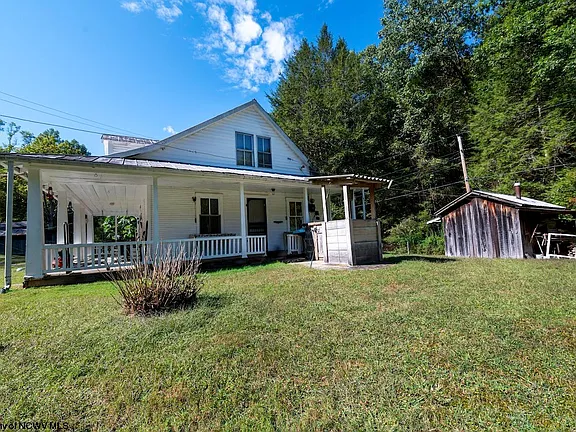
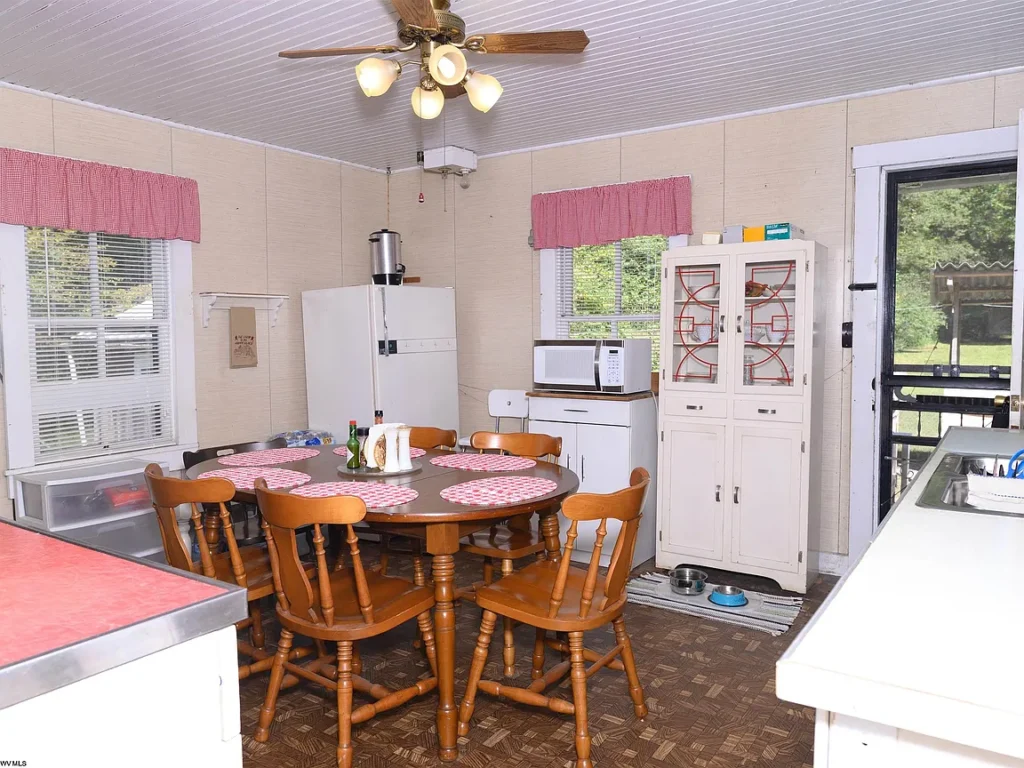
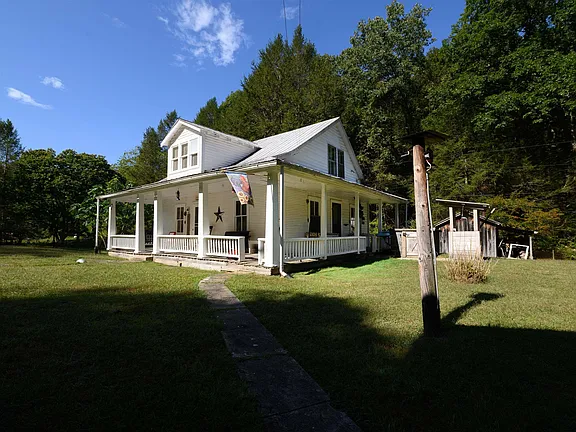
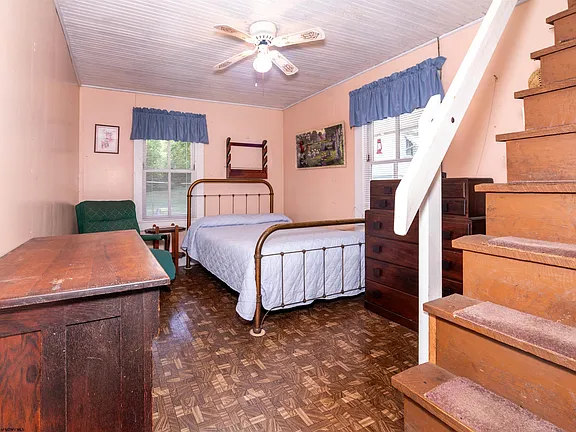
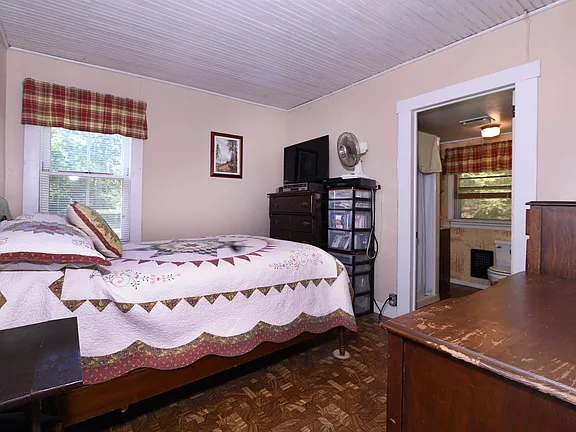
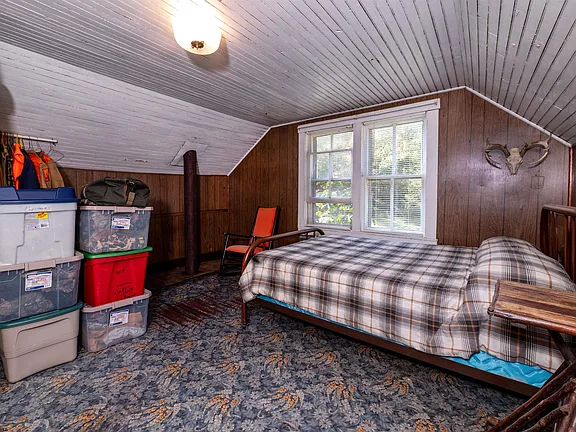
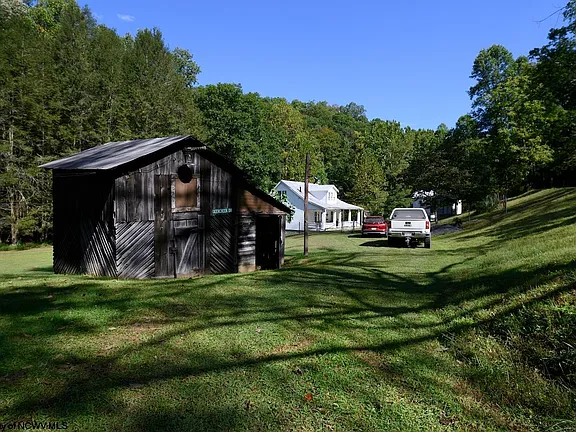
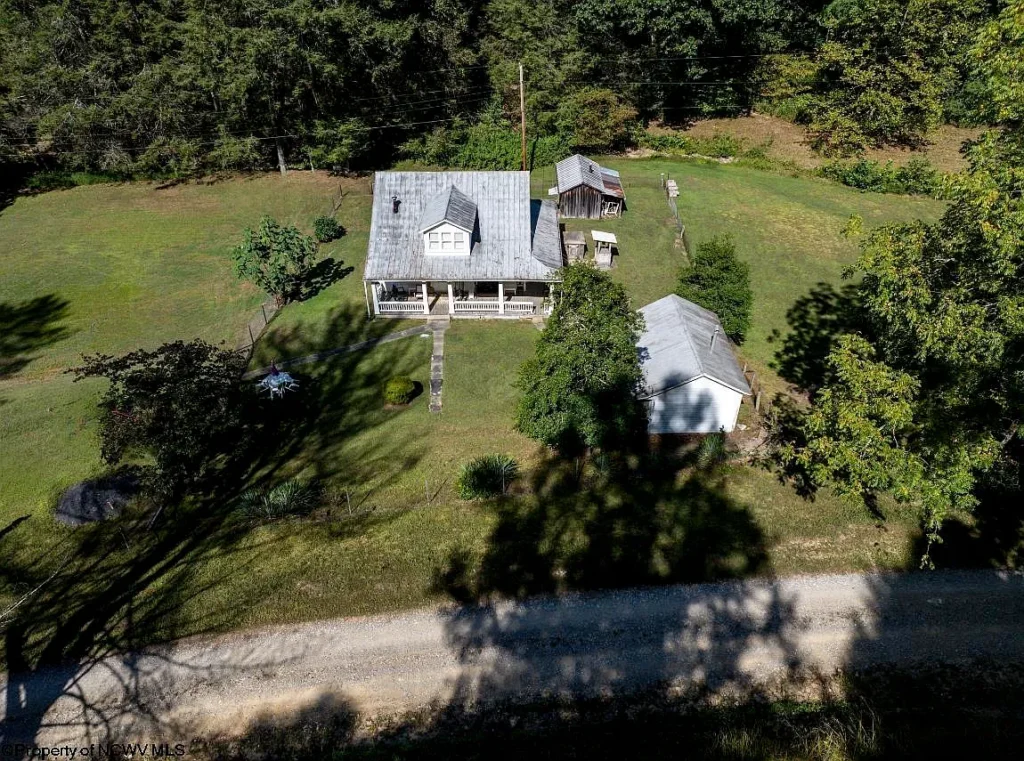
Nestled in a quiet rural spot on 1625 Red Fletcher Road in Jonesville, Virginia, this quaint farmhouse sits on 5.89 picturesque acres, offering the start of a functional mini farm. Developed in 1942, the home spans 976 square feet, brimming with potential and in need of some updates. Inside, the layout features two spacious bedrooms, one full bathroom, an updated roof, updated heating/cooling systems, carpet and laminate flooring, public water with an optional well, and a septic system. T

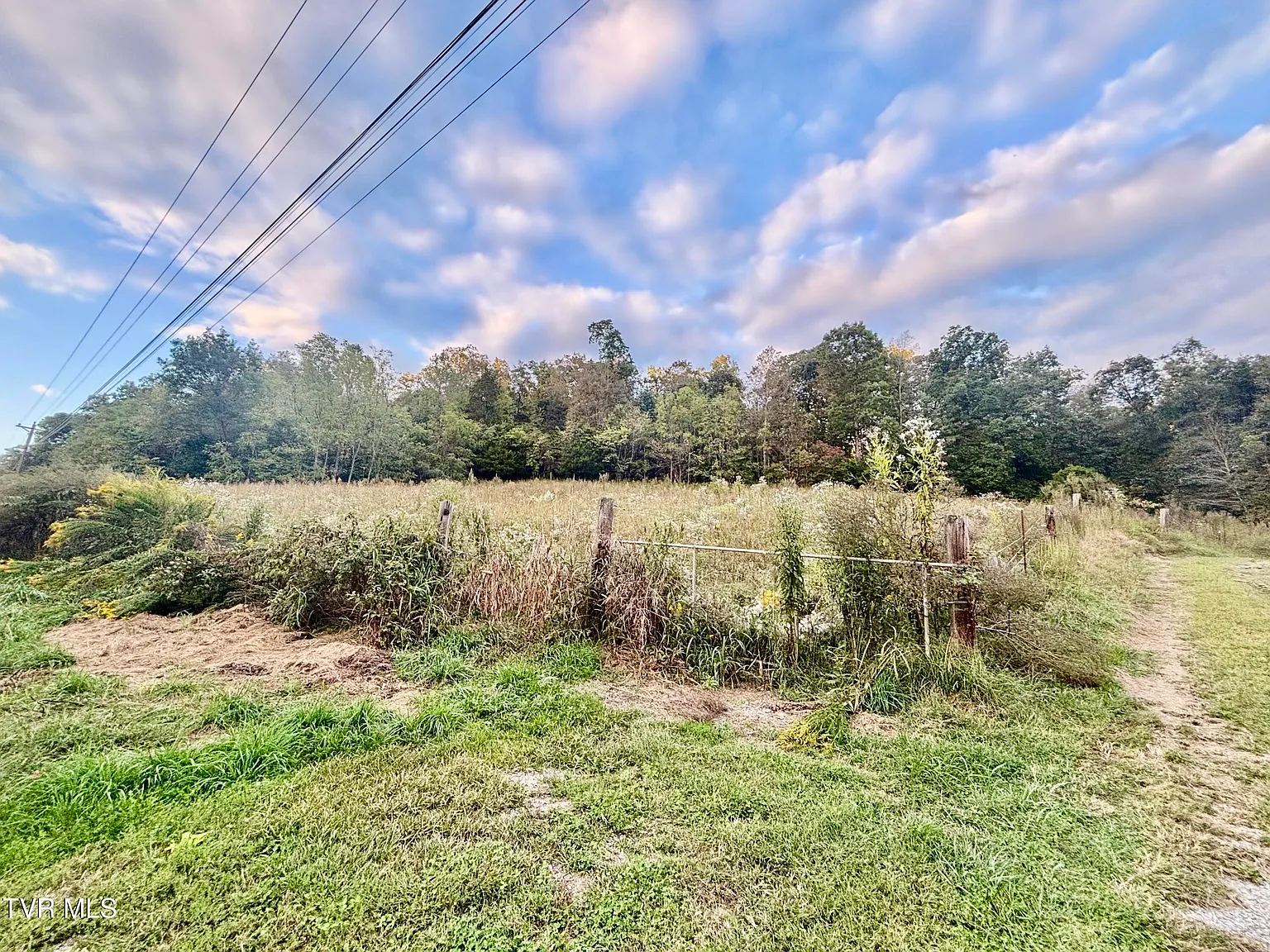
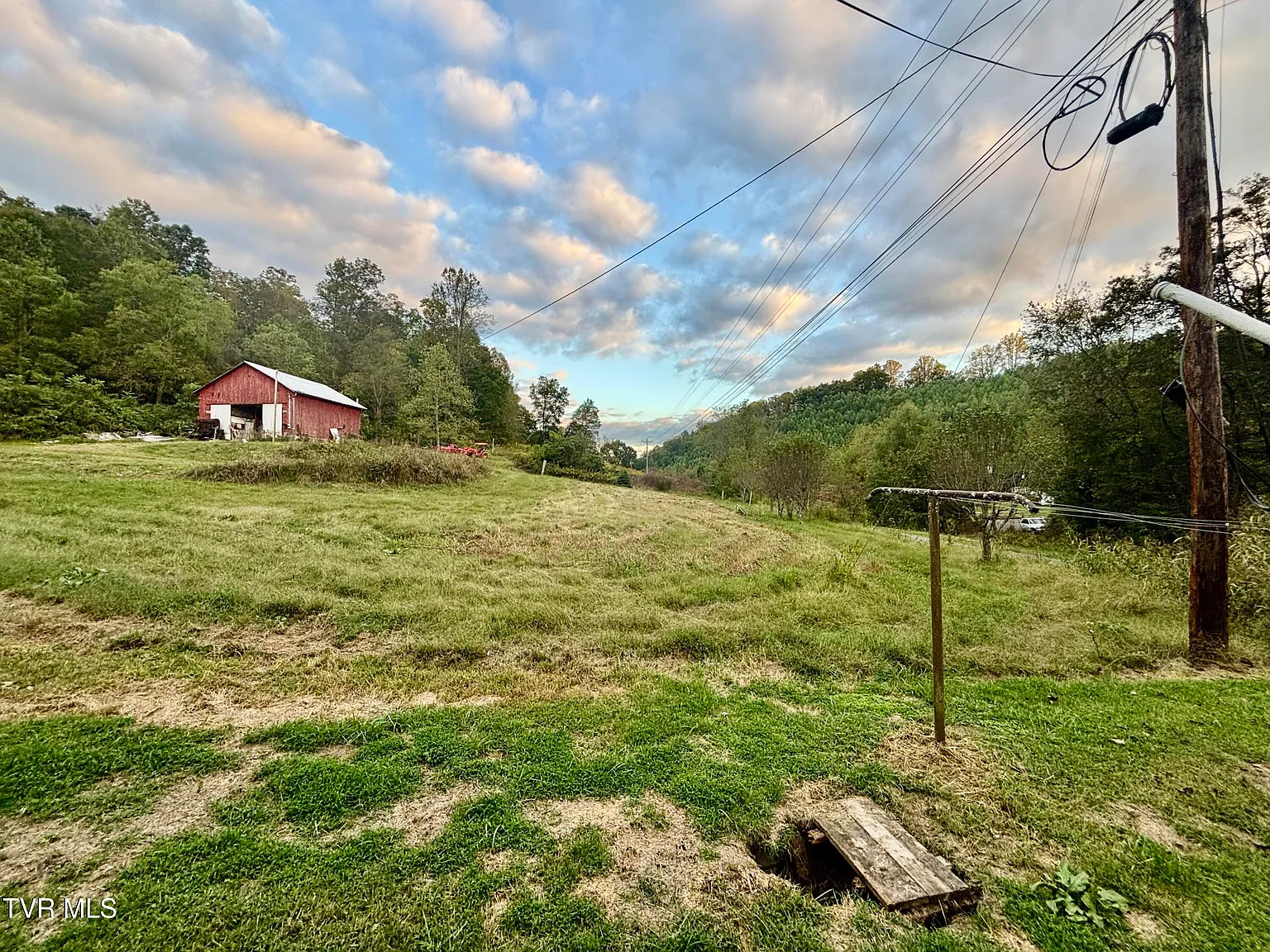
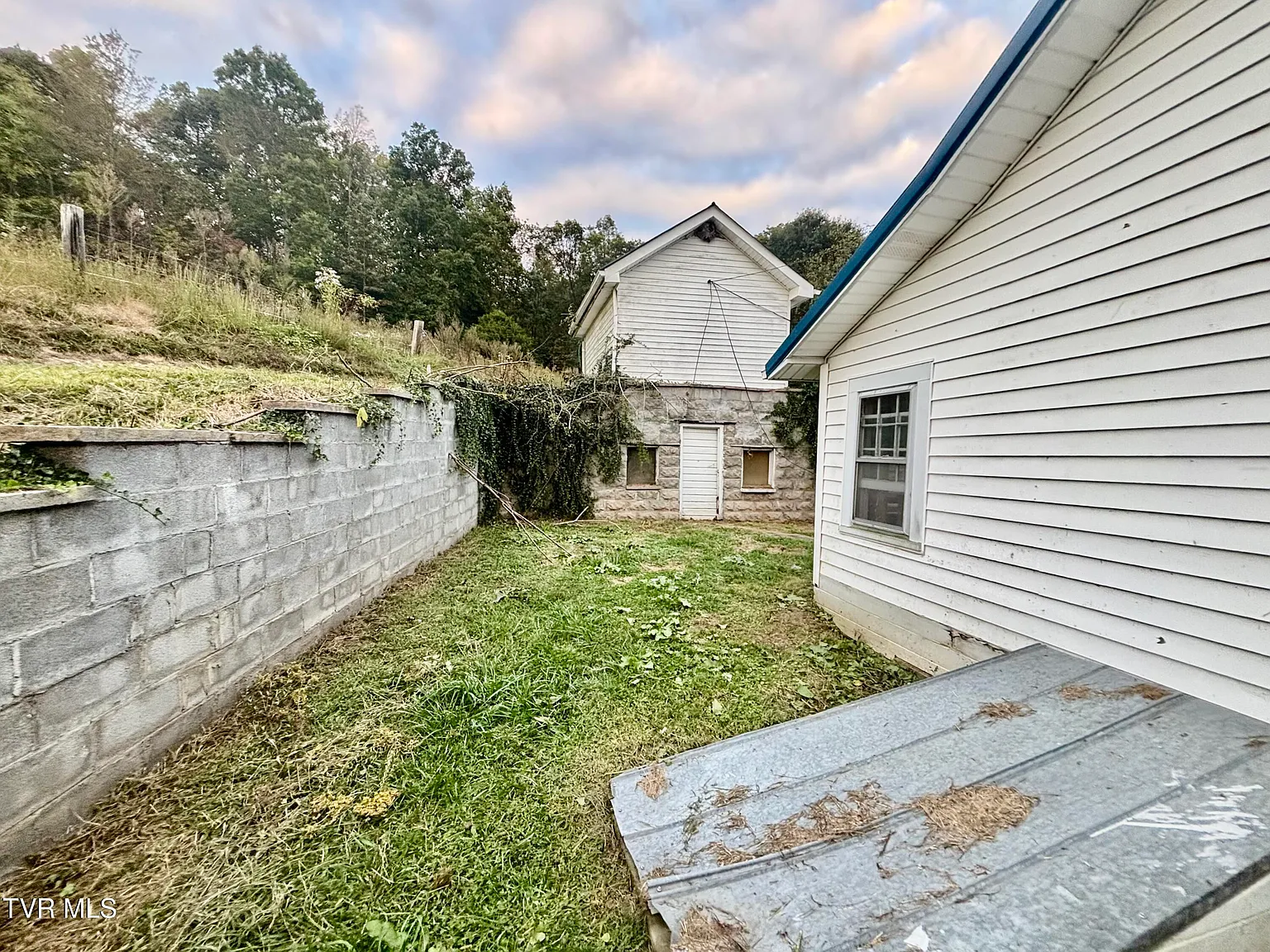
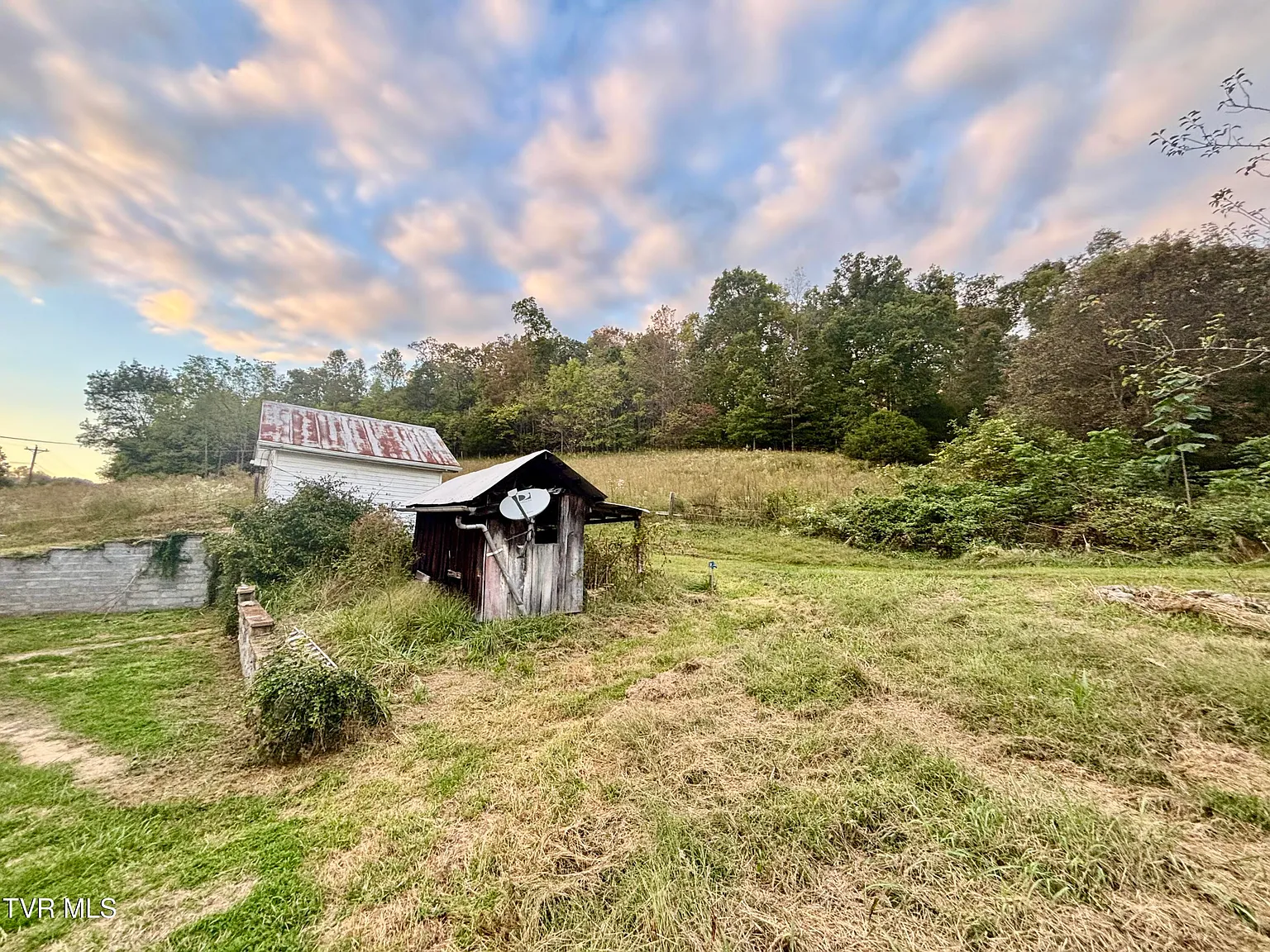
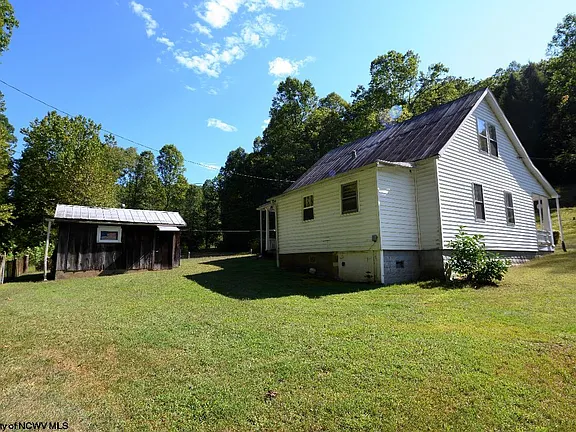
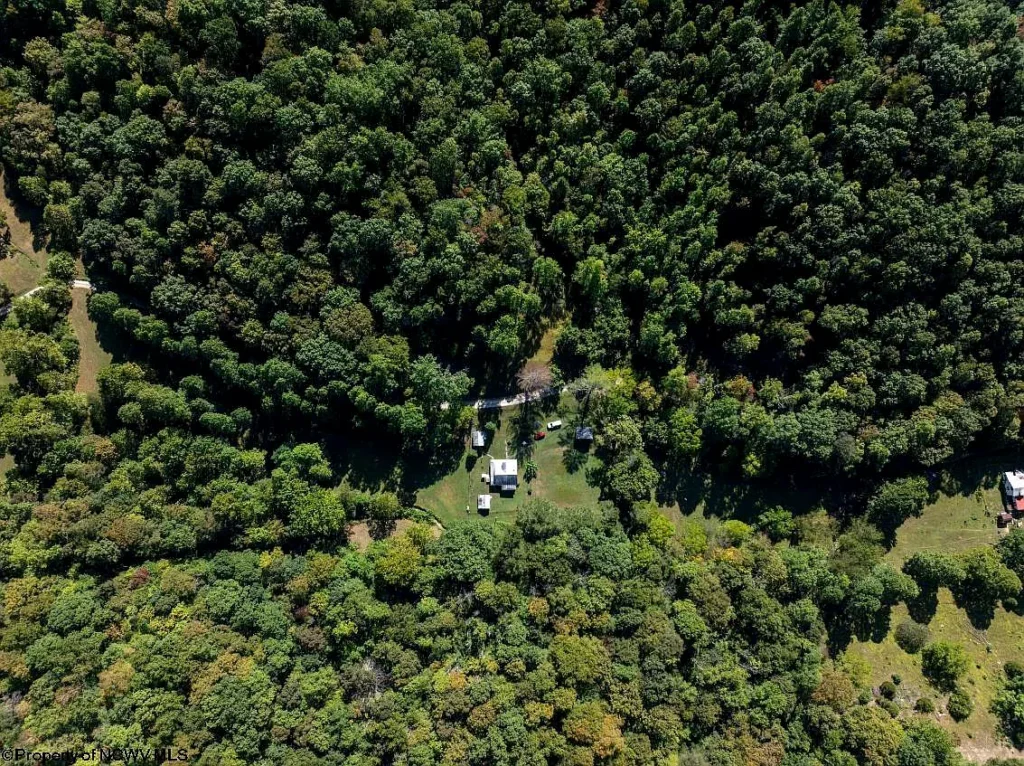
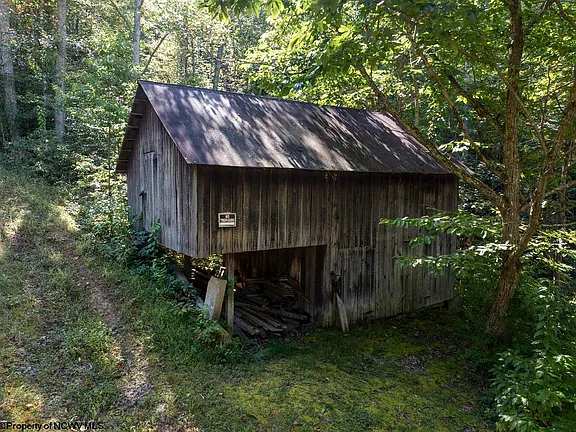
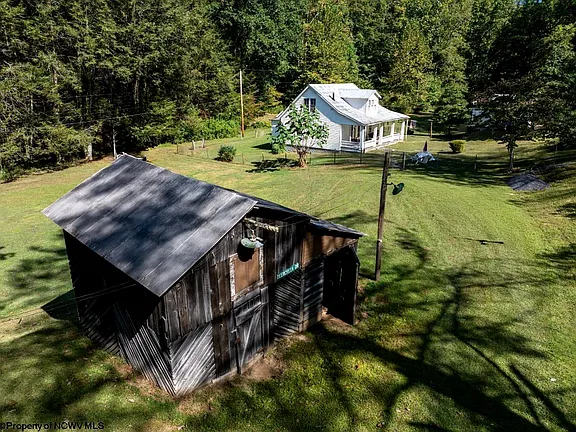
he land is a mix of grass and woodland, giving both open and shaded areas. A large barn has been converted into a workshop and garage, complete with a loft above, making it useful for storage, projects, or livestock support. Additional structures include a coal shed, cellar, and an outbuilding, offering ample space for tools and equipment. The lot is a level and sloped terrain, perfect for a variety of purposes. With almost six acres, the property has enough room for raising animals, gardening, and even hunting.

While the house itself needs updates, the combination of usable land and existing outbuildings makes it a practical opportunity for someone looking to establish a small homestead. Sold as-is, the property offers potential for restoration and transformation tailored to your needs and preferences.

Schedule your private showing today to experience the setting, the amazing foundation, and the brimming potential! 

Price $119,000.

If you need more info, contact the listing agent from the Zillow link below the photos.

Listed on Zillow

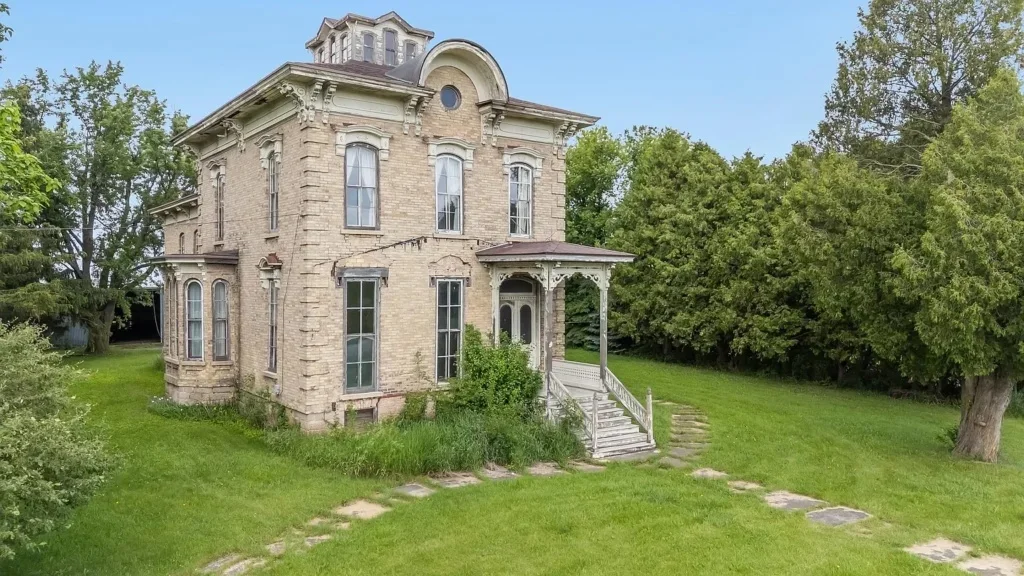
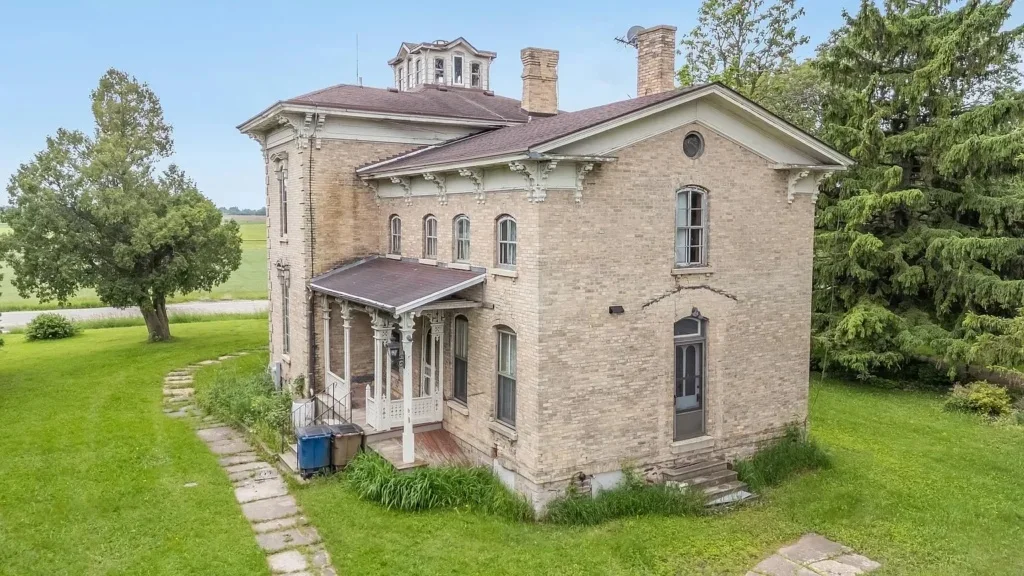
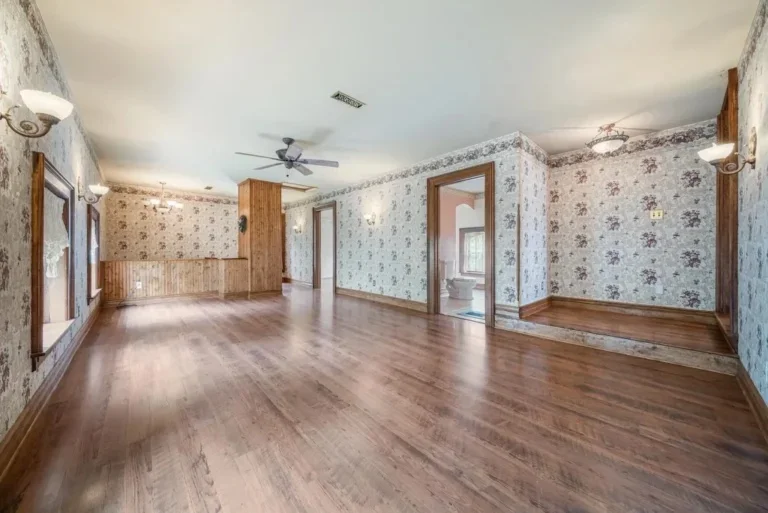
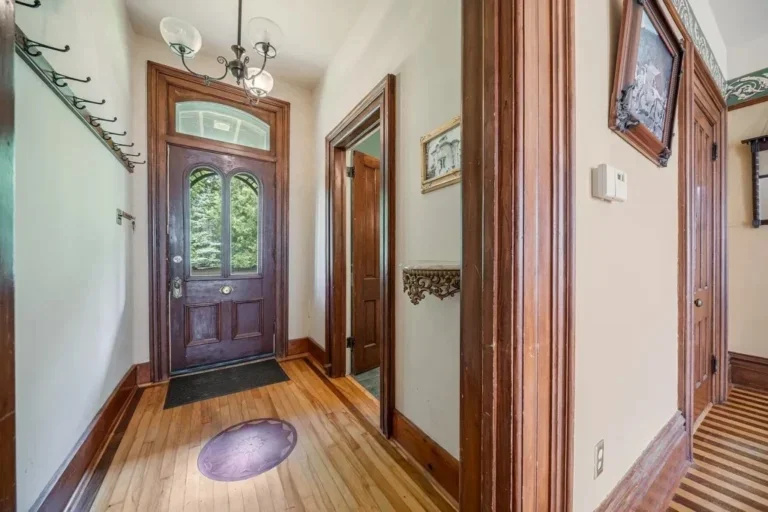
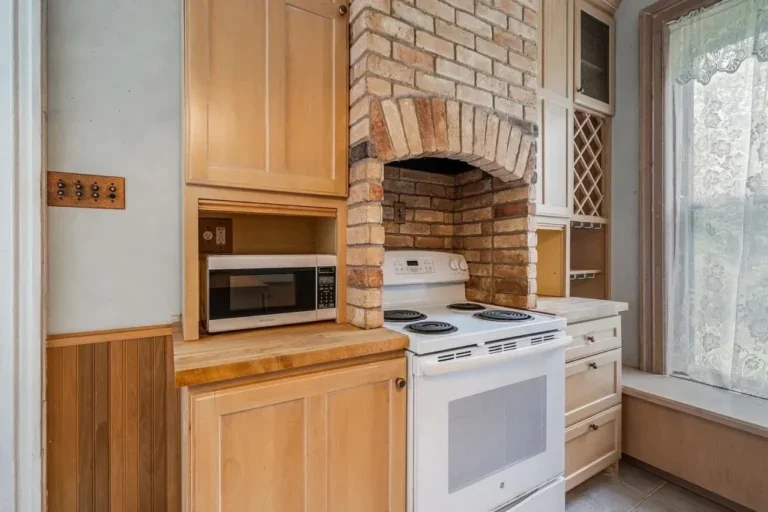
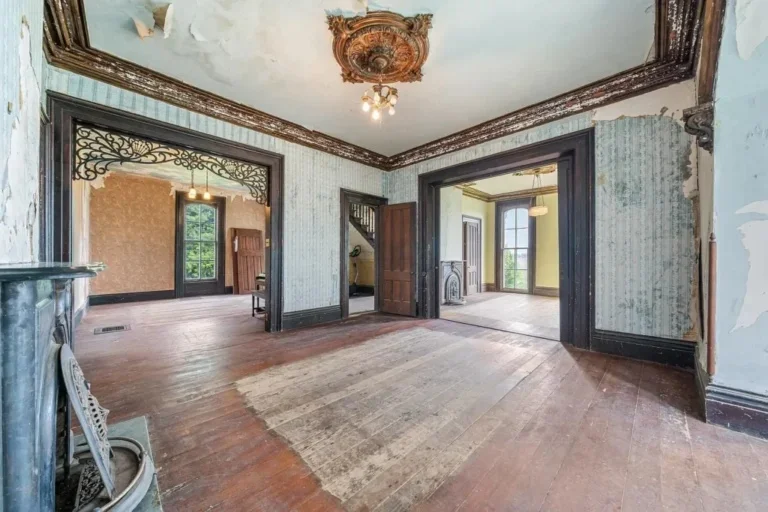
Price Cut: $25,000 Now $314,900. Circa 1873 with 3 bed & 3 bath

There’s a special kind of integrity you find in a 19th-century brick farmhouse, a sense of permanence and history that is simply unmatched.

Price Cut: $25,000 (8/12)

Now $314,900

3 Bedrooms

3 Bathrooms

3,580 Sq Ft

Built in 1873

1 Acre Lot

 4760 State Road 91, Oshkosh, WI 54904

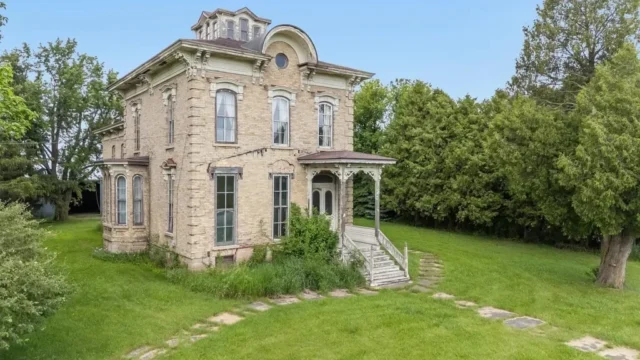
Built in 1873, this handsome home has a powerful presence, standing as a testament to an era of solid, honest craftsmanship.

What makes this opportunity so compelling is that a beautiful vision for its future has already begun.

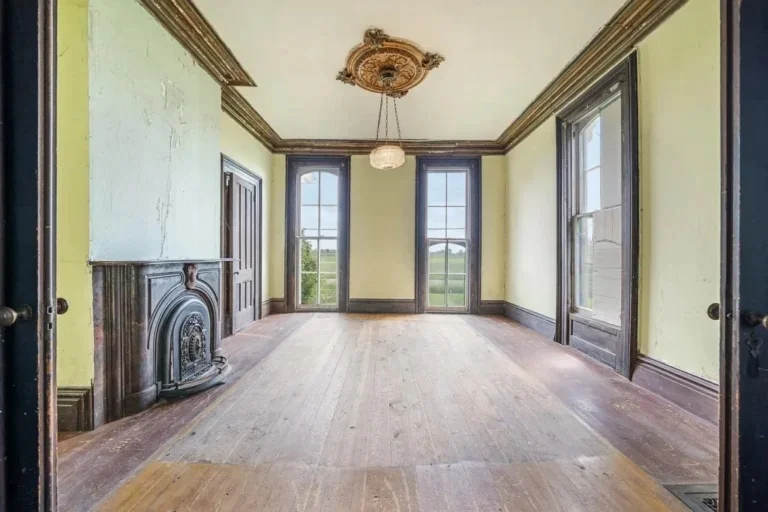
The recently renovated sections are a stunning showcase of the home’s potential, where the original woodwork has been lovingly restored, and the soaring ceilings and large windows create spaces filled with incredible light.

This isn’t just a dream of what could be; you can see and feel the magnificent results already.

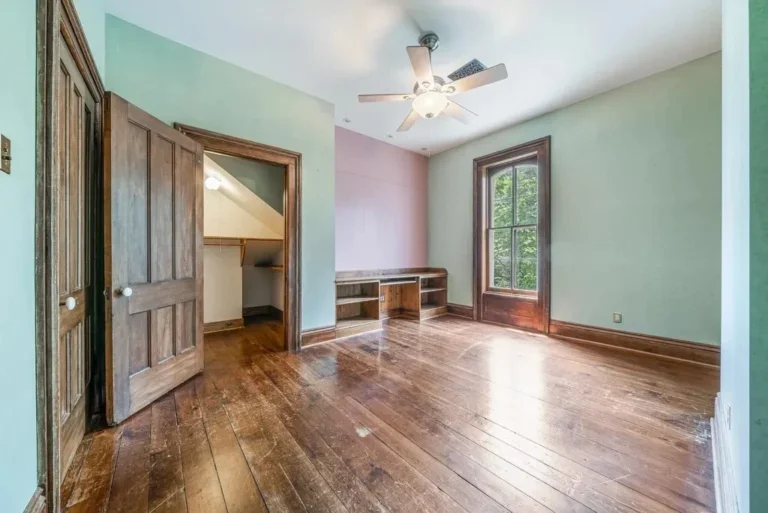
This home now waits for an enthusiast to carry that vision through to completion. The unfinished areas are a perfect canvas for someone who wants to put their own stamp on a historic property, continuing the high standard of restoration that has already been set.

The “as-is” nature of the sale is an honest invitation for a hands-on preservationist to step in and finish the journey.

This is a rare chance for someone who finds joy in the process and understands the profound reward of bringing a landmark property back to its full glory.

Check more on Zillow

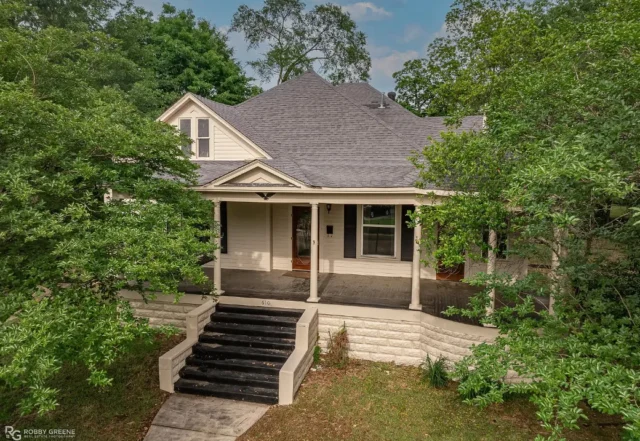
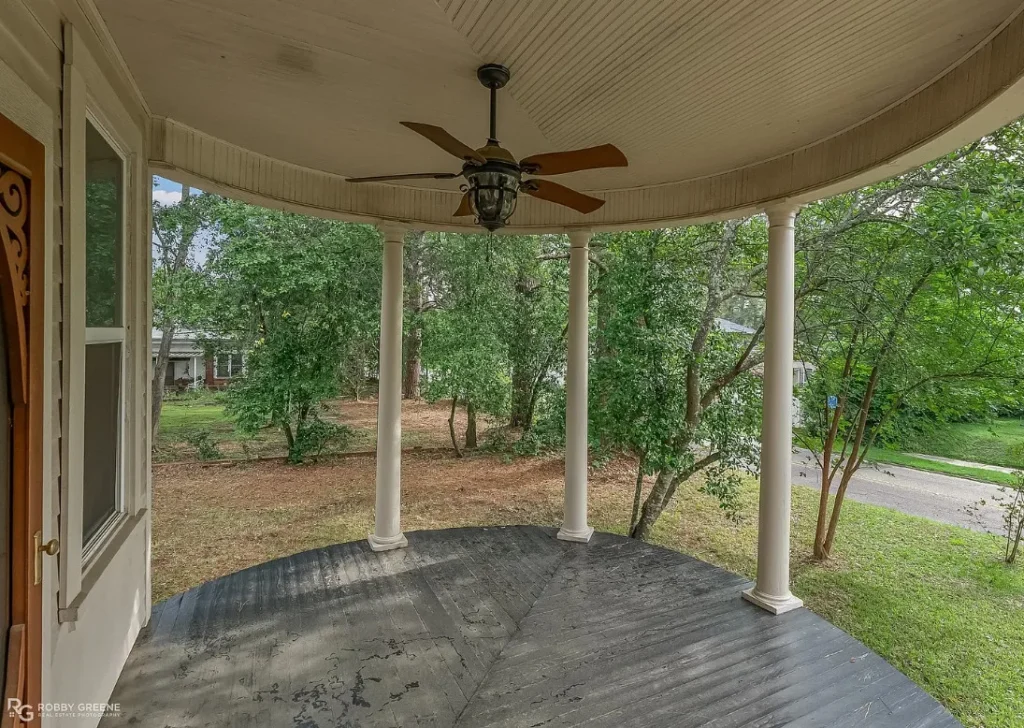
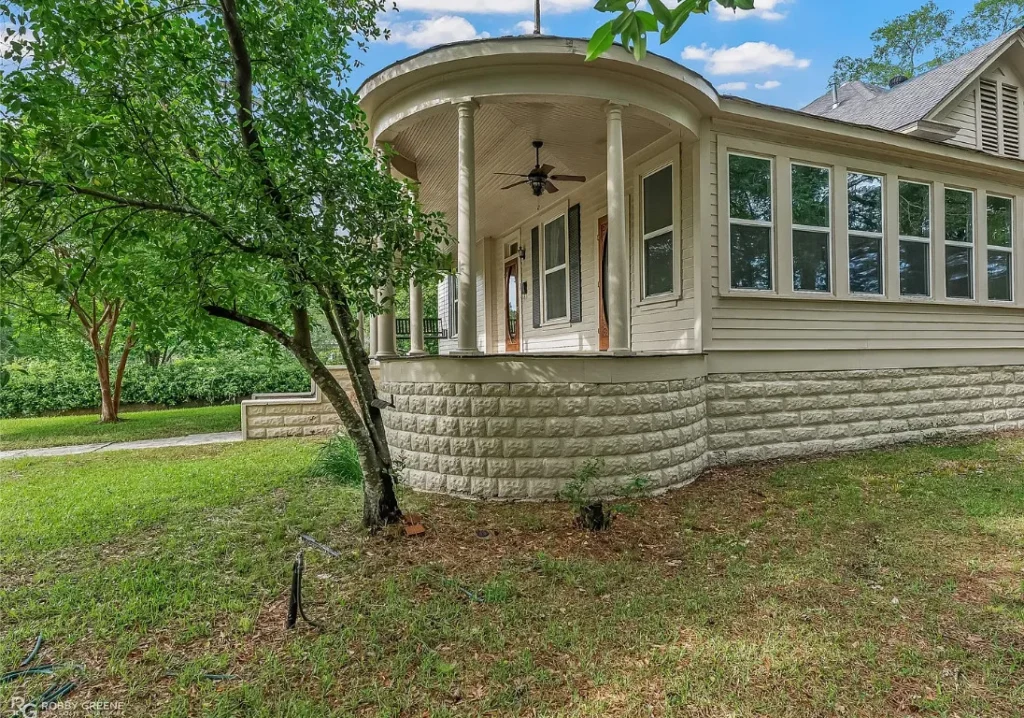
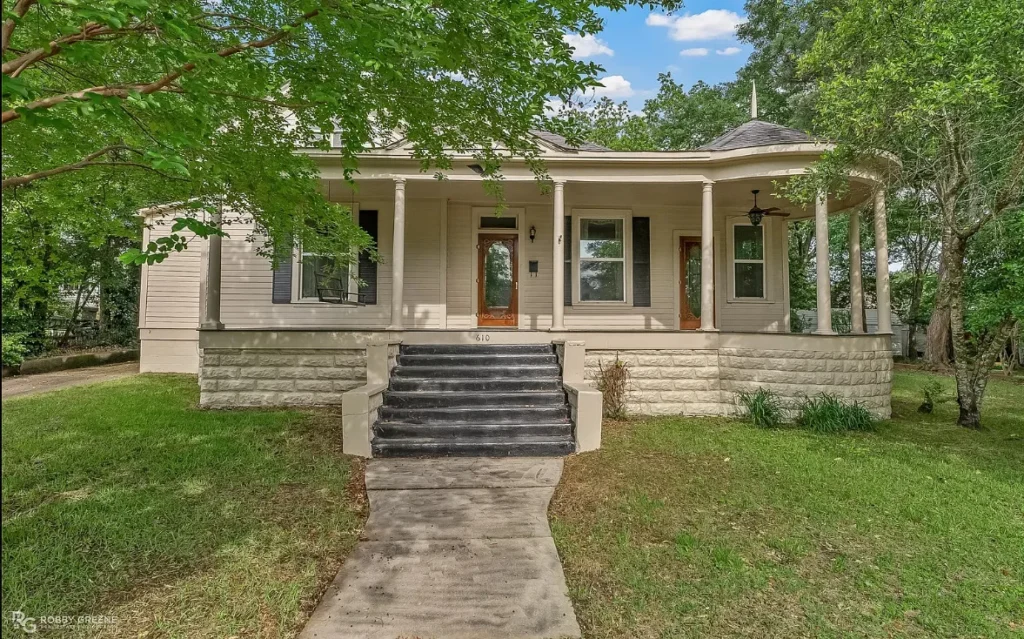
Porch goals! Pretty interior! Circa 1850 in Louisiana. $215,000

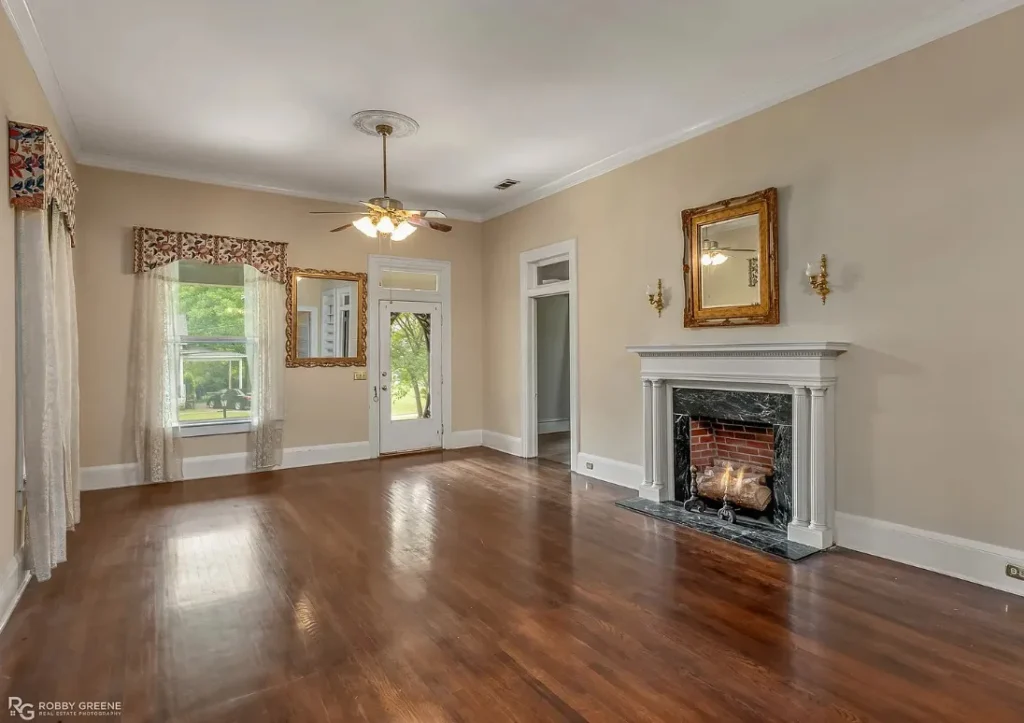
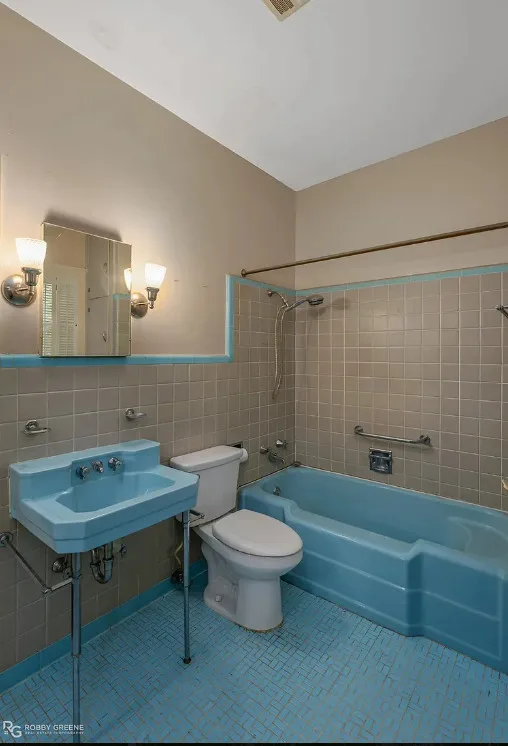
Porch goals! Such a pretty interior! The house was built in 1850. It is located on .65 acre in Minden, Louisiana.

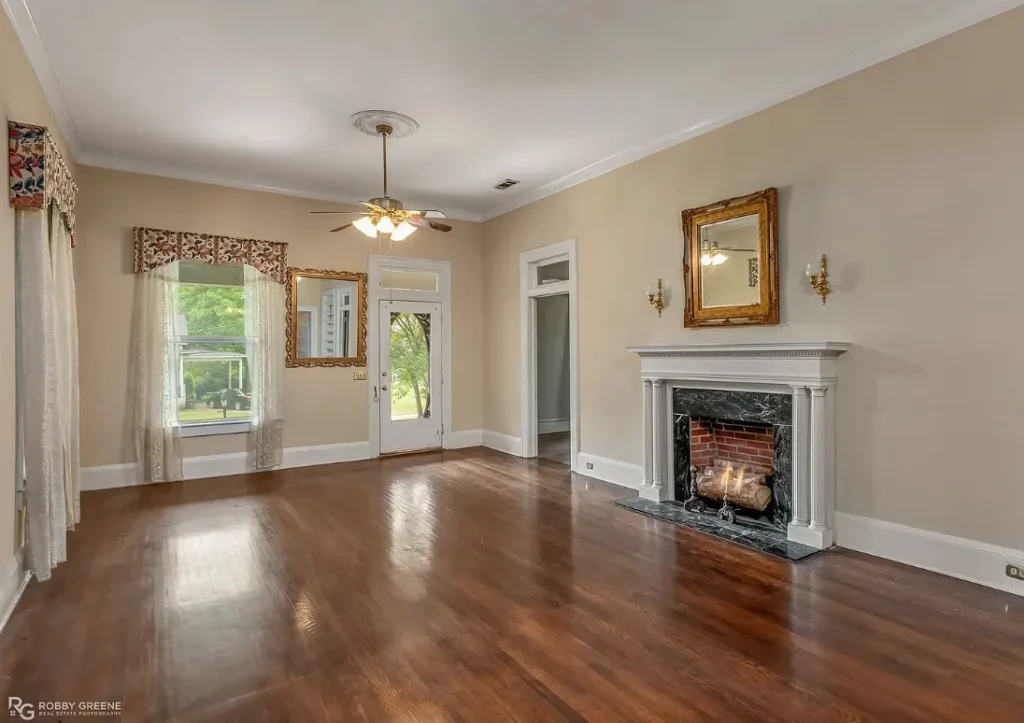
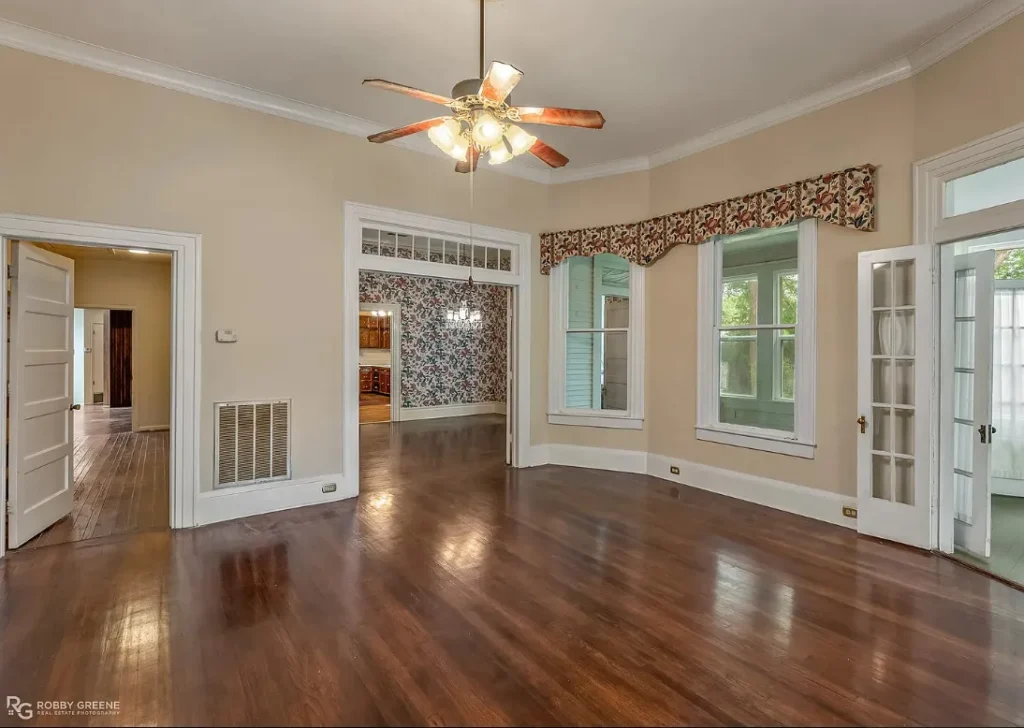
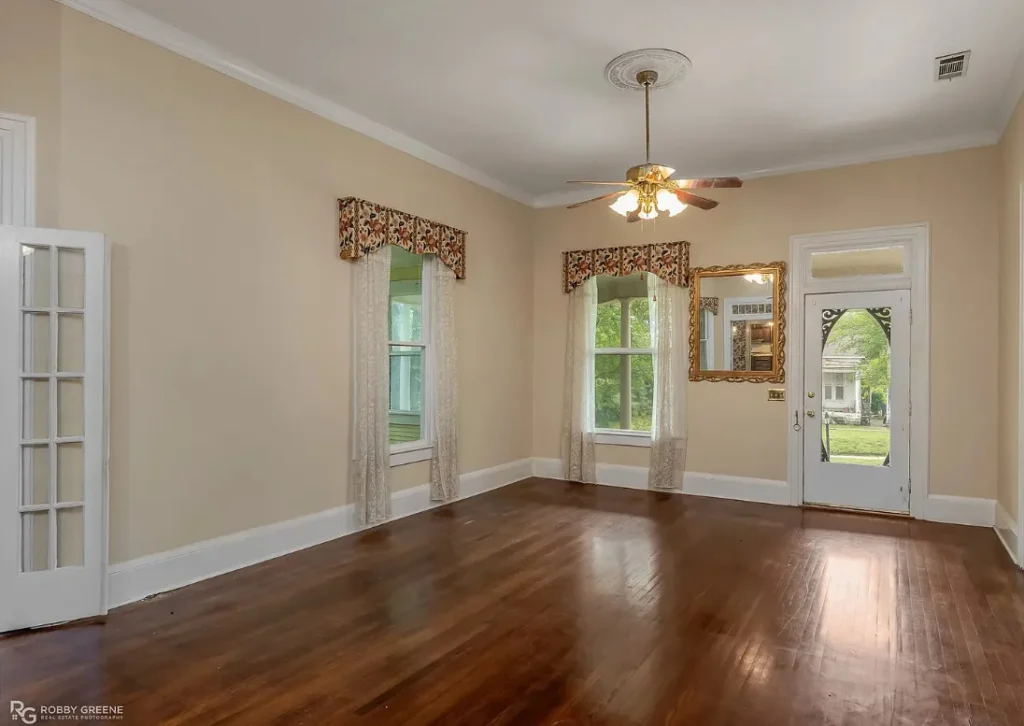
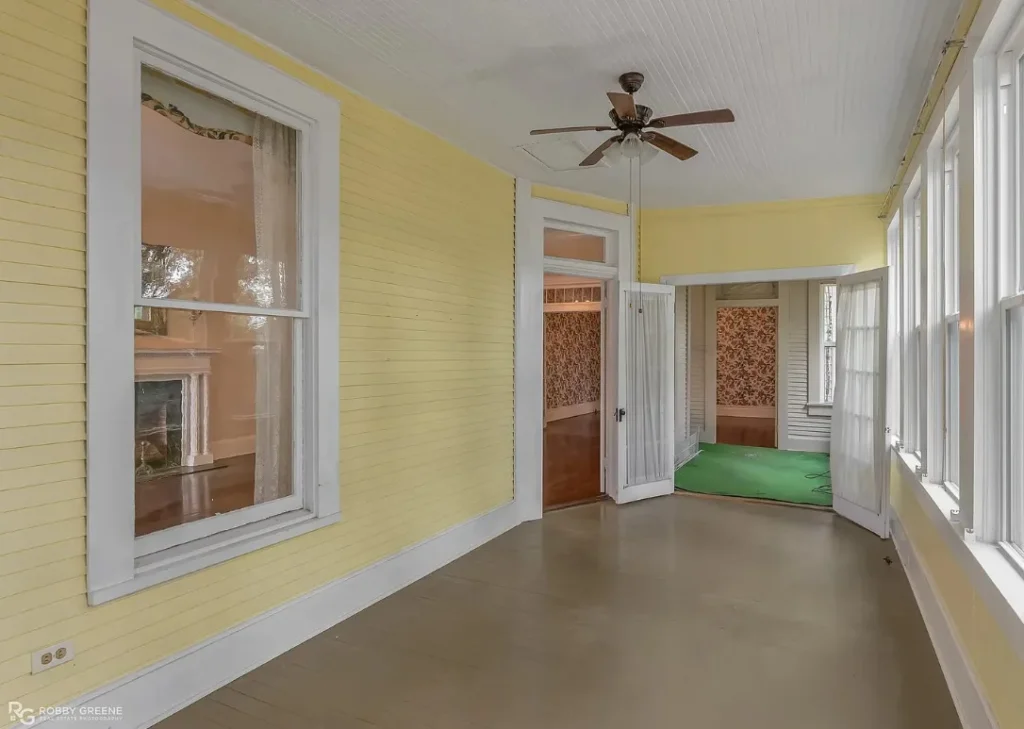
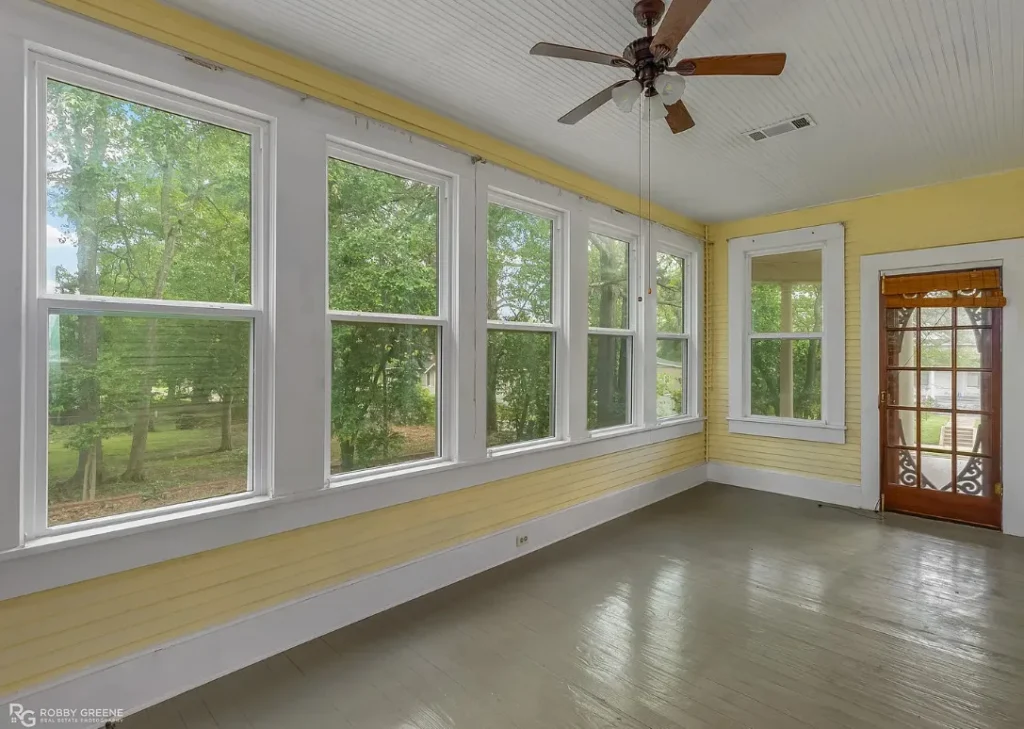
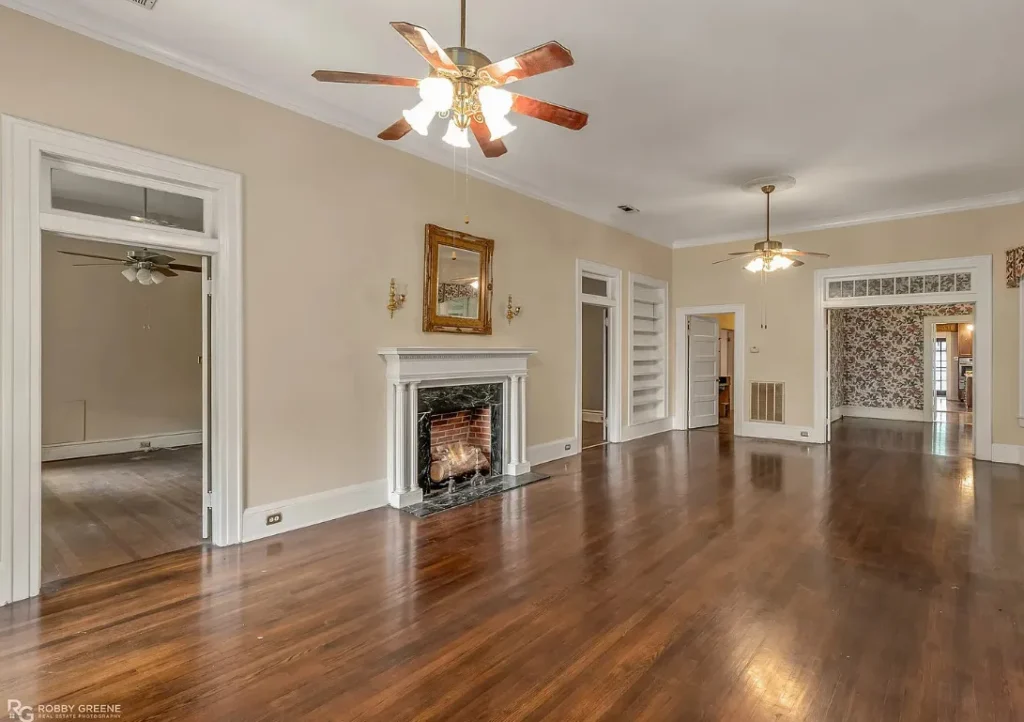
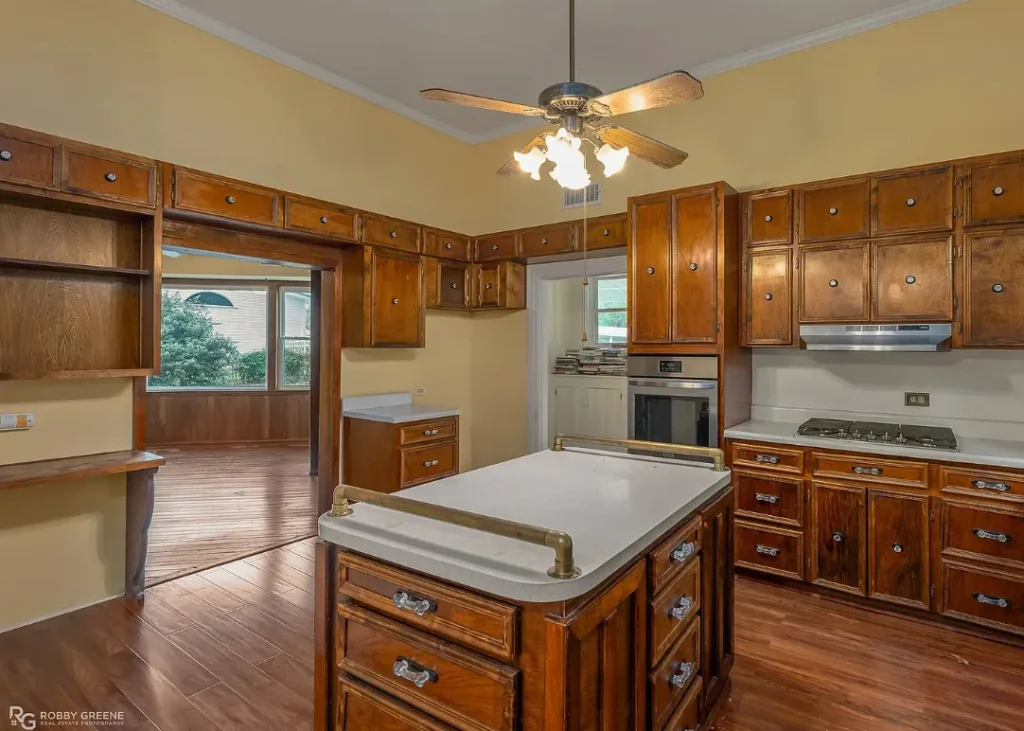
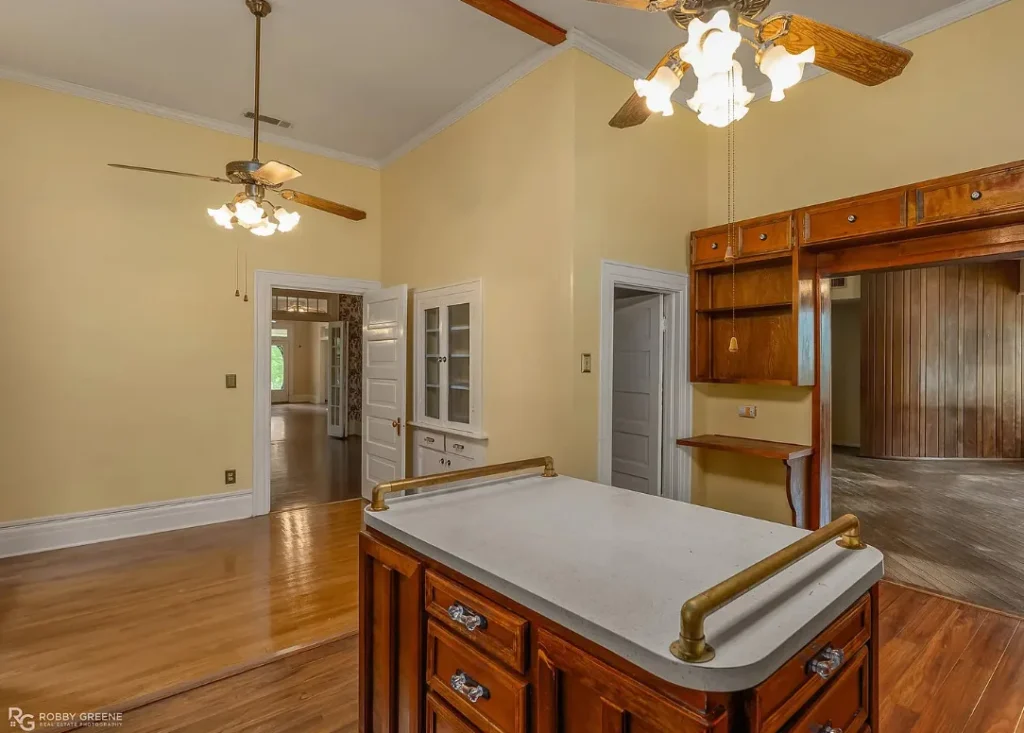
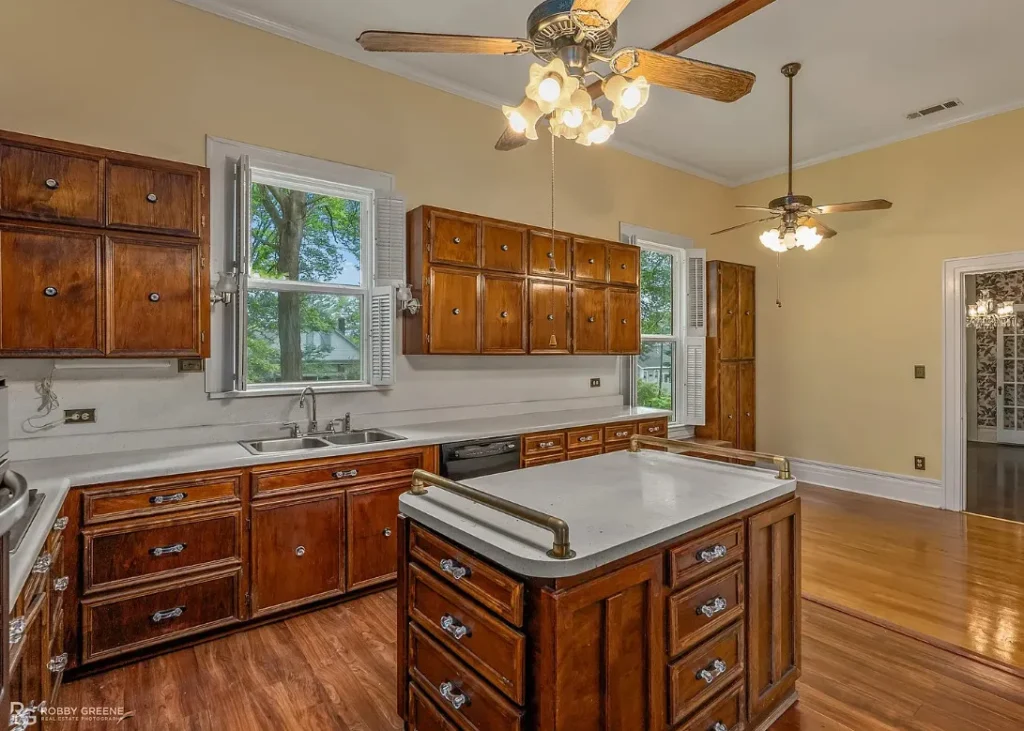
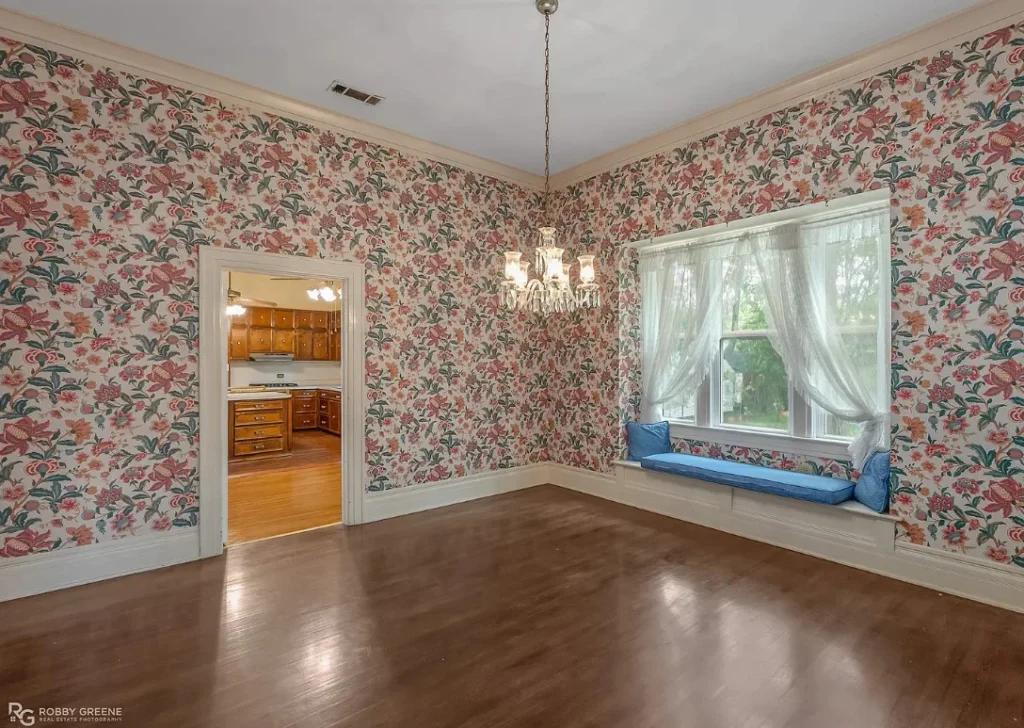
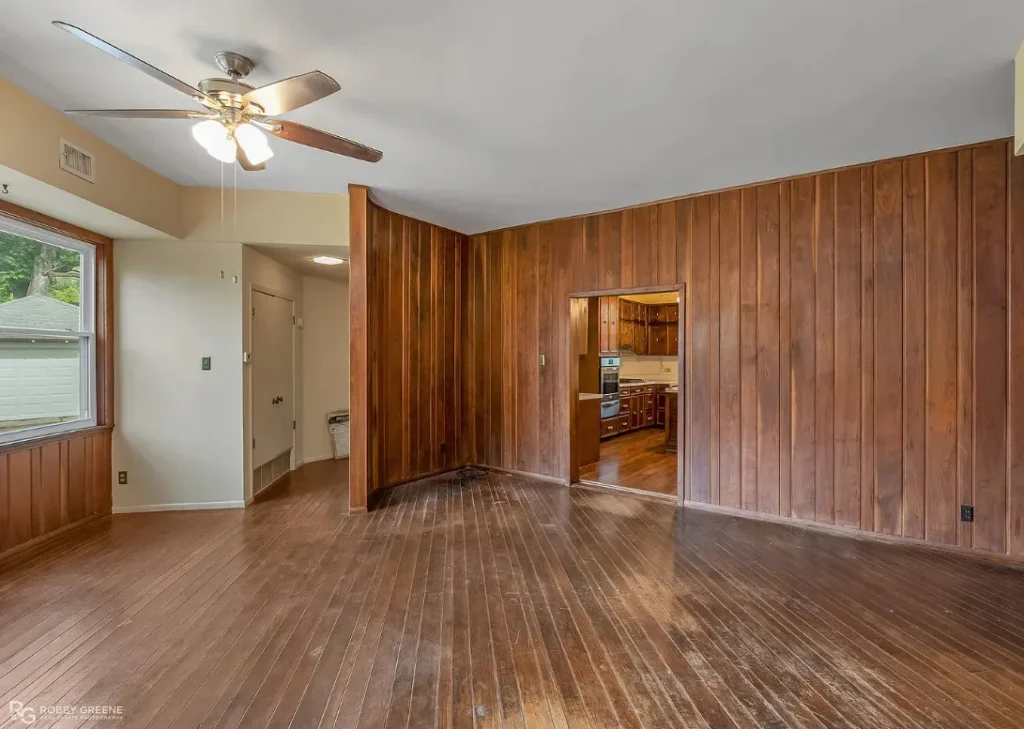
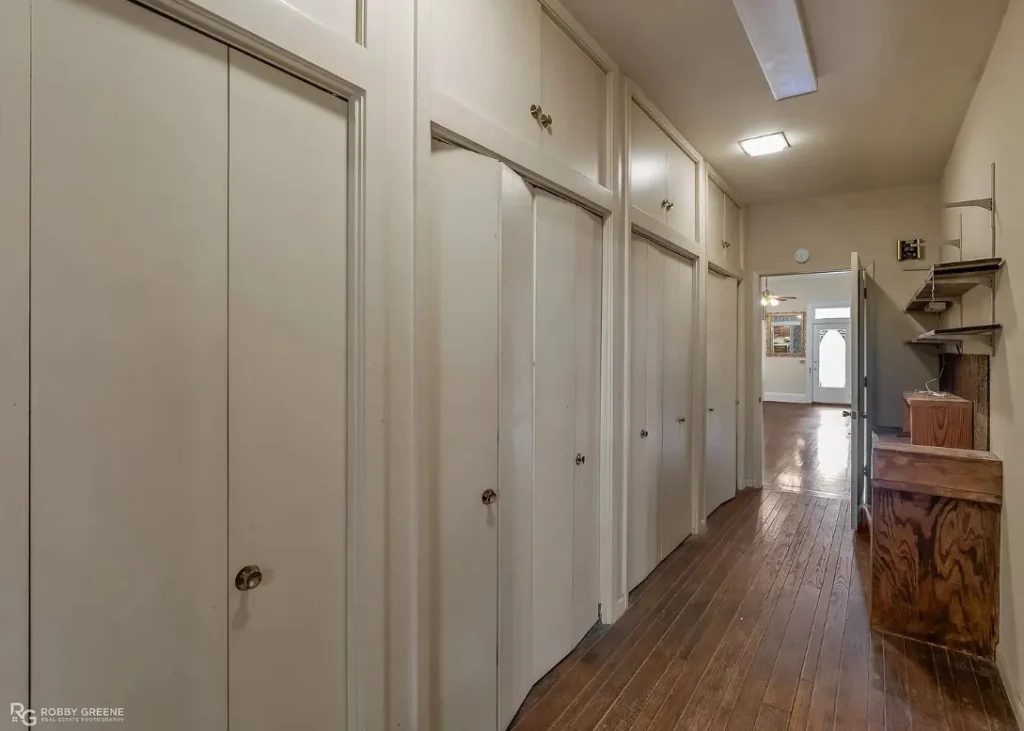
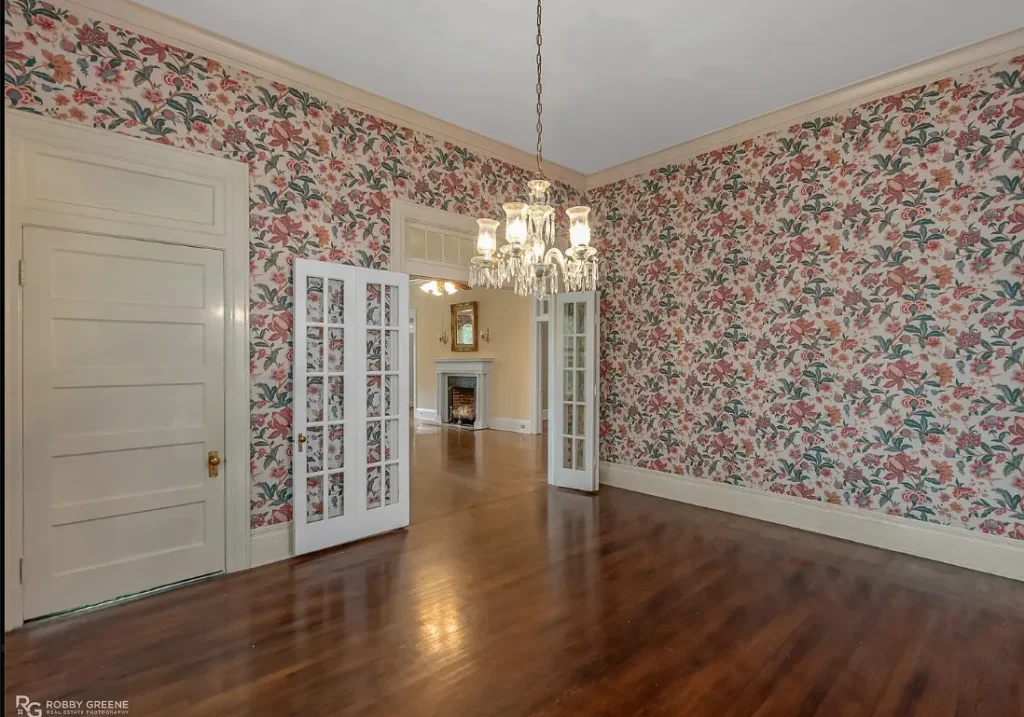
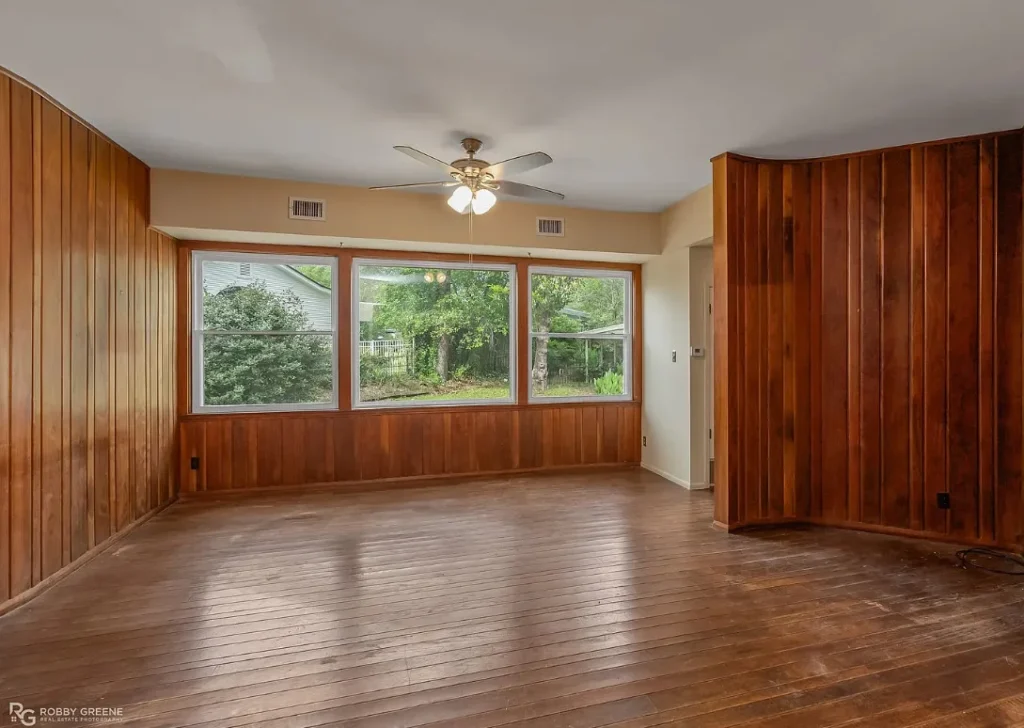
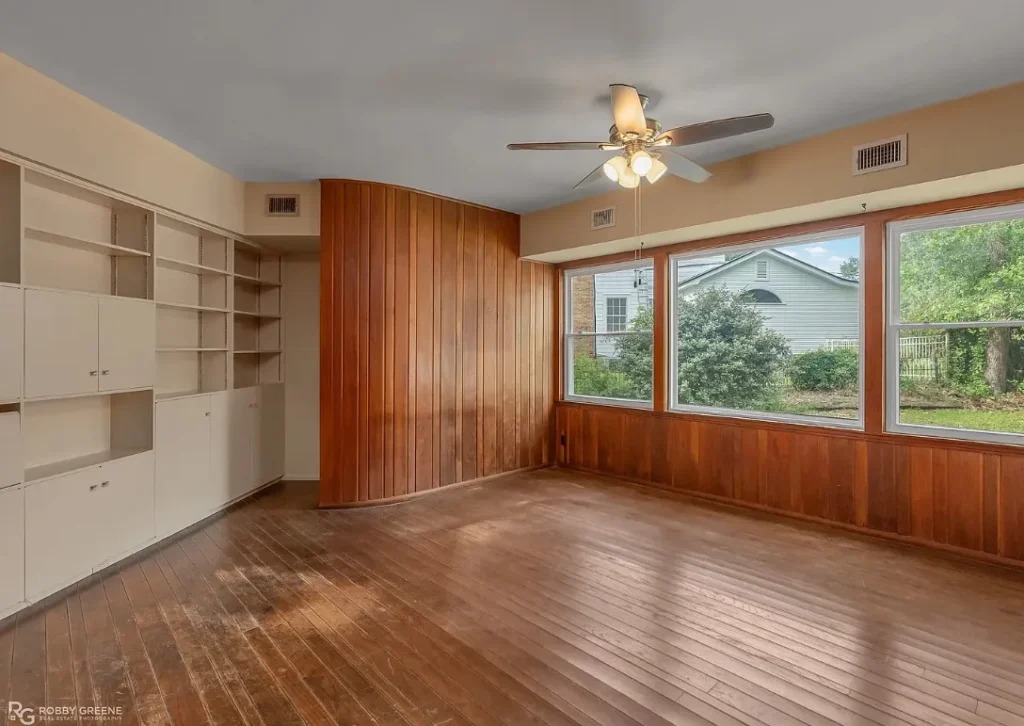
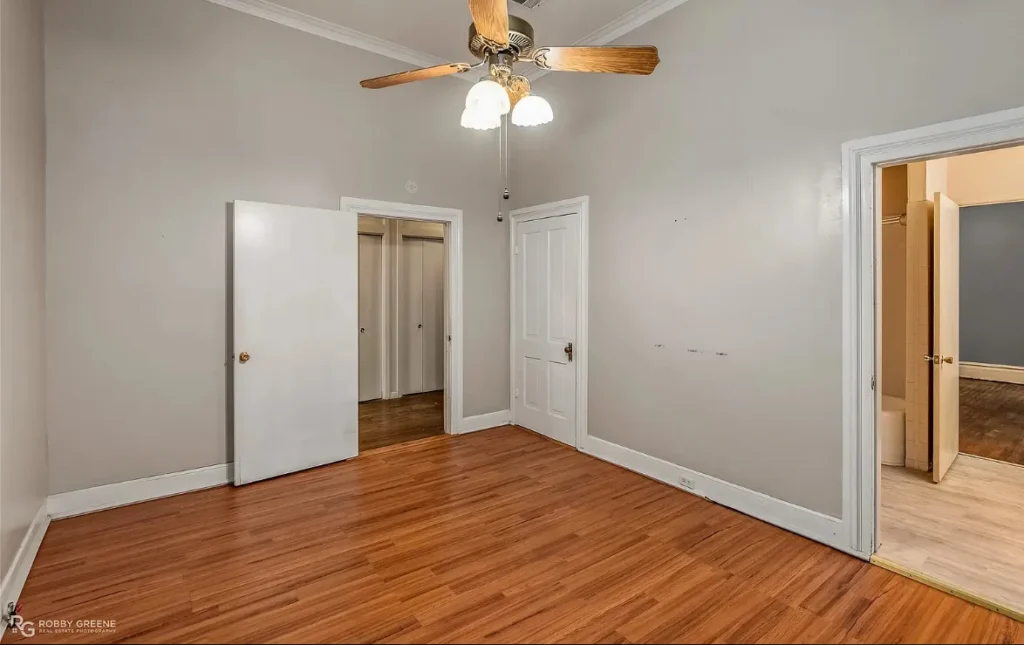
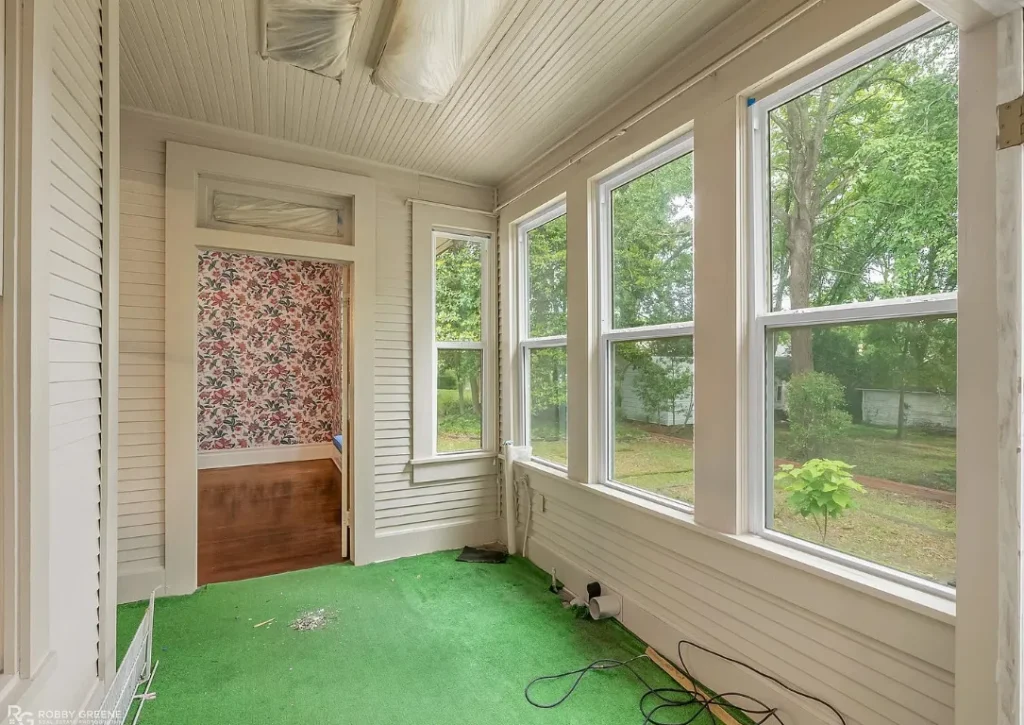
The house features a large covered front porch, beautiful hardwood floors, crown moulding, wide baseboards, transom windows, french doors, sunroom, lots of kitchen cabinets and built-ins.

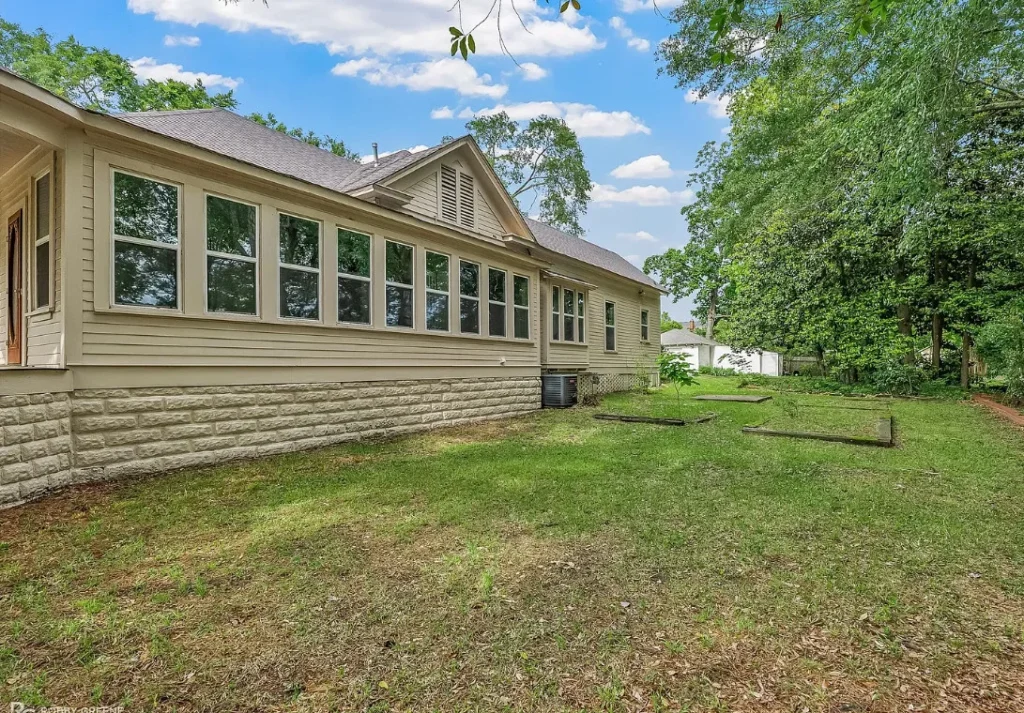
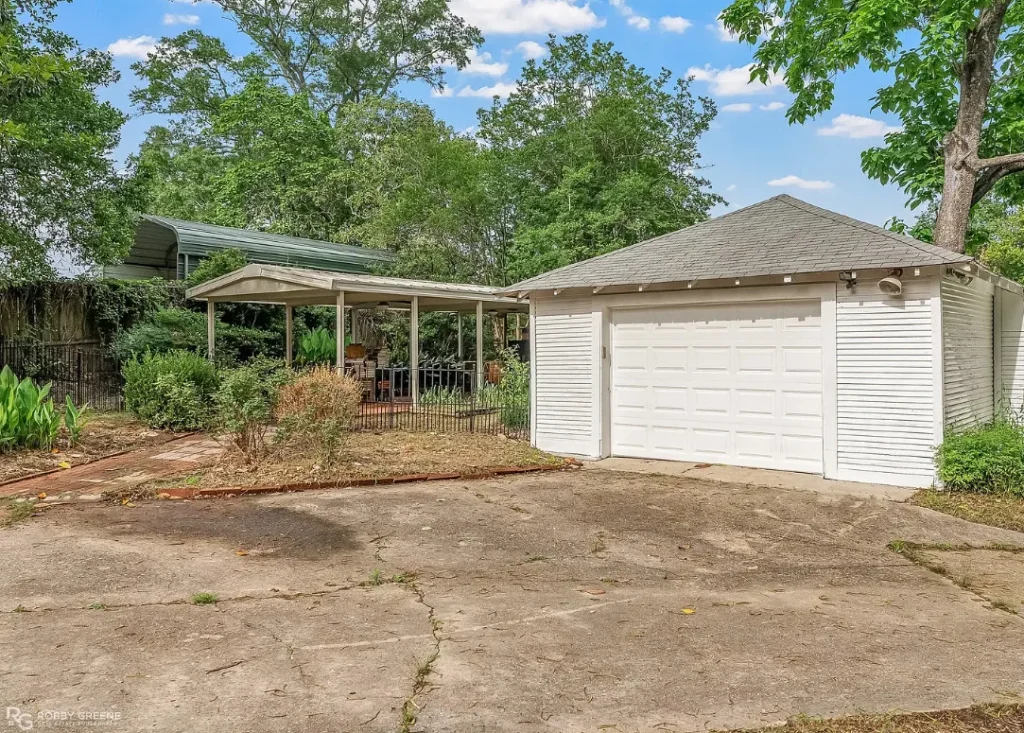
There are two detached storage sheds and an outdoor fireplace. Beautiful photography by Robby Greene Real Estate Photography. Four bedrooms, three bathrooms and 3,153 square feet. $215,000

BACK ON THE MARKET! Seller has made several major updates to this Gorgeous Greek Revival located in Minden, Louisiana. New electrical throughout the home, garage and outdoor kitchen area.

Foundation inspected, which lead to joist, beams and seals replaced as needed and the home leveled. Plumbing inspected & necessary repairs made as well.

Located in Minden’s Historical District, this beauty is perched above Lewisville Road. The front porch greets you as you enter the oversized living room with custom marble fireplace.

This beauty boast wide plank heart pine floors, and spacious rooms full of old world charm that transport you back in time.

The 4 bed, 3 bath historic home features a modern kitchen with gorgeous cabinets, a center island, & built in China display.

Lovely architectural detailing, high ceilings, custom built-ins, crown molding & transom windows over the doors lend to an era lost over time.

Separate access porch entry allows for secure deliveries while the unexpected storage delights in the highly customizable linen room that would make a spectacular pantry.

The stone patio & outdoor kitchen with lovely gardens are the perfect spot to relax after a long days work. The oversized attic is large enough for a second floor.

The property extends through to Webb Court with a back entrance for easy access, giving you plenty of room for a large sprawling yard.

A true gem just waiting for you to transform into your personal oasis. This majestic beauty is move in ready. Priced to sell. Schedule your appointment today.

Back on the Market  Updated 1850 Historic Greek Revival Home in Minden, LA!

Dreaming of timeless Southern charm paired with modern updates? Look no further than this stunning Greek Revival home in the heart of Minden’s Historic District, now back on the market and priced to sell at just $215,000.

Built in 1850, this majestic 4-bedroom, 3-bathroom estate sits on a spacious 0.65-acre lot and offers over 3,150 square feet of beautifully preserved living space. With major updates recently completed, this home is move-in ready and waiting for the right buyer to call it home.

Don’t Miss Out! Homes with this level of character, craftsmanship, and recent upgrades don’t stay on the market for long.

Schedule your private showing today and step into a lifestyle filled with beauty, charm, and endless potential. This is more than just a house  it’s your next chapter.

A Kitchen Designed to Impress

The heart of the home is the modernized kitchen, offering ample storage with custom cabinetry, a center island, plenty of countertop space, and a built-in China display cabinet.

Whether you’re cooking for the family or hosting guests, this space is as functional as it is beautiful.

Adjacent to the kitchen is a charming sunroom  an ideal spot for morning coffee, a cozy reading nook, or a peaceful indoor garden area. Light pours in from every angle, giving the space a bright and airy feel.

Classic Curb Appeal & Stunning First Impressions

As you arrive, you’re greeted by a large covered front porch that instantly captures the spirit of Southern hospitality.

Perched above Lewisville Road, the home offers both presence and privacy. The oversized front porch is perfect for sipping sweet tea, watching the world go by, or entertaining guests year-round.

Thoughtful Floor Plan & Flexible Living

With four spacious bedrooms and three full bathrooms, the layout provides privacy and flexibility for families of all sizes.

Each room is filled with natural light, generous storage, and architectural details rarely found in modern construction.

The oversized linen room offers customizable storage options and could easily be converted into a walk-in pantry or small home office.

An attic large enough to finish out adds even more potential to the home imagine a second floor addition, a loft-style guest space, or a game room.

Historic Charm Meets Modern Comfort

Step inside to discover a bright, expansive living room with soaring ceilings, a custom marble fireplace, and original wide-plank heart pine hardwood floors that gleam with warmth and character.

The home’s architecture blends old-world charm with thoughtful upgrades  from transom windows and crown molding to french doors and built-in cabinetry.

Historic Appalachian Farmstead with Mineral Rights on 100+ Year Heritage Land

A Living Legacy: Historic Appalachian Farmstead with Mineral Rights on 100+ Year Heritage Land

For the first time in over a century, this rare and remarkable multi-generational farmhouse in Clay County is being offered to the public. Steeped in Appalachian history and echoing the traditions of a bygone era, this property represents not just acreage or structures—but a legacy. Tucked into the heart of the mountains and surrounded by nature, this historic farmstead has served as a homeplace, a camp, a hunting retreat, and a living testament to early rural life in West Virginia.

With mineral rights included, a seasonal creek, mature chestnut trees, and original buildings such as an old blacksmith shop and corn crib, this property offers a once-in-a-lifetime opportunity to own and steward a genuine piece of Appalachian history.

A Century in the Making: More Than Just Land

This unique property has remained in the same family line for over 100 years. Passed down through generations, it has served as a cherished camp and retreat, a base for hunting trips, family gatherings, and quiet weekends spent immersed in the natural world. The original farmhouse, though aged and rustic, remains a powerful symbol of self-sufficient rural living.

The home features essential, time-tested amenities, including:

  • A wood and coal-burning stove—still in working order—providing heat the old-fashioned way.
  • A hand-dug well, the same one that’s served the property faithfully for decades.
  • A traditional canning cellar, cool and dry, perfect for food storage or preserving harvests.
  • A covered wraparound porch spanning two sides of the home, ideal for taking in sweeping views of the hills, trees, and creek that define this quiet pocket of Clay County.

While the farmhouse has most recently served as a hunting cabin and is being sold AS-IS, its bones and character are intact. It’s easy to imagine someone breathing new life into the structure—whether through careful restoration, adaptive reuse, or a complete rebuild using the original footprint and materials.

A Natural Sanctuary Rich in Wildlife and Beauty

The land surrounding the farmhouse is what truly sets this property apart. Spanning gently rolling hills, woodlands, and a seasonal creek, this acreage offers endless opportunities for nature enthusiasts, hunters, and outdoor lovers.

Among the natural highlights:

  • Mature chestnut trees—a rare sight and a poignant reminder of the area’s ecological heritage.
  • Whitetail deer and wild turkey habitat, long supporting decades of successful hunting.
  • A seasonal creek that winds through the property, bringing both movement and natural beauty to the land.
  • Native hardwoods and vegetation ideal for hiking, foraging, and wildlife observation.

This land hasn’t just supported a homestead—it’s sustained a way of life. For those looking to re-establish a self-sufficient farmstead, hunting lodge, or off-grid retreat, the opportunity is ready and waiting.


Multiple Outbuildings: Tools of a Bygone Era

Scattered across the property are multiple historic outbuildings, each with their own story and potential. These structures harken back to a time when every building had a purpose, every tool was handmade, and nothing went to waste. Among them:

  • An original blacksmith shop – A piece of Appalachian craftsmanship, potentially restorable as a workshop or display of early trade.
  • A corn crib – A classic symbol of working farms, ideal for restoration or repurposing as a rustic storage or gathering space.
  • Additional storage sheds and structures – Though weathered, these buildings can be reclaimed or used as templates for new construction in the same historic style.

Restorers, preservationists, and homesteaders will find no shortage of potential in these relics of Appalachian life. With vision and elbow grease, the property could become a living museum, an active hunting camp, or a unique blend of past and present.


Location: Close to Adventure, Far From the Noise

One of the most appealing aspects of this property is its balance between seclusion and accessibility. Though it feels like a private slice of untouched land, it is surprisingly well-positioned for recreation and travel.

  • Just 2.8 miles from the Elk River, one of the region’s most beloved waterways, offering fishing, kayaking, and canoeing.
  • Only 12.9 miles from Wallback Wildlife Management Area, providing thousands of acres of public hunting land, trails, and wildlife habitat.
  • Located within reach of basic amenities, while still offering the kind of peaceful, remote setting that many buyers dream of.

This central location in Clay County means you can enjoy modern outdoor recreation alongside the charm and simplicity of historical rural living.


Mineral Rights Included: A Rare Asset

In addition to the land and structures, this property includes mineral rights, a valuable and increasingly rare asset in West Virginia. These rights add significant long-term value and potential for those interested in land investment or resource management.

Whether you choose to retain, lease, or explore mineral rights options in the future, their inclusion makes this offering even more compelling.


Why This Property Matters

More than just a plot of land with an old house, this is a preserved piece of Appalachian heritage. It’s a place where time slows down, where each structure tells a story, and where the rhythms of the natural world still set the pace of life. For over 100 years, this farmstead has remained resilient—supporting generations, witnessing the passing of seasons, and standing as a quiet tribute to the land and people who shaped it.

It would be perfect for:

  • History lovers and preservationists looking to restore or preserve an original homestead.
  • Hunters and outdoor enthusiasts seeking a well-located, wildlife-rich base.
  • Homesteaders and off-grid dreamers ready to cultivate the land and live simply.
  • Investors searching for mineral-rights land with long-term potential.
  • Families or organizations wanting to keep a tradition alive with a rustic retreat or shared camp.

Property Highlights Recap:

  • Offered for the first time in over 100 years
  • Historic multi-generational Appalachian farmhouse
  • Wood and coal stove, hand-dug well, canning cellar
  • Covered porch with panoramic views
  • Mineral rights included
  • Seasonal creek, mature chestnut trees, and abundant wildlife
  • Original outbuildings: blacksmith shop, corn crib, and more
  • 2.8 miles from Elk River, 12.9 miles from Wallback WMA
  • Sold AS-IS; most recently used as a hunting camp, not a full-time residence

Your Chance to Own a Legacy

Properties like this don’t come along often—unspoiled, steeped in history, and full of potential. Whether you’re looking to reconnect with the land, create a private nature retreat, or preserve a rare piece of Appalachian culture, this offering invites you to write the next chapter of its incredible story.

Schedule your showing today, and come walk a piece of West Virginia history.

From Zillow

💔 Desi Arnaz’s Heartfelt Words for Lucille Ball — “I Love Lucy was never just a title.”

“I loved her then, I love her now, and I will love her always.” — Desi Arnaz

There are few love stories in Hollywood as complex, passionate, and enduring as that of Lucille Ball and Desi Arnaz. Together, they built one of television’s most groundbreaking shows, redefined what comedy could be, and brought laughter to millions. But behind the laughter was a real love — one that survived long after their marriage ended.

In one of Desi Arnaz’s later interviews, he spoke candidly about Lucy, their time together, and the legacy they created. His words were tender, reflective, and filled with gratitude — a rare glimpse into the heart of a man who knew he’d shared something truly special.


🎭 The Legacy They Built Together

Desi and Lucy weren’t just co-stars — they were partners in every sense. Together, they founded Desilu Productions, the studio that produced I Love Lucy and later went on to back massive hits like Star Trek and The Untouchables.

But their most iconic creation was themselves — Lucy and Ricky Ricardo.

Through them, audiences saw a real couple who laughed, fought, loved, and forgave each other. For millions of families across America, I Love Lucy wasn’t just a show; it was a reflection of home, warmth, and joy.

“People thought they were watching fiction,” Desi once said. “But what they saw was us — our real love, our real fights, our real laughter.”

That authenticity was what made them timeless.

💜 Want more laughs from Lucille Ball? Check out our collection of her funniest I Love Lucy moments and rare interviews [here ➜]


❤️ A Love That Endured

Even after their marriage ended in 1960, Desi never stopped admiring Lucy. In interviews, he spoke with profound respect and affection for her. There was no bitterness — only gratitude.

“I’m grateful for everything we had together,” he said. “She was responsible for so much of my happiness, and for everything good that came to me in this life.”

Desi recognized that without Lucy’s talent, drive, and vision, I Love Lucy — and perhaps television comedy itself — would never have been the same.

“I Love Lucy was never just a title. It was how I felt.”

Those words, simple and sincere, have been quoted by fans for decades. They encapsulate the deep affection that lingered between them, even when life pulled them in different directions.


🎬 Relive the magic of Lucy’s greatest scenes — from the chocolate factory to Vitameatavegamin — watch more timeless clips [here ➜].

🕊️ Their Final Goodbye

When Lucille Ball received the Kennedy Center Honors in 1986, Desi was too ill to attend in person. But he sent a message that was played during the ceremony — one that brought tears to everyone watching.

His voice, frail but full of warmth, said:

“I Love Lucy was never just a title.”

Lucy was visibly moved. She smiled through tears, knowing those words came from a man who had shared not just fame, but a lifetime of memories. It was the last public message he ever sent her — he passed away a year later, in 1986.

Despite the years, the challenges, and the distance, their love story ended not with regret, but with gratitude.


🌹 Beyond the Spotlight

Desi Arnaz’s journey wasn’t always easy. As a Cuban immigrant, he had faced countless barriers before achieving success in America. But Lucy believed in him — and he never forgot that.

“She believed in me when nobody else did,” Desi said in an interview. “She was the best thing that ever happened to me.”

That belief changed everything. Together, they revolutionized television production, introducing innovations like the multi-camera setup and live audience recording — techniques still used in sitcoms today.

Desi may have been the bandleader, but Lucy was the rhythm. Together, they made magic.


🌟 Love classic Lucy moments? Don’t miss our latest posts celebrating her most iconic episodes and behind-the-scenes stories [click here ➜].

🕰️ Why This Still Matters

Their story isn’t just about fame or success. It’s about love, respect, and legacy. Even after everything, Desi never let bitterness overshadow what they built. Instead, he celebrated it.

In a world where celebrity breakups often turn cold, their story remains something different — a reminder that love doesn’t always end; sometimes it just changes form.

Desi and Lucy remind us that gratitude is the truest form of love.

“We had something very special,” Desi once said softly. “And I will always thank her for that.”

Lucille Ball in “Ballet Class” — The Queen of Comedy in Motion

“Graceful? Maybe not. But unforgettable? Always.”

There’s a reason I Love Lucy has stood the test of time — and the “Ballet Class” episode is the perfect example. First aired in 1952, it’s one of those moments where Lucille Ball’s genius as a physical comedian shines brighter than ever.

In the episode, Lucy Ricardo decides she wants to break into show business (again!) and convinces Ricky that she needs professional training. Her plan? To take a ballet class — with hilarious results.


🎭 The Scene That Had Everyone in Stitches

What starts as a simple dance lesson turns into one of television’s most iconic comedic performances. Lucy’s exaggerated movements, her total lack of coordination, and her determination to “get it right” no matter how wrong it goes — it’s all classic Lucille Ball.

From her failed pliés to her wobbly pirouettes, Lucy’s timing is impeccable. Every stumble feels spontaneous, every facial expression perfectly placed. And when the dance instructor tries to maintain composure as Lucy flails across the room, the audience can barely contain their laughter.

It’s not just funny — it’s artful. Few comedians could make clumsiness look so graceful.

💜 Want more laughs from Lucille Ball? Check out our collection of her funniest I Love Lucy moments and rare interviews [here ➜]


💫 The Genius Behind the Laughter

Lucille Ball’s comedy was never just about being silly. Behind every pratfall was precision, discipline, and instinct. She rehearsed endlessly, mastering the timing and rhythm of her physical humor.

In “Ballet Class,” you can see how she used her entire body as a storytelling tool — her eyes, posture, and even her fingertips are part of the joke.

“Comedy is no accident. It’s work — the best kind of work.”

That was Lucy’s philosophy, and this episode embodies it.


🎬 Relive the magic of Lucy’s greatest scenes — from the chocolate factory to Vitameatavegamin — watch more timeless clips [here ➜].

🩰 Why Fans Still Love It

More than seventy years later, “Ballet Class” continues to make new generations laugh. It’s a perfect introduction to Lucy’s unique comedic style — simple, relatable, and universally funny. You don’t have to understand ballet to laugh with her; you just have to recognize the feeling of trying and failing — spectacularly.

Lucille Ball made failure funny, and that’s why we love her. She turned everyday embarrassment into something joyful.


💜 Fun Fact

The dance instructor in the episode was played by Marian Ainslee, a real dancer who had to keep a straight face while Lucy improvised much of her routine. In several takes, even the crew couldn’t stop laughing!


🧠 What “Ballet Class” Teaches Us

Beyond the laughter, this episode carries a message: it’s okay to not be perfect. Lucy reminds us that life is about giving your all, even if you look ridiculous doing it.

“If you can laugh at yourself, you’ll never run out of joy.”

And Lucy proved that in every scene.


🌟 Love classic Lucy moments? Don’t miss our latest posts celebrating her most iconic episodes and behind-the-scenes stories [click here ➜].

🕰️ Timeless Humor

Whether you first saw it in black-and-white or discovered it on YouTube decades later, “Ballet Class” is proof that great comedy never ages. The energy, the charm, and the authenticity of Lucille Ball make it one of the greatest scenes in TV history.

Even today, her expressions and movements are shared as memes, gifs, and clips across social media — because laughter like that doesn’t go out of style.

Look Closely: The Photographer Didn’t Realize What He’d Captured Until Later

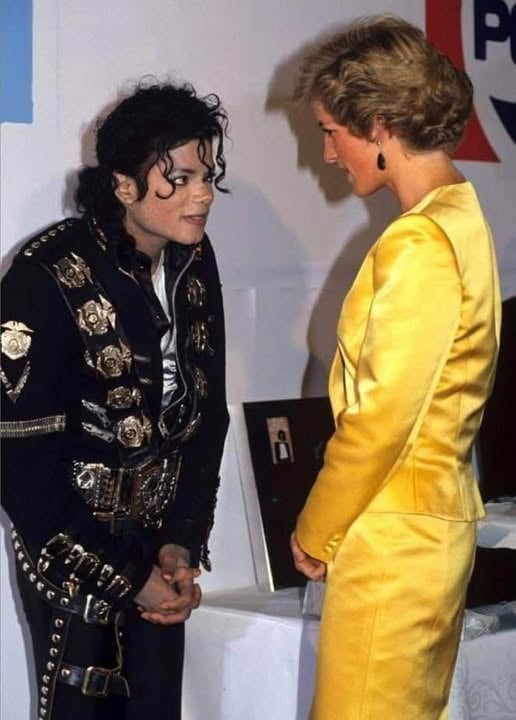
Sometimes, a single photograph can freeze a moment in time — one so powerful that it transcends decades. In 1988, during Michael Jackson’s legendary Bad World Tour, such a moment unfolded backstage at London’s Wembley Stadium. When a photographer snapped what seemed like a routine shot, he didn’t realize he was capturing one of the most iconic meetings in pop culture history — Michael Jackson and Princess Diana sharing a rare, genuine connection.

A Meeting of Two Worlds

The photo shows two of the most famous people on the planet standing side by side — the King of Pop and the Princess of Wales. But beyond the glamour, the image revealed something deeper: warmth, respect, and a sense of mutual admiration. Both were global icons who used their fame to promote compassion and change, and in that single frame, their shared humanity shines through.

Michael Jackson, dressed in his signature black and silver tour outfit, can be seen smiling warmly at Diana, who looked radiant in a vibrant red gown. Witnesses later recalled how the two immediately clicked, laughing and chatting as if they’d known each other for years.

The Moment Behind the Lens

The photographer, whose identity remained largely behind the scenes, later revealed that he hadn’t grasped how extraordinary the moment truly was. It wasn’t until reviewing the photos that he realized he had captured not just a meeting, but a merging of cultural royalty.

“It wasn’t just a celebrity photo,” he recalled. “It was history — two people from completely different worlds finding common ground through kindness and art.”

A Gift Fit for Royalty

During their meeting, Jackson presented Princess Diana with a dazzling sequined jacket — a gesture that perfectly reflected his showmanship and generosity. The two reportedly discussed their shared passions for music and humanitarian work. Diana expressed admiration for Michael’s artistry, while he praised her commitment to children’s causes and her compassion for those in need.

In a lighthearted exchange, Diana even told him she loved his song “Dirty Diana,” prompting Michael to admit that he had considered removing it from his Wembley setlist out of respect — until she insisted otherwise.

A Photo That Defined an Era

That now-famous photograph would go on to become one of the most celebrated images of the 1980s, symbolizing a golden age of celebrity — before social media, before instant uploads, when genuine connections felt rare and special.

To this day, fans marvel at the picture, not just for its historical value, but for the emotion it captures — the spontaneous smile, the eye contact, the mutual appreciation between two global icons who touched millions in their own unique ways.

More Than a Moment

Decades later, the photo continues to circulate across the internet, often accompanied by the same reaction: awe. It represents more than star power; it represents grace, unity, and the power of art to bridge seemingly different worlds.

The photographer may not have realized it in that instant, but what he captured was timeless — a reminder that behind fame and royalty, there are people moved by the same passions: music, compassion, and the desire to make the world a little better.

My Parents and Sister Smiled as They Said, ‘We Put the House in My Name — You’re Out.’ They Didn’t Know I’d Already Protected the $1M Estate

My name is Emily Carter. I’m 28, and a few months ago, I stood on a graduation stage at the University of Washington,

my master’s degree in hand. The applause felt distant, a hollow echo in a moment that should have been a pinnacle of my life. Like every milestone before it, the people I was supposed to call family were missing.

From childhood, I understood my role. I was the peacemaker, the one who sacrificed, the one endlessly measured against my younger sister, Ashley—the golden child in our parents’ eyes. To our neighbors in a quiet Oregon coastal town, we were a picture-perfect family. My father, Richard, ran the local hardware store; my mother, Linda, worked at the library. But behind the flowered balconies of our two-story house, a stark imbalance reigned.

When Ashley wanted dance lessons, a private instructor appeared. When she dreamed of Europe, plane tickets were booked without a second thought. For me, the lessons were different: money is hard-earned, independence is a virtue, and reliance is a weakness. From sixteen, I worked evening shifts at a diner, saving every dollar for tuition while Ashley never worried where her next dollar would come from. For years, I told myself this was their way of making me stronger. But it wasn’t a strategy; it was a choice, and it was never in my favor.

My undergraduate graduation was a blur of parental absence. They arrived late, distracted by a shopping trip for Ashley’s dance costume, and left before the ceremony even concluded. When I announced my acceptance into a competitive MBA program, my father’s only response was, “Good. But don’t expect us to pay for it.”

So, I didn’t. I cobbled together scholarships, worked forty-hour weeks alongside a full-time course load, and managed it all myself. On my master’s graduation day, the seats reserved for them were predictably empty.

But as I posed for photos with friends, my phone rang. It was Mr. Samuel Pierce, the long-time attorney for my maternal grandparents. His voice was a deep, steady anchor in the swirl of my emotions. “Emily,” he said, “your grandparents left their entire estate to you. We need to meet.”

I froze. It wasn’t about the money—I had no idea of the amount—but the profound weight of their trust. My grandparents, Harold and Margaret Lewis, were my true north. Their seaside home, a red-brick haven with a wide porch overlooking the ocean, was my sanctuary. They nurtured my spirit with stories, baked apple pies, and the simple, priceless gift of listening—something my own home rarely offered. In their final years, I was the one who managed their doctor’s appointments and paid their bills. My parents and Ashley were visitors, appearing for holiday photo-ops before vanishing again. This inheritance wasn’t favoritism; it was recognition.

A few days later, in Mr. Pierce’s wood-paneled office, he laid a thick folder on the desk. “Their estate is valued at approximately one million dollars, including the house and investments,” he explained. “They wanted you to have full control.”

Driving back to Seattle, the salty wind whipping through my car, I knew this wasn’t a fairy tale. In my family, anything of value became a target. My parents had a history of borrowing money with promises that evaporated as quickly as their presence. My aunt had given them a large sum to invest in my father’s store; six months later, the money was gone and the topic became forbidden territory. With Ashley, it was simpler: everything was already hers by default.

I knew I had to act before they discovered the inheritance. I contacted an attorney, Daniel Hart, a quiet man with eyes that missed nothing.

“Emily,” he said, his tone calm but firm after reviewing my case, “if your family’s history is as you describe, you need to secure these assets immediately. We’ll put everything into an irrevocable trust.”

He explained that once established, the trust would legally separate the assets from my personal ownership. I would be the sole trustee, but public records would show no connection between me and the property. It would create a legal fortress. Over the next three weeks, we worked tirelessly. Daniel established an LLC owned by the trust, transferred all property titles and utilities into its name, and moved all funds into a new, heavily secured account. The moment I signed the final document, I felt a wave of relief mixed with vigilance. I had locked the door against the hands that had always taken from me.

I told no one. When my parents called, probing about the house, I remained vague. When Ashley texted about selling it to fund her new nail salon, I replied with a single, noncommittal word: “No.” I let them underestimate me, just as they always had. I installed a discreet security system and had all bills paid online, leaving no paper trail. I was building a wall they couldn’t see, and I knew, sooner or later, they would try to tear it down.


For months, an unnerving quiet settled over our interactions. But I knew it was the calm before the storm. My mother’s phone calls were laced with casual-sounding barbs. “It would only be fair if your grandparents left the house to both of you,” she’d muse. Ashley began stopping by with flimsy excuses, her eyes scanning the room, searching for documents, for proof of ownership.

“Do you still have the house papers?” she once asked, trying to sound nonchalant. “I just want to look at them for fun.” I smiled and changed the subject.

Then came the invitation to a “family talk.” The dinner was uncharacteristically elaborate. The conversation was a carefully orchestrated performance about “managing the inheritance together” and “preserving family memories.” I nodded and smiled, playing the part of the compliant daughter, letting them believe I was still the same Emily who could be easily persuaded.

They were preparing their attack, and I was watching every move.

The morning they arrived felt like a scene from a play I had already rehearsed in my mind. A familiar black SUV crunched up the gravel driveway. Ashley emerged first, beaming with a triumphant glow, my parents following close behind.

“Hey, sis,” Ashley announced, her voice bright and brittle. “This house is in my name now. Mom and dad want you to move out this week so I can sell it. I already have a buyer.”

My father stepped forward, holding a stack of papers with a suspiciously fake-looking seal. “There was an error in the will, Emily. We had it corrected. Ownership has been transferred to Ashley to make things easier. This is the most reasonable solution.”

I looked at the forged documents, at their confident faces, and a thin smile touched my lips. “Really?” My voice was quiet, betraying no surprise.

“Yes, really,” Ashley pressed, a flicker of uncertainty in her eyes at my calm demeanor. “I’ll hire movers. Everything will go smoothly.”

I said nothing more. I let them believe they had won. As they drove away, leaving the scent of exhaust hanging in the salty air, I felt a strange sense of peace. The real game was just beginning.

Inside, I sent a short message to my attorney, Daniel: They came, just as we expected. Prepare for the next step.


Two days later, they returned, this time with a moving truck. Ashley was dressed as if for a victory parade, phone in hand, ready to document her takeover. But as they stepped onto the walkway, they froze.

I was standing on the porch, my arms crossed. Beside me was a man in a crisp navy suit, Mr. Mark Harris from the county office of property records.

“Am I speaking with Mr. Richard Carter, Mrs. Linda Carter, and Miss Ashley Carter?” Mr. Harris asked, his voice clear and official as he held up his ID.

My father nodded, his confidence wavering. “Yes. What is this about?”

“I’m here to inform you of the legal status of this property,” Mr. Harris stated, his gaze unwavering. “According to our records, this house was placed into an irrevocable trust last April, with Miss Emily Carter as the sole trustee. Any transfer of ownership attempted after that date is legally void and, in this case, constitutes fraud.”

The word hung in the air like a guillotine. Ashley’s smile vanished.

“Fraud?” my father sputtered. “We just corrected an error!”

“Sir,” Mr. Harris cut in politely, “any correction made without the trustee’s authorization is null and void. Furthermore, our records show you used an out-of-state service with a notary seal that is not licensed in Oregon. These factors are sufficient to trigger a criminal investigation.”

I finally met my sister’s gaze, my voice low and steady. “Family doesn’t bring forged documents to throw me out of the house my grandparents trusted me to protect.”

Mr. Harris handed my father a formal warning. “If you return with any further intent to take possession, we will contact the district attorney’s office.”

They stared at me, searching for a sign of weakness. Finding none, my father spun on his heel. “Let’s go.”

Ashley shot me a venomous glare. “You’ll regret this.”

I answered with the faintest of smiles. As the truck rumbled away, I knew I had won the first battle, but the war was far from over.


The next attack came in the form of a formal demand letter from my mother’s attorney, accusing me of violating my “moral and emotional obligations.” They demanded $150,000 for emotional distress and joint ownership of the house. I took it straight to Sonia Patel, a brilliant trust attorney.

“They’re playing intimidation games,” she said with a sharp smile. “They think you’ll panic. We’re not just going to defend; we’re going to investigate.”

Sonia sent a cease-and-desist letter that was a masterpiece of polite but formidable legal prose. Then, she dug into the forged documents. She confirmed the notary stamp was nonexistent and traced the filing to an online service flagged for fraudulent activity. The name listed as the filer: Ashley Carter.

With this irrefutable proof, the ground had shifted. I was no longer just defending; I was on the offensive.

Their next move was more insidious. My mother began a smear campaign, calling relatives and spinning a tale of a greedy granddaughter who had manipulated her ailing grandfather. She created a group chat to spread her narrative, painting me as a villain. A cousin, Megan, alerted me, providing screenshots and voice recordings of the lies.

The attack on my reputation could damage my career, where trust is paramount. This was no longer about the house; it was a fight for my own story.

Sonia and I meticulously compiled every piece of evidence: the trust documents, the proof of fraud, the demand letter, and every screenshot and recording of the smear campaign. We crafted a twelve-page “Statement of Facts” and emailed it to every relative my mother had contacted.

The response was immediate. Apologies poured in from aunts and cousins who had been swayed by the lies. A few doubled down, but the tide had turned. I had broken their siege by arming the family with the one thing my mother couldn’t fight: the truth.

The final move was mine. Ashley had just started a new job at a boutique real estate firm in Portland that prided itself on its “professional ethics.” I compiled the entire case file—proof of fraud, forged documents, invalid notary seal—and sent it to the firm’s ethics and compliance department.

Two days later, Ashley’s personnel file was suspended. The firm launched an internal investigation and sent their report to the state real estate licensing board. The county, armed with the evidence we’d provided, officially filed charges against her for attempted property fraud and using forged documents.

Her career was over before it began.

The late-night calls started, a barrage of desperate, unanswered rings from Ashley. I muted my phone and let the silence answer for me.

A few months later, a letter arrived from my mother’s attorney. They were withdrawing all legal claims and requested no further contact. The war was over.

Standing on the porch of my grandparents’ house, watching the sunset paint the sky in hues of amber and rose, I felt a profound sense of closure. I hadn’t just protected a house; I had protected myself. I learned that love is not permission to be hurt, and setting boundaries is not selfish—it is survival. I had chosen peace, and in the quiet whisper of the evening wind, I felt my grandparents’ approval. I had kept it safe, just as I promised.

At 25, I built my own house, and at the housewarming party, my mother took me aside: “Son, give this house to your brother, and a room with us will be enough for you.” It seems she forgot how she threw me out on the street seven years ago. Her face twisted in h0rr0r when I answered loudly in front of everyone…

From his earliest memories, Marcus Langenfeld knew he was unwanted. His mother, Irina, never hid her disdain. She reserved her affection for his younger brother, Stefan, showering him with indulgence while Marcus grew up with cold glances and harsh words.

At seventeen, Marcus was told to leave.
“This house is not yours,” Irina said sharply one evening, as Stefan sprawled lazily on the couch. “You’re old enough to fend for yourself. Stefan needs space, and I can’t support you both.”

Marcus had only a duffel bag and a burning shame when he walked out. He worked in warehouses, on construction sites, and later studied at night, forcing his way into a better life. Every bitter moment at home hardened his resolve.

Years later, Marcus founded his own construction firm in Rotterdam, and slowly success followed. He married Amalia, a woman who believed in his quiet strength. They had a son, then a daughter. Their home, filled with children’s laughter and warm light, stood in painful contrast to the cold apartment where Marcus had grown up.

Irina’s life, meanwhile, declined. Stefan, spoiled and aimless, became a drunk. Their small flat in Dresden grew shabby. Pension money disappeared into bottles, and the mother who once carried herself with pride now bent under the weight of years and regret.

One afternoon, Irina and Stefan arrived uninvited at Marcus’s new house across the river. The living room smelled of fresh pinewood and coffee. Amalia set out plates of pastries, trying to soften the tension, but Irina’s voice was sharp from the start.
“You’ve done well for yourself,” she said, her eyes darting around the spacious room. Then, without hesitation, she added: “But Stefan has nothing. You should give him a house like this. He’s your brother.”

Marcus froze, then let out a short laugh, bitter as iron.
“A house?” he repeated. “You threw me out into the street. I slept on concrete floors. You never cared whether I lived or died. And now you come here asking me to reward the son who drank away his chances?”

Stefan muttered, “You owe us, Marcus. Blood is blood.”

“No,” Marcus answered coldly. “I owe you nothing. You made your choice. And so did I.”

Irina’s face flushed with anger. She rose abruptly but missed the chair’s edge, stumbling to the floor. For a moment the room went silent. Amalia instinctively moved to help, but Marcus stopped her with a hand. He looked at his mother’s figure on the carpet, and his eyes were unreadable. Slowly, Irina stood, dusting herself off with trembling hands. For the first time, she seemed to realize that her eldest son was utterly lost to her.

After that day, Marcus cut all ties.

Years slipped by. His company thrived, his children grew, and his name appeared in newspapers as a respected entrepreneur. Irina, meanwhile, aged quickly. Her back bent, her hair turned white, Stefan’s drinking grew worse. Poverty pressed hard on them.

Their paths crossed by chance, but each meeting deepened the gulf.

At a supermarket in Hamburg, Irina spotted Marcus in line with Amalia and their toddler. His cart was full of fine goods. Hers carried little more than stale bread and margarine.
“Marcus!” she called.

He turned, glanced at her with distant eyes, and turned back to the cashier.
“Marcus, it’s me—your mother!” she cried louder. Shoppers turned their heads. He collected his bags and walked out, his wife’s hand in his, as if she were no more than a stranger in the crowd.

Another time, at a clinic, Irina saw him cradling a dark-eyed girl who looked just like Marcus had as a boy. “What a beautiful child!” Irina said softly, approaching. “Tell me her name. I’m her grandmother.”

Marcus stood, tightened his hold on the little girl, and walked away down the corridor. His daughter looked back curiously, but he did not stop.
“Marcus, please!” Irina shouted. “Let me see my grandchildren!”

Her voice echoed off the white walls, but he had already turned the corner.

The last time she saw him was through the window of a café in Lyon. Inside, Marcus sat with Amalia and their two children, telling stories that made the little ones burst into laughter. They looked like a picture torn from a family album—ordinary, joyful, whole.

Irina stood outside for a long time, shivering in her worn coat. When Marcus finally glanced up and saw her, their eyes met. She lifted a hand in a hesitant wave, but he looked away and bent back toward his children.

That night she admitted to herself what she had long denied: the bond was broken beyond repair. She had discarded her eldest son when he was vulnerable, and he had erased her in return.

Sitting in her cramped flat beside her drunken younger son, Irina whispered into the silence, “I lost the best of my children.”

And she knew it was true.

A Billionaire’s Daughter Was Silent for Months… Until a Homeless Boy Danced in Her Garden and Changed Everything

Alessandro Moretti had everything men envied and investors admired. His fortune stretched across Milan, Paris, and Berlin, etched into glass towers and gilded boardrooms. His name appeared in magazines beside words like empire, vision, and success. Yet within the marble halls of his villa on the outskirts of Lake Como, silence clung like ivy, suffocating every corner.

That silence was not peace. It was grief, heavy and relentless. His only child, Bianca, had once filled those rooms with a voice like birdsong. She had been restless, curious, and impossible not to adore. Then the car accident fractured their lives. Bianca survived, but she lost all movement from the waist down.

The wheelchair became her new horizon.

Doctors from Zurich to Boston offered programs, therapies, machines promising miracles. Alessandro spared no expense, but nothing coaxed a smile from her. Bianca turned inward. Her laughter vanished, and eventually so did her words. The villa became a mausoleum of wealth, guarded by shadows of despair.

One golden afternoon, when the summer air smelled of lavender and the lake shimmered like glass, everything shifted.

Bianca sat beside the stone fountain in the garden, wrapped in a pale-blue shawl, her eyes fixed somewhere far away. From his study balcony, Alessandro watched her, his chest aching. Then, out of nowhere, a figure slipped between the hedges.

A boy, barefoot, his trousers torn, his shirt streaked with dust. His dark curls stuck to his forehead, and his knees bore the raw evidence of the street. He could not have been more than ten.

Alessandro straightened, ready to summon the guards. But before he could, the boy lifted his arms and began to move.

It was not dance in any formal sense. His leaps were uneven, his turns wild, his gestures almost foolish. Yet there was a rhythm, a kind of unpolished courage in the way he stomped, spun, and flailed.

    Bianca blinked. Then her lips trembled. And then, like sunlight breaking through storm clouds, she laughed.

    It was not polite laughter but a sudden, ringing sound that filled the garden and rolled upward to her father’s balcony. Alessandro’s breath caught in his throat. His daughter had not laughed in months. Now she clapped her hands, urging the boy on, her cheeks flushed pink with joy.

    The boy twirled until he collapsed in the grass, bowing deeply as though performing on a grand stage. Bianca’s giggles spilled freely.

    Alessandro descended into the garden, his emotions warring between outrage and awe. The boy noticed him and froze, eyes wide, ready to flee.

    “Wait,” Alessandro said quietly, raising his hand. “What is your name?”

    The child hesitated. “Tomas,” he whispered. His Italian carried the roughness of the streets.

    “Why did you come here?” Alessandro asked.

    “I was looking for food,” Tomas admitted. “But then I saw her, and she looked so sad. I thought… maybe if I danced, she would smile.”

    Bianca tugged on her father’s sleeve, her voice cracking from disuse. “Papa, please. Let him stay. He’s funny.”

    Her words struck Alessandro deeper than any deal or fortune ever had.

    That evening, instead of handing Tomas to the police, Alessandro gave the boy a room. The staff gossiped, horrified at the thought of a street child sleeping under the Moretti roof. Alessandro silenced them with one glance. Tomas received clean clothes, warm meals, and—above all—freedom to remain near Bianca.

    Day after day, he visited her. He invented dances with broomsticks, made silly faces with oranges, and pulled her wheelchair into the garden to teach her how to clap along with his rhythm. Slowly, Bianca’s spirit returned. She began to talk more, to laugh more, and to engage once again with her therapists.

    One afternoon, Alessandro overheard them sitting beneath the rose arbor.

    “You’re not broken,” Tomas told her, balancing a daisy on his nose. “You just ride a different kind of carriage. But your laugh… your laugh makes me believe the world can dance too.”

    Bianca reached for his hand. “You’re not only funny,” she said softly. “You’re my best friend.”

    Alessandro turned away, his throat tight. He had paid millions for doctors who failed. Yet this barefoot boy, with nothing but courage and play, had given him back his daughter.

    In the weeks that followed, Alessandro made his choice. Tomas would never return to the streets. He arranged for tutors, a proper school, and eventually legal adoption. “He gave me back Bianca,” Alessandro explained to reporters years later when the story spread across Europe as The Laughter at Lake Como.

    Time passed. The garden remained a sacred place. Bianca grew into a young woman, still in her chair but radiant, her laughter echoing like bells. Tomas became her brother in every sense, tall, educated, still carrying the same mischievous spark that once saved her.
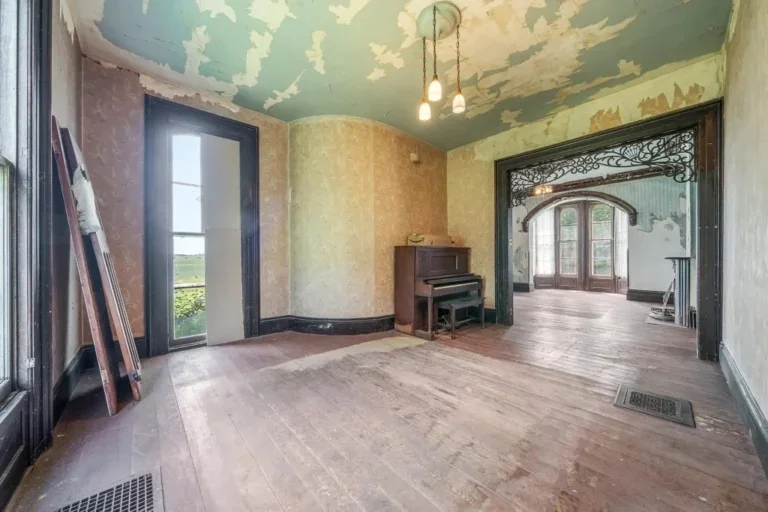

    Alessandro often sat in the garden, watching them with quiet gratitude. He had learned what wealth truly meant. Not in glass towers or numbered accounts, but in the sound of his daughter’s laughter and the presence of a boy who had once danced out of hunger but now danced out of joy.

    And it all began on that summer afternoon, when a ragged child spun barefoot by the fountain and turned silence into song.

    Popular

    PRAYERS ARE NEEDED FOR KURT RUSSELL!!

    0
    Kurt Russell, one of Hollywood’s most respected and beloved actors, has captivated audiences for decades with his charisma, versatility, and memorable performances. From his...