When I was nine years old, my world changed in a single afternoon. My mother passed away suddenly, leaving behind a quiet house filled with unfinished conversations and unanswered questions. In the days that followed, I clung to the few things that still felt like her—her perfume lingering on scarves, her handwriting on old notes, and the last gift she had given me: a small ballerina snow globe. Inside it, a delicate dancer stood frozen mid-pirouette, surrounded by glitter that fell like soft snow when shaken. I placed it on a high shelf and made an unspoken promise to myself never to touch it again. For more than twenty years, it remained there, untouched, a symbol of grief I wasn’t ready to revisit.
Life moved forward, as it always does. I grew up, built a family, and became a parent myself. Still, the snow globe stayed where it was, collecting dust but holding memories. Last month, my daughter noticed it while helping me tidy the living room. Her curiosity was immediate. Before I could stop her, she gently shook it. Instead of the familiar soft hush of falling glitter, we both heard a faint rattle from inside. My heart skipped. That sound had never been there before. I laughed it off at first, but later that night, I couldn’t stop thinking about it. The globe felt heavier in my hands than I remembered, as if it were asking to be opened at last.
After everyone went to bed, I carefully unscrewed the base. Inside, tucked neatly away, was a small folded note wrapped in yellowed tissue paper. My hands trembled as I unfolded it, recognizing my mother’s handwriting instantly. The message was simple, written in calm, loving strokes. She spoke about how proud she was of me, how she hoped I would never be afraid to live fully, and how love doesn’t end—it changes shape. She apologized for not being able to stay longer and reminded me that she would always be present in the quiet moments, even if I couldn’t see her. Tears came freely, not sharp like before, but warm and healing.
The next morning, I showed the note to my daughter and told her about the grandmother she never met. We placed the snow globe back on the shelf, but this time, it felt different. It was no longer a sealed container of pain, but a bridge between generations. I realized that grief doesn’t disappear—it waits patiently until we’re ready to understand it. Sometimes, healing comes not from holding onto the past, but from finally opening it. And sometimes, the love we think we’ve lost has been quietly waiting all along, tucked safely inside a simple glass globe.
It’s not common, but once in while you hear about people undergoing plastic surgeries. One might want to change their nose, breasts, lips or maybe just give the face som extra glow.
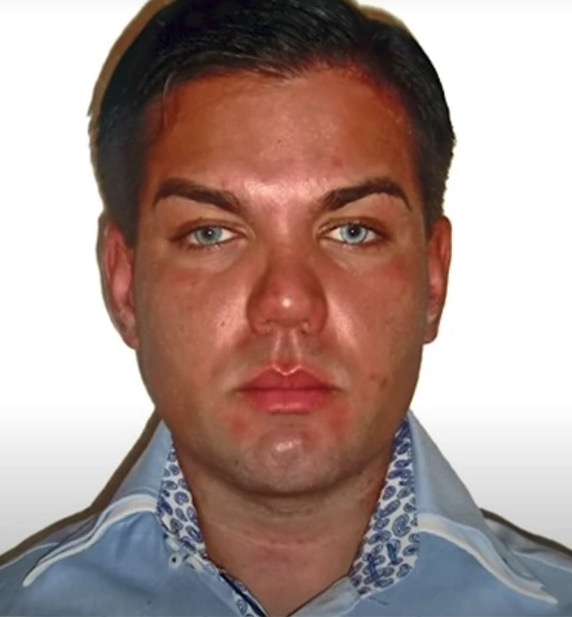
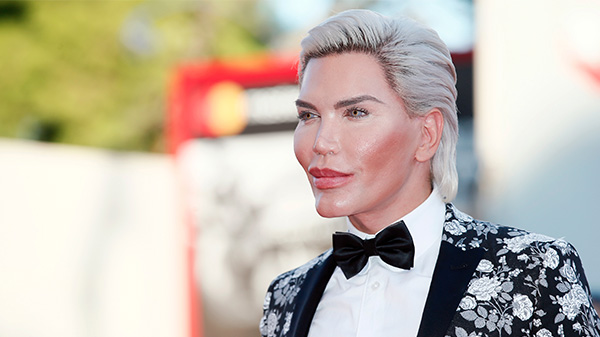
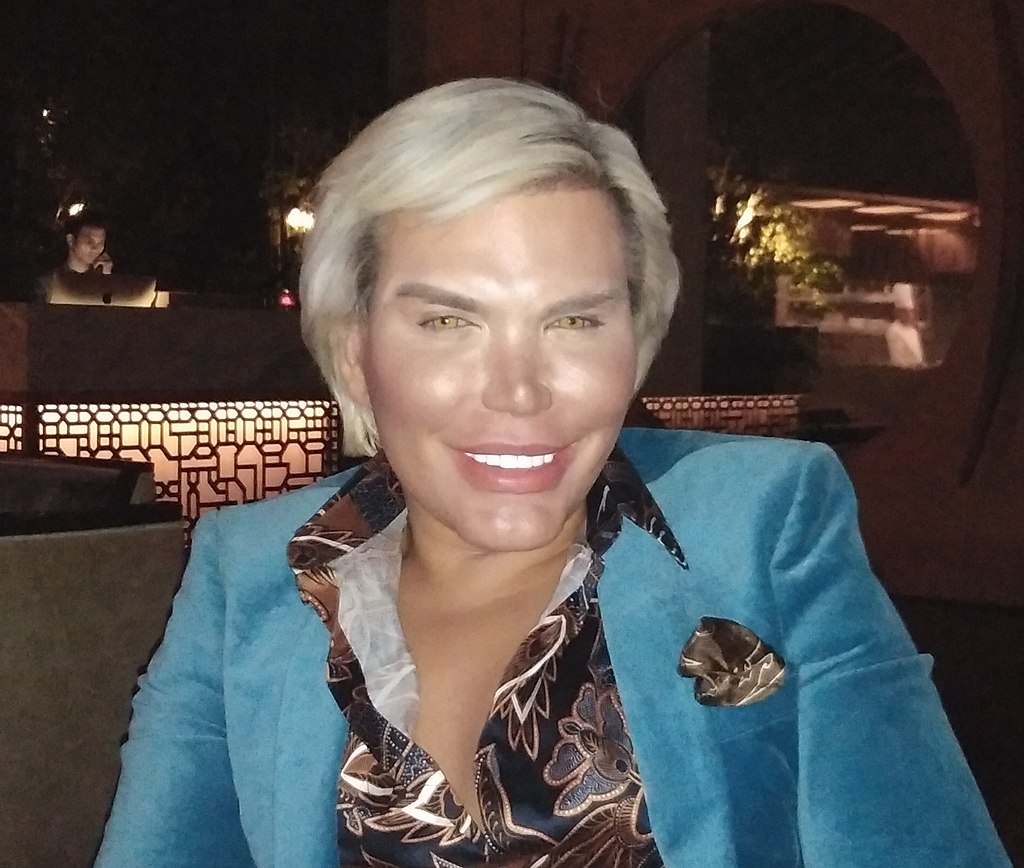
But Jessica Alves, formerly known as Rodrigo Alves, took it one, or maybe 70 steps further, changing her appearance into a human Barbie doll.
It’s OK not to be completely happy with your own appearance and body. No matter what you do, however, always remember that you’re beautiful and capable of doing amazing things no matter what people say.
Some people chose to undergo plastic surgeries in an attempt to alter their appearance. Jessica Alves took it one step further, and recreated her entire appearance.
Jessica Alves – transition
We will start the story of Jessica in early 2020. In an interview with The Mirror, Jessica Alves, born Rodrigo, came out as transgender.
“I’m known as Ken but inside I’ve always felt like Barbie,” the 36-year old said. “I finally feel like the real me. Glamorous, beautiful and feminine.”
From that day, she goes by Roddy and uses “she” and “her” pronouns.
Came out as transgender
Jessica received hormone injections which gave her feminine hips Along with blonde hair extensions and fake eyelashes, she now wears a D-cup bra as well. In July, she announced that she would go by the name Jessica.
“For years I tried to live my life as a man. I had a fake six pack put in, I had fake muscles in my arms but I was lying to myself,” she said. “I’m a woman and have always had a feminine brain. Now my body matches my mind.”
Through the years Jessica’s been seen on Celebrity Big Brother in 2018, and last year, she release a song with Italian plastic surgeon Giacomo Urtis called Plastic World. In addition, she has over 1 million followers on Instagram and previously worked as a flight attendant.
So how did she get here? Jessica Alves, former Rodrigo Alves, was born on July 30th, 1983, in Sao Paolo, Brazil. Born to a British father and Brazilian mother, already as a young child her grandfather bought Jessica dolls, allowing her to dress however she wanted.
Jessica Alves – childhood
A good ideal for any child is not having to adapt to norms that might have been set by society and instead doing what feels right, some would argue. This was also from where Alve’s obsession with dolls came from, and she would show the world in what way.
“Growing up, I was very feminine and used to play with dolls and wear my mum’s dresses and heels,” she said, adding that she hated her looks during her teenage years.
“I like to laugh, but it used to make my nose very wide. I was very bothered by that. My family members often wondered aloud from whom I had inherited that hideous body part. That was the reason for me to have it addressed first.”
Jessica Alves moved to London to study at the prestigious London School of Economics. In 2004, she decided to undergo a plastic surgery for the first time. That was the start of an addiction to alter her physical appearance, and she couldn’t stop.
“I was never completely satisfied after an operation, and I still am not,” Jessica said.
Jessica Alves – surgeries
Now, 20 years later, Jessica has undergone over hundred surgeries.
She underwent surgeries for nose jobs, botox and fillers, pec implants, liposuction to jaws and legs, hair transplant, calf shaping, fake six-pack, filler to arms. She also had four ribs removed, and a “cat-eye” lift.
In total, Jessica’s spent more than half a million dollars on surgeries. Soon, her classmates couldn’t recognize her at all. It was clear that se suffered from morphodysphoria, which is a diagnose in which a person has a disturbed image of his or her own body.
From the beginning Jessica Alves, as Rodrigo back then, wanted to become a male version of the Ken doll.
Now, she’s aiming for Human Barbie.
However, her pursuit of the ideal body hasn’t been far from dangerous. In April of 2016, Jessica was hospitalized with necrosis, meaning her skin began to die.
A hole began to appear on the nose at the same time as her septum appeared to come loose. At the same time, she had difficulties breathing and had to visit a hospital in Malaga, Spain. She received antibiotics through an IV drip every eight hours, the Daily Mail reported.
Dangerous infection
Doctorn warned that the infection could eat through her nose and into her face. Her face could become gangrenous.
“I can’t breathe through my nose and feel terrible. It has collapsed. I have been given an appointment with a consultant in London in six weeks time and then I’m hoping surgery can be as soon as possible after that,” Jessica Alves said.
Two years ago, she underwent a chemical peel, which involved applying an acid-containing lotion to the face in Spain, Daily Mail reported. Following letting it soak through, she was going to peel off the old skin to reveal the fresh skin in place.
However, it wasn’t a pleasant experience. “It was fairly painful, and my face looks red now. It feels like burning, she said. Here in Marbella is very sunny and I can’t go out for the next few days unless I have a lot of sun protection,” she said.
Jessica made it out of two scary scenarios. But in 2019, following her 11th rhinoplasty. the nose started to collapse. The last surgery was supposed to fix a previous botox procedure.
From Rodrigo to Jessica Alves
“The results of this surgery were very pleasing at first but now I am going to have to have another surgery because it is sinking and I am scared, to be honest,” Jessica told the Daily Mail.
“Each time is riskier than the last and I’m worried that doctors aren’t going to be able to fix my nose permanently.”
Through the years, Jessica has gained plenty of recognition all over the world because of her looks. People have different opinions of her chancing her body completely, but of course, the most important part is that she feels comfortable and happy.
Already mentioned, Jessica Alves has always felt that she had female tendencies. But it wasn’t until last year, during a photo shoot, that she decided on the transition.
“Within a month I was diagnosed with gender dysmorphic disorder and given the option to start the appropriate medication to transition,” she told the NY Post in January. “Before, people looked at me because I looked very androgynous and weird for a man. Now I hope they are looking because they think I am a beautiful woman.”
Not done yet
Jessica was ready. She had her Adam’s apple and six pack removed, and had surgeries including breast enlargement and injections in her knees, hips and feet which cost her around $35 000.
In addition, Jessica also underwent face feminization surgery and female hormones.
In July, speaking on the British show This Morning, she explained she still had a couple of things left.
“I still need two or three surgeries to complete my transition. Then I swear for good, I’m done with plastic surgery,” she said. “There is only so much one can take. Every time I go to surgery, yes it’s scary, but it’s what I have to go through to be the person I am. I have to go through all that.”
The last surgeries required for Jessica – now 41 years of age – to complete her transition is a penile inversion and testicles removed.
‘I love it and everything that comes with it – going to nice hair salons and getting my nails, eyebrows and eyelashes done. Buying dresses and high heels and wearing sexy lingerie,’ Roddy, who now lives in London, she said.
New nose job
Jessica’s had nose jobs done in Brazil, Colombia, Iran, America and in Istanbul. She’s had trouble breathing through her nose and a couple of weeks ago, she had to have an additional nose surgery.
Several doctors refused to do the surgery, since they just didn’t know what to do. At last, she finally found a doctor in Istanbul who used cartilage from her ear. Now, she can finally breath normal again.
Through her Instagram page, Jessica Alves shares pictures of her transition and life.
It’s safe to say, even though she’s been through a lot, that she looks really happy. And in the. end, that is the most important thing!
Covered in bandages after FIFTH face lift
Fast-forwarding to 2025, it seems TV personality Jessica Alves hasn’t given up on her quest to “enhance” her appearance.
According to the Daily Mail, the 42-year-old left a Turkish hospital in October covered in bandages after her fifth facelift. Alves explained that dissolving her previous dermal fillers left her with nearly four inches of loose skin on her face. To address this, she underwent a “ponytail facelift,” a minimally invasive procedure that uses staples along the hairline to tighten the skin on her face and neck.
She was seen in a wheelchair and wearing a headscarf as she was helped to a waiting car after the procedure. The images quickly went viral, as the scene appeared nothing short of startling.
”If I pinched myself three or tour inches would come off in my hand. It was very elastic, like rubber, so the doctor was able to remove five inches of my skin,” the 42-year-old said.
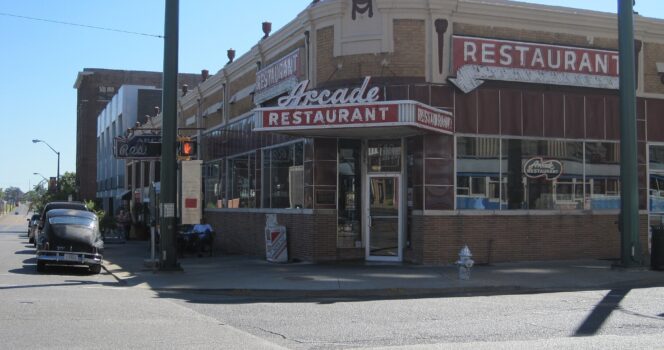
Nestled in the heart of downtown Memphis, Tennessee, the Arcade Restaurant —now affectionately called Arcade Memphis — isn’t just a diner.
It’s a living piece of rock ‘n’ roll history. Opened in 1919 and given a 1950s makeover, this iconic spot proudly holds the title of Memphis’ oldest operating restaurant.
Southern culture
Long before the city became a tourist hotspot, a young Elvis Presley was sliding into his favorite booth in the back corner – conveniently located next to an exit.
Today, that very spot is preserved, a shrine of sorts for fans eager to follow in the King’s footsteps. While the streets of Memphis have evolved over the decades, the Arcade remains a time capsule of vintage charm and Southern culture.
The restaurant was founded in 1919 by Greek immigrant Speros Zepatas. Originally, it was a simple, one-story wooden building where meals were prepared on a potbelly stove. During the bustling Roaring Twenties, Zepatas decided it was time for a change.
In 1925, he demolished the original structure and built the restaurant that still stands today, adding storefronts on either side to rent out, and naming it The Arcade.
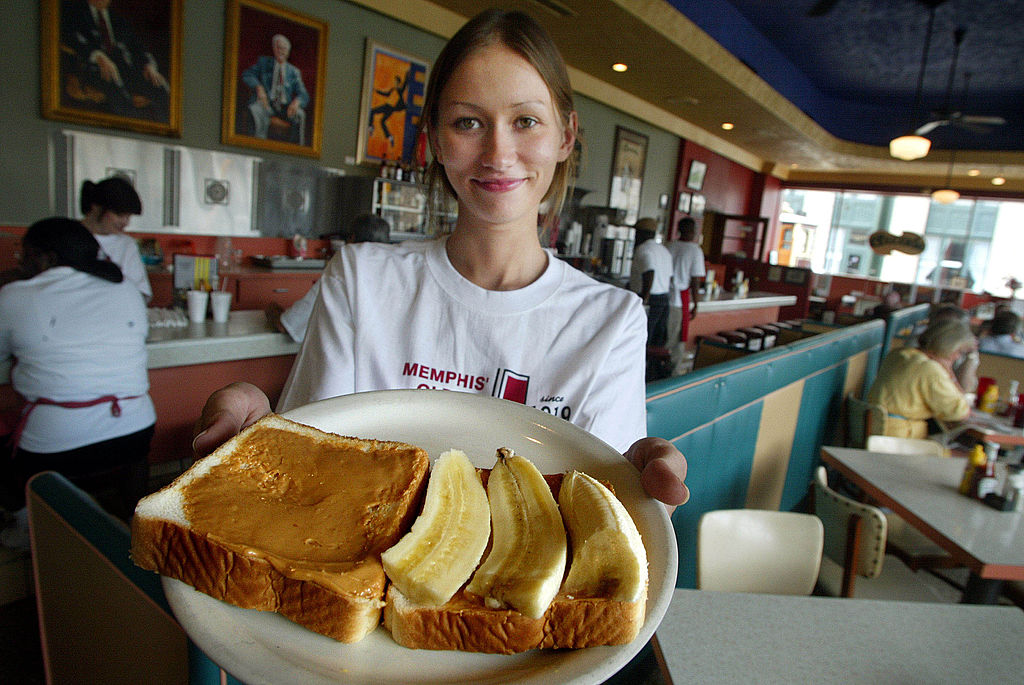
It’s the city’s oldest café. And the food? From heaping breakfast plates to creamy milkshakes, the menu serves up timeless Southern flavors that never go out of style.
Known for its hearty breakfasts, Eggs Redneck has been featured on the Travel Channel, and their sweet potato pancakes are a local favorite.
The moment you walk in, the neon signs, checkered floors, and retro décor instantly transport you to a bygone era. Whether it’s your first visit or your fiftieth, stepping into the Arcade Memphis feels like stepping into the 1950s. It’s no surprise that Elvis enthusiasts from around the globe make it a must-see stop.
Is the place more than special? Well, according to a 1997 newspaper article, the restaurant — opened in 1919 — had only been closed for four days in its entire history, something the owners are understandably very proud of.
Classic interior
The Arcade is more than just a Presley pilgrimage site. Its classic interior has starred in films and music videos, offering a slice of Memphis storytelling for the world to see.
Its nostalgic interior has appeared in hit films and TV series like Great Balls of Fire, The Firm, 21 Grams, Elizabethtown, Walk the Line, and Sun Records. Its cultural significance has even earned it a spot on the National Register of Historic Places, cementing its legacy as a true Memphis landmark.
Over 100 years after it first opened, the Arcade is still family-owned, blending old-school tradition with a modern welcome for visitors. Generations have gathered here to eat, chat, and soak in the unforgettable cultural energy of Memphis.
Today, Arcade Memphis is more than a diner, it’s a living museum.
It celebrates Elvis, the countless locals and travelers who’ve passed through its doors, and the spirit of a mid-century Memphis that continues to inspire visitors today. In a world that’s constantly changing, the Arcade is proof that some things —like great food, neon lights, and a little rock ‘n’ roll magic — never go out of style.
Ever visited this place? Drop a comment and tell us!
If you’ve ever cooked a chicken and noticed that it’s purging a white jelly-like substance, don’t worry! The gross goo may look unappetizing, but it’s actually a natural phenomenon caused by protein escaping the bird as it cooks.
You pull your perfectly seasoned chicken breast out of the oven, and there it is – a strange, oozing white goo. You wanted a juicy, golden-brown masterpiece, but now your chicken looks like it’s melting.
But don’t worry, this poultry predicament happens to chicken lovers everywhere, from casual home cooks to professional chefs, according to personal chef, Drew Curlett.
“It might not be pretty, but it’s pretty normal to see white stuff come out of chicken, especially when baked or roasted,” the culinary instructor tells Reader’s Digest.
What is the goop?
Despite its strange appearance, the white stuff oozing from chicken isn’t anything to panic about. It’s a combination of protein and water that coagulates when the chicken is cooked at high temperatures.
Chicken meat, especially the breast, is rich in protein, and when you cook it, the heat causes the protein to transform or “denature” – the same way an egg white turns solid white when cooked. This process forces water out of the meat, and as the proteins clump together, they create that white, slightly sticky, semi-solid goo you see on the surface.
This phenomenon is most common when you:
Cook boneless, skinless chicken breasts (since they contain less fat and more protein). “It’s really common when cooking at high heat without much in the way of liquid or fat, like if you’re baking plain, boneless, skinless chicken breasts,” Curlett said.
Use high heat methods like roasting, baking, or pan-searing. Cooking chicken at too high of a temperature too quickly can cause proteins to rapidly contract, forcing out more liquid and forming that gooey layer.
The best way to minimize this effect is by using medium heat and allowing the chicken to rest after cooking. Resting helps redistribute the juices back into the meat rather than letting them leak out immediately.
Cook frozen chicken that hasn’t been fully thawed (the excess moisture contributes to the effect). This happens because freezing causes ice crystals to form within the muscle fibers, damaging their structure. When thawed, the broken-down fibers release more moisture and proteins during cooking, increasing the likelihood of seeing the white substance.
Is white goo safe to eat?
While it might look unappetizing, this white substance is perfectly safe to eat. It’s just cooked protein and water – completely edible and doesn’t affect the taste of your chicken.
However, if your chicken has an odd smell, slimy texture, or discoloration before cooking, that’s a sign of spoilage. The white substance itself is harmless, but if your chicken has other signs of going bad, it’s best to discard it.
Reduce the goop
If you’d rather not have your chicken oozing out the goo, there are ways to reduce its appearance.
Cook at a lower temperatures: High heat speeds up the coagulation process, making the white goo more noticeable. Try baking at 350°F (175°C) instead of 400°F (205°C) for a more gradual cook.
Brine your chicken: Soak your chicken in a simple saltwater solution for 30 minutes to an hour helps retain moisture and reduces the amount of protein loss during cooking.
Sear before baking: Searing the chicken in a hot pan before transferring it to the oven locks in juices and can minimize the white protein leakage.
Let the chicken rest: Cooking cold chicken straight from the fridge (or worse, partially frozen chicken) increases the amount of white stuff that appears. Let it sit at room temperature for 15–20 minutes before cooking.
Use premium chicken: Factory-farmed chicken tends to contain more water due to processing, making the white goo more pronounced. If possible, opt for organic or air-chilled chicken, which contains less excess moisture.
Just remember you can minimize it, but unless you’re cooking low and slow, some protein leakage is natural.
The white stuff coming out of your chicken is just protein and water reacting to heat and it’s totally natural and safe to eat. While it may not be the prettiest sight, it doesn’t affect the taste or safety of your meal.
Don’t judge a book by its cover is a very famous saying, but every now and then, people need a reminder about this. If a parent does not look what you typically expect them to look like, judging them based on their appearance can sometimes be massively unfair.
When people saw his face tattoos, they told him he was a bad father. But then his wife revealed something no one was prepared for. Keep reading to learn more…
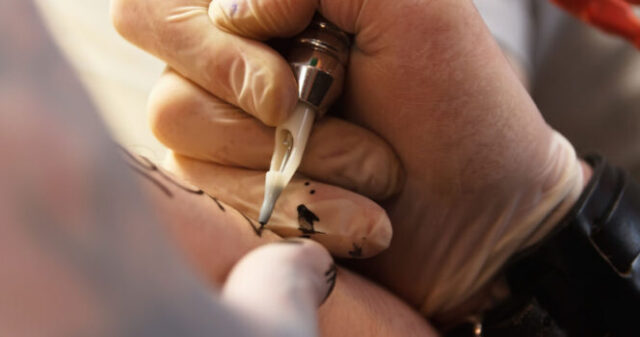
Self expression is a fundamental part of being yourself. Tattoos are a wonderful way for people to be able to express themselves through art. 51-year-old Richard Huff has chosen tattoos as the way of expressing himself as well and has over 240 tattoos.
The self-proclaimed ink addict has a family with five children and his wife. His wife often posts videos and pictures of him with their kids which are not always well received by viewers.
51-year-old Huff wants to make it clear that their family is “no different” from any other out there. But he has shared that strangers online mock him all the time because of his appearance.
He shared how it all started for him. “It became an addiction, I started with my legs and worked my way up,” Huff said. He shared that 85% of his body is now covered in tattoos. Among the tattoos are names of his children and his daughter’s lips.
“I want to be 100% covered in tattoos probably within the next four years,” shared Richard. “I don’t know if it’s the pain or the artwork that you put on you, but it just becomes fascinating when you’re able to do this.”
He shared that having so many tattoos brings with it its own set of problems. He shared how children at his kids’ school found him scary. His daughter shared, “They say, ’ah it’s a bit scary’ and I say ’no, my dad is not scary, he is good with tattoos.’”
As for his wife Marita, she revealed that she was scared of Richard as well. She said, “I did judge Richard based on his looks at first but as I got to know him a little bit, he is actually a big-hearted person.”
She often posts about her husband and how he loves her in a way no one before him has. She often talks about all the positives and how he is a wonderful husband and father. Marita had three children from previous relationships and has shared how Richard is the more than a real father to his kids as he has stepped for them tremendously.
Richard shared, “I participate in the PTA, I go to all my kids’ functions.”
But even with all this information about his gentle soul out there, people still criticize him. One comment read, “I’m not against tattoos, but I mean honestly, does he really need tattoos on his face like that?”
But there are others who also defend Richard. One said, “Everyone keeps talking about his face tattoo. He likes it. He got it. He’s a good father. Let him be.”
Richard himself has talked about the negative comments, he said, “If somebody can make negative comments like that, there’s something wrong with them themselves that they would have to judge somebody else.” Adding, “This is what we did and we’re happy. We’ve been together six years our kids are happy and to us, that’s all that matters.”
Richard adds that while at times negative comments can be a bit much, it does not change how much he loves his family or vice versa. “Having tattoos does not scare my children, it does not make me a bad father, it makes my kids get a different perspective on life,” he said.
Richard Huff clearly seems like a wonderful father who is adored by his wife and children. He is an important reminder to not judge a book by its cover! Share this piece with others to remind them of this lesson.
The highway had been quiet, wrapped in the soft stillness that settles over winter roads just days before Christmas. Snow clung to the trees like frosting, and the traffic moved with patient predictability. Drivers were lost in their own worlds—thinking about holiday dinners, last-minute gifts, deadlines, reunions, the familiar pull of home. Nothing about that day suggested it would become unforgettable.
Then the sound came.
It was low and thunderous, a deep rolling echo that seemed to rise from the forest itself. Not quite an explosion, not quite thunder—something heavier, older, more ominous. Brake lights flickered instinctively as drivers slowed, exchanging uncertain looks through frosted windshields. Before anyone could make sense of it, the forest erupted.
The first reindeer burst onto the road in a blur of movement and steam. Sleek bodies, powerful legs, wide eyes reflecting raw panic. At first there were only a handful, darting across lanes, hooves striking asphalt with sharp urgency. Drivers slammed brakes, horns blared, doors flew open.
Then more came.
Dozens turned into hundreds. Hundreds became thousands. Within moments, the highway was no longer a road but a living river of reindeer, surging forward in a single direction, packed so tightly that the earth itself seemed to move. They ran without hesitation, without pause, as if driven by something no human could see.
A massive traffic jam formed instantly. Cars stood motionless, engines idling, people stepping out into the cold despite the danger, phones raised, mouths open in disbelief. Some laughed nervously. Others whispered that it must be a sign—a once-in-a-lifetime Christmas miracle unfolding before their eyes. Social media filled with videos labeled “magical,” “unreal,” “Santa’s reindeer spotted on the highway.”
For a few minutes, wonder eclipsed fear.
But wonder has a short lifespan when reality catches up.
As the reindeer continued to pour from the forest, their urgency became impossible to ignore. These were not animals wandering aimlessly or migrating calmly. This was flight. Survival. Instinct screaming louder than reason. Wildlife experts later confirmed what some drivers had already begun to sense in their bones: the animals were not running toward something. They were running away.
High in the nearby mountains, unseen by those trapped on the road, disaster had already struck. A sudden shift in weather conditions—unstable snowpack, rising winds, rapid temperature changes—had triggered a massive snow avalanche. A towering wall of ice and snow thundered down the mountainside, flattening sections of forest in seconds, uprooting trees like matchsticks and sending shockwaves through the land.
The reindeer felt it before any warning system could register the threat.
Animals have always known when the earth is about to turn hostile. Vibrations, pressure shifts, subtle sounds that humans overlook—these are signals written into survival itself. The herd reacted instantly, abandoning grazing grounds and instinctively following the only path that promised escape.
That path happened to be the highway.
When the truth emerged, the mood changed completely. Smiles faded. Phones lowered. The word “miracle” felt suddenly inappropriate, almost cruel. What people had witnessed was not a holiday spectacle but a desperate evacuation—a mass exodus driven by terror.
Silence spread across the frozen line of cars.
Drivers who moments earlier complained about delays now stood quietly, watching the final animals disappear into the distance. No one honked. No one shouted. The inconvenience no longer mattered. The road remained closed for hours as emergency services assessed avalanche risks, wildlife officials coordinated responses, and authorities ensured no one was in danger.
Yet not a single complaint was filed.
Because something had shifted.
In that unexpected standstill, people were forced to confront how fragile order really is. How quickly a calm winter commute can dissolve into chaos. How little control humans have when nature decides to reclaim dominance. The event became an unplanned lesson in environmental awareness, wildlife behavior, and the raw power of natural disasters—more impactful than any documentary or news report.
Experts later described the incident as a rare convergence of animal migration patterns, extreme weather events, and human infrastructure. Environmental scientists pointed to climate volatility as a contributing factor, noting that unpredictable winter conditions are increasing worldwide. Wildlife conservationists emphasized the importance of preserving migration corridors and respecting animal instincts, especially as expanding road networks intersect with natural habitats.
But for the people who were there, those explanations felt secondary.
What stayed with them was the image: thousands of reindeer flooding a modern highway, ancient survival instincts colliding with human schedules, reminding everyone present that the world does not bend to convenience. It only allows coexistence—sometimes gently, sometimes violently.
The reindeer did not stop. They did not look back. They ran until they found safety, until instinct finally loosened its grip and allowed them to slow. Where they went afterward mattered less than the fact that they survived.
And the drivers? They returned to their cars eventually, engines restarting, traffic flowing again. But something lingered long after the road reopened. A quiet humility. A sense of perspective. A reminder that sometimes delays are not obstacles but invitations—to reflect, to witness, to understand.
That day was called a Christmas miracle by many who shared the videos online. But the truth was more complex and more profound. It wasn’t magic. It was nature asserting itself, animals choosing life, and humans—just for a moment—forced to pause and watch.
In a world obsessed with speed, efficiency, and control, the reindeer delivered a message without words: survival does not wait for permission, and hope is often found not in comfort, but in motion.
Our bodies truly are amazing tools. So amazing, in fact, that I don’t think the vast majority of us ever appreciate the marvel of natural evolution that we represent.
I mean, if you stop to think about it, we’ve evolved from beings not dissimilar to modern day chimpanzees, to walking, talking creatures capable of constructing complex societies and sending things to other planets, all in the blink of an eye (at least when the age of the universe is taken into account).
Yet one of the most interesting concepts related to our evolution as a species is how we’re virtually the same as we were, say, twenty-thousand years ago… though we now live in a world that could not be any more different to the one our ancestors once roamed.
More interesting still is the fact that we’re continuing to evolve, though the process happens so slowly, over the course of so many generations, that we rarely see evidence of it occurring at all.
Which is why we thought we would bring your attention to the link between a seemingly innocuous tendon in your wrist and the ongoing journey we humans are on as we lumber forward into the future.
Tendon and evolution
The tendon in question is attached to an old muscle called the palmaris longus, and these days it has been gradually phased out in 10-15% of the human population.
According to the research we were able to dig up, the palmaris longus is vital for animals that use their forearms to move around, including lemurs and monkeys. The muscle helps them to better swing from branch to branch, for example, and so is an important part of their anatomy.
And here’s where it gets interesting. Ground-dwelling apes, such as gorillas, have gradually lost the function, since they don’t rely on their forearms to move from place to place as they perhaps once did. Much in the same vein, we humans have started to lose the tendon that connects to the palmaris longus.
As stated above, evolution has a tendency to move slowly, so almost 90% of humans still have the tendon, though the evidence suggests that it is steadily being phased out.
To check if you still have yours, there’s a simple test you can do at home. First, place your forearm on a flat surface with your palm facing up, then touch your pinky finger to your thumb and slightly lift your hand off the surface.
Have you done it? Well, if you can see a pronounced band in the middle of your wrist (this is your tendon), then you have it. If you don’t, then you likely belong to the small percentage of humans who have already shifted away from the need to have the tendon at all.
Did you have the tendon? Let us know in the comments, and share this article on Facebook so that your friends and family can get in on the fun.
Have you ever noticed the letters WC posted outside a public bathroom and wondered what it means?
If so, you’re not alone as people around the world are trying to unravel the mystery of the WC, a space that identifies a room containing a toilet and a sink.
And while we’ll offer you an explanation of the WC, we can’t promise the term will make anymore sense than restroom, bathroom or loo…
In 2020, a couple named Shelby and Dylan shared a TikTok video that revealed a major difference in how some Americans and Canadians do their business.
“What in the world is a washroom?” asks Dylan as he walks by sign that says “washroom.”
“And what are they washing in there? Oh, it’s a restroom. The only thing I wash in there is my hands,” he tells his wife. Off-camera, Shelby can be heard asking: “Do you rest in a restroom?”
“That’s a good point. They both don’t make much sense,” Dylan adds.
Online users jumped into the comments section, offering their opinions on the term they prefer to use for the sacred room. “It’s called a bathroom, restroom, washroom and toilet,” offers one user.
A second follower said when they were visiting Disneyland, they “asked for the washroom” and they “sent me to the laundromat!”
A third adds, “Wait ‘til he finds out about water closets.”
Water closet
According to Mirriam Webster’s Dictionary, “water closet” is a noun that describes “a compartment or room with a toilet” or “a toilet bowl and its accessories.”
Back in the day, when someone would use the bathroom, it was to take a bath. And when a person used a restroom, it was apparently to rest or get ready for the day by using the sink and mirror.
Lastly, if you needed to go potty, you would use the toilet in the water closet. Depending on where you live in the world, the room that holds the porcelain throne goes by various names including the loo, restroom, bathroom, washroom, lavatory or WC.
In modern days, you’ll often see signage indicating WC in public spaces like airports, restaurants, or hotels. It’s just another way of saying “restroom” or “bathroom” but is often associated with a more formal or universal sign in places catering to international travelers.
History of the WC
Before the 19th century in America, indoor toilets were a luxury, reserved primarily for the wealthy. Most people used outhouses or other outdoor facilities for their sanitary needs. While homes often had “bathrooms” for bathing, these rooms typically didn’t include toilets. The widespread installation of indoor plumbing began in the late 19th century, with the advent of the water closet by 1890. These rooms housed the toilet separately from bathing spaces.
It wasn’t until the early 20th century that the modern bathroom, combining both bathing facilities and toilets into one integrated space, became common.
While combining toilets and bathtubs in the same room was a practical solution for saving space and simplifying plumbing, this arrangement did reduce privacy, especially in shared spaces.
Since, the term “water closet” evolved to refer to a small, enclosed room within a larger bathroom, dedicated solely to the toilet. These water closets often include a small sink for handwashing, making them self-contained and convenient.
Attempting to demystify the water closet, online users shared their opinions on Reddit in a post called, “Why is a public WC called bathroom if there is [no] bath?”
Responding to the message, a Redditor writes, “Americans might similarly ask: ‘Why is it called a WC (water closet) if it isn’t even a closet?” the comment continues to explain that a “bathroom” or “restroom” is the “preferred US euphemism for ‘room with toilet,’ whereas other places use ‘WC,’ ‘lavatory,’ ‘loo’ etc.”
“In Russian it’s ‘a room without windows’ even if there actually is a window,” shares a third while another adds, “In Esperanto, it’s necesejo, or ‘necessary place’”
Meanwhile, other Redditors discussed washroom versus bathroom and restroom.
“Canada famously uses Washroom,” says one netizen while another clarifies, “I’m from the midwest, and washroom is fairly common here. Bathroom or restroom are probably used the most though.”
“Best one, I think. You should be washing in there,” adds another. “…not resting.”
What are your thoughts on WC and what term do you call the room that holds a toilet? Please share your thoughts with us and then share this story so we can hear from others!
Have you ever stepped into a room and noticed an unpleasant odor clinging to the air? Or maybe the atmosphere in your home feels a little stale and not as refreshing as you’d like.
We have all been in a situation like this where the room does not smell nice, and there is no apparent source for the unpleasant smell. You rack your brain trying to figure out what is wrong.
If these situations resonate with you, there’s a simple, natural trick that will make a huge difference!
The air quality in your home can significantly impact your health and comfort. While air purifiers and sprays offer quick fixes, simple natural remedies often provide sustainable solutions. A surprisingly effective and cost-efficient method involves the use of salt and vinegar – a duo known for their cleansing and deodorizing properties.
Let’s explore how this clever hack works and the benefits it can bring to your home.
The science behind the solution
Salt is a natural option used in a lot of household cleaning hacks. It is a hygroscopic material, meaning its superpower is to attract and retain moisture from the air. This ability allows it to capture airborne contaminants like dust and allergens.
Vinegar, on the other hand, is renowned for its antimicrobial and deodorizing properties due to its acetic acid content. Together, they become a dynamic duo that helps in neutralizing odors and reducing indoor pollutants.
The benefits
Odor neutralization: Perfect for areas with strong smells, such as kitchens or pet zones.
Bacteria and mold reduction: Vinegar’s antimicrobial properties can inhibit the growth of bacteria and mold spores.
Cost-effective and eco-friendly: A simple, chemical-free alternative to expensive air fresheners.
Non-toxic: Safe for use around children and pets when handled properly.
How it improves the air
After placing a glass of this vinegar and salt solution in a room, you may notice an improvement in air quality within just a few hours.
Cooking smells, pet odors, and mustiness begin to fade as the solution absorbs and neutralizes these airborne culprits. It’s an immediate and hassle-free way to refresh the atmosphere, leaving your home smelling cleaner and more inviting.
Long-term advantages
Using this method regularly can help maintain a consistently fresh environment. Persistent odors are neutralized over time, and some people even report feeling fewer allergy symptoms and an overall sense of cleaner air.
It’s an effective, low-maintenance strategy to ensure your home always feels comfortable and pleasant.
Creative alternatives and uses
Beyond air purification, this vinegar and salt solution is a versatile household ally. Use it as a natural cleaner for kitchens and bathrooms, where it can cut through grease and eliminate mildew.
For added variety, infuse the mixture with essential oils like lavender, citrus, or eucalyptus to create a custom air-freshening experience while enjoying the benefits of aromatherapy.
Keep in mind…
While this method is excellent for improving air quality, it’s not a substitute for thorough cleaning or addressing the root causes of odors, such as mold or grime.
Additionally, the initial vinegar scent may be noticeable, but it fades relatively quickly. For those sensitive to vinegar’s smell, consider adding a drop of essential oil to the mixture for a touch of fragrance.
Health and safety considerations
Though vinegar and salt are household staples, it’s essential to use this mixture responsibly.
Keep the solution out of reach of pets and small children, as accidental ingestion could cause irritation. Also, place the container in a stable location to avoid spills.
The magic recipe
What you need:
1 cup of coarse salt (sea salt works best)
1/2 cup of white vinegar
A glass or ceramic bowl (avoid metal as vinegar can corrode it)
Once you have everything ready:
Mix and place the salt in the bowl and pour vinegar over it. Stir lightly to combine.
Position the bowl in areas where you notice poor air quality or strong odors.
Replace the mixture every two to three days for optimal effectiveness.
Tip: For a subtle scent, add a drop or two of essential oil to the mixture.
By combining two simple ingredients you likely already have in your pantry, you can transform the air in your home without relying on chemical-based sprays or expensive gadgets.
Give it a try today, and let us know what this natural solution does for your space!
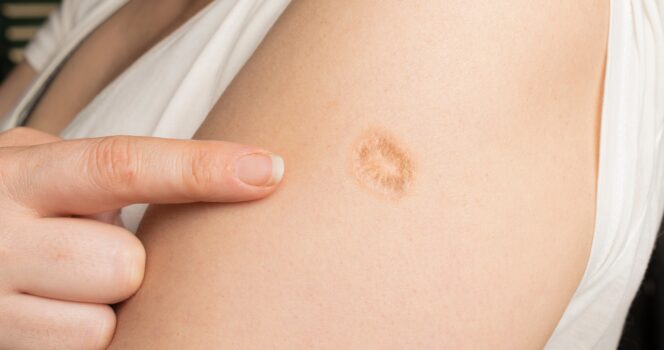
I have a clear memory of noticing a distinct scar on my mother’s arm when I was a child. It sits high up, close to her shoulder, taking the appearance of what looks like a ring of small indents in her skin around a larger indent.
Don’t ask me why that specifically attracted my attention all those years ago; I don’t remember. I recall only that it did, but as is so often the case, I sort of forgot it existed over the following years.
Well, obviously I didn’t forget it existed (it’s still in the same place it always was, of course), but I did forget that at one point in time I was fascinated with what had caused it. Perhaps I asked my mother once and she explained. If she did, though, I forgot that as well.
That was until I helped an elderly woman off of a train one summer a few years back, and I happened to catch sight of the very same scar, in the very same place as my mother’s. Needless to say my interest was piqued, but with the train about to rumble on to my destination, I couldn’t exactly ask her about the origins of her scar.
Instead I called my mother, and she revealed that she in fact told me more than once – obviously my brain didn’t deem the answer important enough information to retain – and that her scar had come courtesy of the famous smallpox vaccine.
Smallpox is a viral, infectious disease that once terrorized us humans. It causes a significant skin rash and fever, and during the most rampant outbreaks in the 20th century, killed an estimated 3 out of 10 victims according to the Centers for Disease Control and Prevention. Many other sufferers were left disfigured.
Thanks to a successful, widespread implementation of the smallpox vaccine, the virus was declared “extinct” in the United States in 1952. In fact, in 1972, smallpox vaccines ceased to be a part of routine vaccinations.
Up until the early ’70s, though, all children were vaccinated against smallpox, and the vaccinations left behind a very clear mark. Think of it as the very first vaccine passport, if you will: a scar that told everyone you had been successfully vaccinated against smallpox.
And yep, you guessed it, it’s that very scar that my mother bears (just as virtually all others in her age range).
Why did the smallpox vaccine scar?
The smallpox vaccine caused scars due to the body’s healing process. The vaccine itself was delivered in a rather different way to many other vaccines given today, using a special two-pronged needle.
The person administering the vaccine made multiple punctures in the skin (rather than just the one you usually get with today’s vaccines) to deliver the vaccine to the skin’s dermis (the layer below the epidermis).
The virus within the vaccine then got to work, multiplying and causing round bumps to develop. The bumps then developed into vesicles (small, fluid-filled blisters), which would then burst and scab over in time.
The result is the infamous scar we’ve talked about in this article.
Are you old enough to have a scar from the smallpox vaccine? Let us know in the comments!
Love compels parents to do extraordinary things for their children’s well-being. Celine Casey, a British mother, took remarkable steps to ensure her daughter Vienna’s...