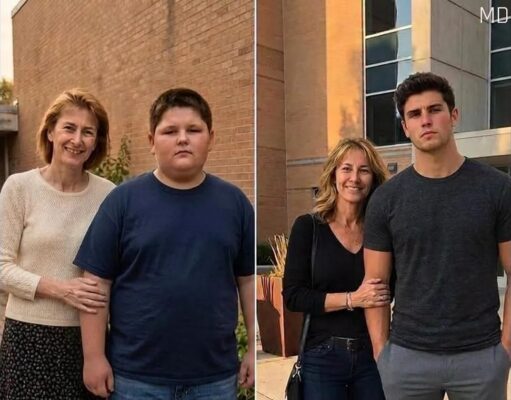
I grew up believing that our struggles were my mother’s fault. While other kids talked about vacations and new clothes, I learned early how to make things last—shoes patched twice over, birthdays marked quietly, and holidays kept simple. As a child, I didn’t understand sacrifice; I only understood comparison. I watched my mother stretch every dollar with careful patience, and instead of seeing love, I saw limitation. That resentment followed me into adulthood, even after I built a stable life of my own. I promised myself my children would never feel the embarrassment I once did, and somewhere along the way, that promise hardened into judgment against the woman who had raised me.
Years later, on my child’s birthday, my mother arrived carrying a small box wrapped in plain paper. Inside was an old sweater from my childhood—faded, neatly folded, and unmistakably familiar. Without thinking, I snapped. I told her to take it away, said it was useless, said we didn’t need reminders of the past. The room fell quiet, and my words hung heavier than I intended. My mother didn’t argue. She didn’t look hurt. She simply smiled softly, wished my child a happy birthday, and left. At the time, I felt justified. I believed I had moved on and that sentimentality had no place in the life I had worked so hard to build.
Not long after, my mother passed away. Grief has a way of rearranging memories, and suddenly small moments felt louder than the big ones. While sorting through her belongings, my aunt handed me that same sweater. She asked gently if I had ever really looked at it. This time, I did. Inside the hem were tiny, uneven stitches—repairs made by hand. Tucked into the fabric was a small tag I had never noticed before, with my initials sewn carefully into the corner. My aunt explained that my mother had mended that sweater dozens of times, staying up late to make sure I had something warm for school. She had sewn my initials so it wouldn’t get lost at the laundry center we used to visit every week.
I held the sweater and felt the weight of understanding settle in. What I once saw as a symbol of lack was actually proof of devotion. My mother hadn’t given me less; she had given me everything she had. The life I built was rooted in lessons I didn’t recognize at the time—resilience, patience, and quiet generosity. I realized then that love doesn’t always look like abundance. Sometimes it looks like careful stitches, worn fabric, and a smile that absorbs unkind words without complaint. I folded the sweater gently and placed it somewhere safe, not as a reminder of hardship, but as a reminder of love expressed in the only way she knew how.
When a child mentions an itchy or tingly tongue after eating strawberries, it can catch parents off guard. Strawberries are widely enjoyed and often seen as a healthy, kid-friendly food, so an unexpected reaction may raise concerns. In many cases, however, this sensation is mild, brief, and not dangerous. Understanding why it happens can help parents respond calmly and make informed choices without unnecessary worry. Most children who experience this symptom are not seriously ill and can continue to enjoy a varied diet with a few simple adjustments.
One of the most common explanations for this reaction is a condition known as Oral Allergy Syndrome, sometimes called pollen–food allergy syndrome. This occurs when the immune system confuses certain proteins in raw fruits with similar proteins found in pollens. For example, a child who is sensitive to seasonal pollen may experience itching or tingling in the mouth after eating raw strawberries. The reaction usually appears within minutes and is limited to areas such as the lips, tongue, or throat. Importantly, symptoms often fade quickly once the food is swallowed or removed, and they rarely progress beyond mild discomfort.
Children may experience this more often because their immune systems are still developing and learning how to respond to new foods and environmental triggers. If a child has seasonal allergies, their immune system may already be on high alert, making it more likely to react to similar-looking proteins in certain fruits. This is also why some children react only during certain times of the year, such as peak pollen seasons. Interestingly, many kids who feel irritation after eating fresh strawberries can tolerate cooked or processed strawberry products. Heating changes the structure of the proteins, which often reduces or eliminates the reaction. Foods like strawberry jam, baked goods, or yogurt may not cause the same symptoms. For parents, managing this situation usually involves observation rather than alarm. If a child reports mouth itching, it’s best to pause serving raw strawberries and see if the symptoms stop.
Keeping a simple food and symptom journal can help identify patterns or other foods that may cause similar reactions. Encourage children to speak up right away if something feels uncomfortable and to stop eating that food. If symptoms are mild and limited to the mouth, healthcare providers may sometimes suggest simple measures, but professional guidance should always be followed. Parents should seek medical advice if reactions become frequent, unclear, or extend beyond the mouth—such as causing hives, vomiting, breathing difficulty, or ongoing swelling. In those cases, an allergy specialist can provide clarity and reassurance. An itchy tongue after eating strawberries is often uncomfortable but manageable. With awareness, small dietary adjustments, and guidance from a healthcare professional when needed, most children can continue to enjoy a wide range of foods safely. The key is recognizing your child’s signals, staying attentive without panic, and creating mealtimes that feel safe, relaxed, and positive for everyone involved.
Discovering head lice can be stressful for any family, especially when itching and discomfort disrupt daily routines. These tiny insects are common among children, particularly in school or childcare settings where close contact is frequent. While lice can spread easily through shared hats, brushes, or head-to-head contact, they are not a sign of poor hygiene and can affect anyone. Understanding how lice behave and how to address them calmly can make the experience far more manageable and help restore comfort to your household more quickly.
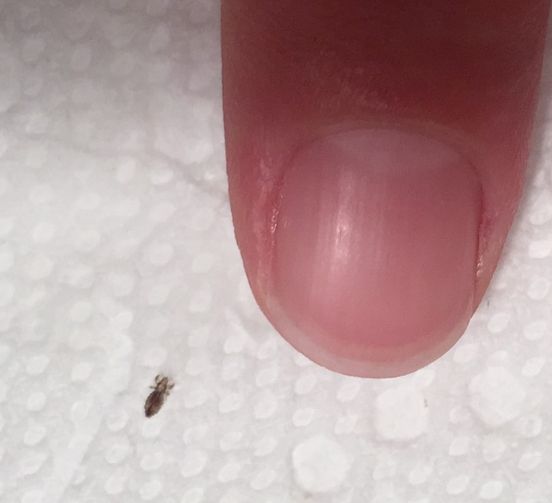
Head lice are very small, wingless insects that live on the scalp and feed on tiny amounts of blood. They attach their eggs, known as nits, close to the scalp where warmth helps them develop. Nits can be especially challenging to remove because they cling firmly to hair strands. Although lice do not carry diseases, their bites can cause persistent itching and irritation, which may lead to scratching and discomfort. Lice cannot jump or fly, but they crawl quickly, making direct contact the most common way they spread. Off the scalp, they typically survive for only a short time, which is why focused treatment is more effective than excessive cleaning.
Treating lice usually begins with a specially formulated shampoo or lotion designed to eliminate live insects. It is important to follow the product instructions closely, using the correct amount and leaving it on for the recommended time. While these treatments are effective at killing lice, they do not always remove nits. For this reason, careful combing is a critical step. Using a fine-toothed nit comb on damp hair, work slowly through small sections from the scalp outward. Wipe the comb frequently to remove any lice or eggs and continue until the entire head has been thoroughly checked. This process requires patience but greatly improves the chances of success
Follow-up care is just as important as the initial treatment. Repeating the process after about a week helps catch any lice that may have hatched since the first application. At the same time, take simple steps to clean items that come into close contact with the head, such as pillowcases, hats, and hair accessories. Washing these items in warm water or setting aside non-washable items for a short period is usually sufficient. Regular scalp checks, teaching children not to share personal items, and staying informed about lice prevention can reduce the chance of future outbreaks. With a calm approach and consistent care, head lice can be resolved effectively, allowing your family to return to normal routines with confidence.
Grief can harden people in ways they don’t recognize until it’s too late. When my husband passed away, the house felt hollow, filled with reminders of a life that no longer existed. My stepdaughter had lived with us since she was seven, and for nine years, we shared routines, meals, and quiet moments that felt like family—even if we never said it out loud. In the fog of loss, fear crept in: fear of being alone, fear of responsibility, fear of emotions I didn’t know how to manage. In a moment of anger and confusion, I told her words that should never have been spoken. I said we were no longer connected. She cried, nodded silently, packed a bag, and left that night. The door closing behind her sounded final, heavier than any argument we’d ever had.
The next two days passed slowly. I avoided her room, convincing myself it was better not to look inside. But on the third night, as I walked down the hallway, I heard a faint sound coming from beneath her bed—a soft rustle, like fabric shifting. My heart jumped. I froze, unsure what I was afraid of, then knelt down to look. What I found wasn’t what I expected. Hidden neatly under the bed were several small boxes, folded clothes, and a notebook. They weren’t forgotten items. They were carefully arranged, as if she planned to come back for them someday. Among them was a photo of her and her father, taped to the notebook’s cover. The realization hit me all at once: she hadn’t left because she stopped caring. She left because I told her she didn’t belong.
I sat on the floor for a long time, holding that notebook. Inside were handwritten pages—lists of school goals, memories of her dad, and quiet hopes for the future. One page stopped me cold. She had written about feeling scared of losing her home after losing her father, about trying to be “good enough” not to be sent away. Reading her words made my chest ache with shame. I had been so consumed by my own grief that I failed to see hers. Blood had never been the measure of family—love, consistency, and care were. And I had turned away from all three when she needed them most.
The next morning, I made a choice. I called her. My voice shook as I apologized—not with excuses, not with explanations, but with honesty. I told her I was wrong, that the house was still her home if she wanted it to be, and that I would do the work to earn back her trust. There was a long pause on the line before she quietly said she needed time. I understood. Healing doesn’t happen on demand. But for the first time since my husband’s death, I felt I was moving toward something instead of away from it. Family isn’t defined by biology or paperwork—it’s defined by the willingness to show up, especially after you’ve failed. And this time, I was determined not to walk away again.
WD-40 is one of those products most people recognize instantly, often kept within arm’s reach in garages, kitchens, or tool drawers. It’s commonly used for everyday fixes—quieting squeaky hinges, loosening stuck parts, or protecting metal from moisture. Despite its popularity, many users never stop to wonder what the name actually means or where it came from. For years, it has simply been a reliable solution, trusted without much thought about its origin. Yet behind that familiar blue-and-yellow can is a story rooted in problem-solving, experimentation, and persistence.
The name WD-40 dates back to 1953, when a small team at Rocket Chemical Company was working on a very specific challenge. Led by chemist Norm Larsen, the group was tasked with developing a compound that could protect metal components from corrosion caused by moisture. This was especially important for aerospace and defense equipment, where even minor rust could cause serious issues. After dozens of unsuccessful attempts, the team finally found a formula that worked on their fortieth try. The name reflected that success directly: “WD” stood for “Water Displacement,” and “40” marked the attempt number that finally delivered results.
What makes the story notable is that the name was never intended as a clever marketing strategy. It was simply a straightforward description of the product’s purpose and development process. Over time, the formula proved useful far beyond its original application. People began using it for household maintenance, automotive care, and countless practical tasks. Even decades later, many users remain unaware of its origins. In 2015, news anchor David Muir sparked widespread curiosity when he asked on social media what the product’s name meant, surprising many with the simple explanation behind it.
Today, the product’s reputation is built on consistency and versatility rather than flashy branding. It has become a symbol of practical problem-solving—something people reach for when they need a dependable fix. The story behind its name serves as a reminder that innovation doesn’t always come from grand ideas, but from persistence and careful experimentation. A solution created to solve a narrow technical problem ultimately found a place in millions of homes. Its lasting success highlights how focused effort and patience can turn a simple formula into a trusted household staple across generations.
For years, I had quietly accepted the shape of our family as it was. My husband and our son shared a closeness that felt natural, almost inevitable, and I told myself that love didn’t need to be evenly measured to be real. When they began leaving together every Friday for what I believed was soccer practice, I felt a small, private relief. It gave them time, and it gave me space. Still, a faint unease crept in when their routine became untouchable—no schedule changes, no casual stories, just the same answers, rehearsed and neat. I ignored that feeling until the Friday I stood on the empty field, listening to a confused coach tell me he’d never seen either of them before.
That night, I watched them more carefully than I ever had. My son laughed too quickly at dinner, my husband avoided my eyes, and the house felt full of words that refused to be spoken. I didn’t confront them. I needed to understand first, to protect my child if I had to. The next Friday, I followed at a careful distance, my heart pounding with every turn of their car. When they parked near an aging community center instead of a sports field, my fear twisted into something sharper. I imagined terrible explanations, the kind that don’t easily leave once they enter your mind.
From across the street, I saw them walk inside, not sneaking, not rushing, just calm. Through the open windows, I heard music—soft, uneven, but full of effort. I waited until the door opened again, and what I saw unraveled every dark thought I’d been holding. Inside, a small group of teenagers sat with instruments and notebooks. My son stood at the front, nervous but proud, while my husband watched from the side. They were teaching a free music class for kids who couldn’t afford lessons, kids who reminded my husband of himself growing up, and kids my son had met through school and wanted to help.
When they finally noticed me, the silence was heavier than any argument could have been. My husband explained everything slowly, apologetically. He hadn’t wanted to burden me or make promises he couldn’t keep if the program failed. My son admitted he was afraid I’d think it was a waste of time. I didn’t call the police. I didn’t raise my voice. I cried—out of relief, out of pride, out of regret for the distance I’d let grow inside my own heart. That night, we talked longer than we had in years. The secret hadn’t been betrayal; it had been love, clumsy and well-intentioned, waiting to be shared.
A long-running holiday jazz concert scheduled for Christmas Eve at the John F. Kennedy Center for the Performing Arts was officially canceled this year following a decision by its longtime host to step away from the event. The concert, part of an annual Jazz Jam series that has taken place for more than two decades, was expected to continue a tradition that has drawn audiences to the venue each holiday season. However, the organizer cited personal concerns related to recent changes at the performing arts center as the reason for the cancellation. The Kennedy Center’s website now lists the Christmas Eve performance as canceled, and no replacement event has been announced.
The concert had been led since 2006 by jazz drummer and vibraphonist Chuck Redd, who assumed the role after the late bassist William Keter Betts. In a statement provided to the Associated Press, Redd said he made the decision after learning of a recent rebranding of the venue, which now includes the name of Donald Trump alongside its original dedication. Redd, who has performed at the Kennedy Center for much of his career, expressed disappointment over the change and said he felt compelled to withdraw from hosting the event this year. The musician emphasized that the choice was a personal one tied to his long-standing relationship with the venue.
The name change has generated public discussion and legal debate. The Kennedy Center was established by Congress in the 1960s as a living memorial to John F. Kennedy following his assassination in 1963. Legal scholars and former officials have noted that federal law restricts the center’s board of trustees from altering its memorial status or adding additional names without congressional approval. Members of the Kennedy family, including Kerry Kennedy, have publicly criticized the move. Meanwhile, President Trump stated last week that he was surprised by the decision and said he was honored by the addition of his name to the building.
The cancellation of the jazz concert comes amid broader changes at the Kennedy Center following a restructuring of its leadership and board. Several artists, including Issa Rae and Peter Wolf, have also withdrawn planned appearances in recent months. Additionally, a federal lawsuit has been filed by Joyce Beatty, a non-voting board member, who argues that only Congress has the authority to alter the center’s name. Kennedy Center officials maintain that the rebranding aligns with historical precedent and does not alter the original memorial. As discussions continue, the cancellation of the Christmas Eve concert marks a notable pause in a long-standing holiday tradition at one of the nation’s most prominent cultural institutions.
In a heartwarming and deeply emotional story that has touched thousands online, Brooklyn, New York resident Isabel Klee gave a special foster dog named Zero the ultimate gift:
a loving family in the very last hours of his life. Isabel, who has been fostering dogs for more than seven years, has dedicated her life to helping animals in need.
Especially those facing medical or behavioral challenges. Her commitment to giving vulnerable dogs a chance at happiness and comfort made her uniquely suited for the difficult task of caring for a dog like Zero.
On December 8, Isabel brought Zero into her home through Muddy Paws Rescue, a Brooklyn-based organization dedicated to rescuing dogs with medical needs or behavioral difficulties.
Zero, a senior white dog, came into Isabel’s care as a medical and behavioral foster, a type of dog many people shy away from due to the intensive care required.
Despite his challenges, Isabel believed she could make a meaningful difference in his life, even if only for a short time.
In the beginning, Zero’s presence brought hope and excitement to Isabel’s home.
He was a sweet dog with a resilient spirit, and his gentle, loving personality began to shine through the difficulties caused by his medical and behavioral conditions.
However, as the weeks went by, it became apparent that Zero’s health and mental state were declining more quickly than anyone had anticipated.
By December 19, Isabel took to TikTok to share an update with her followers. Her video, both candid and heart-wrenching, revealed that Zero had begun to show significant signs of mental decline.
“We’re just having a lot of conversations about Zero and his quality of life,” she said softly in the video, her concern evident in every word.
She explained that Zero spent much of his time barking, pacing, and appearing distressed.
The videos she shared in the post showed Zero barking at all hours, often in a state of agitation, a symptom of his mental deterioration.
For Isabel, this was a profoundly difficult reality to face. She had built a reputation among her followers as someone capable of healing and nurturing even the most troubled dogs.
The thought that she might not be able to save Zero weighed heavily on her heart. In her video, she admitted, “I’ve never had this happen before, so it’s really hard for me to process that I couldn’t help him and I couldn’t save him.
And the last thing I want to do is explain this to all of my followers who really believe in me and believe in my ability to heal dogs.
But I think the reality of this sometimes is, when you take dogs like this, it’s not always possible.”
The situation highlighted a painful truth for many who work with vulnerable animals: despite the best intentions, sometimes the kindest and most humane decision is to prevent further suffering.
Isabel, in consultation with the team at Muddy Paws Rescue, began exploring the most ethical options for Zero.
Her goal was always to ensure that Zero’s final days were as comfortable and filled with love as possible, despite the inevitable outcome.
Two days later, on December 21, Isabel shared the heartbreaking news that Zero had passed away. “There will be no more pain, no more confusion, no more agitation, no more anger,” she wrote in the TikTok caption accompanying the video.
She described him as “a resilient little shelter dog who was loved until his very last breath.” Isabel also reflected on the gift she felt she had given him: “If I gave him anything, it’s the gift of a person who will miss him long after he’s gone.”
These words resonated deeply with viewers, sparking a wave of empathy and admiration for Isabel’s selfless devotion.
However, Isabel’s story with Zero did not end there. Hours after sharing Zero’s passing, she revealed a touching decision she and her partner, Jacob, had made: they chose to officially adopt Zero, ensuring that he would experience the warmth and security of a real family before being put down.
This decision was both courageous and deeply compassionate, emphasizing the importance of giving animals love, dignity, and companionship, even in their final moments.
In a TikTok video posted on December 22, Isabel documented the day she officially adopted Zero. Her voice was filled with emotion as she explained, “So today is our last day with Zero.
Jacob and I made the decision that before tomorrow, we are going to officially adopt him so that Zero can have a family before he passes.
And we are so honored to be that family for him.” In the video, viewers could see Isabel signing the adoption papers, tears streaming down her face, capturing a moment of raw vulnerability and heartfelt devotion.
To celebrate Zero’s final day with his new family, Isabel and Jacob treated him to a special meal—a McDonald’s ice cream sundae and a cheeseburger—which he devoured with visible delight.
The small indulgence was more than just food; it was a symbol of the love, care, and attention they wanted to give him in his last hours.
Through these gestures, Isabel and Jacob demonstrated that even the smallest comforts can provide immense joy and reassurance to animals in distress.
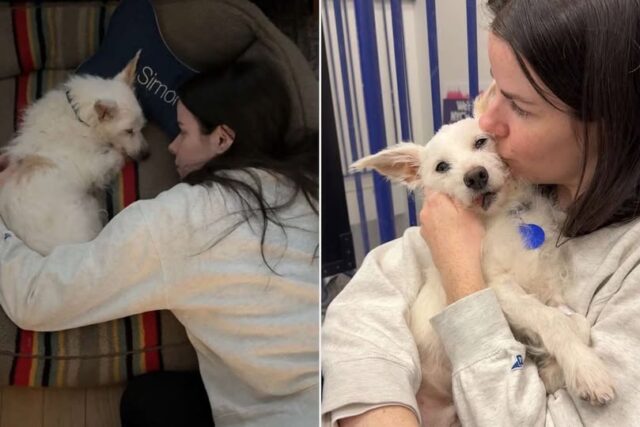
Isabel’s social media posts that day were filled with tender moments: cuddles on the couch, gentle kisses, and whispered reassurances.
Each video clip captured the profound bond forming between Zero and his new family, a bond forged in the briefest but most meaningful span of time.
Isabel captioned one particularly touching clip, “We were a family❤️,” encapsulating the essence of what she and Jacob had provided for Zero—a sense of belonging, love, and home.
The story of Zero’s final days serves as a poignant reminder of the importance of fostering and adopting dogs, particularly those with medical or behavioral challenges.
These animals often face long odds in shelters and rescues, and yet, with dedicated care and compassion, they can experience moments of genuine happiness and connection.
Isabel Klee’s actions exemplify this ethos: even in the face of inevitable loss, she chose to prioritize Zero’s comfort, dignity, and emotional well-being above all else.
Beyond the emotional weight of the story, there is a broader lesson for anyone involved in animal rescue or considering fostering.
Dogs like Zero require patience, understanding, and a willingness to accept outcomes that may not align with our hopes.
The reality of working with medically or behaviorally challenged dogs is that sometimes, despite our best efforts, we cannot alter the trajectory of their health.
What we can do, however, is ensure that their lives are filled with care, love, and attention—a lesson Isabel demonstrated beautifully.
The response to Isabel’s story has been overwhelming, with thousands of people expressing their admiration for her bravery and kindness.
Many noted the courage it takes to face such heartbreaking situations while still remaining committed to the well-being of the animal.
Others praised her transparency in sharing both the joys and challenges of fostering, providing a realistic glimpse into the emotional complexities of caring for dogs in need.
Zero’s story also underscores the value of community and shared compassion.
Through her videos and updates, Isabel connected with a wide audience who shared in her experiences, celebrated the small victories, and mourned the inevitable losses.
In doing so, she helped raise awareness about the needs of senior, medical, and behavioral rescue dogs, inspiring others to consider fostering or adopting in situations they might otherwise have avoided.
Isabel’s actions remind us that even brief moments of love and attention can have profound impacts on the lives of animals.
Zero, though his time with his new family was short, experienced the comfort, companionship, and affection that every dog deserves.
His final hours were not marked by fear, confusion, or suffering alone; they were filled with warmth, joy, and the unmistakable presence of love.
In reflecting on Zero’s story, it becomes clear that fostering and adopting dogs is about more than simply providing shelter—it’s about offering dignity, compassion, and connection.
Isabel Klee’s commitment to these values has left a lasting impression on all who have followed her journey.
Her story is a testament to the transformative power of love, even in the face of inevitable loss, and a reminder that every act of kindness matters, no matter how brief the timeframe.
As the world continues to follow Isabel’s work, Zero’s legacy lives on as a symbol of resilience, love, and the profound difference one person can make in the life of an animal.
His story, while bittersweet, illustrates that even in the most challenging circumstances, there is always the possibility of comfort, joy, and a sense of belonging.
Isabel’s experience with Zero has inspired countless viewers to reflect on how they can make a difference in the lives of animals, encouraging more people to consider fostering or adopting senior or medically challenged dogs.
It also highlights the importance of providing comprehensive support to foster and rescue organizations, which play a critical role in saving the lives of vulnerable animals.
In the end, Zero’s journey, though short-lived, was filled with love, care, and compassion.
Thanks to Isabel and her partner, he experienced the joy of being part of a family—a gift that, for a dog who had endured hardship and uncertainty, meant everything.
Their story stands as a poignant reminder of the impact that empathy, dedication, and love can have on animals’ lives, demonstrating that even in the face of life’s harshest realities, kindness prevails.
In a heartwarming and deeply emotional story that has touched thousands online, Brooklyn, New York resident Isabel Klee gave a special foster dog named Zero the ultimate gift:
a loving family in the very last hours of his life. Isabel, who has been fostering dogs for more than seven years, has dedicated her life to helping animals in need.
Especially those facing medical or behavioral challenges. Her commitment to giving vulnerable dogs a chance at happiness and comfort made her uniquely suited for the difficult task of caring for a dog like Zero.
On December 8, Isabel brought Zero into her home through Muddy Paws Rescue, a Brooklyn-based organization dedicated to rescuing dogs with medical needs or behavioral difficulties.
Zero, a senior white dog, came into Isabel’s care as a medical and behavioral foster, a type of dog many people shy away from due to the intensive care required.
Despite his challenges, Isabel believed she could make a meaningful difference in his life, even if only for a short time.
In mid‑December 2023, Michael Bolton began experiencing medical symptoms that were unusual and concerning for both himself and his family.
He suffered a troubling fall at home and began displaying other subtle but troubling changes, including issues with balance and short‑term memory — symptoms that would ultimately lead to a dramatic diagnosis.
Doctors diagnosed Bolton with glioblastoma (GBM), a rare and highly aggressive form of brain cancer.
This form of cancer develops within the neural support cells of the brain, grows rapidly, and is notoriously difficult to treat effectively for long‑term remission.
Almost immediately after the diagnosis, Bolton underwent emergency brain surgery in December 2023, during which surgeons were able to remove the visible tumor.
While the surgery itself was successful in removing the tumor tissue, glioblastoma is known for its ability to infiltrate surrounding brain cells — which is why additional treatments are always necessary.
In January 2024, Bolton underwent a second surgery after developing an infection related to the initial procedure.
In the months that followed, he completed a full course of radiation therapy and chemotherapy, a standard and aggressive treatment plan for glioblastoma patients in his age group.
He finished these treatments in October of 2024, but the fight — and the vigilance — did not end there.
Ongoing Treatment and Monitoring: The Work ContinuesBecause glioblastoma has a high recurrence rate — scientists estimate around 90% of cases will see tumor return over time — Bolton now undergoes MRI scans every two months to monitor for any signs the cancer has come back.
MRI imaging remains the gold standard for ongoing surveillance after glioblastoma treatment, allowing doctors to look for signs of new growth or changes in brain tissue.
For Bolton’s family, each scan is a moment of hope — and, at times, anxiety — as they wait for results and plan together for every next step in his care.
Family at the Center of the Fight
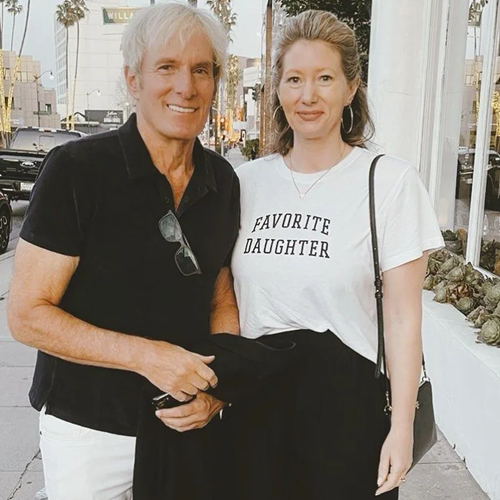
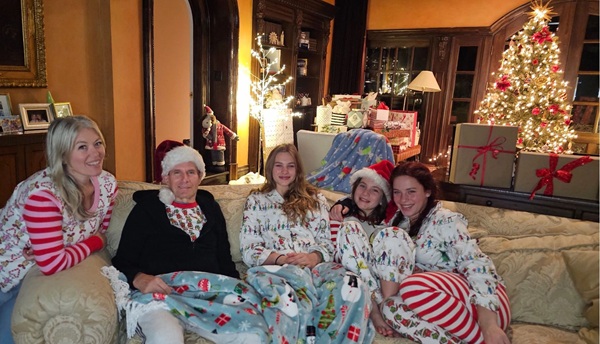
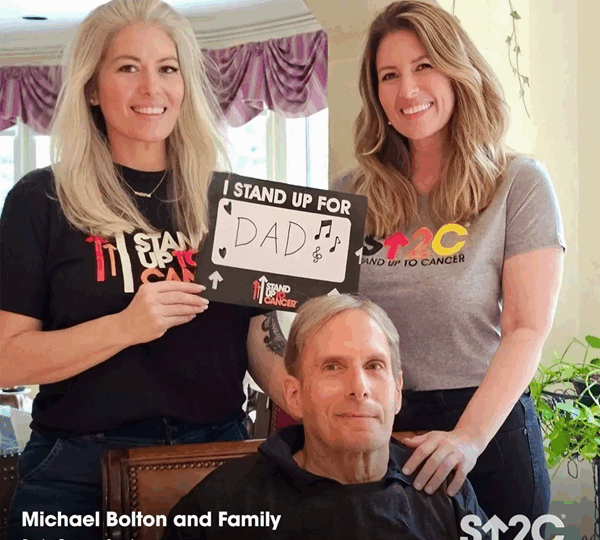
One of the most powerful themes in Bolton’s health journey has been the role his three daughters — Isa (50), Holly (48), and Taryn (46) — have played as not only caregivers, but emotional anchors and sources of strength.
Following his diagnosis, all three daughters stepped in to take on the responsibilities of caring for their father full‑time.
Each brought a unique strength and role to his daily routine and long‑term wellbeing:
Taryn and her children live with Bolton in their longtime family home in Westport, Connecticut, where she provides round‑the‑clock care, companionship, and support.
Isa, the eldest, lives nearby and has been a frequent presence in his life, often bringing her own sons by to spend time with their grandfather.
Holly, who lives in California, travels back to Connecticut monthly to assist with hands‑on care, coordination of medical needs, and emotional support.Together, they have become his primary caregivers — managing his medical care, coordinating appointments, supporting his emotional needs, and handling much of the daily logistics that come with caring for someone facing a chronic, life‑altering illness.
Caregiving Changes the Relationship
In their recent interview with AARP, the sisters described how caregiving has transformed their relationship with their father.
What once might have been typical parent‑child roles shifted into something deeper and more complex — a new dynamic built on collaboration, vulnerability, and shared resilience.
Isa explained that caring for her father has been both “challenging” and “rewarding,” forcing the family to confront emotions, memories, and interactions from a fresh perspective.
Rather than simply being their father’s children in the traditional sense, the sisters now find themselves as vital members of his care team — something that has ultimately brought them closer.
The emotional toll of caregiving is real. At times, each daughter has faced moments of fatigue, worry, or overwhelm — a reminder that caregiving is not just a role, but a deeply human experience that requires physical, mental, and emotional strength.
Michael Bolton Today: In Good Spirits and Surrounded by Love
Despite the seriousness of his illness and the daily challenges that come with ongoing treatment and monitoring, Bolton’s daughters reported a positive and hopeful health update in their Christmas interview.
“We’re proud and happy to update anyone who has been interested in following our dad’s journey that he is in very good spirits and very good health,” Isa Bolton said.“He has a lot of challenges, and we do have great days and some tough days, but in general, he’s very strong. His mobility and cognition have been terrific. So, we’re in a really good place right now.”
Their message was one of cautious optimism — acknowledging the reality of the disease, but embracing the joy that comes with moments of strength, laughter, and connection with loved ones.
Bolton himself sent a heartfelt message to his fans. Reflecting on the past year, he said: “This past year has tested me in ways I never imagined, but it’s also made me more aware of the moments that fill life with meaning: having meals with my family, hearing my grandkids laugh, stepping outside on a beautiful day and just taking it in.”
His words underscore the emotional depth of his experience — not just the physical fight against a dangerous disease, but a renewed appreciation for the simple, precious parts of life that bring meaning and joy.
Support From Fans Matters
Bolton has also publicly expressed deep gratitude for the support he has received from his fans, friends, and well‑wishers across the globe.
He noted how the messages, prayers, and encouragement from people he’s never met have helped lift his spirits during difficult moments.
“Thank you, from the bottom of my heart,” Bolton has said. “Your messages, prayers, kindness … they’ve reached me in moments when I needed them most.”
This connection with his audience — the same audience that supported his music for decades — has become a meaningful part of his healing journey, reminding him that he’s not alone.
What Glioblastoma Is — And Why It’s So Challenging
To understand just how significant Bolton’s resilience is, it helps to know a bit more about the disease he’s fighting.
Glioblastoma is the most aggressive form of primary brain cancer. It arises in the supportive cells of the brain called glial cells, and because it spreads quickly and infiltrates surrounding brain tissue, full eradication is extremely difficult.
Standard treatment typically includes:
Surgical removal of as much of the tumor as safely possible.
Radiation therapy to target remaining cancer cells.
Chemotherapy, commonly with temozolomide, to slow or halt tumor cell replication.
Regular MRI monitoring, because recurrence is common even after aggressive treatment.
Despite advances in research and treatment, glioblastoma remains a very serious and often fatal condition, which makes the progress Bolton has achieved — and the positive signs his family reports — especially meaningful.A Story of Love, Family, and Resilience
Through every scan, surgery, therapy session, and quiet moment at home, Michael Bolton’s cancer journey has been shaped by the people closest to him.
His daughters have stepped into roles that many families face — but few do so in the spotlight, and few do so with the grace, complexity, and honesty that this family has shown.
Their story is not just about illness, treatment, or medical facts. It’s about renewed appreciation for life’s small moments — laughter around the dinner table, jokes shared with grandchildren, the warmth of a loved one’s presence on a clear afternoon.
Michael Bolton’s battle with brain cancer is ongoing, and the future is still unwritten.
But in this chapter of his life, he is surrounded by love, supported by family, and held up by a community of fans who continue to send prayers and encouragement from around the world.
As his daughters said — and as Bolton himself expressed — some days are difficult, and some days are filled with joy.
But through it all, he continues to fight — not just for survival, but for the meaningful moments that make life worth living.Michael Bolton, the iconic “When a Man Loves a Woman” singer and multi‑Grammy Award‑winning artist, has spent decades winning fans around the world with his astonishing voice.
Emotional ballads, and heartfelt lyrics. With more than 65 million albums sold worldwide, Bolton’s place in music history is secure — but over the past two years.
He has faced a challenge far greater than any concert tour or recording session: a battle with glioblastoma, an aggressive and life‑threatening form of brain cancer.
Recently, just days before Christmas, his three daughters — Isa, Holly, and Taryn — shared a major update about their father’s health in an in‑depth interview with AARP, offering fans and well‑wishers new insight into Bolton’s journey, his progress, and the profound impact of family support during his fight against this devastating illness.
When Daniel walked through the front door that evening, the house felt different—too quiet, yet oddly busy. Suitcases were lined up neatly by the hallway, and his wife, Laura, was folding clothes with a calm focus that unsettled him more than anger ever could. They had been married for ten years, years filled with routines, compromises, and the comfort of familiarity. Seeing the bags, Daniel felt time pause. He asked where she was going, not with accusation, but with genuine confusion. Laura looked up, not bitter or dramatic, just honest in a way that startled him.
She explained that she had received an unexpected opportunity in Las Vegas—one that made her rethink her worth. For years, she had given her time, energy, and care freely, often without recognition. Now, she had discovered that the same skills she used every day—organizing, listening, supporting, managing chaos with grace—were valued in ways she had never considered. She wasn’t angry, she said. She was awakened. This wasn’t about leaving out of spite, but about finally choosing herself. Daniel listened, realizing this conversation wasn’t about a trip; it was about everything they had never fully talked through.
After a long silence, Daniel surprised her by walking into the bedroom and returning with his own bag. Laura asked what he thought he was doing, half-expecting a joke, half-bracing for conflict. He admitted that her words had made him reflect on his own life—how he had grown comfortable, how he had stopped asking whether he was living intentionally or just habitually. If she was brave enough to explore her value, he wanted to understand his too. He wasn’t running away; he was finally paying attention. For the first time in years, they were speaking openly, not as roles they had settled into, but as two individuals standing at a crossroads.
They didn’t leave together that night, nor did they part in anger. Instead, they sat at the kitchen table until midnight, talking about dreams they had postponed and expectations they had never questioned. The bags stayed by the door, but they now symbolized possibility rather than escape. Whether Laura went to Las Vegas or not became less important than what they had uncovered—an overdue reckoning with self-worth, communication, and choice. Sometimes, a moment that looks like the end is simply an invitation to begin again, not by packing bags, but by unpacking the truths we’ve been too afraid to face.
Love compels parents to do extraordinary things for their children’s well-being. Celine Casey, a British mother, took remarkable steps to ensure her daughter Vienna’s...