Entertainment

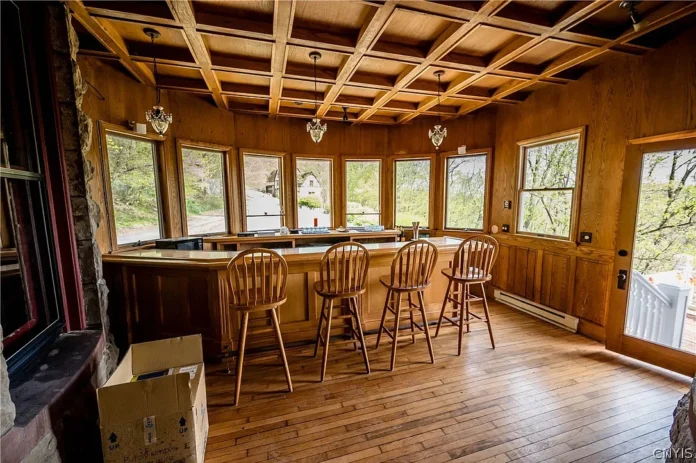
131 Acres of Pure Missouri Wilderness

131± Acres of Pure Missouri Wilderness – Log-Sided Cabin, Lake, Creek, Trails, Timber & Exceptional Hunting in Iron County

If you’ve been searching for a true private retreat—one with rolling Missouri hills, abundant wildlife, water features, and endless opportunities for recreation—this exceptional 131± acre property located just north of Annapolis in Iron County is a rare standout. Combining rugged natural beauty with comfortable accommodations and valuable timber, this property delivers everything an outdoor enthusiast, hunter, or nature lover could ask for. With a well-kept cabin, a hidden 1.5-acre lake, a year-round creek, and an established interior trail system, this property is ready to enjoy from the moment you arrive.

Properties of this size and quality, offering not only incredible terrain but also utilities and move-in-ready lodging, rarely become available. Whether you are seeking a long-term investment, a hunting lodge, a family getaway, a timber tract, or a private escape close to the Mark Twain National Forest, this land provides the perfect balance of seclusion and accessibility.

A Beautiful Setting Just North of Annapolis

Iron County is known for its scenic landscapes, rolling hardwood ridges, clear streams, deep timber, and abundant wildlife. This property sits in a peaceful corridor north of Annapolis, offering easy access while still maintaining complete privacy. The land feels miles away from the noise of everyday life, yet remains close to countless recreational attractions—making it ideal for both weekend retreats and long-term stays.

With the Black River and Mark Twain National Forest just minutes away, the surrounding region expands the recreational possibilities far beyond what’s already included on the property.

2-Bedroom Log-Sided Cabin Overlooking a Pond

Nestled atop a ridgetop and overlooking a quiet pond, the charming 2-bedroom, 1-bath log-sided cabin provides the perfect home base for your adventures. Designed for comfort while maintaining a rustic cabin feel, it offers everything needed for peaceful weekends, seasonal stays, or extended escapes.

Features include:

Covered porches ideal for morning coffee, evening sunsets, and wildlife watching

Cozy two-bedroom layout

Full bathroom

Log-sided exterior that blends beautifully with the natural surroundings

Utilities already installed including well, electric, and septic

Easy access to the interior trail system

The cabin is perched in a stunning location on the property, offering sweeping views of the ridge and pond below. Whether you use it as a hunting cabin, family getaway, or temporary residence while building a larger structure, it provides warmth, functionality, and charm all in one.

A Hidden 1.5-Acre Lake Nestled in the Timber

Tucked away deep within the woods lies one of the property’s most captivating features—its secluded 1.5-acre lake. Protected by the surrounding timber and hidden from the road, this private lake offers:

Fishing opportunities

Peaceful paddling

A quiet setting for reflection and relaxation

A picturesque spot for camping or building a pavilion

Lakes of this size situated entirely on private acreage are rare. Whether you’re watching the morning fog rise off the water or enjoying an afternoon of peaceful solitude, this lake enhances the magic and value of the land in every way.

Year-Round Creek Flowing Through the Property

Flowing waters bring life to any recreational piece, and this land includes a beautiful year-round creek that adds charm, wildlife habitat, and multiple potential recreational uses. The sound of moving water makes every hike more enjoyable, and the creek offers a natural gathering point for exploring, picnicking, or simply relaxing.

For wildlife enthusiasts, the creek acts as a natural travel corridor for deer, turkey, and other game, making it a key feature for hunters as well.

Established Interior Trail System

One of the most valuable features for recreational use and land management is the property’s well-maintained interior trail system. These trails make it easy to:

Navigate the acreage

Access hunting spots

Reach the hidden lake

Explore the timber

Ride ATVs or side-by-sides

Hike the ridges

Manage the land for timber or conservation

The existing trails reduce the need for costly improvements and allow you to enjoy the full breadth of the land immediately.

Prime Hunting Opportunities with Abundant Wildlife

Hunters will immediately appreciate the quality of the habitat across the 131± acres. Iron County is known for producing excellent populations of:

White-tailed deer

Wild turkey

Small game species

Waterfowl around the lake

The combination of timbered ridges, creek bottoms, water sources, and clearings forms the perfect blend of cover, bedding areas, and feeding zones. The pond and lake attract game year-round, and the ridge system provides excellent travel corridors. It’s easy to establish:

Food plots

Hunting blinds

Tree stands

Strategic shooting lanes

The cabin itself is ideally positioned as a central headquarters for hunting season, offering warmth, shelter, and easy access to multiple zones of the property.

Marketable Timber Already in Place

Timber adds a significant long-term value to the property. With a mix of hardwoods—including oaks, hickory, and other marketable species—this land offers current and future income potential.

Timber can be harvested responsibly to:

Improve wildlife habitat

Open views

Maintain healthy tree growth

Generate investment returns

Buying a property with existing timber value provides security that few other recreational tracts offer.

Utilities Already Installed – Ready for Use

One of the biggest advantages of this property is that the major utilities are already in place. The cabin is equipped with:

A private well

Electric service

A septic system

This makes the property immediately livable and reduces the cost and time required compared to off-grid or undeveloped parcels of similar size. You can arrive on day one and enjoy the cabin and land without needing extensive setup.

Close to Mark Twain National Forest & Black River

As if 131± private acres weren’t enough, the property is ideally located near even more recreational opportunities.

Mark Twain National Forest

Just minutes away, the forest provides:

Thousands of acres of public hunting land

Hiking trails

Horseback riding routes

Camping areas

Scenic overlooks

Black River

Renowned for its:

Clear water

Excellent fishing

Canoeing and kayaking

Floating adventures

Swimming holes

The combination of private and nearby public land makes this property a dream for anyone who loves the outdoors.

A Rare and Remarkable Opportunity

Whether you’re seeking a:

Private hunting retreat

Recreational getaway

Family gathering spot

Timber investment

Cabin escape

Long-term land hold

…this 131± acre property offers something for everyone.

With water features, timber, trails, utilities, a cabin, and proximity to both the Mark Twain National Forest and the Black River, it checks all the boxes for a premier Missouri recreational tract.

Listed on Zillow

The Husky Was Nearly Freezing Until a Hero Arrived

Frozen ponds are beautiful, but the danger beneath the surface can turn a peaceful winter day into a life-or-death emergency in seconds. That is exactly what happened when a Husky wandered too far onto the thin ice of a neighborhood pond.

The dog crashed through the surface, plunging into freezing water with no way to climb out. His front paws clung desperately to the edge, his body trembling, the cold draining his strength.

The Perilous Plunge

People nearby wanted to help but were afraid to step onto the fragile ice. Every second mattered. The Husky was slipping lower, unable to hold himself up any longer, highlighting the immediate danger of thin ice incidents and the need for pet safety during winter.

A Trained Rescuer Steps Forward

That is when one man stepped forward. He was an experienced rescuer who understood that thin ice requires careful movement and absolute focus.

He quickly tied a safety rope around his waist, grabbed a long rescue tool, and dropped to his hands and knees.

Crawing slowly, he approached the trapped Husky while the ice cracked loudly beneath him. Each sound reminded everyone watching that the ice rescuer was risking his life. The dog’s eyes followed him the entire time, fear slowly shifting into hope.

The Final, Dangerous Pull

When the rescuer reached the broken section of ice, he spoke softly to keep the dog calm. He used the tool to push pieces of ice aside, creating a clear space for the dog to move toward him. The Husky attempted to climb up, but the slippery ice slid away each time, and his paws kept slipping back into the freezing water.

The rescuer moved closer, stretching his body across the ice until he was within reach. With one strong grip, he grabbed the Husky’s harness and pulled with everything he had. The surface cracked again, threatening to drop both of them into the freezing pond.

But he did not let go.

The final pull brought the Husky’s chest over the edge. The dog scrambled, claws scraping the slippery ice, and finally collapsed on top of the frozen surface. The rescuer quickly wrapped his arms around the exhausted animal, keeping him from sliding back into the water.

People onshore cheered in relief.

Safe on Solid Ground

With careful steps, the ice rescue professional crawled backward, guiding the Husky toward solid ground. Once they reached safety, the dog shook off the icy water and leaned his body against the rescuer as if thanking him.

The Husky was rushed to warmth, blankets, and a vet check. He recovered fully because one person refused to wait for someone else to act. The entire rescue showed how trained responders prepare for dangerous winter situations and why quick, calm action can make the difference between life and tragedy.

Essential Winter Safety Tips

Stories like this highlight the importance of ice safety during the winter months.

This successful Husky ice rescue was due to the rescuer’s experience, patience, and willingness to crawl across unstable ice while every crack signaled danger. His actions turned a near disaster into a heartwarming moment that inspired millions of pet lovers.

The Husky’s story is a powerful reminder of the deep bond between humans and animals. Even in freezing weather, compassion pushes people to take brave steps.

A Kind Driver Helps a Squirrel in Need

What began as a routine drive home from work quickly turned into an unforgettable experience. The driver was traveling down a quiet suburban road, the radio humming softly in the background, when something small darted into view at the edge of the pavement. At first, it looked like a piece of debris rolling across the street. But as the car moved closer, the driver realized it was something far more fragile and alive  a small squirrel struggling in the middle of the road.

Recognizing Danger in a Split Second

The driver immediately slowed down and turned on the hazard lights. Other vehicles were approaching from behind, and the squirrel was directly in the path of oncoming traffic. It sat frozen, confused by the noise and movement of the cars speeding past. One wrong move from any direction could have ended its life in an instant. The driver parked the car safely along the roadside and stepped out, heart racing, knowing that timing was critical.

Approaching With Patience and Care

Moving slowly, the driver tried to avoid scaring the frightened animal. The squirrel attempted to move but quickly stumbled, revealing an injured leg. Every time another car passed, it flinched and lowered itself close to the ground in panic. The driver spoke softly, not expecting the squirrel to understand words, but hoping the gentle tone might somehow bring calm.

The situation was risky. The animal could have run suddenly, toward traffic instead of away from it. Still, walking away was not an option.

A Brave Act of Compassion

Using a jacket from the back seat, the driver carefully shielded the squirrel from the road and guided it toward the sidewalk. Other drivers, noticing what was happening, began slowing down as well. One man even stopped and turned on his own hazard lights to warn traffic. This unexpected support created a brief pause in the chaos of the road, allowing the driver to safely lift the trembling animal away from danger.

Finding Safe Shelter

Once off the road, the driver placed the squirrel gently on a patch of grass beneath a nearby tree. It tried to move but clearly struggled with pain. Concerned that the squirrel needed more than just safety, the driver searched the phone for a local animal rescue center and made a quick call. Within minutes, arrangements were made for the animal to be examined by wildlife professionals.

Waiting With a Stranger

While waiting for help to arrive, the driver stayed near the squirrel, keeping a safe distance so as not to frighten it further. The squirrel did not flee. Instead, it curled slightly against the tree, breathing heavily but steady. In a strange and quiet moment, it felt as though the little creature understood it had finally escaped danger. The noise of traffic faded into the background, replaced by the soft rustle of leaves and the distant sound of birds.

A Baby and a Husky Share a Hilarious Game of Hide and Seek

The house was unusually calm that afternoon. Sunlight streamed softly through the living room windows, stretching across the carpet and warming the quiet space. Toys were scattered near the couch, and a baby lay contentedly on the floor, gurgling at the ceiling fan with wide, curious eyes. Nearby, the family husky rested against the wall, its thick tail tucked neatly beside its body. Nothing in the house hinted that within moments, a hilarious game of hide and seek was about to begin.

The First Move in a Friendly Game

Without warning, the baby rolled clumsily toward a stack of pillows and disappeared from the husky’s view. Only tiny giggles leaked from behind the fabric fortress. The husky immediately lifted its head, ears perked high, confused and alert. The sudden disappearance of its tiny human friend triggered concern mixed with playful curiosity. After a moment of hesitation, the husky stood and cautiously approached the pillows, sniffing carefully as if to solve a mystery of great importance.

A Detective With Four Paws

The husky nudged one pillow aside with its nose but found nothing. The baby, however, had already rolled away toward the coffee table. The husky followed the faint sounds of laughter, walking full circle around the room, its tail now wagging enthusiastically. The dog’s eyes darted from one corner to another, searching every hiding place like an expert investigator on a mission.

Laughter Fills the Room

The baby burst into uncontrollable giggles, clapping hands wildly in celebration. The husky responded by wagging its tail so hard that its whole body wiggled. In that moment, the living room felt less like a home and more like a stage for a heartwarming comedy, with two unlikely performers stealing the show.

The baby quickly attempted another hiding place  rolling behind a blanket draped over the couch. Once again, only soft giggles betrayed the hiding spot. The husky, proud from its first victory, moved with more confidence this time, circling the couch and sticking its nose underneath until the blanket collapsed and revealed the smiling baby face beneath.

A Bond Beyond Words

What made the scene truly special was not just the humor of the situation, but the deep connection between the baby and the husky. They did not speak the same language, yet they understood each other perfectly. The baby trusted the husky completely, while the dog watched carefully, never too rough, never careless.

Whenever the baby shifted positions, the husky automatically adjusted its movements, as if instinctively knowing how fragile and precious its little friend was. It was a touching reminder that love and loyalty do not require words.

An Unlikely Babysitter

The parents watched quietly from the kitchen, smiling as they observed the game unfolding. At times, the husky acted as though it were on babysitting duty, positioning itself between the baby and sharp objects, or quietly relocating toys that might pose a danger. The dog was not trained for this task, yet its behavior was natural and protective.

Each time the baby crawled too close to something it should not, the husky gently nudged the baby in another direction, turning the game into a safe and joyful adventure for everyone involved.

A Nurse Was Helping a Young Man — What She Noticed Made Her Pause in Surprise

Samantha had dedicated her life to nursing, always giving her patients her full attention. But after yet another complaint, she was called into the chief doctor’s office.

“From now on, you will be an orderly,” he said firmly. “You’ll simply bathe the patients.”

“Why am I being treated like this?” Samantha asked, trying to keep her voice steady.

“Patients keep complaining that you’re always on your phone,” the doctor explained. “I don’t care about your personal matters. You either follow these orders, or you can submit your resignation.”

Samantha swallowed her frustration. She had a sick daughter and often checked her messages during breaks. But fearing she might lose her job, she had no choice but to comply.

On her first day as an orderly, she was assigned to the ward of a young man who had been paralyzed for several years. He could move only his neck and eyes. Bringing him to the bathroom required careful coordination with another orderly.

Once inside, Samantha filled the tub with warm water, added gentle foam, and began helping him wash. The room was quiet, except for the soft splashing of water and the occasional sigh from both nurse and patient. She moved carefully, conscious of his comfort and dignity.

Suddenly, something unexpected happened. As she adjusted his position in the tub, she felt a brief, involuntary pressure against her thigh. Samantha froze.

“Oh no… this can’t be…” she whispered, her heart racing.

The young man had seemingly grabbed her. Shocked, she instinctively pulled away. “What… what are you doing?” she stammered.

He blinked, struggling to communicate, and finally managed a soft exhale. “I… didn’t…”

Samantha’s mind raced. He couldn’t move. He hadn’t been able to for years. How could this happen?

She quickly called for the chief doctor. Within minutes, he arrived, examining the patient carefully. He gently touched the young man’s arm and stopped abruptly, eyes widening.

“That’s impossible,” he muttered. “I was certain all his nerves were inactive.”

He turned to Samantha, his tone calm but amazed. “What you just did—touching his ulnar nerve—triggered a reflex. It shows that mobility may still be possible. This could mean we can start rehabilitation and potentially restore movement.”

Samantha’s hands flew to her mouth. Tears welled up in her eyes. She had come to work that day expecting a routine task, but instead had witnessed a medical breakthrough.

Over the following weeks, the team carefully initiated rehabilitation exercises. Samantha helped the young man regain small movements, celebrating every little progress. Each day, his limbs responded a bit more, and the impossible slowly became real.

That day, Samantha learned a profound lesson: even small, seemingly ordinary actions can have extraordinary consequences. A single, gentle touch during a routine task had revealed the possibility of life-changing recovery.

Her job, once a source of frustration, had turned into an opportunity to witness a miracle firsthand. And the young man, who had spent years without hope, now had the chance to reclaim his life.

It was a reminder that patience, care, and attention can sometimes uncover the most unexpected miracles. In nursing, as in life, even routine moments can be transformative.

Keep Your Home and Budget Safe: Disconnect These 5 Appliances When Finished

Why Unplugging Makes a Difference

You’ve likely heard the tip: “Unplug devices to save energy.” But does it really matter? Absolutely—especially for appliances that consume electricity even when off or could pose safety hazards.

Even when switched off, many electronics continue to draw power. This “phantom energy” can cost the average U.S. household $100–$200 per year. Beyond the extra bills, some devices can even start fires if left plugged in unattended.

Here are five appliances you should always unplug after using them, according to energy and fire safety experts:

1. Space Heaters
Risk: One of the leading causes of winter home fires (NFPA). Even models with auto-shutoff can fail if placed near curtains, bedding, or furniture.
Tip: Never leave running while asleep or away from home. Unplug immediately after use.

2. Clothes Dryers
Risk: Standby power from a dryer setup can reach 50–100 watts, wasting $20–$50 annually.
Fix: A smart power strip can cut off the phantom load with one switch.

3. Hair Styling Tools (Flat Irons, Curling Wands)
Risk: These tools heat to 400–450°F—hot enough to ignite nearby towels or counters. Many lack dependable auto-shutoff.
Habit: Unplug right after use and store in a heat-safe pouch away from anything flammable.

4. Toasters & Toaster Ovens
Risk: Crumbs can smolder even when “off,” and faulty levers may accidentally heat.
Tip: Empty crumbs weekly and unplug after each use. Never leave unattended while operating.

Other Everyday Devices

Phone chargers: Small draw, but unplug during storms.
TVs & game consoles: Use a power strip to prevent phantom load and protect against surges.
Coffee makers: Unplug if they don’t have auto-shutoff; heating elements can malfunction.
Microwaves: Safe to stay plugged in; clock uses minimal energy.
Tips to Make Unplugging Easier

Use smart power strips for home offices or entertainment areas.
Label cords (e.g., “Dryer – unplug in summer”).
Build habits: unplug hair tools before storing, heaters before leaving the room.
Final Thought
Unplugging isn’t just caution—it’s smart protection for your home, wallet, and peace of mind. You don’t need to unplug everything, but making it a habit with these high-risk appliances can prevent fires and save money.

Your home works hard for you—return the favor safely and smartly.

The 21 Lines Grandpa Lived By

Grandma passed young, only 55. Grandpa outlived her, but he never really moved on. You could see it in the way he set her place at the table every Christmas, or the way he whispered her name sometimes when he thought no one was listening. When he passed too, we expected to pack boxes, divide old furniture, and maybe find a few sentimental things.

We didn’t expect to find a message that had quietly shaped his life for two decades.

It was my cousin Carla who found it. She was going through an old drawer when she opened a birthday card from Grandma, dated the same year she died. We gathered around, expecting to smile at a memory.

But when she flipped the card over, there were words written in pencil—faint but still readable. Twenty-one lines. Each one short. Simple. Personal. One for each year after her death, as if she knew exactly how long he’d have to live without her. Each year, he would read one line on his birthday and try to live by it.

We didn’t realize it at first. We just stood there reading them quietly.

“Learn to sit with pain instead of running from it.”
“Call people before they need to call you.”
“Grow something, even if it’s just a tomato.”
“Say the thing. Don’t wait.”

Suddenly everything about Grandpa made sense. Those random phone calls where he’d check in “just because.” The tomatoes he brought in brown paper bags to every family gathering. The way he never let a disagreement last long.

He wasn’t just being thoughtful.

He was following her instructions for how to live without her.

A few days later, I went back to their house alone. I think I just needed to stand in the place where their life happened. It still smelled like cinnamon and old books. I walked into Grandpa’s study and noticed that the bottom drawer of his desk was taped shut. I peeled it open, thinking maybe there’d be old receipts or things to toss.

Inside were twenty-one notebooks.

One for every year after she died.

The first notebook was labeled: Year 1 – 2003.

I opened it. On the first page, dated on his birthday, was the first line from the card:

“Learn to sit with pain instead of running from it.”

He wrote about how he cried in secret that year. How he ate dinner in silence so he could learn how to be in an empty room. How he promised himself not to numb anything—not even grief.

I always thought Grandpa was just…strong. Turns out he was just learning how to carry sadness without letting it harden him.

Each notebook had the line for that year written at the top.

Year 2: “Call people before they need to call you.”
He wrote about calling friends he hadn’t spoken to in years. One friend, he said, admitted he’d been thinking of ending things. Grandpa’s call stopped him.

Year 4: “Grow something.”
That was the year he planted tomatoes. I used to think it was just a hobby. I didn’t know it was his way of reminding himself the world still makes new things.

Year 14: “Say the thing. Don’t wait.”
That was the year he went to reconcile with his brother after years of silence. His brother died unexpectedly just months later. Grandpa wrote, “If I had waited, I would have carried regret instead of peace.”

By the time I finished the notebooks, I felt like I’d just walked through his life beside him. All the quiet moments we never saw.

The last notebook was Year 21.

The final line:
“Find a young soul and pass it all on.”

That was the year he started calling me every Sunday.

I used to think he was just lonely.

Now I know he was choosing me for something.

I shared the notebooks with my family. We all cried, laughed, remembered. My uncle found out through the notebooks that Grandpa had anonymously paid off his mortgage when he lost his job. Grandma’s lines didn’t just change him—they shaped all of us, quietly, without us even realizing.

Months later, I received a letter in the mail. No return address. Just my name. Inside, one sentence:

“He lived by her words. Now you live by his. Keep going.”

I pinned it above my desk.

And now, every year on my birthday, I choose one of the 21 lines and try to live by it.

This year, mine is:

“Say the thing. Don’t wait.”

So here’s me saying it:

If you love someone, tell them.
If you’ve been meaning to call someone, call.
If you’ve been holding a grudge, loosen your grip.
If there’s something you want to do, begin.

Life is shorter than we think, but love stretches farther than we realize.

Small acts. Consistent acts. Those are the ones that echo.

If this story found you today, maybe that’s not an accident.

Maybe this is your line to begin with:

“Keep your heart soft.”

Always.

The Spiritual Meaning Of Waking Up At 1AM, 2AM, 3AM!

Have you ever found yourself waking at the same time night after night, staring at the ceiling and wondering if it meant something more than restlessness? While modern science often points to stress, irregular sleep schedules, or health issues as the cause, ancient traditions—particularly Traditional Chinese Medicine (TCM)—offer another perspective.

According to these teachings, the body follows an internal clock tied to 14 meridians, 12 of which operate in a 24-hour cycle. Each two-hour window is linked to a particular organ system and emotional state, and disturbances during these times may reveal deeper imbalances in body, mind, or spirit.

For centuries, healers in China believed that sleep patterns carry messages about our physical health, our emotional well-being, and even our spiritual growth. From this perspective, consistently waking at a specific hour is rarely random—it is often a signal that one area of life requires attention.
1AM to 3AM: The Hours of the Liver

According to the meridian clock, the liver is most active between 1:00 and 3:00 a.m. Waking during this window may point to issues with detoxification, circulation, or the processing of nutrients. Emotionally, the liver is associated with anger, frustration, and resentment. If you frequently wake around this time, it may indicate unresolved emotional tension or repressed anger bubbling beneath the surface.

Spiritually, these hours challenge us to release what we no longer need. Just as the liver cleanses the body, the spirit may be urging us to let go of old grudges, negative attachments, or cycles that drain our vitality. In other words, your waking at this hour could be a nudge to practice forgiveness—toward yourself or others—and make space for renewal.
3AM to 5AM: The Hours of the Lungs

The lungs dominate from 3:00 to 5:00 a.m., a period often tied to breath, grief, and connection. Traditional wisdom teaches that the lungs are responsible not only for breathing but also for the intake of life energy, or “qi.” Waking during this time can reflect sadness, unresolved grief, or difficulty letting go of past pain.

On a spiritual level, these hours are especially significant. Many traditions view 3:00 to 5:00 a.m. as a time of awakening, when the veil between the physical and spiritual worlds is thin. If you frequently find yourself awake during these hours without a clear medical cause, some interpret it as a sign of spiritual growth or a “call” to deeper purpose. Meditation, prayer, or simply paying attention to what surfaces in your mind during these hours can provide insight into your path.
5AM to 7AM: The Hours of the Large Intestine

The cycle of cleansing and release continues as the large intestine becomes dominant from 5:00 to 7:00 a.m. This is the body’s natural time for elimination, and waking during this period can suggest digestive issues or an inability to “let go” emotionally. People who are stuck in cycles of guilt, regret, or self-criticism may find themselves waking at this hour.

Spiritually, these hours symbolize release and renewal. Just as the large intestine clears the body of waste, this window encourages us to clear the mind of toxic thoughts and burdens. Journaling, gentle stretching, or mindfulness exercises upon waking can help process what the body and spirit are signaling.
Why the Patterns Matter

Waking at the same time each night is not always a sign of a medical problem, though it should never be ignored if it becomes chronic. In many cases, these nightly disturbances blend physical, emotional, and spiritual factors. For example, someone waking at 1:30 a.m. may indeed have digestive or circulation issues, but they may also be carrying anger or resentment that prevents true rest. Another person waking at 4:00 a.m. might be processing grief while simultaneously experiencing an early stage of spiritual transformation.

The meridian clock provides a framework to interpret these patterns. Instead of dismissing repeated waking times as coincidence, you can view them as subtle messages from your body and inner self. These signals highlight where you may need balance—whether through improved self-care, emotional healing, or deeper spiritual awareness.
How to Respond

If you find yourself waking at the same time repeatedly, consider a three-step approach:

Check your physical health. Rule out underlying issues like sleep apnea, stress, or poor sleep hygiene.
Reflect on your emotions. Notice if unresolved feelings—anger, grief, anxiety—are surfacing during those hours. Journaling or therapy can be powerful tools.
Explore spiritual practices. Meditation, prayer, or simply quiet reflection may reveal insights. Some choose to embrace these hours as sacred time, using them to deepen their connection with themselves or a higher power.
Conclusion: Listening to the Messages of the Night

In the end, waking up at specific times is not something to ignore. The body, mind, and spirit often communicate in subtle ways, and nighttime wakefulness may be one of them. Traditional Chinese Medicine teaches us that the meridian clock is more than a medical theory—it is a guide to understanding the intricate connection between our physical rhythms, our emotions, and our spiritual journey.

By paying attention to these patterns, we open ourselves to healing, self-discovery, and growth. Whether your body is nudging you to address health concerns, your emotions are urging release, or your spirit is calling for awakening, the hours of the night may hold the key.

A Happy Meal and a Heart Full of Sorrow

It had been one of those long, heavy days where the world just felt loud. Work had been relentless, the traffic was unbearable, and by the time I pulled into the McDonald’s parking lot, all I wanted was silence, a meal, and a few minutes to catch my breath. I wasn’t in the mood for anything profound. I just wanted to eat, zone out, and go home. But life, as it often does, had other plans.

Inside, the air smelled of fries and coffee. The restaurant was half-full—families, workers in uniforms, teenagers glued to their phones. I queued up, not paying much attention, until my eyes caught a small moment that quietly broke through the noise.

A woman stood at the counter with her daughter. The girl couldn’t have been more than six—thin frame, messy ponytail, eyes wide with the innocent curiosity only children have. The woman looked tired, her shoulders slumped beneath the weight of exhaustion that only a parent working too hard for too little understands. Their clothes were simple, clean but faded, as if every thread carried a story of holding on and getting by.

The little girl tugged her mother’s sleeve, pointing at the menu board where the Happy Meals were displayed, all bright colors and cartoon smiles. “Mommy, can I get the one with the toy?” she asked softly.

Her mother bent down and whispered something that made the girl’s face fall. I couldn’t hear every word, but I didn’t need to. I saw the gentle shake of her head, the apology in her eyes. “Maybe next time, sweetheart,” she said. “Let’s just get the food today.”

There was no scene, no pleading, no tantrum—just quiet acceptance. The girl nodded, still holding her mother’s hand, her little face calm but dimmed.

Something about that moment hit harder than I expected. Maybe it was how gracefully they handled it. No bitterness. No anger. Just quiet dignity. I looked at the menu, then at them again, and without overthinking, I told the cashier to add a Happy Meal to their order. “Just don’t tell them who it’s from,” I said.

When my number was called, I sat in a corner booth where I could see without being seen. I sipped my coffee and watched as the woman and her daughter got their tray. When the little girl opened the box and saw the toy, her entire body lit up. Her eyes widened, her mouth dropped open, and she turned to her mother with the kind of joy that can’t be faked.

“Mommy! Look! They gave me one!” she squealed, holding up the little figure like it was treasure.

Her mother looked confused for a moment, then smiled—a real smile, soft and relieved. “That’s wonderful, honey,” she said quietly. For the first time, I saw her shoulders ease, her face soften.

That was it. No fanfare, no dramatic gesture. Just a small moment between a mother and her child—a tiny pocket of happiness in what was probably a hard week. I sat there, pretending to scroll my phone, but I couldn’t stop watching that small miracle unfold.

When they finished eating, the girl held her toy like a prized possession. They threw away their wrappers and headed for the door. As they left, the mother turned briefly toward the counter, her eyes scanning the room. She didn’t spot me, but I like to think maybe she sensed something—that small kindness had been deliberate, that someone cared enough to notice.

After they left, I stayed a while, staring at the empty booth they’d sat in. My fries were cold, and the buzz of the restaurant returned, but something inside me had shifted. That moment of giving—so small, so easy—had cracked open something I hadn’t realized had gone numb.

I walked out into the cool night, my own stress somehow lighter. I’d spent the whole day thinking about everything wrong with my life—bills, deadlines, the monotony of routine—but that simple exchange had reminded me that goodness still exists, often unnoticed and uncelebrated.

The thing is, acts of kindness aren’t about scale. They’re about connection. They’re about choosing to see people when life teaches us to look away. That night, a small girl got a toy, but her joy gave me something far greater—a sense of purpose I hadn’t realized I’d been missing.

Driving home, I thought about how easy it is to convince ourselves we can’t make a difference. We tell ourselves we’re too busy, too broke, too tired. We assume kindness requires grand gestures—a donation, a foundation, a movement. But most of the time, it’s far simpler. It’s a meal. A kind word. A gesture no one claps for.

In a world that feels increasingly self-centered, those small human moments matter more than ever. The way that girl’s eyes lit up—that’s something no algorithm or paycheck can replicate. It’s the purest reminder that empathy still has power, even in a fast-food restaurant on an ordinary Tuesday night.

When I got home, I tossed my jacket on the chair and sat down at the table. The smell of fries still clung to me, but I didn’t mind. I found myself smiling, thinking about that little girl and her mother. I wondered if she fell asleep that night holding the toy, maybe dreaming about the stranger she never met who quietly gave her a reason to smile.

That thought stayed with me. It’s strange how giving to someone else can fill a hole in your own heart. The next morning, when I grabbed coffee on the way to work, I paid for the person behind me without looking back. Not for gratitude, not for recognition—just because it felt right. Because sometimes, the smallest ripple is enough to change the current of an entire day.

Over the next few weeks, I started noticing things I’d been too distracted to see: the cashier who always remembered my order, the janitor who greeted everyone with the same warm nod, the exhausted mother on the bus who still found a way to make her child laugh. Every single one of them, quietly fighting their battles, quietly choosing decency.

That’s when I understood something I should’ve known all along: kindness isn’t rare. It’s everywhere—it’s just quiet. It doesn’t shout or seek attention. It lives in the spaces between us, waiting for someone to notice.

That night at McDonald’s wasn’t about a Happy Meal or a toy. It was about perspective. It reminded me that the smallest moments of grace can pierce through the noise of daily life, that even in a world full of exhaustion and struggle, compassion still has the power to restore something sacred—our faith in each other.

When I think back on that night now, I don’t remember what I ordered, or how tired I was, or what deadline I was stressing over. I only remember the light in that little girl’s eyes. A toy worth a few dollars became a memory worth far more.

Sometimes, that’s all it takes—a quiet gesture, a moment of kindness, a reminder that we’re all capable of making the world a little less cold, one small act at a time.

My Daughter Crocheted 80 Hats for Sick Kids — My MIL Threw Them Out, Sneering, ‘She’s Not My Blood’

If you had told me a year ago that a box of handmade crocheted hats would turn my family upside down, I would have laughed. But life has a strange way of revealing people’s true colors at the most unexpected moments.

My daughter, Lila, is twelve years old, quiet, thoughtful, endlessly patient, and gifted in ways that continue to surprise me.

When other kids her age were glued to their phones, she spent her free time crocheting.

She learned the skill from watching online tutorials and practicing late into the night until her fingers developed the kind of dexterity that adults envied.

It started with little things, scrunchies, coasters, and small plush animals. But one evening, after watching a video about children going through chemotherapy and how they often received handmade hats from volunteers, she said softly, “I want to make some too.”

I remember looking up from the stove.

“Hats?” I asked.

She nodded with a seriousness rare for someone her age. “If I can make them warm and colorful, maybe it’ll make them feel less alone.”

I hugged her immediately. “That’s a wonderful idea.”

And just like that, a project was born.

For six weeks, our living room turned into what looked like a yarn factory. Balls of pastel blues, sunshine yellows, and every shade of pink imaginable spilled from baskets.

Lila spent hours crocheting, unraveling, re-trying stitches, and humming quietly as she worked.

Each hat was different; some had little flowers stitched on, others had playful stripes, and a few had tiny plush ears on top.

She worked with more dedication than I’d ever seen.

She was proud.

I was proud.

And her father, my husband Jason, was proudest of all. Every evening when he arrived home from work, he would crouch beside her chair, pick up whichever hat she’d just completed, and inspect it like a priceless work of art.

“You’re incredible,” he said more than once. “These are going to mean the world to those kids.”

But not everyone in the family felt that way.

My mother-in-law, Karen, had always been… difficult. She wasn’t outright cruel, but her opinions were sharp and often unnecessary. She had a habit of reminding Lila that she “didn’t take after their side of the family.”

Sometimes she meant it harmlessly, but other times, especially when she was irritated, it came out with an edge that made Lila shrink a little.

Karen believed children should excel academically, competitively, and visibly. Crochet, in her opinion, was a “waste of time” and “for elderly women with nothing better to do.” She wasn’t shy about saying so.

Jason usually brushed his mother off; he’d grown up with her criticism, but I could see how Lila stiffened each time Karen dismissed her work. Jason tried to defend her, I tried to mediate, and Karen tried to pretend she “meant no harm.”

Still, we never expected her to cross a line like the one she eventually did.

One chilly Monday morning, Jason left for a short business trip three days out of town. Before leaving, he kissed Lila on the head, admired her newest mint-green hat, and whispered, “Don’t let Grandma get under your skin. Your kindness matters. Your work matters.”

She smiled at him, but I could tell she felt nervous about him being gone.

As soon as he left, I drove her to school and spent the day cleaning the house. That afternoon, I locked up, grabbed the box of finished hats from the living room, and headed to the car to pick her up. She had reached eighty hats, eighty, and we planned to bring them to the hospital the next day.

She was practically bouncing when she got into the car.

“Are we dropping them off today?” she asked excitedly.

“Tomorrow,” I said. “I’m going to help you arrange them tonight so we can print little cards with your name.”

She beamed.

We drove home, talking about everything from school drama to whether we should buy celebratory cupcakes tomorrow. But when we pulled into the driveway, something felt off.

The front door to the house was already unlocked.

Inside, the smell of strong floral perfume hit us, the kind Karen wore. And then we saw her.

Standing in the middle of the living room, arms crossed, looking far too satisfied with herself.

“Grandma?” Lila asked. “What are you doing here?”

Karen lifted her chin. “Visiting. You don’t mind family stopping by, do you?”

Her eyes flicked to the space where the box of hats had been that morning.

I walked in slowly, every hair on my neck prickling.
“Where are the hats?”

“Oh,” she said casually. “Those little yarn things? I threw them out.”

My heart dropped.

“You—what?” I whispered.

Lila froze beside me. Her hands, still holding her backpack straps, trembled visibly.

Karen shrugged like she had done us a favor.
“They were cluttering your house. And honestly, I didn’t think it was healthy to encourage her to obsess over some silly hobby. It’s a waste of her potential.”

I felt heat rising behind my eyes.
“You threw them away? All eighty of them?”

She blinked innocently. “You’re welcome.”

Lila made a small sound—one I’ll never forget. Not quite a cry, not quite a gasp, but something in between. She pushed past me and ran upstairs.

I was shaking with anger.

“How could you do that?” I demanded.

Karen’s smile vanished, replaced by something colder. “Because she gets too much attention. You treat her like she’s special when she’s not even my blood. It’s time she learned her place.”

My breath caught. “What did you just say?”

“Oh, don’t act surprised,” she snapped. “You know how Jason is, too soft, too blind. He lets her walk all over him. Maybe now she’ll focus on real goals instead of yarn.”

I didn’t remember telling her to leave, but I remembered opening the door with so much force that the knob dented the wall. She scoffed, grabbed her purse, and strutted out like a queen leaving her throne.

The moment she left, I ran upstairs.

Lila was sitting on her bedroom floor, hugging her knees, tears silently streaming down her cheeks.

She looked up at me with heartbreak in her voice.

“Why does she hate me? I worked so hard. I just wanted to help.”

I held her tightly, whispering every comforting word I could find. But inside, I felt helpless. Eighty hats, six weeks of work gone. I didn’t know what to do. I didn’t know how to fix this.

And there was no way to reach Jason. His phone was off; he was mid-flight.

I spent the evening trying to cheer her up, but nothing worked. She went to bed early, exhausted from crying.

Meanwhile, I barely slept.

When Jason finally called the next morning, he sounded cheerful.

“Hey! How are my girls?”

I took a deep breath. “Jason… something happened.”

When I finished explaining, the cheerful tone vanished entirely.

“She said WHAT?”

He sounded horrified and furious.

“I’m so sorry,” I whispered. “We didn’t catch her in time.”

“How’s Lila?”

“She cried herself to sleep.”

Silence.

Then Jason said something I didn’t expect.

“I’m coming home.”

“You can’t, your meetings—”

“I don’t care about the meetings. My daughter needs me. I’ll handle everything when I get back. This is more important.”

I could hear him gathering his things.
His voice was tight with restrained anger.

“She crossed a line she can’t come back from.”

He walked into the house five hours later—hair messy from travel, shoulders tense, eyes dark with anger. The moment he saw Lila sitting at the kitchen table, he softened. He crouched beside her and took her hands gently in his.

“I heard what happened,” he said quietly. “And I’m so, so sorry.”

She sniffled. “I worked so hard, Dad.”

“I know.” His voice cracked. “And I’m unbelievably proud of you.”

Then he stood, jaw tightening.

“Where did she throw them?”

“In the outside bin,” I said. “Garbage truck comes today.”

His eyes widened.
“When?”

“Between noon and two.”

He checked his watch. It was 11:05.

Without another word, he stormed outside.
I followed.

Jason threw open the heavy bin lid, and his face fell when he saw it was empty.

“She must have come early,” I whispered.

But Jason didn’t give up.

He walked to the curb and looked up and down the street. An older man in a bright vest, our garbage collector, was just climbing back into his truck a few houses away.

“Sir!” Jason yelled, jogging toward him. “Wait!”

The man stopped, confused, as Jason approached slightly out of breath but determined.

“My mother threw out something important by mistake, really important. Can I see if it’s still in there?”

The worker hesitated, but after hearing a short explanation, he nodded kindly and helped Jason climb onto the truck’s rear platform. They opened the hatch, and together they scanned the piles of trash bags.

Then, suddenly—

“There!” Jason shouted, pointing. “The blue bag with the ribbon!”

It was smeared with dirt, half-crushed, and stuck between heavier bags. Jason didn’t care. He reached in, grabbed it with both hands, and dragged it free.

He lifted it like it was made of gold.

“They’re here,” he breathed. “They’re safe.”

Back home, Lila stared wide-eyed as Jason brought the bag into the kitchen. Inside, nearly all of the hats were still perfectly intact. A few were wrinkled or slightly smudged, but nothing a gentle wash couldn’t fix.

Lila burst into tears, not from sadness this time, but relief.

Jason hugged her tightly.
“No one, no one is allowed to take your hard work away.”

She nodded into his shoulder.

Then he looked at me and said, loud enough for Lila to hear:

“I’m going to talk to my mother.”

That afternoon, he drove straight to Karen’s house.

I didn’t go with him, but when he returned an hour later, his expression said everything.

“What happened?” I asked.

“I told her she’s not welcome around Lila anymore,” he said. “Not until she apologizes sincerely, and not until she accepts her as our daughter fully and unconditionally.”

I swallowed. “How did she react?”

“As expected,” he muttered. “She threw a fit, said we were ‘overreacting,’ and tried to twist the story so she looked like the victim. But I was clear. I told her that if she can’t respect our child, she has no place in her life.”

“And she said?”

“She slammed the door.”

He exhaled deeply. “But I meant every word.”

The next day, after carefully washing and drying every hat, we drove to the children’s hospital together. A nurse greeted us with a warm smile, and two volunteers rushed over to admire the colorful pile.

“These are beautiful,” one of them said. “Did you make all of these yourself?”

Lila nodded shyly.

“You’re amazing,” the nurse told her. “You’re going to brighten so many days.”

As they wheeled the hats away, Lila stood taller than I’d ever seen. She was glowing.

On the drive home, she whispered, “I’m glad we saved them.”

Jason smiled gently. “We didn’t save them,” he said. “You did. You gave them life. We just made sure they reached the right place.”

She squeezed his hand. He squeezed back.

And just like that, the weight that had hung in our home lifted.

Karen did not apologize for weeks, not for months.

When Thanksgiving arrived, and she called to ask what time we expected her, Jason told her plainly, “You are welcome when you’re ready to apologize to my daughter. Not before.”

She hung up.

Christmas came and went. She sent a generic card, but still no apology.

But something changed the following spring.

One quiet Sunday afternoon, she showed up at our door.
Not dressed stiffly as usual, no tight blazer, no heavy perfume.
She wore a simple sweater and looked… tired.

Jason answered the door cautiously.

“I need to speak with Lila,” she said, voice unsteady. “Please.”

Jason stepped aside only after I nodded.

Lila walked into the living room slowly. Karen looked at her, opened her mouth, closed it, and finally whispered, “I was wrong.”

The room went silent.

“I hurt you,” she continued, wiping her eyes. “And I hurt your parents. I was jealous and petty and controlling. And none of that was your fault. You’re… you’re a good child. Kind. Better than I deserve.” She swallowed. “And I’m sorry.”

Lila looked up at Jason, then at me, then back at her grandmother.

“Do you mean it?” she asked softly.

Karen nodded.

“Yes. Completely.”

Lila didn’t say anything. She simply stepped forward and wrapped her arms around her grandmother.

I saw Karen freeze in shock, then slowly hug her back.

Jason exhaled deeply, tension loosening from his shoulders for the first time in months.

It wasn’t perfect. It wasn’t instant forgiveness. But it was a beginning.

And sometimes, beginnings are enough.

Months later, Lila started a new project, this time with her grandmother helping. Karen asked to learn how to crochet, and although her stitches were clumsy and uneven, Lila taught her patiently.

One evening, as I walked past the living room, I overheard Karen say quietly:

“You are my family. My real family. I should have said that long ago.”

Lila smiled. “It’s okay. You’re trying.”

And she was.

Our home healed, slowly but fully.

As for the hats, Lila kept crocheting. She made another fifty by summer. And this time, when she dropped them off at the hospital, Karen went with her, carrying half the box herself.

She never threw away anything Lila made again.

Not ever.

Popular

A Mother’s Love: Vienna’s Journey with a Birthmark

0
Love compels parents to do extraordinary things for their children’s well-being. Celine Casey, a British mother, took remarkable steps to ensure her daughter Vienna’s...