
Entertainment

What Vitamin Deficiencies Can Cause White Spots on the Skin

White spots on the skin can be surprising and sometimes concerning, especially when their cause isn’t immediately clear. While many cases are harmless, some may be linked to nutritional imbalances or other underlying conditions. Two nutrients that play a key role in healthy skin pigmentation are vitamin B12 and vitamin D. When the body lacks these vitamins, pigment production can be disrupted, potentially leading to pale patches or uneven tone. Understanding how these nutrients influence skin health can help you take proactive steps toward prevention and early care.

A deficiency in vitamin B12 is one of the more common nutrition-related reasons for developing white spots. This vitamin supports the formation of healthy skin cells and helps regulate pigmentation. When levels drop too low, melanin production may be affected, contributing to conditions such as vitiligo or general pigment loss. Individuals who follow strict vegetarian or vegan diets may be at greater risk because B12 is primarily found in animal-based foods. In addition to skin changes, symptoms like fatigue, dizziness, or tingling in the hands and feet can also develop. Similarly, vitamin D deficiency—often caused by limited sunlight exposure—may influence overall skin tone. People who spend most of their time indoors, live in areas with long winters, or have darker skin tones may need more sun exposure or supplementation to maintain optimal levels.

While vitamins often get the most attention, certain minerals also play vital roles in supporting an even complexion. Zinc, for example, assists in repairing skin tissue and regulating pigment production, while copper contributes directly to the formation of melanin. Although calcium deficiencies rarely cause white spots, maintaining balanced levels helps support general skin health. Incorporating nutrient-rich foods such as leafy green vegetables, nuts, seeds, legumes, dairy products, fortified cereals, and lean proteins can help supply these essential nutrients. A well-rounded diet not only benefits skin appearance but also supports the body’s natural healing processes.

It is important to note that not all white patches are caused by nutritional gaps. Conditions such as fungal infections, eczema, post-inflammatory hypopigmentation, and autoimmune-related disorders can present with similar-looking spots. Because of this, persistent, spreading, or uncomfortable patches should always be evaluated by a healthcare professional. A proper diagnosis ensures that the underlying cause is treated effectively rather than overlooked. By combining a balanced diet, moderate and safe sun exposure, and routine checkups with a dermatologist, you can better support clear, even-toned skin. Staying attentive to changes and addressing concerns early creates the best foundation for long-term skin health.

My Son Brought His Fiancée Home — and I Knew Her From a Past I Couldn’t Forget

My son’s engagement thrilled me, so I invited his fiancée for dinner to meet her. But the moment I saw her face, I froze, letting out a deep sigh. She looked utterly confused by my reaction. I tried to compose myself, forcing a smile to hide the storm inside me. She was lovely—polite, soft-spoken, clearly nervous—but none of that eased the jolt of recognition that hit me the second she walked through the door. I had seen her before, years ago, in a moment that had nothing to do with romance and everything to do with a choice I had spent years hoping my son would never cross paths with. Trying not to alarm either of them, I excused myself under the pretense of needing help in the kitchen and gently guided her there, heart pounding. The moment she stepped in, I quietly turned the small lock on the pantry door and stepped back.

Her eyes widened. “Did I… do something wrong?” she asked, bewildered. I shook my head quickly. “No, sweetheart. You didn’t. But I need a moment to talk to my son before we continue.” I stepped into the hallway, raised my voice just enough for him to hear, and called his name. He hurried toward me, confused by my tone. When I told him we needed to talk privately, he insisted that whatever I had to say could be said in front of his fiancée—so I simply asked him one question: “Do you know the truth about her family?” His expression shifted instantly. I saw the concern rise in his eyes, but also the belief he had in the woman he loved. That steadiness calmed me, enough to unlock the pantry door and invite her back out. If there were answers to unpack, they needed to come from her, not from whatever memories I carried.

We sat at the dining table—three people suddenly tangled in a quiet crossroads. She took a deep breath and began explaining before I could ask again. Years earlier, her family had faced an overwhelming financial hardship, and during that time, her mother had briefly worked at my company. She had been let go for falsifying a document—a small but serious mistake I had discovered as a manager. I remembered the day clearly, the look of embarrassment on her mother’s face, the fear she had of losing everything. Her daughter—now sitting in my living room—had been with her that day, barely a teenager then. That was why her face had struck me like a memory resurfaced. As she spoke, I realized she wasn’t hiding anything; she had lived through consequences she never asked for, and she had grown stronger because of them.

When she finished, my son took her hand gently and looked at me with the kind of quiet conviction only someone deeply in love can show. “Mom,” he said softly, “her past doesn’t change who she is today.” And in that moment, I understood something important: my instinct to protect him had collided with a story that wasn’t mine to judge. I reached across the table, took her hand, and apologized for frightening her earlier. The tension lifted little by little, and by the time dinner ended, the air felt lighter, warmer. I realized that while memories can catch us off guard, grace is what helps us move forward. That night, I gave them my blessing—not because their story was perfect, but because their love was strong enough to grow beyond the past.

Why Your Veins Become More Visible and What It Means for Your Health

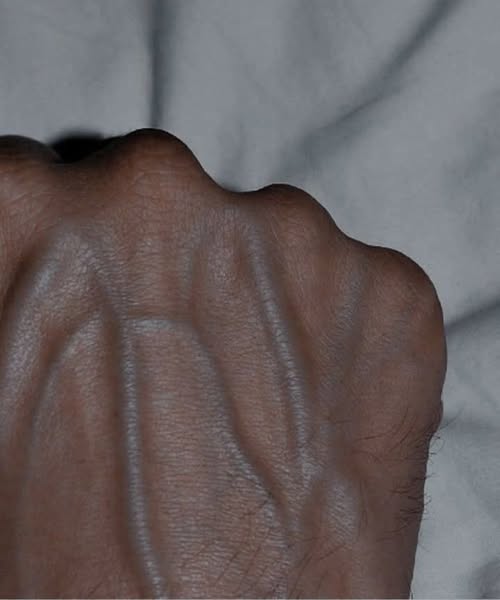
Visible or bulging veins are fairly common, and in most situations, they are not a cause for alarm. Many everyday factors can make veins appear more noticeable, including warm temperatures, regular aging, physical activity, and even certain types of clothing that fit tightly around the body. Genetics also plays a significant role—some people naturally have more prominent veins than others. Sun exposure, weight changes, and overall body composition can further influence how visible veins appear. Understanding these normal causes helps reassure many people that visible veins often reflect natural changes rather than serious health concerns.

Even though most visible veins are harmless, it is important to pay attention to changes such as swelling, discoloration, or discomfort. These symptoms can indicate that blood is not flowing efficiently, sometimes due to weakened or strained vein walls. When veins struggle to return blood to the heart, they may become enlarged or twisted, a condition commonly known as varicose veins. These typically form in the legs because they carry the body’s heaviest blood load and work against gravity. In some cases, varicose veins may also appear in the arms. While they can be bothersome in appearance, many people experience no serious symptoms beyond occasional aching or heaviness.

Several factors increase the likelihood of developing varicose veins. According to health experts, elements such as genetics, smoking, pregnancy-related hormonal changes, long periods of standing or sitting, and carrying excess weight can contribute. Treatment depends on the severity and discomfort a person experiences. Mild cases often improve with simple lifestyle adjustments, such as elevating the legs, staying active, and wearing compression stockings to support blood flow. In more persistent cases, medical interventions like injection therapy or minimally invasive procedures may be recommended. These treatments can help reduce symptoms and improve overall vein appearance.

Although complications are not common, untreated severe varicose veins can sometimes lead to more serious issues. These may include slow-healing skin sores, known as venous ulcers, which usually develop near the ankles, or an increased risk of blood clots that require prompt medical attention. Fortunately, many preventive measures can support healthy circulation. Maintaining an active lifestyle, choosing looser clothing—especially around the waist—quitting smoking, and keeping a healthy weight all contribute to better vein health. While visible veins cannot always be avoided, taking a proactive approach to circulation helps reduce discomfort and supports long-term wellness.

ABOUT MICHAEL J FOX AFTER THIS!

Michael J. Fox has spent more than three decades living with Parkinson’s disease, a condition that would break most people long before the halfway point. Yet at 62, he remains one of the most respected and admired figures in entertainment — not because of the roles that made him famous, but because of the strength, wit, and honesty with which he’s faced one of life’s toughest challenges.

Fox was only 29 when he was diagnosed. At the time, he was one of Hollywood’s biggest stars, riding high off Back to the Future, Family Ties, and Teen Wolf. He was young, successful, and unstoppable. Then came the diagnosis — a degenerative neurological disorder with no cure. Doctors told him he might have only ten productive years left. He didn’t talk about it publicly at first. Instead, he buried himself in work, hiding his symptoms from the cameras and audiences that adored him.

The silence didn’t last forever. As the disease progressed, keeping it secret became exhausting. Eventually, Fox decided to speak out. That choice changed his life. What could have been a slow fade into obscurity became a second act built on authenticity, humor, and purpose. In 1998, he went public with his diagnosis. A year later, he launched the Michael J. Fox Foundation for Parkinson’s Research, which has since become the world’s leading organization funding Parkinson’s science.

“I realized I had a platform, and I could either use it or waste it,” he once said. “The truth is, this disease gave my life more meaning than I ever could have imagined.”

It wasn’t easy. Fox has endured countless physical challenges — tremors, stiffness, surgeries, even broken bones from falls. But through it all, he’s maintained the sharp humor that made audiences fall in love with him decades ago. In interviews, he often jokes about his condition, disarming people who don’t know how to react. “If I fall down, I get back up,” he quipped. “It’s not graceful, but it’s me.”

Behind the humor, though, there’s grit. Fox has spoken openly about the darker side — the frustration, the fatigue, the moments when optimism doesn’t come so easily. In his 2020 documentary and memoir No Time Like the Future, he admitted there were periods when he questioned whether his trademark positivity was sustainable. “I used to think optimism was a matter of choice,” he wrote. “Now I see it’s a form of survival.”

That mindset defines him. Fox doesn’t sugarcoat what Parkinson’s does to a body, but he refuses to let it define his spirit. He says he’s learned to live in “radical acceptance” — not pretending everything’s fine, but recognizing reality and still finding a reason to move forward.

His family has been central to that. Fox often credits his wife, actress Tracy Pollan, and their four children for keeping him grounded. Their relationship — which began on the set of Family Ties — has endured the brutal test of time, fame, and illness. “Tracy’s the rock,” he’s said more than once. “She never signed up for this, but she’s handled it with grace and humor. I owe her everything.”

Professionally, Fox continued acting far longer than anyone expected. He won Emmys for his role on Spin City, made memorable guest appearances on shows like Scrubs, Rescue Me, and The Good Wife, and lent his voice to animated hits like Stuart Little. Each role came with adjustments — learning to work around tremors, fatigue, and speech changes. But he kept showing up. Not for sympathy, but because he loved the work. “Acting gives me energy,” he said. “It reminds me that I’m still part of something bigger than my condition.”

The foundation he created has raised over $2 billion to fund research and clinical trials aimed at finding better treatments — and ultimately, a cure. Scientists credit his organization for accelerating progress in Parkinson’s research more than any single entity in the world. That’s not hyperbole; his advocacy forced the medical world to move faster, to share data, to collaborate instead of compete.

Despite that progress, Fox has never pretended that hope alone fixes everything. In a 2023 interview, he acknowledged that the disease was taking a toll. “I’m not gonna lie, it’s getting harder,” he said. “I fall a lot. I break stuff. But I’m still here.” His voice cracked slightly, then he added, “It’s not about how long you live. It’s about how well you live it.”

That perspective — clear-eyed but defiant — is what people respond to. Fox’s resilience isn’t just about surviving Parkinson’s; it’s about redefining what it means to live with it. He’s turned his personal struggle into a public mission without losing the humor that made him who he is. Even now, when the physical effort of daily life can be overwhelming, he still finds joy in the small things: time with family, playing the guitar, cracking a joke, or encouraging others to keep going.

Over the years, he’s received countless honors — honorary doctorates, humanitarian awards, even recognition from medical associations for his advocacy. But he tends to shrug those off. “Awards are nice,” he once said, “but the real reward is when someone with Parkinson’s tells me they don’t feel so alone anymore.”

That’s the legacy he’s building — not just as Marty McFly or Alex P. Keaton, but as a man who faced down a relentless disease and refused to disappear. In a world obsessed with youth and perfection, Fox’s openness about vulnerability is revolutionary. He doesn’t hide the tremors. He doesn’t edit out the stumbles. He shows up anyway — honest, flawed, and brave.

As he moves through his 60s, he knows the road ahead won’t get easier. Yet his outlook hasn’t changed. “You don’t have to have a good day every day,” he says. “You just have to believe that a better one’s possible.”

Michael J. Fox has become more than an actor or advocate. He’s proof that courage isn’t the absence of fear or pain — it’s showing up in spite of it. His story isn’t about a disease. It’s about a man who keeps finding light in the dark, laughter in the struggle, and purpose in persistence.

And that, more than any award or role, is what makes him unforgettable.

Leaked audio exposes Melania’s disgust for longtime White House tradition

Just as in many homes worldwide, the White House is being decorated for Christmas. The First Lady has traditionally been in charge of the decorations on the huge estate, but in Melania Trump’s case, it appears it hasn’t been her favorite activity. A few years ago, recordings of her frustration about having to do the Christmas decorations became known – and it wasn’t pretty.

For many people, Christmas is a sacred tradition. Some begin putting out their decorations as early as November, while others wait until the days before Christmas.

At the White House, the traditional Christmas tree has just arrived. Through the WH official First Lady X account on November 24, a video of the tree arriving at 1600 Pennsylvania Avenue was posted, and First Lady Melania Trump was there to welcome it, kicking off the holiday season.

 “It’s a beautiful tree,” the first lady stated.

Melania was seen in a festive style, wearing red leather gloves and plaid pointed-toe pumps together with a white Dior coat. On social media, it didn’t take long before people both praied – and mocked – the outfit.

“Melania is always so radiant; she looks spectacular in white and so elegant in her high heels. Beautiful forevever,” one person wrote, per the Mirror.

“Amazing, style and class,” another added.

A third asked, “Could FLOTUS be any more glamorous! Simply gorgeous!”

Still, some were not impressed with the outfit.

“Bathrobe?” one person asked, with another joking, “It looks like she’s auditioning to be the angel on top of the tree…”

Secret recording of Melania Trump’s anger with White House Christmas duties

Melania Trump inspected the tree but left after only a few minutes. The Daily Beast described her as “Grinch,” and the fact that she might not be too invested in Christmas, at least at the White House, might have some truth to it.

In 2020, a leaked audio recording by Melania’s former friend and senior adviser, Stephanie Winston Wolkoff, reached CNN.

The recording was from the summer of 2018, where Melania complained about having to perform the Christmas duties of the First Lady while at the same time being criticized for her husband’s then-policy of separating families who illegally crossed the southern border.

“They say I’m complicit. I’m the same like him, I support him. I don’t say enough I don’t do enough where I am,” Melania said. “I’m working … my a** off on the Christmas stuff, that you know, who gives a f*** about the Christmas stuff and decorations? But I need to do it, right?”

She continued, “OK, and then I do it and I say that I’m working on Christmas and planning for the Christmas and they said, ‘Oh, what about the children that they were separated?’ Give me a f****** break. Where they were saying anything when Obama did that? I can not go, I was trying get the kid reunited with the mom. I didn’t have a chance – needs to go through the process and through the law.”

Do you enjoy Christmas or not? Please share your thoughts in the comment section on Facebook.

Lucille Ball ROASTS Vivian Vance, Phyllis Diller & Henry Fonda 🔥

When people talk about Lucille Ball, they usually think of the queen of physical comedy: the chocolate conveyor belt, the grape-stomping fiasco, the Vitameatavegamin chaos — all the classics. But every once in a while, Lucy steps out from behind the slapstick and reminds the world:
This woman was one of the sharpest, quickest comedic minds Hollywood ever produced.

And nowhere is that clearer than in The Dean Martin Celebrity Roasts, when Lucille Ball takes the stage and does what very few performers could ever pull off…
She ROASTS her closest friends — Vivian Vance, Phyllis Diller, Henry Fonda — and somehow makes every insult feel like a hug wrapped in fire.

Most fans of I Love Lucy have NEVER seen this moment.
And if you haven’t?
Trust me… you’re in for a treat.

1️⃣ Missed the hilarious roast where Vivian Vance got her revenge on Lucy & Desi? Watch it here — it’s comedy gold!


A Side of Lucy We Rarely Got to See

Onstage that night, Lucy wasn’t the frazzled housewife, the daydreaming starlet, or the trouble-magnet we adored on television.
She was commanding.
She was fearless.
She was a Hollywood titan surrounded by legends — and she held court like she had been roasting people her entire life.

What made this appearance so unforgettable wasn’t just the jokes (though they were deliciously sharp).
It was the way Lucy delivered them:
with that sparkling mischief in her eyes, the dry timing, and the quiet confidence of someone who knew she had nothing left to prove.

And the best part?
She roasted the people she loved most.

Go behind the scenes of the famous chocolate conveyor belt scene — the untold chaos!


FULL EPISODE INCLUDED

I’ve included the entire Dean Martin Celebrity Roast: Lucille Ball in this post so you can watch every moment for yourself.
It’s rare, it’s iconic, and it’s one of the best glimpses we have of Lucy as a performer outside the sitcom world.


Her Roast of Vivian Vance: Pure Comedy… Pure Love

Nobody understood Vivian Vance the way Lucy did.
Nobody loved her the way Lucy did.
And nobody could roast her the way Lucy did.

Lucy teases Viv’s glamorous transformation, her independence, her iconic “Ethel Mertz frumpiness,” and somehow makes the entire room roar without ever crossing a line of cruelty.

It’s the kind of moment that only happens when two performers have spent decades:

✨ Working side by side
✨ Fighting battles together
✨ Laughing through the hard stuff
✨ And staying bonded long after the cameras stopped rolling

You can feel the history between them.
You can see the affection behind every barb.
And you can hear Vivian laughing louder than anyone in the room.


Phyllis Diller & Henry Fonda Didn’t Escape Either

Lucy’s roast of Phyllis Diller is a masterclass in comedic timing — the perfect blend of exaggeration and admiration.
Phyllis, with her outrageous wigs and wild persona, loved every second of it.

And when Lucy turned her attention to Henry Fonda — one of Hollywood’s most respected dramatic actors — she proved once again why she was untouchable.
Even Fonda couldn’t keep a straight face.

Lucy wasn’t just roasting.
She was honoring her peers the way only a comedy legend can:
by making fun of them better than anyone else.

Don’t miss the grape-stomping chaos — still one of the most replayed scenes ever!


Why Fans STILL Love This Moment

This roast matters because it shows us something we sometimes forget…

Lucille Ball wasn’t just funny.
She wasn’t just physical.
She wasn’t just a sitcom star.

She was one of the greatest comedic minds of her generation — sharp, brilliant, fearless, and respected by the biggest names in Hollywood.

And in this roast, you get to see her in her natural habitat:
in control, adored, and absolutely hysterical.

It’s a moment that deserves to be remembered — and one that proves why Lucille Ball remains the gold standard of American comedy.

This iconic photo is not edited, now look closer and try not to gasp when you see it!

Leslie Easterbrook has always had that rare, electric presence — the kind that fills a screen before she even speaks. To millions, she’ll forever be Sgt. Debbie Callahan from Police Academy: confident, commanding, and unforgettable. But behind the iconic uniform is a woman whose real story is rooted in grit, talent, reinvention, and a lifelong devotion to the craft of performance.

Long before Hollywood, Leslie was simply a Nebraska girl raised in a home overflowing with music and books. Adopted at nine months old, she grew up with parents who nurtured creativity rather than chasing fame. Her father was a music professor, her mother an English teacher — and together, they encouraged young Leslie to sing because she had what they called “a sweet voice.” They had no idea how powerful that voice would become. For years, Leslie genuinely thought she was destined for opera.

After high school in Kearney and time at Stephens College, it seemed like she might take a more traditional path. But performing called her louder than anything else. By 1980, Hollywood finally noticed. Leslie landed her first major TV role on Laverne & Shirley as Rhonda Lee — stylish, magnetic, and instantly memorable. It was the first hint that she wasn’t just a singer; she was a storyteller.

Hollywood also had moments that tested her. During a Police Academy promotional event, she was handed a starting pistol — without any ear protection. The blast ruptured her eardrum. Instead of letting the trauma define her, Leslie learned everything she could about firearms. She mastered the sport so well that she became an award-winning trap shooter, even claiming first place in D Class at the California State Trap Shoot against 400 men.

Outside of performing, Leslie poured her energy into charity work supporting children and law-enforcement organizations. She also built a long, steady, loving marriage with screenwriter Dan Wilcox — a partnership that lasted until his passing in 2024. Through triumph and heartbreak, Leslie kept the same resilience that has shaped her entire life. Her friendships with Police Academy co-stars remain strong, especially with Scott Thomson and t

8 war.ning signs of unhealthy kidneys

The kidneys are vital organs that play a crucial role in filtering waste, balancing fluids, and regulating blood pressure. When the kidneys are not functioning properly, toxins and waste can build up in the body, leading to a range of serious health problems. Kidney disease can progress quietly, often without noticeable symptoms, making it crucial to pay attention to early warning signs. Early detection can help prevent further damage and enable timely treatment.

In this article, we will explore eight common warning signs of unhealthy kidneys that you should be aware of to protect your health.

1. Changes in Urination Patterns

The kidneys are responsible for producing urine and regulating the body’s fluid balance. Any change in urination patterns could be a red flag for kidney problems.

What to look for:

  • Increased frequency of urination: If you find yourself needing to urinate more frequently than usual, especially at night (nocturia), it could be a sign of kidney dysfunction.
  • Decreased urination: Conversely, if you’re urinating less frequently or not producing as much urine, this could indicate that your kidneys are not filtering waste properly.
  • Foamy or bubbly urine: Urine that is unusually foamy or bubbly could be a sign of protein in the urine (proteinuria), which is a common symptom of kidney damage.

Why it’s important

Changes in urination patterns often reflect how well the kidneys are filtering waste and balancing fluids in the body. When kidney function declines, urine output can become irregular or abnormal.

2. Swelling in the Legs, Ankles, or Feet

Swelling (edema) in the lower extremities is a common symptom of kidney problems. When the kidneys aren’t working properly, they may have difficulty removing excess fluid from the body, causing it to accumulate in the legs, ankles, and feet.

What to look for:

  • Puffy or swollen legs, ankles, and feet: This swelling is often worse in the evening and may feel heavy or uncomfortable.
  • Difficulty fitting into shoes or clothing: You may notice that your shoes or socks feel tight, or that your clothing feels snug around your waist.

Why it’s important:

Kidneys help regulate fluid balance. When they fail to remove excess fluid, it can build up in the body, causing noticeable swelling, especially in the lower parts of the body.

3. Fatigue and Weakness

Fatigue is a common symptom of many health conditions, but when it’s linked to kidney problems, it’s often due to a buildup of waste in the body and a lack of red blood cell production. Healthy kidneys produce erythropoietin, a hormone that helps the body produce red blood cells. When kidney function declines, erythropoietin production decreases, leading to anemia and fatigue.

What to look for:

  • Constant tiredness or weakness: Feeling unusually tired despite adequate sleep.
  • Low energy levels: Struggling to stay alert and engaged in daily activities.

Why it’s important:

Anemia resulting from kidney disease reduces the amount of oxygen carried through the bloodstream, leading to fatigue, weakness, and a general lack of energy.

4. Shortness of Breath

Shortness of breath can occur when kidney disease causes fluid buildup in the lungs (pulmonary edema). When the kidneys aren’t functioning properly, excess fluid can accumulate in the body and reach the lungs, making it difficult to breathe.

What to look for:

  • Feeling winded after minimal activity: Difficulty breathing after physical exertion or even while resting.
  • Waking up at night feeling short of breath: This could be a sign of fluid buildup in the lungs.

Why it’s important:

If fluid builds up in the lungs, it can severely affect oxygen levels and lead to difficulty breathing. This is a serious symptom that requires prompt medical attention.

5. Persistent Back Pain

While back pain is commonly associated with muscle strain or poor posture, pain that occurs in the lower back, just below the rib cage, could be a sign of kidney problems. The kidneys are located in the lower back, and when they become inflamed or infected, they can cause localized pain.

What to look for:

  • Dull, persistent pain: Pain that’s located in the lower back or side, which may be felt on one or both sides.
  • Pain that doesn’t improve with movement: Unlike muscle pain, kidney-related pain often persists and doesn’t improve with stretching or changing positions.

Why it’s important:

Kidney infection (pyelonephritis) or kidney stones can cause intense pain in the lower back. Ignoring this pain can lead to worsening kidney da.mage or infection.

6. Skin Rash or Itching

Kidney disease can cause toxins to build up in the blood because the kidneys are no longer filtering waste effectively. These toxins can accumulate under the skin, leading to rashes and itching, which are common signs of kidney dysfunction.

What to look for:

  • Itchy skin that doesn’t go away: Persistent itching, especially on the legs, arms, or back.
  • Dry, irritated skin: A rash or rough patches of skin that may be difficult to treat with lotions or creams.

Why it’s important:

When the kidneys are not removing waste from the bloodstream, toxins can accumulate and cause skin irritations, which are one of the more common signs of kidney failure.

7. Metallic Taste in the Mouth and Ammonia Breath

Kidney disease can lead to a buildup of waste products in the bloodstream, which can affect the way food tastes. This is known as uremia, and it can cause a metallic taste in the mouth or ammonia-like breath.

What to look for:

  • A persistent metallic taste: Foods and drinks that normally taste good may suddenly taste strange or unpleasant.
  • Bad breath (uremic fetor): Breath that smells like ammonia, which is caused by the accumulation of waste products in the blood.

Why it’s important:

Uremia is a sign that kidney function is severely compromised and waste is accumulating in the blood, affecting the mouth and breath. This is a serious symptom that warrants medical attention.

8. Nausea and Vomiting

As kidney disease progresses, waste buildup in the blood (uremia) can lead to digestive problems, including nausea and vomiting. This can occur due to the kidneys’ inability to filter toxins from the blood effectively.

What to look for:

  • Persistent nausea: A constant feeling of queasiness that doesn’t improve with eating or drinking.
  • Vomiting without cause: Unexplained vomiting, especially in the morning or after eating, may be a sign of kidney failure.

Why it’s important:

Nausea and vomiting caused by kidney dysfunction are a sign that waste is accumulating in the body and affecting the digestive system. Left untreated, this can lead to severe dehydration and further complications.

Conclusion: Taking Action Early

The kidneys are essential for overall health, and when they’re not working properly, the effects can be widespread and severe. If you experience any of these warning signs, it’s important to consult a healthcare provider as soon as possible for a thorough evaluation. Early detection of kidney disease can lead to better treatment outcomes and prevent further damage to these vital organs.

By adopting a healthy lifestyle, staying hydrated, and monitoring kidney function through regular check-ups, you can reduce your risk of developing kidney disease. If you’re at higher risk – such as having a family history of kidney disease or conditions like diabetes and high blood pressure – it’s especially important to remain vigilant about your kidney health and seek medical advice if any symptoms arise. Your kidneys are essential to your well-being, and taking proactive steps to protect them is crucial for maintaining overall health.

How to Prevent Kidney Disease: Steps You Can Take

Kidney disease can develop gradually without obvious symptoms, and often, individuals don’t realize they have a problem until their kidneys are severely damaged. Fortunately, there are several proactive steps you can take to prevent kidney disease and promote optimal kidney health. By adopting healthy lifestyle choices and staying informed, you can reduce your risk of kidney problems and support the long-term health of these vital organs.

1. Stay Hydrated

Drinking enough water is essential for kidney health. Your kidneys are responsible for filtering waste from your blood and maintaining the balance of fluids in your body. Proper hydration helps the kidneys perform these tasks efficiently and prevents kidney stones and other kidney-related issues.

What to do:

  • Aim to drink at least 8 cups (2 liters) of water a day, or more if you’re active or live in a hot climate.
  • Avoid excessive consumption of caffeinated beverages, alcohol, and sugary drinks, as they can lead to dehydration and strain the kidneys.
  • Include water-rich foods like fruits and vegetables (e.g., cucumbers, watermelon, and oranges) in your diet to support hydration.

2. Manage Blo.od Pressure

High blood pressure (hypertension) is one of the leading causes of kidney disease. When blood pressure is too high, it damages the blood vessels in the kidneys, impairing their ability to filter waste and regulate fluids. Over time, this can lead to kidney damage and, eventually, kidney failure.

What to do:

  • Monitor your blood pressure regularly and aim to keep it within the healthy range (below 120/80 mm Hg).
  • Maintain a healthy weight through regular exercise and a balanced diet.
  • Reduce salt intake by avoiding processed foods and cooking with minimal salt.
  • Limit alcohol consumption and avoid smoking, both of which can raise blood pressure.

3. Control Blo.od Sugar Levels

Diabetes is another major risk factor for kidney disease. High blood sugar levels over time can damage the blood vessels in the kidneys, leading to diabetic nephropathy, a type of kidney disease. If you have diabetes, it’s crucial to control your blood sugar levels and prevent complications that could affect your kidneys.

What to do:

  • If you have diabetes, work with your doctor to manage your blood sugar levels through medication, diet, and regular physical activity.
  • Monitor your blood sugar regularly and follow your doctor’s advice on how to adjust your treatment plan as needed.
  • Eat a balanced diet with low-glycemic foods that help regulate blood sugar, such as whole grains, vegetables, and lean proteins.
  • Engage in regular physical activity to help improve insulin sensitivity.

SHE MISSED ONE DAY OF SCHOOL—THEN SEVENTY BIKERS SHOWED UP OUTSIDE HER HOUSE

The first time they rumbled up, I thought it was a funeral procession. Seventy leather vests. Chrome glinting like knives. And in the middle of it, my seven-year-old niece, bright pink backpack strapped on, waving like a parade queen from the back of a Harley.

I ran outside in my slippers, heart in my throat.

“Where is she going?” I yelled.

“School,” one of the bikers said, like it was obvious.

Here’s what I didn’t know: the day before, some older boys had cornered her behind the dumpsters at recess. They called her “Trash Barbie” and yanked her hair. My niece didn’t tell anyone. Not her teacher. Not her dad (my brother, who’s been barely hanging on since his wife died last year).

But she did tell Frank.

Frank’s her neighbor. Retired Army. Runs a bike repair shop out of his garage and lets her sit on the seat while he works. She told him in a whisper: “I don’t wanna go back.”

He asked why. She whispered again.

And I guess Frank made some calls.

The next morning, every single member of his riding group showed up. Full gear. Flags flying. Engines low and steady like a warning growl. My niece walked down the porch steps like a celebrity under escort.

That was Monday. It’s now Friday. They’ve been back every morning since.

Also Read : Sixty-Three Bikers Arrived Outside My Terminally Dy.ing Daughter’s Hospital Window At 7 PM

But today, someone was waiting by the school gate. Not a biker. Not a teacher. Just a woman with a clipboard and a sour smile. Watching. Writing something down.

She stepped toward Frank’s bike and said:

“This is unacceptable. These… men… are intimidating. It’s unsafe for a child to arrive at school like this. I’ll be reporting it to the district.”

Frank’s jaw tightened. He didn’t shout, didn’t curse. He simply killed the engine, swung his leg over the bike, and looked her dead in the eye.

“Unsafe?” he said, voice low. “Lady, unsafe is a child begging not to go to school because she’s scared. Unsafe is grown kids dragging a seven-year-old by her hair while teachers look the other way. Unsafe is letting bullies run the yard while the adults take notes.”

The woman faltered, but she scribbled something anyway.

That’s when the rest of the bikers dismounted too. Seventy boots hitting the ground in unison, like thunder rolling across the pavement.

Frank took a step closer, handing her a sealed envelope. “This is signed by every parent whose kid has been bullied at this school. We’re not just escorting her anymore. We’re filing a complaint. If the district won’t act, we will.”

The woman’s pen froze midair.

And behind her, through the school gates, a group of those same bullies stood frozen, wide-eyed, realizing—for the first time—that my niece wasn’t alone.

Not anymore.

The district didn’t expect seventy bikers to walk into the school board meeting the following week.

Frank led the way, my niece holding his hand, her pink backpack bouncing with every step. Behind them came parents—dozens of them—finally emboldened to speak up after years of their kids suffering in silence.

The board members shuffled papers nervously, their polished smiles flickering.

“This meeting is about intimidation,” one of them started, voice shaking just slightly. “Children being escorted by… men like these—”

A biker in the back cut him off with a laugh. “Men like us? You mean veterans, fathers, uncles, taxpayers? You mean men who actually show up when kids need protecting?”

The room erupted in murmurs. Parents nodded. A few even clapped.

Also Read : Mute Girl Ran to Scary Biker at Walmart Because She Knew His Secret

Then Frank stepped forward. He placed a folder on the table. Inside were screenshots, journal entries, medical notes—evidence of what those bullies had been doing not just to my niece, but to at least a dozen other kids.

“We’re not here for a fight,” Frank said evenly. “We’re here because the fight’s already happening on your playground, and you’re losing. You ignored it. You dismissed it. Well, now you can’t.”

The board members exchanged frantic looks. One tried to regain control: “And what do you propose?”

Frank didn’t hesitate. “Accountability. Those kids face consequences. Teachers get real training. And my girl”— he put his hand on my niece’s shoulder— “walks into this school without fear.”

Silence stretched. Then, from the corner, a shaky voice spoke up.

It was one of the bullies’ mothers. She stood, face pale. “My son… he admitted what he did. I thought it was just teasing. I didn’t know it was this bad. I’m sorry.”

Others followed—parents shifting uncomfortably, some apologizing, some making excuses. But the truth was out.

The board had no choice. Policies were rewritten. Suspensions handed down. And for the first time in months, my niece smiled on her way to school.

Seventy bikers still rode with her that Monday. Not because they had to—because they wanted to remind the world:

She was no longer alone. And she never would be again.

The Benefits of This Plant for Older People: A Natural Ally for Healthy Aging

As we grow older, maintaining mobility, comfort, and overall well-being becomes increasingly important. While modern medicine offers many solutions, nature also provides powerful allies—one of which is rosemary, often referred to as “natural morphine” thanks to its remarkable soothing properties.

This aromatic herb has been cherished for centuries not only for its flavor but also for its wide range of therapeutic benefits, particularly for seniors. Here’s why rosemary deserves a place in every older adult’s wellness routine.

1. Natural Relief for Muscle Pain

Daily aches and stiffness can make even simple tasks challenging. Rosemary contains compounds like carnosic acid and rosmarinic acid, which have natural anti-inflammatory effects.

  • Rosemary oil (diluted) used in massage may help ease sore muscles.
  • Warm rosemary compresses can help relax tension and improve comfort.

2. Supports Joint Health

For older adults dealing with joint discomfort or reduced mobility, rosemary can be a gentle, plant-based aid.

Its warming effect and circulation-boosting properties make it useful for:

  • Knees and elbows
  • Hands and fingers affected by stiffness
  • General inflammation around joints

Many topical balms include rosemary specifically for this reason.

3. Helpful for Rheumatism Symptoms

Rheumatism can greatly impact quality of life. Rosemary’s anti-inflammatory and antioxidant properties can help reduce swelling and discomfort in affected areas.

When used regularly—whether through massage oils, aromatherapy, or warm baths infused with rosemary—it may support better joint flexibility and movement.

4. May Ease Gout Discomfort

Gout is often described as one of the most painful inflammatory conditions. While rosemary is not a cure, it may help lessen flare-ups by:

  • Supporting circulation
  • Reducing inflammation
  • Helping the body better manage uric acid

Incorporating rosemary tea or applying rosemary-infused oil may bring some relief alongside proper medical treatment and diet adjustments.

5. Enhances Memory and Cognitive Function

One of rosemary’s most studied benefits is its effect on the brain. It has long been associated with improved memory, mental clarity, and alertness.

For older adults, this can be especially valuable:

  • Aromatherapy with rosemary may boost focus.
  • Drinking rosemary tea can support overall cognitive health.
  • Some studies suggest it may help protect brain cells from aging-related decline.

6. Promotes Better Circulation

Poor circulation can contribute to cold hands and feet, swelling, and general discomfort. Rosemary naturally stimulates blood flow, helping oxygen and nutrients travel more efficiently through the body.

This can improve:

  • Energy levels
  • Warmth and comfort
  • Healing and recovery from physical strain

7. Supports Digestive Health

A calm, healthy digestive system is essential for aging well. Rosemary has mild carminative (gas-reducing) and digestive-supporting effects. It can help with:

  • Bloating
  • Indigestion
  • Slow digestion after meals

A warm cup of rosemary tea is both soothing and beneficial.

Easy Ways Older Adults Can Use Rosemary

  • Herbal Tea: Steep fresh or dried rosemary for a relaxing, health-boosting drink.
  • Essential Oil Massage: Dilute in a carrier oil for pain or stiffness relief.
  • Warm Bath Infusion: Drop dried rosemary or a few oil drops into a bath to soothe muscles.
  • Cooking: Add rosemary to meals for added flavor and antioxidant benefits.

Conclusion

Rosemary is far more than a common kitchen herb—it’s a natural companion for healthier, more comfortable aging. From relieving pain to supporting the mind, it offers a gentle, holistic approach to senior wellness.

While rosemary should not replace medical care, it can be a powerful addition to a balanced lifestyle, helping older adults stay active, comfortable, and vibrant.

Popular

A Mother’s Love: Vienna’s Journey with a Birthmark

0
Love compels parents to do extraordinary things for their children’s well-being. Celine Casey, a British mother, took remarkable steps to ensure her daughter Vienna’s...