
Entertainment

Kohl’s Announces Closure of 27 Stores as Company Focuses on Strengthening Core Locations

Kohl’s has announced plans to close 27 stores across more than a dozen U.S. states as part of an effort to strengthen the company’s financial performance. The closures, expected to be completed by April, represent only a small portion of the retailer’s approximately 1,150 locations nationwide. Company leaders emphasized that most stores remain profitable and continue to serve customers successfully.

According to the company, the locations chosen for closure were identified as underperforming, making the move part of a broader strategy to focus resources on stronger markets. Outgoing CEO Tom Kingsbury described the decision as difficult but necessary to support the company’s long-term stability. Leadership will soon transition to Ashley Buchanan, who is set to take over as chief executive, while Kingsbury will remain involved as an advisor for a short period.

Like many department store chains, Kohl’s has faced challenges in recent years as shopping habits shift and consumers increasingly turn to online options. Sales have softened, and the retailer recently projected a weaker holiday season than expected, contributing to pressure on the company’s stock performance.

The closures follow similar announcements from other major retailers adjusting to changing consumer behavior and economic pressures. Kohl’s says its goal is to focus on profitable locations while continuing efforts to modernize stores and improve the shopping experience for customers nationwide.

Man Revived After Six Minutes Shares His Personal Reflections on a Life-Changing Experience

A Reddit user recently shared a personal story about surviving a medical emergency that reportedly left them without a heartbeat for several minutes. The individual explained that the incident happened suddenly when they were a teenager, collapsing in public before emergency responders arrived and revived them on the way to the hospital. The experience led to weeks of medical treatment and long-term care, but the person eventually recovered and says they are now in good health.

In an online post, the writer described vivid memories they associate with the time they were unconscious, saying the experience felt much longer than the actual minutes that passed. According to the account, the episode felt intense and emotionally overwhelming, challenging many of their previous beliefs about what happens after death. The story quickly drew attention online, with many readers expressing curiosity about how near-death experiences can affect people’s perspectives.

Medical professionals often explain that such experiences can be influenced by trauma, oxygen deprivation, and the brain’s response to extreme stress. These conditions sometimes produce vivid sensations or memories, which individuals may interpret in deeply personal or spiritual ways. Because of this, experiences can vary widely from person to person.

The Reddit user added that returning to everyday life after the incident was emotionally difficult, as they struggled to explain what they felt to others. Over time, counseling and medical recovery helped them move forward. Their story highlights how serious health emergencies can leave lasting emotional impressions, while also reminding readers how fragile and valuable life can be.

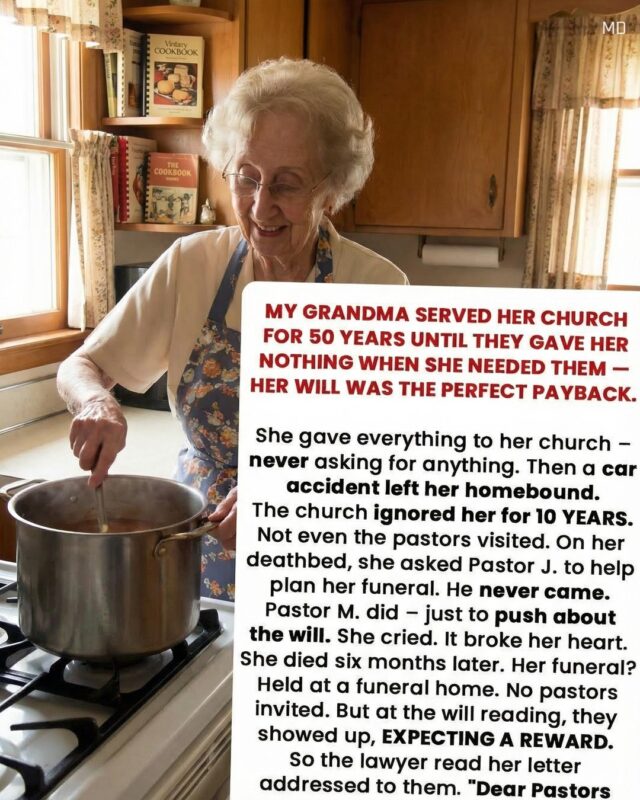
After 50 Years of Service, a Grandmother’s Final Wishes Shared a Powerful Message About Compassion and Gratitude

Eleanor, my grandmother, spent nearly fifty years serving her church without seeking recognition. She cooked, volunteered, mentored young people, and quietly supported families in need. Her home was always open, her kindness steady and comforting. To me, she was more than a grandmother; she was a guide who made everyone feel valued. But after a car accident left her disabled, the community she had supported for decades slowly faded from her life. Calls went unanswered, visits never came, and the woman who had given so much became painfully isolated.

Even as her health declined, Eleanor remained faithful. She watched services online, sent birthday cards to children she once taught, and continued giving what she could. Yet when she reached her final days in hospice, the spiritual comfort she hoped for never arrived. Instead, a brief visit focused more on financial matters than on her well-being. That moment revealed a hard truth: the care she had offered so freely was not returned when she needed it most.

Afterward, my grandfather and the rest of our family chose to honor Eleanor privately, surrounded by people who genuinely loved her. Friends shared memories of her cooking, her laughter, and the way she lifted others simply by listening. The service celebrated the person she was, not the roles she filled, reminding us that her true legacy lived in the lives she touched.

Weeks later, during the reading of her will, Eleanor’s final wishes became clear. She left thoughtful gifts and letters to family and friends, while directing part of her estate to organizations that had truly supported her in her final years. Her choices reflected not bitterness, but clarity — a reminder that compassion should be met with compassion, and that a life of kindness deserves to be remembered with honesty and gratitude.

A Family Loan, Broken Trust, and the Lesson That Changed Everything

When my sister and her husband came to me in tears, asking to borrow money to keep their home, I didn’t hesitate. Family helps family — that’s how we were raised. I lent them my savings, trusting their promise to repay within a year. At first, they kept in touch, offering reassurances whenever I gently asked about repayment. But months turned into years, and excuses replaced updates. Eventually, when I confronted them, they insisted there had never been a real agreement, reminding me nothing had been signed. The conversation ended with silence, and soon after, all contact between us stopped.

The loss felt heavier than the money itself. I grieved the broken trust more than the financial setback. Holidays passed without calls, and family gatherings felt emptier. Over time, though, I began to understand that holding onto anger only hurt me. I focused instead on rebuilding my own stability, reminding myself that kindness, even when taken advantage of, was still part of who I wanted to be.

A few years later, I unexpectedly met a mutual friend who mentioned my sister and her husband were going through serious financial difficulties again. Hearing this stirred mixed emotions — sadness, sympathy, and a strange sense of closure. I didn’t celebrate their hardship; instead, it reminded me how life has a way of teaching difficult lessons without anyone needing revenge.

Looking back now, I see the situation differently. Lending the money showed my willingness to help, and their choices revealed their character. Though our relationship never fully recovered, the experience taught me to set clearer boundaries while keeping compassion intact. Sometimes the real victory isn’t in being repaid, but in moving forward without bitterness, knowing you stayed true to yourself.

Heated Exchange Marks Tense Canada vs. Sweden Match at Winter Olympics Amid Rules Dispute

One week into the Milano Cortina Winter Olympic Games, fans worldwide have embraced both traditional winter sports and lesser-known events, with curling unexpectedly capturing widespread attention. Close matches and strategic gameplay have drawn new viewers, showing how competitive and intense the sport can be at the Olympic level.

A particularly tense moment occurred during a men’s curling match between Canada and Sweden at the Cortina Curling Olympic Stadium. Canada eventually secured an 8–6 victory, but late in the match, Sweden’s Oskar Eriksson raised concerns about whether Canadian player Marc Kennedy had touched the curling stone improperly during delivery. According to official rules, touching the handle before the stone crosses the hog line is allowed, while contact after that point is not permitted.

Play was briefly paused while officials monitored the situation. No rule violations were recorded, and the match continued without penalties. Broadcast footage showed frustration on both sides as emotions ran high, reflecting the pressure athletes face in closely contested Olympic competitions.

After the game, Kennedy said he respected Eriksson but was disappointed by the accusations, noting his long career and commitment to fair play. Swedish team representatives later confirmed they would not pursue any formal investigation. Organizers emphasized the importance of sportsmanship while acknowledging that intense competition can sometimes lead to heated moments, especially during major international events where stakes and emotions run high.

Family Draws Attention With an Unusually Honest and Personal Obituary Tribute

Obituaries are usually written as a final tribute, offering families a chance to celebrate the life of someone they loved. They often highlight warm memories, achievements, and the positive influence the person had on friends and relatives. Because of this tradition, readers expect these notices to provide comfort and closure. However, one obituary published in Minnesota several years ago attracted widespread attention because it departed dramatically from that familiar tone, prompting debate about how families should handle difficult histories when someone passes away.

The obituary, written by two adult children about their late mother, Kathleen Dehmlow of Redwood Falls, began in a fairly standard manner before shifting into a much more critical message. In its closing section, the notice openly addressed long-standing family grievances rather than offering a traditional farewell. The unexpected wording quickly spread online, drawing strong reactions from readers who were surprised to see such personal conflicts expressed in a public memorial. Some viewed it as an honest reflection of unresolved pain, while others felt the obituary should have focused on remembrance rather than criticism.

As attention grew, the local newspaper that originally published the obituary eventually removed it from its website after receiving numerous complaints and questions from readers. In subsequent interviews, other relatives explained that the family’s history was complicated and that the obituary did not fully capture the entire story of Ms. Dehmlow’s life. One family member suggested that while mistakes had occurred in the past, regret and reconciliation had also been part of later years, showing how difficult it can be to summarize a person’s life and relationships in a few paragraphs.

The controversy also sparked discussion about editorial policies surrounding obituary submissions, since many newspapers publish paid notices largely as families submit them. Media representatives noted that although such notices are generally accepted as personal tributes, outlets must balance freedom of expression with community standards. In the end, the incident highlighted how grief and memory can bring out very different perspectives within families. It also served as a reminder that public tributes often carry emotional weight, and the way someone’s story is told can deeply affect both loved ones and the wider community long after the obituary is published.

A Late-Night Surprise at Our Rental Stay Taught Us an Important Travel Lesson

Our weekend trip was supposed to be a simple escape from busy schedules and endless responsibilities. My husband and I had booked a cozy Airbnb outside the city, hoping for quiet nights and long morning walks. The house looked perfect at first glance—clean, welcoming, and peaceful. But just as we were getting ready to sleep, I noticed a small device placed unusually high on a shelf in the bedroom, angled toward the bed. A closer look made my stomach drop. It looked like a hidden camera. Unsure what to do at midnight in an unfamiliar place, my husband covered it with a towel so we could think clearly in the morning.

Sleep came slowly. My mind kept replaying the discovery, wondering whether it was truly recording or simply part of the home’s security system placed in the wrong location. Around two in the morning, loud footsteps echoed in the hallway, and suddenly the bedroom door opened. The property owner rushed in, visibly upset and confused about why we had covered the device. Shocked and frightened, we tried to explain what we had found. After a tense moment, it became clear there had been a misunderstanding about where security equipment should be installed.

The owner apologized once everyone calmed down, explaining that the camera was intended to monitor common areas when the home was vacant and had accidentally been left active in the bedroom after maintenance work. Realizing how serious the situation felt from our perspective, the owner immediately removed the device and offered us a refund along with assistance in finding another place to stay. Though the situation eventually settled, the experience reminded us how vulnerable travelers can feel in unfamiliar environments.

The rest of our trip turned out far better after we moved to a new rental, but the experience left a lasting lesson. Travel brings adventure, but it also requires awareness and clear communication. We learned the importance of checking surroundings carefully and speaking up when something feels wrong, while also remembering that misunderstandings can sometimes have simple explanations. In the end, what began as a frightening midnight surprise became a reminder to trust our instincts, stay calm under pressure, and handle unexpected situations with patience and respect. Sometimes, even unsettling moments can lead to wiser choices and safer journeys in the future.

A Helpful Plant Many Seniors Use to Support Everyday Wellness

For generations, rosemary has held a special place in Mediterranean homes, valued not only for its distinctive fragrance but also for its connection to tradition and well-being. Its fresh scent has long been associated with memory and vitality, and it frequently appears in both kitchens and gardens across the region. Beyond its role as a culinary favorite, rosemary has historically been appreciated as a plant that symbolizes clarity and resilience. Its enduring popularity shows how simple herbs can become meaningful parts of daily life.

Today, research continues to explore the natural qualities that made rosemary so respected in traditional practices. The herb contains antioxidants and aromatic compounds that may help support general wellness when included as part of a balanced lifestyle. Many people enjoy rosemary in cooking, herbal teas, or as a gentle fragrance through essential oils. Its refreshing aroma and flavor make it an easy addition to everyday routines, offering both culinary enjoyment and a sense of calm.

One of rosemary’s most appreciated qualities is its association with mental clarity and focus. Some studies suggest that the scent of rosemary may help promote alertness and concentration, making it especially appealing to those looking to stay mentally active as they age. Simply enjoying the aroma while cooking or sipping rosemary tea can feel refreshing and uplifting. Researchers are also studying certain compounds found in rosemary for their potential to help protect cells from everyday stress, though more research continues in this area.

Incorporating rosemary into daily life can be simple and enjoyable. Fresh or dried leaves can enhance roasted vegetables, meats, and soups, while a warm cup of rosemary tea can offer a soothing break during the day. As with any herb or supplement, moderation and personal preference are key, and those with health concerns should consult a professional before making changes to their routine. Whether used for flavor or fragrance, rosemary remains a gentle reminder that small, natural additions can support a balanced and mindful lifestyle, bringing both tradition and freshness to modern wellness habits.

A Playful Party Joke Turned Into a Sweet Reminder of Trust in Our Marriage

When my husband mentioned his company’s holiday party, we joked about how work events often bring unexpected stories the next day. Before he left, I playfully wrote a silly message across his chest, teasing him about remembering he was a married man among coworkers and party guests. It was all in good fun, the kind of humor couples share when they trust each other completely. He laughed, promised not to stay out too late, and headed off, leaving me home with a movie and plans for an early night.

Hours passed, and sometime near dawn, I heard the front door open. He walked in looking exhausted and a little unsteady from a long night of celebrating with colleagues. I helped him out of his coat and guided him toward the bedroom, amused by his sleepy stories about karaoke attempts and office jokes. As I helped him change and settle into bed, I noticed writing on his back. Curious, I leaned closer and realized someone at the party had responded to my playful message with a harmless, lighthearted reply.

Instead of anger, I found myself laughing quietly. Apparently, one of his coworkers had written something along the lines of, “Relax, he talked about you all night.” The message turned my initial worry into relief. Rather than encouraging trouble, the response showed that he’d spent the evening proudly mentioning his family. Later that day, he barely remembered the exchange, but he laughed when I told him about it, insisting he must have become the target of friendly office humor.

That small moment became one of our favorite memories, reminding us how humor and trust keep a relationship strong. Instead of suspicion, we chose to see the situation for what it was—a funny reminder that honesty and affection speak louder than any playful joke written in marker. Since then, we still tease each other before social events, but we also appreciate how lucky we are to share a partnership built on openness and laughter. Sometimes, the best stories come from simple misunderstandings that end with reassurance rather than conflict, proving that love thrives most when couples choose trust over doubt.

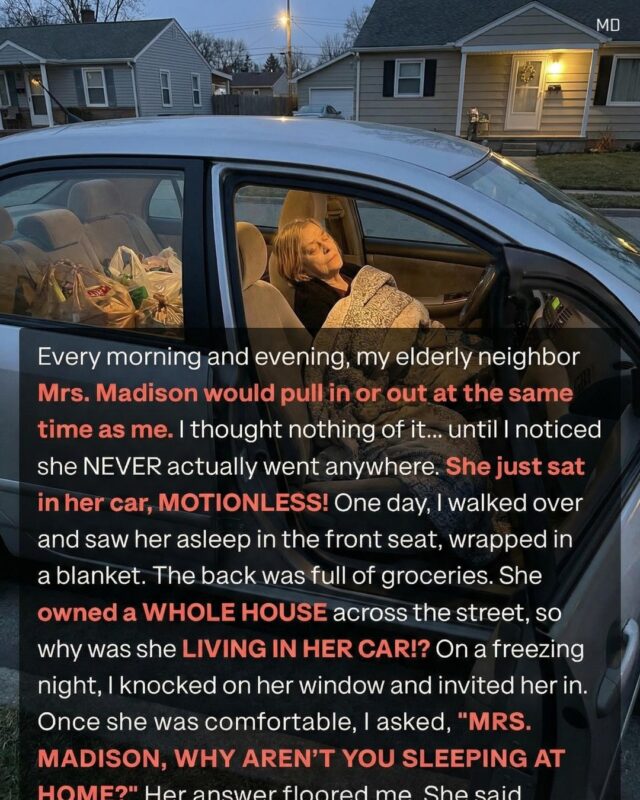
Neighbor Discovers Elderly Woman Secretly Living in Her Car, Revealing a Moving Story

For years, David Castle barely questioned the routine he shared with his elderly neighbor, Mrs. Olivia Madison. Their cars seemed to leave and return at the same times each day, and life moved on without much thought. But one cold night, when David came home long after midnight, he noticed Mrs. Madison still sitting in her car, apparently asleep. Curious and concerned, he looked closer and realized something heartbreaking: she wasn’t simply resting. The front seat was arranged like a bed, and the back was filled with groceries and essentials. Though she owned the large house next door, Mrs. Madison had quietly been living in her car.

Disturbed by the discovery, David woke his wife Lydia and insisted they invite Mrs. Madison inside. At first, the elderly woman resisted, embarrassed and reluctant to trouble them. But the freezing weather and David’s gentle insistence finally convinced her. Over hot chocolate, Mrs. Madison revealed the reason behind her unusual choice. After her husband passed away, the house felt unbearably empty, filled with memories that brought more pain than comfort. Sleeping in her car, she said, was the only way she had found peace in the years since his death.

The next morning, David offered to help her clean and possibly sell the home so she could move somewhere smaller and more comfortable. However, when he and a contractor friend entered the neglected house, they discovered a serious problem. Dangerous mold had spread throughout the structure, making it unsafe to live in. Experts later confirmed the contamination was severe enough that restoring the house was impossible without risking nearby homes. With heavy hearts, Mrs. Madison agreed to let authorities safely demolish the building to protect the neighborhood.

Watching her home disappear was painful, but the story didn’t end there. David gathered neighbors to find a solution, and together they helped arrange a sale of the land to a developer building assisted living cottages nearby. As part of the agreement, Mrs. Madison received a comfortable home of her own within the new community, allowing her to remain close to the friends who had supported her. What began as a quiet tragedy turned into a story of compassion and community. Thanks to one neighbor’s attention and kindness, Mrs. Madison found safety, friendship, and a fresh start—proving that sometimes, simply noticing someone’s struggle can change a life.

Popular

Elsa Patton’s face was ‘ruined’ by plastic surgeon: Pictures of the...

0
Elsa Patton became a beloved personality on The Real Housewives of Miami. The television star appeared on the show between 2011 and 2013, and because...