Entertainment

How Often Should You Wash Your Hair? An Expert Guide to Healthy Hair Care

Many people wonder how often they should wash their hair, especially when they notice changes in texture, dryness, or scalp sensitivity over time. Hair specialists explain that washing three to five times a week works well for most people, though individual needs can vary. The real focus should be on maintaining a clean, healthy scalp, since oil, sweat, and styling products naturally build up and can affect comfort and appearance if not removed regularly.

Consistent washing helps reduce excess oil, control odor, and prevent irritation caused by dirt or product residue. Experts also clarify that frequent washing does not automatically make the scalp produce more oil, despite common belief. Waiting too long between washes may lead to itchiness or a heavy, greasy feel, especially for people who live in warm climates or exercise often. Finding the right balance keeps hair fresh without stripping away natural moisture.

Choosing suitable products is equally important. As hair matures, it may become drier or finer, so gentle or moisturizing shampoos are often recommended. Conditioner works best when applied mainly to the lengths and ends, helping prevent dryness without weighing down the roots. Occasional deep-conditioning treatments can also restore softness and shine.

Simple habits can support healthier hair care. Using warm water, massaging the scalp gently, and rinsing thoroughly all help maintain scalp balance. In the end, the best routine is one that fits your lifestyle and keeps both hair and scalp feeling clean, comfortable, and healthy.

From Dirty Dancing Stardom to a Journey of Resilience: Jennifer Grey’s Life Story

Jennifer Grey captured audiences’ hearts in 1987 with her portrayal of Frances “Baby” Houseman in Dirty Dancing. Her natural performance and on-screen chemistry with Patrick Swayze helped turn the film into a beloved classic. The movie’s success brought her international recognition and critical praise, including a Golden Globe nomination, placing her among Hollywood’s rising stars at the time.

However, just before the film’s release, Grey’s life took an unexpected turn. While traveling abroad, she was involved in a serious car accident that deeply affected her emotionally. Although she was not at fault, the tragedy cast a shadow over what should have been a joyful period in her career. Celebrations surrounding the film felt difficult while she was coping with personal shock and grief.

In the years that followed, Grey continued acting in films and television, though she chose projects more carefully and stepped away from the intense spotlight. The experience prompted her to reassess both her career path and personal priorities. Rather than chasing constant fame, she focused on healing and rediscovering confidence in her work and personal life.

Over time, Grey openly reflected on those experiences, sharing how resilience and self-acceptance helped her move forward. Through interviews and later projects, she expressed gratitude for her journey and emphasized the importance of growth after difficult moments. Her story shows that success is not only measured by fame, but also by the strength to rebuild and find renewed purpose.

Bringing Back the Magic: The Return of a Beloved American Favorite

In a welcome surprise for many longtime diners, a familiar American restaurant chain is making its way back into public conversation. Known for creating comfortable spaces where families and friends gathered for casual meals and celebrations, the brand is now reconnecting with customers by blending classic favorites with updated touches designed to attract a new generation of guests.

At its height, the restaurant operated hundreds of locations nationwide and became part of many families’ routines, hosting birthday dinners, after-game treats, and weekend outings. Over time, shifting dining trends and increased competition made it difficult to maintain that success. Financial challenges led to store closures in several regions, leaving many customers with fond memories and hopes that the experience might one day return.

Today, the company is focusing on a thoughtful revival. The renewed approach keeps beloved menu staples while improving ingredient quality and adding lighter, modern options suited to current tastes. Restaurant interiors are also being refreshed, combining familiar comfort with contemporary design elements to create inviting spaces for both loyal patrons and newcomers.

The returning name behind this revival is Friendly’s, a brand that still holds a special place for many diners. With an updated menu, refreshed branding, and renewed attention to customer experience, Friendly’s aims to build a new chapter grounded in nostalgia while embracing modern dining preferences, inviting families and friends to once again enjoy simple moments together around the table.

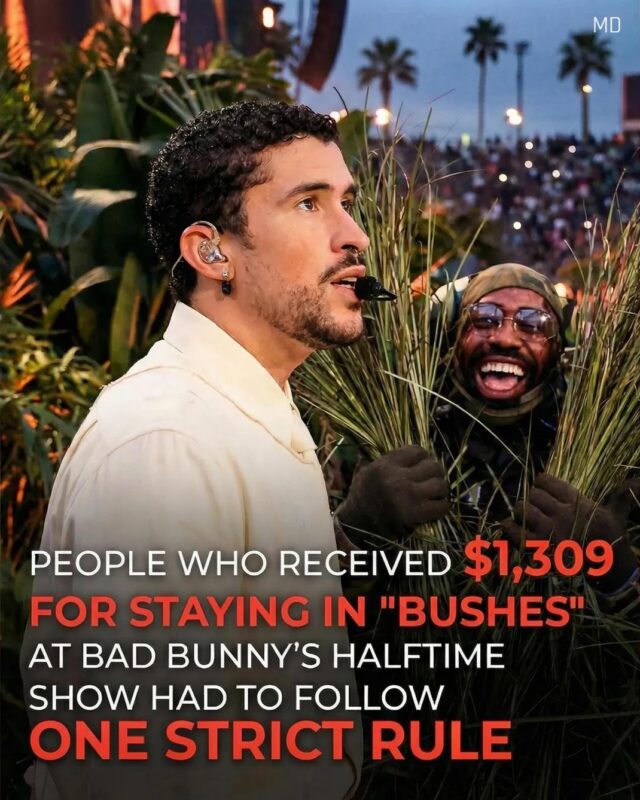
Bad Bunny’s Super Bowl Halftime Show Featured Real Performers Dressed as Grass Figures

At first glance, the Super Bowl halftime show seemed like another unforgettable spectacle, packed with lights, music, and perfectly timed choreography. As the cameras swept across the field during Bad Bunny’s high-energy performance, viewers saw what appeared to be decorative grass and shrubs lining the stage. Everything looked carefully designed to enhance the visual atmosphere — until social media users spotted something unusual.

Soon, viral clips revealed that the “landscaping” wasn’t scenery at all. The grass along the field was actually made up of performers in full costumes, moving into position as part of the show. What seemed like simple set decoration turned out to be hundreds of people working together behind the scenes to create a living, moving backdrop for the performance.

Reports later explained that this creative decision came after stage design changes limited the amount of equipment that could be placed on the field. To protect the playing surface, producers replaced large stage pieces with performers dressed as grass, allowing the show to maintain its visual impact without damaging the turf.

The reveal gave fans a new appreciation for the massive coordination behind the halftime event. From the performers standing still in heavy costumes to last-minute production adjustments, the show proved that even the smallest details often hide incredible teamwork — reminding viewers that live entertainment is as much about creativity behind the scenes as it is about what appears on stage.

A Small Act of Kindness That Turned Dinner Into a Meaningful Lesson

I stopped for dinner at a small sandwich shop after a long workday, hoping for something quick before heading home. In front of me stood three kids counting coins and crumpled bills on the counter, whispering as they tried to make their money stretch. They finally ordered one sandwich to share, but when they realized they couldn’t afford a cookie, disappointment flickered across their faces. Without thinking much, I told the cashier to add the cookie to my order.

The kids’ faces brightened instantly, and they thanked me with shy smiles that made the whole place feel warmer. As I paid, the cashier leaned closer and quietly said, “You didn’t have to do that. They come here every week and always share what little they have.” She explained that the kids often pooled their allowances after school, buying one meal and splitting it so no one would go hungry before getting home.

Hearing that changed the moment for me. What I thought was simple kindness turned into a lesson about generosity already alive in them. They weren’t asking for help; they were simply taking care of each other the best they could.

As they left, laughing and breaking the sandwich into equal pieces, I realized kindness moves quietly from one person to another. Sometimes, all it takes is one small gesture to remind us that compassion often starts with those who have the least but share the most.

Winter Olympics Officials Review Incident After Athlete’s Gold Medal Was Accidentally Damaged

After several athletes reported that their medals were accidentally damaged during celebrations, officials at this year’s Winter Games have begun reviewing the situation. While winning a medal represents the highest achievement for competitors, a few athletes discovered that parts of their awards became loose or detached soon after receiving them, drawing attention online and prompting organizers to look into the matter.

U.S. skier Breezy Johnson, who recently celebrated her first Olympic gold medal, explained that her medal separated from its ribbon while she was celebrating with teammates. She later showed reporters that the issue appeared to involve a small connector piece rather than major damage. Team members joked that the medal simply didn’t survive the excitement of victory, and Johnson remained confident the issue could easily be fixed.

Similar moments were shared by athletes from other teams, including Germany’s Justus Strelow and American figure skater Alysa Liu, who both posted videos showing their medals separating from the ribbons during celebrations. These lighthearted clips quickly spread online, with many athletes treating the situation humorously while still valuing their achievements.

Event organizers confirmed they are reviewing the medal construction and working to ensure future awards meet expectations. Officials emphasized that medals represent years of dedication and sacrifice, and they want every athlete to receive an award that remains a lasting symbol of their achievement. Solutions are being discussed to prevent similar issues as the Games continue.

This Iconic TV Show Buried Its Movie Spin-off for Decades

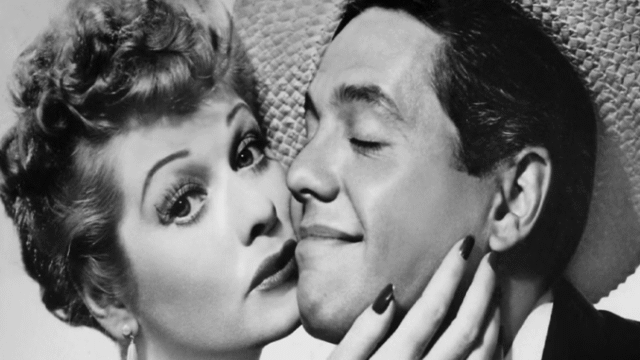
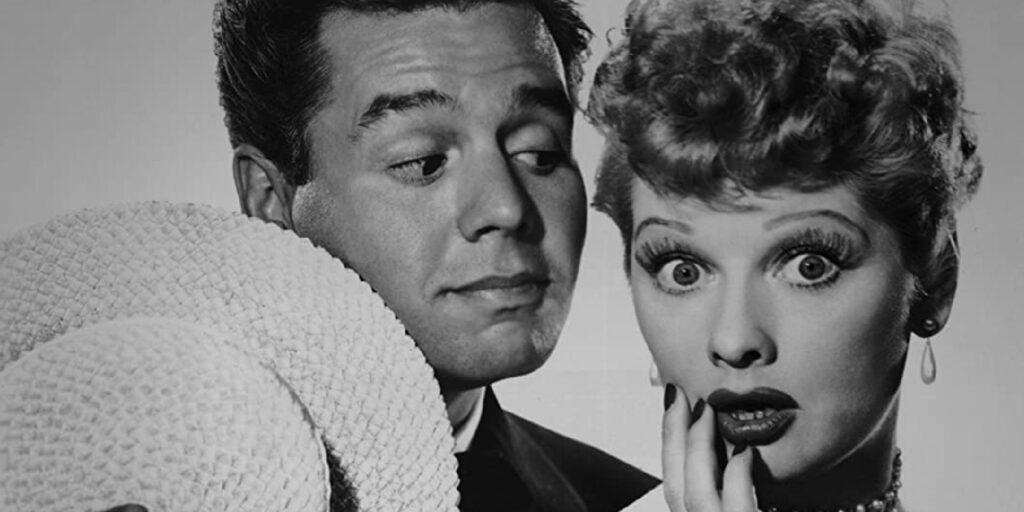
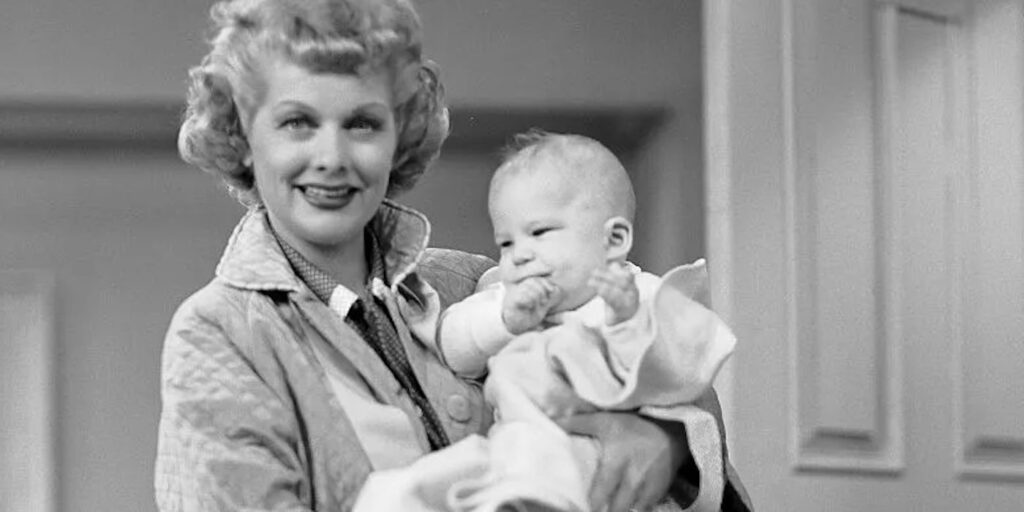
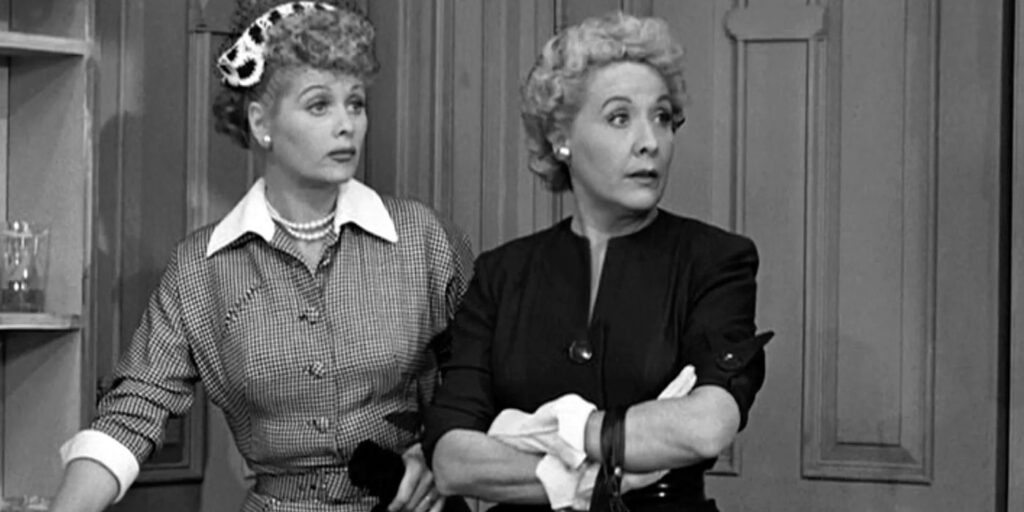
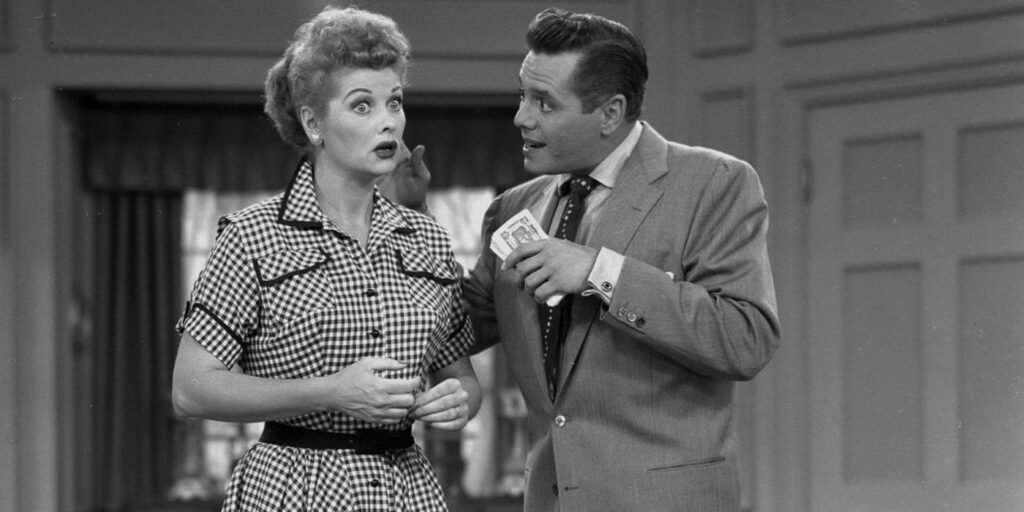
Television is certainly a vast landscape, filled with thousands of iconic shows, especially when it comes to sitcoms. However, the unarguable crème de la crème of the genre is I Love Lucy. even decades after the show’s end. The exploits of Lucy Ricardo (Lucille Ball), her husband Ricky (Desi Arnaz), and their best friends, Ethel and Fred Mertz (Vivian Vance and William Frawley), are the stuff of legend. The show even inspired something of a franchise, with several follow-up specials and similar series after it ended. But its biggest take-off was made for a much larger screen. Following the success of the show’s first season, I Love Lucy: The Movie sought to bring Lucy’s adventures to movie theaters. However, even after it was filmed and tested, the picture was shelved for decades before home media finally brought it back to where the franchise began.

‘I Love Lucy: The Movie’ Has an Odd Story

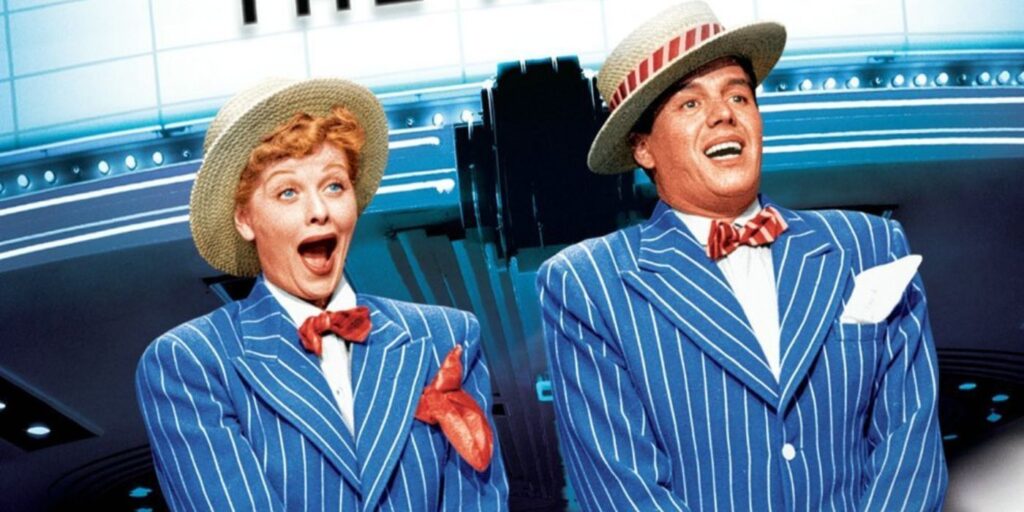
These days, many TV shows have made the transition from the small to the big screen, but back in the day, such a practice was uncharted territory. Yet, I Love Lucy was unafraid of trailblazing. The thought was that, to bring the Ricardo’s to the big screen, it would work best to simply transition three episodes from the recently wrapped first season into a conjoined format. The chosen episodes were “The Benefit,” “Breaking the Lease,” and “The Ballet.”

“The Benefit” sees Ethel and Lucy try to coax Ricky into participating in their clubhouse play, while “Breaking the Lease” follows a battle between the Ricardo’s and the Metz’s. “The Ballet” is one of Lucy’s many attempts to get into show business, as she sets her sights on becoming a ballerina. While all three are iconic episodes in their own right, the three plots are so obviously different that they don’t fit together cohesively. However, the idea faced another unique issue because these episodes were filled in front of different live studio audiences. In an effort to accommodate the varied story elements and changes in the audience’s laughter, the picture goes for a movie within a movie trope.

Breaking the fourth wall, Ann Doran and Benny Barker star as a married couple attending a taping of I Love Lucy. They even filmed a sequence featuring Arnaz welcoming the audience to the tapping and introducing the set-up before the film transitions into the episodes. The segments themselves remain largely intact, except for their opening credits and closing sequences, which were obviously cut. While it’s certainly a lot of fun to see any additional footage of the legendary performers, they play more as bumpers than an actual story. In many ways, it can be a little jarring to see the picture jump between its “reality” and “episode sequences.” Still, the film was set for a full-fledged release until its studio became nervous about its own competition.

‘I Love Lucy: The Movie’ was Shelved

Image via CBS Television Distribution

I Love Lucy: The Movie may not have been a conventional picture, but according to the LA Times, the film was all set for a big release regardless of that fact. A test screening was held and received raves from the audience. Arnaz invited MGM executives to the screening in hopes they would partner with Desilu to release I Love Lucy: The Movie. The mega-studio had just signed both Arnaz and Ball for the film The Long, Long TrailerHowever, despite the positive reviews that the film received, MGM had a few concerns.

Per the LA Times, the studio felt nervous about the prospect of releasing two films starring the iconic couple. The film’s editor, Dann Cahn, worked for Desilu for a decade and said MGM thought that it “was not smart exploitation.” Because of this, Desilu had to shelve I Love Lucy: The Movie. On the bright side, The Long, Long Trailer became a huge hit when it was released in 1953. According to TCM.com, the movie received rave reviews, did fantastic business at the box office, and led to the studio treating Arnaz and Ball like major movie stars of the day. However, due to the unfortunate overlap in timing, it created a mystery that would last decades for I Love Lucy: The Movie.

‘I Love Lucy: The Movie’ Went Missing

After I Love Lucy: The Movie was shelved, it was put into​​​​​​​ the infamous film vaults. However, which vault it ended up in was something of a mystery even to those involved with the film. As stated by the LA Times, Dann Cahn never forgot about the venture. “I was determined to find it,” said the editor. “I looked at every vault in Hollywood.” But it took some time to locate it. Finally, he tracked it down in one of Paramount Pictures’ vaults, which was located in the San Fernando Valley. Interestingly, a mistake had been part of the reason it was so hard to find.

The film had been mislabeled as “Desilu Playhouse Movie” when it was archived, making Cahn’s search all the more challenging. But finding it was only half the battle. The film had been cut in pieces. In a case of déjà vu, Cahn had to reassemble the film, but he performed the task. Though it may have been a passion project for the master editor, his efforts finally brought the film to the public. In 2001, I Love Lucy: The Movie finally had its proper premiere at the Loving Lucy convention in Long Beach, California. An article from ZapIt which covered the event, stated that the premiere also honored Cahn for his efforts to bring the film to Lucy fans after so many years. Since then, I Love Lucy: The Movie has been released along with various I Love Lucy collections and has even gotten its own DVD.

Though it may never have received the theatrical release that was intended originally, I Love Lucy: The Movie is a fascinating, not to mention slightly odd picture. But after being shelved in lieu of another collaboration between Ball and Arnaz, it finally made a grand debut thanks to Dann Cahn. Now, it lives on with the rest of I Love Lucy lore and serves as a reminder of the power the franchise holds so many years after its conclusion.

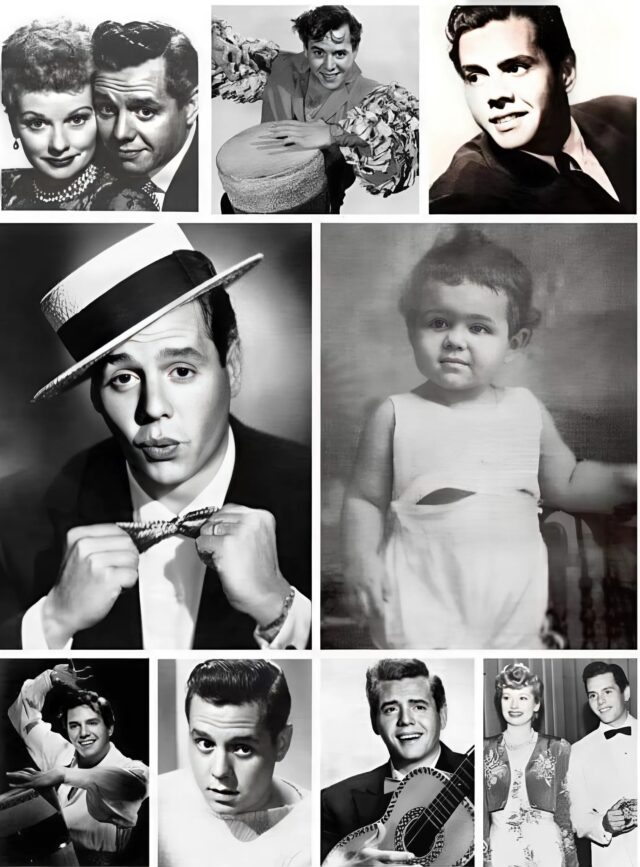
Desi Arnaz: The Misunderstood Genius – The Man Behind I Love Lucy’s Success

For decades, the public perception of Desi Arnaz has often been narrowly defined: the charming, conga-playing Ricky Ricardo on I Love Lucy and, regrettably, the flawed husband whose personal struggles contributed to the end of his marriage with Lucille Ball. However, this narrative overlooks a monumental truth: Desi Arnaz was a groundbreaking visionary, a true pioneer whose innovations in television production fundamentally shaped the medium as we know it today.

This article challenges the long-held misconceptions, revealing Arnaz not just as a talented performer but as a revolutionary producer whose genius was instrumental to I Love Lucy‘s unprecedented success and, by extension, the entire landscape of modern television.

“Without Desi Arnaz, There Would Be No TV As We Know It Today”

It’s a bold statement, but one rooted in fact: without Desi Arnaz, sitcoms, and indeed much of television production, would look drastically different. When I Love Lucy was being conceived, the standard practice for live television was to broadcast directly from New York, often leading to poor picture quality and no record for reruns. Arnaz, with his keen business acumen and foresight, refused to settle for this.

He spearheaded several innovations that were revolutionary at the time:

  • Multi-Camera Filming: Arnaz insisted on filming I Love Lucy with multiple cameras in front of a live studio audience. This technique, now standard for sitcoms, allowed for seamless transitions between shots and captured the actors’ performances from various angles, creating a dynamic viewing experience.
  • Live Audience Sound and Laughter: Unlike other shows that used canned laughter, Arnaz fought to have the live audience’s reactions directly recorded. This ensured the laughter was genuine and organically integrated into the show, making it feel more authentic and engaging for viewers at home.
  • Syndication and Reruns: Perhaps his most impactful contribution was his insistence on filming on 35mm film rather than Kinescope. This was a costly decision, as film was significantly more expensive. However, Arnaz understood that film stock preserved the show’s quality, making it suitable for future broadcasts. This ingenious foresight essentially invented the concept of reruns and syndication, laying the financial groundwork for how TV shows would be monetized for decades to come. This move alone created immense wealth for Desilu Productions and established a blueprint for the entire industry.
  • Executive Control: Arnaz wasn’t just a figurehead; he was deeply involved in the business operations of Desilu Productions. He was a shrewd negotiator and a hands-on executive who understood the technical and financial aspects of television production like few others at the time.

These weren’t minor tweaks; they were monumental shifts that transformed television from a fleeting live medium into a durable, profitable, and globally distributed entertainment juggernaut.

“The Man Who Changed Television – But Was Forgotten by History Itself”

Despite these monumental contributions, Desi Arnaz’s legacy has often been overshadowed or reduced to personal narratives. The younger generation of viewers, in particular, might be completely unaware of the technical and business innovations he spearheaded that are now simply taken for granted in modern sitcoms.

“From Ricky Ricardo to the Quiet Television Revolutionary”

While he played the charismatic bandleader Ricky Ricardo with flair and undeniable charm, it was Desi Arnaz, the quiet television revolutionary, who left the more enduring mark. He saw beyond the immediate broadcast, envisioning a future where television content could be preserved, distributed, and generate long-term revenue.

His story is a powerful reminder that history often oversimplifies complex figures. Desi Arnaz was a multi-faceted individual – a talented musician, a charismatic performer, a loving (albeit flawed) husband, and most significantly, a groundbreaking producer whose innovations continue to influence every sitcom we watch today. It’s time his full, remarkable story was told and appreciated.

What other historical figures do you think are misunderstood or had their contributions overlooked?

My Aunt Fought for Custody of My Brother, But I Knew Her True Motives!

The transition from childhood to adulthood is rarely a slow, graceful climb; for me, it was a violent shove off a cliff. On the day I turned eighteen, I didn’t celebrate with a party or a newfound sense of freedom. Instead, I stood in a cemetery, dressed in black, burying both of my parents. The weight of the world had settled onto my shoulders in a single afternoon, but the heaviest burden wasn’t the grief or the sudden responsibility of a household—it was the terrified six-year-old boy clutching my hand. My brother, Max, was too young to understand the finality of the dirt hitting the caskets. He still thought our mother was away on a long trip, and he kept looking toward the cemetery gates as if expecting her car to pull through at any moment.

As we stood over the fresh graves, I knelt down and looked Max in the eyes. I whispered a promise that would become my entire purpose: I would never let anyone take him. I didn’t care that I was still legally a teenager or that I had no idea how to navigate the world alone. I was his brother, and now, I was his world. But as it turned out, the shadows of the funeral weren’t the only things creeping toward us. My parents were barely gone before the vultures began to circle, and the most dangerous among them wore the face of family.

A week after the funeral, my Aunt Diane and Uncle Gary invited us to their home. Their kitchen was a masterpiece of suburban perfection, all white marble and polished chrome, smelling of expensive candles. Diane handed me a mug of cocoa with a smile so practiced it felt like a mask. She spoke in hushed, melodic tones, the kind people use when they want you to think they’re fragile, but beneath her words was a steel trap. She told me I was “just a kid,” that I had no job, no degree, and no way to provide the “routine and guidance” Max deserved. Gary chimed in like a rehearsed echo, talking about the importance of a “real home.”

The hypocrisy was stifling. These were the people who had skipped Max’s birthday parties for three years and prioritized cruises over family holidays. They didn’t want Max because they loved him; they wanted him for a reason I couldn’t quite name yet, but my gut was screaming at me that their concern was a strategic opening move in a very different game. When they filed for custody the next morning, I realized I was no longer just a brother. I was a combatant in a war for Max’s future.

I didn’t waste a second. I walked into my college registrar’s office and withdrew from my freshman year. Education was a luxury that required time I didn’t have. I needed to build a fortress around my brother, and that required money and stability. I picked up two jobs: delivering groceries by day and cleaning law offices by night. We moved out of the spacious family home we couldn’t afford and into a tiny, shoebox studio apartment. It was cramped, smelling of industrial floor cleaner and the cheap pizza we ate for dinner, but Max never complained. He called it “warm and tiny,” and his resilience was the only thing that kept me from collapsing under the pressure.

The battle turned ugly when the social worker arrived for a home visit. Diane had launched a smear campaign, planting seeds of doubt that I was leaving Max alone, screaming at him, and even physically abusing him. The accusations were so vile they made my vision blur. Doubt is a poison in a courtroom, and Diane was a master chemist. However, she had overlooked one thing: the power of a quiet witness. Our neighbor, Ms. Harper, a retired teacher with a spine of iron and a heart of gold, stood up for us. She told the judge that I was raising Max with more devotion than most parents show in a lifetime. Her testimony bought us a lifeline—supervised visitation for Diane instead of an immediate change in custody.

Every Wednesday, the dread would return as I dropped Max off at Diane’s house. One evening, I arrived early and heard Max crying. He told me Diane had tried to force him to call her “Mommy,” threatening to withhold his dessert if he didn’t. That was the spark that changed my defense into an offense. I began to pay closer attention, and eventually, I found myself standing outside Diane’s kitchen window one evening, listening to a speakerphone conversation.

The truth was uglier than I had imagined. Diane and Gary weren’t looking for a son; they were looking for a paycheck. They were discussing a $200,000 trust fund our parents had set up for Max’s future. Diane spoke of a new car and a vacation to Hawaii, while Gary casually mentioned sending Max to a boarding school once they secured the money because he was a “handful.” My blood ran cold, but my hands stayed steady as I hit record on my phone.

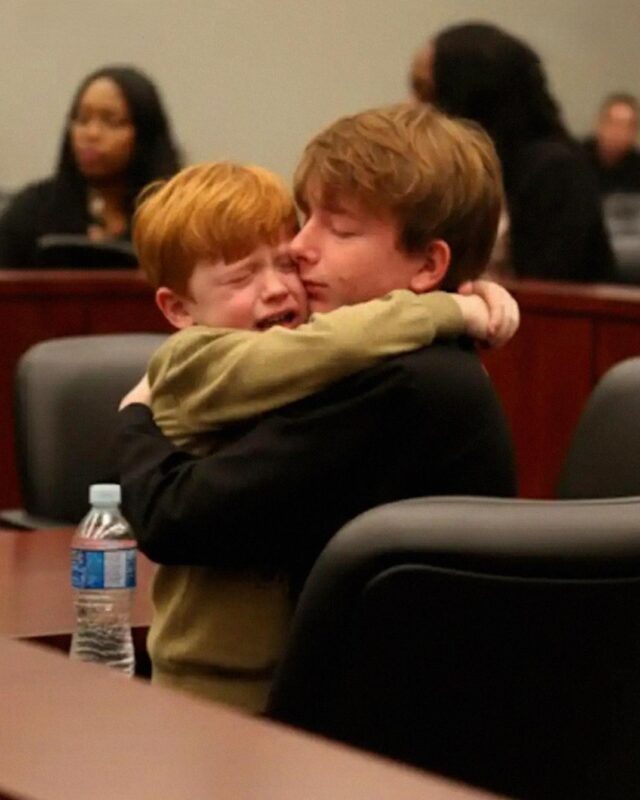
At the final custody hearing, Diane was the picture of maternal concern, even bringing a tin of homemade cookies for the bailiff. She looked like a saint, but the audio recording we played for the judge revealed the sinner underneath. The courtroom fell silent as her own voice echoed through the speakers, plotting to use a grieving child as a pawn for financial gain. I watched the judge’s face turn from polite neutrality to cold disgust. The cookies remained untouched on the table, a silent testament to Diane’s failed deception.

The judge’s ruling was swift and severe. Diane and Gary were reported for attempted fraud and stripped of any claim to Max. I was granted full legal guardianship, along with a recommendation for housing support in light of my “exceptional effort.” As we walked out of that courthouse, the Arizona sun felt warmer than it had in months. Max held my hand with a grip that said he finally felt safe.

It has been two years since that day. Life isn’t easy, but it’s ours. I work full-time while pursuing my degree online, and Max is a thriving second-grader who thinks I’m a superhero. We still live in a small space, and we still have to count every penny, but we are free from the vultures. I learned that family isn’t about blood or big houses; it’s about the person who stays when everyone else leaves. I stood at my parents’ graves and promised Max I would never let anyone take him. I kept that promise, and in the process, I found out that the strength to fight for someone you love is the only thing that truly makes you an adult. We are safe, we are together, and most importantly, we are home. Would you like me to help you draft a similar story about a different family dynamic or perhaps explore a specific theme like resilience?

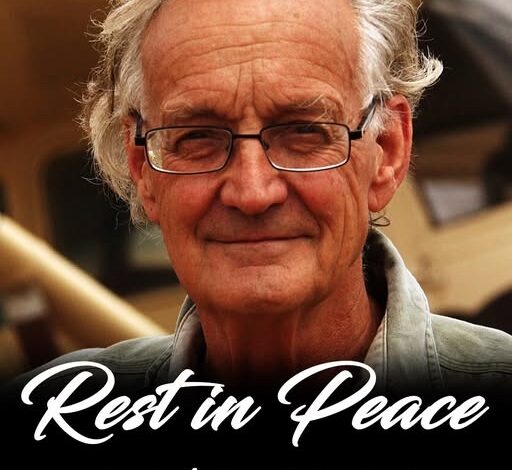
The world mourns a true wildlife legend!

The collective heart of the conservation community has been plunged into mourning following the loss of a titan. While the global public often reserves its loudest lamentations for the passing of cinema icons or musical virtuosos, there are figures whose contributions to the fabric of our planet are so profound that their departure marks the end of an era. Iain Douglas-Hamilton was such a figure. A pioneering zoologist, a fearless advocate, and the man who taught the world to see elephants not as monolithic beasts of the savannah, but as sentient individuals with deep emotional reservoirs, Douglas-Hamilton has passed away at the age of 83. He breathed his last at his home in Nairobi, leaving behind a legacy that is etched into the very survival of the species he loved.

Iain Douglas-Hamilton did more than study elephants; he revolutionized our fundamental understanding of their existence. Before his arrival on the scene, wildlife research was often detached and statistical. He was the first to bridge the gap between human observation and animal consciousness, revealing that elephants are capable of complex thought, deliberate choice, and a capacity for grief that rivals our own. Through his eyes, the world learned that an elephant’s life is a tapestry of relationships, memory, and profound social bonds.

The scale of his impact can be measured by the voices that rose in tribute upon the news of his passing. Prince William, who shared a personal connection with the conservationist, described him as a man who dedicated his entire being to the protection of these majestic creatures. The Prince noted that Douglas-Hamilton’s life’s work would have a lasting impact on how future generations appreciate and understand elephants, cherishing the memories of their time together in the African bush. Charles Mayhew, the founder of Tusk, echoed these sentiments, labeling him a true legend whose extraordinary legacy would serve as a lighthouse for conservationists for decades to come.

Born in 1942 into an aristocratic family in Dorset, England, Iain’s path toward the heart of Africa was paved by a rigorous education in biology and zoology at Oxford. However, the true classroom was the Lake Manyara National Park in Tanzania. Arriving there at the age of 23, he embarked on groundbreaking research that would set the standard for modern conservation. He spent years painstakingly documenting individual elephants, identifying them through the unique notches in their ears, the patterns of their wrinkles, and the nuances of their personalities. He was a pioneer of the “individual approach,” famously stating that before his work, no one had lived with African wildlife and looked at them as unique beings with their own stories to tell.

Yet, as he documented their lives, he became an involuntary witness to their slaughter. Douglas-Hamilton was one of the first to sound the alarm on the continent-wide poaching epidemic that threatened to wipe elephants from the face of the Earth. His life in the field was as dangerous as it was dedicated; he survived charges by angry bulls, near-fatal encounters with swarms of bees, and the terrifying reality of being shot at by poachers who viewed his presence as an obstacle to their blood-stained profits. His aerial surveys provided the first empirical evidence of the scale of the ivory crisis, revealing numbers so staggering that they forced the international community to act. His data was instrumental in securing the 1989 global ban on the international ivory trade, a move that halted what he chillingly described as an “elephant holocaust.”

Jane Goodall, a fellow traveler in the realm of deep animal empathy, once remarked that Iain showed the world that elephants are capable of feeling just as humans do. This philosophy was the driving force behind the 1993 founding of Save the Elephants. Under his guidance, the organization became a global powerhouse for conservation science. He was a visionary who pioneered the use of GPS tracking long before it was a standard tool, using technology to map the complex decision-making processes and epic migrations of elephant herds. He proved that these animals were not wandering aimlessly, but were navigating their world with a sophisticated understanding of geography and resources.

His influence extended far beyond the savannah and into the halls of global power. He was a diplomat for the natural world, collaborating with leaders such as Barack Obama and Xi Jinping. His tireless advocacy helped pave the way for the historic 2015 agreements between the United States and China to dramatically restrict the domestic ivory trade, striking a massive blow to the economic engines of poaching. Over a career spanning six decades, his chest was adorned with numerous honors, including the Indianapolis Prize and high-ranking appointments in the Order of the British Empire.

However, for Iain, the accolades were secondary to the mission. His ultimate goal was not just the survival of elephants in isolated pockets of wilderness, but a grander vision of coexistence. He believed that the future of conservation lay in developing a human ethic that respected the space and needs of the natural world. He dreamt of a planet where human beings had finally come into balance with their environment, halting the mindless destruction of nature for short-term gain.

His son-in-law and the CEO of Save the Elephants, Frank Pope, noted that Iain’s courage, determination, and intellectual rigor inspired everyone he met. He didn’t just change the future for elephants; he changed the hearts of people across the globe, teaching them that a world without these “architects of the earth” would be a world significantly diminished. His work ensured that the trumpeting call of an elephant would continue to echo across the plains for generations to come.

Iain Douglas-Hamilton is survived by his wife, Oria, a partner in his life and mission, his daughters Saba and Dudu, and six grandchildren. While his family feels the personal sting of his absence, they are comforted by the knowledge that his greatest legacy is still moving across the African continent today. Thousands of elephants are alive right now because of the ban he helped secure, the poachers he helped stop, and the corridors of land he helped protect.

The world is undoubtedly quieter today without his voice, but his influence is immortal. Every time a herd of elephants migrates safely through a protected landscape, or a young calf is born into a world where its ivory is no longer a death sentence, Iain Douglas-Hamilton is there. He brought us closer to a state of balance with the wild, and he taught us that to save the elephants is, in many ways, to save our own humanity. The legend of the savannah has fallen, but the path he cleared remains wide and clear for all who choose to follow.

Popular

Elsa Patton’s face was ‘ruined’ by plastic surgeon: Pictures of the...

0
Elsa Patton became a beloved personality on The Real Housewives of Miami. The television star appeared on the show between 2011 and 2013, and because...