Lindsey Vonn has shared an emotional update after a crash during the women’s downhill race at the Winter Olympics on February 8 left her with a fractured leg. The 41-year-old skiing icon lost control shortly after starting her run in Cortina, clipping a gate before falling at high speed. Medical teams quickly reached her, and she was airlifted to a hospital in Treviso, where doctors performed surgery to stabilize the injury. Officials later confirmed she is in stable condition as she begins recovery.
In a message to fans, Vonn explained that the crash resulted from taking a slightly tight line around a gate, not from previous injuries. Despite the disappointment, she said she has no regrets about returning to Olympic competition and chasing another medal. For her, simply standing at the starting gate again after years of setbacks was already a meaningful achievement.
Doctors have confirmed that the fracture will require additional treatment and rehabilitation in the coming months. Teammates and competitors expressed their support, highlighting both the risks of ski racing and Vonn’s long-standing determination and courage throughout her career.
Ending her message on a hopeful note, Vonn encouraged others to continue pursuing their dreams even when success is uncertain. She reminded fans that trying, learning, and taking chances are what make both sports and life meaningful, and she thanked supporters worldwide for their encouragement as she begins the recovery journey.
On his way home after a long, exhausting day, Daniel stopped when he noticed the sky glowing in unusual shades of gold and violet. A massive cloud stretched across the sunset, shaped like something familiar yet mysterious. Some people nearby said it looked like a giant fish swimming through the sky, while others saw a soaring bird. Daniel smiled, realizing how differently people could view the very same moment.
Lately, his life felt uncertain. Work pressures, family responsibilities, and endless decisions weighed on him. Yet as he stared at the cloud, he remembered something his grandmother once said: what we see often reflects what we carry inside. Perhaps those who saw a fish longed for calm waters, while those who saw a bird dreamed of freedom and change.
Daniel thought about his own life and what he needed most. The cloud reminded him that perspective shapes reality. Two people can stand side by side, facing the same view, yet take away entirely different meanings. Neither is wrong; each vision simply mirrors personal hopes, fears, or desires.
As the cloud slowly dissolved into evening darkness, Daniel felt lighter. Life, he realized, is much like that sky—constantly shifting. Sometimes clarity arrives not through answers, but through quiet moments that remind us to pause, look up, and rediscover what truly matters within ourselves.
Many people wonder how often they should wash their hair, especially when they notice changes in texture, dryness, or scalp sensitivity over time. Hair specialists explain that washing three to five times a week works well for most people, though individual needs can vary. The real focus should be on maintaining a clean, healthy scalp, since oil, sweat, and styling products naturally build up and can affect comfort and appearance if not removed regularly.
Consistent washing helps reduce excess oil, control odor, and prevent irritation caused by dirt or product residue. Experts also clarify that frequent washing does not automatically make the scalp produce more oil, despite common belief. Waiting too long between washes may lead to itchiness or a heavy, greasy feel, especially for people who live in warm climates or exercise often. Finding the right balance keeps hair fresh without stripping away natural moisture.
Choosing suitable products is equally important. As hair matures, it may become drier or finer, so gentle or moisturizing shampoos are often recommended. Conditioner works best when applied mainly to the lengths and ends, helping prevent dryness without weighing down the roots. Occasional deep-conditioning treatments can also restore softness and shine.
Simple habits can support healthier hair care. Using warm water, massaging the scalp gently, and rinsing thoroughly all help maintain scalp balance. In the end, the best routine is one that fits your lifestyle and keeps both hair and scalp feeling clean, comfortable, and healthy.
Jennifer Grey captured audiences’ hearts in 1987 with her portrayal of Frances “Baby” Houseman in Dirty Dancing. Her natural performance and on-screen chemistry with Patrick Swayze helped turn the film into a beloved classic. The movie’s success brought her international recognition and critical praise, including a Golden Globe nomination, placing her among Hollywood’s rising stars at the time.
However, just before the film’s release, Grey’s life took an unexpected turn. While traveling abroad, she was involved in a serious car accident that deeply affected her emotionally. Although she was not at fault, the tragedy cast a shadow over what should have been a joyful period in her career. Celebrations surrounding the film felt difficult while she was coping with personal shock and grief.
In the years that followed, Grey continued acting in films and television, though she chose projects more carefully and stepped away from the intense spotlight. The experience prompted her to reassess both her career path and personal priorities. Rather than chasing constant fame, she focused on healing and rediscovering confidence in her work and personal life.
Over time, Grey openly reflected on those experiences, sharing how resilience and self-acceptance helped her move forward. Through interviews and later projects, she expressed gratitude for her journey and emphasized the importance of growth after difficult moments. Her story shows that success is not only measured by fame, but also by the strength to rebuild and find renewed purpose.
In a welcome surprise for many longtime diners, a familiar American restaurant chain is making its way back into public conversation. Known for creating comfortable spaces where families and friends gathered for casual meals and celebrations, the brand is now reconnecting with customers by blending classic favorites with updated touches designed to attract a new generation of guests.
At its height, the restaurant operated hundreds of locations nationwide and became part of many families’ routines, hosting birthday dinners, after-game treats, and weekend outings. Over time, shifting dining trends and increased competition made it difficult to maintain that success. Financial challenges led to store closures in several regions, leaving many customers with fond memories and hopes that the experience might one day return.
Today, the company is focusing on a thoughtful revival. The renewed approach keeps beloved menu staples while improving ingredient quality and adding lighter, modern options suited to current tastes. Restaurant interiors are also being refreshed, combining familiar comfort with contemporary design elements to create inviting spaces for both loyal patrons and newcomers.
The returning name behind this revival is Friendly’s, a brand that still holds a special place for many diners. With an updated menu, refreshed branding, and renewed attention to customer experience, Friendly’s aims to build a new chapter grounded in nostalgia while embracing modern dining preferences, inviting families and friends to once again enjoy simple moments together around the table.
At first glance, the Super Bowl halftime show seemed like another unforgettable spectacle, packed with lights, music, and perfectly timed choreography. As the cameras swept across the field during Bad Bunny’s high-energy performance, viewers saw what appeared to be decorative grass and shrubs lining the stage. Everything looked carefully designed to enhance the visual atmosphere — until social media users spotted something unusual.
Soon, viral clips revealed that the “landscaping” wasn’t scenery at all. The grass along the field was actually made up of performers in full costumes, moving into position as part of the show. What seemed like simple set decoration turned out to be hundreds of people working together behind the scenes to create a living, moving backdrop for the performance.
Reports later explained that this creative decision came after stage design changes limited the amount of equipment that could be placed on the field. To protect the playing surface, producers replaced large stage pieces with performers dressed as grass, allowing the show to maintain its visual impact without damaging the turf.
The reveal gave fans a new appreciation for the massive coordination behind the halftime event. From the performers standing still in heavy costumes to last-minute production adjustments, the show proved that even the smallest details often hide incredible teamwork — reminding viewers that live entertainment is as much about creativity behind the scenes as it is about what appears on stage.
I stopped for dinner at a small sandwich shop after a long workday, hoping for something quick before heading home. In front of me stood three kids counting coins and crumpled bills on the counter, whispering as they tried to make their money stretch. They finally ordered one sandwich to share, but when they realized they couldn’t afford a cookie, disappointment flickered across their faces. Without thinking much, I told the cashier to add the cookie to my order.
The kids’ faces brightened instantly, and they thanked me with shy smiles that made the whole place feel warmer. As I paid, the cashier leaned closer and quietly said, “You didn’t have to do that. They come here every week and always share what little they have.” She explained that the kids often pooled their allowances after school, buying one meal and splitting it so no one would go hungry before getting home.
Hearing that changed the moment for me. What I thought was simple kindness turned into a lesson about generosity already alive in them. They weren’t asking for help; they were simply taking care of each other the best they could.
As they left, laughing and breaking the sandwich into equal pieces, I realized kindness moves quietly from one person to another. Sometimes, all it takes is one small gesture to remind us that compassion often starts with those who have the least but share the most.
After several athletes reported that their medals were accidentally damaged during celebrations, officials at this year’s Winter Games have begun reviewing the situation. While winning a medal represents the highest achievement for competitors, a few athletes discovered that parts of their awards became loose or detached soon after receiving them, drawing attention online and prompting organizers to look into the matter.
U.S. skier Breezy Johnson, who recently celebrated her first Olympic gold medal, explained that her medal separated from its ribbon while she was celebrating with teammates. She later showed reporters that the issue appeared to involve a small connector piece rather than major damage. Team members joked that the medal simply didn’t survive the excitement of victory, and Johnson remained confident the issue could easily be fixed.
Similar moments were shared by athletes from other teams, including Germany’s Justus Strelow and American figure skater Alysa Liu, who both posted videos showing their medals separating from the ribbons during celebrations. These lighthearted clips quickly spread online, with many athletes treating the situation humorously while still valuing their achievements.
Event organizers confirmed they are reviewing the medal construction and working to ensure future awards meet expectations. Officials emphasized that medals represent years of dedication and sacrifice, and they want every athlete to receive an award that remains a lasting symbol of their achievement. Solutions are being discussed to prevent similar issues as the Games continue.
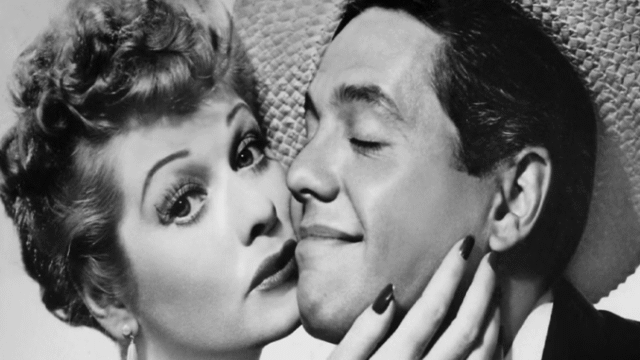
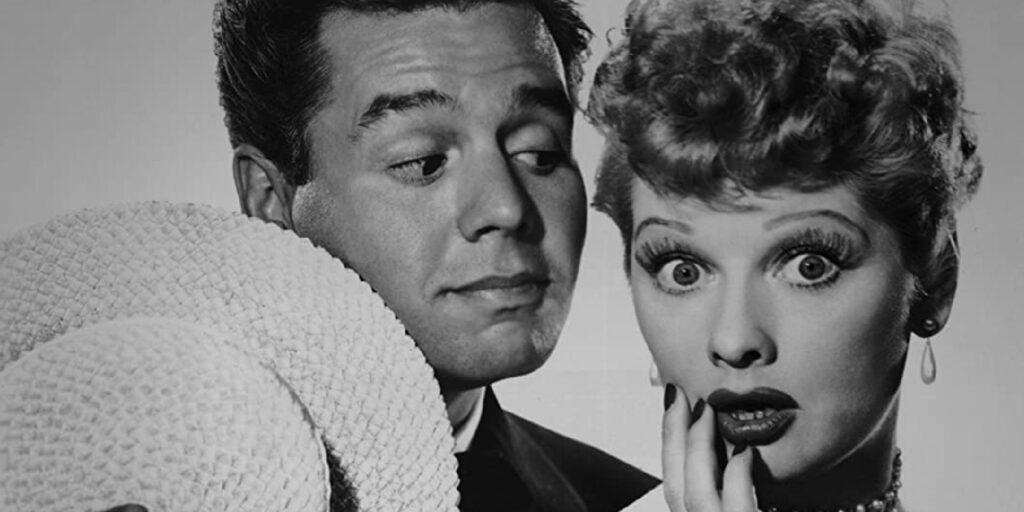
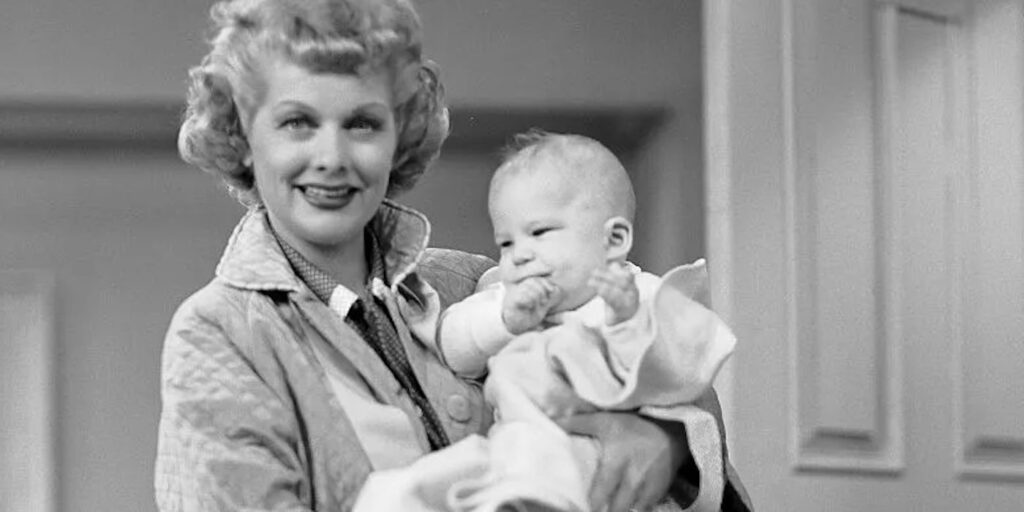
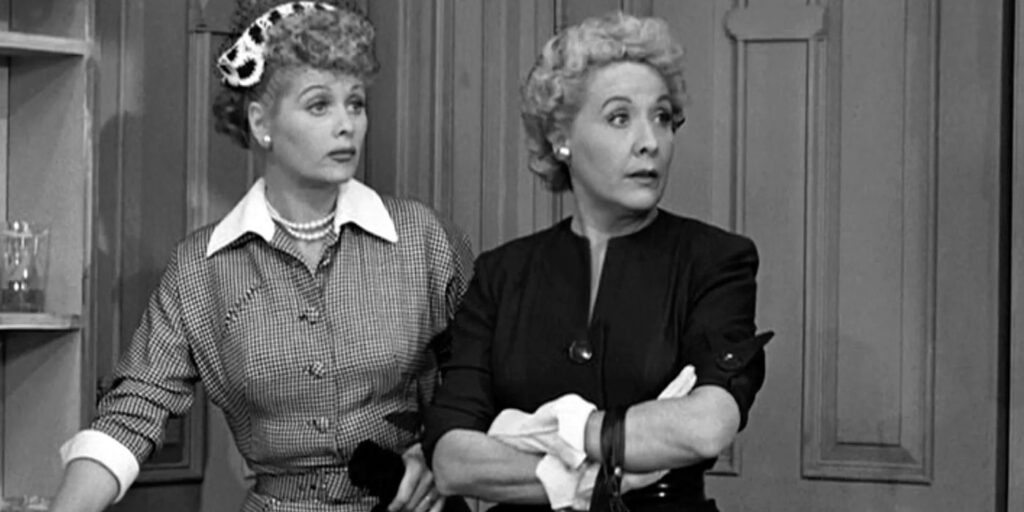
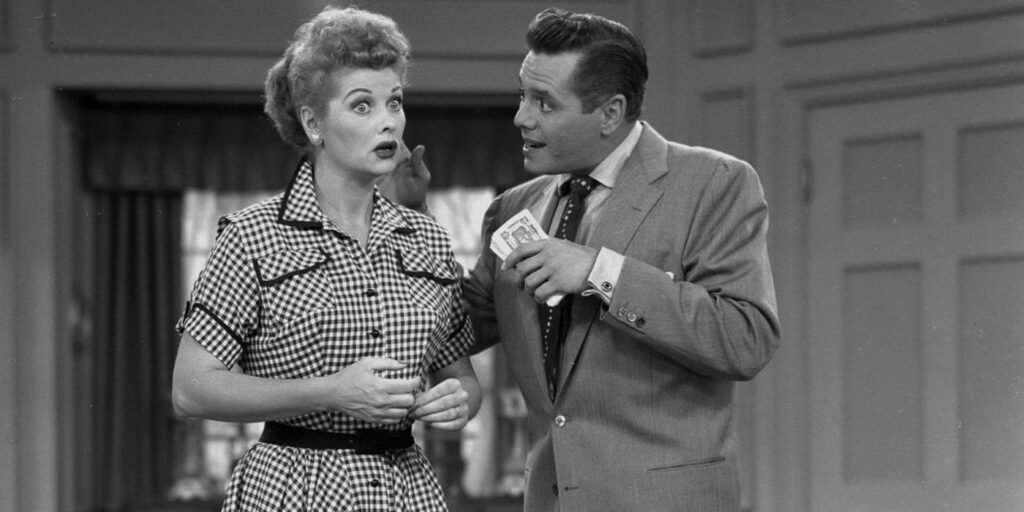
Television is certainly a vast landscape, filled with thousands of iconic shows, especially when it comes to sitcoms. However, the unarguable crème de la crème of the genre is I Love Lucy. even decades after the show’s end. The exploits of Lucy Ricardo (Lucille Ball), her husband Ricky (Desi Arnaz), and their best friends, Ethel and Fred Mertz (Vivian Vance and William Frawley), are the stuff of legend. The show even inspired something of a franchise, with several follow-up specials and similar series after it ended. But its biggest take-off was made for a much larger screen. Following the success of the show’s first season, I Love Lucy: The Moviesought to bring Lucy’s adventures to movie theaters. However, even after it was filmed and tested, the picture was shelved for decades before home media finally brought it back to where the franchise began.
‘I Love Lucy: The Movie’ Has an Odd Story
These days, many TV shows have made the transition from the small to the big screen, but back in the day, such a practice was uncharted territory. Yet, I Love Lucy was unafraid of trailblazing. The thought was that, to bring the Ricardo’s to the big screen, it would work best to simply transition three episodes from the recently wrapped first season into a conjoined format. The chosen episodes were “The Benefit,” “Breaking the Lease,” and “The Ballet.”
“The Benefit” sees Ethel and Lucy try to coax Ricky into participating in their clubhouse play, while “Breaking the Lease” follows a battle between the Ricardo’s and the Metz’s. “The Ballet” is one of Lucy’s many attempts to get into show business, as she sets her sights on becoming a ballerina. While all three are iconic episodes in their own right, the three plots are so obviously different that they don’t fit together cohesively. However, the idea faced another unique issue because these episodes were filled in front of different live studio audiences. In an effort to accommodate the varied story elements and changes in the audience’s laughter, the picture goes for a movie within a movie trope.
Breaking the fourth wall, Ann Doran and Benny Barker star as a married couple attending a taping of I Love Lucy. They even filmed a sequence featuring Arnaz welcoming the audience to the tapping and introducing the set-up before the film transitions into the episodes. The segments themselves remain largely intact, except for their opening credits and closing sequences, which were obviously cut. While it’s certainly a lot of fun to see any additional footage of the legendary performers, they play more as bumpers than an actual story. In many ways, it can be a little jarring to see the picture jump between its “reality” and “episode sequences.” Still, the film was set for a full-fledged release until its studio became nervous about its own competition.
‘I Love Lucy: The Movie’ was Shelved
Image via CBS Television DistributionImage via CBS Television DistributionImage via CBS Television DistributionImage via CBS Television Distribution
I Love Lucy: The Movie may not have been a conventional picture, but according to the LA Times, the film was all set for a big release regardless of that fact. A test screening was held and received raves from the audience. Arnaz invited MGM executives to the screening in hopes they would partner with Desilu to release I Love Lucy: The Movie. The mega-studio had just signed both Arnaz and Ball for the film The Long, Long Trailer. However, despite the positive reviews that the film received, MGM had a few concerns.
Per the LA Times, the studio felt nervous about the prospect of releasing two films starring the iconic couple. The film’s editor, Dann Cahn, worked for Desilu for a decade and said MGM thought that it “was not smart exploitation.” Because of this, Desilu had to shelve I Love Lucy: The Movie. On the bright side, The Long, Long Trailer became a huge hit when it was released in 1953. According to TCM.com, the movie received rave reviews, did fantastic business at the box office, and led to the studio treating Arnaz and Ball like major movie stars of the day. However, due to the unfortunate overlap in timing, it created a mystery that would last decades for I Love Lucy: The Movie.
‘I Love Lucy: The Movie’ Went Missing
After I Love Lucy: The Movie was shelved, it was put into the infamous film vaults. However, which vault it ended up in was something of a mystery even to those involved with the film. As stated by the LA Times, Dann Cahn never forgot about the venture. “I was determined to find it,” said the editor. “I looked at every vault in Hollywood.” But it took some time to locate it. Finally, he tracked it down in one of Paramount Pictures’ vaults, which was located in the San Fernando Valley. Interestingly, a mistake had been part of the reason it was so hard to find.
The film had been mislabeled as “Desilu Playhouse Movie” when it was archived, making Cahn’s search all the more challenging. But finding it was only half the battle. The film had been cut in pieces. In a case of déjà vu, Cahn had to reassemble the film, but he performed the task. Though it may have been a passion project for the master editor, his efforts finally brought the film to the public. In 2001, I Love Lucy: The Movie finally had its proper premiere at the Loving Lucy convention in Long Beach, California. An article from ZapIt which covered the event, stated that the premiere also honored Cahn for his efforts to bring the film to Lucy fans after so many years. Since then, I Love Lucy: The Movie has been released along with various I Love Lucy collections and has even gotten its own DVD.
Though it may never have received the theatrical release that was intended originally, I Love Lucy: The Movie is a fascinating, not to mention slightly odd picture. But after being shelved in lieu of another collaboration between Ball and Arnaz, it finally made a grand debut thanks to Dann Cahn. Now, it lives on with the rest of I Love Lucy lore and serves as a reminder of the power the franchise holds so many years after its conclusion.
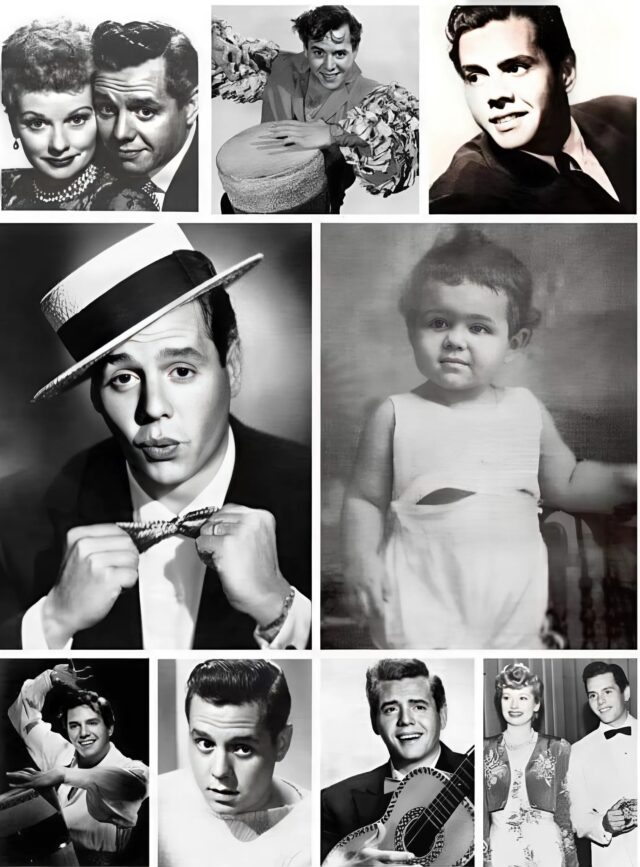
For decades, the public perception of Desi Arnaz has often been narrowly defined: the charming, conga-playing Ricky Ricardo on I Love Lucy and, regrettably, the flawed husband whose personal struggles contributed to the end of his marriage with Lucille Ball. However, this narrative overlooks a monumental truth: Desi Arnaz was a groundbreaking visionary, a true pioneer whose innovations in television production fundamentally shaped the medium as we know it today.
This article challenges the long-held misconceptions, revealing Arnaz not just as a talented performer but as a revolutionary producer whose genius was instrumental to I Love Lucy‘s unprecedented success and, by extension, the entire landscape of modern television.
“Without Desi Arnaz, There Would Be No TV As We Know It Today”
It’s a bold statement, but one rooted in fact: without Desi Arnaz, sitcoms, and indeed much of television production, would look drastically different. When I Love Lucy was being conceived, the standard practice for live television was to broadcast directly from New York, often leading to poor picture quality and no record for reruns. Arnaz, with his keen business acumen and foresight, refused to settle for this.
He spearheaded several innovations that were revolutionary at the time:
Multi-Camera Filming: Arnaz insisted on filming I Love Lucy with multiple cameras in front of a live studio audience. This technique, now standard for sitcoms, allowed for seamless transitions between shots and captured the actors’ performances from various angles, creating a dynamic viewing experience.
Live Audience Sound and Laughter: Unlike other shows that used canned laughter, Arnaz fought to have the live audience’s reactions directly recorded. This ensured the laughter was genuine and organically integrated into the show, making it feel more authentic and engaging for viewers at home.
Syndication and Reruns: Perhaps his most impactful contribution was his insistence on filming on 35mm film rather than Kinescope. This was a costly decision, as film was significantly more expensive. However, Arnaz understood that film stock preserved the show’s quality, making it suitable for future broadcasts. This ingenious foresight essentially invented the concept of reruns and syndication, laying the financial groundwork for how TV shows would be monetized for decades to come. This move alone created immense wealth for Desilu Productions and established a blueprint for the entire industry.
Executive Control: Arnaz wasn’t just a figurehead; he was deeply involved in the business operations of Desilu Productions. He was a shrewd negotiator and a hands-on executive who understood the technical and financial aspects of television production like few others at the time.
These weren’t minor tweaks; they were monumental shifts that transformed television from a fleeting live medium into a durable, profitable, and globally distributed entertainment juggernaut.
“The Man Who Changed Television – But Was Forgotten by History Itself”
Despite these monumental contributions, Desi Arnaz’s legacy has often been overshadowed or reduced to personal narratives. The younger generation of viewers, in particular, might be completely unaware of the technical and business innovations he spearheaded that are now simply taken for granted in modern sitcoms.
“From Ricky Ricardo to the Quiet Television Revolutionary”
While he played the charismatic bandleader Ricky Ricardo with flair and undeniable charm, it was Desi Arnaz, the quiet television revolutionary, who left the more enduring mark. He saw beyond the immediate broadcast, envisioning a future where television content could be preserved, distributed, and generate long-term revenue.
His story is a powerful reminder that history often oversimplifies complex figures. Desi Arnaz was a multi-faceted individual – a talented musician, a charismatic performer, a loving (albeit flawed) husband, and most significantly, a groundbreaking producer whose innovations continue to influence every sitcom we watch today. It’s time his full, remarkable story was told and appreciated.
What other historical figures do you think are misunderstood or had their contributions overlooked?
The disappearance of Nancy Guthrie has transitioned from a private family tragedy into a sprawling narrative that has gripped the collective public consciousness. This...