Entertainment

Lucille Ball & Desi Arnaz’s Daughter Says Aaron Sorkin Film About Her Parents Was ‘So Wrong’

She wants full control next time.

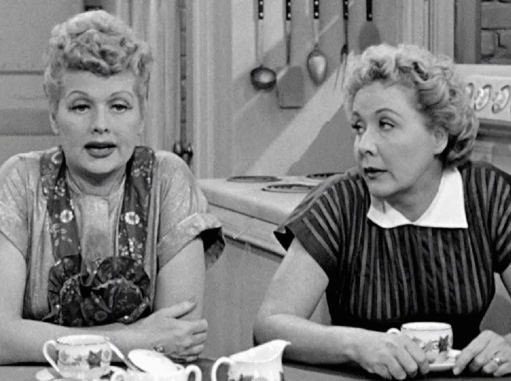
Lucie Arnaz set the record straight on Aaron Sorkin’s 2021 biopic about her parents, Being the Ricardos.

During a June 2025 Q&A following a screening of her 1994 documentary, Lucy & Desi: A Home Movie, on the Paramount Studios lot, Arnaz, 73, revealed that Sorkin didn’t get everything right when producing the movie about her parents, Lucille Ball and Desi Arnaz—despite her feedback during the filming process.

“I was involved, and I tried to work on it and correct the incorrect parts, especially her relationship with the writers,” Arnaz said during the discussion. “Totally wrong. She adored those people. They got along so well, none of that backstabbing, crazy, insulting stuff. That was such a crock of poop. It was so wrong.”

She also said the tense, on-set dynamic between Vivian Vance and William Frawley was “overly done” in the film.

“But, you know, you can’t talk to Aaron. He’s Aaron Sorkin,” she added. “He would listen… ‘a meaningful consultation.’ He would listen, but then he would say, ‘Well, what do you know? You were 15 months old.’”

“What do I know?” Arnaz asked. “Well, how they shot the show. I thought, if ever do this, I’m gonna tell it like it really was because somebody might actually care.”

Being the Ricardos starred Nicole Kidman as Lucille Ball and Javier Bardem as Desi Arnaz. Lucie Arnaz previously praised the film, which received three Oscar nominations, but admitted there were some scenes she didn’t approve.

Speaking to Palm Springs Life in 2021, Arnaz claimed certain scenes in the film “never happened’ in real life. “I mean, there are certain scenes that I wished hadn’t been in the feature film. I couldn’t get my way and have them taken out, but they weren’t accurate,” she said. “I thought, ‘That shouldn’t be in there, because that never happened. That’s not true.’ And it’s not just theatrical license, it just wasn’t true.”

During the 2025 Q&A, Arnaz revealed that she had originally talked to Sorkin about doing a 10-part miniseries about her parents, but he wanted to do a movie instead. But in the past year, a high-powered studio executive has approached Arnaz to produce a series that will tell the whole story of Lucy and Desi.

“Only in the last 10 months or so, he’s been talking to me, and that’s what we’re gonna do,” Arnaz said. “You can’t do it in two hours. It has to be a big miniseries, and it can’t be one of those things that you start and it gets canceled after the first season, because you didn’t finish telling the story. So, they have to commit to maybe three seasons, maybe 30 episodes. So, we’re in the process of doing that.”

“I won’t have ‘meaningful consultation,’ I will have full control,” she added.

Desi Arnaz Had Famous Fling That Infuriated Lucille Ball, New Book Claims

She confronted him in front of his mom.

Desi Arnaz had a reputation as a ladies’ man, but the late Cuban bandleader once went on one date that really got under his future wife Lucille Ball’s skin.

In the book Desi Arnaz: The Man Who Invented Television, biographer Todd S. Purdum alleged that Ball flipped out when she learned that Arnaz took out a former flame, pin-up model/actress Betty Grable, one night when Ball was busy. Ball, who knew Grable from their RKO movie days in the 1930s, exploded when she found out about the date.

“When she got wind of this, she drove to the house he now shared with his mother on Wilcox Avenue in Hollywood, barged past Lolita [Arnaz’s mom] at the front door, and excoriated Desi, who was still in bed, as a two-timing b——, ” Purdum wrote. “All with Lolita in earshot.”

Purdum noted that Ball “was not naive” about Arnaz’s trysts with other women but that the couple’s courtship and marriage were still plagued by “jealous outbursts and bitter arguments.”

Betty Grable, star of “Dubarry Was A Lady” and Desi Arnaz, matinee idol of “Too Many Girls,” drink to each other at La Conga.
New York Daily News Archive/Getty Images

In his 1976 memoir, A Book, Arnaz wrote about Grable, whom he dated briefly while working on Broadway in 1939. “She was gorgeous – what a figure and what legs,” he wrote of the starlet. “It was impossible not to sit next to Betty and not want to know her a little better…I invited her to La Conga to see our show. She would come, we would dance, and she would wait for me until I finished.”

Ball didn’t hold a grudge against Grable. In fact, years later, Grable made a cameo on the 1958 Lucy-Desi Comedy Hour episode “Lucy Wins a Race Horse,” where she danced and sang with her former lover Arnaz.

Ball and Desi Arnaz‘s daughter, Lucie Arnaz, recently clarified that her father never had an “affair” during his marriage to her mother, but that he did take out other women. “People say he had affairs. He never had an affair,” Lucie Arnaz said on CBS Sunday Morning. “He didn’t even know these dames’ names. They were hookers.”

Lucille Ball ended her 20-year marriage to Desi Arnaz in 1960. 

A Long Drive, A Quiet Door, and a Moment That Brought Us Back Together

For months, my daughter’s silence sat heavy on my heart. At first, I told myself she was simply busy—work, life, responsibilities. But as weeks turned into months, the quiet became impossible to ignore. Calls went unanswered, messages left unread. I tried not to worry, but a parent always feels when something isn’t right. Then one evening, my son came by unexpectedly. He hesitated before speaking, choosing his words carefully, but what he shared about his sister’s situation unsettled me deeply. It wasn’t anything dramatic—just small details about how withdrawn she had become, how different things seemed at home. Still, it was enough. I knew I couldn’t sit and wait any longer.

I packed a small bag, got into my car, and drove straight through the night. Six hours on the road gave me too much time to think. I replayed every conversation we’d had, every moment I might have missed a sign. The closer I got, the more my thoughts shifted from fear to determination. Whatever was going on, I needed to see it for myself. By the time I reached her neighborhood, the sun was just beginning to rise, casting a quiet light over the familiar street I hadn’t visited in far too long.

When I knocked on her door, there was a long pause before it slowly opened. My daughter stood there, surprised, tired—but safe. That was the first thing I noticed. Safe. The tension I had carried for hours softened, though questions still lingered. As we sat together, she explained everything. Life hadn’t been easy lately—stress, changes, and a growing sense of isolation had pulled her away from everyone, including me. Her husband, too, had been struggling in his own way, and the distance between them had quietly grown. There was no single moment of crisis, just a slow drifting apart from the support she needed most.

In that quiet living room, I realized something important: sometimes the biggest problems aren’t loud or obvious—they grow in silence. My visit didn’t solve everything overnight, but it opened a door that had been closed for too long. We talked, we listened, and slowly, we began to rebuild something that had been slipping away. On the drive home later, I felt a different kind of calm. Not because everything was perfect, but because I had shown up when it mattered. And sometimes, that’s the most powerful thing we can do—for the people we love, and for ourselves.

A Small Red Carpet Moment Featuring Nicole Kidman Gets People Talking

The 2026 Vanity Fair Oscar Party once again delivered a dazzling showcase of style and celebrity moments, but one brief interaction quickly captured the internet’s attention. As Lauren Sánchez and Jeff Bezos posed for photographers, Nicole Kidman appeared in the background, walking gracefully across the red carpet. The moment lasted only seconds, yet it sparked widespread discussion online. Some viewers described it as a perfectly timed photobomb, while others saw it as nothing more than a natural overlap on a busy event carpet. Regardless of interpretation, the clip quickly circulated across social media, drawing attention for its timing and elegance.

Before the viral moment, Kidman had already made a strong impression with her arrival. She stepped onto the carpet in a shimmering gown that reflected classic Hollywood glamour with a modern touch. Her soft waves and composed presence added to the refined look, as she posed confidently for photographers. At the same time, Sánchez and Bezos also attracted attention with their coordinated appearance. Sánchez wore a sleek black gown paired with sparkling jewelry, while Bezos complemented her look with a classic tuxedo. Together, they presented a polished and elegant red-carpet moment.

The now-discussed scene unfolded naturally as Kidman walked behind the couple while they continued posing. For a brief instant, she appeared in the background of their photos before moving on to her own position. Online reactions ranged from lighthearted jokes to detailed analysis, with some viewers suggesting the moment added an unexpected highlight to the evening. Others pointed out that such overlaps are common at large events where multiple guests arrive and move through the same space within minutes.

Beyond this moment, Kidman has continued to draw attention at major events with her timeless style and confident presence. Whether on a red carpet or a fashion runway, she consistently brings a sense of elegance that resonates with audiences. The viral clip serves as a reminder of how even the smallest, unscripted moments at high-profile gatherings can quickly become widely shared and discussed. In the end, it wasn’t just the fashion or the setting that stood out—but a simple, fleeting moment that captured the imagination of viewers around the world.

He Left Without a Word—What I Discovered Helped Me Move Forward

The day my husband left, it didn’t feel real. There were no arguments, no warning signs—just a quiet moment that turned everything upside down. He walked in, handed me papers, gathered a few things, and walked out without explanation. The silence he left behind was louder than anything he could have said. I sat there trying to make sense of it, replaying every memory, searching for a reason that never came. The home we had built together suddenly felt unfamiliar, as if I were standing in someone else’s life.

In the middle of packing up my thoughts and my emotions, I noticed he had left something behind—his laptop. At first, I ignored it. But curiosity, mixed with confusion, eventually got the better of me. I opened it, not knowing what I would find, only hoping for some kind of clarity. What I discovered was a series of messages from a contact labeled in a way that immediately caught my attention. The conversations spoke of meeting, of shared moments, of something he had clearly kept hidden from me. It wasn’t just the words—it was the realization that there had been a part of his life I never knew existed.

The next day, I went to the place mentioned in those messages. I didn’t know what I expected—answers, closure, maybe even confrontation. When I arrived, I saw him sitting there, talking quietly with someone. But what struck me wasn’t anger or betrayal. It was something else entirely. The person across from him looked nervous, uncertain, as if they too were navigating something difficult. In that moment, I realized there was more to the story than what I had assumed. Life is rarely as simple as it appears from one side.

I didn’t walk in. I didn’t interrupt. Instead, I stepped back and chose something different—space, reflection, and the chance to rebuild on my own terms. Over time, I learned that not every ending comes with clear answers, and not every truth is meant to be uncovered all at once. What matters most is how we move forward. That day didn’t just mark the end of my marriage—it marked the beginning of understanding my own strength, my own worth, and the quiet courage it takes to start again.

I Opened My Home to a Friend in Need—What Happened Next Taught Me a Valuable Lesson

When my best friend called me after her divorce, her voice carried a quiet exhaustion I had never heard before. She didn’t ask for much—just a place to stay until she could find her footing again. Of course, I said yes. We had grown up together, shared secrets, and supported each other through every chapter of life. Offering her a spare room felt like the most natural thing in the world. The only thing I asked in return was simple: help me look after my three-year-old son during the day while I worked. She agreed with a soft smile, and for a moment, it felt like everything would fall into place.

The first few days went smoothly. My son warmed up to her quickly, laughing at her silly jokes and following her around like a little shadow. Seeing them together reassured me that I had made the right decision. She seemed calmer, too—more grounded than when she first arrived. I began to relax, trusting that our arrangement was helping both of us heal in different ways. Life settled into a quiet rhythm, and for a brief moment, it felt like we had created a small, supportive world within the walls of my home.

One afternoon, I finished work earlier than expected and decided to surprise them. I imagined walking in to find them playing together or maybe napping peacefully. But when I opened the door, the house felt strangely still. There were no toys scattered across the floor, no giggles echoing down the hallway. I called out my son’s name, but there was no answer. My heart began to race as I searched each room, a growing sense of unease settling in. When I finally found her in the kitchen, she looked at me with a calm expression that didn’t match the moment.

“You can relax,” she said gently, noticing my panic. “He’s safe.” She explained that she had taken him next door to play with the neighbor’s children, knowing how much he loved being around other kids. She had wanted to give him a fun afternoon and give herself a moment to breathe, trusting that the familiar neighbor’s home was a safe place. Relief washed over me, mixed with a quiet realization. I had been so focused on helping her rebuild her life that I hadn’t considered how much trust and communication truly mattered.

That evening, we sat down and talked openly for the first time since she moved in. We agreed on clearer boundaries and better communication, understanding that kindness works best when paired with trust and honesty. From that day on, our home felt even stronger—not just as a place of support, but as a space where we both learned to grow, listen, and care in deeper ways.

This Narrow Home in Japan May Look Small—But Its Interior Tells a Different Story

At first glance, the phrase “don’t judge a book by its cover” may sound like simple advice, yet it perfectly reflects the story of a remarkable small home in Japan that defies expectations. Built on a narrow triangular plot of land between a quiet river and a roadway, this compact residence shows how thoughtful design can transform even the most unusual space into a comfortable place to live. Designed by Mizuishi Architects Atelier, the house measures just 594 square feet, but it delivers a sense of openness and functionality that goes far beyond its size.

Instead of seeing the triangular land as a limitation, the architects chose to embrace it as an opportunity. The structure follows the natural angles of the plot, allowing the building itself to become a creative expression of the space it occupies. From the outside, the home appears modest and compact, but stepping inside reveals a layout that feels surprisingly spacious. The design is spread across two carefully planned levels, each arranged to make the most of every available inch while maintaining a clean and uncluttered feel.

The ground floor is designed for rest and privacy, featuring a calm and comfortable bedroom that offers a quiet retreat from the outside world. Large windows bring in natural light, creating a bright and inviting atmosphere throughout the day. The upper level serves as the main living space, where the kitchen and living area are combined into one open and connected environment. This layout encourages a natural flow for daily life, making it easy to cook, relax, and spend time together in a warm and welcoming setting. The sloped ceiling adds both character and a sense of height, enhancing the airy feel of the space.

One of the most charming details is a small mezzanine tucked above the living area, accessed by a simple ladder. This cozy corner provides a unique spot for reading, relaxing, or quiet play. Throughout the home, white walls reflect light and help create a bright, open atmosphere that makes the space feel larger than it is. In the end, this distinctive house demonstrates how creativity, careful planning, and smart design can turn even the smallest and most unusual plot of land into a beautiful and inspiring home.

I Knitted a Blanket from My Late Moms Sweaters for My Baby Brother – My Stepmother Threw It in the Dumpster, but Then My Grandma Made Her Regret It!

The house had always been a vessel for my mother’s warmth, but after she died giving birth to my baby brother, Andrew, it felt as though someone had left every window open to the winter chill. I was fifteen then, standing in the wreckage of a life that no longer made sense. Grief hung over my father like a heavy, suffocating coat that he couldn’t seem to shake off. Some nights, he paced the living room with Andrew, a tiny, crying bundle of needs; other nights, he simply sat in the shadows, paralyzed by the silence where my mother’s voice used to be. I stepped into the void because there was no other choice. I warmed bottles, folded miniature sleepers, and learned to rock a baby to sleep while my own heart felt like it was breaking.

Three months into this new, hollow reality, Dad told me he had started seeing someone. Her name was Melissa. I recognized her instantly—she had been one of Mom’s friends, the kind who laughed a little too loudly at Dad’s jokes when they visited. Dad insisted he couldn’t raise two children alone, and six months later, they were married. When Melissa moved in, the house was flipped upside down. My mother’s pictures began to vanish from the shelves, and the furniture was rearranged to suit a woman who walked through the rooms like she was claiming conquered territory. Dad, desperate for stability, didn’t argue.

The only person who seemed to see the cracks in our foundation was my grandmother, Carol. She came by every weekend, sometimes with casseroles and always with an observant eye. Sensing my isolation, she began teaching me how to knit. She said it would keep my mind steady, and she was right. There was a meditative rhythm in the clicking needles that dulled the sharp edges of my resentment toward Melissa.

As Andrew’s first birthday approached, a heavy realization settled over me: my brother would grow up with no memory of the woman who gave him life. To him, Mom would be nothing more than a ghost in a story. I wanted to give him something tangible, something he could wrap himself in when the world felt cold. I went into Mom’s old closet and pulled out the sweaters she had loved—the deep red one she wore every Christmas, the cream cardigan, the white wool, and the soft burgundy pullover. Every evening, after my homework was finished, I carefully unraveled the yarn. Grandma showed me how to smooth the fibers, and as the colors merged, they looked like a sunset of my mother’s life.

It took weeks of cramped fingers and late nights, but the blanket was finally finished. It was beautiful—a patchwork of memories, soft and smelling faintly of the cedar chest where the sweaters had been kept. At Andrew’s small birthday dinner, I presented it to him. Grandma gasped, her eyes shining with pride, and Dad looked genuinely moved. Andrew gripped the soft wool and laughed. For a fleeting second, the warmth returned to the house.

The next afternoon, that feeling was shattered. As I walked up to the front door after school, I saw a familiar strand of red yarn snagged on the rim of the trash bin outside. My heart plummeted. I lifted the lid and found the blanket buried under empty soda cans and greasy paper plates. I pulled it out, my hands shaking with a mix of fury and devastation. I ran inside and confronted Melissa, who was casually scrolling through her phone in the kitchen.

“What was this doing in the trash?” I demanded, my voice cracking.

She didn’t even look up. “Andrew is my son now,” she said coldly. “He doesn’t need his head filled with memories of some dead woman. We are moving on.”

The cruelty of her words was a physical blow. Dad was in the next room and heard every word, but he remained silent, a coward in his own home. I didn’t wait for an apology. I grabbed the blanket and called a taxi to Grandma’s. When she saw my tear-streaked face and the soiled yarn, her soft demeanor vanished. “Get your shoes,” she said, her voice like iron. “Because this ends tonight.”

We drove back to the house in a silence that crackled with Grandma’s indignation. When we walked in, Melissa tried to offer a fake, sugary smile, but Grandma ignored it. She called my father into the room and held the blanket up like a banner. “This belongs to Andrew’s mother,” Grandma stated. “And you have no right to erase her.”

When Melissa tried to play the victim, claiming she was just trying to “fit in,” Grandma reached into her purse and pulled out a folded document. “This house is legally in my name,” she told them. “I paid off the mortgage when your first wife got sick. Remember your place in this home, Melissa, or you won’t have one.”

I thought the battle was won, but Melissa’s retaliation was swift and petty. The next day, I returned from school to find Andrew’s crib moved into my bedroom. Boxes of diapers and baby clothes were stacked against my dresser. Dad looked exhausted and guilty as he explained the new “arrangement.” He told me that since I wanted to “cause problems” by going to Grandma, I was now responsible for Andrew’s care during the night. Melissa leaned against the doorframe with a triumphant smirk. “Consider it a consequence,” she whispered. “And if you tell your grandmother, you’re out of this house.”

The following nights were a blur of exhaustion. Andrew woke up constantly, and I became a zombie, warming bottles and rocking him in the dark while my father and stepmother slept soundly behind their closed door. My grades began to slip, and my eyes burned from lack of sleep. It was my friend Lily who finally convinced me that I couldn’t survive this. “Tell your grandmother,” she urged. “What’s the worst that happens? You live with her? That’s an upgrade.”

I took a taxi to Grandma’s house that afternoon. When I told her about the “punishment” and the threats, she didn’t just get her keys; she looked like she was going to war. We arrived back at the house just as Dad was walking in from work. Grandma didn’t waste time. She stood in the center of the living room and looked at both of them.

“I knew Melissa had her sights on you long before Claire died,” Grandma said, her voice echoing in the quiet room. She revealed that my mother had confided in her months before Andrew was born, feeling betrayed and uncomfortable by Melissa’s constant flirting and inappropriate behavior. Dad’s face went pale. The realization that his “new beginning” was rooted in his late wife’s pain seemed to finally break through his denial.

“I should have protected her,” Dad whispered, covering his face with his hands. “And I should have protected you.”

He looked at Melissa, his eyes finally clear of the fog of grief. He told her that if she couldn’t respect my mother’s memory or treat me with basic human decency, she needed to leave. Melissa, ever the opportunist, realized her leverage was gone. She gathered a suitcase, shouting that “being a stepmother sucks anyway,” and slammed the door behind her.

The silence that followed wasn’t cold; it was peaceful. Dad pulled me into a hug, the first real one in a year, and promised to do better. Grandma stayed late to help us reorganize, and as I wrapped the knitted blanket around my brother on his play mat, the house finally felt like it belonged to us again. The windows were closed, the heaters were on, and for the first time since Mom left, we were finally warm.

Octomom’s Children Reach 16 – What Their World Looks Like Now

Natalie Denise Suleman, known around the world as “Octomom,” first became a global headline in January 2009 when she achieved something never before recorded in medical history. She became the first woman known to deliver a set of surviving octuplets, eight babies born during a single birth.

At that time, she was already raising six children, and with the arrival of the octuplets, her family instantly expanded to fourteen. The event itself would have been extraordinary under any circumstance, but the way it unfolded and the immense media attention that followed dramatically changed the course of her life. Her story has since been shaped by public controversy, personal challenges, and an unwavering devotion to her children.

Natalie Suleman was born on July 11, 1975, in Fullerton, California, and grew up as the only child of Angela Victoria Stanaitis, a dedicated schoolteacher, and Edward Doud Suleman, a Palestinian-American restaurant owner. From a young age, she developed a strong interest in child development.

This early passion guided her academic path, leading her to pursue studies at Nogales High School, Mt. San Antonio College, and eventually complete a bachelor’s degree in child development. Before motherhood took over her life, she worked as a psychiatric technician in a state mental hospital, gaining hands-on experience supporting individuals with complex needs.

Her journey into large-scale motherhood began through in vitro fertilization under the care of fertility specialist Dr. Michael Kamrava. Over several years, these IVF cycles resulted in her first six children: Elijah, Amerah, Joshua, Aidan, Calyssa, and Caleb.

In 2008, she made a significant and controversial decision to use all remaining frozen embryos in a single transfer. Although medical guidelines typically recommend transferring only a limited number of embryos, her doctor transferred twelve, a choice that later led to scrutiny. Eight of those embryos developed into viable fetuses, leading to the pregnancy that would define much of her public identity.

When Suleman delivered the octuplets on January 26, 2009, all eight survived despite being born prematurely. The birth brought instant global attention, and the media quickly labeled her “Octomom,” a name that would follow her for years. Reactions from the public were mixed.

Many were stunned by the rare medical outcome, while others questioned her decisions, her financial stability, and the ethics of the embryo transfer. Suleman found herself overwhelmed by scrutiny, judgment, and an intensity of media exposure few people ever experience. She was often reduced to simplified narratives rather than seen as a mother navigating an unusual and complicated situation.

Supporting fourteen children proved extremely difficult financially. Contrary to public assumptions, Suleman did not gain significant wealth from the publicity. She received no large financial payout and had no stable income at the time. In an effort to support her family, she turned to a range of unconventional jobs, including modeling, adult entertainment work, celebrity boxing events, media appearances, and attempts to monetize the “Octomom” name.

These choices were often driven by necessity rather than desire. Despite her efforts, financial pressures mounted, and she filed for bankruptcy in 2012, reporting approximately one million dollars in debt.

Her financial struggles led to legal problems in 2014 when she faced welfare fraud charges for failing to report certain earnings while receiving public assistance. She ultimately entered a no-contest plea on a misdemeanor charge, completed community service, repaid the funds, and received probation. This episode added another layer of public scrutiny to her already complicated story.

By 2013, Suleman chose to step away from media attention almost entirely, focusing on creating a more private and stable environment for her children. For more than a decade, little was publicly shared about her life beyond occasional social media posts. Her priority became raising her children with structure, privacy, and as much normalcy as possible.

In 2025, the octuplets reached their sixteenth birthday, a milestone she acknowledged with a heartfelt message expressing immense gratitude and love for each of them. As her children have grown, Suleman has begun slowly re-engaging with the public on her own terms. She has spoken openly about raising a profoundly autistic son, Aidan, and the unique challenges and rewards involved. She has also reflected on past regrets, including wishing she had pursued legal action against her fertility doctor for transferring so many embryos.

Her older children have begun sharing their own perspectives on their life experiences, including memories of the moment they learned eight new siblings were on the way. Suleman’s parenting style today is described as structured and grounded, with strict rules about digital devices, social media use, and social boundaries. She emphasizes values such as humility, compassion, focus, and internal motivation, hoping her children will grow into adults who appreciate connection, responsibility, and service.

Natalie Suleman’s life remains a complex and deeply human story. The extraordinary medical event that brought her global attention became only one part of a much larger journey marked by resilience, sacrifice, challenges, and fierce love for her children. While public narratives often focused on controversy or sensational aspects of her situation, the heart of her story is a mother navigating overwhelming circumstances while raising a remarkable family. Her life continues to prompt discussions about ethics, media responsibility, reproductive choices, and public judgment, yet at its core, it reflects devotion, perseverance, and the enduring strength of family.

Celebrate Your Birthday with Free Meals at These!

In a world where the cost of living seems to climb with every passing season, there is a rare, cherished tradition that remains untouched by inflation: the birthday freebie. Birthdays are fundamentally meant for celebration—a time to surround oneself with family, reflect on another trip around the sun, and indulge in the simple pleasures of life. While cake and candles are the standard, many of the most popular restaurant chains across the United States have taken this celebration a step further, offering complimentary meals, indulgent desserts, and premium beverages to mark the occasion. For the savvy diner, a birthday isn’t just a personal milestone; it is an all-access pass to a day-long culinary tour that costs absolutely nothing.

The secret to unlocking these zero-dollar feasts lies in the digital “handshake” between a guest and a brand. By simply signing up for a loyalty program, downloading an app, or joining a mailing list, you transform from a casual customer into a celebrated guest. From the first light of a birthday morning to the final celebratory nightcap, the landscape of American dining is filled with opportunities to be treated.

For many, the perfect birthday begins with a hearty breakfast. If you crave the comfort of a Southern kitchen, IHOP offers a sweet start to your day. By joining the IHOP Rewards program, members are treated to a full stack of their world-famous buttermilk pancakes. There is something undeniably nostalgic about a stack of warm, syrup-drenched pancakes that makes the morning feel significantly more special. However, if your appetite is more substantial, Denny’s has a long-standing tradition of generosity that requires no digital hoop-jumping at all. On your actual birthday, you can walk into any participating Denny’s, present a valid ID, and receive their legendary Grand Slam breakfast for free. It is a robust plate of eggs, bacon, sausage, and pancakes—a classic American feast that ensures no birthday morning starts on an empty stomach.

As the day progresses toward lunch, the options shift toward the savory and the bold. For fans of Mexican-inspired cuisine, Qdoba offers a particularly generous gift. Members of their rewards program receive a free entrée of their choice. Whether you prefer a massive burrito packed with grilled adobo chicken and hand-smashed guacamole or a flavorful bowl topped with their signature 3-cheese queso, the meal is entirely on the house. Meanwhile, at Firehouse Subs, the celebration takes on a toasted, gourmet flair. By registering for Firehouse Rewards, guests receive a medium sub of their choice. It is a hearty, satisfying way to lunch, allowing you to sample their premium meats and cheeses without reaching for your wallet.

If you are looking for a mid-day caffeine boost to keep your birthday energy high, Starbucks has perfected the birthday beverage. One of the most popular perks in the retail world, Starbucks Rewards members receive a complimentary handcrafted drink of any size, or even a food item, on their big day. Whether your preference is a venti cold brew with sweet cream foam or a complex, customized latte, it serves as the perfect afternoon pick-me-up. Similarly, Dunkin’ ensures that coffee lovers aren’t left behind, offering a free medium beverage to those enrolled in their loyalty program.

For dinner, the birthday stakes get even higher, with many chains offering full meals or substantial discounts. Red Robin has built a reputation for its “Royalty” program, which gifts members a free gourmet burger during their birthday month. When you consider that their burgers come with “bottomless” steak fries, it becomes one of the most value-heavy deals in the industry. It is a meal designed for celebration, providing a high-quality, grilled experience that feels far more like a gift than a promotion. For those who prefer a side of excitement with their meal, Hooters provides an order of their famous wings to rewards members, with the added flexibility of being able to redeem the offer up to a week after the actual date.

Seafood enthusiasts can also find a place at the table. Joe’s Crab Shack invites guests to kick off their birthday dinner with a complimentary appetizer. Whether you are craving crispy calamari or their famous crab dip, it sets a festive tone for a coastal-inspired evening. If you prefer the versatility of a garden-fresh meal, Ruby Tuesday offers “So Connected” members the choice between a premium burger or a trip to their expansive Garden Bar, ensuring that even health-conscious birthday celebrants have a delicious way to mark the day.

Of course, no birthday is complete without a touch of sugar, and the dessert options are nearly endless. Krispy Kreme offers a moment of pure, glazed bliss with a free donut for its rewards members—an iconic treat that is best enjoyed while the “Hot” sign is glowing. For those who want a warm, golden traditional treat, Waffle House welcomes “Regulars Club” members with a free waffle, which can be customized with chocolate chips or fruit for a decadent dessert. And for a cool finish to a busy day of celebrating, Dairy Queen remains a staple for many, often offering a birthday treat that makes their famous Blizzard even sweeter.

To truly master the art of the birthday freebie, a small amount of strategy is required. Most restaurants require that you be a member of their program for a certain period—often at least a week or even thirty days—before your birthday arrives. This prevents a last-minute rush and ensures that the digital coupons find their way to your inbox in time. It is also wise to keep an eye on the expiration dates; while some deals are only valid on your actual birth date, many others extend through the entire birth month, allowing you to spread the celebration out over several weeks.

Beyond the free food, these birthday programs represent a unique facet of the modern dining experience. They are a gesture of goodwill in a fast-paced world, a small way for a brand to say that they value your presence. For the customer, it turns a regular day into a scavenger hunt of joy and flavor. There is a specific kind of thrill in walking into a favorite restaurant, being greeted with a smile, and walking out with a full plate and a zero-dollar receipt.

Ultimately, these birthday meals are a reminder that some of the best things in life are still free. Whether you choose to spend your day chasing down every pancake, burger, and latte available, or you simply pick one favorite spot to enjoy a quiet moment of indulgence, these offers provide a wonderful backdrop to your personal new year. So, as your next birthday approaches, take a few minutes to sign up, check your inbox, and prepare to be celebrated. After all, you have worked hard for another year—you might as well enjoy the flavor of a victory that tastes like maple syrup, grilled beef, and fresh-brewed coffee.

Popular

The Heartbreaking Reason First Lady Jill Biden Is Devastated Today

0
The White House has been cast into a somber silence following the heartbreaking news that First Lady Jill Biden is mourning the profound loss...