Entertainment

My Nephew Smashed My Brand-New Car With a Baseball Bat at My Sister’s Urging – So I Taught Her a Lesson She’d Never Forget

My nephew Jeremy had been pushing boundaries for as long as anyone could remember.

He was ten years old and had spent most of his life testing every limit in every room he entered. Rules meant nothing to him. He talked back to adults he had just met. Other people’s belongings were props in a story where he was always the main character.

My sister Kelsey had a name for it.

“Gentle parenting.”

I had another name for it, but I tried to keep that to myself.

Whenever someone in the family tried to correct Jeremy, Kelsey would immediately step in with the same breezy line.

“You’re interfering with his development.”

She said it when Jeremy dumped a plate of pasta into our cousin’s lap at Thanksgiving because he wanted to sit at the adult table.

She said it when he knocked over a display at a hardware store and walked away without looking back.

Eventually, the rest of the family stopped saying anything. It was easier to ignore Jeremy’s behavior than deal with Kelsey’s lectures afterward.

One afternoon I told her quietly, “Kelsey, your son is going to seriously hurt someone one day.”

She laughed.

“You sound like Mom,” she said, like that was some kind of insult.

The moment that really defined everything happened at our grandmother’s eightieth birthday party.

My mom had ordered a beautiful three-layer vanilla cake from the local bakery. She’d spent two weeks choosing the design: white fondant, yellow roses, and Grandma’s name written in gold icing.

Jeremy wanted chocolate.

He said it loudly. Twice.

When nobody rushed to replace the cake, he grabbed the serving spatula and shoved the entire top tier off the stand.

The cake hit the wall and slid slowly down Grandma’s floral wallpaper in a sticky yellow streak.

My grandmother looked at the mess and said nothing.

Ten minutes later, when my mom tried to give a birthday toast, Jeremy talked over her using language a ten-year-old should never even know, much less aim at his own grandmother.

Then he demanded the chair my pregnant cousin was sitting in and glared at her until she stood up.

Kelsey watched the entire scene with the same relaxed smile she always had.

“He’s just having a hard day,” she told me.

I looked at the cake smeared across the wallpaper.

“Sure, Kelsey,” I said.

Four months ago, I bought my dream car.

A brand-new dark green CR-V.

I had spent four years saving for it, moving money into a separate account every single payday. When I finally drove it off the lot, I sat in the dealership parking lot for five minutes just breathing in that new-car smell.

My mom suggested celebrating with a small family gathering at my apartment.

I agreed immediately.

Then I remembered that “small gathering” included Kelsey and Jeremy.

Before anyone arrived, I pulled Kelsey aside.

“I just need one thing from you tonight,” I said. “Please keep Jeremy away from the car.”

Kelsey smiled like I was being ridiculous.

“How could such a good boy possibly do anything bad, Kristen?”

And the strange thing was—Jeremy behaved perfectly that evening.

Almost too perfectly.

He sat quietly in the corner of the living room with his hands folded in his lap. He said “please” and “thank you.” He didn’t touch anything that didn’t belong to him.

But every few minutes he glanced toward the driveway window with a small, private smile.

I should have trusted my instincts.

I carried a stack of plates into the kitchen when suddenly the car alarm started screaming.

Then came another sound.

A dull, heavy thud.

I ran outside.

Jeremy stood in the driveway with a wooden baseball bat, swinging it into the hood of my car.

The windshield was already shattered into a spiderweb of cracks.

My sister stood on the porch watching.

Laughing.

“What a cool design!” she said. “This car actually looks better now!”

I froze at the bottom of the steps.

“Oh my God, Jeremy! Put the bat down!” I shouted. “Why are you doing this?”

Jeremy looked up at me calmly.

“Mom said to teach you a lesson, Aunt Kristen.”

I turned slowly toward Kelsey.

She lifted her hands like I was the one overreacting.

“He’s just exploring the world,” she said. “You can buy another car. This helps him develop his sense of agency.”

“I worked four years for that car.”

She shrugged.

“Maybe next time you won’t show off so much when your sister and nephew are stuck driving around in a junker.”

So that was it.

Jealousy.

She had used her own son to act it out.

I stood there for a moment.

Then I said one word.

“Okay.”

I walked back inside.

Everyone had heard the alarm. My mom looked sick. My cousins were already heading toward the door.

I held up my hand.

“Don’t yell,” I said calmly. “Just come outside.”

The driveway went silent when everyone saw the car.

I took out my phone.

I walked slowly around the CR-V and photographed everything.

The shattered windshield.

The dented hood.

The deep marks in the doors.

Then I said, “Jeremy, come stand next to the car.”

Jeremy thought this was fantastic.

He walked over grinning, holding the bat like he’d just hit a home run.

I photographed that too.

Kelsey laughed from the porch.

“You’re being dramatic. It’s just a car.”

I didn’t respond.

I went inside, opened my laptop, and started making calls.

Within an hour I had two repair estimates.

Both were so high that even my mother went pale.

Kelsey didn’t look worried at all.

I printed the estimates and slid them across the table.

“Jeremy didn’t do this alone,” I said calmly. “You told him to. That makes you responsible.”

Kelsey pushed the papers back toward me.

“You have a good job. Replace it.”

I pushed them back again.

“No,” I said. “You will.”

She called me vindictive.

Then she grabbed Jeremy and stormed out.

After everyone left, my mom sat quietly at the table.

“You know Kelsey doesn’t have that kind of money,” she said.

“I know.”

“So what are you going to do?”

“Whatever it takes.”

The next morning I left an envelope in Kelsey’s mailbox.

Inside were the repair estimates and a payment plan.

Three installments.

Very reasonable.

She called me that afternoon laughing.

“I’m not paying this. This is insane.”

“Okay,” I said.

And I hung up.

Because I already had plan B.

Six weeks earlier Kelsey had asked me for a huge favor.

She had found a house she loved, but her credit score wasn’t good enough to qualify for the mortgage alone.

She needed a co-signer.

She asked me.

And at the time, I had agreed.

The morning after she laughed at me, I called the bank and removed my name from the loan application.

Then I called three relatives who had quietly agreed to help with the down payment.

I told them exactly what had happened to my car.

Nothing more.

Within a week the house deal collapsed.

The relatives withdrew their help.

And Kelsey no longer qualified.

The following Saturday she showed up at my apartment.

She wasn’t smiling anymore.

Her eyes were swollen and red.

“You ruined my life over a car,” she said.

I stepped aside and let her come in.

Jeremy stood behind her, unusually quiet.

I pulled up the photos of my car and slid the phone toward them.

“You laughed while your son destroyed something I worked years for,” I said calmly. “Now he gets to learn what responsibility looks like.”

Jeremy stared at the pictures.

Then he looked at his mother.

“Are we actually supposed to pay for all that?” he asked. “You said it was just for fun.”

For the first time, Kelsey had no answer.

“You have one choice,” I said. “Fix my car or deal with the consequences.”

It took three weeks.

Kelsey owned a small camping trailer she and Jeremy used every summer.

She sold it.

Jeremy stood in the driveway watching the trailer get hitched to someone else’s truck.

The money paid for the repairs.

Ten days later my CR-V came back looking exactly like it had the day I bought it.

Two weeks after that, I picked Jeremy up from school because Kelsey was sick.

He climbed into the passenger seat and quietly ran his finger along the edge of the windshield.

“You can’t even tell,” he said.

“They replaced the whole thing,” I replied.

He was silent for a while.

“I didn’t know cars cost that much.”

“That’s why people respect things that belong to others,” I said.

He nodded slowly.

Then, somewhere along the highway, he spoke again.

“I’m sorry, Aunt Kristen. About the car.”

He said it to the window, the way a ten-year-old gives his first real apology when he’s not quite sure how it works yet.

“Thank you, Jeremy,” I said.

When I dropped him off, Kelsey stood on the porch watching us.

I drove away knowing something important had finally happened.

Jeremy learned that actions have consequences.

And Kelsey finally discovered something too.

Shielding someone from consequences isn’t gentle parenting.

Sometimes the gentlest lesson is also the one that costs the most.

My Husband Passed Away on Our Wedding Day – A Week Later, He Sat Down Next to Me on a Bus and Whispered, ‘Don’t Scream, You Need to Know the Whole Truth’

Karl and I had been together for four years before we got married.

In that time, I believed I had learned everything that mattered about him. His habits, his humor, the way he always reached for my hand when we crossed the street.

But there was one part of his life that remained strangely closed off: his family.

Every time I asked about them, he shut the conversation down.

“They’re complicated,” he would say.

“Complicated how?” I once pressed.

He gave a short, humorless laugh. “Rich people complicated.”

And that was always the end of it.

He didn’t visit them. He didn’t call them. He didn’t talk about them.

Still, sometimes things slipped out.

One night we were eating dinner at our tiny kitchen table when Karl suddenly put his fork down and sighed.

“Do you ever think about how different life would be with more money?” he asked.

“Sure,” I replied lightly. “In this economy, even a fifty-dollar raise would feel life-changing.”

He shook his head slowly.

“I mean real money. The kind that buys freedom. The kind where you don’t check your balance before buying groceries. Where you can travel whenever you want. Start a business without wondering if it’ll ruin you.”

I smiled. “You sound like you’re pitching a scam.”

“I’m serious.”

I leaned back and studied him. “Okay. Sure. That sounds nice. But honestly, we’re doing okay. As long as I have you, I’m happy.”

His expression softened instantly.

“You’re right,” he said quietly. “As long as we’re together and we don’t have to answer to anyone else, everything will be okay.”

Looking back, I realize I should have asked more questions.

But I thought love meant patience. I thought he would tell me when he was ready.

So I waited.

On our wedding day, I believed I was stepping into the rest of my life.

The reception hall was warm and bright, filled with laughter and music. Karl had taken off his jacket and rolled up his sleeves, looking relaxed and happier than I had ever seen him.

He was laughing at something one of our friends said when suddenly his expression changed.

His hand flew to his chest.

His body jerked like he was trying to grab something invisible.

Then he collapsed.

The sound of him hitting the floor was awful.

For one strange second, nobody moved.

Then someone screamed.

The music cut off.

“Call an ambulance!” someone shouted.

I was already on my knees beside him, my wedding dress pooling around me.

“Karl? Karl, look at me.”

His eyes were closed.

People crowded around, then backed away, then crowded again.

The paramedics arrived and dropped beside him. I heard words like “clear,” and “again,” and “no response.”

Finally one of them looked up at me.

“It appears to be cardiac arrest.”

They took him away.

I stayed standing in the middle of the dance floor, staring at the doors long after the stretcher disappeared.

Someone wrapped a coat around my shoulders, but I barely felt it.

Karl was gone.

And life without him seemed impossible.

A doctor later confirmed it.

Heart attack.

Four days later, I buried my husband.

I arranged everything myself because there was no one else.

The only family member I found in Karl’s phone was a cousin named Daniel. He came to the funeral, but no one else from Karl’s family showed up.

After the service he stood alone near the edge of the cemetery, hands in his pockets.

I walked over to him because grief had burned away my patience.

“You’re Karl’s cousin, right?”

He nodded. “Daniel.”

“I thought his parents would come.”

“Yeah…” He rubbed the back of his neck. “They’re complicated people.”

Anger flared instantly.

“What does that mean? Their son is dead.”

He looked at me, then away.

“They’re wealthy. They don’t forgive mistakes like the one Karl made.”

“What mistake?”

But Daniel’s phone buzzed. He glanced at the screen like it had saved him.

“I’m sorry,” he said quickly. “I have to go.”

And he left.

That was the first crack.

The second came that night in the house Karl and I had shared.

Everything inside looked exactly like he might walk back through the door at any moment.

I lay down and closed my eyes.

All I could see was Karl collapsing.

Again and again.

Before dawn I packed a backpack and left.

I had no plan. I just knew I couldn’t stay there another hour.

I went to the bus station and bought a ticket to somewhere I had never been. Distance felt like the only thing I could control.

When the bus pulled away from the station, I leaned my head against the window and watched the city blur into gray morning.

For the first time all week, I could breathe.

At the next stop, the bus doors opened and more passengers climbed aboard.

One man slid into the empty seat beside me.

A familiar scent hit me instantly.

Karl’s cologne.

My stomach flipped.

I turned my head.

It was him.

Not someone who resembled him.

Karl.

Alive.

Pale. Tired. But unmistakably real.

Before I could scream, he leaned close and whispered:

“Don’t scream. You need to know the whole truth.”

My voice came out thin and shaking.

“You died at our wedding.”

“I had to,” he said quietly. “I did it for us.”

I stared at him in disbelief.

“What are you talking about? I buried you.”

People across the aisle glanced toward us.

Karl lowered his voice.

“My parents cut me off years ago because I refused to join the family business,” he said. “They wanted control over everything. When they found out I was getting married, they offered me a chance to fix my mistake.”

“What offer?”

“They said they’d restore my access to the family money if I came back. If I returned with my wife and joined the family again.”

I blinked at him.

“What does that have to do with you faking your death?”

He looked around nervously.

“I agreed.”

My stomach dropped.

“What?”

“They transferred the money a few days before the wedding. A lot of money. Enough that we’d never have to worry again.”

“And now?” I whispered. “You came back from the grave to tell me we’re rich?”

“I came back to get you,” he said. “So we can disappear.”

“Disappear?”

“I never intended to go back to my parents,” he continued. “This way we keep the money and none of their control. We can go anywhere. Start over.”

I covered my mouth.

“You let me plan your funeral,” I said quietly.

Karl flinched.

“I know that was hard.”

“Hard?” My voice cracked. “I watched them carry you out while I was still in my wedding dress.”

People around us were openly listening now.

Karl leaned closer.

“I knew you’d understand once I explained.”

That was the moment something inside me broke.

“No,” I said softly. “You did it for the money.”

“That’s not fair,” he snapped. “You have no idea what opportunity this is.”

“You didn’t tell me because you knew I’d say no.”

He rubbed his face, frustrated.

I reached into my handbag and quietly turned on my phone’s recorder.

“How did you pull it off?” I asked calmly. “The paramedics, the doctor…”

He hesitated.

Finally he muttered, “Daniel helped. The paramedics were actors. They thought it was some kind of staged event. And the doctor owed him a favor.”

Gasps rippled through the bus.

An elderly woman across the aisle leaned forward.

“Excuse me,” she said sharply. “Did this man just admit he pretended to die at his own wedding?”

Karl glared at her.

“This is private.”

“It stopped being private when you started confessing on public transportation,” she replied.

The bus slowed for the next stop.

I stood up and picked up my bag.

Karl stood too, relieved.

“You made the right decision,” he said. “We’ll get off here, head to the airport, and then—”

“No, Karl.”

His smile faded.

“Unless you’re planning to walk with me into the police station, I’m not going anywhere with you.”

His face turned pale.

“You wouldn’t.”

“I recorded everything.”

“Megan,” he whispered urgently. “Don’t destroy our chance to be happy.”

The bus doors hissed open.

I walked down the aisle without looking back.

Across the street stood a police station.

For a moment I stood on the sidewalk shaking, my wedding ring heavy on my hand.

Then I walked inside.

I showed the officer my phone and played the recording.

And in that moment I understood something with painful clarity.

Karl had died on our wedding day after all.

Not his body.

But the man I believed I had married.

20 Minutes ago in Los Angeles, Pat Sajak was confirmed as – See it!

The media landscape of early 2026 continues to be defined by a fascinating blend of high-stakes investigations and the celebration of cultural icons. Just as the nation remains gripped by the forensic search for Nancy Guthrie in Arizona—marked by the discovery of “blood-stained gloves” and the use of AI to analyze “masked figures”—the world of entertainment has its own monumental “confirmation.”

In a major announcement originating from Los Angeles on February 22, 2026, the legacy of Pat Sajak has been formally cemented in a move that bridges his historic past with a new era of American television.

Pat Sajak, the man who became the definitive face of Wheel of Fortune for over four decades, has transcended his role as a mere television host. In the wake of his official retirement in 2024 and the successful transition of the hosting mantle to Ryan Seacrest, Sajak’s continued influence as a consultant and creative force has culminated in this latest Los Angeles confirmation. This event serves as a definitive acknowledgment of his forty-year tenure, during which he became a constant companion to millions of families across the globe.

A Legacy of Wit and Charisma
To understand the weight of today’s confirmation, one must look at the sheer longevity of Sajak’s career. Having hosted over 8,000 episodes, he guided the “Wheel” through seven different U.S. presidencies and seismic shifts in global culture. His approach to the game show was famously consistent: he aimed to keep the half-hour of television a “safe place for family fun,” intentionally avoiding the social issues and political divisiveness that often saturate modern media.

Fans from every generation are viewing this Los Angeles news as a victory for traditional television excellence. For many, Sajak’s presence was a ritualized part of the day, a soothing constant in an increasingly unpredictable world. His ability to maintain a sharp, often self-deprecating wit while guiding contestants through life-changing wins has earned him a place in the pantheon of broadcasting legends alongside figures like Alex Trebek and Bob Barker.

Navigating the Nuance of Fame
Despite the overwhelming celebration, the confirmation has not been without its critics. In the transparent digital age of 2026, high-profile figures are subject to a level of scrutiny that was unimaginable when Sajak first took the stage in 1981. Some observers have pointed to past controversies and his vocal political stances as a point of contention. However, even within this debate, a consensus emerges: Sajak’s impact on the DNA of American entertainment is absolute.

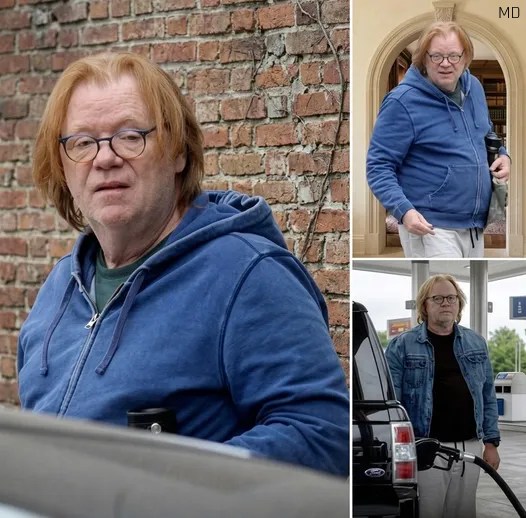
This mirrors a broader trend we see this year, where public figures are viewed through a more complex lens. For instance, the recent viral interest in Michael Douglas’ “new look” or the surprising heart-health benefits discovered in the shingles vaccine are all part of a 2026 cultural zeitgeist that values re-evaluation. We no longer take “household names” at face value; we analyze their history, their health, and their lasting resonance.

The Ripple Effects of a Final Spin
While Sajak has stepped back from the daily grind of the letter board, his “Final Spin” continues to echo. Today’s confirmation in Los Angeles ensures that his name is synonymous not just with a show, but with an entire era of the “Great American Game Show.”

The timing of this news is particularly poignant as it coincides with a period of intense public focus on “unmasking the truth.” Whether it is a medical examiner clarifying the accidental nature of actor Peter Greene’s passing or investigators in the desert searching for a missing woman, there is a profound desire for definitive answers. In the world of entertainment, Pat Sajak’s confirmation provides a definitive “result”—a permanent “solved puzzle” for a career that defined the genre.

The Enduring Power of Connection
Ultimately, the reason Pat Sajak’s confirmation is trending is due to the deep, personal connections he forged with his audience. As he noted in his final sign-off, the show became a place where “kids learned their letters” and “people from other countries honed their English skills.” In an era of fragmented streaming and niche content, Sajak presided over one of the last true “water cooler” shows.

As we move further into 2026, the ripple effects of this announcement will continue to be felt. It sets a precedent for how we honor television legends who have retired from the screen but remain vital to the industry’s soul. Sajak’s journey from a weather reporter in Los Angeles to a globally recognized cultural icon is a quintessentially American story of persistence and charm.

Today, the “Wheel” continues to spin with Ryan Seacrest at the helm, and Vanna White remains as the iconic bridge between the past and future. But in the hearts of those who grew up watching Pat Sajak, today’s confirmation is more than just a news item; it is a final, well-deserved “Buy a Vowel” for a man who gave American television its voice for nearly half a century.

A Hidden Envelope Changed Everything I Thought I Knew

The first time I noticed something strange was on a quiet Sunday afternoon while organizing a drawer in our bedroom. My husband and I had agreed months earlier that we would send his mother a small amount of money each month to help with her living expenses. It was something we both felt good about doing. My parents were financially comfortable, but his mother lived alone and depended mostly on a modest pension. Every month I handed my husband my share of the money, trusting that he would send it along. But that afternoon, while searching for an old document, I found a small envelope hidden among his papers. Inside was a stack of cash—and mixed within it was a torn bill I clearly remembered giving him. At first, I tried to convince myself there must be a reasonable explanation. Still, the discovery left a quiet doubt that I could not ignore.

A few days later, I decided to follow him when he said he was heading to the post office to send the monthly support. I stayed far enough behind that he wouldn’t notice. Instead of driving toward the post office, he turned down a side street, parked for a few minutes, and then headed back home as if he had completed his errand. In that moment, the truth became clear: the money we believed was helping his mother had never left his hands. I felt disappointed more than angry. Trust is a quiet foundation in any relationship, and realizing it had been shaken was difficult to process. Instead of confronting him immediately, I decided to think carefully about how to handle the situation in a way that would lead to honesty rather than more conflict.

The following weekend, I suggested we visit his mother together. When we arrived, I brought along a small care package—groceries, household supplies, and a card explaining that we hoped the monthly support had been helping her. Her confused reaction told the story instantly. She thanked us warmly but admitted she had never received any money from us. My husband stood silently, realizing the situation could no longer be avoided. Later that evening, we had a long and honest conversation about what had happened. He explained that he had been struggling financially at work and felt embarrassed to admit it, so he kept the money aside rather than telling me the truth. While his choice was wrong, understanding the pressure he felt helped us talk openly about finances for the first time in months.

In the weeks that followed, we made changes together. We created a shared budget, opened a joint account specifically for helping family, and arranged a direct transfer so his mother would receive support every month without confusion. The experience reminded me that trust requires openness, even when conversations feel uncomfortable. What began as a troubling discovery eventually became an opportunity to rebuild honesty and strengthen our relationship. Sometimes the most meaningful lessons in a marriage come not from avoiding mistakes, but from facing them together and choosing a better path forward.

The Small Pink Spot on My Wall That Made Me Take a Closer Look

Most people move through their homes almost automatically. Over time, we learn where every light switch is, which floorboard creaks, and which small marks on the walls have been there for years. Because of this familiarity, our surroundings begin to fade into the background of everyday life. A home feels predictable and safe, and we rarely stop to examine the details around us. That is why even a small, unexpected change can quickly catch our attention. A new crack in the wall, a strange smell, or an unfamiliar spot can suddenly make us pause and look more closely at a place we thought we knew perfectly.

One morning, while passing through a hallway, I noticed a small pink, crusty patch on the wall that I had never seen before. It wasn’t large or dramatic, but it stood out against the smooth paint. At first glance it seemed harmless, yet it felt unusual enough to make me stop and look more carefully. The texture looked rough and slightly raised, almost as if something had slowly pushed its way through the surface. What made it unsettling was not its appearance alone, but the realization that it had appeared quietly, without any obvious explanation.

When I mentioned it, the response was quick and reassuring. The spot was wiped away with disinfectant and explained as leftover sealing material that had worked its way through the wall over time. Within moments the wall looked normal again, as though nothing had ever been there. Still, the texture had felt different from dust or chipped paint. It had been firm and brittle, breaking away with a faint snap. The explanation was reasonable, and the problem seemed resolved, yet the brief encounter left me thinking about how easily small changes inside a home can go unnoticed until they suddenly appear.

Since then, I’ve started paying closer attention to the small details around me. Not out of worry, but out of curiosity. Homes are complex structures built from layers of materials that age, shift, and react to temperature, moisture, and time. Occasionally, those hidden processes reveal themselves through small surface changes. Most of the time, these signs have simple explanations and can be resolved easily. Still, moments like this serve as a reminder that our homes are living spaces in their own quiet way—always evolving, always holding stories beneath the surfaces we pass by every day.

A Small Gesture at a Local Sandwich Shop That Left a Lasting Impression

One evening after a long day, I stopped by a small sandwich shop on my way home. The place was quiet, filled with the gentle hum of refrigerators and the comforting smell of freshly baked bread. While I waited in line, three kids standing near the counter caught my attention. They looked about ten or eleven years old, each wearing a school hoodie and carrying a backpack that suggested they had just come from classes. One of them carefully poured a small pile of coins onto the counter while the others leaned in to help count. It was clear they were combining their money to buy something together. As they whispered and recalculated, one of the boys let out a small sigh and said softly, “It’s not enough for a cookie.” The disappointment in his voice was quiet but unmistakable.

Wanting to brighten their moment, I stepped forward and quietly asked the cashier to add a cookie to my order for them. It felt like a small, simple gesture—nothing dramatic, just a way to bring a little extra joy to their evening. When the cashier handed them their sandwich along with the cookie, their faces immediately lit up. The surprise was obvious, and their smiles spread quickly across the counter. They thanked the cashier warmly before walking over to a nearby table, clearly excited about their unexpected treat. Watching their reaction reminded me how even the smallest acts of kindness can create a meaningful moment.

Just as I reached for my wallet to pay, the cashier leaned slightly closer and spoke in a gentle voice. “You might want to wait a second,” she said with a soft smile. Confused, I paused and glanced back at the kids. The cashier followed my gaze and quietly explained that the three of them came into the shop almost every Friday afternoon. Each week, they pooled their pocket money together to buy one sandwich, then sat at the same small table to share it. Their parents worked nearby and would pick them up later, but the kids had created their own little routine after school.

As I watched them carefully divide the sandwich into equal pieces and break the cookie into three parts, their laughter filled the small shop. They didn’t seem bothered that they were sharing something small—in fact, they looked genuinely happy. The cashier explained that they could probably afford more if they wanted, but they enjoyed the tradition of sharing. Seeing them enjoy that simple moment together was a quiet reminder that generosity and friendship aren’t always about having more. Sometimes, the most meaningful moments come from appreciating what you already have and choosing to share it with others.

A Painful Foot Spot Before My Daughter’s Dance Recital: Looking for Safe Relief

Watching your child deal with pain can be difficult for any parent, especially when it threatens to disrupt something important like a dance recital. If your daughter is limping and you notice a hard, rough spot with tiny black dots on the bottom of her foot, it’s natural to feel concerned. Many parents discover that these symptoms are often linked to a plantar wart, a common foot condition caused by certain strains of the human papillomavirus (HPV). Plantar warts usually appear on weight-bearing areas of the foot, such as the heel or the ball, and the tiny black dots are small clotted blood vessels inside the wart. Because they form where pressure is applied during walking or standing, they can sometimes cause discomfort that makes children hesitant to move normally.

If you’re trying to figure out what the spot might be, it helps to compare it with other common foot issues. Plantar warts typically appear as rough, round patches with tiny dark specks and may feel tender when pressure is applied. A splinter usually has a visible entry point and may show a small object under the skin. Blisters tend to contain fluid and form after friction or irritation, while calluses are thickened skin areas that usually lack the dark dots seen in warts. If the area becomes very painful or if you notice redness, swelling, warmth, or signs of infection, it’s important to contact a healthcare professional for guidance. Medical advice can help ensure the problem is properly identified and treated.

If the goal is to help your child stay comfortable before an upcoming event, a few gentle at-home steps may provide temporary relief. Soaking the foot in warm water for about 10 to 15 minutes can soften the surrounding skin and reduce sensitivity. After drying the foot carefully, over-the-counter treatments containing salicylic acid may be applied according to package directions to gradually soften the wart. Cushioning can also help reduce pressure while walking. Many pharmacies sell donut-shaped pads designed specifically for plantar warts; these pads surround the area so the wart itself isn’t pressed directly against the ground. In some cases, a soft gel insole or extra padding inside a shoe can make movement more comfortable during activities.

Equally important is helping your child feel calm and supported. A dance recital can already bring excitement and nerves, and physical discomfort may make the moment feel more overwhelming. Reassure your child that their well-being matters more than a perfect performance and that it’s okay to adjust if needed. Looking ahead, a few simple habits can help reduce the risk of plantar warts in the future. Wearing protective footwear in shared places like locker rooms or pools, keeping feet clean and dry, and checking for unusual spots on the skin can all help protect growing feet. With a little care, patience, and reassurance, most children recover quickly and return to their activities feeling confident again.

The Reasons Our Minds Return to Certain People Over Time

Have you ever noticed someone unexpectedly appearing in your thoughts, even while you are focused on work, errands, or other everyday responsibilities? It might begin with a simple memory—a shared conversation, a familiar laugh, or a small moment that suddenly returns to mind. At first, it may seem random, but when the same person appears in your thoughts repeatedly, many people start to wonder what it means. While it is common to assume that such memories must be connected to lingering emotions or unresolved feelings, that is not always the case. In many situations, the mind revisits certain people simply because they were part of an important chapter in your life. Human memory is closely tied to experiences, and sometimes a familiar face returns to our thoughts as the brain reflects on meaningful moments from the past.

One common reason this happens is the lack of clear closure. When friendships, relationships, or connections end suddenly or without full understanding, the mind may continue revisiting those memories in an attempt to make sense of them. Unanswered questions, unfinished conversations, or sudden life changes can leave small gaps in our understanding of events. Over time, the brain may return to those moments while trying to organize past experiences. In addition, major life transitions—such as starting a new career, moving to a different city, or entering a new stage of life—can trigger memories of people who were once closely connected to earlier periods of your journey.

Another explanation may be the subtle impact someone had on your daily life. Sometimes we only realize how much a person influenced our routines after they are no longer present. They may have introduced new hobbies, shared daily conversations, or simply made ordinary moments feel more enjoyable. When those routines change, your mind may naturally recall the person connected to them. These thoughts do not always carry strong emotion; instead, they often reflect the quiet ways human relationships shape our habits, interests, and personal growth over time.

It is also important to remember that recurring memories do not always require deep interpretation or immediate action. The human mind regularly revisits experiences as part of its natural process of reflection and learning. Rather than overanalyzing every thought, it can be helpful to acknowledge the memory and allow it to pass naturally. Activities such as journaling, practicing mindfulness, or taking a moment for quiet reflection can help bring clarity without adding unnecessary pressure. In many cases, thinking about someone from time to time is simply a reminder of the people and experiences that helped shape your life. These moments of reflection can quietly highlight personal growth, lessons learned, and the meaningful connections that accompany us as we continue moving forward.

My Experience Hiring Professional House Cleaners for the First Time

When life becomes especially busy, many people begin to consider hiring professional house cleaners for extra help. Between work responsibilities, errands, and family commitments, keeping every corner of a home perfectly tidy can feel like an endless task. That was exactly how I felt when I decided to try a cleaning service for the first time. The idea sounded simple and reassuring—professionals would arrive, take care of everything, and leave the house spotless. Like many first-time customers, I assumed that hiring a cleaning service meant that every room, surface, and hidden corner would automatically be handled without much thought or preparation on my part.

The cleaning team that arrived was friendly, organized, and clearly experienced in their work. They moved through the house with impressive efficiency, wiping surfaces, vacuuming floors, and tidying common areas. Within a short time, the entire home already felt brighter and more comfortable. The kitchen counters shined, the living room looked refreshed, and the floors were neatly cleaned. Watching them work, I could see the difference professional tools and routines can make. However, as I paid closer attention, I noticed something interesting. Certain areas in the house were carefully avoided. It wasn’t because the cleaners were careless—in fact, they were very thorough—but it became clear that some items and spaces were not part of the typical cleaning routine.

Later, during a brief conversation, one of the cleaners kindly explained something many homeowners may not realize at first. Professional cleaning services usually follow a structured list of tasks that focus on general household cleaning. This often includes wiping surfaces, cleaning bathrooms, vacuuming and mopping floors, and refreshing commonly used living spaces. However, personal belongings, cluttered desks, paperwork, or fragile decorative items are often left untouched unless the homeowner specifically requests assistance with them. The reason is simple: cleaners aim to respect personal boundaries and avoid accidentally moving or damaging something important. It’s not about skipping work—it’s about ensuring that every task is completed safely and respectfully.

That short conversation helped me see the experience in a new way. Hiring professional help doesn’t mean giving up responsibility for the space you live in. Instead, it works best when both sides understand their roles. When homeowners take a few minutes to organize personal items and clearly communicate their expectations, cleaning professionals can focus on what they do best. The result is a home that feels fresh, welcoming, and easier to maintain. In the end, I realized that the service wasn’t only about cleaning—it was about cooperation, trust, and understanding how small details can make daily life feel a little more balanced and manageable.

I Noticed a Familiar Birthmark on My Friend’s Son — What I Learned Later Surprised Me

For years, my best friend carried a secret that no one ever pressured her to explain. When we were sixteen, she suddenly became a mother. In our small town, news like that traveled fast, yet one detail always remained unanswered: she never revealed who the father was. I respected her silence. Friendship, I believed, meant standing beside someone even when parts of their story stayed hidden. As time passed, life moved forward. School ended, responsibilities grew, and the tiny baby she once held in her arms slowly turned into a bright, curious boy named Thomas.

Over the years, I became almost like family to him. I babysat often, attended his school events, and watched him grow into a thoughtful child who asked endless questions about the world. One afternoon, while helping him clean up after dinner, I noticed something unusual—a small birthmark near his shoulder. It caught my attention immediately because it looked strikingly similar to a birthmark that runs in my family. My grandfather had it, my older brother had it, and even one of my cousins carried the same shape. I tried to dismiss the thought, telling myself coincidences happen all the time, yet the similarity lingered quietly in the back of my mind.

Curiosity can be a persistent thing. Weeks later, after the thought refused to fade, I decided to look into it more seriously. I used a simple DNA testing service—nothing complicated, just a test meant to explore family connections. A part of me felt almost silly for doing it, convinced the result would prove my imagination had been running too far ahead. When the days passed and the results finally arrived, I hesitated before opening them. My hands hovered over the screen longer than I expected. Then I clicked.

What I discovered wasn’t scandalous or dramatic, but it was deeply surprising. The results showed that Thomas was connected to my family through a distant branch I had barely known about. Years earlier, one of my relatives had quietly moved away and lost touch with most of us. The DNA link suggested that the missing piece of my friend’s story may have been connected to that forgotten part of our family tree. Instead of anger or shock, what I felt most was a strange sense of understanding. Life has a way of weaving people together in ways we don’t always see at first. That discovery didn’t change how I cared about Thomas or my friend—it simply added another layer to a story that had already been unfolding for years. And sometimes, the most meaningful revelations are not about judgment or blame, but about recognizing how unexpectedly connected our lives can be.

Popular

The Heartbreaking Reason First Lady Jill Biden Is Devastated Today

0
The White House has been cast into a somber silence following the heartbreaking news that First Lady Jill Biden is mourning the profound loss...