
Entertainment

Native tribe that own the land under Billie Eilish’s mansion responds to her comments

The remarks made by Billie Eilish** at the 68th Grammy Awards have continued to generate debate—this time prompting a response from the Native American tribe whose ancestral land includes parts of Los Angeles, where the singer owns a multimillion-dollar home.

“No one is illegal on stolen land”

On February 1, Eilish, 24, accepted Song of the Year for “Wildflower,” standing alongside her brother and collaborator Finneas. During her speech, she used the moment to address immigration and enforcement policies, stating:

“As grateful as I feel, I honestly don’t feel like I need to say anything but that no one is illegal on stolen land.”

She followed with:

“And f**k ICE, that’s all I’m gonna say, sorry!”

The comments referenced the history of European colonization in North America and were widely circulated online within hours. Supporters applauded her for speaking candidly about immigration and Indigenous history on a major televised platform. Critics, however, quickly questioned the consistency of her message—particularly in light of her Los Angeles property.

Tongva tribe responds

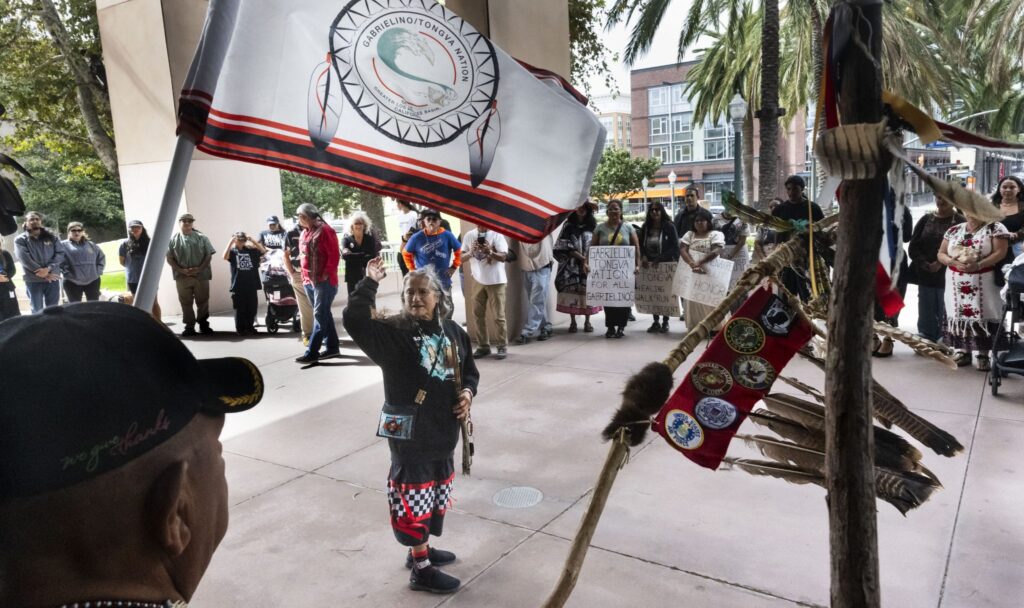
Los Angeles sits on the ancestral land of the Gabrieleno Tongva people. Following the public reaction, a spokesperson for the Tongva tribe addressed the situation in comments to The Daily Mail.

“We appreciate the opportunity to provide clarity regarding the recent comments made by Billie Eilish,” the spokesperson said. “As the First People of the greater Los Angeles basin, we do understand that her home is situated in our ancestral land.”

The statement noted that Eilish had not directly contacted the tribe regarding her property. However, the tribe expressed appreciation for public figures who bring visibility to Indigenous history.“It is our hope that in future discussions, the tribe can explicitly be referenced to ensure the public understands that the greater Los Angeles basin remains Gabrieleno Tongva territory,” the spokesperson added.

According to reports, representatives for the tribe reached out to Eilish’s team to convey their acknowledgment and perspective.

Calls for action—and backlash

In the days following the speech, commentary intensified across social media platforms. Some users suggested that if Eilish believes in the concept of “stolen land,” she should return her Los Angeles mansion to the Tongva tribe or open it to undocumented migrants.

Political commentator Eric Daugherty posted on X that Eilish should “return her mansion” or “host illegal aliens” if she stands by her remarks.

Several conservative figures echoed similar sentiments. Senator Mike Lee wrote that anyone making a public “stolen land” acknowledgment should “immediately give his or her land to Native Americans.” Minnesota state Rep. Walter Hudson questioned why individuals invoking the phrase do not “donate everything and leave.”

Florida Governor Ron DeSantis characterized the remarks as “stolen land nonsense,” while Tesla CEO Elon Musk responded with a brief “Exactly” to a related post.

Others adopted a more sarcastic tone, criticizing what they view as a disconnect between celebrity activism and personal wealth.

Broader immigration debate

Eilish has previously criticized the U.S. Immigration and Customs Enforcement agency, commonly known as ICE, alleging misconduct and heavy-handed tactics in enforcement operations. Her Grammy comments reinforced that long-standing position.

The controversy unfolded amid continued national debates over immigration enforcement and high-profile ICE raids, including recent incidents in Minneapolis that reignited discussion around federal immigration policy and its consequences.
A familiar tension

The exchange highlights an ongoing tension in American public discourse: the intersection of celebrity advocacy, historical accountability, property ownership, and immigration reform.

For supporters, Eilish’s speech represented a willingness to use a high-profile moment to spotlight systemic issues tied to colonization and migration. For critics, it underscored what they perceive as inconsistency between rhetoric and personal circumstance.

The Tongva tribe’s measured response added another layer—recognizing the historical truth of Indigenous land while encouraging more explicit acknowledgment in public conversations about Los Angeles and its origins.

As the debate continues, it raises broader questions about what acknowledgment requires in practice, how public figures navigate activism while maintaining private property, and how Indigenous communities themselves wish to be represented in these discussions.

Eilish has not publicly expanded on her Grammy remarks since the ceremony.
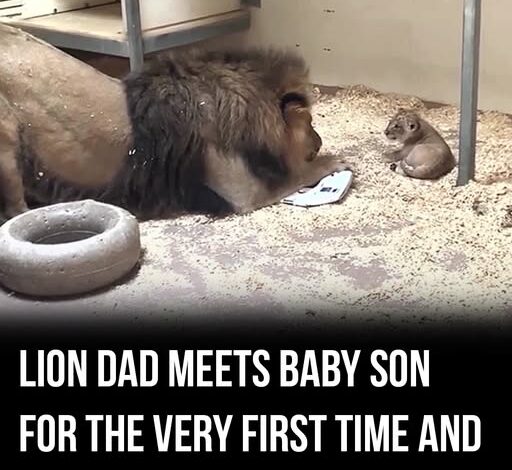
Lion father meets his newborn cub for the first time, the reaction is priceless!

The concept of parental devotion is often viewed through a human-centric lens, yet the natural world is replete with profound examples of familial bonds that challenge our understanding of animal sentience. While we readily acknowledge the complex emotional lives of primates like chimpanzees and gorillas—species that have been observed navigating the depths of both joy and grief—the predatory “King of the Jungle” is frequently stereotyped as a figure of stoic aggression rather than domestic tenderness. However, a remarkable sequence of events at the Denver Zoo has provided a rare, intimate window into the softer side of the African lion, capturing a first-ever encounter between a father and his son that has resonated with millions around the globe.

The story centers on Tobias, a majestic male lion, and his newborn son, a spirited cub named Tatu. Born on July 25, 2019, Tatu arrived as a beacon of hope for his species. With his oversized paws, fluffy coat, and an inquisitive gaze that seems to take in the world with wide-eyed wonder, Tatu was an immediate favorite among zoo staff and visitors. But beyond his undeniable aesthetic charm, his birth carried the weight of an entire species’ survival. Tatu is the third cub born to his mother, Neliah, a lioness whose protective instincts and maternal care have been exemplary. Yet, it was the introduction of the cub to his father, Tobias, that created the moment that would eventually become an international sensation.

To understand the weight of this meeting, one must look at the dire circumstances facing lions in their ancestral homes. Statistics provided by conservationists and the Denver Zoo’s own research indicate a staggering decline in the wild lion population; nearly half of Africa’s lions have vanished in the last quarter-century. They are a species under siege, grappling with the relentless pressures of habitat loss, the illegal poaching trade, and a dwindling supply of natural prey. In this context, Tatu’s birth was not merely a local celebration but a strategic victory for the Lion Species Survival Plan (SSP). This program, managed by the Association of Zoos and Aquariums (AZA), serves as a genetic lifeboat, ensuring that lion populations within accredited institutions remain healthy, diverse, and sustainable.

For Tobias, the stakes were personal. Despite his age and status, he had never fathered a cub before Tatu. This made his genetic contribution invaluable to the SSP, but it also made the social dynamics of the pride unpredictable. In the wild, the introduction of a new cub to a dominant male is a delicate, often fraught process. While lions are the only truly social cats, living in prides that function as tight-knit units, the instinctual behavior of a male toward a cub can range from indifference to lethal aggression. Zoo officials, therefore, meticulously monitored the situation, ensuring that when the father and son finally met, the environment was as stress-free and natural as possible.

The resulting footage of their first encounter is a masterclass in animal behavior and, perhaps, emotional intelligence. In the video, which has now surpassed half a million views, the sheer size difference between the two is the first thing that strikes the viewer. Tobias is a mountain of muscle and mane, a formidable predator at the apex of the food chain. Tatu, by contrast, was a mere twelve pounds of clumsy energy at the time of the filming. As Tobias approaches, there is no hint of the ferocity usually associated with his kind. Instead, he displays a cautious, almost reverent curiosity. He lowers his massive head to the cub’s level, sniffing gently, his movements slow and deliberate.

The reaction from Tatu is equally priceless. Rather than cowering in the presence of the pride’s leader, the cub displays the fearless playfulness characteristic of his age. He tumbles and swats at his father’s face, a tiny David challenging a very patient Goliath. Tobias’s response—a soft nuzzle and a steady, watchful presence—highlights an emotional complexity that many casual observers might find surprising. It is a moment of pure, unadulterated connection, a silent acknowledgement of lineage and bond that transcends the basic instincts of survival.

This interaction serves as a poignant reminder that the social structures of lions are built on more than just hunting prowess and territorial defense; they are built on relationships. The tender exchange between Tobias and Tatu provides a counter-narrative to the “nature red in tooth and claw” trope, showing that even the most powerful predators are capable of displaying gentleness and a form of paternal pride. For the staff at the Denver Zoo, seeing Tobias embrace his role as a father was the culmination of years of dedicated husbandry and conservation work. It confirmed that Tobias was not just a successful biological contributor to the species’ future, but a socially competent member of a thriving pride.

Furthermore, the viral nature of Tatu’s story has served a greater purpose than mere entertainment. It has acted as a powerful vehicle for advocacy. When people see the vulnerability of a twelve-pound cub and the protective stance of his father, they are more likely to engage with the uncomfortable truths of lion conservation. The footage bridges the gap between a distant, endangered species in Africa and the everyday lives of people across the world. It humanizes the struggle for survival, turning a data point on a population decline chart into a living, breathing story of a family trying to endure.

As Tatu continues to grow, eventually destined to become a powerful lion in his own right, the memory of that first meeting remains a cornerstone of his biography. It stands as a testament to the success of modern zoological practices, where the emotional and social well-being of the animals is given as much priority as their physical health. The Denver Zoo’s ability to facilitate such a peaceful and heartwarming introduction is a credit to their understanding of lion psychology and their commitment to the Species Survival Plan.

Ultimately, the story of Tobias and Tatu is a story of hope. It reminds us that even in a world where wildlife faces unprecedented threats, there are still moments of beauty and connection that can capture the collective heart of humanity. These “priceless” reactions are a call to action, urging us to ensure that future generations of lions—both in the wild and in managed conservation programs—have the opportunity to grow, to lead, and to nuzzle the next generation of cubs under a safe and sprawling sky. The image of the lion father crouching low to greet his son is more than just a sweet video; it is a symbol of the enduring strength of the familial bond, proving that in the heart of the wild, love is just as vital as the hunt.

Pfizer admits its Covid vaccines cause a ca!

The global response to the COVID-19 pandemic saw an unprecedented mobilization of the pharmaceutical industry, with giants such as Pfizer-BioNTech, Moderna, AstraZeneca, and Johnson & Johnson developing, testing, and distributing vaccines in what was colloquially termed “record time.” This rapid acceleration of the traditional drug development timeline—which usually spans a decade—initially sparked a dual reaction: a sense of profound hope that the end of the pandemic was in sight, and a lingering undercurrent of skepticism regarding the long-term safety profiles of these novel treatments. As the world marks nearly five years since the first mass immunization campaigns began, the medical community has shifted its focus from emergency implementation to the rigorous, retrospective analysis of long-term data.

Throughout this period, billions of doses have been administered globally, providing researchers with an enormous dataset from which to draw conclusions. While the consensus among major health organizations continues to emphasize that the benefits of vaccination in preventing severe disease and death outweigh the risks for most populations, specialists have successfully identified a specific spectrum of adverse effects. These range from common, mild reactions to rare but clinically significant conditions. Among the confirmed observations are instances of myocarditis (inflammation of the heart muscle) and pericarditis (inflammation of the outer lining of the heart), particularly in younger male recipients. Other documented effects include temporary fluctuations in blood pressure, localized allergic reactions, and, in some cohorts, significant changes in menstrual cycles, such as unusually heavy bleeding.

The debate over the severity and frequency of these side effects remains a point of contention within both the scientific community and the public sphere. For several years, the narrative surrounding vaccine safety was heavily polarized; however, recent large-scale research has provided a more nuanced middle ground. A landmark study, which has gained significant traction in medical journals, aims to quantify these risks with a level of statistical power that was previously impossible. By analyzing vast populations, scientists are now able to distinguish between coincidental health events and those with a genuine causal link to the immunization process.

The most comprehensive of these investigations was recently spearheaded by the Global Vaccine Data Network (GVDN). This massive undertaking involved an analysis of over 99 million vaccinated individuals, making it one of the largest vaccine safety studies ever conducted. The project was international in scope, drawing on health data from eight diverse nations: Argentina, Australia, Canada, Denmark, Finland, France, New Zealand, and Scotland. The findings were subsequently peer-reviewed and published in the prominent medical journal Vaccine, providing a rigorous framework for evaluating the safety of the various platforms used during the pandemic.

According to the lead researchers involved in the GVDN project, the study focused heavily on individuals between the ages of 20 and 59, a demographic that represented the bulk of the global workforce and a significant portion of the vaccinated population. France, in particular, contributed a substantial amount of data due to its robust national health tracking systems. The study scrutinized the three most widely distributed products—those developed by Pfizer-BioNTech, Moderna, and AstraZeneca—to identify “signals” of adverse events that occurred at rates higher than would be expected in the general population.

The results of the study confirmed several rare neurological and cardiovascular signals. For instance, the researchers noted an increased risk of Guillain-Barré syndrome and cerebral venous sinus thrombosis (a specific type of blood clot in the brain) following the administration of viral vector vaccines like the one produced by AstraZeneca. Regarding the mRNA vaccines from Pfizer and Moderna, the data reinforced the known risk of myocarditis and pericarditis, but also identified rare instances of acute disseminated encephalomyelitis (inflammation of the brain and spinal cord). While these events are statistically “serious,” the researchers were careful to categorize them as “rare” or “very rare” in the context of the nearly 100 million people studied.

Despite the clinical precision of the report, the publication of these results has not necessarily eased the anxieties of healthcare professionals or their patients. For many practitioners, the challenge lies in communicating these risks without undermining public trust in preventative medicine. The presence of confirmed “serious” side effects, even at a microscopic percentage of the total population, provides a complex ethical landscape for doctors who must balance individual patient concerns with broader public health mandates.

Furthermore, the study highlights the necessity of “active” versus “passive” surveillance. Passive surveillance relies on patients or doctors reporting a problem after it happens, which often leads to underreporting. The GVDN study utilized active surveillance, where researchers proactively scanned entire national databases to find patterns that might otherwise remain hidden. This shift in methodology is what allowed for the identification of these specific adverse effects with such high confidence. It serves as a reminder that as medical technology evolves, the systems we use to monitor that technology must become equally sophisticated.

The ongoing retrospective analysis of the COVID-19 vaccines is a testament to the transparency of the modern scientific process. While pharmaceutical companies were granted emergency authorizations during a time of global crisis, the subsequent years of scrutiny prove that the medical establishment is willing to investigate and acknowledge complications when they arise. For the patients who have suffered from these confirmed side effects, the findings of the GVDN study offer a form of clinical validation, providing a clear link between their symptoms and the medical intervention they received.

As we move further away from the acute phase of the pandemic, the data collected from these 99 million people will likely serve as the gold standard for future vaccine development. It offers a blueprint for how to handle global health emergencies while maintaining a rigorous commitment to safety and post-market monitoring. The conversation has evolved from whether the vaccines work—which the data overwhelmingly supports—to how we can better identify, treat, and compensate the small percentage of individuals who experience life-altering side effects.

Ultimately, the story of the COVID-19 vaccines is one of both incredible human achievement and necessary caution. The admission of side effects by both researchers and manufacturers is not an admission of failure, but rather a required step in the maturation of any medical treatment. By continuing to publish and discuss these findings openly in journals like Vaccine, the global health community ensures that the lessons learned during this era will lead to even safer and more effective interventions in the generations to come. The goal remains the same: a world protected from the ravages of infectious disease, supported by a medical system that is as honest about its risks as it is confident in its rewards.

Doctors reveal that eating eggs in the morning causes!

For decades, the humble egg was a victim of scientific misunderstanding, unfairly maligned as a primary culprit in the battle against high cholesterol. However, modern nutritional science has performed a dramatic about-face, vindicating this kitchen staple and reclassifying it as one of the most complete and efficient superfoods available to humanity. Affordable, versatile, and accessible, eggs are a powerhouse of high-quality proteins, essential vitamins, and neuro-protective fats. Yet, even as we embrace the egg’s comeback, doctors and nutritionists are sounding an alarm about a subtle but significant danger. The risk to your health isn’t found within the shell itself; rather, it is hidden in the way millions of people prepare their breakfast every single morning.

The core of the issue lies in a fundamental misunderstanding of culinary chemistry. While we often think of cooking simply as a means to make food palatable and safe, it is actually a complex series of chemical reactions. When it comes to the egg, the most common and dangerous mistake is the application of excessive, uncontrolled heat. Millions of people routinely consume overcooked or “burnt” eggs, characterized by rubbery, sulfurous whites and yolks that have turned a dusty, grayish-green. By the time an egg reaches this state, its status as a superfood has been compromised, and it may actually begin to act as a silent inflammatory agent within the body.

To understand why high-heat cooking is so detrimental, one must look at the delicate composition of the egg. When proteins and fats are subjected to extreme temperatures—such as deep-frying in shimmering oil or boiling for an excessive duration—they undergo a process known as denaturation and oxidation. Specifically, the healthy cholesterol and fats found within the yolk can oxidize, forming inflammatory compounds that irritate the lining of the digestive tract and put a strain on the cardiovascular system. Instead of absorbing the egg’s protective nutrients, the body is forced to contend with free radicals and oxidized lipids, which can lead to cellular stress and systemic inflammation.

Furthermore, overcooking creates a barrier to nutrient absorption. While heat is necessary to neutralize avidin—a protein in the white that can interfere with biotin absorption—too much heat effectively “locks” the other nutrients away in a denatured matrix that the human stomach struggles to break down. This explains a very common phenomenon among breakfast eaters: the feeling of “heaviness” or indigestion after a meal. Many people believe they have an intolerance to eggs, complaining of heartburn, bloating, or a sluggish liver, when in reality, they are suffering from the consequences of a charred egg white and a desiccated yolk. The problem isn’t the food; it’s the fire.

At the heart of this discussion is the yolk, which is arguably the most valuable biological material found in any common food source. The yolk is not a fatty “extra” to be avoided, but a concentrated delivery system for vital nutrients. It is rich in choline, an essential building block for brain health and memory; it contains high concentrations of Vitamin D, which is notoriously difficult to obtain from diet alone; and it is packed with Vitamin A, lutein, and zeaxanthin—antioxidants that are critical for maintaining eyesight and protecting the macula from age-related degeneration.

When you overcook the yolk until it is dry and crumbly, you are essentially incinerating these delicate compounds. The grayish ring often seen around the yolk of a hard-boiled egg is more than just an aesthetic flaw; it is a chemical signpost indicating that the iron and sulfur have reacted, and the nutritive value of the fats has been degraded. To reap the neuro-protective benefits of the egg, the yolk must be treated with a level of culinary respect that preserves its creamy, liquid-gold integrity.

The healthiest way to consume an egg, according to medical consensus, is to aim for a specific middle ground: the white should be fully opaque and set, while the yolk should remain creamy or slightly runny. This “soft-cooking” method ensures that the avidin in the white is neutralized for safety, while the fragile vitamins and fats in the yolk remain intact and highly bioavailable. This can be achieved through several gentle cooking techniques.

Poaching is perhaps the gold standard of egg preparation. By cooking the egg out of the shell in simmering water, you avoid the use of high-heat oils and ensure the egg never reaches the temperatures required for oxidation. Similarly, a soft-boiled egg—cooked for precisely six to seven minutes—provides a perfectly set white and a rich, nutrient-dense yolk. For those who prefer scrambled eggs or omelets, the key is “low and slow.” By using a gentle flame and a steady hand, you can create a soft, moist texture that avoids the “toasted” brown edges that signal the formation of harmful inflammatory compounds.

To transform your morning routine into a true longevity practice, consider a few strategic adjustments. First, move away from high-heat frying. If you must use oil, choose one with a high smoke point, but keep the temperature moderate so the egg doesn’t “sizzle” into a crisp. Second, rethink your pairings. The benefits of an egg can be easily negated if it is served alongside highly processed, nitrate-heavy sausages or bacon every day. Instead, pair your eggs with fiber-rich vegetables like spinach, avocado, or sautéed tomatoes, which work synergistically with the egg’s fats to boost the absorption of fat-soluble vitamins.

Ultimately, the egg is a testament to the power of nature’s design. It contains everything necessary to create life, and when consumed correctly, it offers unparalleled support for the human brain, heart, and eyes. However, we must stop viewing cooking as a purely mechanical process of heating food until it changes color. By understanding the fragility of the nutrients inside the shell, we can move away from inflammatory, high-heat habits and toward a way of eating that truly nourishes the body. The difference between a meal that causes internal stress and a meal that promotes vibrant health isn’t the ingredient list—it’s the temperature of the pan. Respect the egg, cook it with care, and let this ancient superfood do what it was designed to do: fuel your life.

Breaking News – Savannah Guthrie just got the police update!

The disappearance of Nancy Guthrie has officially shifted from a localized missing persons case to a high-stakes criminal investigation, leaving her daughter, “Today” show co-host Savannah Guthrie, and their entire family navigating a landscape of profound uncertainty. What began on a quiet Sunday morning as a concerning absence has rapidly transformed into a sophisticated multi-agency manhunt, as evidence increasingly points toward a calculated abduction. The investigation has now reached a critical juncture, with federal authorities stepping in to assist local law enforcement in a race against time.

The timeline of the crisis began on Saturday, January 31, 2026. Nancy Guthrie, 84, was last seen at her residence in Tucson, Arizona, late that evening. A woman of consistent habits and deep community ties, her failure to appear at her routine Sunday morning church service immediately sent up red flags. When relatives were unable to reach her by phone and found her home unnervingly silent, they contacted the authorities. The responding officers, initially prepared for a case of potential medical distress or a confused wanderer, quickly realized that the scene did not align with those scenarios. There were no signs of a medical emergency, but there were enough anomalies for investigators to declare the home a crime scene.

By the time the sun set on that first Sunday, the perimeter of the Tucson property was cordoned off with yellow tape. For Savannah Guthrie and her family, this was the moment the floor dropped out from under them. The shift in classification—from a welfare check to a criminal inquiry—stripped away the comfort of assuming Nancy had simply misplaced her keys or stepped out for an unannounced walk. It signaled that the state believed Nancy Guthrie had been taken against her will.

The scale of the investigation has since expanded exponentially. The Federal Bureau of Investigation (FBI) has joined local Tucson law enforcement, bringing with them a suite of forensic and digital tools. This coordinated effort is currently focused on a three-pronged strategy: forensic reconstruction, digital footprint analysis, and community canvassing.

Technicians have been meticulously examining Nancy’s home, looking for microscopic traces of an intruder. Every digital record, from cell tower pings to bank account activity, is being scrutinized for a deviation from her normal patterns. Simultaneously, investigators are reconstructing a minute-by-minute timeline of the hours leading up to her disappearance. They are reviewing footage from neighborhood doorbell cameras and highway traffic sensors, hoping to find a glimpse of a vehicle or an individual that doesn’t belong in the quiet suburban neighborhood.

Despite this surge in resources and a flood of tips from a concerned public, the official word remains frustratingly stagnant: no suspects have been identified, and no persons of interest have been named. During a recent briefing, authorities emphasized that the lack of public-facing progress should not be mistaken for a lack of activity. The investigation is described as “open, methodical, and ongoing,” a phrase that offers little comfort to a family counting the hours.

For Savannah Guthrie, the ordeal is a public nightmare layered over a private agony. As a journalist, she has reported on countless tragedies involving other families, but the professional distance she usually maintains has been obliterated. She and her relatives have retreated from the spotlight to cooperate fully with federal agents, providing personal details about Nancy’s health, routines, and social circles in hopes of finding a hidden clue.

The psychological toll of such a case is immense. Each day that passes without a breakthrough deepens the strain on the family, creating a cycle of hope fueled by new leads followed by the crushing weight of those leads turning into dead ends. The Guthrie family has expressed a profound trust in the procedural work of the FBI and local police, choosing to focus on the facts of the case rather than the rampant speculation that has begun to circulate online.

This case serves as a jarring reflection of how fragile the veneer of suburban safety can be. It highlights the terrifying speed with which an ordinary life can be disrupted by a single missing appointment or a silent phone. In the age of instant information, the Guthrie case also underscores the necessity of institutional restraint. While the public hungers for “Breaking News” and immediate arrests, the FBI has stressed that evidence must take precedence over spectacle. A premature arrest based on rumor could jeopardize the eventual prosecution and, more importantly, the safe recovery of Nancy herself.

The investigation has recently taken on a more grim tone as authorities acknowledge the possibility of intentional harm. The “Today” show anchor and her family are living in a state of suspended animation, waiting for the one call that will bring clarity to the chaos. They are relying on their faith and the tireless work of the men and women in the field, holding onto the belief that truth is an inevitability that simply requires time to surface.

As of early February 2026, the $50,000 reward for information leading to Nancy’s recovery remains active. The FBI continues to urge anyone who was in the vicinity of the Tucson neighborhood on the night of January 31 to report even the most seemingly insignificant detail. In many cases of this nature, it is a small, overlooked observation—a strange car, a person out of place, a muffled noise—that provides the missing piece of the puzzle.

Until that piece is found, the search for Nancy Guthrie remains a testament to a family’s resilience and a community’s collective hope. The investigation has moved from a place of simple concern to a focused, high-stakes inquiry, and while the questions are numerous, the resolve of those searching for Nancy remains unshaken. For Savannah and her family, the mission is no longer just about finding an explanation; it is about bringing a mother home and reclaiming the peace that was stolen on a quiet Saturday night.

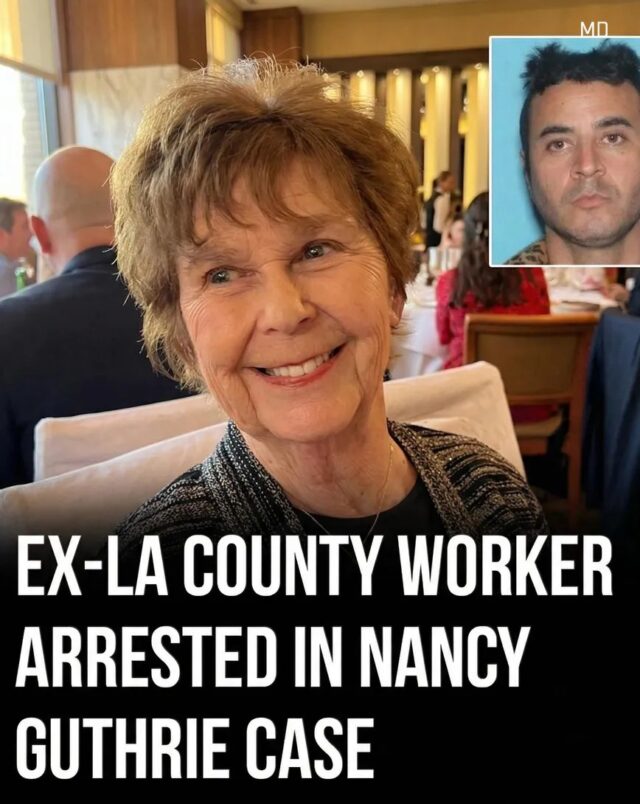
Former LA County Employee Arrested in Connection With Nancy Guthrie Investigation

An arrest has been made in connection with the ongoing investigation into the disappearance of Nancy Guthrie, but officials stress that it does not mean her case has been solved. Federal authorities recently detained a Southern California man accused of sending deceptive messages to Guthrie’s family, falsely implying involvement in her disappearance. Investigators say the individual is not believed to have any connection to Nancy’s whereabouts. Instead, the arrest focuses on alleged attempts to exploit the family’s distress by sending messages referencing cryptocurrency payments, creating confusion during an already sensitive search effort.

According to federal prosecutors, the suspect was taken into custody in Hawthorne, California, on February 5. Authorities allege he sent messages suggesting ransom payments were expected and later placed a phone call to a family member without identifying himself. Investigators claim these actions were intended to provoke fear or pressure the family while the search was ongoing. Officials also note that the messages reportedly arrived shortly after Nancy’s relatives publicly appealed for her safe return, a time when the family was especially vulnerable and seeking credible information.

Law enforcement officials emphasized that these communications appear to be unrelated to earlier ransom notes sent to media outlets, which remain part of the broader investigation. While authorities have not confirmed whether those earlier messages are genuine, they say every lead is being carefully examined. Federal investigators continue to treat the situation with urgency, maintaining that no arrests have yet been made in connection with Nancy’s actual disappearance. Officials also confirmed that the investigation spans multiple states and agencies as they work to separate credible information from misleading tips and hoaxes.

Meanwhile, Nancy Guthrie’s family continues to publicly ask for help and for direct communication from anyone with reliable information. In recent messages, family members expressed concern about misinformation and the growing risk of false claims spreading online. Federal authorities have issued a warning that anyone attempting to take advantage of the situation for personal gain could face serious consequences. The FBI has also announced a reward of up to $50,000 for information leading to Nancy’s safe recovery or the identification of anyone directly responsible for her disappearance. As the search continues, officials urge the public to share only verified information and allow investigators to focus on bringing clarity and resolution to the case.

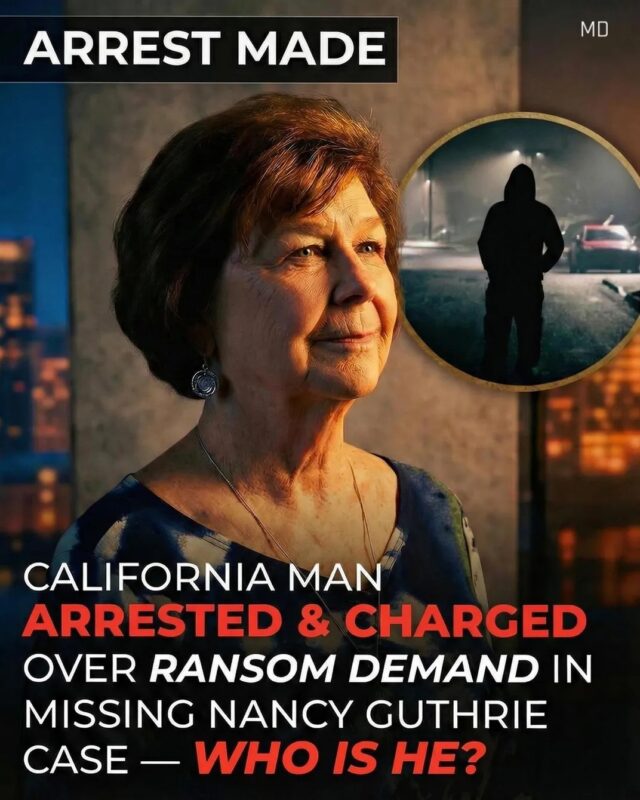
California Man Arrested by FBI After Messages Sent During Nancy Guthrie Search — Latest Updates

Federal investigators have confirmed the arrest of a California man after alarming messages were sent to the family of Nancy Guthrie during the ongoing search for the 84-year-old woman. The communications, which surfaced while public concern over her disappearance was growing, quickly drew federal attention. Authorities later clarified that the arrest was not directly connected to Nancy’s disappearance, but rather centered on the messages themselves. As court filings and official statements emerged, the situation proved more complex than early reports suggested.

According to the U.S. Department of Justice, investigators determined that the suspect allegedly contacted members of the Guthrie family after following media coverage of the case. Officials say the messages crossed state lines and prompted swift cooperation between federal and local law enforcement agencies. Prosecutors filed a criminal complaint accusing the man of transmitting messages involving a ransom demand and using telecommunications to harass or threaten others. Authorities emphasized that a complaint represents allegations only, and the suspect remains presumed innocent unless proven guilty in court. Investigators added that the messages appear unrelated to Nancy Guthrie’s disappearance.

Public records also revealed the suspect had previously faced charges in an unrelated case involving alleged unemployment benefit fraud during the COVID-19 pandemic. Court documents indicate he was among several county employees accused of improperly receiving state benefits while still collecting paychecks. That earlier case remains active, and legal proceedings continue separately. Federal officials stated the suspect was taken into custody in Los Angeles County and is expected to appear before a federal magistrate judge as the investigation moves forward.

Meanwhile, investigators in Arizona continue working to clarify events surrounding Nancy Guthrie’s disappearance. Authorities recently explained why no usable footage exists from a doorbell camera at her home, noting that the device briefly disconnected and automatically overwrote recordings because there was no active storage subscription. Law enforcement officials continue urging the public to rely only on confirmed information while the investigation continues. Nancy’s family has also shared an emotional public message asking for continued support and responsible sharing of information as they await answers and hope for her safe return.

5 Warning Signs a Wild Forest Root May Not Be Safe to Eat

For generations, people living close to forests relied on wild plants and roots during times of hardship. These natural resources sometimes provided food or traditional remedies when other options were limited. However, modern experts warn that eating wild roots today without proper knowledge can be risky. Just because something grows naturally or was once used by ancestors does not automatically make it safe. Some wild roots contain harmful substances that can cause serious health problems if consumed incorrectly. One major warning sign appears even before tasting the root. If touching or handling it causes itching, burning, redness, or numbness on the skin, lips, or tongue, it may contain natural irritants.

Certain plants produce compounds that can irritate tissues or cause swelling and discomfort. If simple contact leads to irritation, consuming it could create even stronger reactions inside the body. It is always safer to avoid any plant that causes an immediate uncomfortable reaction. Another common danger comes from misidentification. Many edible and toxic roots look nearly identical, and small differences in shape or color can determine whether a plant is safe or harmful. Traditional communities often relied on generations of experience to recognize plants correctly and prepare them safely. Without this knowledge, guessing can lead to dangerous mistakes.

Similarly, if a root requires complicated preparation methods such as long soaking, repeated boiling, or special treatment to remove toxins, it should be approached with caution. Incorrect preparation can leave harmful substances behind, leading to stomach illness or other health issues. Taste can also provide a warning. Extremely bitter, sharp, or numbing flavors may signal that a plant is producing natural defense chemicals to discourage animals from eating it. Cooking or seasoning may hide unpleasant flavors but does not always remove risk. In addition, certain individuals—including pregnant or breastfeeding women, young children, elderly people, or those with medical conditions—should be especially careful, as even mildly harmful substances may affect them more strongly.

Wild plants are not standardized in safety or dosage, and reactions can vary widely from person to person. Wild roots remain part of cultural history and survival stories, but history also includes many cases of accidental poisoning. Nature offers many benefits, yet caution is essential when dealing with unfamiliar plants. When identification is uncertain or preparation methods are unclear, choosing not to consume the plant is the safest decision. Protecting health should always come before curiosity, and modern food safety knowledge helps ensure that natural exploration remains safe and responsible.

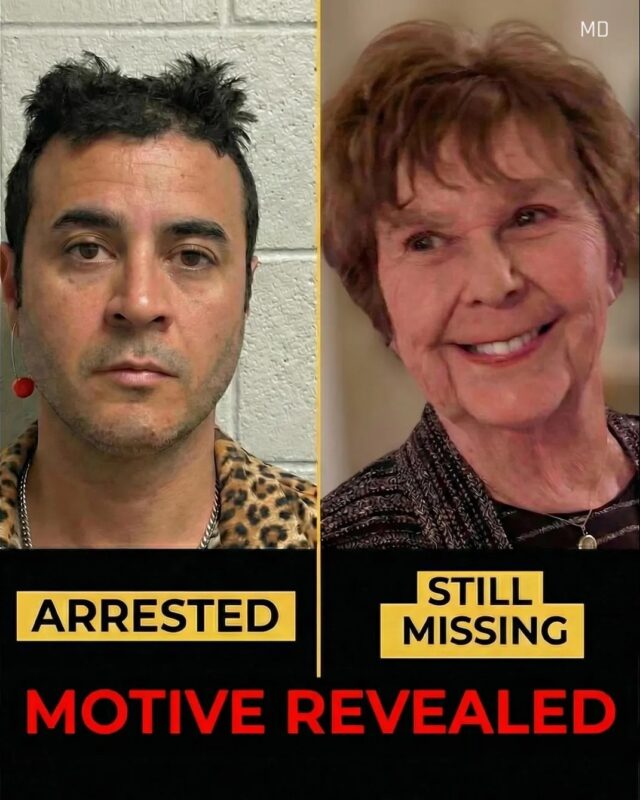
Man Detained After Allegedly Contacting Family During Nancy Guthrie Investigation

A troubling development emerged in the ongoing search for 84-year-old Nancy Guthrie when authorities arrested a California man accused of sending alarming messages to members of her family. According to court records, Derrick Callella allegedly sent texts referencing bitcoin payments shortly after the family publicly appealed for help in locating their missing loved one. The messages appeared during an already emotional period, intensifying fears and confusion. Investigators later determined that the communications were not connected to Nancy’s disappearance, but the timing and tone caused significant distress. Family members quickly reported the messages, allowing law enforcement to trace the phone number and take swift action.

Prosecutors say the suspect also made a brief phone call to another relative, further raising concerns. When officers visited his residence, court documents indicate that he admitted to closely following news coverage of the case and claimed he sent the messages after locating contact information online. Authorities allege the intent was to see whether the family would respond, rather than to make an actual ransom demand. He now faces federal charges related to transmitting communications that falsely imply ransom demands. Officials have emphasized that his actions appear separate from other reports connected to the case, though the situation highlights how misinformation and hoaxes can complicate already sensitive investigations.

Meanwhile, investigators continue focusing on Nancy Guthrie’s disappearance in Arizona. Law enforcement officials have stated that evidence found at her home led them to classify the case as a criminal investigation rather than a routine missing-person search. Reports indicate that her personal belongings, including her phone and vehicle, were left behind, and officials believe she did not leave voluntarily due to limited mobility and medical needs. Authorities have urged the public to avoid speculation and refrain from sharing unverified claims online, stressing that such rumors can interfere with investigative efforts and cause additional pain to families involved.

Nancy’s children have also made heartfelt public appeals, asking for compassion, responsible information sharing, and continued support as authorities search for answers. They describe their mother as a deeply caring woman whose absence has left a profound void in their lives. Law enforcement officials say they remain committed to bringing her home safely and continue reviewing surveillance footage, community tips, and forensic evidence. While many questions remain unanswered, investigators maintain hope that credible information will emerge. Officials encourage anyone with relevant details to contact authorities, reminding the public that cooperation and accurate information are essential in helping families through difficult moments and ensuring investigations can proceed without distraction or unnecessary fear.

Mini Cinnamon Roll–Style French Toast Bites

If you love the comforting taste of cinnamon rolls and the classic appeal of French toast, this easy recipe brings the best of both together in one warm, bite-sized breakfast treat. These mini cinnamon French toast bites are crisp on the outside, soft and fluffy on the inside, and filled with cozy cinnamon sweetness. They’re perfect for weekend brunch, holiday mornings, or whenever you want a quick breakfast that feels a little special without requiring hours in the kitchen.

This recipe was inspired by a simple kitchen experiment aimed at creating something delicious without the long wait time that traditional cinnamon rolls require. Using refrigerated cinnamon roll dough saves time while still delivering rich flavor. By slicing the dough into small pieces and coating them in a classic French toast mixture, you can transform an everyday ingredient into a golden, skillet-cooked breakfast ready in under twenty minutes. It’s a practical solution for busy mornings while still feeling homemade.

To prepare, start with one tube of refrigerated cinnamon rolls and set the icing aside for later. Cut each roll into small bite-sized pieces. In a separate bowl, whisk together two eggs, about one-third cup of milk, a teaspoon of vanilla extract, and a small sprinkle of ground cinnamon. Lightly coat the dough pieces in this mixture so they absorb flavor without becoming soggy. Melt a little butter in a skillet over medium heat and cook the coated pieces in a single layer, turning occasionally until they become evenly golden and cooked through. For an alternative method, the bites can also be cooked in an air fryer at 350°F (175°C) for about six to eight minutes, shaking halfway through for even browning.

Once the bites are cooked, gently warm the icing included with the dough and drizzle it over the top just before serving. You can also add powdered sugar or a splash of maple syrup if you prefer extra sweetness. These treats are best enjoyed fresh and warm, making them ideal for sharing with family or guests straight from the pan. With minimal ingredients and simple preparation, this recipe turns an ordinary morning into a cozy and satisfying experience. Whether served with fruit, yogurt, or a cup of coffee, these mini cinnamon French toast bites offer a comforting start to the day that both kids and adults are sure to enjoy.

Popular

Words From Nancy Guthrie Change Everything for the Family!?

0
The disappearance of Nancy Guthrie has transitioned from a private family tragedy into a sprawling narrative that has gripped the collective public consciousness. This...