Entertainment

Can Pickle Juice Actually Relieve!

For decades, the sight of elite athletes swigging murky green liquid from a jar of pickles was dismissed as locker-room folklore—a desperate superstition born of the grueling heat of competition. Coaches often rolled their eyes at the practice, and many medical professionals categorized the purported benefits as a textbook example of the “placebo effect.” The logic was simple: muscle cramps were widely believed to be the result of dehydration or electrolyte depletion, and there was no biological way for the sodium or potassium in pickle juice to reach the bloodstream quickly enough to halt a brutal spasm. Yet, the athletes remained steadfast, insisting that their agony vanished in mere seconds.

This disconnect between anecdotal success and scientific theory eventually led researchers to investigate the phenomenon under controlled conditions. In a series of groundbreaking studies, volunteers were wired up with electrodes and subjected to induced muscle cramps. What researchers witnessed was described by many as “impossible.” The relief did not take ten or fifteen minutes to manifest; it arrived in under ninety seconds. This timeframe shattered the traditional electrolyte theory, as the human digestive system cannot possibly absorb nutrients and distribute them to the calves or hamstrings with that kind of velocity. The speed of the recovery suggested that the relief wasn’t coming from the stomach, but from a much more immediate source: the nervous system.

The real power of pickle juice, as it turns out, lies in its sharp acidity—specifically the acetic acid found in the vinegar. The moment this liquid touches the specialized receptors in the back of the mouth and throat, it triggers a reflex. These receptors send an instantaneous neural “jolt” through the nervous system, effectively acting as a circuit breaker. This signal travels to the spinal cord and “scrambles” the malfunctioning motor neurons that are responsible for keeping the muscle locked in a painful, involuntary contraction. Instead of slowly replenishing a chemical deficiency, the pickle juice essentially “flips a switch” to reset the muscle’s electrical activity.

This neurological mechanism explains why a relatively small dose—typically two to three ounces—is all that is required to achieve results. Because the effect is based on a sensory trigger rather than metabolic absorption, the volume of the liquid is less important than its intensity. This discovery has revolutionized the way sports scientists view muscle dysfunction, shifting the focus from purely chemical causes to the complex interplay between the sensory organs and the motor cortex. It has also legitimized a practice that was once the subject of ridicule, placing the pickle jar firmly alongside high-tech recovery tools in the modern training room.

However, while pickle juice is an undeniably potent tool, it is not a universal cure-all, and its use requires a degree of caution. The same high sodium content and acidity that make it an effective emergency intervention can pose risks if utilized improperly. For individuals managing hypertension or other cardiovascular concerns, the sudden influx of salt can lead to unwanted spikes in blood pressure. Furthermore, the aggressive acidity of vinegar can aggravate conditions like acid reflux or gastroesophageal reflux disease (GERD). Over time, frequent consumption can also take a toll on dental health, as the acid can gradually erode tooth enamel if the mouth is not rinsed with water following use.

It is also important to distinguish between “relief” and “prevention.” Pickle juice is an acute treatment—it stops a fire that is already burning. It does nothing to address the underlying physiological vulnerabilities that lead to cramping in the first place. The deeper, more sustainable fix for chronic muscle spasms still resides in the quiet, daily choices an individual makes long before they step onto the field or the treadmill. True metabolic resilience is built through consistent, steady hydration and the maintenance of a balanced mineral profile, including adequate magnesium, calcium, and potassium.

Furthermore, the role of physical preparation cannot be overstated. Gentle, consistent stretching helps maintain the elasticity of muscle fibers and the responsiveness of the Golgi tendon organs, which are the body’s natural sensors for muscle tension. Training the body to move with efficiency and incorporating varied movements into a fitness routine can reduce the likelihood of the neural “misfires” that manifest as cramps. Ultimately, the body often “whispers” its needs through minor twinges, localized tightness, or mild fatigue long before it finally “screams” in the form of a debilitating spasm. Listening to those whispers—by adjusting intensity or increasing rest—is the most effective way to avoid needing the “vinegar jolt” altogether.

The story of pickle juice in sports science is a fascinating reminder that traditional wisdom often contains a kernel of profound truth, even if the initial explanation is incorrect. It highlights the importance of keeping an open mind in the face of unconventional results and the value of looking beyond the obvious to find the real mechanism of action. What was once seen as a strange quirk of the “old guard” of coaching has provided a new window into the incredibly rapid communication network that exists between our senses and our muscles.

For the modern athlete or active individual, pickle juice should be viewed as a reliable emergency backup—a “break glass in case of fire” solution. Having a small amount on hand during high-intensity sessions or long-duration events can provide peace of mind and a quick exit from an agonizing situation. But the goal of any sophisticated wellness program should be to build a body so well-tuned and well-nourished that the switch never needs to be flipped in the first place. By balancing the ” folklore” of the training room with the hard data of the laboratory, we can develop a more nuanced and effective approach to human performance and recovery.

At 12, I stole flowers to place on my mother’s grave — a decade later, I came back as a bride and the florist told me a secret I never expected.

A Bouquet for My Mother
When I was twelve, I used to steal flowers from a small shop down the street to place on my mother’s grave.

She had passed away the year before, and my father worked long hours, too exhausted to notice how often I slipped out of the house. I had no money of my own. But bringing flowers to her grave made me feel closer to her—as if a small bit of beauty could somehow bridge the distance between the living and the lost.

One afternoon, the shop owner finally caught me.

I was standing there with a handful of roses, my heart pounding so loudly I could barely breathe. I expected shouting. Maybe even the police.

But instead, the woman—who looked to be in her fifties, with kind but slightly tired eyes—simply said,

“If they’re for your mother, take them properly. She deserves better than stolen stems.”

I stared at her, confused. My lips trembled as I whispered,

“You’re… not angry?”

She shook her head.

“No. But next time, come through the front door.”

The Kindness That Changed Everything
From that day forward, everything changed.

Every week after school, I would stop by the flower shop. I’d brush the dirt off my shoes before stepping inside and quietly tell her which flowers I thought my mother might like that day—lilies, tulips, or sometimes daisies.

She never asked me for a single cent.

Sometimes she would smile and say,

“Your mother had good taste,”

before slipping an extra flower into the bouquet.

Those afternoons became my secret refuge.

The shop always smelled like fresh soil and sunshine. It was a place where life kept growing, even when grief felt overwhelming.

Ten Years Later
Ten years passed.

I left town, went to college, and slowly built a life of my own. But I never forgot the woman who had shown a grieving child such unexpected kindness.

When I finally returned, it was for a much happier reason.

My wedding.

I walked back into the same flower shop. It looked a little smaller now, a little older. The paint on the sign had faded, but the scent inside was exactly the same.

The owner stood behind the counter, her hair now more silver than brown.

She didn’t recognize me.

“I’d like a bouquet,” I said. “For my wedding.”

Her face brightened.

“Congratulations, dear. What kind would you like?”

A Memory Rediscovered
As she wrapped the bouquet, I took a deep breath.

“You once let a little girl take flowers without paying,” I said quietly. “They were for her mother’s grave.”

Her hands froze.

Slowly, she looked up at me.

“That was you?”

I nodded.

Tears filled her eyes.

“I knew your mother,” she whispered. “And your grandmother too. They were both kind to me when I first opened this shop.”

She gently touched the daisies in her hands.

“Your mother used to come in every Sunday. She always bought daisies. She said they reminded her of home.”

My throat tightened.

I had never known that.

“She must have passed that love on to you,” the woman said softly. “And now here you are… beginning your own new chapter.”

A Gift Returned
She finished wrapping the bouquet and tied it with a white satin ribbon.

“No charge,” she said with a familiar wink. “For old times’ sake.”

But this time, I reached for my wallet and placed the money on the counter.

“No,” I said gently. “This time, it’s my turn to give something back.”

She smiled, her eyes shining with emotion.

“Your mother would be proud of you.”

When Kindness Blooms Again
As I stepped outside, sunlight spilled across the petals in my hands.

I paused for a moment, breathing in the soft scent of daisies.

And for the first time in years, I didn’t feel the heavy ache of loss.

Instead, I felt warmth—like my mother was standing beside me, smiling.

That was when I realized something important.

Kindness doesn’t just heal a moment.

Sometimes, it quietly takes root… waiting years to bloom again.

Just like those daisies that I once thought I had stolen—
but had, in truth, always been given with love.

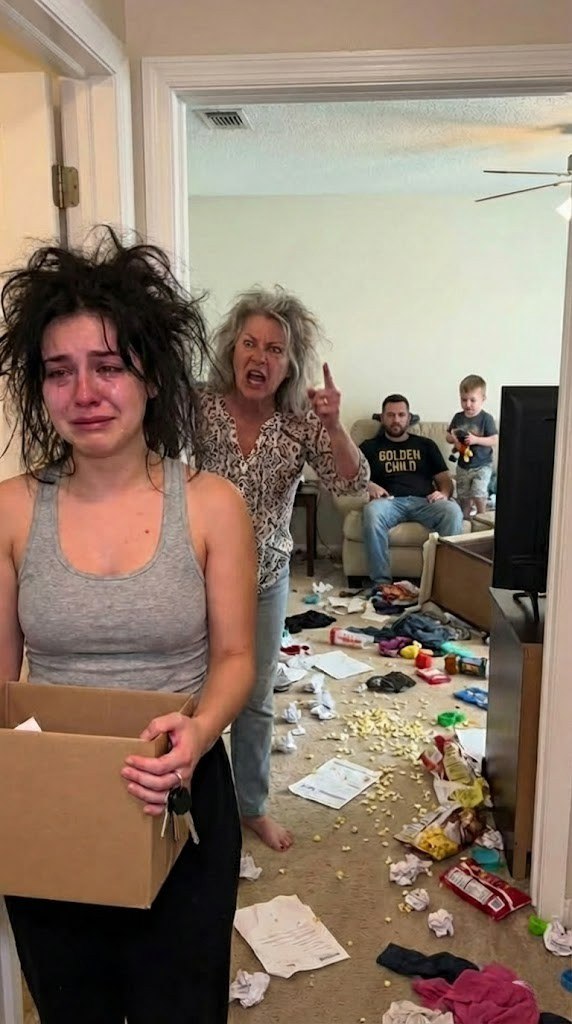
I paid off my condo after years of saving. Then my sister said it should be her late wedding gift. When she showed up with bags ready to move in, I whispered one thing that made her snap…

Part 1: The Quiet Victory

The glow from my laptop screen was the only light in the living room. I sat cross-legged on a cheap, scratchy rug I had bought at a thrift store eight years ago for fifteen dollars. It smelled faintly of dust and old decisions, but tonight, it felt like a throne.

I stared at the digital statement from my mortgage lender.

Balance: $0.00.

I didn’t pop a bottle of champagne. I didn’t call a friend to scream the news. I didn’t even smile at first. I just sat there in the quiet of my two-bedroom condo, pulled my knees to my chest, and cried.

They weren’t pretty, cinematic tears. They were the silent, exhausting, ugly tears of a woman who had spent almost a decade at war with her own life. For eight years, I had worked eighty-hour weeks as a senior data analyst. I had eaten rice and beans while my peers went on backpacking trips through Europe. I drove a battered Honda Civic that rattled when it hit sixty miles an hour. I hadn’t bought a new piece of clothing that wasn’t strictly for the office in four years. Every bonus, every tax return, every spare dollar I squeezed out of my miserable budget went straight into the principal of this mortgage.

This condo wasn’t just walls and a roof to me. It wasn’t a starter home. It was the physical manifestation of my survival.

Growing up in my family meant understanding your place in the ecosystem early on. My older sister, Tessa, was the exotic flower that needed constant sunlight, delicate handling, and endless resources to bloom. I was the dirt she was planted in.

If Tessa wanted to go to a private art college to “find her passion” (which she abandoned two years later), my parents took out a second mortgage. If I needed braces, I was told to get a part-time job at sixteen to help cover the co-pay. I learned quickly that the only way to guarantee I wouldn’t drown in their wake was to build my own boat.

And tonight, the boat was finally, legally, entirely mine.

Two weeks later, the quiet peace of my debt-free life was shattered by the shrill ringtone of my phone. The caller ID flashed my sister’s name.

“Hey, Maya,” Tessa said. Her voice dripped with that manufactured, breathy sweetness she always deployed right before she asked for money, a favor, or a blood sacrifice.

“Hi, Tessa. What’s up?” I asked, putting her on speakerphone as I wiped down the granite kitchen counter I literally owned outright.

“So, Mom mentioned that you finally paid off your place,” Tessa said, not bothering to offer congratulations. “Honestly, Maya… it feels meant to be. Like the universe is finally giving me a sign.”

“Meant to be what?” I asked, my hand stilling on the sponge.

“My late wedding gift,” she announced.

I closed my eyes, a familiar, throbbing headache building behind my temples. Three months ago, Tessa’s fiancé, a wealth manager named Greg, had dumped her a month before their lavish wedding. According to Greg, he couldn’t handle her “financial irresponsibility.” According to Tessa, he was a narcissist intimidated by her light.

Since the breakup, Tessa had milked the tragedy dry. She had quit her part-time job as a “lifestyle consultant” because she was too “emotionally fragile” to work. She had moved back into our parents’ house, turning them into her personal servants, demanding breakfast in bed and expensive therapy retreats to heal her trauma.

“A wedding gift for a wedding that didn’t happen?” I clarified, trying to keep my voice neutral.

“Don’t be cruel, Maya,” Tessa snapped, the sweetness vanishing instantly. “You know how hard this has been for me. I’m suffocating at Mom and Dad’s house. It’s so depressing. I need a fresh start. And you… you’re single. You don’t even have a boyfriend. You don’t need a two-bedroom condo all to yourself. It’s greedy.”

“Greedy?” I repeated, the word tasting like ash in my mouth.

“Yes! I deserve something that makes me feel safe again,” she continued, her logic twisting reality into a pretzel. “You can move into a smaller apartment downtown, closer to your boring office. I’ll take over the condo. I’ll even be generous and pay the HOA fees for you, so you don’t have to worry about the maintenance. It’s a win-win.”

“I’m not giving you my home, Tessa,” I said flatly.

“I’m not asking you to give it to me forever! Just… put the deed in a trust or something so I have security, and let me live there!” she whined, her voice pitching up into a childish register. “You owe me this! You weren’t even going to be my Maid of Honor!”

“Because you asked your yoga instructor instead,” I reminded her. “The answer is no. Don’t ask again.”

I hung up the phone.

I knew it wouldn’t end there. Tessa didn’t hear the word “no”; she only heard “negotiate harder.”

Sure enough, at 8:00 PM that night, my mother called.

“Maya, honey,” my mother, Helen, coaxed, her voice thick with practiced maternal exhaustion. “Tessa is crying hysterically. She said you were incredibly vicious to her on the phone today.”

“I told her I wasn’t giving her my house, Mom. If she considers that vicious, she needs more therapy than you’re currently paying for.”

“Maya, please. Try to have some empathy,” Helen sighed. “Tessa is fragile right now. Her entire life fell apart. You… you’re strong. You’ve always been so independent and tough. You don’t need a fancy condo to be happy. You can handle staying in my guest room for a few months, or renting a little studio. Tessa needs a space to heal.”

“So, because I’m strong, I have to suffer for her?” I asked, my voice trembling with a rage that had been brewing since childhood.

“It’s not suffering, it’s family,” Helen corrected sharply. “We all have to make sacrifices. Just… think about it, Maya. Do the right thing.”

I hung up the phone.

I thought about it. I sat on my couch and thought about how Tessa had “found herself” on a three-week retreat in Bali while I was eating ramen noodles to cover my closing costs. I thought about how my mother viewed my resilience not as an achievement, but as a resource to be harvested for her favorite child.

I decided right then that I was done negotiating my existence. I didn’t text them back. I stopped answering their calls. I thought silence would be my boundary. I thought they would get the hint.

I didn’t realize they interpreted my silence not as a wall, but as a welcome mat.

Part 2: The Hallway Ambush

Three days later, I stepped off the elevator onto the fourth floor of my building. I was bone-tired from a ten-hour shift, carrying a heavy tote bag of groceries, looking forward to nothing more than a hot shower and the absolute silence of my own space.

I turned the corner toward unit 4B and stopped dead in my tracks.

Standing directly in front of my door was Tessa.

She wasn’t just standing there. She was flanked by an absurd amount of luggage. There were two massive, hard-shell Rimowa suitcases, three oversized shopping bags from Nordstrom, and a thick, opaque garment bag that I instantly recognized as holding her unworn, $8,000 wedding dress.

My mother, Helen, stood slightly behind her, holding a potted orchid. Helen looked down at her sensible shoes, unable to meet my eye. She looked guilty, but not guilty enough to stop the madness.

“Surprise!” Tessa beamed, clapping her hands together. She was wearing a matching cashmere loungewear set and full makeup. She looked like she was checking into a luxury resort in Aspen, not ambushing her sister in a municipal hallway.

“What is this?” I asked, my voice dangerously low. I didn’t drop my grocery bag.

“I’m moving in!” Tessa announced, stepping forward as if expecting a hug. “Mom helped me pack. Honestly, Maya, I was mad at you the other day, but Mom explained that you were just processing the transition. She said you always come through for family when push comes to shove.”

Tessa looked around the hallway, wrinkling her nose slightly at the beige carpet. “It’s a little drab out here, but the inside gets good light, right? This is going to be so good for my mental health. I’m ready for my fresh start.”

She reached her right hand out toward me, wiggling her perfectly manicured fingers, fully expecting me to drop my house keys directly into her palm and walk away from my own life.

I looked at my mother. “You told her I would cave if she just showed up?”

Helen flinched. “Maya, please don’t make a scene in the hallway. Let’s just go inside and talk about the logistics. I can help you pack a few bags for the week so you can transition to my house.”

They had actually planned this. They had packed her bags, loaded her car, driven across town, and hauled her luggage up the elevator, entirely banking on my lifelong, conditioned fear of public confrontation. They thought the social pressure of a hallway ambush would force me to open the door and surrender my sanctuary.

I didn’t yell. I didn’t cry. The anxiety that usually choked me in their presence was entirely absent, replaced by a cold, crystalline clarity.

I walked calmly toward my front door. I didn’t alter my path. I walked straight at Tessa, forcing her to either step back or be physically run over by me and my grocery bag.

Tessa stumbled backward, her back hitting the heavy wood of my door. “Whoa, Maya, chill,” she laughed nervously.

I stepped right into her personal space. I leaned in close to her ear. I could smell her expensive, cloying perfume—a custom scent she had purchased three weeks ago while “grieving” her breakup.

I didn’t raise my voice. I whispered one single, devastating sentence.

“I sold it yesterday.”

Tessa’s triumphant, entitled smile vanished instantly.

I pulled back just far enough to watch her face. Her jaw went slack. Her eyes darted wildly to my mother, then back to me, searching my expression for a tell. But I gave her nothing. My face was a mask of stone.

The realization that she couldn’t manipulate, cry, or bully her way into this asset hit her like a physical, suffocating blow. She had already given up her room at our parents’ house in her mind. She had already envisioned herself hosting wine nights in my kitchen. And with four words, I had completely vaporized the prize she was fighting for.

“What?” Tessa gasped, her breath catching in her throat.

And then, the “fragile, grieving” sister snapped so violently that Mr. Henderson, the eighty-year-old man who lived across the hall, opened his door a crack to see who was being murdered.

Part 3: The Meltdown

“YOU SOLD IT?!” Tessa shrieked.

The sound bounced off the concrete walls of the hallway, a high-pitched, guttural wail of pure, unadulterated greed. She wasn’t mourning a lost sisterly bond; she was mourning stolen real estate.

“You selfish bitch!” Tessa screamed, stepping toward me, her hands balling into fists. “That was my house! That was going to be my fresh start! How could you sell it without telling me?! I told you I needed it!”

“It was my house, Tessa,” I said calmly, adjusting the grocery bag on my shoulder. “I didn’t need your permission to do anything. But actually… I didn’t sell it.”

Tessa froze, her face caught halfway between a scream and a look of profound confusion.

“I didn’t sell it,” I repeated, letting a slow, hard smile touch my lips. “But your reaction just proved everything I needed to know. You don’t want a relationship with me. You don’t want to heal. You just wanted my equity.”

The realization that I had tricked her, that I had exposed the ugly, grasping reality of her intentions in front of our mother, broke whatever fragile restraint Tessa had left.

“You liar!” Tessa lunged forward, her hands curling into actual claws, aiming for my face.

My mother, finally shocked out of her passive complicity, dropped the potted orchid. It shattered against the baseboards, dirt spilling everywhere. Helen grabbed Tessa by the arm, yanking her back before she could scratch me.

“Tessa, stop!” Helen cried, horrified by the violent scene unfolding in a respectable condo building. She turned to me, her face pale. “Maya, why would you lie like that? Why would you play games with your sister’s emotions when you know how unstable she is right now?!”

“To see if she wanted me, or my money,” I replied coldly. “And I got my answer.”

I stepped around the shattered orchid. I pulled my keys from my pocket, selected the heavy brass key, and slid it into the deadbolt. I turned it. It moved with a heavy, satisfying, metallic clack.

“You can’t go in there!” Tessa sobbed. She wasn’t acting anymore; this was a genuine toddler tantrum from a thirty-year-old woman. She kicked her own $800 Rimowa suitcase, sending it skidding across the hallway. “I already told all my friends I was moving downtown! I packed all my stuff! Mom told me you’d cave if I just showed up with my bags! She promised me!”

I stopped with my hand on the doorknob. I looked back at my mother.

This was the ultimate betrayal. Helen hadn’t just enabled Tessa; she had actively orchestrated a covert operation against me. She had gambled my sanity, my safety, and my hard-earned property to buy herself some peace and quiet from Tessa’s whining.

“Is that true, Mom?” I asked softly. “You promised her my home?”

Helen looked down at the spilled dirt, her silence a damning confession. “Maya… you’re so capable. You always figure things out. Tessa just… she needs more help than you do.”

“Then she can get a job,” I said. I pushed the handle and pushed the door open, revealing the pristine, quiet entryway of my condo. “And she can keep sleeping on your couch.”

I stepped over the threshold. The air inside my condo smelled like clean linen and the faint hint of the coffee I had brewed that morning. It was a haven.

I turned back to close the heavy wooden door.

Tessa let out an animalistic growl and threw her entire body weight against the wood. She shoved her designer sneaker into the gap between the door and the frame, preventing it from closing.

“You owe me!” she screamed, her face red and twisted, spit flying from her lips. “You have nothing else going on in your pathetic, lonely life! You have no husband! You have no kids! Let me in! Give it to me!”

She shoved hard against the door, trying to force her way inside. She was actually trying to physically invade my home.

I looked down at her sneaker wedged in my doorway. I didn’t try to push back against the door. I didn’t engage in a physical shoving match in the hallway.

I took a step back into my entryway, pulled my smartphone from my pocket, and dialed three numbers.

Part 4: The Trespass Notice

I put the phone on speaker and held it up.

“911, what is your emergency?” the dispatcher’s voice rang out, clear and loud in the quiet of my entryway.

Tessa froze, her weight still pressing against the door, her eyes widening in disbelief.

“Hi, my name is Maya Vance. I am at 4400 West Elm Street, Unit 4B,” I said, my voice steady, professional, and completely devoid of panic. “I have two individuals attempting to force entry into my home. One of them has wedged her foot in my door and is becoming violent.”

My mother gasped, a sharp, terrified intake of air. The reality of the situation—the public scandal, the police involvement—finally pierced through her delusion. She grabbed Tessa by the shoulders and yanked her backward with surprising strength.

“Maya, hang up the phone right now!” Helen hissed in a panicked whisper, terrified that Mr. Henderson or the other neighbors would hear. “Are you insane? We’re your family! You don’t call the police on your family!”

“Not anymore,” I said.

As Tessa pulled her foot back in shock, I slammed the heavy oak door shut. I turned the deadbolt, threw the chain lock, and engaged the secondary floor lock I had installed myself.

“Ma’am, are the intruders still trying to gain entry?” the dispatcher asked.

“They are currently in the hallway outside my locked door,” I replied, leaning my back against the wood. I could hear Tessa sobbing hysterically out in the hall, and my mother frantically trying to shush her. “I am secure inside, but I need officers to remove them from the premises.”

“Units are en route. Please stay on the line.”

Ten agonizing minutes later, a heavy, authoritative knock rattled my front door.

“Police department,” a deep voice announced.

I looked through the peephole. Two uniformed officers were standing in the hallway, positioned between my door and the pile of luxury luggage. My mother was wringing her hands, looking pale and humiliated. Tessa was leaning against the wall, crying, playing the role of the traumatized victim perfectly.

I unlocked the deadbolt and opened the door a few inches, keeping the chain engaged.

“Ma’am, did you call about an attempted forced entry?” the taller officer asked, his hand resting casually on his duty belt. He looked skeptical, taking in the scene of the two well-dressed women and the floral luggage.

“I did,” I said. I undid the chain and stepped out into the doorway, refusing to retreat into my apartment.

“Officer, this is a massive misunderstanding,” Helen interrupted quickly, stepping forward with a nervous, placating smile. “This is my daughter, Maya. And this is my other daughter, Tessa. We were just having a family disagreement about living arrangements. Maya is overreacting. She invited us here.”

“I did not,” I said loudly, cutting through her lie. I handed the officer my driver’s license and a folded copy of my HOA and property tax statement that I kept by the door. “My name is Maya Vance. I am the sole legal owner of Unit 4B. I did not invite them here. They ambushed me in the hallway, demanded I surrender my property to them, and when I refused and tried to close my door, that woman—” I pointed directly at Tessa “—wedged her foot in the frame and tried to physically force her way inside.”

The officer looked at my ID, looked at the property documents, and then turned a very stern gaze upon my mother and sister.

Tessa wept harder, dramatically wiping her eyes. “She’s my sister, officer! I’m going through a really hard time! My fiancé left me! I just need a place to stay, and she has a whole spare bedroom she doesn’t even use!”

The officer sighed. He had clearly seen every variation of domestic entitlement imaginable. He turned fully to Tessa, his voice dropping into a hard, uncompromising register of authority.

“Ma’am, your hard time does not give you the legal right to occupy someone else’s property against their will. It doesn’t matter if she’s your sister or a stranger on the street. Attempting to force entry into a dwelling is a crime.”

Helen blanched. “We weren’t going to hurt her! We just wanted to talk!”

“Well, she doesn’t want to talk to you,” the second officer chimed in. He looked at me. “Do you want to press charges for the attempted entry, ma’am?”

I looked at Tessa. She wasn’t crying anymore. She was looking at me with pure, unadulterated hatred, realizing that the ultimate authority in the hallway wasn’t our mother, but the law.

“I don’t want to press charges today,” I said slowly. “But I want them removed from the building immediately. And I want them officially, legally trespassed from this property. If they ever step foot in this building or the parking garage again, I want them arrested.”

“Understood,” the lead officer nodded. He pulled a notepad from his pocket. He turned back to my family. “You heard the homeowner. Grab your bags. We are escorting you off the premises. If you return to this address, you will be arrested for criminal trespassing.”

I watched in absolute, vindicating silence as my mother, red-faced, sweating, and trembling with humiliation, grabbed the handles of the two massive Rimowa suitcases. She dragged them awkwardly toward the elevator, the wheels catching on the beige carpet.

Tessa followed, carrying her unworn wedding dress, her face a mask of furious, impotent rage. She didn’t look at me. She couldn’t.

As the elevator doors opened and they stepped inside, flanked by the two police officers, I called out.

“Mom?”

Helen looked up. A tiny, pathetic glimmer of hope flashed in her eyes—a hope that I was backing down, that I was going to apologize, that the family dynamic would snap back to its usual, toxic equilibrium.

“You’re right,” I said, my voice echoing clearly down the hallway. “I am strong. I’m strong enough to know I don’t need either of you.”

The elevator doors slid shut, severing the connection forever.

Part 5: The Eviction of Guilt

The fallout over the next few weeks was entirely predictable, a textbook execution of the narcissistic smear campaign.

My phone blew up with text messages and voicemails from aunts, uncles, and cousins I hadn’t spoken to in years. They called me a monster. They called me heartless. They accused me of leaving my “traumatized, grieving” sister “homeless on the streets.” Helen had clearly spun a narrative where I had invited Tessa over, only to violently throw her out into the cold out of pure jealousy.

I didn’t argue. I didn’t write long, emotional paragraphs defending my character. I didn’t engage in screaming matches over the phone.

I simply took a clear, well-lit photograph of the official police trespass warning I had received from the precinct, which detailed Tessa’s attempt to force entry into my home.

I sent the photo to the massive extended family group chat. I added a single caption:

Attempted home invasion is a felony, even if you share DNA. If anyone else would like to offer Tessa a free house, please step forward. Otherwise, lose my number.

Then, I permanently left the group chat and blocked all their numbers.

The silence that followed was profound. Without my condo acting as a magical escape hatch to solve their problems, reality came crashing down on the Golden Child.

Tessa had nowhere to go. She was forced to move back into my parents’ cramped guest room. The stress of dealing with her constant, unending demands for emotional and financial support without me there to act as a buffer eventually fractured her relationship with my mother.

I heard through a mutual friend in the city—months later—that the situation had deteriorated rapidly. My parents, their retirement savings severely depleted by Tessa’s aborted wedding and her “healing retreats,” couldn’t afford to fund her lifestyle anymore. Helen had finally snapped and given Tessa an ultimatum.

The “fragile” sister who was too traumatized to work had been forced to get a job at a high-end retail clothing store at the mall just to pay her own cell phone bill.

They had expected me to be the safety net they could endlessly trample on. They thought my lifelong compliance meant I had no spine. They didn’t realize that under the pressure of their abuse, my spine had turned into titanium.

Instead of being their safety net, I became the concrete floor they hit when they finally fell.

Part 6: The Title Deed

Six Months Later

The condo looked completely different.

For the first time since I moved in, I wasn’t hoarding every spare penny to throw at the mortgage. I had disposable income. I had finally painted the drab, off-white walls of the living room the deep, calming, oceanic blue I had always dreamed of. I threw away the scratchy, fifteen-dollar thrift store rug and replaced it with a plush, cream-colored wool carpet. I bought a real sofa—a massive, deep, comfortable sectional that smelled like new fabric, not someone else’s basement.

It wasn’t just a place to sleep between shifts anymore. It was a home. It was mine.

I returned from work on a Tuesday afternoon and unlocked my mailbox in the lobby. Amidst the junk mail and grocery circulars was a stiff, formal envelope from the county clerk’s office.

I took the elevator up to the fourth floor, walked down the quiet hallway, and unlocked my door.

I sat down on my new sofa, the afternoon sun streaming through the windows, and opened the envelope.

I pulled out the physical, watermarked deed to the property. It was a heavy piece of paper, covered in official stamps and legal jargon.

But right in the center, printed in bold, black ink, were the only words that mattered:

MAYA ELEANOR VANCE – SOLE OWNER.

I ran my fingers over the raised, embossed seal of the county.

My family had tried to convince me that I was selfish for keeping what I had built. They had tried to gaslight me into believing that my success, my stability, and my hard work were communal assets, meant to be harvested by whoever cried the loudest or played the victim the best. They wanted me to believe that holding onto my own life was an act of violence against them.

I bought a sleek, modern black frame online that night. When it arrived, I placed the deed inside.

I didn’t hang it in the office, and I didn’t hide it in a filing cabinet. I hung it right next to the front door, at eye level.

I stood in my entryway, looking at the framed deed, and then I looked down at the heavy brass deadbolt on the door. It was locked, keeping the noise, the entitlement, and the chaos of the world entirely outside.

I paid for this peace with eight years of my life. I paid for it with missed vacations, cheap meals, and grueling, exhausting labor. But keeping this peace only cost me a family that never truly valued me anyway.

I touched the cold brass of the lock and smiled.

It was the best real estate deal I ever made.

The Flower Shop Kindness I Never Forgot

When I was twelve years old, life felt heavier than it should have for someone my age. My mother had passed away the year before, and the quiet space she left behind seemed to follow me everywhere. My father worked long hours just to keep things running, and although he tried his best, grief had settled into our home like a silent guest. Every week I would walk past a small flower shop on my way to the cemetery where my mother was buried. I didn’t have any money, but I wanted to leave something beautiful for her. So one afternoon, with nervous hands and a racing heart, I took a few roses from outside the shop and hurried away. For weeks, I did the same thing, always feeling guilty but believing the flowers would make my mother’s resting place feel less lonely.

One day, the shop owner caught me just as I was about to leave with another handful of flowers. I froze, certain I was about to be scolded or sent away in shame. Instead, the woman simply looked at me with gentle eyes and asked who the flowers were for. When I quietly told her they were for my mother’s grave, her expression softened. She knelt slightly so we were eye to eye and said something I never forgot: “If the flowers are for your mother, take them properly. She deserves more than stolen stems.” From that day forward, she told me I could come inside the shop and choose a small bouquet every week. Sometimes she even added an extra flower, saying it brightened the arrangement. I never understood why she was so kind, but those visits became a small light during a dark time in my life.

Years passed, and life slowly carried me forward. I left town for college, built a career, and eventually returned home for one of the happiest moments of my life—my wedding. While planning the ceremony, I knew exactly where I wanted to buy the flowers. The little shop was still there, though the sign had faded and the windows looked older. Inside, the familiar scent of fresh blooms filled the air just like it had years before. The same woman stood behind the counter, though her hair had turned silver with time. She greeted me warmly but didn’t recognize me. I asked for daisies, the same flowers I used to place beside my mother’s grave.

As she wrapped the bouquet, I gently reminded her about the young girl who once took flowers for her mother. Her hands paused, and she looked up in surprise as the memory slowly returned. Tears filled her eyes as she smiled and said she had known my mother years ago and remembered how much she loved daisies. When she finished tying the ribbon around the bouquet, she tried to hand it to me without charging, just like she had done long ago. But this time I placed the payment on the counter and thanked her for the kindness she had shown a grieving child. Walking outside with the flowers in my hands, I realized something powerful: small acts of compassion can grow quietly over time, and sometimes the kindness we receive when we need it most stays with us long enough to bloom again many years later.

I Knitted a Blanket from My Late Moms Sweaters for My Baby Brother – My Stepmother Threw It in the Dumpster, but Then My Grandma Made Her Regret It!

The house had always been a vessel for my mother’s warmth, but after she died giving birth to my baby brother, Andrew, it felt as though someone had left every window open to the winter chill. I was fifteen then, standing in the wreckage of a life that no longer made sense. Grief hung over my father like a heavy, suffocating coat that he couldn’t seem to shake off. Some nights, he paced the living room with Andrew, a tiny, crying bundle of needs; other nights, he simply sat in the shadows, paralyzed by the silence where my mother’s voice used to be. I stepped into the void because there was no other choice. I warmed bottles, folded miniature sleepers, and learned to rock a baby to sleep while my own heart felt like it was breaking.

Three months into this new, hollow reality, Dad told me he had started seeing someone. Her name was Melissa. I recognized her instantly—she had been one of Mom’s friends, the kind who laughed a little too loudly at Dad’s jokes when they visited. Dad insisted he couldn’t raise two children alone, and six months later, they were married. When Melissa moved in, the house was flipped upside down. My mother’s pictures began to vanish from the shelves, and the furniture was rearranged to suit a woman who walked through the rooms like she was claiming conquered territory. Dad, desperate for stability, didn’t argue.

The only person who seemed to see the cracks in our foundation was my grandmother, Carol. She came by every weekend, sometimes with casseroles and always with an observant eye. Sensing my isolation, she began teaching me how to knit. She said it would keep my mind steady, and she was right. There was a meditative rhythm in the clicking needles that dulled the sharp edges of my resentment toward Melissa.

As Andrew’s first birthday approached, a heavy realization settled over me: my brother would grow up with no memory of the woman who gave him life. To him, Mom would be nothing more than a ghost in a story. I wanted to give him something tangible, something he could wrap himself in when the world felt cold. I went into Mom’s old closet and pulled out the sweaters she had loved—the deep red one she wore every Christmas, the cream cardigan, the white wool, and the soft burgundy pullover. Every evening, after my homework was finished, I carefully unraveled the yarn. Grandma showed me how to smooth the fibers, and as the colors merged, they looked like a sunset of my mother’s life.

It took weeks of cramped fingers and late nights, but the blanket was finally finished. It was beautiful—a patchwork of memories, soft and smelling faintly of the cedar chest where the sweaters had been kept. At Andrew’s small birthday dinner, I presented it to him. Grandma gasped, her eyes shining with pride, and Dad looked genuinely moved. Andrew gripped the soft wool and laughed. For a fleeting second, the warmth returned to the house.

The next afternoon, that feeling was shattered. As I walked up to the front door after school, I saw a familiar strand of red yarn snagged on the rim of the trash bin outside. My heart plummeted. I lifted the lid and found the blanket buried under empty soda cans and greasy paper plates. I pulled it out, my hands shaking with a mix of fury and devastation. I ran inside and confronted Melissa, who was casually scrolling through her phone in the kitchen.

“What was this doing in the trash?” I demanded, my voice cracking.

She didn’t even look up. “Andrew is my son now,” she said coldly. “He doesn’t need his head filled with memories of some dead woman. We are moving on.”

The cruelty of her words was a physical blow. Dad was in the next room and heard every word, but he remained silent, a coward in his own home. I didn’t wait for an apology. I grabbed the blanket and called a taxi to Grandma’s. When she saw my tear-streaked face and the soiled yarn, her soft demeanor vanished. “Get your shoes,” she said, her voice like iron. “Because this ends tonight.”

We drove back to the house in a silence that crackled with Grandma’s indignation. When we walked in, Melissa tried to offer a fake, sugary smile, but Grandma ignored it. She called my father into the room and held the blanket up like a banner. “This belongs to Andrew’s mother,” Grandma stated. “And you have no right to erase her.”

When Melissa tried to play the victim, claiming she was just trying to “fit in,” Grandma reached into her purse and pulled out a folded document. “This house is legally in my name,” she told them. “I paid off the mortgage when your first wife got sick. Remember your place in this home, Melissa, or you won’t have one.”

I thought the battle was won, but Melissa’s retaliation was swift and petty. The next day, I returned from school to find Andrew’s crib moved into my bedroom. Boxes of diapers and baby clothes were stacked against my dresser. Dad looked exhausted and guilty as he explained the new “arrangement.” He told me that since I wanted to “cause problems” by going to Grandma, I was now responsible for Andrew’s care during the night. Melissa leaned against the doorframe with a triumphant smirk. “Consider it a consequence,” she whispered. “And if you tell your grandmother, you’re out of this house.”

The following nights were a blur of exhaustion. Andrew woke up constantly, and I became a zombie, warming bottles and rocking him in the dark while my father and stepmother slept soundly behind their closed door. My grades began to slip, and my eyes burned from lack of sleep. It was my friend Lily who finally convinced me that I couldn’t survive this. “Tell your grandmother,” she urged. “What’s the worst that happens? You live with her? That’s an upgrade.”

I took a taxi to Grandma’s house that afternoon. When I told her about the “punishment” and the threats, she didn’t just get her keys; she looked like she was going to war. We arrived back at the house just as Dad was walking in from work. Grandma didn’t waste time. She stood in the center of the living room and looked at both of them.

“I knew Melissa had her sights on you long before Claire died,” Grandma said, her voice echoing in the quiet room. She revealed that my mother had confided in her months before Andrew was born, feeling betrayed and uncomfortable by Melissa’s constant flirting and inappropriate behavior. Dad’s face went pale. The realization that his “new beginning” was rooted in his late wife’s pain seemed to finally break through his denial.

“I should have protected her,” Dad whispered, covering his face with his hands. “And I should have protected you.”

He looked at Melissa, his eyes finally clear of the fog of grief. He told her that if she couldn’t respect my mother’s memory or treat me with basic human decency, she needed to leave. Melissa, ever the opportunist, realized her leverage was gone. She gathered a suitcase, shouting that “being a stepmother sucks anyway,” and slammed the door behind her.

The silence that followed wasn’t cold; it was peaceful. Dad pulled me into a hug, the first real one in a year, and promised to do better. Grandma stayed late to help us reorganize, and as I wrapped the knitted blanket around my brother on his play mat, the house finally felt like it belonged to us again. The windows were closed, the heaters were on, and for the first time since Mom left, we were finally warm.

FANS WORLDWIDE REMEMBER ACCLAIMED ACTRESS AFTER HER PASSING AT 65!

The entertainment industry and audiences across the globe are mourning the loss of Jennifer Runyon, a talented and charismatic actress whose presence defined a specific, vibrant era of 1980s cinema and television. Runyon, who passed away recently at the age of 65, leaves behind a legacy of performances that, while often supporting in nature, resonated deeply with a generation of viewers. Her transition from a budding starlet to a beloved cult icon and eventually to a dedicated community member serves as a poignant narrative of a life lived with grace both in and out of the spotlight.

Family members confirmed that Runyon passed away peacefully, surrounded by the warmth of her loved ones following a period of illness. This quiet departure stands in contrast to the bright, energetic roles she was known for, yet it reflects the “kind, thoughtful, and supportive” person her colleagues consistently describe. As news of her passing spread, digital platforms were flooded with tributes. These messages did not just mourn a celebrity; they celebrated a woman who represented the nostalgic heart of 1980s entertainment—a time of practical effects, sitcom chemistry, and the rise of the high-concept blockbuster.

For many, Jennifer Runyon’s face is inextricably linked to the 1984 classic Ghostbusters. While her screentime in the supernatural comedy was relatively brief, it remains one of the most frequently cited moments in her career. Appearing in the early scenes of the film as a college student participating in Dr. Peter Venkman’s ESP experiment, Runyon showcased an effortless charm and a “girl-next-door” relatability that perfectly balanced Bill Murray’s dry, cynical humor. In a movie filled with massive stay-puft monsters and high-tech gadgets, her humanizing presence in that small role became a staple of the film’s enduring legacy, proving that no role is truly minor when played with the right spark.


Her versatility as an actress was further demonstrated through a string of guest appearances on some of the most iconic dramas of the decade and the one that followed. She graced the sets of Quantum Leap and Murder, She Wrote, two programs known for their rotating cast of high-caliber guest stars. Navigating between the sci-fi emotionality of Scott Bakula’s time-traveling adventures and the sophisticated mystery-solving of Angela Lansbury’s Cabot Cove, Runyon proved she could adapt to any genre. These appearances allowed her to showcase a range that went beyond the romantic lead or the comedic foil, cementing her reputation as a reliable and gifted professional within the Hollywood community.

As the industry changed, Runyon made the personal choice to step away from the grueling pace of full-time acting. While many actors struggle with the transition away from fame, Runyon embraced it with the same sincerity she brought to her characters. She shifted her focus toward her family and personal interests, finding fulfillment in roles that didn’t require a script or a camera. Friends and former co-stars frequently noted that she didn’t define her worth by her IMDB credits but by the quality of her relationships and her contributions to her local community.

In her later years, Runyon’s passion for helping others manifested in her involvement with educational and community-driven initiatives. She became a mentor and a supportive figure in various local circles, using her platform not to seek further fame, but to advocate for causes she believed in. This commitment to service is a recurring theme in the tributes currently circulating. Colleagues from her days on set have shared anecdotes of her kindness, describing her as a person who went out of her way to make everyone feel seen and valued, from the lead actors to the production assistants.

The outpouring of grief from fans worldwide highlights the unique power of “nostalgia actors.” While Runyon may not have sought the relentless glare of the A-list spotlight in her later years, her work acted as a time capsule for those who grew up in the 1980s. To watch a Jennifer Runyon performance is to be transported back to a specific cultural moment. Her presence in films and shows that have since become cult classics ensures that her artistic contribution will be preserved for future generations.

The narrative of Jennifer Runyon’s life is one of balance. She navigated the often-treacherous waters of Hollywood child-to-adult stardom with her integrity intact, eventually choosing a path of privacy and service. Her passing at 65 is a reminder of the fleeting nature of time, but the “positive influence” she had on those around her remains a permanent fixture. Whether she was playing a student in a haunted laboratory, a college sweetheart, or a guest in a murder mystery, she brought a sense of light to her work that resonated with people across continents.

As the industry reflects on her career, the consensus is clear: Jennifer Runyon was more than just a face from a beloved era; she was a talented artist and a genuinely compassionate human being. Her family, friends, and the global fan base she built over decades now hold onto the memories of her “warm personality” and the joy she brought to screens large and small. In an industry that often celebrates the loudest voices, the quiet, consistent excellence of Runyon’s life and career stands as a testament to the lasting power of kindness and the enduring magic of the 1980s. She will be remembered not only for the roles she played but for the grace with which she played them and the legacy of goodwill she leaves behind.

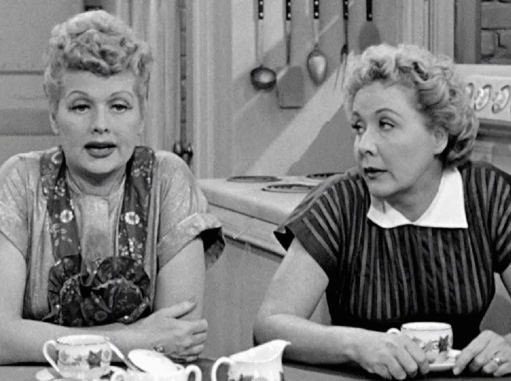
Lucille Ball and Desi Arnaz’s daughter opens up about her famous dad’s alleged affairs

Desi, you got some ‘splainin’ to do.

Lucille Ball and Desi Arnaz’s only daughter, Lucie Arnaz, recently opened up about the alleged affairs her father had while still married to the “I Love Lucy” starlet.

But Lucie wouldn’t consider her famous dad’s suspected infidelities “affairs” because he allegedly only cheated on Ball with “hookers” whose names “he didnt even know.”

Lucie Arnaz recently opened up about her parents Desi Arnaz and Lucile Ball’s marriage, as well as his suspected infidelities, in a new interview. CBS
Lucie wouldn’t consider her dad’s suspected infidelities “affairs” because he allegedly only cheated on Ball with “hookers.”

“People say he had affairs,” Lucie, 73, told CBS Sunday Morning in a new interview. “He never had an affair.”“He didn’t even know these dames’ names, you know?” she added. “They were hookers.”

Even though Lucie admitted that her father likely cheated on her Hollywood icon mom, she also insisted that Desi “loved” Ball and that Ball “understood” that.“He loved my mother. He loved his family. It was a very unique, weird problem to have, and I think that’s the reason she stayed with him so long, is that she understood it,” she continued. “I don’t think I could do what she did.”

“But somehow at the time, with what they had, with what they needed from each other, they stuck it out as long as they could,” Lucie added.

@cbssundaymorning

Lucie Arnaz opens up about the complicated love story between her parents, Lucille Ball and Desi Arnaz. She recalls that while rumors of affairs followed her father, “they weren’t affairs—they were transactional.” Despite the betrayal, she says, “He loved my mother. He loved his family.” The couple stayed together as long as they could, bound by a deep, if difficult, connection. They divorced in 1960.

♬ original sound – CBS Sunday Morning

The “I Love Lucy” stars married in November 1940 and, 11 years later, introduced audiences across the country to the show that some say “invented” the modern sitcom.

Desi, who was a successful musician and bandleader before playing Ricky Ricardo in “I Love Lucy,” and Ball, who was an aspiring actress before she exploded in popularity as Lucy Ricardo on the show, welcomed Lucie just six weeks after they filmed the first episode.

The “I Love Lucy” stars welcomed daughter Lucie in 1951 and son Desi Jr. in 1953. Getty Images

Although Ball reportedly wanted to name her daughter Susan, Desi allegedly went behind his wife’s back and changed it to Lucie on the birth certificate.

The couple later welcomed a son, Desi Arnaz Jr., in 1953.

But Ball ultimately filed for divorce from Desi in March 1960 after 20 tumultuous years of marriage.

“It got so bad that I thought it would be better for us not to be together,” the actress and comedian reportedly told the court during her and Desi’s divorce proceedings.

“They were just going through a routine for the children,” biographer Bart Andrews later told People in 1991. “She told me that for the last five years of their marriage, it was ‘just booze and broads.’”he rise and fall of the couple’s relationship was depicted in the 2021 biopic “Being the Ricardos” – which Lucie recently called “so wrong” and “such a crock of poop.”

Meanwhile, Lucie can still remember exactly where she and her little brother were when they learned that their parents were splitting up.

“We were at their house in Palm Springs,” she told CBS Sunday Morning. “And they said that, ‘We love each other, but the being-husband-and-wife part is broken. And we can’t live together anymore.’”

Ball filed for divorce from Desi in March 1960 after 20 tumultuous years of marriage. Getty Images

“And I remember that my brother said, ‘But if it’s broken, can’t you just fix it? Can’t you put stuff on it and fix it?’” Lucie added. “And they said, ‘I don’t think so.’”

Lucie also admitted that her parents were “happier” after their split.

“The truth of it is, they were happier after they got divorced,” she admitted. “The screaming and the arguing and all that stuff stopped.”

Both stars remarried following their 1960 divorce.Both stars remarried following their 1960 divorce.Desi tied the knot with family friend Edith Mack Hirschin in 1963, and they remained married until her passing in 1985. He later died from lung cancer in December 1986 at the age of 69.

As for Ball, she married comedian Gary Morton in 1962. They remained married until Ball tragically passed away following a ruptured aortic aneurysm in April 1989. She was 77.

I Love Lucy star Lucille Ball found out she was pregnant from a radio broadcast

Lucille Ball once found out she was pregnant not from her doctor — but from a radio broadcaster who had been tipped off by a medical lab staffer.

In his new book Desi Arnaz: The Man Who Invented Television, biographer Todd S. Purdum writes that Ball was on tour with her husband Desi Arnaz in June 1950 when she learned about her pregnancy in between shows.

At the time, Ball and Arnaz were starring in a vaudeville act that required an “exhausting schedule” and “vigorous physical stunts” from Ball. Off stage, they were trying for a baby.

Writes Purdum: “In June 1950, during the New York run of their vaudeville show, Lucy was relaxing in her dressing room between shows listening to Walter Winchell’s radio broadcast when she heard him announce she was ‘infanticipating,’ the columnist’s lingo for ‘pregnant.’ He’d been tipped off by a medical lab informant before the Arnazes themselves had learned the news.”

The author writes that the couple, upon learning the news, then “trimmed the planned length of the tour,” though it was in vain — just weeks later, Ball, suffered a miscarriage.

Purdum writes in his book that Ball had more than one miscarriage during her marriage to Arnaz, with physicians ultimately discovering they had inadvertently closed a fallopian tube while treating her for one of the miscarriages. After reversing that procedure, Ball ultimately became pregnant again in 1950, at age 39.

On July 17, 1951, Ball gave birth via caesarean section, to a baby girl: Lucie. Ball would later give birth a second time, in January 1953, to what was then arguably the most famous baby in America: Desi Jr.

Desi Jr.’s birth came as the couple was starring in the now-iconic sitcom I Love Lucy, which premiered in 1951 and even incorporated their second child’s birth.

Lucille Ball, Desi Arnaz and kids Lucie and Desi Jr. in 1959.J. Wilds/Keystone/Hulton Archive/Gett

In interviews with the author, the now-adult children explained how different their parents were. Lucie recalled how her mother “took it personally” when one of the children would disappoint her. Desi, by contrast, “was not like that,” she described.

“He would get really angry and blow his stack, and be loud, but then he’d be done and it would be like it never happened,” Lucie said, adding that Ball, by contrast, “would get personally offended by childhood behavior or what you said, because you should have known not to say that somehow, even though no one’s taught you what to say.”

“And she would emotionally separate from you for however long she wanted to. And it would be sometimes days, sometimes weeks,” she added.

While audiences were delighted by his parents’ relationship, Desi Jr. told Purdum that behind the scenes, Lucy and Desi were incredibly argumentative

“It wasn’t good for anyone,” Desi Jr. told the author in the book. “And we’ll always remember when they sat us down and said, ‘Look, you know, things aren’t working.’ I mean, I remember word for word.”

Lucille Ball Had Her Firstborn’s Name Picked Out. Then Desi Arnaz Went Behind Her Back

Ball had long wanted to name her firstborn child “Susan,” according to a new book

When Lucille Ball gave birth to her first child with husband Desi Arnaz, it was dad who named the baby — and Ball didn’t even know the name until it was already on the birth certificate.

In his new book Desi Arnaz: The Man Who Invented Television, biographer Todd S. Purdum writes that Ball had picked out two names for the couple’s future children by 1943 — writing letters to her husband that she signed, “Susan and Desi Jr.”

But Ball suffered a series of miscarriages in the earlier part of their marriage, with physicians ultimately discovering they had inadvertently closed a fallopian tube while treating her for one of the miscarriages. After reversing that procedure, Ball ultimately became pregnant again in 1950, at age 39.

On July 17, 1951, Ball gave birth via caesarean section.

Lucille Ball, Desi Arnaz arrive at London Airport with their children Lucie and Desi Jr. on June 10, 1959.J. Wilds/Keystone/Hulton Archive/Getty Images

Purdum writes: “Thrilled to be a mother at last, Lucy asked to see the newborn the moment her anesthesia wore off. ‘I want to see Susan!’ she told the nurse, using the name she believed that she and Desi had agreed on if the baby was a girl, after Lucy’s good friend, the young actress Susan Peters, who had been paralyzed from the waist down in a duck-shooting accident. ‘You mean Lucie?’ the nurse replied. Without consulting her, Desi had already written Lucie Desiree on the birth certificate, naming the little girl for her mother and maternal grandmother. Lucy was surprised but didn’t make a fuss. The name was, after all, a compliment she could hardly resist.”

Ball would later give birth a second time, in January 1953, to what was then arguably the most famous baby in America: Desi Jr.

Desi Jr.’s birth was even incorporated into the couple’s show, I Love Lucy, and while he had his own foray into showbiz early on, he later retreated from the public eye and now rarely speaks to the press.

Desi Jr., 72, and Lucie, 73, both spoke to Purdum for his book, offering a rare window into their lives as the children of one of the most iconic couples in show business.

While audiences were delighted by his parents’ relationship, Desi Jr. told Purdum that behind the scenes, Lucy and Desi were incredibly argumentative

Desi Arnaz Jr. and Lucie Arnaz in 1981.Vinnie Zuffante/Getty

Ball and Arnaz met in 1940, when the two were both cast in the musical comedy Too Many Girls. Theirs was a whirlwind relationship, with the two getting engaged later that same year and marrying just one day later. But arguments and affairs marred the marriage, and they briefly separated in 1944, when Ball filed for divorce and left the couple’s shared ranch in Chatsworth, Calif.

One night before they were to head to divorce court, the two reconciled — but Ball still went to court the next morning, ultimately returning directly to Arnaz’s arms and thereby invalidating the divorce in the eyes of the law.

The stars would divorce for good in 1960, after 20 years of marriage.

“It wasn’t good for anyone,” Desi Jr. told the author in the book. “And we’ll always remember when they sat us down and said, ‘Look, you know, things aren’t working.’ I mean, I remember word for word.”

Desi Arnaz: The Man Who Invented Television (Simon & Schuster) is now available.

Before you open another can of sardines, check this out!

Canned sardines are a familiar staple in many kitchens around the world. They are inexpensive, easy to store, and packed with nutrients, which is why they are often considered one of the healthiest quick meal options. Rich in protein, omega-3 fatty acids, vitamins, and minerals, sardines can support heart health, brain function, and overall nutrition.

However, despite their reputation as a healthy food, the way sardines are selected and consumed can significantly affect their impact on the body. Many people unknowingly make small mistakes when eating canned sardines, and these habits—repeated over time—can reduce some of the nutritional benefits.

The goal is not to avoid sardines altogether, but rather to understand how to choose and eat them in a healthier way.

Below are five common mistakes people make when consuming canned sardines.

  1. Assuming All Canned Sardines Are the Same

A common misconception is that every can of sardines offers the same quality and nutritional value.

In reality, there can be significant differences between brands and production methods. Some manufacturers process fresh fish quickly after catching them, which helps preserve nutrients and flavor. Others may rely on lower-quality raw materials or longer processing times.

When choosing canned sardines, it can be helpful to pay attention to details such as:

The type of liquid used for preservation

The appearance and firmness of the fish

Any strong metallic smell or unusual taste

Sardines that appear overly soft or broken apart

These factors can sometimes signal lower product quality.

  1. Consuming the Liquid from the Can

Many people eat sardines directly from the can without draining the liquid in which they are stored.

Depending on the product, that liquid may contain higher levels of sodium or oils used during the preservation process. Regularly consuming it can increase daily salt intake without much nutritional benefit.

Excess sodium consumption may contribute to:

Fluid retention

Increased blood pressure

Additional strain on the cardiovascular system

Draining the sardines before eating them helps reduce unnecessary salt and oil while keeping most of the beneficial nutrients.

  1. Eating Sardines Too Frequently

Sardines are highly nutritious, but relying on them as a daily food source may not be ideal.

Like many canned foods, they often contain more sodium than fresh alternatives. In addition, while sardines generally contain lower levels of heavy metals than larger fish species, excessive long-term consumption of any single seafood product can increase cumulative exposure.

A balanced diet usually benefits from variety. Instead of eating sardines every day, it may be better to rotate them with other protein sources such as:

Fresh fish

Eggs

Legumes

Poultry or lean meats

  1. Choosing Sardines Preserved in Low-Quality Oils

Another frequently overlooked issue is the type of oil used in canned sardines.

Some products are preserved in refined vegetable oils that may contain high levels of omega-6 fatty acids. During the high-temperature sterilization process used in canning, these oils can degrade and form compounds that may contribute to inflammation when consumed in excess.

Since sardines are naturally rich in beneficial omega-3 fats, pairing them with poor-quality oils can disrupt the nutritional balance.

Healthier choices often include sardines preserved in:

Olive oil

Water

Other higher-quality oils

  1. Ignoring the Internal Lining of the Can

One of the least discussed factors involves the inside coating of metal cans.

Many cans are lined with protective resins that prevent corrosion. Some of these coatings historically contained compounds related to bisphenol A (BPA) or similar substances.

Under heat during the sterilization process, tiny amounts of these compounds can migrate into the food. Over time, repeated exposure to certain endocrine-disrupting chemicals has been associated in research with hormonal and metabolic concerns.

For this reason, some consumers prefer products labeled BPA-free or choose to alternate canned foods with fresh alternatives.

Healthier Ways to Enjoy Canned Sardines
If sardines are part of your diet, a few simple habits can help maximize their benefits:

Drain the liquid from the can before eating

Choose products packed in olive oil or water

Check labels for quality ingredients and BPA-free packaging

Combine sardines with vegetables, salads, or whole grains

Include them as part of a varied diet rather than a daily staple

Canned sardines remain a nutritious and practical food option. They offer high-quality protein, beneficial fatty acids, and important vitamins and minerals.

However, like many processed foods, their health impact depends largely on how they are selected and consumed. By paying attention to factors such as oil quality, sodium content, and packaging, small adjustments can help ensure that sardines remain a healthy part of a balanced diet rather than an overlooked source of unnecessary risks.

Popular

The Heartbreaking Reason First Lady Jill Biden Is Devastated Today

0
The White House has been cast into a somber silence following the heartbreaking news that First Lady Jill Biden is mourning the profound loss...