Entertainment

A Simple Morning Habit That May Help Support Bone, Nerve, and Overall Wellness

Magnesium is an important mineral that plays a key role in maintaining overall health. It participates in more than 300 biochemical reactions in the body, supporting processes that help keep bones strong, muscles functioning properly, and nerves communicating effectively. Magnesium also contributes to immune system balance and healthy energy production. Because the body cannot produce magnesium on its own, it must be obtained through diet or supplements. When people maintain adequate magnesium levels, many essential systems work more efficiently, helping the body stay balanced and resilient over time. This mineral is especially valuable as part of a well-rounded nutrition plan that includes other key nutrients such as calcium, vitamin D, and potassium.

One of magnesium’s most recognized benefits is its role in supporting bone health. Strong bones rely on a combination of nutrients working together, and magnesium helps regulate how calcium and vitamin D are absorbed and utilized by the body. When magnesium levels are too low, it can interfere with this balance and may contribute to reduced bone density over time. For this reason, maintaining proper intake is often recommended as part of a bone-supportive diet. Foods naturally rich in magnesium include leafy green vegetables, legumes, nuts, seeds, and whole grains. Some people also choose supplements such as magnesium glycinate or magnesium citrate, which are commonly recognized for their good absorption.

Magnesium is also linked to healthy blood sugar regulation. Research suggests that adequate magnesium intake may support insulin function and help the body process glucose more effectively. This can be especially helpful for individuals looking to maintain balanced energy levels and metabolic health. Certain forms of magnesium, including magnesium taurate or magnesium chloride, are sometimes recommended as part of a broader wellness plan focused on maintaining stable blood sugar levels. In addition to supplements, incorporating magnesium-rich foods like dark chocolate, beans, lentils, and whole grains can help support daily nutritional needs while also adding variety and flavor to meals.

Beyond its effects on bones and metabolism, magnesium contributes to several other aspects of well-being. It plays a role in muscle relaxation, healthy digestion, and normal nervous system activity. Many people find that adequate magnesium intake supports comfortable muscle function and helps maintain regular digestion. It may also contribute to a sense of calm by supporting balanced nerve signals in the body. Because magnesium can interact with certain medications, including some treatments for diabetes or heart conditions, it is always wise to consult a healthcare professional before starting supplements. When consumed responsibly through food or guided supplementation, magnesium can be a valuable nutrient that supports energy, balance, and long-term wellness.

An Unexpected Family Conversation Changed How My Pregnancy Was Understood

By the eighth month of my pregnancy, everyday tasks had started to feel much more demanding. Simple things like walking up the driveway or carrying groceries required extra effort, and by the end of the day I often felt physically drained. One evening, after my husband and I returned home from the grocery store, I asked if he could help carry the bags inside. It seemed like a small and reasonable request considering how far along I was. Before he could respond, however, my mother-in-law quickly stepped in. She insisted that pregnancy was not a reason to expect special treatment and suggested that I should handle the tasks myself. What made the moment even harder was that my husband said nothing. His silence left me feeling alone and unsupported during a time when I needed reassurance the most.

That brief exchange lingered in my mind long after the conversation ended. Pregnancy brings constant physical changes, emotional adjustments, and the quiet responsibility of preparing for a new life. While many people understand these challenges, others sometimes underestimate them because the effort isn’t always visible. That night, as I lay awake listening to the quiet house and feeling my baby gently move, I wondered if anyone around me truly understood how much strength it took to keep going each day. I tried to convince myself that maybe I was simply tired or overthinking the situation, but the feeling of being dismissed stayed with me.

The following morning brought an unexpected surprise. A knock on the door revealed my husband’s father and his two brothers standing outside. Their visit was completely unannounced, which immediately caught everyone’s attention. When my father-in-law stepped inside, he spoke calmly but firmly. To my surprise, he apologized directly to me. He explained that a husband should offer care, patience, and support during pregnancy, and he was disappointed that his son had not done so the night before. His words filled the room with silence, leaving my husband visibly thoughtful and a little embarrassed.

Although his apology did not erase the hurt I felt earlier, it meant a great deal to hear someone recognize the effort and resilience that pregnancy requires. That simple moment of understanding changed the atmosphere in our home. It reminded me that support can come from unexpected places and that being acknowledged can make a meaningful difference. Later that day, the quiet between my husband and me felt different, as if a new awareness had taken hold. Sometimes, the most powerful encouragement comes not from grand gestures, but from someone simply recognizing the strength it takes to keep moving forward.

What It Might Mean If You Find Wax in Your Door’s Keyhole

Home security is something many people think about only after they notice something unusual. A small change near the front door, a strange mark around the lock, or an unfamiliar object placed near the entrance might seem harmless at first. However, these subtle signs can sometimes indicate that someone has been testing whether a home is occupied. Security experts often remind homeowners that individuals looking for opportunities may rely on simple methods to observe daily routines. Because these signs can easily be overlooked, being aware of them can help homeowners respond quickly and take preventive steps to protect their property.

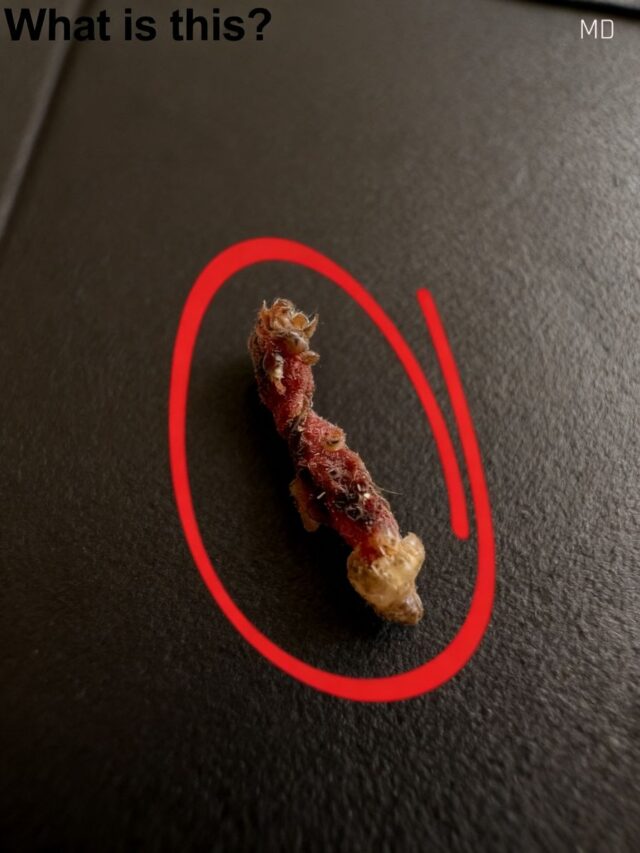
One online user shared an experience that sparked a discussion about this issue. She noticed a small amount of red wax inside the keyhole of her front door. At first, she assumed it might have come from something on her keychain, but she soon realized none of her belongings could have caused it. Concerned, she posted a photo online asking if anyone had seen something similar. Some people suggested harmless explanations, such as a child playing nearby or a piece of wax or crayon accidentally pressed into the lock. Others mentioned that unusual materials in locks can sometimes be used to test whether a key is being used regularly. If the wax remains undisturbed for a long time, it might indicate that the home is empty, which is why it’s important to take such signs seriously.

Situations like this highlight how important it is to stay attentive to small changes around your home. If something unusual appears near a lock, handle, or entrance, documenting it can be helpful. Taking a photo and notifying local authorities or neighborhood watch groups can raise awareness in the community. Even if the situation turns out to be harmless, reporting suspicious activity helps ensure that others remain alert. Homeowners can also consider updating their locks or installing modern security systems if they notice repeated tampering or damage.

There are several simple steps people can take to improve home safety and reduce potential risks. Installing motion-sensor lights or doorbell cameras can help monitor activity near entrances, while smart locks can make tampering more difficult. Keeping outdoor areas well-lit and trimming shrubs around doors and windows can also improve visibility and discourage unwanted attention. Staying connected with neighbors is another effective strategy, since communities that share information about unusual activity often help prevent problems before they escalate. By remaining aware of small warning signs and taking basic precautions, homeowners can create a safer and more secure environment for themselves and those around them.

We Spent Months Planning Our Dream Wedding—But the Day After Brought a Surprising Lesson

When Daniel and Sofia planned their wedding, they imagined it as the happiest celebration of their lives. After years of working long hours and saving every extra dollar, they finally managed to organize the beautiful event they had always dreamed of. The ceremony was held in a bright garden venue filled with flowers, music, and laughter. Nearly 300 friends and relatives traveled from different places to celebrate with them. It was elegant, joyful, and unforgettable—but it also came with a heavy price tag of nearly $70,000. To make everything possible, the couple worked tirelessly and even accepted a small loan from their parents, promising themselves that it would all be worth it once the big day arrived.

The wedding itself seemed perfect. Guests complimented the decorations, the dinner, and the music. People danced late into the evening, and Daniel and Sofia felt grateful to be surrounded by so much support. By the time the final guests left, they were exhausted but happy. Like many newly married couples, they looked forward to the quiet moment afterward when they could open the gifts and read the cards from the people who had attended their celebration. It felt like a small tradition that would bring one last moment of joy from an already special day.

The next morning, they sat together on the living room floor surrounded by wrapped boxes, envelopes, and greeting cards. At first, everything felt normal. They smiled while reading kind messages and looked through thoughtful gifts that friends and family had chosen for them. But as they continued opening envelopes, something unexpected happened. The mood in the room slowly changed. Some cards contained notes that were confusing or surprisingly brief. Others included comments that reflected misunderstandings about the couple’s situation or finances. Instead of the moment feeling simple and warm, the experience became unexpectedly emotional. It wasn’t about the value of the gifts—it was about how easily expectations and assumptions can affect relationships, even after a joyful event.

By the end of the afternoon, Daniel and Sofia realized something important. The real challenge they were facing wasn’t about the wedding cost or the gifts—it was about learning how to navigate life together after the celebration was over. They talked honestly, listened carefully to each other’s feelings, and began to understand that marriage isn’t defined by a single day or a collection of presents. It’s built through patience, communication, and shared goals. The wedding had been beautiful, but the quiet conversation they had that day turned out to be even more meaningful. In that moment, they decided that the future of their relationship wouldn’t depend on what happened at the party—it would depend on how they chose to move forward together.

The Simple Reason Aldi Uses a Coin Deposit for Shopping Carts

If you’ve ever visited an Aldi store, you may have noticed something unusual before you even begin shopping. To use a shopping cart, customers are asked to insert a quarter into a small slot on the cart handle. For first-time visitors, this can feel a bit surprising, and some people initially assume it’s a fee just to borrow a cart. In reality, the coin is not a charge at all. It’s simply a temporary deposit that shoppers receive back when they return the cart to its designated area. This small system, which might seem odd at first glance, is actually part of a thoughtful approach that helps keep the store organized and efficient.

The idea behind the quarter system is simple but effective. Instead of employing staff to collect scattered carts throughout the parking lot, Aldi encourages customers to return the carts themselves. When shoppers finish unloading their groceries, they bring the cart back and connect it to the line of carts at the front of the store. As soon as the cart is returned, the coin is released and given back to the customer. This small incentive motivates most shoppers to follow the system. As a result, parking lots remain tidier, carts are less likely to block parking spaces, and fewer carts become damaged from being left in random places.

Beyond keeping the parking area organized, this approach also supports Aldi’s broader strategy of operating efficiently. Every grocery store spends money on labor, equipment maintenance, and other operational tasks. By reducing the need for employees to gather carts, Aldi can lower certain operating costs. Over time, these small savings can add up. Instead of increasing prices to cover those expenses, the company focuses on passing the savings along to shoppers through competitive pricing on everyday groceries. This practical model allows the store to maintain a streamlined operation while still offering quality products at affordable prices.

The quarter-cart system also reflects the store’s overall shopping philosophy. Aldi encourages customers to bring their own reusable bags and participate in small habits that make the shopping experience more efficient. While these practices may feel different at first, many shoppers quickly adapt and appreciate how smoothly the system works. In the end, that small coin represents more than a simple deposit—it’s a quiet agreement between the store and its customers. By working together to keep things organized, both sides benefit from a cleaner environment and a more cost-effective way to shop.

How Often Should You Change Your Underwear?

It’s not the most glamorous topic — but it’s one of the most important for your health and hygiene.

So, how often should you actually change your underwear?

The Short Answer: Every Day

Health experts generally recommend changing your underwear at least once a day. Fresh underwear helps prevent the buildup of sweat, bacteria, dead skin cells, and bodily fluids that naturally accumulate throughout the day.

Even if you don’t feel sweaty or dirty, your underwear absorbs moisture from areas of the body that naturally produce it. Wearing the same pair for too long can increase your risk of:

  • Skin irritation
  • Rashes or chafing
  • Yeast infections
  • Urinary tract infections (UTIs)
  • Unpleasant odor

Daily changes are the baseline for good hygiene.

When You Should Change It More Than Once a Day

There are situations where once isn’t enough.

You should consider changing your underwear twice a day or more if:

  • You exercise or sweat heavily
  • You live in a hot, humid climate
  • You have a physically demanding job
  • You experience discharge or menstruation
  • You’re prone to infections

After workouts, always change into clean, dry underwear as soon as possible. Sitting in damp fabric creates the perfect environment for bacteria and yeast to grow.

What Happens If You Don’t Change It Daily?

Occasionally forgetting isn’t a crisis. But regularly skipping changes can lead to:

  • Persistent odor
  • Acne or breakouts along the waistband area
  • Fungal infections (like jock itch)
  • Increased vaginal or penile irritation

In severe or long-term cases, poor hygiene can contribute to more serious infections — especially if combined with tight or non-breathable fabrics.

Does Fabric Matter?

Yes.

Choosing breathable materials can make a big difference.

  • Cotton allows airflow and absorbs moisture well.
  • Moisture-wicking fabrics are great for workouts.
  • Avoid wearing tight synthetic materials for long periods, especially in hot weather.

Your underwear should feel dry and comfortable — not damp or restrictive.

How Often Should You Replace Underwear Altogether?

Even with proper washing, underwear doesn’t last forever.

A good rule of thumb: replace underwear every 6–12 months, depending on wear and tear.

It’s time to toss them if you notice:

  • Stretched elastic
  • Permanent stains
  • Thinning fabric
  • Lingering odors even after washing

Old underwear can harbor bacteria in worn-out fibers.

Final Takeaway

Change your underwear daily at minimum, and more often when needed. Choose breathable fabrics, wash them properly, and replace them regularly.

It’s a small habit — but it plays a big role in staying clean, comfortable, and healthy.

Your body will thank you.

This Biker Carried My Neighbor’s Disabled Son 5 Miles Through A Forest Fire

This Biker Carried My Neighbor’s Disabled Son 5 Miles Through A Forest Fire

The massive biker emerged from the smoke carrying an unconscious four-year-old boy like he was made of glass.

I watched from the emergency checkpoint as this leather-clad giant walked out of the tree line, his

arms bloody from thorns, his vest singed and melting, a child’s oxygen tank strapped to his back. The boy was secured against his chest with strips torn from the biker’s own shirt.

Twenty minutes earlier, Sandra Rivera had been screaming at the fire line that her son was trapped in their cabin. Tommy was four. Couldn’t walk. His custom wheelchair couldn’t make it through an evacuation route choked with fallen trees and fire.

Emergency crews said the roads were impassable. The fire chief said nobody was getting through.

This biker just nodded. Revved his engine. Disappeared into the inferno.

Now he was walking out. Five miles through burning forest. Carrying a child he’d never met.

“He needs medical attention immediately,” the biker gasped, his voice raw from smoke. “Kept his oxygen flowing but he’s been unconscious for twenty minutes.”

Paramedics rushed forward. But Tommy’s tiny hand was gripped tight in the biker’s shirt. Wouldn’t let go even unconscious.

Sandra fell to her knees sobbing. “They said nobody could get through. The fire chief said the road was gone. How did you—”

The biker collapsed next to Tommy’s stretcher.

That’s when we saw the real damage.

Burns covered most of his back. Deep gashes where he’d pushed through barriers of burning branches. His hands were raw and blistered. He hadn’t made a sound of complaint. Hadn’t mentioned his own injuries until Tommy was safe.

“Sir, we need to treat you immediately,” a paramedic insisted.

“The boy first,” he growled. “I’m fine.”

He wasn’t fine. Anyone could see that. But he sat there bleeding, watching as they worked on Tommy.

I recognized him then. Wolf. From the Savage Sons MC. The same club our neighborhood association had petitioned to ban from our roads. The same bikers the local Facebook group called “undesirable elements” when they’d bought the old warehouse at the edge of town.

Sandra was sobbing about Tommy’s wheelchair. Custom-made. Fifteen thousand dollars. Insurance wouldn’t cover a replacement.

“Ma’am,” Wolf interrupted gently despite his obvious pain. “Your boy is alive. That’s what matters.”

But I saw him pull out his phone. Sending rapid texts even as paramedics tried to get him onto a gurney.

The medical helicopter lifted off with Tommy and Sandra. Wolf refused to go despite the paramedics’ insistence that he needed a burn unit.

Twenty minutes later, motorcycles started arriving. Not a few. Dozens. Savage Sons, other clubs, solo riders. All converging on our evacuation center with trucks and trailers loaded with water, blankets, food, medicine.

“Heard there’s families lost everything,” a rider named Tank said. “We’re here to help.”

Three hours later, as the fire raged closer, two bikes emerged from the smoke line towing something behind them.

Tommy’s wheelchair.

They’d gone back into the burning zone and retrieved it. The seat was singed, the paint bubbled from heat, but it was intact.

“Kid’s gonna need it when he gets out of the hospital,” Wolf said when I stared at him in disbelief. “Bad enough he’s losing his home. Shouldn’t lose his freedom too.”

Then Wolf collapsed for real. Burns and smoke inhalation caught up with him. As they loaded him into the ambulance, he kept mumbling the same thing.

“Did I get him out in time? Is the boy okay?”

The next morning, I went to the hospital. Forty-three homes had burned, including Sandra and Tommy’s cabin. The neighborhood we’d been so protective of was gone.

But Tommy was alive.

He’d woken up that morning. First thing he asked for wasn’t his mom or his toys. It was “the man who carried me.”

Wolf was in the burn unit two floors up. Too sick for visitors. But Tommy wouldn’t stop asking. This four-year-old who rarely spoke due to developmental disabilities kept saying the same words over and over.

They arranged a video call.

Wolf’s face, half-covered in bandages, lit up when he saw Tommy on the screen.

“Hey, little warrior,” he said softly.

“You saved me,” Tommy said clearly. Words his mother had never heard him string together before. “You’re my hero.”

Wolf broke down sobbing. This massive, terrifying biker who’d walked through fire just fell apart.

“You’re my hero too, buddy.”

Sandra asked the question we were all thinking. “Why? You don’t even know us. Our neighborhood was horrible to your club. We tried to get you kicked out. Why would you risk your life for my son?”

Wolf went quiet. His eyes changed.

“Lost my own boy ten years ago,” he said. “Drunk driver. He was six. Couldn’t save him.”

He looked at Tommy through the screen.

“But I could save yours.”

As they recovered, Wolf and Tommy became inseparable. Wolf would wheel Tommy around the hospital in his recovered chair, both covered in bandages, looking like war buddies. The tiny disabled boy and the massive biker, comparing scars and making jokes only they understood.

The Savage Sons organized a fundraiser. Raised over $200,000 in three days. They partnered with contractors to start rebuilding homes. Set up temporary housing in their clubhouse for displaced families.

The same families who’d signed petitions against them.

When Wolf was released, he arrived at the hospital with twenty bikes to escort Tommy to the temporary housing the club had arranged for Sandra.

“Why are you doing all this?” Sandra asked again.

Wolf knelt to Tommy’s level. “Because that’s what clubs do. We take care of family.”

“But we’re not your family.”

“You are now.”

He pulled out a tiny leather vest, custom-made for a four-year-old. A special patch read “Bravest Warrior” with Tommy’s name underneath.

Tommy wore that vest everywhere. To therapy. To doctor’s appointments. To the grocery store. This little boy who’d been trapped in a burning cabin now had an entire motorcycle club as his family.

The real change was in Tommy.

The trauma of the fire didn’t set him back. It awakened something. He started talking more. Engaging more. Always talking about Wolf and the bikers.

“They’re not scary,” he’d tell anyone who listened. “They’re like dragons. They look scary but they keep you safe.”

The neighborhood that tried to ban the Savage Sons unanimously voted to give the club a commendation for heroism. The Facebook group that called them “undesirable” now shared posts about their charity work and sacrifice.

The fire chief who’d shouted at them for going back into the fire zone shook Wolf’s hand at the first rebuilt home’s ribbon cutting.

“I was wrong about you guys,” he said. “We all were.”

“People fear what they don’t understand,” Wolf said. “We get it.”

“No. We were just prejudiced. You proved that when everyone said impossible, you said watch me. That’s not about being bikers. That’s about character.”

Today, Tommy is seven. He still can’t walk, but he’s thriving. He reads at grade level, has friends, and every Sunday the Savage Sons take him for rides in a special adaptive sidecar Wolf custom-built for his wheelchair.

The boy who doctors said might never speak in full sentences now gives presentations at school about fire safety and not judging people by appearance.

“My bikers look mean,” he says, getting giggles from his classmates. “But they carried me through fire. Real heroes don’t always wear capes. Sometimes they wear leather.”

Wolf never had children after losing his son. But now he has Tommy. Not legally. But in every way that matters. Every doctor’s appointment. Every therapy session. Every school play.

“You gave me back my purpose,” Wolf told Sandra once. “After my boy died, I was just existing. Riding, drinking, fighting. Empty. But saving Tommy saved me too.”

The Savage Sons’ clubhouse now has a wheelchair ramp, an accessible bathroom, and a play area for disabled children. They host support groups for special needs families. They’ve become what the neighborhood never expected.

Tommy made Wolf a thank-you card that hangs in the clubhouse surrounded by tough-guy motorcycle memorabilia.

“Thank you for being my dragon. Thank you for carrying me when I couldn’t run. Thank you for showing everyone that different isn’t bad, it’s just different. Love, your littlest brother, Tommy.”

Below it, in Wolf’s rough handwriting:

“Thank you for reminding me that heroes don’t always wear capes. Sometimes they’re four years old and braver than any biker I’ve ever known. Love you, little warrior.”

That’s the thing about real strength. It’s not about the leather or the motorcycles or the tough exterior. It’s about walking through fire for someone who needs you.

Even if they’re strangers.

Even if their community hated you.

Even if you might not make it out.

Because real bikers ride toward the fire.

Never away from it.

A police officer took a 7-year-old boy’s bicycle and smashed it right in front of his eyes; the boy cried and begged him not to do it, but then the officer did something that left the entire street in shock

The boy was riding along the sidewalk on his old, squeaky, rusty bicycle. The chain rattled so loudly that the sound echoed down the whole street. Passersby turned around and looked at him sideways. Some were annoyed by the noise, others grimaced at the sight of the chipped frame and rusty spokes.

But the boy didn’t care. His father had given him that bicycle. It was old, repainted with a brush in the garage, with a scratched seat. To others it was junk, but to him it was a dream. He rode along smiling, gripping the handlebars tightly.

A patrol car slowed down beside him. A police officer stepped out. Tall, in a dark uniform, with a serious face. He motioned for the boy to stop.

— Where did you get it?

— My dad gave it to me, — the boy answered quietly.

— Do you have any documents? A receipt? — the officer asked.

The boy shook his head in confusion. He didn’t understand what he was talking about. He was just riding his bike.

The officer examined the bicycle carefully. He ran his hand over the rusty frame and tugged at the chain. It screeched even louder. He frowned.

— You can’t ride something like this. It’s dangerous.

Suddenly, he yanked the bicycle out of the boy’s hands. He lifted it and threw it forcefully onto the asphalt. The metal hit the concrete with a dull thud. The boy screamed.

The officer stepped back and kicked the front wheel with all his strength. The spokes bent, the wheel twisted out of shape. He kicked the frame again. A cracking sound was heard, the handlebars turned sideways, the chain slipped off and hung loose.

— Don’t! Please! It’s my dad’s gift! I didn’t do anything wrong! — the boy was crying now, wiping his face with dirty hands.

But the officer didn’t stop. He kicked the frame once more until it was completely bent. The old bicycle lay on the asphalt like a broken toy.

People began gathering around. Some pulled out their phones, others shook their heads. The street grew quiet. Only the child’s crying could be heard.

The officer let out a heavy sigh, looked at the smashed bicycle, then at the boy. And then he did something that left the entire street stunned Continued in the first comment 

The officer’s face was no longer stern. He went down on one knee and said softly:

— You could have gotten seriously hurt riding this. The brakes barely work. The frame is cracked. It’s dangerous.

The boy sobbed, not understanding why it had to be done that way.

The officer stood up, took his hand, and led him across the street. People stepped aside in surprise. They went into the nearest toy store.

A few minutes later, they came back out. The officer was rolling a brand-new, bright bicycle with a shiny frame, wide tires, and a clear ringing bell.

He stopped in front of the boy and held out the handlebars.

— This one is safe. And your father would definitely want you riding something like this.

The boy froze. He couldn’t believe it. Then he carefully touched the handlebars, as if afraid it was just a dream. Tears rolled down his cheeks again, but this time from joy. He hugged the officer, wiping his face against his uniform.

The street that had been whispering in disapproval just a minute earlier now looked at them differently. People were smiling.

And the boy got on his new bicycle and, for the first time in a long while, rode not to the squeak of a rusty chain, but to the clear sound of a ringing bell.

The Biker Who Became Our Guardian Angel When I Lost Everything And Thought My Baby Would Be Taken Away

The Promise That Carried Us Through

When my wife Ellie died just thirty-six hours after giving birth, I was sitting in a prison cell sixty miles away.

I was serving eight years for a terrible mistake—armed robbery. I had accepted that the consequences were mine to carry. But nothing prepared me for the moment the prison chaplain sat across from me and quietly said Ellie was gone.

Our daughter had been born healthy.

But Ellie hadn’t survived.

And because I was incarcerated with no family able to step in, Child Protective Services had taken custody of the baby. My daughter—Destiny—was already on the path toward the same foster system that had shaped my own childhood.

The thought of that nearly broke me.

Weeks later, something happened that I still struggle to explain.

One afternoon the guards told me I had a visitor.

When I walked into the visitation room, an older man was standing there in a worn leather vest. His gray beard framed a face that looked both strong and tired at the same time.

And in his arms… was my baby.

Her name was Destiny, but until that moment she had felt like a distant hope more than a real child

The man introduced himself.

“Thomas Crawford,” he said.

His voice was calm, steady.

He told me something that changed everything.

He had been there when Ellie died.

He had been the one holding her hand in the hospital room so she wouldn’t leave this world alone. In those final moments, she had asked him to do one thing.

Protect our daughter until I could.

And Thomas had given his word.

He had gone to Child Protective Services himself and asked for emergency foster custody. It hadn’t been easy. There were inspections, interviews, training classes, paperwork—things that would discourage most people.

But he kept showing up.

And he kept fighting.

From that point on, he came to see me every week.

Rain. Snow. Heat. It didn’t matter.

Sometimes he drove for hours. Sometimes another member of his motorcycle club helped bring him and the baby. But every week he stood in that prison visitation room and lifted Destiny so I could see her through the glass.

For three years, that was how I watched my daughter grow.

I saw her first smile that way.

I heard her tiny voice say “Da-da” through a phone receiver.

Thomas filled my prison cell with letters, photos, and updates about her milestones. Even the toughest men in that prison came to know his name.

They called him “the real deal.”

Because no one had ever seen loyalty like that.

There were moments when everything almost fell apart again.

One year Thomas suffered a heart attack. When I heard the news, I feared Destiny would be sent back into the system.

But even then, he fought his way back.

Pale and slower than before, he returned to the visitation room weeks later. He had already arranged legal plans and support from friends to make sure Destiny would always be safe, even if something happened to him.

That kind of promise runs deep.

Eventually I was released early for good behavior.

When the prison gates opened, Thomas was waiting there.

And Destiny was in his arms.

When she saw me, she ran forward without hesitation.

Holding my daughter for the first time—warm, real, alive—is a moment I will carry for the rest of my life.

For months after that, we lived with Thomas while I rebuilt everything from the ground up. I worked, saved money, and learned how to be the father my daughter deserved.

Thomas never asked for thanks.

He simply stayed part of our lives.

Today Destiny is five years old. Bright, joyful, and curious about the world.

She calls him “Papa Thomas.”

We still spend weekends with him. Birthdays, small celebrations, ordinary afternoons—he is there for all of it.

I owe that man more than I will ever be able to repay.

He kept the promise he made to my wife.

He protected my daughter when I could not.

And he gave me a chance to rebuild a life I once thought I had ruined forever.

Now, when Destiny asks about family, I tell her something Thomas taught me without ever saying it directly.

Family is not always defined by blood.

Sometimes it is defined by the person who stands beside you when everything has collapsed.

Sometimes it is the man in a leather vest who promises a dying stranger that her child will be safe—and then spends years proving that promise was real

My Husband Left Me and Our Six Children for a Fitness Trainer – I Didn’t Even Have Time to Think About Revenge Before Karma Caught Up With Him!

The phone buzzed against the kitchen counter while I was scraping dried peanut butter from a plate.

It was one of those quiet moments that come after chaos—when all six kids are finally asleep and the house exhales. I had just survived the usual bedtime marathon: three last sips of water, a missing sock crisis, and my youngest whispering her nightly question.

“You’ll be here in the morning, right?”

“Always,” I told her.

I meant it.

Then I came downstairs and saw my husband’s phone light up.

Sixteen years of marriage teaches you that your hands can reach into each other’s lives without asking. You trust by habit.

Until one message shatters it.

The screen read: Alyssa – Trainer.

Below it was the message that split my world open.

Sweetheart, I can’t wait for our next meeting ❤️ We’re going to the hotel by the lake this weekend, right? 💋

Cole was in the shower.

So I waited in the kitchen, the phone in my hand like evidence.

When he walked in—hair damp, towel over his shoulder—he looked relaxed. Comfortable. Like nothing in his life was broken.

“Cole,” I said.

He glanced at the phone in my hand but didn’t panic. He poured himself orange juice.

“What is this?” My voice cracked despite my best effort.

“My phone, Paige,” he said calmly. “Sorry I left it out.”

“I saw the message.”

He leaned against the counter. “Yeah. I’ve been meaning to tell you.”

“Tell me what?”

“That I’m with Alyssa now.”

The casualness of it hurt more than anger would have.

“You’re with her?”

“Yes.”

The second yes confirmed everything. This wasn’t a mistake. It was a plan.

“She makes me happy,” he continued. “You’ve let yourself go.”

That sentence landed like a slap.

“You mean the part where I stopped sleeping because we have six children?” I asked quietly.

He rolled his eyes.

“You always turn things into sacrifices.”

“I didn’t sacrifice because I enjoy being exhausted,” I snapped. “I sacrificed because I chose you.”

He shrugged.

“I’m choosing my happiness now.”

“And what about our family?”

“They’ll be fine. I’ll send money.”

Money.

Like pancakes could be replaced with direct deposit.

Then he said the words that ended everything.

“I’m leaving.”

He already had a suitcase packed upstairs.

I watched his car disappear from the driveway that night and locked the door behind him.

Then I cried until my chest felt bruised.

At six the next morning, my youngest climbed into bed beside me.

“Is Daddy making pancakes?” she whispered.

My heart cracked again.

“Not today, baby.”

The morning moved forward anyway—lunchboxes, cereal bowls, missing shoes. Life doesn’t pause just because your marriage collapses overnight.

Then my phone rang.

It was Mark—Cole’s coworker.

“Paige,” he said quickly. “You need to come to the office.”

“I can’t right now, Mark. I have the kids—”

“Cole’s in a conference room with HR. The company card got flagged.”

My stomach dropped.

“For what?”

“Hotels. Gifts. Everything tied to Alyssa. Compliance has been investigating for weeks.”

I gripped the counter.

“They have receipts.”

Then Mark added something that made my blood run cold.

“Cole told them you’re emotional. That he could always come back home because he knows how to handle you.”

Something inside me hardened.

“I’m coming,” I said.

The office building felt sterile and quiet when I walked in.

Mark met me in the lobby.

“They matched the expense reports with vendor records,” he explained. “Alyssa works under the company wellness contract.”

Through the glass conference room wall, I saw Cole pacing like he was pitching a presentation.

Then Alyssa burst in, already shouting.

HR slid a folder across the table.

Cole stopped mid-sentence.

Twenty minutes later, the door opened and he stepped into the hallway.

His face went pale when he saw me.

“Paige,” he said softly. “This isn’t what it looks like.”

I didn’t move.

“You said you’d send money,” I replied calmly. “I want that in writing.”

“Paige—”

“No. You don’t get to talk to me like we’re still a team.”

Behind him, Alyssa scoffed loudly.

Before she could say anything, a woman in a navy blazer stepped out of the room.

“Alyssa,” she said evenly. “Your contract is terminated effective immediately.”

Alyssa blinked in shock.

“You’re joking.”

“No.”

Then she turned to Cole.

“You are on unpaid suspension pending termination. Turn in your badge.”

A security guard stepped forward.

Cole looked stunned.

For the first time since I’d known him, he looked small.

I stepped closer.

“I’m going home to our children,” I said.

“We need to talk,” he insisted.

“We will,” I replied. “Through lawyers.”

I walked away without looking back.

At home, the kids ran to the door when I walked in.

Rose hugged my legs tightly.

“Is Daddy coming home?”

I knelt down and held her close.

“Not today.”

She frowned.

“Tomorrow?”

I kissed her hair.

“Maybe not for a while.”

She looked at me carefully.

“But you’ll be here?”

I nodded.

“Always.”

Cole chose someone who called him sweetheart.

I chose six kids who call me Mom.

And for the first time in years, I realized something important.

He didn’t leave my life empty.

He left it honest.

Now I was finally choosing myself—and the family that never walked away.

Popular

A Simple Christmas Dinner Conversation That Marked the Start of a...

0
Christmas Eve at my parents’ home had always followed the same polished script—beautiful table settings, carefully prepared food, polite conversation, and just enough tension...