
Entertainment

5 Key Moments That Sparked Debate During the Longest State of the Union Address

The longest State of the Union address in modern history delivered by Donald Trump on February 24, 2026, was designed to spotlight policy priorities and outline a roadmap for the year ahead. Instead, much of the public conversation that followed centered on the atmosphere inside the chamber. The annual State of the Union, a constitutional tradition dating back to George Washington in 1790, serves as a moment for presidents to present achievements and legislative goals before Congress and the nation. This year’s address, however, stood out as much for its visible reactions and symbolic gestures as for its policy proposals.

For much of the evening, many Democratic lawmakers remained notably quiet, refraining from applause during key portions of the speech. That restraint gave way to sharper exchanges when immigration and public safety were discussed. At one point, Ilhan Omar voiced strong objections from the chamber floor, creating one of the night’s most talked-about moments. Supporters of the president later described the interruptions as distracting, while others argued they reflected deep political divisions. The brief but intense exchange underscored the heightened tensions that have increasingly characterized major national addresses.

Another moment that quickly drew attention involved Al Green, who was escorted out after displaying a protest sign early in the speech. The incident was widely shared online and became one of the defining visuals of the night. Nearby, Rashida Tlaib wore a button expressing opposition to immigration enforcement policies, a quieter but still symbolic statement. Together, these gestures illustrated how lawmakers are using both words and imagery to communicate their positions during nationally televised events.

Beyond the chamber, the evening also sparked discussion when the U.S. women’s Olympic hockey team declined an invitation to attend, citing scheduling commitments. The speech reached an emotional peak when the president recognized a grieving mother whose daughter had been killed in a violent crime, prompting a solemn pause in the room. As he concluded, a pointed question directed at seated lawmakers quickly went viral, becoming one of the most replayed clips of the address. In the end, while the president aimed to focus on policy achievements and future plans, it was the powerful images, reactions, and symbolic moments that shaped how many Americans remembered the night.


This Clever License Plate Is Getting Attention — Here’s Why

What began as an ordinary afternoon at a shopping center in Perth quickly turned into a viral online moment — all because of a parked Kia Sportage with an unusual license plate. At first glance, the plate, which read “370HSSV,” appeared to be nothing more than a standard mix of numbers and letters. Shoppers walking past the vehicle likely thought little of it, seeing it as just another car in a busy parking lot.

The situation changed when a photo of the plate was shared on the popular Facebook page The Bell Tower Times 2.0. Posted by a user named Jeffrey, the image quickly caught the attention of followers. At first, many viewers were puzzled about what made the plate special. Comments began to appear as users tried to figure out why the seemingly random sequence had been posted in the first place.

The clever twist became clear when someone suggested flipping the image upside down. Viewed from that angle, the characters formed a cheeky hidden word, transforming the ordinary plate into a lighthearted internet joke. The discovery sparked thousands of reactions, with users expressing amusement at the subtle visual trick. Many praised the creativity behind the sequence, while others admitted they would never have noticed the hidden meaning without seeing the flipped version.

The viral moment also prompted broader discussion about personalized license plate approval processes. In Western Australia, transport authorities reportedly review and reject hundreds of applications each year if combinations appear inappropriate or offensive. Yet this particular sequence managed to pass through official checks, whether by coincidence or careful design. The story highlights how simple visual illusions can sometimes slip past review systems, and how quickly social media can amplify everyday discoveries. What started as a parked car in a suburban lot became a global talking point — proof that even the smallest details can capture widespread attention in the digital age.

Donald Trump Offers Lighthearted Explanation for Barron Trump’s Height After New Family Photo Draws Attention

When Ivanka Trump shared a new family photo on social media on February 24, it didn’t take long for the internet to focus on one striking detail — Barron Trump’s remarkable height. Standing alongside his older half-siblings, he noticeably towered over nearly everyone in the frame. The image was taken as members of the Trump family gathered in Washington, D.C., for their father’s State of the Union address, an event that drew significant public attention. While the family’s appearance was expected to make headlines, it was Barron’s stature that quickly became the main topic of conversation online.

In the photo, Barron stands beside Donald Jr., Ivanka, and Tiffany, along with extended family members including Jared Kushner and Michael Boulos. Observers were quick to point out that the 19-year-old appears even taller than his father, Donald Trump. Various media outlets have reported that Barron is estimated to be between 6’7” and 6’9”, which would place him several inches above his father’s listed height of 6’3”. His mother, Melania Trump, is also notably tall at around 5’11”, making height a visible family trait.

Social media users reacted with humor and amazement, with many joking about how quickly Barron has grown in recent years. Because he has largely remained out of the public spotlight compared to his older siblings, each new appearance tends to spark renewed interest. The contrast between earlier photos of him as a child and his current presence as a tall young adult has been especially noticeable. For many viewers, the family snapshot served as a reminder of how much time has passed since his father first entered the White House.

In past remarks during a campaign stop in Iowa, Donald Trump offered a lighthearted explanation for his son’s impressive height. He credited Barron’s growth to his grandmother’s home cooking, referring to Melania’s late mother, Amalija Knavs. Trump joked that Barron “only ate her food,” suggesting that good meals — along with good genes — played a role. He also shared that he once teased his son about becoming a basketball player because of his height, though Barron reportedly preferred soccer. Meanwhile, Melania has spoken proudly about her son’s maturity, noting that at 19, he understands public life and often engages in thoughtful discussions with his father.

Healthy Eating After 60: Smart Food Choices to Support Strength and Wellness

As we age, our bodies naturally change in ways that influence how we process food and maintain energy. After 60, metabolism tends to slow, muscle mass gradually decreases, and digestion may become less efficient. The immune system can also become more sensitive, making balanced nutrition increasingly important. Foods that once seemed harmless may now contribute to concerns such as elevated blood pressure, unstable blood sugar, or digestive discomfort. By making thoughtful adjustments and focusing on nutrient-dense choices, older adults can better support their strength, mobility, and long-term wellness.

One of the most important areas to monitor is sodium intake. Many processed foods — including canned soups, frozen meals, deli meats, and packaged snacks — contain high levels of salt. Excess sodium can raise blood pressure and place added strain on the heart and kidneys. Because hypertension becomes more common with age, limiting heavily processed foods can make a meaningful difference. Preparing meals at home using fresh vegetables, fruits, whole grains, and lean proteins allows better control over ingredients. Reading nutrition labels and choosing lower-sodium options are simple but powerful habits that support cardiovascular health.

Another category to limit is sugary beverages. Soft drinks, sweetened teas, flavored coffee drinks, and even some fruit juices can cause rapid spikes in blood sugar. Over time, frequent spikes may contribute to weight gain and increase the risk of metabolic concerns. Staying hydrated remains essential, but water, herbal teas, and unsweetened sparkling water are healthier alternatives. These beverages help maintain hydration without placing unnecessary stress on blood sugar regulation. Similarly, highly refined carbohydrates such as white bread, pastries, and sugary snacks provide little nutritional value and can lead to energy crashes. Choosing whole grains instead offers fiber, vitamins, and steadier energy throughout the day.

Fried foods, fast food, and processed meats are also best enjoyed sparingly. These items often contain unhealthy fats, excess calories, preservatives, and sodium, which may raise cholesterol levels and promote inflammation. As digestion becomes more sensitive with age, greasy or heavily fried meals can also cause discomfort. Healthier cooking methods such as baking, grilling, steaming, or sautéing with minimal oil can deliver satisfying flavors without unnecessary strain on the body. Lean protein sources like fish, poultry, beans, lentils, and nuts help preserve muscle mass and maintain vitality. By emphasizing fresh, minimally processed foods and practicing moderation, adults over 60 can nourish their bodies in ways that promote heart health, digestive comfort, and overall well-being for years to come.

Our First Night as Newlyweds Took an Unexpected Turn — and Taught Me a Sweet Lesson About Marriage

Right after our wedding reception ended, my husband and I practically collapsed into the hotel bed, still half-dressed and completely exhausted. The day had been beautiful but overwhelming — hugs, music, laughter, endless photos. When the door finally clicked shut behind us, the silence felt like a gift. It was our first night as a married couple, but instead of candlelight and long conversations, we fell asleep almost instantly, shoes kicked off and lights still glowing softly above us.

Sometime in the middle of the night, I woke up suddenly. At first, I thought I was dreaming, but then I felt it again — the bed was trembling. Not violently, but enough to make my heart race. I sat up, confused and disoriented, the room still dark except for the faint city lights sneaking through the curtains. I turned toward my husband, expecting him to be asleep beside me, but what I saw made me blink twice to be sure I wasn’t imagining things.

He wasn’t panicking. He wasn’t even fully awake. He was kneeling beside the bed, carefully adjusting one of the legs underneath the frame. Apparently, in our rush to collapse onto it earlier, we hadn’t noticed that one side of the bed was uneven. Every time one of us shifted, the frame wobbled against the wooden floor. Half-asleep and determined to “fix it like a responsible husband,” he had decided to handle it immediately rather than wait until morning. The shaking I felt was simply him trying to steady the frame without waking me.

When he realized I was watching, he froze, then sheepishly whispered, “I didn’t want our first night to be… squeaky.” We both burst into quiet laughter, the kind that comes from pure relief. The tension dissolved, replaced by something warmer and more meaningful than any grand romantic gesture. It wasn’t perfection that defined that night — it was teamwork, consideration, and a shared sense of humor. As we climbed back into bed, now perfectly steady, I realized that marriage probably wouldn’t be about flawless moments. It would be about small midnight fixes, whispered jokes, and choosing each other even when we were tired. And somehow, that felt even more romantic than anything I had imagined.

Lip Reader Claims Barron Made a Brief Comment to Ivanka During State of the Union Address

One of the most talked-about moments from President Donald Trump’s recent State of the Union address wasn’t just the length of the speech or the political reactions inside the chamber — it was the rare public appearance of his youngest son, Barron Trump. At 19, Barron has largely stayed out of the political spotlight, making his presence at the nearly two-hour address a notable surprise. Seated alongside First Lady Melania Trump and his half-siblings, he stood out not only for his height but also for joining the family during such a high-profile event.

Barron, who is reportedly over 6 feet 7 inches tall, is often easy to spot at public gatherings due to his stature. However, he has traditionally avoided frequent appearances at political rallies and official speeches. That made his attendance at the State of the Union especially noticeable to viewers. The Trump family, including Ivanka, Donald Jr., Eric, and Tiffany, appeared together in a show of unity as the president addressed Congress during what has been described as a pivotal period in American politics.

During the speech, some media outlets highlighted a brief exchange between Barron and his sister Ivanka Trump. A professional lip reader, quoted in press coverage, suggested that the siblings shared a short and casual conversation while seated side by side. According to the interpretation, Ivanka appeared to ask Barron a question, to which he responded with what was described as a typical teenage-style remark. It is important to note that lip-reading interpretations are not always exact, and such moments are often subject to speculation rather than confirmed transcripts.

Body language experts also weighed in, suggesting that the interaction reflected a natural sibling dynamic rather than anything unusual. Observers noted that the two appeared comfortable and engaged in quiet conversation throughout portions of the address. Beyond the political headlines, the moment offered a glimpse into family interactions during a formal event watched by millions. For many viewers, Barron’s attendance — along with the visible presence of all five Trump children — became one of the evening’s most memorable highlights.

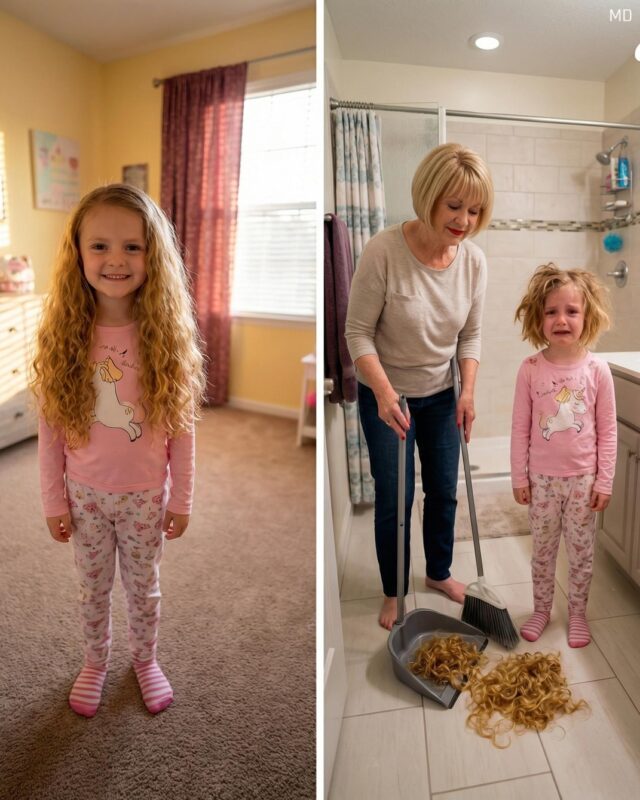
My Mother-in-Law Cut My Daughter’s Hair Without Asking — What Happened the Next Morning Left Her Speechless

When my mother-in-law suddenly offered to babysit our eight-year-old daughter, I should have trusted my instincts. For years, she had declined to help, always citing one excuse or another. But that morning, with my daughter recovering from a mild fever and my job demanding my presence, I agreed. I left clear instructions: rest, fluids, and quiet activities. My daughter adored her long golden curls, and I made sure to emphasize comfort and care. Everything seemed manageable — until my phone rang at noon and I heard my child crying in a way no parent ever forgets.

Through tears, she told me her grandmother had promised to braid her hair but instead cut it short. Worse, she had been told that I had approved the haircut. By the time I rushed home, the damage was done. Strands of her beautiful curls lay scattered on the kitchen floor. My mother-in-law insisted she had only been trying to make her “look neat” for an upcoming family wedding. To her, it was just hair. To my daughter, it was trust broken in the most personal way. I didn’t yell. I didn’t argue. I comforted my child, reminded her that her body and her choices mattered, and quietly documented what had happened.

That evening, I had a long conversation with my husband. We discussed boundaries, respect, and the importance of presenting a united front when it comes to parenting decisions. The following day, I met with my own mother at her salon to help my daughter feel confident again. We chose a gentle, temporary gloss treatment that added shine and dimension to her shorter style — nothing drastic, just something playful to help her see beauty in the change. When my mother-in-law later tried a similar product without fully understanding the instructions, she ended up with a far more dramatic result than expected. It was an uncomfortable moment, but it opened the door for an honest discussion about actions and consequences.

In the days that followed, family members learned what had happened, and it became clear that boundaries needed to be firmly established. We agreed that future visits would be supervised and that decisions about our daughter’s appearance would always remain ours. Most importantly, my daughter stood in front of the mirror one evening and said softly, “I think I can like it like this — if you help me.” And I promised her we would figure it out together. Because hair grows back, but trust must be carefully rebuilt — and protecting your child’s sense of self is always worth standing firm.

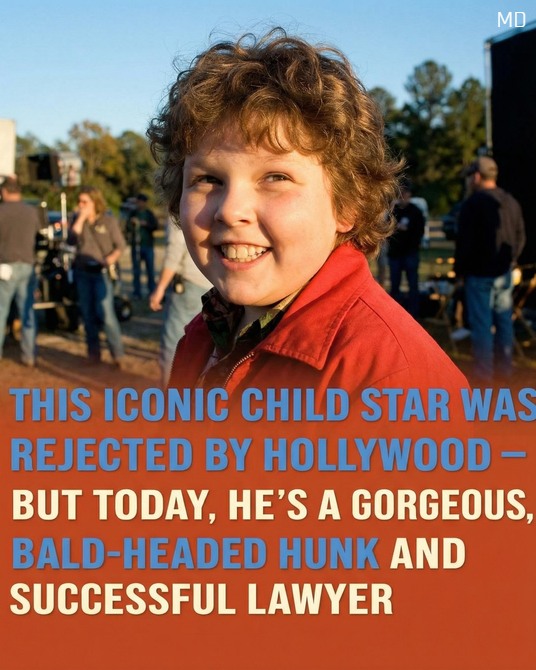
From Child Star to Successful Attorney: A Hollywood Journey of Reinvention

In the 1980s, a spirited young performer captured audiences with his humor, expressive face, and unforgettable comedic timing. His breakout role in a beloved adventure film quickly made him one of the most recognizable child actors of the decade. Viewers connected with his energy and authenticity, and his character became a lasting favorite among fans of family-friendly cinema. While the cameras showed laughter and adventure, life behind the scenes was more ordinary. Like many children his age, he faced school pressures and even dealt with illness during filming. Still, he remained committed to finishing the project, determined not to let temporary setbacks stand in the way of opportunity.

As the years passed, the transition from childhood to adolescence brought dramatic change. Puberty altered his appearance, and the industry that once celebrated him struggled to see him in new roles. The shift was sudden, but instead of clinging to past fame, he chose growth. He redirected his energy toward academics, sports, and student leadership, discovering talents beyond acting. College became a place of reinvention, offering freedom from old expectations. Though he briefly considered pursuing athletics more seriously, he realized his long-term interests extended beyond the spotlight.

A mentor from his early film career offered meaningful advice that shaped his next chapter. Encouraged to think beyond performing, he explored the business and legal sides of entertainment. With support and determination, he pursued higher education and committed himself to studying law. The discipline required for this new path demanded patience and focus, qualities he had developed as a young actor. Over time, he earned advanced degrees and built expertise in entertainment law, where understanding both creativity and contracts proved invaluable.

Today, he is recognized not only for his memorable childhood role but also for his respected career as an entertainment attorney. He has negotiated significant agreements, guided creative professionals through complex deals, and maintained strong professional relationships across Hollywood. His journey highlights the power of resilience, education, and thoughtful mentorship. Rather than being defined solely by early fame, he transformed it into a foundation for lasting success. That once-energetic child star grew into a trusted legal professional — Jeff Cohen.

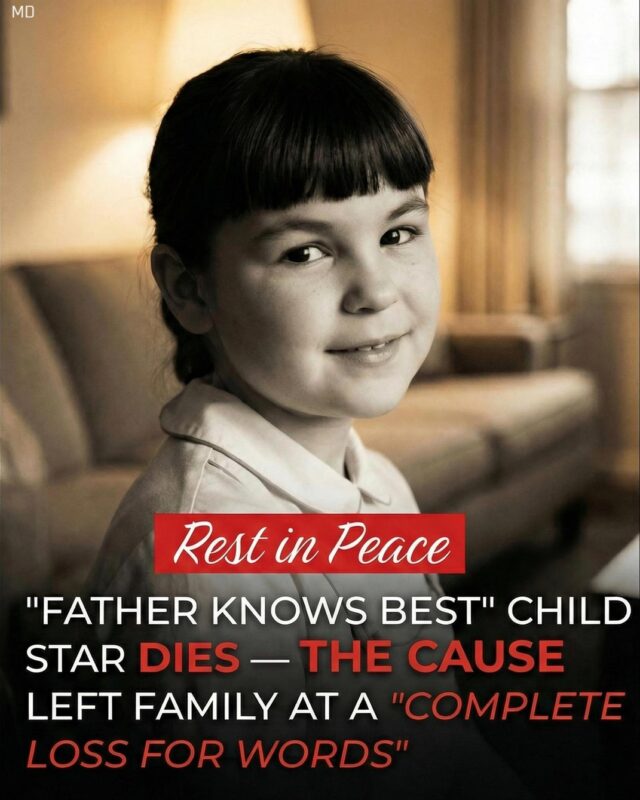
Beloved ‘Father Knows Best’ Actress Remembered Following Her Passing

A beloved actress remembered for her role as Kathy “Kitten” Anderson on the classic family series Father Knows Best has passed away at the age of 79. Her family shared the news in an emotional message, revealing that she had quietly battled cancer for five years before her passing. In the statement, her son thanked supporters for their prayers and kindness, asking for privacy as they grieve. For many fans, the announcement marked the loss of a familiar face from one of television’s most cherished eras.

She first stepped into the spotlight at just six years old, earning her part on Father Knows Best after competing against hundreds of young hopefuls. With her bright smile and natural charm, she quickly became a favorite among viewers. The series helped define early family television, and her performance played an important role in its lasting popularity. In later interviews, she spoke warmly about her time on set and the mentorship she received from her co-stars, describing those years as both exciting and formative.

Life after childhood fame was not always easy. As she grew older, she openly discussed the challenges that can follow early success, offering honest reflections about growing up in the public eye. She encouraged families to think carefully about the pressures placed on young performers and often emphasized the importance of education and preparation for life beyond acting. Over the years, she appeared in additional television projects and later returned for reunion specials connected to her iconic role.

In her later life, she devoted herself to faith-based outreach, writing, and speaking engagements, sharing her personal journey with audiences across the country. She appeared on national programs and authored a memoir that detailed both her struggles and her growth. Fans and colleagues remember her not only as a talented child star but also as a woman of resilience and compassion. While generations will always associate her with a treasured television classic, her story extended far beyond the screen. Her name was Lauren Chapin.

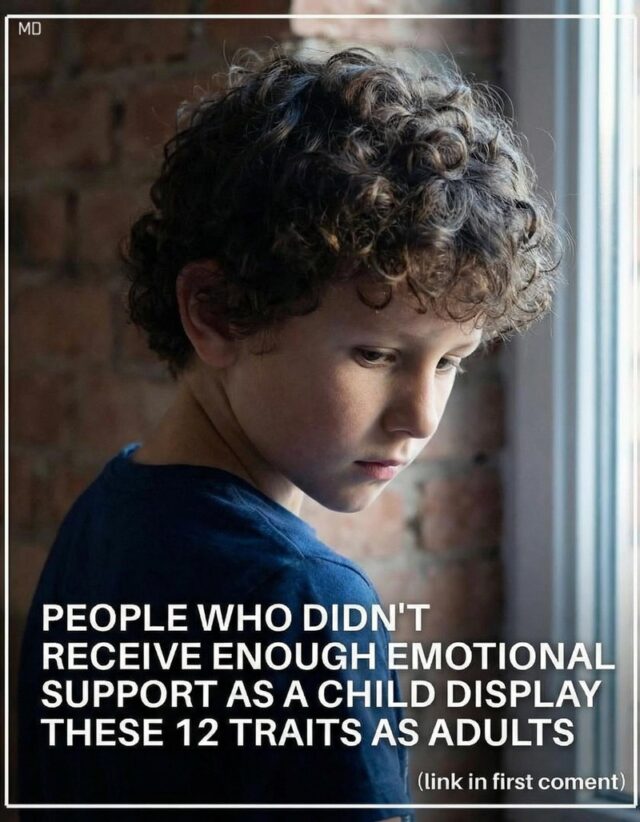
12 Common Traits Seen in Adults Who Experienced Limited Emotional Support in Childhood

Many adults eventually recognize that while their basic needs were met during childhood, something less visible may have been missing — steady emotional support. Children thrive not only on food, shelter, and education, but also on reassurance, encouragement, and a sense of being understood. When those emotional foundations are inconsistent, the effects may not surface immediately. Instead, they can quietly shape a person’s inner world, influencing how they view themselves and connect with others. These patterns are not flaws in character; they are often reflections of early experiences that shaped emotional development.

One common experience among adults who lacked consistent reassurance is uncertainty about self-worth. They may minimize their achievements, feel uneasy when complimented, or constantly question whether they are “enough.” Relationships can feel fragile, especially if there is a lingering fear of rejection or abandonment. To cope, some people become emotionally reserved, avoiding vulnerability to protect themselves from potential hurt. Others may struggle to regulate their emotions, swinging between holding everything inside and feeling overwhelmed. Without early modeling of healthy emotional expression, learning how to process feelings can take time and conscious effort.

Trust and connection can also feel complex. Growing up without dependable emotional support may lead to heightened sensitivity to criticism or perceived disapproval. Some individuals develop perfectionist habits, believing they must excel in order to earn love or approval. People-pleasing behaviors can emerge as well, with personal needs set aside to maintain peace or acceptance. In unpredictable environments, children may learn to stay alert, scanning for changes in mood or tone — a pattern that can continue into adulthood as chronic worry or overthinking. These coping strategies once served a purpose, helping them navigate early challenges, even if they later become exhausting.

The encouraging truth is that early emotional gaps do not define a person’s future. Self-awareness is a powerful first step toward change. Through supportive friendships, meaningful relationships, personal reflection, and sometimes professional guidance, individuals can build new emotional skills. Confidence, healthy boundaries, and trust can all be learned and strengthened over time. While childhood shapes the starting point, it does not determine the ending. With patience and compassion, emotional resilience can grow at any stage of life, proving that healing and personal growth remain possible long after childhood has passed.

Popular

Iran’s Supreme Leader Ayatollah Ali Khamenei Reportedly Killed in Joint U.S.–Israel...

0
The idea that Iran’s Supreme Leader could be killed in a military strike is stark and profound. The office of the Supreme Leader is...