Entertainment

Why bathing too much can harm your skin and health

There’s nothing quite like stepping under a warm stream of water after a long day, letting the heat melt away tension and fatigue. For many people, that daily shower feels like a small ritual of comfort. But research and dermatologists say that our beloved habit might actually be doing more harm than good — especially when we shower too often.

It turns out that the squeaky-clean feeling we associate with freshness may come at the cost of our skin’s natural defenses.

Human skin isn’t just a surface. It’s a complex, intelligent organ that produces oils to moisturize itself and maintains a delicate ecosystem of beneficial bacteria. These oils form a protective barrier that guards against germs, allergens, and irritation. When we shower too frequently — especially with hot water or harsh soaps — those natural oils disappear.

The result? Dryness, itching, redness, and flaking. As WebMD explains, healthy skin relies on its natural oil layer and its balance of “good” bacteria. Strip away that layer, and micro-cracks can form, making it easier for infections or allergic reactions to take hold.

Temperature also plays a major role. Hot showers feel amazing in the moment, but they can disrupt how the body regulates heat — something especially noticeable in older adults. Hot water causes blood vessels to expand, which can lead to dizziness or drops in blood pressure. Cold showers create the opposite problem, jolting the system and triggering rapid heart rate. People with circulatory issues can be particularly sensitive to these temperature swings. Dermatologists recommend warm water rather than steaming hot, and shorter showers overall.

The scalp suffers the same fate when hair is washed too often. Each wash strips away oils that keep hair strong and flexible. That constant removal can make strands dry or brittle and may even contribute to hair thinning over time. Most dermatologists suggest washing hair two to three times a week unless someone’s lifestyle requires more frequent cleaning. If a scalp feels itchy or hair looks dull, daily shampooing may be the reason.

Over-showering doesn’t just affect the skin and hair — it may also influence the immune system. According to Harvard Health, our bodies rely on exposure to everyday microbes and dirt to build antibodies and long-term immune memory. This idea, known as the hygiene hypothesis, suggests that being too clean can limit the natural development of immune defenses. That’s why many pediatricians now advise against daily baths for children unless absolutely necessary. And adults may also benefit from letting the body interact with the environment instead of scrubbing away every trace of it.

Finding the right balance is key. Hygiene is important, but so is moderation.

For most adults, showering two to three times a week is not only acceptable — it may actually be healthier for the skin and immune system. How often someone needs to bathe depends largely on lifestyle. People who sweat heavily, work outdoors, or engage in physical activity may need more frequent showers, while those who spend most of their time in climate-controlled indoor settings often need far fewer.

Duration matters as well. WebMD recommends keeping showers short — around three to five minutes — and focusing primarily on the areas that need the most attention: the armpits, groin, and face. Unless someone’s been gardening, hiking, or covered in dirt, there’s no need to scrub the entire body every day.

That refreshing, just-showered moment may feel wonderful, but if overdone, it can quietly erode the body’s natural protections. Sometimes, the best thing you can do is simply let your skin and immune system do what they’re designed to do.

Did you know that showering too often can actually be harmful? Share your thoughts — and pass this along to others who might be surprised by it.

My Stepdad Raised Me as His Own After My Mom Died When I Was 4 – at His Funeral, an Older Man’s Words Led Me to a Truth Hidden from Me for Years

My Stepdad Raised Me as His Own After My Mom Died When I Was 4 – at His Funeral, an Older Man’s Words Led Me to a Truth Hidden from Me for Years

There’s something disorienting about watching people cry for the man who held your whole world together.

They hug you too tightly. They call you sweetheart in voices that wobble with borrowed sorrow. They speak slowly, like grief has hollowed you out and might shatter you if they’re not careful.

Five days ago, I buried my stepfather.

Pancreatic cancer doesn’t give you much time to bargain. One year he was teasing me about overcooking pasta, the next he was 56 and fading so fast it felt like someone was erasing him in real time.

“You were everything to him, Clover,” a neighbor whispered at the funeral, squeezing my hands like I might drift away.

I nodded. I thanked her. I thanked everyone.

But the only thing I could think was: You left me.

Michael met my mom, Carina, when I was two. I don’t remember a life before him. My earliest memory is sitting on his shoulders at the county fair, cotton candy stuck to my fingers while I clutched his hair and laughed like I owned the sky.

My mom died when I was four. A car accident. That sentence has lived inside me for decades — short, blunt, immovable.

Michael never made me feel like I’d lost everything. He just stepped forward and filled the silence. He taught me how to change a tire, how to balance a checkbook, how to stand straight when introducing myself.

When he got sick last year, I moved back home without hesitation. I cooked. I cleaned. I drove him to chemo. I held his hand when the pain made him quiet.

I didn’t do it because I owed him.

I did it because he was my father.

After the funeral, the house hummed with forced normalcy — clinking forks, murmured condolences, laughter that sounded misplaced. I stood near the hallway table holding a glass of lemonade I never drank. The air still smelled like him: cedar, aftershave, and that lavender soap he always swore wasn’t his.

Aunt Sammie appeared beside me like she’d been waiting.

“You don’t have to stay here alone,” she said gently. “You can come home with me for a while.”

“This is my home.”

Her smile never wavered. “We’ll talk later.”

It was the way she said later that made my skin prickle.

Then someone behind me said my name.

“Clover?”

I turned to find an older man with a face carved in deep lines, tie too tight, hands wrapped around a paper cup like it might anchor him.

“I’m Frank,” he said. “I’ve known your dad a long time.”

I didn’t recognize him.

“You weren’t supposed to,” he added quietly.

That stopped me.

He stepped closer, glancing around the room before leaning in. I caught a whiff of engine grease and peppermint.

“If you want to know what really happened to your mom,” he said, voice low, “check the bottom drawer in your stepfather’s garage.”

My pulse jumped.

“What?”

“I made him a promise,” he said. “This was part of it.”

He pressed a business card into my hand.

“I’m sorry, kid,” he added. “I wish your parents were here.”

And then he was gone.

The organ music swelled, but his words were louder.

Bottom drawer.

I waited until the house emptied that night. I walked in without turning on the lights. The darkness felt kinder.

The garage smelled of oil and sawdust. Michael’s workbench stood where it always had. The bottom drawer stuck at first, then slid open with a groan.

Inside was an envelope with my name written in his blocky handwriting.

Under it lay legal papers, letters, and a single torn journal page.

I sat on the concrete floor and opened the letter.

“Clover,

If you’re reading this, it means Frank kept his promise. I didn’t want you carrying this while I was alive…”

My breath caught.

He explained that the day my mother died, she wasn’t just running errands. She was on her way to meet him to sign guardianship paperwork. They were making it official.

But Aunt Sammie had threatened court. She’d argued that blood mattered more than love. She’d questioned whether Michael was “fit.”

My mother panicked. She didn’t want a battle. She was scared of losing me.

“I told her to wait,” he wrote. “But she got in the car anyway.”

After the crash, Sammie tried again. Letters. Lawyers. Threats.

But Michael had the paperwork — and a note from my mother.

“If anything happens, don’t let them take her.”

The words blurred as tears fell.

“I kept you safe,” he wrote. “Not because the law gave me the right. But because your mom trusted me to. And because I loved you more than anything.

You were never a case file.

You were my daughter.”

I pressed the paper to my chest.

All these years, I thought the story was simple: accident, grief, survival.

But beneath it had been a quiet war — and he’d fought it alone so I wouldn’t have to.

The next morning at the attorney’s office, Aunt Sammie wore pearls and soft pink lipstick. She greeted the lawyer like an old friend.

When the will reading ended, I stood.

“I’d like to say something.”

The room quieted.

“You didn’t lose a sister when my mother died,” I said, looking directly at her. “You lost control.”

The lawyer cleared his throat.

“For the record,” he added carefully, “Michael preserved correspondence regarding an attempted custody action.”

Aunt Sammie’s composure cracked.

“I know about the letters,” I said. “The threats. You tried to take me from the only parent I had left.”

She opened her mouth. Nothing came out.

“Michael didn’t owe me anything,” I continued. “He chose me. Every day.”

Silence stretched heavy between us.

That night, I opened an old box of my childhood art projects. I found a macaroni bracelet I made in second grade. He’d worn it proudly, even to the grocery store.

I slipped it onto my wrist. The elastic bit into my skin.

“Still holds,” I whispered.

I put on his old flannel and stepped out onto the porch. The sky was black and endless.

I texted Frank.

“Thank you. I understand now. I know how loved I am.”

No reply came, but I didn’t expect one.

“Hey, Dad,” I said into the night. “They tried to rewrite the story, didn’t they?”

The wind stirred the trees like a quiet answer.

Inside, my bag sat packed. Tomorrow I’d start the paperwork to restore his name on my birth certificate.

It wasn’t about legality.

It was about truth.

He didn’t just raise me.

He chose me.

And now, finally, I get to choose how the story ends.

I Became My Twin Sisters’ Guardian After Our Mom’s Death—My Fiancée Pretended to Love Them Until I Heard What She Really Said

When my mother died, I didn’t just lose a parent.
I inherited a life I hadn’t planned for—and two fragile hearts that suddenly depended on mine.

Six months earlier, I had been a 25-year-old structural engineer with spreadsheets, deadlines, and a future neatly arranged. A wedding was on the horizon. A honeymoon in Maui was half paid. My fiancée, Jenna, had already started talking about baby names and paint colors for a nursery that didn’t yet exist.

Life wasn’t easy, but it was legible.

“James, you work too much,” Jenna used to say, handing me another vitamin bottle. “I’m proud of you. I just want you to live a long life with me.”

Stress, sure. But it was the kind of stress you expect when you’re building something.

Then my mother, Naomi, was killed in a car accident while buying birthday candles for my ten-year-old twin sisters, Lily and Maya.

And overnight, everything familiar vanished.

I went from brother to guardian. From designer of foundations to becoming one. The wedding plans stalled. The registry was canceled. I moved back into my mother’s house the same night, leaving behind my apartment, my routines, and the illusion that adulthood is something you finish assembling before responsibility arrives.

Our father had disappeared years earlier, the moment he learned my mother was pregnant with twins. There was no safety net. Just three of us standing in the aftermath of loss.

I was drowning quietly.

Jenna, on the other hand, appeared to float.

She moved in two weeks after the funeral. She packed lunches, learned braids, found lullabies online. She made it all look effortless. When Maya wrote Jenna’s name as an emergency contact in her notebook, Jenna cried and said she’d always wanted little sisters.

I thought I had been given grace in human form.

I didn’t know I was watching a performance.

Last Tuesday, I came home early from work. The sky was heavy, the kind that presses on your chest before rain. The house looked peaceful. Maya’s bike lay in the yard. Lily’s gardening gloves rested neatly on the porch rail.

Inside, the hallway smelled like cinnamon and glue.

I was halfway in when I heard Jenna’s voice—low, controlled, sharp.

“Girls, you’re not going to be here much longer. So don’t get too attached.”

I stopped breathing.

“I’m not spending my twenties raising someone else’s children,” she continued. “A foster family would be better. When the adoption interview comes up, you’ll tell them you want to leave. Understand?”

Silence

Then a small, broken sound.

“Don’t cry, Maya,” Jenna snapped. “If you cry again, I’ll throw away your notebooks. You need to stop with those silly stories.”

“But we want to stay with James,” Maya whispered. “He’s the best brother in the world.”

Something inside me cracked open.

“You don’t get to want things,” Jenna replied calmly. “Go do your homework.”

Footsteps. A door slammed upstairs.

I stayed frozen, afraid that moving would make this real before I was ready.

Then her voice shifted—lighter now. A phone call.

“They’re finally gone,” she said, laughing softly. “I’m exhausted, Karen. Playing perfect caretaker is draining.”

Pause.

“He won’t move forward with the wedding because of them. Once they’re adopted, they’re legally his problem. That’s why they need to go.”

Another pause.

“The house? The insurance money? That should be ours. I just need my name on the deed. After that, I don’t care what happens to them.”

I backed out of the house without a sound.

In the car, my hands shook. I wasn’t angry yet. I was clear.

This wasn’t a mistake. It was a plan.

That night, I came home with pizza and acted as if nothing had happened.

Later, after the girls were asleep, I spoke gently.

“Maybe you were right,” I said. “Maybe I can’t do this.”

Her eyes lit up.

“And maybe we shouldn’t delay the wedding,” I added. “Life is short.”

She didn’t question it. She celebrated it.

By morning, she had booked a ballroom.

Meanwhile, I made promises—to Lily and Maya—and phone calls of my own.

The wedding night arrived dressed in white linen and candlelight. Jenna glowed. She believed she had won.

When she raised the microphone, I stepped forward and took it instead.

“We’re here to reveal the truth,” I said calmly.

The footage played.

Not edited. Not exaggerated. Just unfiltered character.

Her voice echoed through the room. Her intentions laid bare.

I didn’t raise my voice. I didn’t insult her.

“I heard everything,” I said. “You weren’t building a future. You were dismantling one.”

Security escorted her out.

I didn’t feel satisfaction. I felt release.

The adoption was finalized a week later.

That night, we made spaghetti. Lily stirred. Maya danced with the parmesan. We lit a candle for our mother.

“We knew you’d choose us,” Lily said.

I didn’t speak. I cried. I let them see it.

Not because I was strong—but because I was present.

We were no longer surviving.

We were home.

Expert reveals the 15 US cities that would be first targets in WW3 – some might surprise you!!

Fear of large-scale war has a way of settling into society quietly. It doesn’t always arrive with sirens or headlines. Instead, it lingers in the background, shaped by news alerts, diplomatic threats, and a growing sense that the global order is less stable than it once appeared. In recent years, that unease has deepened, fueled by rising political tension, fractured alliances, and increasingly aggressive rhetoric among world powers.

Part of the messaging surrounding the return of Donald Trump to the White House emphasized keeping American troops out of prolonged foreign conflicts. On the surface, that promise appealed to a war-weary public. Yet alongside those assurances came a series of moves and statements that left analysts unsettled. Escalating pressure related to Venezuela, sharp rhetoric toward Iran, and repeated public insistence that the United States should acquire Greenland have contributed to a sense that global stability rests on a thinner margin than many would like to admit.

At the center of public anxiety is the prospect of a third world war. Unlike previous conflicts, a modern global war—particularly one involving nuclear weapons—would not simply redraw borders or shift power balances. It would threaten life on a scale that permanently alters civilization itself. Optimists point to deterrence, treaties, and rational self-interest as barriers against such a catastrophe. More cautious observers counter that history is filled with wars sparked not by long-term planning, but by miscalculation, pride, and moments where restraint failed.

As uncertainty grows, people have begun asking more concrete, uncomfortable questions. Not just whether a global conflict could happen, but what it would look like if it did. That shift from abstract fear to specific scenarios is telling. It reflects a deeper loss of confidence in the systems meant to prevent escalation.

Into that discussion stepped nuclear historian Alex Wellerstein of the Stevens Institute of Technology. Speaking publicly in 2025, Wellerstein explained that in the event of a nuclear conflict, targets would be selected based on strategic goals rather than symbolism alone. The first strikes, he noted, would likely focus on disabling an opponent’s ability to respond.

“If the adversary were Russia and the goal was to prevent U.S. retaliation,” he explained, “command centers and intercontinental ballistic missile sites would be hit first. A different kind of attacker, especially a rogue actor, might focus instead on population centers or symbolic locations.”

That distinction pulls attention away from obvious megacities and places it squarely on smaller, lesser-known locations whose strategic value far outweighs their population.

One such city is Great Falls, home to just over 60,000 residents. Despite its modest size, Great Falls sits near Malmstrom Air Force Base, which controls hundreds of nuclear missile silos. In a nuclear scenario aimed at neutralizing U.S. strike capability, that proximity alone makes the area a high-value target.

A similar logic applies to Cheyenne, which lies close to Francis E. Warren Air Force Base, another critical hub in America’s nuclear missile command structure. Cheyenne rarely appears in discussions of global conflict, yet its strategic importance places it squarely on vulnerability lists.

In Utah, Ogden and Clearfield sit near Hill Air Force Base, a key installation for nuclear weapons storage and aircraft maintenance. Together, these communities have a relatively small combined population, but their location near critical military infrastructure makes them potential targets in a first-strike scenario.

Further south, Shreveport is located close to Barksdale Air Force Base, home to B-52 bombers capable of carrying nuclear payloads. Any strike aimed at disabling that base would almost certainly devastate the surrounding civilian area, regardless of whether it was the intended target.

On the Pacific front, Honolulu remains strategically vital due to its concentration of naval and air forces. The legacy of Pearl Harbor still looms large in military planning, and Hawaii’s geographic position makes it a critical node in U.S. defense strategy across the Pacific.

In the American heartland, Omaha stands out because of its proximity to Offutt Air Force Base, a central command hub for U.S. nuclear operations. Nearby Colorado Springs is home to NORAD, the command responsible for defending North American airspace. Both locations hold immense strategic value despite lacking the global profile of coastal cities.

The Southwest is not immune either. Albuquerque hosts Kirtland Air Force Base, which contains one of the largest concentrations of nuclear weapons-related infrastructure in North America. Its importance makes it another potential early target in a conflict aimed at crippling U.S. capabilities.

Some cities, of course, are obvious. Washington, D.C. represents the political heart of the nation. Seattle, near Naval Base Kitsap and a major global port, carries both military and economic weight.

Other major urban centers appear on vulnerability lists not because of missile silos or command centers, but because of their population density and economic influence. San Francisco, Houston, Chicago, Los Angeles, and New York City are all places where destruction would send shockwaves through global markets, infrastructure, and morale.

None of this analysis suggests that nuclear war is inevitable. Experts are careful to stress that deterrence remains powerful and that multiple layers of safeguards exist to prevent catastrophe. Still, the fact that such discussions feel increasingly relevant says something important about the current moment.

Public anxiety is not rooted solely in fear of weapons, but in fear of judgment. Of leaders misreading intentions. Of alliances cracking under pressure. Of egos overriding caution. History shows that wars often begin not because they are wanted, but because they are mismanaged.

The conversation about potential targets is unsettling precisely because it forces people to confront how interconnected military strategy and civilian life truly are. These cities are not abstract points on a map. They are homes, schools, hospitals, and communities filled with people who have no say in geopolitical calculations.

Whether the world steps back from the edge or drifts closer to it will depend on diplomacy, restraint, and the willingness of leaders to recognize that power without control is a liability. For now, the growing unease reflects a collective awareness that peace is not a permanent state. It is something that must be actively maintained, especially in an era where the cost of failure is unthinkable.

If you reach 60 without these 5 diseases, you have a high probability of living to 100!

Living a long and healthy life isn’t determined by genetics alone. In reality, one of the strongest indicators of longevity is whether someone has managed to avoid certain major diseases over the years. When a person reaches their 60s, 70s, or even 80s without developing some of the most common chronic illnesses, it often suggests that the body’s systems are still functioning with balance and resilience.

In many ways, health in later life reflects decades of lifestyle habits—how a person eats, moves, manages stress, and cares for their overall well-being. While aging is inevitable, avoiding certain serious conditions can greatly increase both lifespan and quality of life.

Below are five major illnesses that significantly affect longevity after age 60. Reaching older age without them may indicate a strong foundation for continued health.
Heart Disease

The heart serves as the body’s central engine, pumping blood and oxygen to every organ. When the cardiovascular system begins to fail, it can affect nearly every part of the body.

Most heart diseases develop gradually over many years due to factors such as high blood pressure, cholesterol buildup in arteries, and poor circulation. If someone reaches older age without experiencing heart attacks, serious arrhythmias, or coronary artery disease, it often suggests that their cardiovascular system remains relatively healthy.

A well-functioning heart supports many other aspects of health, including mental clarity, stable energy levels, and emotional balance. Good circulation helps deliver oxygen and nutrients throughout the body, slowing the visible and internal effects of aging.
Diabetes

Diabetes is widely known for its impact on blood sugar, but its effects extend far beyond that. Over time, uncontrolled diabetes can damage blood vessels, nerves, kidneys, eyesight, and even brain function.

If someone reaches later life without developing diabetes, it often means their metabolism is still functioning efficiently. Their body can regulate energy levels, maintain stable blood sugar, and control inflammation more effectively.

Healthy metabolic function also supports stronger circulation, reduced risk of nerve damage, and better cognitive performance as a person ages.
Stroke and Circulatory Disorders

Strokes occur when blood flow to the brain is interrupted or when a blood vessel ruptures. Even when they are not fatal, strokes can lead to serious long-term consequences such as impaired speech, mobility challenges, memory problems, or loss of independence.

Reaching older age without experiencing strokes or major circulatory blockages suggests that the vascular system remains flexible and functional. Healthy arteries are able to expand and contract properly, allowing oxygen and nutrients to reach vital organs—including the brain.

Strong circulation plays a key role in maintaining both physical mobility and mental sharpness in later life.
Cancer

Cancer develops when cells begin growing uncontrollably and bypass the body’s normal regulatory systems. Although abnormal cells appear in the body regularly, the immune system usually identifies and eliminates them before they become harmful.

If someone reaches advanced age without developing cancer, it may reflect a combination of genetic protection, effective immune function, and lifestyle habits that reduce chronic inflammation or cellular damage.

Maintaining a balanced immune response is one of the body’s most powerful defenses against many diseases, including cancer.
Chronic Lung Disease

The lungs are responsible for delivering oxygen to every part of the body. When lung function declines, other organs—including the heart and brain—can also be affected.

Conditions such as chronic obstructive pulmonary disease (COPD), severe asthma, or long-term respiratory illness can significantly reduce energy levels and physical endurance.

If someone can breathe comfortably, walk without severe shortness of breath, and avoid frequent respiratory infections, it suggests their lungs are still functioning effectively.

Healthy lungs support better sleep, improved stamina, and quicker recovery from illness.
What It Means for Longevity

Reaching one’s 60s, 70s, or 80s without these major diseases often indicates that the body still has a strong ability to maintain balance and repair itself. The organs continue communicating effectively, circulation remains stable, and the immune system is still responsive.

This resilience is rarely the result of luck alone. More often, it reflects years of everyday decisions that support health.
Habits That Support Healthy Aging

Several simple lifestyle choices can help maintain well-being and support long-term health:

Stay physically active each day, even through light activities such as walking or stretching.

Choose balanced meals with vegetables, fruits, lean proteins, and fewer heavily processed foods.

Monitor blood pressure, cholesterol, and blood sugar regularly.

Prioritize sleep and manage emotional stress.

Maintain strong social connections and meaningful activities.

Practice deep breathing or relaxation techniques to support lung and mental health.

Avoid smoking, excessive alcohol, and exposure to harmful chemicals.
Living Longer—and Living Better

Longevity is not only about adding years to life but also about maintaining independence, energy, and clarity throughout those years.

Reaching later life without certain chronic illnesses can be a strong signal that the body remains resilient and capable of continued vitality. With consistent care and healthy habits, many people can extend not only how long they live, but how well they live.

In that sense, healthy aging is less about avoiding time—and more about supporting the body’s natural ability to keep going strong.

I Married the Man Who Saved Me After a Car Crash – on Our Wedding Night, He Whispered, ‘It’s Time for You to Know the Truth’

I married the man who saved my life.

Five years ago, a drunk driver hit me on a dark stretch of road. I don’t remember the impact itself—only fragments. Screeching tires. The taste of blood. The feeling of slipping away. What I do remember clearly is a stranger’s voice, steady and close, telling me to stay awake while he held my hand and waited for the ambulance.

That man was Ryan.

The doctors later told me I wouldn’t have survived without him. I woke up in the hospital to a body I barely recognized and a future I couldn’t imagine. My right leg had been amputated below the knee. Everything I thought my life would be—movement, independence, ease—was suddenly gone.

But Ryan stayed.

He visited every day. He learned how to help me transfer from bed to chair, how to make me laugh when I hated my reflection, how to sit with me when words were useless. He celebrated tiny victories no one else noticed. When I learned to balance again, he cried harder than I did.

With him, I didn’t feel broken. I felt chosen.

So when he proposed, I said yes without a second thought.

Our wedding was small, quiet, perfect in its simplicity. String lights. Soft music. People who truly knew us. I wore a white dress that brushed my wheelchair just right. Ryan wore a navy suit, his hands shaking as he said his vows.

“You’re the strongest person I know,” he said, voice cracking. “You taught me what love really is.”

I believed him. I believed us.

That night, after the guests left and the house finally fell quiet, I wheeled into the bathroom to wipe off my makeup. I remember smiling at myself in the mirror, stunned by how happy I felt.

When I came back into the bedroom, Ryan was sitting on the edge of the bed, staring at the floor.

He didn’t look nervous. He looked heavy. Like someone who had been holding his breath for years and was finally running out of air.

“Ryan?” I asked. “What’s wrong?”

He swallowed hard. “I need to tell you something. I should’ve told you a long time ago. I can’t start our marriage like this.”

My chest tightened. “Tell me what?”

His eyes filled with tears.

“I’m the reason you’re disabled.”

The words landed like a blow.

“What?” I whispered. “Ryan, you saved me.”

“I know,” he said quickly. “But it’s more complicated than that.”

“Then explain,” I said, my voice rising. “Please.”

He shook his head, standing abruptly. “I can’t. Not tonight.”

And then he left.

I sat there in my wedding dress, alone, replaying his words over and over until they lost meaning and then regained it with even more force. When he came back an hour later, he apologized for dumping it on me but still refused to explain.

We slept separately.

The days that followed were tense and strange. Ryan started coming home late. He avoided my eyes. He took calls outside. His phone was always locked. Every instinct in me screamed that something was wrong.

I called my sister, Marie, and told her everything.

“I need answers,” I said. “I can’t live like this.”

The next evening, we followed Ryan after work. He drove past the turn toward home and kept going until he stopped at a small, rundown house in a quiet neighborhood I didn’t recognize.

When he went inside, Marie helped me to the door. It was unlocked.

Inside, the living room had been transformed into something that didn’t belong there at all—a hospital bed sat in the center, oxygen tank humming softly beside it. An elderly man lay in the bed, frail and pale.

Ryan was standing next to him.

When he saw us, his face collapsed.

“This is my uncle,” he said shakily. “His name is Cody.”

My stomach dropped when he continued.

“He’s the one who hit you.”

Everything spun.

Ryan explained through tears. His uncle had been drunk, devastated after burying his wife. He made a choice that destroyed my life. He called Ryan immediately after the accident, panicked and terrified. Ryan raced to the scene, found me unconscious, and did what he could.

He hadn’t arrived soon enough.

“That’s why I said I was responsible,” Ryan said. “If I’d been there ten minutes earlier, maybe your leg could’ve been saved.”

Cody cried, apologizing over and over. He was dying of cancer. Ryan had been caring for him in secret, torn between loyalty and guilt.

I was furious. Devastated. Betrayed.

But as I sat there, looking at the man whose choice changed my life and the man who spent five years trying to hold the pieces together, something else surfaced too—clarity.

“I’m angry,” I said. “What you did was unforgivable. What you hid nearly broke us.”

Ryan nodded, tears streaming down his face.

“But I also see why you did it,” I continued. “And I refuse to carry guilt that doesn’t belong to me.”

I looked at Cody.

“I forgive you,” I said, even though my voice shook. “Not because it didn’t matter—but because I won’t let this define the rest of my life.”

Then I turned back to my husband.

“And I forgive you too. But we don’t survive secrets. If we’re doing this, we do it honestly. Always.”

That night, we went home together.

Our marriage didn’t begin with a fairy tale. It began with truth—messy, painful, and real. And somehow, that made it stronger.

Love doesn’t save you by erasing the past.

Sometimes, it saves you by forcing you to face it—together.

I Arrived at the Hospital to Bring My Wife and Newborn Twins Home — But Only the Babies Were There, Along with a Note!

The Day I Went to Bring My Wife and Twins Home—And Found Only a Note

The morning I drove to the hospital to bring my wife and our newborn twins home, I believed it would be the happiest day of my life.

Pink and silver balloons bounced against the passenger seat beside me. I hadn’t slept much the night before—too excited, too nervous, too full of anticipation.

At home everything was ready. The house was spotless. I had assembled the cribs twice just to be sure they were perfect. I cooked a lasagna even though my hands shook so badly I probably over-seasoned it. On the mantel, I had framed photos from our baby shower so Grace could see them the moment she walked in.

After nine months of back pain, nausea, and swollen ankles—plus my mother’s endless “advice”—Grace deserved peace.

She deserved joy.

She deserved to come home and feel safe.

I walked through the maternity ward smiling at the nurses and hurried toward her room, rehearsing something sweet to say—something about how our daughters would change the world.

I opened the door.

The bassinets were there.

Two tiny bundles wrapped in pink blankets. Sleeping peacefully.

But Grace wasn’t there.

At first, I thought she might be in the bathroom or walking down the hall. I called her name.

“Grace?”

Silence.

Then I saw the envelope on her tray.

My name written across it in her familiar handwriting.

A cold knot formed in my stomach.

I opened it.

Inside were only a few words.

Goodbye.
Take care of them.
Ask your mother why she did this to me.

For a moment, nothing made sense.

A nurse walked in with a clipboard.

“Good morning, I just need a signature for discharge—”

“Where’s my wife?” I asked.

“She checked out earlier this morning,” the nurse said. “She told us you knew.”

“I didn’t.”

“She was quiet,” the nurse added. “But that’s common after delivery.”

Quiet.

Grace had been quiet lately.

But I thought it was just exhaustion.

The Question Waiting at Home
I placed Violet and Harper gently into their car seats and drove home with the note crumpled in my hand.

One thought kept repeating in my head.

What did you do, Mom?

When I pulled into the driveway, my mother, Denise, stood on the porch holding a casserole, smiling widely.

“There they are!” she said. “My grandbabies!”

I handed her the note.

Her smile faltered—then quickly returned.

“I don’t understand,” she said. “What is she talking about?”

“You tell me.”

Her voice softened into the tone she always used when she thought I was overreacting.

“Alex, you know how emotional pregnancy makes women…”

“Don’t,” I interrupted. “Don’t blame this on hormones.”

“I’m just saying she’s been overwhelmed.”

“You never liked her,” I said.

“I had concerns.”

“She left our newborn daughters,” I replied quietly. “And told me to ask you why.”

For a moment her eyes flickered.

But she said nothing.

The Letter I Was Never Supposed to See
That night, after putting the twins down, I searched our bedroom for answers.

Inside Grace’s jewelry box, I found a folded letter.

It was written in my mother’s handwriting.

Grace,
You will never be good enough for my son. If you truly care about those babies, walk away before you ruin their lives. Alex deserves someone stronger. Someone stable.

Think carefully about what kind of mother you’re capable of being.

My hands shook with anger.

I walked straight to my mother’s room and threw the letter on the bed.

“Explain this.”

“I was protecting you,” she said.

“From my wife?”

“She’s fragile. She doubts herself constantly. Not someone who should raise children.”

“You told her to leave.”

“I wanted what was best.”

“You don’t get to decide what’s best for my family.”

I told her to pack her things.

An hour later, I watched her taillights disappear down the street.

And my life split into before and after.

The Hardest Months of My Life
The weeks that followed nearly broke me.

Newborn twins don’t pause for grief. They cry every two hours. They wake at different times. Sleep becomes something you barely remember.

Some nights I sat on the nursery floor holding one baby in each arm, crying with them.

I called Grace’s friends. Her coworkers. Her sister.

No one knew where she was.

Eventually, her college roommate told me something that chilled me.

“She thought your mother was right,” Megan said. “She thought the girls might be better off without her.”

Four months later, a message arrived from an unknown number.

A photo.

Grace in a hospital bed, holding our daughters.

Below it, a short message:

I hope one day they forgive me. I’m trying to become someone who deserves them.

Then the number disconnected.

But one thing mattered.

She was alive.

The Knock on the Door
A year passed.

Violet took her first steps. Harper learned to say “Dada.”

On their first birthday I sang to them alone in the living room.

Halfway through the song, there was a knock at the door.

When I opened it, Grace stood there.

She looked stronger—but still fragile.

“I’m sorry,” she whispered.

I pulled her into my arms.

The Truth She Had Been Carrying
Grace told me everything.

After the twins were born, my mother’s words echoed constantly in her mind. Every doubt, every fear about motherhood grew louder.

Postpartum depression made those thoughts feel real.

She believed leaving was the only way to protect the girls.

So she went to another city, found treatment, and slowly began rebuilding herself.

“I didn’t want to leave,” she said. “But I didn’t know how to stay without breaking.”

Learning to Rebuild
We didn’t pretend nothing had happened.

We started therapy together. We learned to talk about fears before they grew into resentment.

And we set firm boundaries with my mother.

Slowly, our family began to heal.

One evening months later, I watched Grace sitting on the nursery floor with Violet and Harper. The room was full of laughter.

For the first time since that morning at the hospital, something inside me settled.

Not perfection.

Not forgetting.

But something close to wholeness.

What I Finally Understand
Love isn’t balloons in a car or framed photos on a mantel.

It’s the nights you sit on the floor holding crying babies.

It’s standing up to the people who try to tear your family apart.

It’s choosing each other again—even after everything breaks.

We didn’t rebuild the life we had before.

We built something stronger.

And every night, when Grace leans against my shoulder while we tuck Violet and Harper into bed, I’m reminded of something important:

Families aren’t defined by the moments they fall apart.

They’re defined by the courage it takes to put the pieces back together.

My Grandmother Left Her House to the Neighbor and Gave Me Only Her Old Sewing Machine – Then I Found a Key and a Note Taped to It

Three days after we laid Grandma Rose to rest, I found out she had left her house to Margaret.

Not to me.

By then, the stream of condolence dishes had dried up. The lilies were browning at the edges. And the yellow house on Juniper Lane — the place that had held every scraped knee, every birthday candle, every whispered midnight story — felt hollow in a way I couldn’t explain.

The will was read in a lawyer’s office that smelled faintly of paper and lemon polish. Margaret arrived early, wearing navy, clutching a leather folder like she was finalizing a sale instead of mourning a woman who’d once called her friend.

“You holding up, okay, Taylor?” she asked softly.

“As well as anyone can,” I said.

She smiled, composed and careful. “Rose was very particular. No loose ends. This will be quick. Clean.”

Clean.

The lawyer adjusted his glasses.

“The property located on Juniper Lane is to be transferred to Margaret under the terms of a previously executed care agreement.”

The words didn’t register at first.

“Transferred to who?” I asked.

“To Margaret.”

She placed her hand over her chest as if she’d been blessed.

“Rose wanted me secure,” she said gently. “Everything was handled properly.”

Secure.

“But that was my home,” I whispered. “She raised me there.”

Margaret’s expression shifted, sympathy tinged with something sharper. “Sometimes the one who shows up daily matters more than the one who visits on weekends.”

The air tightened.

“I came every weekend,” I said, my voice steady despite the tremor in my chest. “I brought groceries. I paid her bills.”

The lawyer continued.

“To her granddaughter, Taylor, Rose leaves her sewing machine.”

A murmur fluttered through the room.

“That machine?” someone muttered.

“That’s all?” I asked.

“That is what was written.”

Margaret leaned toward me. “Maybe she knew who deserved the house.”

I left before I could say something unforgivable.

The house greeted me with silence. Dust floated in golden light. My fingers traced the pencil marks on the doorway where Grandma had measured my height each birthday.

“You could have told me,” I whispered into the stillness.

The sewing machine sat by the window, polished and waiting.

When I lifted it, something brushed my fingertips.

Taped underneath was a small brass key. And a note.

My darling girl,

If you’re reading this, the time has come. I know you have questions.

Don’t challenge Margaret until you’ve gone to the address below.

Bring a clear heart, not anger.

You deserve the whole truth.

Grandma Rose.

An address followed.

“You really couldn’t just tell me?” I murmured. “You had to turn it into a mystery?”

The key led me to a modest white house at the edge of the next town. The porch sagged slightly. A wind chime clinked in the breeze.

Inside, a woman with silver hair and steady eyes greeted me.

“I’m Helen,” she said. “I helped Rose during her last months.”

“Why did she leave the house to Margaret?”

“She didn’t leave it,” Helen replied calmly. “She negotiated it.”

She handed me a thick folder.

Rose had signed a formal agreement. Margaret would receive the house only if she fulfilled specific conditions — documented care, covered expenses, managed medications, drove her to appointments. If she failed, ownership would revert to me.

“She didn’t trust assumptions,” Helen said.

I read every line twice.

Margaret’s compensation wasn’t a gift. It was a contract.

“If she honored her part, she would keep it,” Helen explained. “If not, it returns to you.”

There was another letter inside.

My dear Taylor,

Margaret needed stability. I needed help. We made a conditional agreement.

I knew if you understood how hard things had become, you would give up your own life to move back. I didn’t want that for you.

If she fulfills her promises, she keeps the house. If she does not, it comes back to you.

I didn’t want you fighting for what was already protected.

I loved you fiercely.

Grandma Rose.

I pressed the paper to my chest.

It had never been about choosing between us.

It had been about protecting me.

I found Margaret in her yard the next afternoon, chatting brightly with neighbors.

“We need to talk,” I said.

Her smile tightened. “This isn’t appropriate.”

“It is,” I said evenly. “You told people the house was a gift. It wasn’t.”

I opened the folder.

“It was conditional. Did you document the expenses? Did you meet the agreement?”

Silence stretched like a pulled thread.

Finally, she exhaled.

“I didn’t complete all of it,” she admitted quietly.

“I’ll have the lawyer review everything,” I replied. “That’s all.”

Two days later, the call came.

Margaret had failed to meet the terms.

The house reverted to me.

That evening, I sat in front of the sewing machine, running my fingers over the worn wood. It had clothed me, fed us, saved us more than once.

“It was never about choosing,” I whispered.

When I was small, I once pricked my finger while learning to sew and burst into tears.

Grandma had laughed softly. “Nothing is ruined, my girl. We just stitch it again.”

I threaded the needle. Lowered the presser foot. Pressed down.

The machine hummed alive beneath my hands.

Nothing was ruined.

We were just stitching it again.

Why Some Homeowners Are Wrapping Aluminum Foil Around Door Handles

It may sound unusual at first, but a simple household item like aluminum foil is gaining attention online for a creative purpose beyond the kitchen. Recently, many homeowners have shared a clever trick involving wrapping aluminum foil around a door handle as a way to increase awareness about activity around their homes. While it’s not meant to replace traditional security measures like locks, alarms, or cameras, the idea behind the method is to add a small layer of observation. In a time when many people are looking for practical and affordable ways to feel more secure, this low-cost tip has sparked curiosity and discussion across social media. The appeal lies in its simplicity—most people already have foil at home, and the technique takes only a few seconds to try.

The concept works because aluminum foil is lightweight and easily shaped. By wrapping a small sheet of foil around an exterior door handle before leaving home or going to sleep, any attempt to move or turn the handle can leave visible marks. The foil may become creased, dented, or slightly displaced if the handle is touched or turned. When the homeowner returns, they can quickly check the foil to see if anything has changed. Some people also note that foil can create a faint crinkling sound when it’s handled, which may provide an extra clue if someone interacts with the door. While the method is simple, it serves as a quick visual indicator that something may have disturbed the entryway.

For those who want an additional layer of awareness inside the home, some people combine this idea with another simple approach. A lightweight object—such as a plastic cup, spoon, or small container—can be balanced on the inside door handle or placed nearby. If the door is moved or opened, the object may fall and create a small noise. This can act as a basic alert, helping someone notice unexpected movement more quickly. Although it is a very simple method, it can provide a small sense of reassurance when used alongside other safety practices.

Security professionals remind homeowners that creative tricks like this should only be used as supplementary measures rather than primary security solutions. Strong locks, good outdoor lighting, and reliable security systems remain the most important steps for protecting a home. However, the aluminum foil idea highlights how small, practical habits can sometimes help people stay more aware of their surroundings. Its popularity comes from being inexpensive, easy to try, and reversible at any time. In the end, while it may not replace modern technology, this small trick demonstrates how everyday items can sometimes offer a surprising sense of peace of mind.

A Family Dinner Check Turned Into an Unexpected Lesson About Respect

The evening began like many family dinners do—warm, lively, and full of conversation. We gathered around a large table at a busy restaurant, sharing stories, laughing about old memories, and enjoying the comfort of being together. Glasses clinked, jokes bounced from one person to another, and the atmosphere felt easy and relaxed. But when the server placed the check on the table, the mood shifted in an unexpected way. My brother casually slid the bill toward me and joked that since I was single and didn’t have children, I should cover the entire amount. A few relatives laughed along, assuming it was a harmless comment. I smiled politely, but inside I realized something important. Instead of debating or creating tension at the table, I quietly excused myself and stepped away for a few minutes.

When I returned, I placed the receipt on the table and calmly explained that the bill had already been taken care of. The laughter faded, replaced by a quiet pause as everyone processed what had happened. I didn’t raise my voice or criticize anyone, but I gently pointed out that situations like this often come from assumptions. Being single doesn’t mean someone has unlimited resources or fewer responsibilities. Everyone carries their own plans, priorities, and financial goals. For me, that dinner bill represented money I had been carefully saving for practical needs and a small trip I had hoped to take in the future. Paying the bill wasn’t about proving a point through generosity; it was about highlighting the importance of fairness and respect when making decisions that affect others.

The following morning, my phone rang. It was my brother. His voice was quieter than usual as he admitted that he had thought about the dinner and realized how unfair his comment had been. He apologized sincerely and explained that he hadn’t meant to put me in that position. Our conversation turned into something much more meaningful than either of us expected. We spoke openly about how easy it can be to overlook someone else’s circumstances, especially within families where humor sometimes hides real expectations. By the end of the call, the tension from the previous night had faded. In its place was a better understanding of how small moments can shape the way we treat one another.

Since that evening, our family dinners have changed in a subtle but meaningful way. When the check arrives, it’s placed in the center of the table, and everyone reaches for it with the same willingness to contribute. Sometimes my brother even tries to quietly pay first, joking that he wants to “get ahead of the lesson.” We laugh about it now, but the message remains clear. Respect isn’t measured by who pays the bill—it’s reflected in how we value one another’s efforts, circumstances, and choices. In the end, the dinner wasn’t about money at all. It was about understanding that fairness and kindness are what truly keep families strong.

Popular

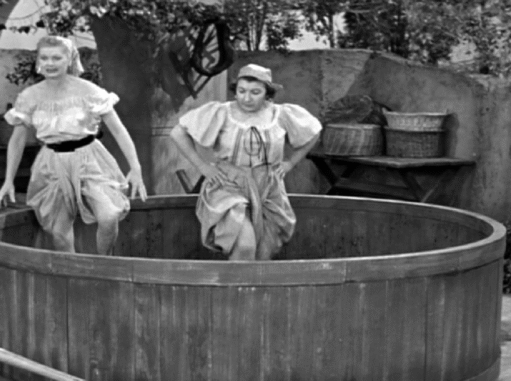
This Is How I Love Lucy Ended

0
These days, how a beloved TV show ends is as much a part of the conversation about the show as the show itself. For...