Entertainment

Understanding Blue Stop Signs and Their Role in Traffic Areas

Traffic signs across the United States are designed to follow consistent national standards so that drivers can easily recognize and understand them wherever they travel. These standards are outlined in the Federal Highway Administration’s guidelines known as the Manual on Uniform Traffic Control Devices (MUTCD). The goal of these rules is to create clear and predictable road systems that improve safety and reduce confusion for motorists, cyclists, and pedestrians alike. One of the most recognizable signs in this system is the stop sign, which has a unique design that stands out among other traffic signs.

On public roads, stop signs always follow the same format: a red background with white lettering in an octagonal shape. This design was chosen because it is easy to recognize from far away and even in challenging conditions such as fog, rain, or nighttime driving. The color red is commonly associated with alerts and caution, making it effective for capturing attention quickly. The distinctive eight-sided shape also helps drivers identify the sign instantly, even if the color is partially obscured or visibility is limited. Because of these features, the red stop sign has become a widely recognized symbol of road safety not only in the United States but in many countries around the world.

Occasionally, people may come across a blue stop sign, which can seem unusual at first glance. However, these signs are generally not used on public streets or highways. Instead, they are typically placed on private property, such as in parking lots, business campuses, residential communities, or industrial areas. Property owners sometimes choose different colors or designs to match their property layout or branding while still encouraging drivers to slow down and check for cross traffic. Since these locations are privately managed, they are not always required to follow the same federal traffic sign standards used on public roadways.

Even though blue stop signs appear in private areas, they still serve a practical purpose. Their main role is to guide traffic flow and promote cautious driving where vehicles and pedestrians may share space. Stopping at these signs helps maintain order and reduces the chances of misunderstandings between drivers. While the red stop sign remains the official standard on public roads according to the MUTCD, the basic idea behind any stop sign is the same: to remind drivers to pause, look carefully, and proceed safely. Following these simple cues helps create smoother and safer movement for everyone using the road.

8 U.S. States With Major Military and Strategic Importance

Global tensions often lead to renewed discussions about international security and preparedness. In recent comments, Donald Trump acknowledged that conflicts between nations can carry serious consequences and that governments must always plan for a wide range of scenarios. Speaking in an interview with Time, he noted that military planners constantly consider potential risks and responses when global tensions rise. While such discussions can sound alarming, officials and analysts emphasize that planning for difficult possibilities is a routine part of national defense and crisis management.

Recent developments in the Middle East have contributed to growing global attention on security issues, particularly following tensions between the United States and Iran. Conflicts in the region can sometimes affect neighboring countries and attract worldwide concern. Government officials and international observers often monitor these situations closely to prevent further escalation. In addition, leaders and diplomats typically work through negotiations and international organizations to stabilize regions experiencing unrest and reduce the likelihood of wider conflict.

Some world leaders have also warned that ongoing international disputes could have long-term geopolitical consequences. For example, Volodymyr Zelensky has previously said that the conflict following Russia’s invasion of Ukraine demonstrates how regional wars can influence global security discussions. Public opinion surveys suggest that many people across Europe and the United States share concerns about the possibility of major conflicts in the future. Research organizations such as YouGov have found that a significant number of respondents believe geopolitical tensions could remain a defining issue in the coming decade.

Security analysts often study geography and infrastructure when evaluating how conflicts might affect different regions. In the United States, experts frequently point out that areas close to large military facilities or strategic defense sites could receive more attention in defense planning. Meanwhile, regions farther from major bases or dense urban centers are sometimes viewed as less strategically significant. However, specialists consistently stress that these assessments are theoretical and intended for academic or policy analysis. Modern international security efforts focus heavily on diplomacy, deterrence, and cooperation among nations to reduce the chances of large-scale conflict and maintain global stability.

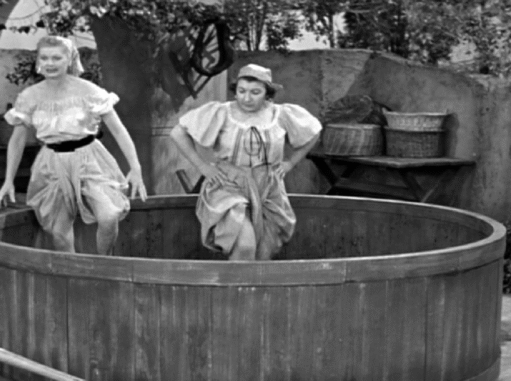
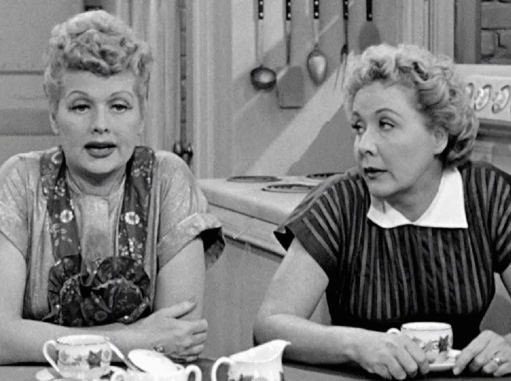
I Love Lucy: 10 Worst Episodes (According To IMDb)

The Fumbles of a Legend: The 10 Worst Episodes of I Love Lucy, According to IMDb

For six seasons and 181 episodes, I Love Lucy was a television phenomenon. The show, which was a masterclass in physical comedy, witty banter, and heartfelt storytelling, cemented its place as a comedy classic. But even a show as perfect as I Love Lucy had its moments of weakness. While the vast majority of episodes are rated highly by fans, a handful of them have received a lower rating from viewers on IMDb. These episodes, while still full of charm, are often criticized for their strange plotlines, awkward guest stars, or for simply not living up to the show’s high standards.

Using the fan-generated ratings from IMDb, we have compiled a list of the 10 worst episodes of I Love Lucy. This list is not a knock on the show’s legacy but a testament to its enduring power. It is a reminder that even the fumbles of a legend are still worth a watch.


10. “The Adagio” (Season 1, Episode 10) – IMDb Rating: 7.9

In this early episode, Lucy, ever determined to be in Ricky’s show, auditions to be a dancer. The plot devolves into a series of misunderstandings and awkward moments, as Lucy tries to perfect a dance step with a male partner. The episode is not a complete disaster, but it is a perfect example of a show that is still trying to find its footing. The plot feels a little bit forced, and the comedy doesn’t quite land in the way that it will in later episodes.

9. “The Marriage License” (Season 1, Episode 26) – IMDb Rating: 7.8

In a classic sitcom trope, a small clerical error leads to a massive misunderstanding. When Lucy discovers a spelling error on her marriage license, she believes that her marriage to Ricky is not legal. The episode is a good example of the show’s ability to create comedy out of a simple premise, but it is also a reminder of the show’s more “by-the-book” nature in its early seasons. The plot feels a little bit predictable, and the comedy doesn’t quite live up to the show’s later heights.

8. “Lucy Plays Cupid” (Season 1, Episode 22) – IMDb Rating: 7.8

When Lucy decides to play matchmaker for her neighbor, she gets herself into a whole lot of trouble. The episode is a fun one, but it is a little bit of a strange one, as it introduces a character who is never seen again. The plot is a little bit out there, and the comedy doesn’t quite land in the way that it will in later episodes. It is a perfect example of a show that is still trying to find its footing, and a show that is not afraid to take a risk.

7. “Lucy and the Dummy” (Season 5, Episode 25) – IMDb Rating: 7.7

In this episode, Lucy, ever the entertainer, decides to become a ventriloquist. The episode is a little bit of a strange one, as it focuses on a plotline that is not a part of the show’s core themes. While the episode has its moments of comedy, it is a perfect example of a show that is running out of ideas. The plot feels a little bit forced, and the comedy doesn’t quite land in the way that it will in later episodes.

6. “The Ricardos Visit Cuba” (Season 5, Episode 27) – IMDb Rating: 7.6

In one of the show’s more controversial episodes, the Ricardos visit Cuba and find themselves in a series of hilarious and, at times, stereotypical situations. The episode is a little bit of a strange one, as it focuses on a plotline that is not a part of the show’s core themes. The comedy doesn’t quite land in the way that it will in later episodes, and the episode is a perfect example of a show that is trying to find a new way to tell a story.

5. “Lucy and the Great Train Robbery” (Season 5, Episode 28) – IMDb Rating: 7.5

In this episode, Lucy, ever the adventurer, finds herself in the middle of a train robbery. The episode is a little bit of a strange one, as it focuses on a plotline that is not a part of the show’s core themes. The comedy doesn’t quite land in the way that it will in later episodes, and the episode is a perfect example of a show that is trying to find a new way to tell a story.

4. “The Young Fans” (Season 6, Episode 2) – IMDb Rating: 7.5

In one of the show’s more controversial episodes, Lucy, ever the celebrity, finds herself in the middle of a fan frenzy. The episode is a little bit of a strange one, as it focuses on a plotline that is not a part of the show’s core themes. The comedy doesn’t quite land in the way that it will in later episodes, and the episode is a perfect example of a show that is trying to find a new way to tell a story.

3. “Lucy Meets Orson Welles” (Season 5, Episode 10) – IMDb Rating: 7.4

In one of the show’s more controversial episodes, Lucy, ever the star-struck fan, finds herself in the middle of a celebrity encounter. The episode is a little bit of a strange one, as it focuses on a plotline that is not a part of the show’s core themes. The comedy doesn’t quite land in the way that it will in later episodes, and the episode is a perfect example of a show that is trying to find a new way to tell a story.

2. “Lucy Gets a Black Eye” (Season 1, Episode 16) – IMDb Rating: 7.3

In this episode, a simple misunderstanding leads to a series of hilarious and, at times, awkward moments. The episode is a little bit of a strange one, as it focuses on a plotline that is not a part of the show’s core themes. The comedy doesn’t quite land in the way that it will in later episodes, and the episode is a perfect example of a show that is trying to find a new way to tell a story.

1. “Lucy Visits Scotland” (Season 5, Episode 26) – IMDb Rating: 7.2

In the lowest-rated episode of the series, Lucy, ever the world traveler, finds herself in a series of hilarious and, at times, awkward situations in Scotland. The episode is a little bit of a strange one, as it focuses on a plotline that is not a part of the show’s core themes. The comedy doesn’t quite land in the way that it will in later episodes, and the episode is a perfect example of a show that is trying to find a new way to tell a story.

These 10 episodes are a testament to the fact that even a comedy classic can have its moments of weakness. They are a reminder that even the fumbles of a legend are still worth a watch, and they are a reminder that the show’s enduring power is not in its perfection but in its ability to be both a work of art and a a work of a a human.

‘I Love Lucy’: When Lucille Ball Was Trying To Break Into Show Business Her Acting Teachers Said She ‘Had No Talent’

‘I Love Lucy’: Lucille Ball was told she was wasting her money on acting classes. But she didn’t give up.

Lucille Ball will go down in history as one of the greatest talents of our time. Her expressive face, perfectly-timed delivery, and dedication to the role of Lucy are unmatched. But when Ball was first trying to break into the world of acting, she wasn’t exactly welcomed with open arms. According to Ball’s daughter, Lucie Arnaz, Ball’s acting teachers told her she was wasting her money.

Lucille Ball in ‘I Love Lucy’ | CBS Photo Archive/Getty Images

Lucille Ball’s acting teachers ‘sent her home,’ but she didn’t give up

According to Arnaz, Ball caught the acting bug when she was very young. As soon as she was old enough, she left her hometown to try and break into show business in New York City.

“She left Jamestown, New York, where she was born and she went to New York City and she tried to take acting lessons,” Arnaz told the Television Academy Foundation. “And they sent her home, they said she had no talent and her mother was wasting her money.”

So back to Jamestown Ball went. But she never stopped performing.

“She stayed in Jamestown a few more years and did plays here and there,” said Arnaz. “But she was always acting out, always pretending, always putting on little plays in the backyard, much like me when I was a kid, actually.”

After a few years of that, Ball’s mother told her to go back to New York City to pursue her dreams.

“Eventually, her mother said, ‘Oh, go on. Go. You know you want to be back in New York.’ She helped her, she paid her way, and she became a model in New York.”

Lucille Ball’s big break

When Ball got back to New York, she became a successful model for Hattie Carnegie and the like. Then, one day, the future I Love Lucy star got lucky and was at the right place at the right time.

“She took the place of someone on the way to Hollywood whose mother wouldn’t let them go to Hollywood,” said Arnaz.

Lucille Ball is ninth from left in ‘Roman Scandals’ | LMPC via Getty Images

Ball became a Goldwyn Girl (a musical stock company of female dancers employed by Samuel Goldwyn) and went on to film her first movie.

“She went with the Goldwyn Girls and made a movie called Roman Scandals with Eddie Cantor,” said Arnaz. “And she was only out of work for 24 hours the rest of her life.”

The First Thing Lucille Ball Did After ‘I Love Lucy’ Ended

Lucille Ball had unbelievable influence and opportunity. So, what did Ball do after I Love Lucy and her marriage with Desi Arnaz was over in 1960?

I Love Lucy, the mega-hit of 1950s television, starred none other than Lucille Ball. Once the show ended in 1960, Ball was one of the most famous people in the country. She had unbelievable influence and opportunity. So, what did Ball do after I Love Lucy was over?

After Lucille Ball and Desi Arnaz finished filming ‘I Love Lucy’ in 1960, what did Ball do?

Lucille Ball and Desi Arnaz in the pilot episode of I Love Lucy | CBS/Getty Images

I Love Lucy metaphorically closed up shop in 1960. As The New York Times reported, it was a deeply emotional time for Ball — because it wasn’t just a TV series that was ending.

I Love Lucy had just ended. Her marriage had too,” per the publication. Just as Ricky Ricardo played a huge part in Lucy’s life on I Love Lucy, the actor’s relationship with Arnaz was a key feature in Ball’s life. The Times again:

The last kiss with Desi fell on the last moment of their last episode. His face in her hair; her blubbering through tears: ‘You’re supposed to say ‘Cut.’ The final clinch. The next day she filed for divorce.

Afterward, Ball went through a rough time.

“When your marriage has been, in a way, America’s marriage, what do you do after the love crash-dives?” The Times wondered.

Speaking technically, the very first thing Ball did post-I Love Lucy and post-divorce, was: “slept and cried on a friend’s couch.” (According to her memoir). However, the next project Ball worked on was something she’d never done before: Broadway.

In her fragile emotional state, Ball saw Vivien Leigh perform in a play, which devastated her.

“What I do is so meaningless, so unimportant,” she thought at the time. “Look what she can do.” Ball wanted to get on the stage, too.

Lucille Ball didn’t dream of being on TV or in the movies as a young girl

But this was not just an emotional reaction to her marriage (both on-screen and -off) ending. Making it in the theater world had long been a dream for Ball; in her autobiography, she said Broadway was the “ambition of [her] life.”

“At 17 she’d left her upstate New York high school for Broadway,” the Times reported. However, initially, everyone told the young Ball: “You just don’t have it. Why don’t you go home?”

“I never made it,” Ball remembered. “And I want to prove myself.”

Fresh off the massive success of I Love Lucy, Ball thought this was her shot at a starring role on the stage.

She chose a project tilted Wildcat because it “seemed like a sure-fire hit,” per Playbill.com. Ball was to play the lead role: “a brassy, self-sufficient character as far removed from Lucy Ricardo as possible.”

Lucille Ball in a promo for Wildcat | Getty Images

Ball wrote in her memoir that she loved the “rough-talking, and unbelievably energetic” nature of her starring character.

But distancing herself from I Love Lucy wasn’t all that successful — for Ball herself, or in regards to the musical as a whole. The “gig was too grueling” for Ball, as The New York Times reported.

“She was not a good dancer and she was not a good singer,” they added. That didn’t work out too well, with Ball “starring in nearly every scene, [and] dancing and belting a slew of difficult numbers.”

‘I Love Lucy’ fans wanted to see the character Lucy Ricardo — not the Broadway musical

By the time Wildcat made it to stage, it didn’t get much better.

The I Love Lucy alum battled illness and accidents during rehearsals — and live performances. This list of troubles defines Ball’s struggle nicely:

She caught colds, had crying spells, broke two fingers; she sprained her ankle three times, pulled a tendon, and sweated off 19 pounds; she came down with a virus and went on hiatus while she recovered at the beach. Then she fainted onstage. Then she fainted onstage another time — and the production set up an oxygen tank for her in the wings. Then she fainted again.

Lucille Ball in an episode of I Love Lucy titled “Nursery School” | CBS Photo Archive/Getty Images

Ball ventured to try something different with the Broadway musical — but audiences were buying tickets to see their lovable Lucy Ricardo.

“People wanted Lucy,” The New York Times reported. “This was the closest they’d get.” While Ball’s name carried the ticket sales for a few months, “the production sank” after a while, picking up poor reviews along the way.

And that’s how, per The Times: “the most famous and talented sitcom star of her era — and maybe of all time — failed on Broadway.”

My DIL Demanded Full Custody of My Twin Grandsons after Ignoring Us for 10 Years – What One of the Boys Told the Judge Made the Whole Courtroom Freeze

The night my life changed began with a knock at the door.

It was two in the morning, raining hard outside. I had fallen asleep on the couch with the television murmuring softly in the background when the knocking woke me. Even before I opened the door, something deep in my chest told me that nothing good was waiting on the other side.

When I pulled the door open, two police officers stood under the porch light.

One of them removed his hat.

“Margaret?” he asked gently.

My throat went dry. “Yes.”

“I’m very sorry to tell you this, ma’am, but your son David was involved in a car accident tonight.”

The rest of his words blurred together.

Wet roads. Loss of control. A tree.

Dead at the scene.

His wife, Vanessa, had survived with barely a scratch.

I remember gripping the doorframe to keep from collapsing. My boy—my only child—was gone.

We buried David two days later. I barely spoke during the service. People hugged me, whispered prayers, and brought casseroles I never tasted.

Vanessa cried loudly beside the coffin, shaking with dramatic sobs.

At the time, I believed her grief was real.

I had no idea that it was the last day she would pretend.

Two days after the funeral, Vanessa appeared on my doorstep again.

When I opened the door, my two-year-old twin grandsons stood there in their pajamas. Jeffrey clutched a stuffed dinosaur, while George sucked his thumb and leaned against his brother.

Behind them sat a black trash bag stuffed with clothes.

Vanessa shoved the bag toward me.

“I’m not cut out for this poverty stuff,” she said flatly. “I want to live my life.”

I stared at her, stunned.

“Vanessa… these are your children.”

“They’re better off with you,” she replied. “You don’t have much else to do anyway.”

Then she turned around, got in her car, and drove away.

Just like that.

Jeffrey tugged on my sleeve.

“Up?” he asked softly.

I knelt down and pulled both boys into my arms.

“It’s okay,” I whispered, even though nothing about it was.

From that moment on, they were mine.

Raising two toddlers at sixty-three wasn’t easy. My retirement savings disappeared quickly, so I went back to work. During the day I worked double shifts at a small grocery store. At night, after the boys were asleep, I stood in my kitchen mixing herbs into little jars—chamomile, mint, dried orange peel.

A neighbor suggested I sell the blends at the farmers’ market.

So I tried.

The first weekend I earned forty-seven dollars.

The next month, three hundred.

Little by little, the idea grew.

Within two years I had a small online shop. Then a warehouse. Then employees. Coffeehouses began ordering my blends across the state.

But the boys never cared about the business.

To them, I was simply Grandma.

Jeffrey grew into a quiet thinker who devoured thick books, while George was loud and full of laughter.

Sometimes they would sit at the kitchen table while I packed tea orders.

“Grandma,” George would ask, “did Dad like baseball?”

“He loved it,” I’d say. “Couldn’t throw straight to save his life though.”

Jeffrey would smile.

“Did Mom like baseball?”

That question came less often.

“She liked different things,” I would answer carefully.

Vanessa never called. Not once in ten years. No birthday cards. No child support. No visits.

And honestly, I hoped it stayed that way.

By then, my little tea business had grown into something far bigger than I ever imagined. But the best thing in my life had always been those two boys.

I thought we were finally safe.

Until three weeks ago.

The security gate buzzer rang one afternoon. I assumed it was a delivery truck.

Instead, Vanessa stood outside with a lawyer.

She looked older but carried the same cold confidence.

She didn’t ask about the boys.

She didn’t ask how they were doing.

She handed me legal papers.

She wanted full custody.

“You abandoned them,” I said quietly.

Her smile was thin.

“You had temporary guardianship,” she replied. “That can change.”

I called my lawyer immediately.

“Margaret,” he said carefully, “courts sometimes favor biological parents if they claim they’ve reformed.”

“She disappeared for ten years!”

“I know. But we still have to prepare.”

Before I could process the conversation, Vanessa walked into my kitchen as if she owned the house.

“I’ll make this simple,” she said.

My stomach tightened.

“I know exactly how much your company is worth.”

I didn’t respond.

“Sign over fifty-one percent of your business,” she continued calmly, “and I’ll drop the custody case.”

I stared at her.

“You want my life’s work?”

“I want security,” she said. “Think of it as a fair exchange.”

“And if I refuse?”

She shrugged.

“I’ll take the boys and move out of state. You’ll never see them again.”

My heart pounded.

But I still said no.

Three weeks later we stood in court.

Vanessa looked polished and confident beside her lawyer.

When she took the stand, tears appeared instantly.

“I made mistakes when I was young,” she told the judge. “But I want to reconnect with my sons.”

Then she glanced at me.

“My mother-in-law is seventy-three. I worry about her ability to care for them safely.”

The judge nodded thoughtfully.

My chest tightened.

Then something unexpected happened.

Jeffrey stood up.

“Your Honor,” he said quietly, “she gave us away already.”

George stood beside him.

“She never visited,” George added. “Not once. No calls, no letters. Nothing.”

The courtroom fell silent.

Then I slowly stood.

“Your Honor,” I said, “there’s someone else who needs to speak.”

A woman in her thirties rose from the back row and walked forward.

“Her name is Sarah.”

Vanessa scoffed loudly.

“This is ridiculous.”

The judge raised a hand.

“Let the witness speak.”

Sarah cleared her throat.

“Ten years ago,” she said, “I was the one who called 911 the night David died.”

The room went still.

She explained how she had found the crashed car on the side of the road.

David was still breathing.

But he wasn’t in the driver’s seat.

Vanessa had been driving.

Sarah described how Vanessa panicked and begged her to help move David into the driver’s seat so it would look like he caused the crash.

Vanessa jumped up shouting.

“That’s a lie!”

Sarah reached into her purse and pulled out her phone.

“I took a photo when I first arrived,” she said.

The timestamp showed everything.

David injured in the passenger seat.

Vanessa standing outside the driver’s door.

The twins visible in their car seats in the back.

The judge studied the image quietly.

Then he spoke.

“This court finds no grounds to remove the children from their grandmother’s care. Full custody remains with her.”

My knees nearly buckled.

But the judge wasn’t finished.

“This testimony suggests the original accident investigation may have been incomplete. The case surrounding David’s death will be reopened.”

Vanessa’s face turned white.

Outside the courthouse, Jeffrey and George wrapped their arms around me.

“You did it, Grandma!” George said.

I shook my head gently.

“No,” I told them. “We did.”

For the first time in ten years, the weight I’d carried since that terrible night finally felt lighter.

And as the three of us stood together on those courthouse steps, I realized something important.

Families aren’t always the ones who stay.

Sometimes they’re the ones who choose to fight for you—no matter how long it takes.

“I missed it at first as well, in case you don’t see it…”

At first glance, it looks completely ordinary. Nothing in the image or video seems dramatic enough to stop the scroll. It blends into the endless flow of familiar content — a scene so routine that the mind files it away almost instantly and moves on.

That surface-level normalcy is exactly what gives the moment its power. The content does not announce itself as unusual. It asks nothing from the viewer at first. Only after a hint appears — often in a caption or a comment — does attention shift. Suddenly, what seemed forgettable becomes intriguing. The eye returns. The mind slows down. A second look begins.

That is the moment the experience changes. A casual viewer becomes an active observer. Small details that were invisible at first start to emerge: a shadow that does not quite fit, an object slightly out of place, a reflection that seems to reveal more than expected. None of these elements are loud. Their effect comes from subtlety. They are easy to miss until the mind is prompted to search for them.

Once that search begins, ordinary content takes on the shape of a puzzle. The viewer starts comparing first impressions with new clues, revisiting the frame with sharper focus. What initially seemed random begins to feel intentional. The scene appears carefully structured to hide its most interesting layer in plain sight.

A single comment often becomes the turning point. Whether it is a vague suggestion or a direct clue, it works like a key. It reorients attention and unlocks the hidden dimension of the content. For those who missed it the first time, that small prompt transforms the entire experience. The image is no longer passive entertainment; it becomes something to solve.

Then comes the moment of recognition. The hidden detail finally becomes visible, and the reaction is immediate. Surprise, amusement, disbelief — all arrive at once. The viewer wonders how something that now feels so obvious could have gone unnoticed just seconds earlier. That sudden shift from blindness to clarity is what makes the experience memorable.

This dynamic helps explain why such content spreads so quickly online. People are naturally drawn to discovery. Content that rewards a second look taps into curiosity in a way that passive images rarely do. It offers more than visual information; it offers participation. The viewer is not simply consuming the post but uncovering it.

There is also a social pleasure in that discovery. Once people notice the hidden detail, many want to share it, point it out, or watch someone else experience the same realization. What begins as a private “aha” moment becomes communal. Comments, reactions, and shares turn a simple post into a collective exchange of attention and surprise.

The appeal of this experience also says something deeper about perception. In fast-moving digital spaces, attention is selective. People scan quickly, looking for what seems immediately relevant, while filtering out everything else. As a result, subtle details can remain hidden not because they are invisible, but because they fall outside the mind’s first priorities. A small cue is often all it takes to redirect focus and reveal what was always there.

That moment of insight feels rewarding for a reason. Discovery gives a sense of satisfaction. It turns passive scrolling into active engagement. Instead of moving through content automatically, the viewer pauses, examines, and participates in the act of noticing.

For creators, this offers an important lesson. Content does not always need to shout to be powerful. Sometimes the strongest engagement comes from restraint — from designing something that appears simple on the surface but rewards closer attention. A well-placed detail, a subtle irregularity, or a thoughtful reveal can transform an ordinary post into something memorable.

More broadly, the phenomenon reflects a truth that extends beyond social media. Much of daily life is experienced on autopilot. People often notice only what seems urgent or obvious, leaving quieter details in the background. Yet when attention slows, more begins to appear. The familiar becomes layered. The ordinary becomes more interesting than it first seemed.

That is why these moments resonate. They do more than entertain. They remind us that perception is active, not automatic, and that sometimes what matters most is not hidden because it is absent, but because we moved too quickly to see it.

So when something appears completely normal at first glance, that may not be the end of the story. Sometimes it is the beginning of one — waiting for a second look, a small hint, and the curiosity to notice what was there all along.

My 16-Year-Old Son Saved A Newborn From Freezing—And The Next Day A Police Officer Knocked

I’m thirty-eight years old, and I genuinely thought I’d seen everything parenthood could throw at me by now. I’ve had vomit in my hair on school picture day. I’ve fielded calls from guidance counselors using that carefully neutral tone that means your kid did something. I’ve rushed to the ER for a broken arm sustained while “doing a flip off the shed, but in a cool way, Mom, I swear.” If there’s a parenting crisis that exists, I’ve probably lived through it, cleaned it up, or apologized to a neighbor for it.

I have two kids. My oldest, Lily, is nineteen and currently thriving at the University of Washington. She’s the honor roll, student council, “can we use your essay as an example for the whole class?” type of kid. Teachers loved her. Still do. Her high school guidance counselor cried at her graduation. I have a whole shelf of her academic awards that I probably should have stopped displaying after she turned eighteen, but I can’t help myself.

And then there’s my youngest. Jax. He’s sixteen.

Jax is… well, Jax is a punk.

Not “kind of alternative” or “going through a phase” punk. Full-on, committed, this-is-who-I-am punk.

Bright pink hair spiked straight up with what I can only assume is an entire container of gel every morning. The sides are shaved clean. He’s got a lip ring and an eyebrow piercing that I made him wait until he was fifteen to get, even though he started asking at thirteen. His leather jacket—which he wears literally every single day, rain or shine, even when it’s eighty degrees out—smells like a combination of his gym bag, cheap body spray from CVS, and teenage boy. His combat boots are held together with duct tape in places. His t-shirts feature bands with names I can’t repeat in polite company and album art involving skulls, flames, and various states of apocalypse.

He’s sarcastic, loud, and way smarter than he pretends to be. He pushes boundaries just to see what happens, tests limits because the limits are there, and has mastered the art of the eye roll to a degree that should probably be studied by scientists.

People stare at him everywhere we go.

Source: Unsplash
The Judgments That Follow a Pink-Haired Kid Through Life
At back-to-school nights, other parents do double-takes. Kids whisper at school events, not even trying to be subtle about it. I’ve watched teachers visibly brace themselves when they see his name on their roster the first day of class. Parents look him up and down with that particular expression that’s trying very hard to be open-minded but is really just thinly veiled concern, and they give me that strained smile that says “Well… he’s certainly expressing himself, isn’t he?”

I’ve heard it all, usually when people think I’m not listening:

“Do you actually let him go out looking like that?”

“He seems… aggressive.”

“Kids who dress like that usually end up in trouble.”

“I’d never let my son pierce his face.”

“That hair color can’t be good for his scalp.”

And my personal favorite, whispered by a mom at a parent-teacher conference last year: “It’s just a cry for attention, obviously. She must not give him enough at home.”

I’ve developed a standard response over the years, delivered with a smile that doesn’t quite reach my eyes:

“He’s a good kid.”

Because he is.

He holds doors open for strangers and elderly people without being asked. He stops to pet every single dog we pass on the street, and I mean every single one, even if we’re running late. He makes Lily laugh until she cries on their FaceTime calls when she’s stressed about finals. He gives me completely unsolicited hugs when he walks past me in the kitchen, and then immediately pretends it didn’t happen and acts annoyed if I mention it.
But I still worry. I worry constantly.

I worry that the way people see him—the snap judgments based on his appearance, the assumptions about who he is before he even opens his mouth—will eventually become how he sees himself. I worry that one mistake, one bad decision that any teenager might make, will stick to him harder and longer because of the pink hair and the piercings and the leather jacket. I worry that the world has already decided who Jax is, and he’ll spend years trying to prove them wrong.

Last Friday night, all of those assumptions got turned completely upside down.

The Walk That Changed Everything
It was stupidly cold that night. The kind of cold that happens in the Pacific Northwest a few times each winter, where the temperature drops into the teens and the wind cuts through every layer you’re wearing like you’re naked. The kind of cold that seeps into your house no matter how high you crank the heat, making the floors feel like ice and the windows fog up from the inside.

Lily had just gone back to campus after winter break the day before. The house felt hollow and too quiet without her chaos of textbooks and late-night study sessions and the constant hum of her laptop playing lo-fi music.

Around seven-thirty, Jax came downstairs. He had his headphones around his neck and was shrugging on his leather jacket—the one that provides approximately zero actual warmth but that he refuses to replace with something sensible.

“Going for a walk,” he announced, not asking permission because at sixteen he’d decided that walks around the neighborhood didn’t require parental approval.

I looked up from the kitchen table where I was halfheartedly scrolling through my phone. “It’s freezing outside. Like actually dangerous cold.”

“Perfect weather for contemplating my bad life choices,” he said with that deadpan delivery that made it impossible to tell if he was joking.

“Jax, seriously. It’s not safe to be out in this.”

“I’m literally just walking around the block. I’ll be back in like twenty minutes.”

I sighed, knowing from experience that arguing would accomplish nothing. “Fine. But be back by ten, and for the love of God, zip up that jacket.”

He gave me a mock salute with one gloved hand and walked out the door.

I went upstairs to tackle the mountain of laundry that had been breeding in my bedroom hamper. I was folding a load of towels, trying to remember if I was supposed to fold them in thirds or quarters (and why I could never remember this after doing it for nearly twenty years), when I heard something that made every muscle in my body freeze.

A cry. Small. Broken. Desperate.

I stopped moving, towel suspended in mid-air, and held my breath.

Silence. Just the hum of the heater and the distant sound of traffic from the main road a few blocks away.

Then it came again. Thin. High-pitched. Unmistakably distressed.

My heart started pounding hard enough that I could feel it in my throat. That wasn’t a cat. That wasn’t the wind. That wasn’t anything I could explain away or ignore.

I dropped the towel and ran to the window that overlooks the small park across the street from our house.

The Sight That Stopped My Heart
Under the orange glow of the streetlight, on the bench closest to our house, I saw him.

Jax.

Sitting cross-legged with his combat boots pulled up onto the bench, his leather jacket hanging open despite the freezing temperature. His bright pink hair was like a beacon in the darkness.

And in his arms was something small, wrapped in what looked like a thin, ragged blanket. He was hunched over it, his whole body curved protectively around whatever he was holding, trying to shield it from the wind with his own frame.

My stomach dropped into my feet.

“Jax,” I whispered to the empty bedroom. “What are you doing? What is that?”

I grabbed the nearest coat—which happened to be my old rain jacket that also provides zero warmth—shoved my bare feet into the shoes by the front door, and tore downstairs and out into the night.

The cold hit me like a physical blow. The kind of cold that steals your breath and makes your eyes water immediately. I sprinted across the street, my inadequate shoes slipping slightly on the frost-covered sidewalk.

“Jax! What are you doing out here?! What is that?!”

He looked up at me, and his face—usually so ready with a sarcastic comment or an eye roll—was completely calm. Not scared. Not defensive. Just… steady. Focused.

“Mom,” he said quietly, his voice cutting through the wind, “someone left a baby here. I couldn’t just walk away.”

I stopped so abruptly I almost lost my balance.

“A baby?” My voice came out as a squeak. “What do you mean a baby?”

And then I saw.

Not trash. Not a bundle of old clothes. Not anything that made sense.

A newborn.

A actual, real, living newborn baby.

Tiny. Red-faced. Wrapped in a blanket so thin and worn I could practically see through it. No hat. His little hands were exposed to the air, bare and curled into tiny fists. His mouth opened and closed weakly, letting out cries that were getting progressively quieter and more concerning.

His whole small body was shaking.

“Oh my God,” I breathed. “Oh my God, Jax. How long has he been out here?”

“I don’t know how long before I found him. I heard crying when I cut through the park. Thought it was a cat at first. Then I saw… this.” He jerked his chin toward the pitiful blanket. “This is what he was wrapped in. Just this.”

I looked at the scrap of fabric and felt rage and horror rise up in equal measure. Someone had left this baby outside, in below-freezing temperatures, wrapped in essentially nothing.

“We need to call 911,” I said, my voice rising with panic. “Right now, Jax. We need to get him inside, we need to—”

“I already called,” he interrupted calmly. “They’re on their way. I called as soon as I found him.”

I blinked at him, trying to process this. “You already called?”

“Yeah. Like five minutes ago. They said to keep him warm and not to move him too much.”

That’s when I noticed: Jax’s leather jacket was hanging open, and underneath he was wearing just a thin t-shirt. The jacket was wrapped around the baby instead.

He was shivering violently, his lips slightly blue, but every bit of his attention was focused on the tiny bundle in his arms.

“If I don’t keep him warm, he could die out here,” Jax said, and his voice was flat, factual, like he was explaining a math problem rather than a life-or-death situation. “The 911 operator said hypothermia sets in fast with babies. So I’m keeping him warm until they get here.”

I yanked my scarf off and wrapped it around both of them, tucking it over the baby’s exposed head and around Jax’s shoulders. It wasn’t much, but it was something.

“Hey, little man,” Jax murmured, and his voice was so soft I almost didn’t recognize it. “You’re okay. We got you. Just hang in there, yeah? Stay with me.”

He rubbed slow, gentle circles on the baby’s back with his thumb.

My eyes burned with tears that had nothing to do with the cold wind.

“How long have you been sitting here?” I asked, though I wasn’t sure I wanted to know the answer.

“Since I called. Maybe five minutes? It feels longer.”

I scanned the dark edges of the park, looking for… I don’t know what. The person who’d done this? A explanation? Something that would make this make sense?

“Did you see anyone? Anyone at all?”

“No. Nobody. Just him, on the bench. Left in that blanket like…” Jax’s voice cracked slightly. “Like he was garbage.”

That’s when we heard the sirens.

When Help Finally Arrived
An ambulance and a police car rolled up fast, lights painting the dark park in flashes of red and blue. Two EMTs jumped out, already moving, grabbing equipment and a large thermal blanket. A police officer followed, his coat only half-zipped like he’d thrown it on while running.

“Over here!” I yelled, waving my arms. “We have a baby!”

They rushed over, boots crunching on the frost. One of the EMTs—a woman with kind eyes and quick hands—dropped to her knees next to the bench.

“How long has he been exposed to the cold?” she asked, already running her hands over the baby, checking him with practiced efficiency.

“I don’t know how long before I found him,” Jax said. “I’ve had him for about five or six minutes.”

“Temperature’s way too low,” the EMT muttered to her partner. “Let’s get him in the bus. Now.”

She lifted the baby from Jax’s arms with careful hands. The baby let out a weak wail as he was moved, and I saw Jax’s whole body flinch at the sound.

His arms dropped to his sides, suddenly empty, and he looked lost.

They wrapped the baby in the thermal blanket—a real blanket, thick and silver and designed for this—and hustled him toward the ambulance. I could see them working on him through the open doors, moving fast but controlled, before the doors slammed shut and the ambulance pulled away, siren wailing.

The police officer approached us. He was older, maybe late forties, with tired eyes and a name tag that read “Daniels.”

“Can you tell me what happened here?” he asked, pulling out a small notebook.

Jax was still shivering, arms wrapped around himself now that his jacket was gone with the ambulance. I pulled him against my side.

“I was walking through the park,” Jax said, his teeth starting to chatter. “Heard crying. Found the baby on the bench wrapped in that.” He pointed to the thin blanket still lying on the bench. “Called 911 and tried to keep him warm until help came.”

Officer Daniels looked at the blanket, then at Jax. His eyes took in the pink hair, the piercings, the black t-shirt and ripped jeans, the combat boots. I saw the flash of judgment cross his face—that same look I’d seen a hundred times before.

Then I saw it change. Saw the moment he connected the dots: the shivering kid in front of him had given away his only jacket to keep a stranger’s baby alive.

“He gave the baby his coat,” I said, keeping my voice steady. “That’s what happened. He found a baby left in the cold and he called for help and he kept that baby warm.”

Daniels nodded slowly, and when he looked at Jax again, there was something different in his expression. Respect.

“Son, you probably saved that baby’s life,” he said. “Another ten, fifteen minutes in this cold…” He didn’t finish the sentence. Didn’t need to.

“I just didn’t want him to die,” Jax muttered, looking at the ground.

They took our information, asked us a few more questions about exact timing and whether we’d seen anyone else in the area. Then Daniels handed me his card and told us someone would be in touch.

The police car pulled away, and suddenly we were alone in the dark, freezing park.

“Come on,” I said, putting my arm around Jax. “Let’s get you inside before you get hypothermia too.”

We walked back across the street in silence. I turned the heat up even higher when we got inside, put the kettle on for tea, and made Jax hot chocolate with extra marshmallows like I used to when he was little.

He sat at the kitchen table, hunched over the mug, hands wrapped around it for warmth. He was still shivering.

“You okay?” I asked, even though it was a stupid question.

He shrugged. “I keep hearing him crying. That little sound he was making.”

“You did everything right, Jax. You found him, you called for help immediately, you kept him warm. You did everything exactly right.”

“I didn’t even think about it,” he said quietly. “I heard crying and my feet just started moving. I didn’t plan it or think about what to do. I just… couldn’t walk away.”

I sat down across from him and reached for his hand. “Do you know what that’s called? When you do the right thing without even thinking about it first?”

He looked up at me.

“That’s called being a good person, Jax. Not because you thought about what people would think or what you’d get out of it. Just because it was the right thing to do.”

“Please don’t tell people your son is a ‘hero,’ Mom,” he said, making air quotes with one hand. “I still have to go to school. I don’t need that kind of attention.”

“Too late. I’m already planning your parade.”

He rolled his eyes, but there was the ghost of a smile.

We went to bed late that night. I lay in the dark, staring at the ceiling, thinking about that tiny baby with blue-tinged lips and weak cries. Was he okay? Was he going to survive? Did he have anyone now, or was he completely alone in the world?

I didn’t sleep well.

The Knock That Changed Everything
The next morning, I was working on my second cup of coffee and trying to distract myself with mindless scrolling through my phone when there was a knock at the door.

Not a friendly neighbor knock. A official, this-is-serious knock.

My stomach flipped. My first thought was that something had happened to the baby. That despite everything, he hadn’t made it.

I opened the door to find Officer Daniels standing on my porch. He was in full uniform, and he looked exhausted—eyes red around the edges, jaw tight with tension.

“Are you Mrs. Collins?” he asked, even though he’d spoken to me the night before.

“Yes.” My voice came out smaller than I intended.

“I’m Officer Daniels. I need to speak with your son about last night.”

My brain immediately went to the worst possible scenarios. Had Jax done something wrong? Was there some legal problem with how he’d handled the baby? Were they going to accuse him of something?

“Is he in trouble?” I asked, my hand tightening on the doorframe.

“No, ma’am. Nothing like that.”

I called up the stairs. “Jax! Can you come down here for a minute?”

He appeared at the top of the stairs in sweatpants and socks, his pink hair sticking up in every direction, a bit of toothpaste still on his chin. He saw the police officer and froze.

“I didn’t do anything,” he blurted out, which I’m pretty sure is the automatic response of every teenager who sees a cop.

Officer Daniels’s mouth twitched with what might have been amusement. “I know. You did something good.”

Jax came down the stairs slowly, looking confused. “Okay…”

Daniels took a deep breath, and I saw his hands shake slightly.

“What you did last night,” he said, looking Jax directly in the eyes, “you saved my baby.”

The room went completely silent except for the hum of the refrigerator.

“Your baby?” I repeated, sure I’d misheard.

He nodded. “That newborn the EMTs took from you last night. That’s my son.”

Jax’s eyes went huge. “Wait. If he’s yours, why was he out there? Why was he left on a bench?”

Daniels’s face crumpled slightly before he got it back under control. “My wife died three weeks ago. Complications from the birth. It’s just me and him now.”

I felt like I’d been punched in the stomach. “Oh my God. I’m so sorry.”

“I had to go back on shift,” he continued, his voice strained. “I didn’t have a choice—I’m still on probation at the department, and missing work could mean losing my job, which would mean losing our health insurance. I left him with my neighbor. She’s been helping me out, watching him when I work nights. She’s a good person. Solid. I trusted her completely.”

He paused, swallowing hard.

“Her teenage daughter was watching the baby while my neighbor ran to the store. Just for twenty minutes. The girl is fourteen. Responsible, I thought. She babysits all the time in the neighborhood.”

“What happened?” I asked, though part of me didn’t want to know.

“He started crying. She didn’t know how to make him stop. She panicked. Thought maybe if she took him outside in the fresh air, or showed him to a friend who lived nearby, maybe that would help. She wrapped him in a blanket and took him out.”

His voice hardened. “It was colder than she realized. He cried harder. She got scared—scared of getting in trouble, scared she’d done something wrong. So she left him on that bench and ran home to get her mom.”

“She just left him there?” The words came out sharper than I intended. “A newborn baby in freezing weather?”

“She’s fourteen,” Daniels said, and he sounded bone-tired. “She made a terrible decision born out of panic. By the time she told her mom what she’d done and they got back outside to get him, he was gone. They thought someone had taken him. They were about to call me, to call the police. They were terrified.”

He looked at Jax again.

“But you had him. You’d already wrapped him in your jacket and called 911. The doctors at the hospital told me that another ten minutes in that cold, maybe even less, and we’d be having a very different conversation right now.”

I had to grab the back of the nearest chair to stay standing. Jax shifted his weight from foot to foot, clearly uncomfortable with the intensity of the moment.

“I just heard him crying,” Jax said. “I couldn’t… I couldn’t just walk away.”

“That’s the part that matters,” Daniels said. “A lot of people would have ignored the sound. Would have convinced themselves it was an animal or the wind. Would have decided it wasn’t their problem. You didn’t do any of that.”

He turned and picked up something I hadn’t noticed on the porch—a baby carrier. Inside, bundled in what looked like a much warmer and more appropriate blanket than last night, was the baby.

He was pink-cheeked now. Alert. Wearing a tiny hat with bear ears.

“This is Theo,” Daniels said, his voice softening as he looked at his son. “My boy.”

He looked back at Jax. “You want to hold him?”

Jax went pale. “I don’t… I mean… I don’t want to break him or drop him or mess something up.”

“You won’t. He already knows you.”

“Sit on the couch,” I said gently. “We’ll make sure everyone stays safe.”

Jax sat, looking terrified. Daniels carefully placed Theo in his arms, positioning Jax’s hands in the right places to support the baby’s head and body.

“Hey, little man,” Jax whispered, staring down at this tiny human he’d saved. “Round two, huh? You’re much warmer this time.”

Theo blinked up at him with those unfocused newborn eyes, then reached out one tiny hand. His fingers caught hold of Jax’s black hoodie and gripped it tight.

He held on like Jax was the most important person in the world.

I heard Daniels inhale sharply.

“He does that every time I say your name,” Daniels said quietly. “When I talk to him about the teenager with pink hair who saved his life. It’s like some part of him remembers you.”

My eyes were stinging with tears I was trying very hard not to let fall.

Daniels pulled a card from his wallet and handed it to Jax. “I talked to your principal this morning. I wanted to make sure what you did doesn’t go unrecognized. They’re planning a small assembly. Maybe some coverage in the local paper.”

Jax groaned without looking up from Theo. “Oh my God. Please no. I’m going to be made fun of for the rest of high school.”

“I don’t think that’s how this is going to go,” Daniels said with the first smile I’d seen from him. “But either way, you should know this: every single time I look at my son—when he smiles, when he cries, when he grows up and graduates and gets married and has kids of his own—I’m going to think of you. You gave me back my whole world.”

Source: Unsplash
He turned to me. “If you ever need anything, for any reason—job reference, college recommendation, character witness, whatever—you call me. Your son has someone in his corner now.”

After he left, taking Theo with him, the house felt different somehow. Quieter but fuller at the same time.

Jax sat on the couch, still staring at his hands like he could still feel the weight of that baby.

“Mom?” he said eventually.

“Yeah?”

“Is it messed up that I feel kind of bad for that girl? The one who left him?”

I sat down next to him. “No. It’s not messed up at all.”

“She did something really horrible. She could have killed him.”

“She did. And she’s going to have to live with that for the rest of her life. But she’s also fourteen, which isn’t that much younger than you.”

He picked at a loose thread on his sleeve. “We’re basically the same age. She made the worst possible choice. I made the right one. That’s the only difference.”

“That’s not the only difference,” I said softly. “You heard a tiny, broken cry in the dark and your first instinct was to help. Not to ignore it, not to assume someone else would deal with it, not to decide it wasn’t your problem. That’s who you are, Jax. That’s your character.”

He didn’t answer, just sat there processing.

Later that night, we bundled up and sat on the front steps together, looking across the street at the park.

“Even if everyone at school laughs at me tomorrow,” he said quietly, “I know I did the right thing.”

I bumped his shoulder with mine. “I don’t think they’re going to laugh.”

The Hero Nobody Expected
I was right.

By Monday morning, the story was everywhere. The local Facebook groups were sharing it. The school group chat was blowing up. The community newspaper ran it as their front-page story: “Local Teen Saves Abandoned Infant in Freezing Temperatures.”

There was a photo of Jax—not some awkward school portrait, but a candid shot Officer Daniels had taken of Jax holding Theo on that Sunday morning. You could see Jax’s pink hair and piercings and his nervous expression as he cradled this tiny baby against his black hoodie.

The comments section was thousands of messages long:

“That’s the kid with the crazy hair from the high school! He’s a hero!”

“My daughter goes to school with him. She said everyone’s been judging him wrong.”

“This is what REAL character looks like.”

“Forget what he looks like—look at what he DID.”

When Jax walked into school Monday morning, people actually clapped. He told me this later with a mixture of horror and embarrassment, but also something else. Pride, maybe. Or just the realization that he’d been seen—really seen—for who he is instead of what he looks like.

The assembly happened on Wednesday. The principal, who’d sent Jax to the office at least a dozen times this year for dress code violations and “disruptive behavior,” gave a speech about heroism and character and how true courage means doing the right thing even when it’s hard.

Officer Daniels came. He brought Theo, who slept through the whole thing in his carrier. When Daniels told the story of what Jax had done, his voice broke in places. Some of the teachers were crying. Even some of the tough senior boys who’d made fun of Jax’s hair were wiping their eyes.

Afterward, kids who’d never spoken to Jax before came up to him. Not to mock him or ask about his hair or make judgments. To say thank you for showing them what it means to be a good person.

What I Learned From My Punk Son
It’s been two months since that freezing night in the park.

Jax still has bright pink hair. Still wears the leather jacket that smells like teenage boy and too much Axe body spray. Still rolls his eyes at me when I tell him to clean his room. Still pushes boundaries and tests limits and plays his music too loud.

But something has shifted. The way people see him has changed. The assumptions people made based on his appearance have been challenged.

Teachers who wrote him off as a troublemaker now know he’s the kid who saved a baby’s life. Parents who clutched their purses when he walked by now smile and wave. Kids who used to whisper about him now want to sit with him at lunch.

And Jax? He’s still figuring out how to handle being called a hero when he insists he was just doing what anyone should do.

Officer Daniels brings Theo by every few weeks. Jax always holds him, and Theo always grabs onto his hoodie or his hand and won’t let go. They have this bond now, these two people whose lives intersected on the worst and best night of both their lives.

I watch Jax with Theo and I see something I didn’t fully understand before: my son has been a good person all along. The hair and the piercings and the leather jacket—those are just what he looks like. They’re not who he is.

Who he is is someone who hears a cry for help and responds. Who gives his coat to a freezing baby even though it means he’ll freeze too. Who calls 911 and stays and keeps watch until help arrives. Who does the right thing because it’s right, not because anyone’s watching or because he’ll get credit for it.

I thought I needed to protect the world from my punk son. Turns out I had it completely backward.

The world needed my punk son to protect it.

Sometimes you spend years thinking you know who someone is, making assumptions based on what you see on the surface. And then one freezing night, one moment of crisis, one tiny baby crying in the dark, shows you the truth you should have seen all along.

My son is a hero. He always has been. I was just too busy worrying about his pink hair to notice.

What did you think of Jax’s story? Have you ever had someone in your life prove that first impressions can be completely wrong? Share your thoughts on our Facebook page and let us know how this story moved you. If Jax’s courage and quick thinking inspired you, please share this with friends and family who need the reminder that you can’t judge character by appearance, and that sometimes the people society writes off are exactly the heroes we need most.

My Grandma Left $100,000 to My Greedy Cousin – All I Got Was Her Old Dog, Which Turned Out to Be Hiding a Secret

I never imagined my grandmother’s will would tear our family apart, but that’s exactly what it did.

I’m 27, and until recently, my life was small and predictable in the best way. I rented a tiny apartment downtown, worked a dull insurance job, and spent most weekends at my grandma’s little blue house on the edge of our Midwestern town.

Her name was Margaret, though everyone called her Marg. The nickname stuck decades ago when my older cousin couldn’t pronounce her full name, and she wore it proudly ever since.

Grandma Marg was warmth personified. She remembered every birthday, baked pies that made the whole block smell like cinnamon and butter, and never let anyone leave her house without leftovers—even if you swore you couldn’t eat another bite.

More than anything else in the world, she loved her dog, Bailey.

Bailey was a golden retriever mix with a whitening muzzle, stiff hips, and those soulful brown eyes that make you feel like you’ve disappointed him even when you haven’t. Every morning, he planted himself at Grandma’s feet while she drank instant coffee, watched the local news, and slipped him tiny pieces of toast like it was their private ceremony.

Whenever I showed up, Bailey would scramble to the door, nails skidding on linoleum, greeting me like I’d been gone for years instead of twenty minutes.

That’s the part people need to understand. I was there. Every week. Running errands, fixing the TV, sitting with her when she got scared at night.

My cousin Zack, on the other hand, showed up when it suited him.

Zack is 29 and treats adulthood like an optional upgrade. He’s bounced between jobs, somehow always broke while owning the newest gadgets, designer clothes, and limited-edition sneakers. Grandma defended him endlessly, patting my hand and saying some people just needed more love poured into them.

Then she got sick.

It started slowly—fatigue, a fall, a hospital stay—and then suddenly she was in hospice. Zack visited twice. Both times, he brought coffee for himself and excuses for why he couldn’t stay.

Grandma never complained. She just squeezed his hand like his presence alone was a gift.

She passed away on a quiet Tuesday afternoon while I was sitting beside her, reading one of her cozy mystery novels. Bailey lay on the floor by her bed. When her breathing stopped, he lifted his head, looked at her, and made a sound I didn’t know a dog could make—soft, broken, and final.

After that, Bailey didn’t leave my side.

So when her lawyer called about the will reading, I didn’t expect much. I assumed everything would be split evenly, and that would be that.

Zack showed up to the lawyer’s office dressed like he was accepting an award. He smirked at me and joked about me inheriting Grandma’s spoon collection.

The lawyer read through the smaller bequests first. Then he announced that Zack would receive $100,000, her jewelry, her antique china, and the proceeds from selling her house.

Zack leaned back, smug.

Then the lawyer looked at me and said, “To my granddaughter Lily, I leave my beloved dog, Bailey.”

Zack laughed so hard he had to wipe his eyes. He mocked me openly, calling Bailey an old mutt with bad joints.

I wrapped my arms around Bailey and meant it when I said he was all I needed.

But then the lawyer paused.

There was one more instruction. A blue envelope. A condition.

I had to formally accept Bailey.

When I did, the lawyer told me to turn over Bailey’s collar and read the tag.

On the back were three things: a bank logo, a ten-digit number, and my grandmother’s initials.

That tag, I learned, was the key to a private trust.

My grandmother had quietly inherited a fortune decades earlier from an elderly neighbor she cared for. She sold his property, invested the money, and lived modestly ever after.

The trust was worth $2.8 million.

Zack exploded.

He accused Grandma of betrayal, of favoritism, of lying to him his entire life. He threatened to contest the will.

The lawyer slid a handwritten note across the table—Grandma’s last message to Zack. It said that real wealth belonged to those with the biggest hearts, not the biggest demands.

Zack stormed out.

In the weeks that followed, he tried to fight the will and burned through most of his inheritance doing it. He lost.

I kept my job. Walked Bailey every evening. Met with financial planners. Paid off my student loans. Set up a scholarship fund in Grandma’s name and donated to animal rescues.

Bailey’s collar still hangs by my door.

He’s slower now. Older. Sometimes confused. But at night, when he sighs and curls against my bed, I feel grounded—like Grandma is still watching, still guiding.

She once told me that if you want to know who someone truly is, watch how they treat someone who can give them nothing in return.

She hid her greatest gift on the smallest thing in her house.

And it turns out, the lesson wasn’t meant for me at all.

Mute Girl Ran To Scary Biker At Walmart Because She Knew His Secret!!

The mute six-year-old girl ran straight into the giant biker’s arms at Walmart, frantically signing something while tears poured down her face.

I watched this massive, tattooed man in a Demons MC vest suddenly start signing back to her fluently, his hands moving with surprising grace as other shoppers backed away in fear.

The little girl – couldn’t weigh more than forty pounds – was clinging to this scary-looking biker like he was her lifeline, her small hands flying through signs I couldn’t understand.

Then the biker’s expression changed from concern to pure rage, and he stood up, scanning the store with eyes that promised violence, still holding the child protectively against his chest.

“Who brought this child here?” he roared, his voice echoing through the aisles. “WHERE ARE HER PARENTS?”

The girl tugged on his vest, signing frantically again.

He looked down at her, signed something back, and his face went darker than I’d ever seen a human face go.

That’s when I realized this little girl hadn’t run to him randomly.

She’d seen his vest, seen the patches, and knew something about this biker that nobody else in that store could have guessed.

Something that was about to expose the real reason she was desperately seeking help from the scariest-looking person in sight.

I was frozen, watching this scene unfold. The biker – easily 6’5″, 280 pounds, arms like tree trunks – was somehow having a full conversation in sign language with this tiny child.

“Call 911,” he said to me, not asking.

“Now. Tell them we have a kidnapped child at the Walmart on Henderson.”

“How do you know—”

“CALL!” he barked, then immediately softened his voice and signed something to the girl that made her nod vigorously.

I fumbled for my phone while the biker carried the child to customer service, his brothers from the MC – four more leather-clad giants – forming a protective wall around them.

The girl kept signing, her story pouring out through her hands.

The biker translated for the gathering crowd and the store manager.

“Her name is Lucy. She’s deaf. She was taken from her school in Portland three days ago.”

His voice was steady but I could hear the barely controlled fury.

“The people who took her don’t know she can read lips. She heard them negotiating her sale in the parking lot. Fifty thousand dollars. To someone they’re meeting here in an hour.”

My blood went cold. The manager went pale.

“How does she know to come to you?” someone asked.

The biker pulled back his vest slightly, revealing another patch beneath the Demons MC insignia – a small purple hand symbol.

“I teach sign language at the deaf school in Salem. Have for fifteen years. Lucy recognized the symbol. It means ‘safe person’ in the deaf community.”

This terrifying-looking biker was a teacher.

Lucy tugged on his vest again, signing rapidly. His face changed.

“They’re here,” he translated.

“The woman with red hair and the man in the blue shirt. By the pharmacy.”

Everyone turned.

A normal-looking couple was walking our way, faces shifting from confused to alarmed when they saw the crowd, the bikers, and Lucy in the giant’s arms.

“Lucy!” the woman called out, fake sweetness in her voice.

“There you are, sweetheart! Come to Mommy!”

Lucy buried her face in the biker’s chest, her whole body shaking.

The biker’s brothers moved, casually but strategically, blocking all exits.

The couple tried to look normal, kept walking forward.

“That’s our daughter,” the man said, trying for authority.

“She has behavioral issues. Runs off sometimes. Thank you for finding her.”

“Really?” the biker said calmly. “Then you can tell me her last name.”

The couple exchanged glances. “Mitchell. Lucy Mitchell.”

Lucy was signing frantically. The biker nodded.

“Her name is Lucy Chen. Her parents are David and Marie Chen from Portland. Her favorite color is purple.

She has a cat named Mr. Whiskers. And you,” he pointed at the couple, “are going to stand very still until the police arrive.”

The man reached into his jacket and suddenly there were loud sounds

Four bikers moved at once. The man was face-down on the floor before he could pull whatever he was reaching for.

The woman tried to run but didn’t make it three steps before another biker simply stepped in front of her, arms crossed.

“Please,” she started crying. “We were just hired to transport. We don’t know anything.”

“You knew enough to steal a deaf child from her school,” the biker growled.

Lucy was signing again, pointing at the woman’s purse.

The biker relayed: “She says the woman has her medical bracelet in there. The one that says she’s deaf and has her parents’ contact information.”

The police arrived in force – six units, lights blazing. The lead officer took one look at the bikers and his hand went to his weapon.

“Nobody move!”

“Officer,” the store manager interjected quickly. “These men saved this child. They’re heroes.”

It took an hour to sort out. The couple – fake names, of course – had been part of a trafficking ring targeting disabled children, thinking they’d be easier to control.

They hadn’t counted on Lucy being brilliant, observant, and lucky enough to spot the one biker in a hundred miles who could understand her.

I watched the biker refuse to let go of Lucy until her real parents arrived.

He sat on the floor of the manager’s office, this mountain of leather and tattoos, playing patty-cake with her, making her laugh through her tears.

When Lucy’s parents burst in three hours later, having driven like maniacs from Portland, the first thing they saw was their daughter asleep in the arms of what looked like their worst nightmare.

“Lucy!” her mother cried.

Lucy woke, saw her parents, and the joy on her face broke everyone in that room.

But before running to them, she turned to the biker and signed something lengthy. He signed back, then gently nudged her toward her parents.

The reunion was everything you’d imagine. Tears, hugs, Lucy signing so fast her parents could barely keep up.

Her father, David, approached the biker afterward. “She says you’re her hero. Says you understood her when nobody else could.”

“Just lucky I was here,” the biker said, clearly uncomfortable with praise.

“Lucky?” David’s mother, Marie, laughed through her tears.

“You’re a sign language teacher who happens to be in a motorcycle club, who happened to be shopping at the exact moment our daughter escaped her kidnappers?”

“God works in mysterious ways,” one of the other bikers said quietly.

That’s when Lucy’s parents noticed the patch the biker had shown earlier – the purple hand.

“You’re Tank Thompson,” Marie gasped. “You wrote ‘Signing with Strength’ – the ASL textbook. Lucy’s been learning from your videos!”

Tank – apparently his name – actually blushed. This giant who’d just taken down human traffickers was blushing because a mom recognized his educational work.

“That’s why she ran to you,” David said in wonder. “She recognized you from the videos. You’re the ‘funny signing man’ she’s always talking about.”

Lucy was signing again, pulling on Tank’s vest. He laughed – a deep, rumbling sound.

“She wants to know if she can have a motorcycle vest like mine,” he translated. “But purple.”

“Absolutely not,” Marie started, then stopped. “Actually, you know what? Yes. Whatever she wants.”

Two weeks later, I was back at that Walmart – couldn’t shop anywhere else after what I’d witnessed.

There was a commotion at the entrance. The Demons MC had rolled up, twenty strong, engines rumbling.

They were escorting a small pink bicycle with training wheels. On it was Lucy, wearing a custom purple leather vest with “Honorary Demon” on the back and the purple hand symbol on the front.

Tank was jogging beside her, signing instructions while she pedaled through the parking lot, her parents following with a mixture of tears and laughter.

The store employees came out to watch. Customers stopped and stared.

This tiny deaf girl being protected by twenty of the scariest-looking men in the state, all of them having learned basic sign language in the two weeks since the incident.

Lucy stopped her bike in front of the store and signed something to Tank. He translated loud enough for everyone to hear:

“She says this is where she was brave. Where she found her voice even without speaking. Where she learned that heroes don’t always look like princes in fairy tales.”

Then she added something that made Tank’s eyes water.

“And she says thank you to the angel who taught her that even demons can be guardians.”

The trafficking ring was dismantled three months later, fourteen children recovered, all because Lucy Chen was brave enough to run to a biker whose teaching videos she’d recognized.

Tank still teaches at the deaf school. But now he has an assistant – a little girl in a purple vest who helps demonstrate signs and reminds everyone that communication isn’t about speaking.

It’s about being heard.

And sometimes, being heard means running into the arms of a man covered in skulls and leather.

Because you know that beneath all that is someone who spent fifteen years learning to speak without words, just so kids like you would have a voice in the silence.

The Demons MC now sponsors the deaf school. They do yearly rides to raise money for equipment and translators.

Twenty bikers who learned sign language because one little girl reminded them that strength isn’t just about muscle.

It’s about understanding. It’s about connection.

It’s about being there when someone needs to be heard, even if they can’t make a sound.

Lucy still wears her purple vest to school. Other kids have started asking for them.

There’s now a “Little Demons” program where bikers teach sign language and self-defense to deaf children.

All because one six-year-old girl recognized that the scariest-looking person in Walmart might just be the safest person she could run to.

And she was right.

Tank has her thank-you card framed in the clubhouse. It’s in purple crayon, shaky letters, and says simply:

“Thank you for hearing me when I couldn’t speak.”

Below it, in sign language photos, she added:

“Heroes wear leather too.”

They do indeed, Lucy. They do indeed.

Popular

This Is How I Love Lucy Ended

0
These days, how a beloved TV show ends is as much a part of the conversation about the show as the show itself. For...