
Entertainment

A Christmas Tradition That Led to an Unexpected Discovery

Every Christmas Eve, my mother followed a tradition that never appeared in family photos or holiday cards. She would cook a special dinner, filling our small apartment with the scent of roasted meat, buttered potatoes, and fresh cornbread. But one plate was always wrapped carefully in foil and placed in a grocery bag. When I was young, I finally asked who it was for. She simply said it was for someone who needed it. That someone was Eli, a quiet young man who spent his nights in the corner of our local laundromat. My mother never spoke down to him or asked questions. She just knelt beside him each year, handed him the meal, and offered a gentle smile. Over time, I learned that her kindness was not about charity—it was about seeing people as human beings.

As I grew older, Eli became a familiar part of our Christmas routine. He never asked for anything, yet my mother continued to show up. Slowly, pieces of his story surfaced: a difficult childhood, time spent in foster care, and the loss of his only sibling. My mother listened without judgment and never pushed for details. Some years she added gloves or socks to the meal. Once, she offered to help him find housing, but he politely declined, uncomfortable with feeling indebted to anyone. She respected his choice and kept the tradition alive. I didn’t fully understand her quiet persistence then, but I witnessed how small acts of care could build trust over time.

Years later, illness took my mother from me far sooner than expected. By the next Christmas, I was moving through life on autopilot, unsure how to carry on without her. On Christmas Eve, standing in her kitchen, I almost abandoned the tradition. But her voice echoed in my mind, reminding me that someone out there might still be waiting. I prepared a simple meal, wrapped it the way she always had, and drove to the laundromat. When I walked inside, I stopped in surprise. Eli was there—but transformed. He stood in a neat suit, holding a bouquet of white lilies. When he saw me, his eyes filled with tears. He explained that years earlier my mother had helped connect him with programs that offered training and support. He had rebuilt his life, found stable work, and promised her he would return one day to show he was okay.

We sat together, and Eli shared something I never knew. Years ago, he had once helped me when I was briefly lost at a crowded fair, guiding me safely to a police officer before disappearing into the background. My mother never forgot that moment, and it was what first inspired her to seek him out and offer kindness. He handed me an old photograph of that day, kept safe all these years. Later, we visited my mother’s resting place, where he laid the lilies gently beside her name. As we stood there, I realized her kindness had never truly ended. It had simply grown into new connections, new support, and new understanding. That night, I carried her tradition forward, knowing that love shared freely can continue long after someone is gone.

From Childhood Photo to Global Acting Success

If you asked people to name the wealthiest actress in the world, most would guess familiar Hollywood icons whose faces dominate magazine covers and movie premieres. Yet the title belongs to someone who has largely stepped away from the spotlight. She isn’t constantly featured in entertainment news, nor does she lead blockbuster films today. Still, her financial success surpasses nearly every major name in the industry. Her story is not one of overnight fame or tabloid glamour, but of steady choices, personal discipline, and a life carefully built beyond the screen.

Long before extraordinary wealth entered the picture, she was simply a girl growing up in suburban Illinois, attending public school and living a life far removed from Hollywood. Her father worked in construction, and nothing in her early surroundings hinted at global success. That changed when she was discovered through a nationwide talent search as a teenager. She quickly landed roles in films that would become beloved classics of the 1980s and early 1990s. Her performances were natural, relatable, and memorable, earning her a steady career in movies and television. By her mid-teens, she was already earning more than her father, an experience she has said shifted her understanding of independence and responsibility at a young age.

Unlike many young stars, she did not pursue fame for its own sake. Instead, she valued privacy and stability, choosing a quieter life away from constant public attention. During this time, she met a young financier who would later become her husband. When they married, she was the primary earner, supporting their early lifestyle and helping establish their first home. Over time, her husband co-founded major investment firms that grew into global financial powerhouses. As their family expanded to include four children, she remained deeply involved in shaping their household and guiding their shared philanthropic vision. Together, they became known for supporting education, medical research, the arts, and community organizations, contributing millions to charitable causes over the years.

Today, her name is Jami Gertz — an actress remembered for roles in popular films like Twister and The Lost Boys, as well as appearances on well-known television series. While she may no longer chase Hollywood fame, her influence has grown in different arenas, from business involvement to charitable leadership. Her wealth is the result of long-term planning, partnership, and purposeful decisions rather than celebrity alone. Her story stands as a reminder that success can take many forms — sometimes built quietly, steadily, and far from flashing cameras — yet just as remarkable as any headline-making career.

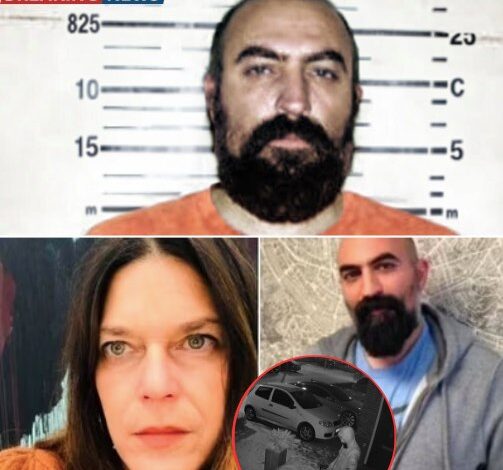
Minneapolis Identifies ICU Nurse Killed in Confrontation Involving Federal Agents

In late January 2026, a federal immigration enforcement operation in Minneapolis led to a tragic outcome that quickly drew public attention and community concern. Officials confirmed that federal officers were carrying out a targeted action in the city when a confrontation took place. During the encounter, a weapon was discharged, and the individual involved was later taken to a nearby hospital, where he passed away. Authorities stated that the incident remains under active review, and further details will be released once the investigation is complete. The event occurred during a period of increased federal enforcement activity in the region, which had already sparked discussion and unease among local residents.

In the days that followed, family members identified the man as Alex Jeffrey Pretti, a 37-year-old registered nurse and U.S. citizen. Pretti worked in the intensive care unit at the Minneapolis Veterans Affairs hospital, where coworkers described him as compassionate, dedicated, and deeply committed to patient care. Originally from Illinois, he studied nursing at the University of Minnesota and earned his license in 2021. Colleagues remembered him as a steady and encouraging presence in high-pressure situations, often offering support not only to patients but also to fellow staff members. Outside the hospital, he enjoyed outdoor activities and was known for his appreciation of nature and community well-being.

Relatives and friends shared that Pretti was socially engaged and thoughtful about issues affecting others. They described him as someone who valued fairness, empathy, and open discussion. His parents recalled a son who was passionate about helping people and believed in contributing positively to the world around him. Those who knew him said he carried that same care and conviction into both his professional and personal life. In the days after his passing, tributes appeared across social media and at small community gatherings, reflecting the influence he had on friends, family, and coworkers.

The incident involving Pretti occurred only weeks after another fatal encounter during a separate federal operation in Minneapolis, which had already prompted local vigils and requests for clearer communication from officials. That earlier case had left many residents seeking greater transparency about enforcement activities in their city. Together, the two events have led to renewed conversations about public safety, accountability, and the impact of enforcement operations on local communities. As investigations continue, families, colleagues, and neighbors remain in mourning while awaiting answers. Many hope that clearer information and thoughtful dialogue will help prevent future tragedies and foster a stronger sense of trust and understanding moving forward.

Got a lump on your neck, back or behind your ear? Here’s what you need to know

When I met Daniel, I was a young mother with a two-year-old daughter, Ellie, and a quiet hope that love could create a complete family again. Daniel didn’t just accept Ellie; he embraced her. He listened to her stories, played at her level, and made space for her in every part of his life. When we married, Ellie walked between us down the aisle, holding both our hands. A few years later, Daniel officially adopted her, and in that moment, our family felt whole. I believed love would be enough to bridge every gap left behind by divorce and absence. But while Daniel loved Ellie without hesitation, not everyone in his family welcomed her so easily.

Daniel’s mother, Carol, was never openly cruel, yet her distance spoke loudly. She avoided asking Ellie questions, left her name off family cards, and made comments that hinted Ellie was somehow “outside” the family circle. Daniel reassured me that time would soften her, so I waited, hoping patience would bring acceptance. Then came my nephew’s seventh birthday party. Ellie was thrilled to attend, proudly carrying a carefully chosen gift. Less than an hour after we left her there, she called me in tears, saying she had been told to wait outside because she “wasn’t part of the family.” By the time we arrived, she was standing alone near the yard, clutching her present. Daniel held her tight, and I felt something inside me shift — a quiet but unshakable resolve that my daughter would never again question where she belonged.

In the days that followed, we focused on healing Ellie’s hurt. We planned a small birthday picnic for Daniel and invited only those who treated Ellie with kindness and respect. Friends, cousins, and neighbors filled our backyard with laughter, food, and warmth. When my nephew arrived, he ran straight to Ellie, apologized for what had happened, and told her she was like a sister to him. Ellie smiled and handed him the gift she had saved for weeks, showing grace far beyond her years. Watching them play together under the evening lights, I realized family isn’t defined by blood or tradition — it’s built through care, loyalty, and love in action.

Not long after, Carol called. Ellie asked to speak with her and, in a calm voice, expressed forgiveness while also asking to be treated kindly in the future. Since then, Carol has made efforts to rebuild trust — sending cards, asking about school, and showing genuine interest. I remain cautious, but I see growth, and I honor that. What matters most is that Ellie now knows her place in this family is secure. She belongs because she is loved, chosen, and protected. And in our home, that truth will never again be questioned.

Political Leaders Respond After ICU Nurse Alex Pretti Dies in Federal Enforcement Incident in Minneapolis

In late January 2026, a federal enforcement operation in Minneapolis resulted in the death of a local man, prompting immediate public attention and strong reactions from political leaders. Officials confirmed that federal immigration officers were carrying out a targeted action when a confrontation occurred, during which an officer discharged a weapon. The man was transported to a nearby hospital, where he later passed away. The incident took place amid heightened federal enforcement activity in the region, which had already been the subject of community concern. Authorities stated that the situation remains under investigation and that additional verified information will be released once reviews are completed.

The individual was later identified by family members as Alex Jeffrey Pretti, a 37-year-old registered nurse who worked in the intensive care unit at the Minneapolis Veterans Affairs hospital. Colleagues described him as compassionate, dedicated, and deeply committed to patient care. Born in Illinois, he studied nursing at the University of Minnesota and received his license in 2021. Friends and family shared that he valued fairness, community involvement, and environmental causes, and that he enjoyed outdoor activities in his free time. Vigils and memorials soon appeared in Minneapolis, reflecting the impact he had on coworkers, friends, and loved ones.

Political leaders responded swiftly following the incident. Minnesota’s governor and Minneapolis’s mayor issued statements criticizing federal enforcement activity in the city and calling for independent investigation and greater transparency. Both emphasized concerns about public safety and the need for clear accountability in ongoing operations. Meanwhile, the U.S. president defended federal officers involved in the incident, stating that they were carrying out lawful duties and raising questions about local cooperation with enforcement efforts. These differing statements fueled broader debate about federal authority, local governance, and public trust, as residents sought clarity about what had taken place.

Pretti’s family released a public statement describing him as a caring son, friend, and healthcare professional who dedicated his life to helping others. They disputed certain official claims regarding the encounter and called for a full and transparent review of the circumstances surrounding his death. Federal agencies have stated that the situation is still evolving and that key facts remain under examination. As investigations continue, the community remains in mourning while awaiting answers. The incident has renewed discussion about the effects of enforcement operations on local neighborhoods, the responsibilities of public institutions, and the human lives at the center of policy decisions.

She Handed Me a Brooch — and My Life Took an Unexpected Turn

The bookstore where I worked was my peaceful corner of the world. Sunlight poured through tall windows, dust floated in golden beams, and the scent of old pages wrapped the room in quiet comfort. Shelving books had become a rhythm I knew by heart, a calm routine that made each day feel safe. One afternoon, the doorbell chimed sharply, breaking the stillness. A teenage girl stepped inside, her oversized hoodie and heavy backpack making her look smaller than she probably was. She moved cautiously, as if hoping not to be noticed. Something about her presence shifted the atmosphere, and I felt, without reason, that this would not be an ordinary day.

I watched from a distance as she stood in the paperback aisle, fingers hovering over book spines. Her hands trembled slightly. Then, with quick movements, she slipped a worn novel into her open backpack. My heart sank. I knew store policy well and understood what I was supposed to do. Still, when I approached her, she didn’t try to flee. Instead, she froze, turned toward me, and tears filled her eyes. In a quiet, shaking voice, she explained that the book had been her mother’s favorite. Her mother had read it to her every night before illness took over, and she had passed away the previous year. The girl said she wanted to place the same book on her mother’s grave as a final, familiar gift. She wasn’t looking for trouble—she was trying to hold onto a memory.

Rules suddenly felt less important than the moment unfolding before me. I gently took the book from her bag, walked to the register, and paid for it myself. When I handed it back, her relief was instant. She thanked me repeatedly, then reached into her pocket and placed a small silver brooch in my hand. It was shaped like a flower, with a bright blue stone at its center. She said it had belonged to her mother and was considered a symbol of good luck. I tried to refuse, but she insisted, smiling softly before disappearing through the door. I stood there for a long time, holding the brooch, wondering if I’d done the right thing.

The next morning, my manager reviewed security footage and questioned my actions. Despite my explanation, he focused only on policy and decided to let me go. I left the bookstore carrying my belongings and the small silver brooch in my pocket, unsure of what came next. A week later, I wore the brooch to a job interview at an architectural firm, hoping to start over. Midway through the conversation, the hiring manager noticed it and asked about its origin. When I told her the story, she led me to meet the firm’s owner. The moment he saw the brooch, he grew quiet. He explained it had belonged to his late wife and that his daughter had disappeared with it after a painful family loss. That unexpected connection opened doors none of us had anticipated. What began as a small act of compassion in a quiet bookstore ended up guiding me toward a new career and helping a family rediscover a missing link. Sometimes, kindness finds a way to return in ways we could never plan.

Sweet and Salty Pretzel Caramel Chocolate Bars Recipe

If you’re searching for a dessert that perfectly blends sweet, salty, and crunchy flavors, pretzel caramel chocolate bars are an excellent choice. This layered treat combines a crisp pretzel crust, smooth homemade caramel, and a rich chocolate topping for a dessert that feels both indulgent and easy to prepare. It’s a recipe that works just as well for family gatherings and holiday celebrations as it does for a simple weekend treat at home. Even if you’re not an experienced baker, the straightforward steps make this dessert approachable, rewarding, and fun to create.

The foundation of these bars is a simple pretzel crust made with crushed pretzels, melted unsalted butter, and a small amount of granulated sugar. After mixing the ingredients, the mixture is pressed firmly into a greased 9×9-inch baking pan to form an even base. The crust is then baked at 350°F (175°C) for eight to ten minutes, just long enough to help it set while preserving its signature crunch. Once removed from the oven, the base is allowed to cool completely. This cooling step is important because it ensures the caramel layer will sit smoothly on top without softening the crust.

Next comes the caramel layer, which adds a warm, buttery richness to the dessert. Light brown sugar, butter, and heavy cream are combined in a saucepan over medium heat and stirred constantly. As the mixture begins to boil, it thickens into a glossy caramel over the course of four to five minutes. A touch of vanilla extract is added once the pan is removed from heat, enhancing the flavor and aroma. The warm caramel is poured carefully over the cooled pretzel base and spread evenly. The pan is then placed in the refrigerator for about thirty minutes, allowing the caramel to firm up before adding the final layer.

The finishing touch is the chocolate topping, which brings everything together with a smooth and satisfying finish. Semi-sweet chocolate chips are gently melted in a microwave-safe bowl, stirred until silky, and spread evenly over the chilled caramel. For a decorative option, melted white chocolate can be drizzled on top to create a simple design. After chilling the bars for at least an hour, they become firm enough to slice neatly into squares. The result is a batch of delicious dessert bars with a perfect balance of crunch, creaminess, and sweetness — a homemade treat that looks impressive, tastes delightful, and is sure to be enjoyed on any occasion.

How a Daily Banana Can Support Healthy Living After Age 50

As people move through their 50s, 60s, and later years, the body gradually begins to process food differently. Metabolism often slows, energy levels may fluctuate more easily, and digestion can become less efficient than in earlier decades. At the same time, concerns such as heart health, blood pressure balance, and muscle comfort tend to require greater attention. These changes are a normal part of aging, but they highlight the importance of choosing foods that are both nourishing and easy to incorporate into daily routines. Simple dietary habits can make a meaningful difference in supporting overall well-being over time.

One everyday food that fits naturally into a balanced diet is the banana. Although it is familiar and widely available, it offers several nutrients that can be especially helpful for adults over 50. Bananas are naturally rich in potassium, a mineral that supports fluid balance in the body and plays a role in maintaining healthy blood pressure levels. They also contain magnesium, which contributes to the normal function of the heart and blood vessels. Together, these nutrients can help support cardiovascular wellness when combined with an overall healthy lifestyle.

Bananas also provide dietary fiber in both soluble and insoluble forms, which can help promote comfortable digestion and regularity. This can be particularly beneficial as digestion may slow with age. The natural carbohydrates found in bananas supply gentle, steady energy without feeling heavy, making them a convenient snack during busy days. In addition, vitamin B6 found in bananas assists the body’s energy metabolism processes. Potassium further supports normal muscle function, which may help reduce occasional muscle tightness when paired with proper hydration and light physical activity.

Incorporating a banana into daily meals is simple and flexible. It can be sliced over oatmeal or cereal, blended into a smoothie, paired with yogurt or nuts, or enjoyed on its own as a quick snack. As with any food, moderation is important, especially for individuals managing specific health conditions such as blood sugar concerns or kidney-related issues. However, for most adults, bananas are affordable, gentle on digestion, and easy to enjoy regularly. Adding one banana a day can be a small but nourishing habit that supports digestion, energy, heart wellness, and muscle comfort. Over time, consistent, thoughtful food choices like this can contribute to a stronger foundation for healthy aging.

The Shoebox He Left Behind: A Story of Forgiveness and Strength

For twelve years, she believed her marriage was built on shared dreams and quiet loyalty. She supported her husband through career changes, late nights, and uncertain beginnings, often putting her own ambitions aside. When he finally reached success, she thought they would celebrate together. Instead, he told her he had “outgrown” her and left for someone younger, claiming he had climbed the ladder while she had stayed behind. The words cut deeply, but she focused on rebuilding her life, learning to find confidence and independence again.

Only a few months later, life took an unexpected turn. Her ex-husband fell seriously ill, and the new woman in his life chose to walk away rather than face the challenges of caregiving. Despite everything he had said, she couldn’t ignore the years they had shared. She welcomed him into her home, helping him through appointments and daily struggles, not out of obligation, but out of compassion. During quiet evenings, he apologized for his harsh words, admitting he had confused success with happiness and underestimated her strength. She forgave him—not to erase the past, but to free herself from carrying anger.

After he passed away, she attended the modest funeral feeling a mix of sadness and closure. She didn’t expect to see his former partner there, let alone receive a small shoebox placed gently into her hands. Inside were handwritten notes, photographs, and a simple journal he had kept during his illness. The pages were filled with reflections about their marriage, regrets about his choices, and gratitude for her kindness when he had no one else. He had written that she was the person who taught him what real partnership meant, long before he understood its value.

Reading those words was emotional, but also healing. She realized that people often recognize love too late, but that doesn’t erase the impact it had. The shoebox became a symbol of closure and growth rather than sorrow. She decided to keep the journal as a reminder that her worth was never defined by someone else’s success or failure. Instead of bitterness, she chose to carry forward the lessons of empathy, resilience, and self-respect. In the end, she understood that her kindness had not been wasted—it had shaped a story of forgiveness, dignity, and quiet strength that would stay with her for the rest of her life.

Easy Slow Cooker Pork Chops with Apples and Onions Recipe

There is something truly comforting about pork chops slowly simmered with apples and onions. The gentle aroma fills the kitchen with warmth, reminding many people of classic home-cooked meals and relaxed family dinners. This simple dish brings together tender pork, naturally sweet apples, and savory onion flavor in a way that feels both nostalgic and satisfying. Best of all, it requires very little effort, making it perfect for busy days when you still want a wholesome, homemade meal.

This recipe is built around just three main ingredients, plus a little water, yet it delivers rich flavor and a natural sauce as it cooks. Bone-in pork chops work best because they stay juicy and tender during slow cooking, while apples such as Honeycrisp, Fuji, or Granny Smith provide a pleasant balance of sweetness and slight tartness. A packet of onion soup mix adds depth and savory notes without the need for many spices. Simply layer the apples in the slow cooker, place the pork chops on top, sprinkle the soup mix over everything, and add water around the edges. Then let the slow cooker do the work while you go about your day.

Cooking the dish on low heat for six to seven hours, or on high for about four hours, allows the flavors to blend beautifully and the pork to become fork-tender. When it is ready, spoon the apples and cooking juices over the pork chops to create a natural sauce. For extra richness, a small amount of butter or a touch of Dijon mustard can be stirred into the juices before serving. This dish pairs well with mashed potatoes, rice, noodles, or roasted vegetables, making it easy to create a complete and balanced meal.

Leftovers store well in the refrigerator for several days, and the flavors often become even better the next day. The dish can also be frozen for later use, making it a convenient option for meal planning. If you prefer, you can add potatoes to the slow cooker so they cook alongside the pork and apples, soaking up the flavorful juices. This slow cooker pork chops with apples and onions recipe proves that delicious home cooking does not have to be complicated. With just a few simple ingredients and minimal preparation, you can create a comforting meal that tastes like it took hours of effort and care.

Popular

My Family Laughed at Me for Marrying a Man Because of...

0
My parents spent years pretending their cruelty was humor. They mocked my husband’s height. They mocked his past. They mocked the way he looked in...