
Entertainment

The Hidden Value of a Common Tree

Often seen simply as a decorative or shade tree, the honey locust (Gleditsia triacanthos) has a rich history of usefulness that many people overlook today. Native to North America, especially in the fertile regions of the Mississippi Valley, this resilient tree has quietly served communities for generations. Long before modern manufacturing and commercial farming, people relied on local plants for food, materials, and everyday solutions. The honey locust earned its place among these valuable resources, offering practical benefits that made life a little easier for those who understood its potential.

One of the most interesting features of the honey locust is its long, curved seed pods. Inside these pods is a naturally sweet pulp that inspired the tree’s name. Indigenous groups and early settlers traditionally enjoyed the pulp as a natural treat or used it to create syrups and simple fermented beverages. The seeds inside the pods were also useful; they were sometimes roasted as a warm drink alternative or ground into meal. These practices highlight how the tree once provided accessible nutrition before refined sugar and processed foods became widely available.

The usefulness of the honey locust extends beyond food. Its wood is known for being dense, strong, and highly resistant to decay, especially when exposed to soil and outdoor conditions. Because of this durability, the wood was widely used for fence posts, tool handles, wheel parts, and other structures that needed to withstand harsh environments. In traditional households, parts of the tree were even used for basic cleaning. The bark and pods contain natural compounds that produce a gentle lather when mixed with water, offering a simple, plant-based cleansing solution in a time before commercial soaps were common.

Ecologically, the honey locust also plays an important role in supporting natural environments. Its light, filtered canopy allows grasses and smaller plants to grow underneath, making it a friendly choice for open landscapes and urban green spaces. Wildlife such as deer and small animals feed on its pods during colder months, while its small flowers attract pollinating insects. Wild honey locust trees are known for sharp thorns, though modern cultivated varieties are bred to be thorn-free for safer landscaping. As with any natural resource, proper knowledge is important before using parts of the tree for food or other purposes. The honey locust remains a reminder that nature often offers quiet yet valuable gifts, waiting to be appreciated by those who take a closer look.

How a Simple Flavor Quiz Created Connection

The poster appeared in the school hallway one winter morning, printed in bold letters above neatly arranged pictures of bowls filled with spices, sweets, and fragrant ingredients. “You Must Pick One Flavor: Your Answer Reveals What Kind of Person You Are,” it read. Students paused between classes, studying cinnamon sticks, peppermint candies, cocoa powder, and bright cranberries. It was meant to be a simple personality quiz for the upcoming winter festival, but it sparked something more. People smiled, pointed, debated their choices, and suddenly a plain hallway felt warm and lively. Even teachers joined in, laughing as they defended why vanilla suited them better than bold star anise or earthy cedarwood.

Maya, a quiet student who usually hurried past crowded displays, stopped in front of the poster. She had been having a rough week and felt invisible in the noise of school life. Yet the bowls of flavors felt inviting, like little worlds waiting to be explored. She imagined cinnamon as cozy and familiar, peppermint as bright and energetic, cocoa as comforting, and maple sugar as gentle sweetness. Her eyes settled on orange and clove, a blend that reminded her of winter evenings at home when her grandmother simmered fruit and spices on the stove. That scent always made the house feel safe. Without overthinking, Maya wrote her name under “Orange + Clove” on the sign-up sheet taped below the poster.

Later that day, the art teacher announced that students would create a “Flavor Personality Wall” for the festival. Each student who chose a flavor would add a short note describing why it fit them. Curious, Maya hesitated, then wrote, “Orange + Clove: Warm, hopeful, and quietly strong.” When she stepped back, she noticed others reading her note and nodding. A classmate she’d never spoken to before smiled and said, “That’s beautiful. I picked cinnamon because it feels like home too.” A small conversation followed, and suddenly Maya wasn’t invisible anymore. The flavors had become a bridge, connecting people who might never have spoken otherwise.

By the time the festival arrived, the hallway had transformed into a bright collage of colors, bowls, and handwritten reflections. Visitors walked slowly, reading each note, discovering how a simple choice of flavor revealed memories, dreams, and parts of personalities usually kept hidden. Maya stood near her note, watching people pause and smile at her words. She realized that the poster hadn’t truly revealed what kind of person someone was—it had simply given them permission to share who they already were. In the gentle warmth of that moment, surrounded by scents and stories, she understood that sometimes the smallest invitations—like choosing a flavor—can open the door to connection, confidence, and kindness.

New Footage Sheds Light on Events Involving Alex Pretti

Newly released video footage from a street incident in Minneapolis has sparked national attention and intense public discussion. The recordings capture moments before and during a confrontation between federal agents and 37-year-old protester Alex Pretti. The event occurred during an immigration enforcement operation and has since raised questions about how the situation escalated so quickly. Multiple camera angles from bystanders and media outlets now form the center of an ongoing investigation, with officials reviewing the footage to determine what actions led to the tragic outcome.

Witnesses at the scene describe a tense and confusing atmosphere. According to several accounts, Pretti had been assisting another person who appeared distressed when officers intervened. Video evidence shows agents restraining him while shouting warnings about a firearm. Authorities later confirmed that Pretti legally carried a registered handgun, though it remains unclear how or when the weapon came into play during the encounter. Experts reviewing the footage have noted inconsistencies in early official statements, emphasizing the need for a full and transparent review of events.

As news of the incident spread, community members gathered in vigils and public forums, calling for clarity and accountability. Local leaders, legal analysts, and civil rights advocates have urged federal agencies to cooperate with independent investigators. At the same time, government representatives have stated that officers acted according to protocol and that a formal inquiry is underway. The differing interpretations of the same footage have fueled ongoing debate, demonstrating how complex and sensitive law enforcement encounters can be in moments of public unrest.

The case has now reached national attention, drawing responses from political figures and public commentators who stress the importance of transparency, public trust, and respectful communication between communities and federal authorities. For Pretti’s family and supporters, the focus remains on seeking answers and understanding what truly happened that morning. As investigations continue, many hope the situation will lead to constructive dialogue and improved procedures to prevent similar tragedies in the future. In the midst of uncertainty and grief, the broader conversation now centers on accountability, lawful protest rights, and the shared responsibility of ensuring public safety with fairness and care.

What Your Bag Habits Say About You

The way you carry your bag can say a lot about your habits, preferences, and personality. While everyone is unique, certain carrying styles often reflect how we move through the world and interact with others. Whether you prefer a backpack, a shoulder bag, or a crossbody strap, your choice is usually about comfort—but it can also hint at how you approach life, responsibility, and social connection. Think of it as a fun and lighthearted way to explore small behaviors that make you who you are.

People who choose backpacks often enjoy freedom and movement. Carrying a bag on your back keeps your hands free and allows you to go wherever the day takes you. This style is popular among those who like adventure, enjoy exploring new places, and feel comfortable taking initiative. Backpack users often think ahead, plan their steps carefully, and naturally encourage others to join in their ideas. Their energy tends to be inspiring, making them people others enjoy following or learning from.

Those who prefer carrying their bag by hand often appreciate structure and control. This style suggests a person who likes to stay aware of their surroundings and prefers keeping important belongings close. Hand carriers are usually detail-oriented and responsible, paying attention to what’s happening around them. They often like to be informed, organized, and ready to respond when needed. Their straightforward nature makes them dependable friends and coworkers who can be counted on in everyday situations.

Shoulder and crossbody bag users often seek balance between comfort and readiness. Carrying a bag on the shoulder is common among thoughtful individuals who enjoy quiet moments, reading, or observing the world around them. Meanwhile, crossbody carriers value security and ease of movement. They may appear calm and generous, willing to help others while keeping their essentials safely close. Finally, people who carry bags in front often think quickly and creatively, preferring to keep things within sight and reach. They tend to be practical problem-solvers with vivid imaginations and a smart approach to daily life. While these descriptions are playful, they highlight how even small habits can reflect the many interesting ways people express themselves.

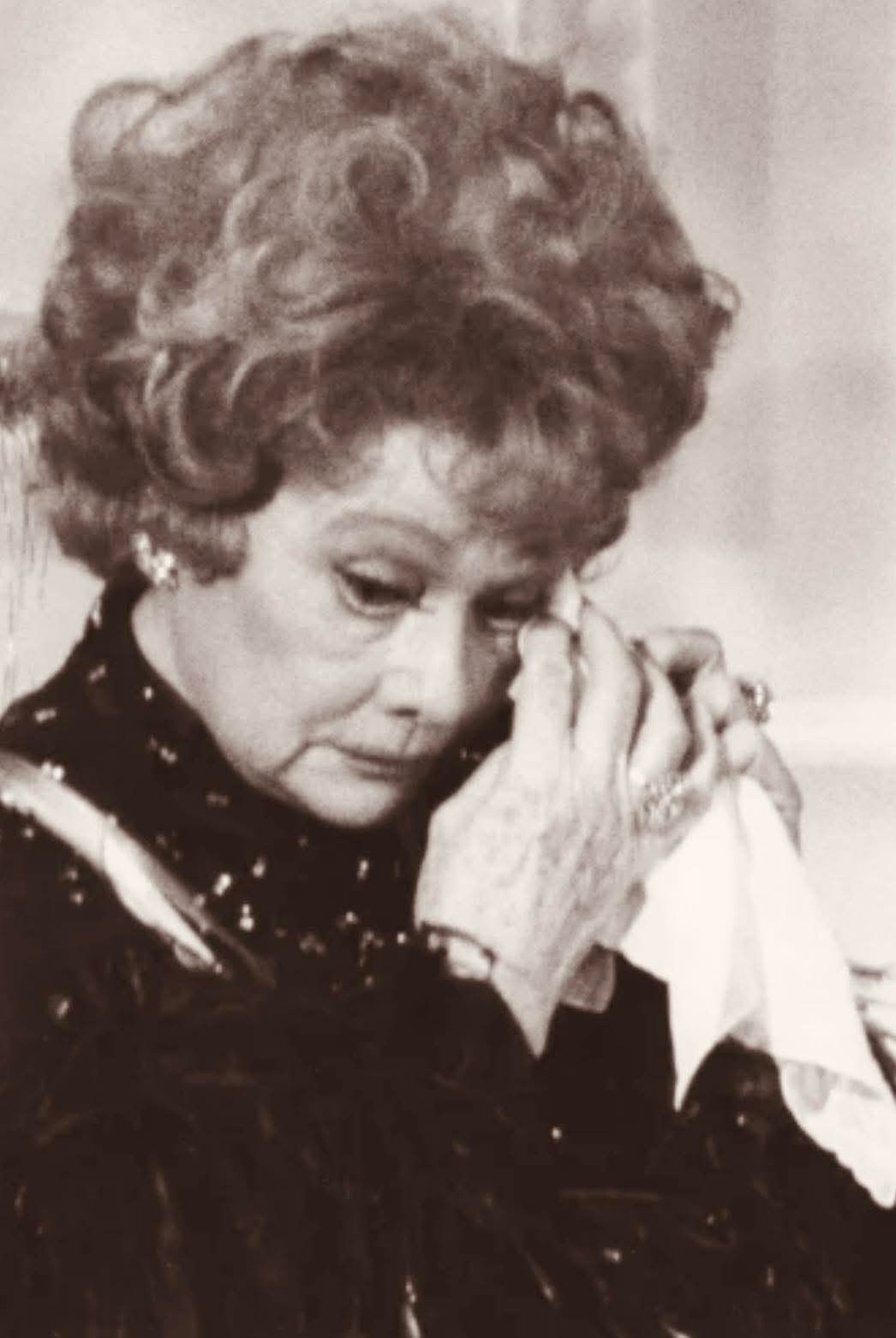
Looking back at the brilliant life of Lucille Ball: The immortal “Queen of Comedy”

Lucille Ball and Desi Arnaz had simultaneously one of the most romantic and chaotic marriages in Hollywood. While they were together for two decades, tying the knot in 1940 and remaining married until 1960, their marriage was marred by infidelity, addiction issues, complicated feelings stemming from multiple miscarriages, and the pressures that came with being the most famous couple on television. Just four years into their marriage, Lucille filed for divorce from Desi, although her claim was quickly dismissed when they reconciled not long after. And a decade into their marriage, they created and starred in I Love Lucy together.

The couple welcomed two children while together, with their oldest, daughter Lucie Arnaz, now 74, spotlighting the early years of their relationship and marriage in a new book, Lucy & Desi: The Love Letters, which includes several of the letters saved by Lucille over the years, featuring her correspondences with Desi primarily when he was away during World War II.

© Getty Images

Lucille and Desi were married from 1940 to 1960

“It wasn’t unusual that there were letters that they wrote to each other, but that she kept both of them,” she told People, coinciding with the book’s release on November 4. “That’s what’s so incredible to me…. And they were so beautifully kept.” However, one thing she highlighted was that the letters paint a very different picture of Lucille and Desi when you compare them to Lucy and Ricky.

From 1951-57, the couple played Lucy and Ricky Ricardo, a well-to-do young married couple living in New York City, interacting most often with their landlords Fred and Ethel Mertz. Lucy and Ricky get into several scraps over the course of the series, with the former often asking for an extravagant demand from her husband, while the latter exasperatedly admonishes her and blurts: “Lucy! You’ve got some ‘splainin’ to do!”

© Getty Images

The couple co-created and starred in “I Love Lucy” from 1951-57

Behind the scenes, and away from their characters, Lucie describes them as “youthful, passionate, tempestuous, vulnerable” but also “complicated,” highlighting some of the more tough moments in their marriage, specifically in the latter half, while their show was taking off. “Maybe the last 10 years or 8 years of the marriage were uncomfortable and very hard for them both, but after they separated, everything softened.”

© Getty Images

They welcomed two children while together, a daughter named Lucie Arnaz and a son named Desi Arnaz Jr.

They remained in each other’s lives throughout despite separating. “They didn’t leave each other. They were in each other’s lives forever, for always — they just weren’t married.” She highlights how strong their bond was with passages from her mom’s letters like: “I think of you instantly upon waking– all day – all nite – until I go to sleep again. Maybe that’s why you sounded so kinda sad + bored with me last nite.”

© Getty Images

“Maybe the last 10 years or 8 years of the marriage were uncomfortable and very hard for them both, but after they separated, everything softened.”

Despite finding love with others over time, Lucie saw how much her parents’ relationship still endured. “They were married to other people, but they were still a couple in a weird way, you know … they respected each other’s marriages and each other’s partners as something that made more sense, maybe — Maybe those people were better for them at this particular time in their life, but I don’t think it was ever as passionate as it was with just the two of them.”

Farewell, Lucille Ball: The woman who changed the history of world television

In 1933’s Roman Scandals, Lucille Ball kicked up her heels in a circle of gorgeous women dressed alike in blonde wigs and tunics. The ancient Rome-set musical, starring comedian Eddie Cantor, marked her big-screen debut as a Goldwyn Girl.

Like so many young starlets arriving in Hollywood in the 1930s, Lucille dreamed of being a movie star. Fate had other plans and for nearly 20 years, the future legend lingered on the cusp of film stardom. During that period, Lucille appeared in over 70 films in many genres, earning herself the nickname Queen of the B movies.

Lucille’s mother, Dede, encouraged her daughter’s dreams from a young age. “She was a pioneer spirit,” Lucie Arnaz tells Closer of her grandmother. “You could go to her for anything, she was game for anything and she had a great cackling laugh.”

Lucille had been paying her rent as a model and Chesterfield cigarette girl in New York City when she heard of the opening among the Goldwyn Girls in Los Angeles. The first thing she did was call her mother, who was supportive of her move west. “She said do it,” says Sarah Royal, author of A.K.A. Lucy: The Dynamic and Determined Life of Lucille Ball.

In many of Lucille’s earliest film appearances, she has no lines. “She would hang around the studio, so she’d be on hand when someone said, ‘Hey, we need a pretty face to stand there,’” says Royal. “She became like a chorus member in the background.”

That was okay. For Lucille, no role was too small. “I loved being part of the business. I would have swept floors just to be in it,” she said.

She found mentors to guide her, including Lela Rogers, the mother of Ginger Rogers, who ran an acting workshop on the RKO lot. “Lela took the dungarees off us and put us into becoming dresses,” recalled Lucille, who was taught by Lela how to impress decision-makers and how to speak properly. “She made us read good literature to improve our English and expand our understanding of character.”

Lela would be among the first to note Lucille’s knack for comedy, calling her “a clown with glamour.” However, not everyone saw the same spark. Lucille appeared in comedies with both The Three Stooges and The Marx Brothers, but neither caused her career to catch fire. “She could have been a great star of the silent era but after sound came in the late 1920s, studio heads insisted that actresses be beautiful and glamorous. They could not take pratfalls,” says Kathleen Brady, author of The Life of Lucille Ball.

Comedian Buster Keaton recognized Lucille’s talent too and brought her to Columbia Pictures. “They made some films where she did all these crazy, funny things like get caught in a mudslide, jackhammer a foundation, and hang from a clothesline,” says Brady. “These films didn’t take the country by storm, but they showed what she could do.”

Lucille didn’t mind taking a pie to the face if it meant getting on screen, but she didn’t burn to do comedy. “What she really cared about was that she was an actress — that was a real calling to her,” says Brady. “She said, ‘I am an actress who has learned to execute in a comedic way what my writers write for me.’”

In pursuit of her silver screen dreams, Lucille allegedly was among the thousands of women — including established stars Joan Crawford, Tallulah Bankhead and Claudette Colbert — who put their bonnet in the running to play Gone With the Wind’s Scarlett O’Hara. Lucille didn’t get the part, of course, but she did coo over Fred Astaire in Follow the Fleet and play with Henry Fonda’s affections in The Big Street.

Film expert Ben Mankiewicz calls The Big StreetLured, and especially, Stage Door, with Katharine Hepburn and Ginger Rogers, among Lucille’s best film performances. “She’s funny. She’s smart,” he says. “Ironically, she’s the one who goes and gets a husband!”

If Desi Arnaz had not been cast in 1940’s Too Many Girls, Lucille might have continued to seek movie stardom. However, their marriage and her desire to start a family led her to move to radio and the nascent medium of television.

I Love Lucy would make Lucille one of the world’s biggest stars, yet she never got over her desire to be in movies. “She came from a generation who believed that to be a great star, you had to be a movie star,” film expert Robert Osborne said, noting that Lucille hoped her starring role in the 1974 musical Mame would be her triumph. “That was the movie that in her mind might win her an Academy Award and make her a movie star. And it didn’t,” he said.

Movie stardom would always elude her, but Lucille didn’t believe in giving up. “One of the things I learned the hard way was that it doesn’t pay to get discouraged,” she said. “Keeping busy and making optimism a way of life can restore your faith in yourself.”

Political Leaders Respond After Minneapolis ICU Nurse Alex Pretti Is Fatally Shot During Federal Immigration Enforcement Operation

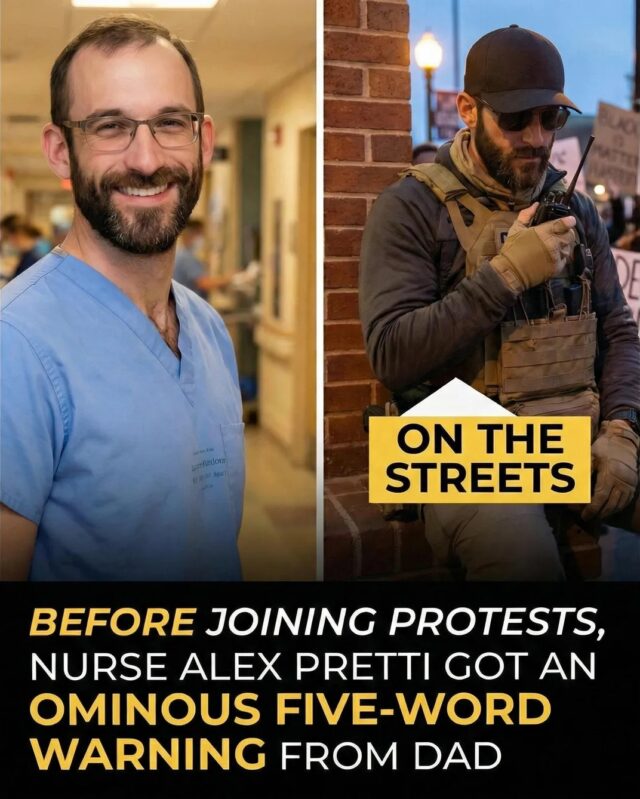
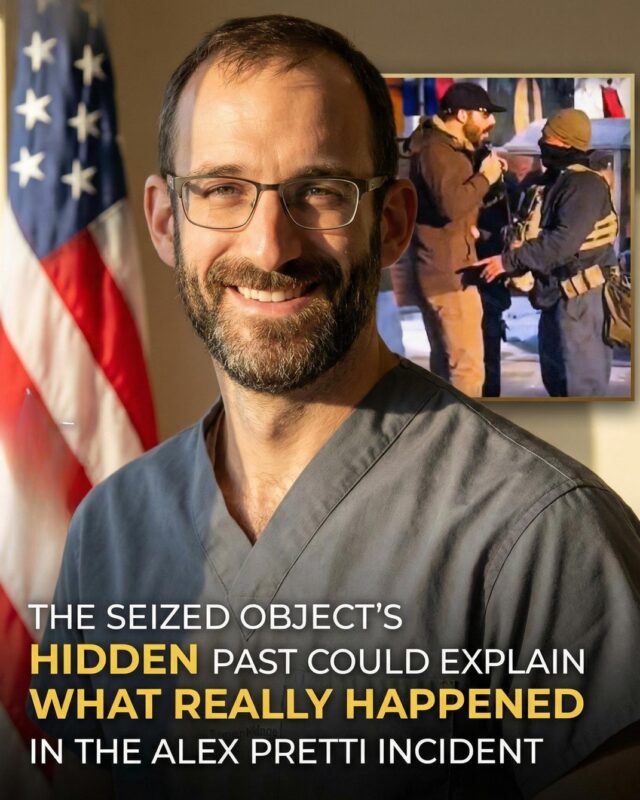
Federal authorities are investigating a fatal confrontation that occurred during an immigration enforcement operation in Minneapolis, where ICU nurse Alex Jeffrey Pretti was shot by a federal agent. Video footage recorded by bystanders shows a tense scene on a snowy city street, with federal officers attempting to restrain Pretti amid shouting and whistles from nearby onlookers. In the footage, officers appear to push individuals back as they try to control the situation. Pretti is seen holding a phone as officers surround him, and moments later a gunshot is heard. The video does not clearly show the weapon being fired, but it ends with Pretti lying motionless on the pavement as officers step away. Officials say the situation escalated quickly and remains under active review.

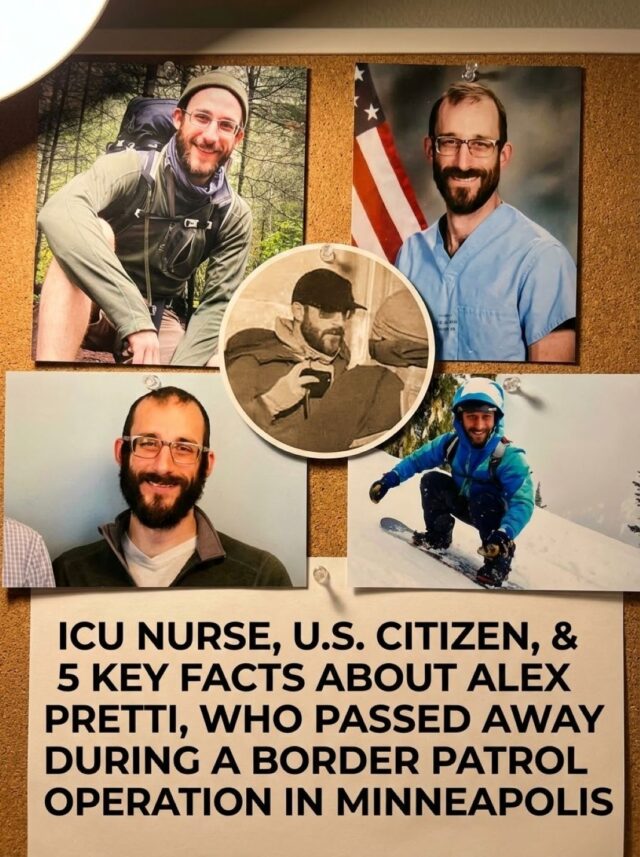
Pretti, 37, was later identified by family members as the man killed in the incident. He was a U.S. citizen and worked as a registered nurse in the intensive care unit at the Minneapolis Veterans Affairs hospital. Colleagues described him as compassionate, dedicated, and deeply committed to patient care. Hospital staff said he was known for his calm presence and willingness to help both coworkers and veterans under his care. State nursing records confirmed his license was active, and court records showed no criminal history beyond minor traffic violations. Friends and coworkers expressed shock at his death, saying he was respected in both his professional and personal circles.

Family members said Pretti was passionate about social issues and cared strongly about environmental protection and human rights. His parents described him as gentle, thoughtful, and driven by a desire to make a positive impact. They said he often spent time outdoors with his dog and enjoyed hiking and biking. In recent years, he had become increasingly vocal about political and social concerns, particularly around federal immigration enforcement policies. Relatives said he attended protests to express solidarity with vulnerable communities and believed civic engagement was part of being a responsible citizen. They also stated that although he legally owned a firearm, they had never known him to carry it during public demonstrations.

The incident has sparked widespread public debate and political reaction at local and national levels. Federal officials have stated that Pretti was armed at the time of the encounter, while family members dispute that claim, saying available video footage does not show a weapon in his hands. Investigators are reviewing body-camera recordings, bystander videos, and forensic evidence to determine exactly what happened. Meanwhile, community members have gathered at memorial sites across Minneapolis to honor Pretti’s life and call for transparency in the investigation. As inquiries continue, many questions remain unanswered, and authorities have urged the public to await verified findings before drawing conclusions.

Minneapolis Identifies 37-Year-Old ICU Nurse Alex Pretti After Fatal Encounter With Federal Agents

In late January 2026, a federal immigration enforcement operation in Minneapolis resulted in the death of a local man, drawing public attention and raising questions about the circumstances surrounding the incident. Authorities confirmed that federal officers were conducting a targeted enforcement action when a confrontation occurred. During the encounter, an officer discharged a weapon, and the man later died from his injuries at a nearby hospital. Officials stated that the situation is still under review and that additional information will be released once investigations are complete. The event took place during a period of heightened federal immigration activity in the region, following other recent operations that had already prompted community concern.

Family members later identified the man as Alex Jeffrey Pretti, a 37-year-old registered nurse and U.S. citizen. Pretti worked in the intensive care unit at the Minneapolis Veterans Affairs hospital, where colleagues described him as dedicated, compassionate, and deeply committed to helping others. Born in Illinois, he studied nursing at the University of Minnesota and received his nursing license in 2021. Hospital staff and friends recalled him as someone who brought energy and kindness to the workplace, often going out of his way to support patients and coworkers alike. Outside of work, he enjoyed outdoor activities and had a strong appreciation for nature and environmental causes, according to his family.

Relatives shared that Pretti was socially aware and engaged in community discussions, sometimes attending public demonstrations to express concern about issues he cared about. They emphasized that he believed in peaceful expression and had a strong sense of empathy for others. His parents described him as thoughtful, passionate, and driven by a desire to improve the world around him. Friends also noted that he valued fairness and community involvement, traits that shaped many of his personal interests and activities. In the days following his passing, tributes appeared online and at local gatherings, reflecting the impact he had on those who knew him personally and professionally.

The incident occurred only weeks after another fatal encounter during a federal operation in Minneapolis, involving a local woman named Renee Nicole Good. Her death had already sparked vigils, community meetings, and calls for transparency from local leaders. Good was remembered as a creative individual, a mother, and a supportive neighbor whose loss deeply affected those around her. Together, the two cases have led residents to seek clearer communication and accountability regarding enforcement activities in their city. As official investigations continue, community members, families, and coworkers of both individuals are left mourning, while awaiting answers about how these tragic events unfolded and how similar situations might be prevented in the future.

Loved Ones Remember ICU Nurse Alex Pretti After His Death During Federal Enforcement Operation

The death of Minneapolis resident Renee Nicole Good during a federal immigration enforcement operation has drawn nationwide attention and renewed debate over public safety and law enforcement practices. Good, a mother of three, died earlier this week following an encounter with Immigration and Customs Enforcement officers. Authorities have confirmed that the federal agent involved in the incident was Jonathan Ross, an ICE Enforcement and Removal Operations officer stationed in Minnesota. The event has prompted community gatherings, public statements from city officials, and calls for greater transparency as investigations continue into the circumstances surrounding the encounter.

Recently released video footage has provided additional context to the moments leading up to the incident. The recording shows Good inside her vehicle speaking calmly to an officer before attempting to leave the area. The situation quickly escalated, ending in a fatal outcome that has since been reviewed by multiple agencies. Public reaction has been strong, with residents and local leaders expressing concern over the presence of heavily equipped federal enforcement teams operating in residential neighborhoods. At the national level, officials have offered differing interpretations of the event, reflecting broader divisions over immigration enforcement policy and public safety measures.

Jonathan Ross, 43, was identified by local media as the officer involved. A military veteran, Ross previously served in Iraq and later worked with the U.S. Border Patrol before joining ICE in 2015. Reports indicate he has also served as a firearms instructor and participated in joint task forces focused on security operations. Colleagues and records describe him as an experienced officer with years of fieldwork in enforcement roles. His background has drawn public interest as investigators seek to determine how prior training and experience factored into decision-making during the encounter.

Additional attention has been given to a previous on-duty incident in 2025 in which Ross was injured during an enforcement operation involving a vehicle stop. In testimony related to that case, he spoke about the challenges officers face during roadside encounters, noting that drivers sometimes appear uncertain or attempt to delay interactions. That earlier event has resurfaced as part of broader discussions surrounding officer safety and response protocols. Meanwhile, community members in Minneapolis continue to hold vigils in memory of Renee Good, remembering her as a devoted parent and creative spirit. As official reviews progress, city residents, advocacy groups, and federal agencies await findings that may shape future enforcement policies and community relations.

Political Leaders Respond Following the Passing of ICU Nurse Alex Pretti During Federal Enforcement Operation in Minneapolis

A fatal encounter during a federal immigration enforcement operation in Minneapolis has sparked widespread public attention, political debate, and grief within the community. The incident occurred during a targeted action by federal agents in late January 2026, when ICU nurse Alex Jeffrey Pretti was shot and killed. Pretti, a 37-year-old U.S. citizen and registered nurse at the Minneapolis Veterans Affairs hospital, was known among colleagues for his dedication to patient care. Authorities confirmed that the shooting took place during an Immigration and Customs Enforcement operation, though investigations into the precise circumstances remain ongoing. Community members gathered in the days following the incident to honor his life at memorial sites across the city.

State and city leaders quickly responded with strong statements calling for transparency and independent investigation. Minnesota Governor Tim Walz said the state would lead the review process rather than federal authorities, emphasizing the importance of public trust and accountability. Minneapolis Mayor Jacob Frey echoed concerns over the presence and conduct of federal enforcement operations within the city, urging cooperation between agencies while stressing public safety priorities. Meanwhile, President Donald Trump defended the actions of federal officers, stating that they were carrying out their assigned duties under difficult conditions. The differing responses from officials highlighted broader national discussions regarding immigration enforcement and law enforcement oversight.

Pretti’s family described him as compassionate, principled, and committed to helping others. In public statements, his parents expressed both grief and frustration, noting that their son worked in intensive care and dedicated much of his life to serving veterans. They disputed early claims suggesting he posed a threat during the incident, saying he was holding a phone and attempting to protect another individual. Federal authorities later stated that Pretti legally owned a firearm and that officers believed he was armed at the scene, though bystander footage released publicly did not clearly show a weapon. Investigators have indicated that all available video and witness accounts are being reviewed to determine an accurate timeline of events.

Friends and colleagues remembered Pretti as a caring professional with a strong interest in social and environmental issues. Records show he held an active nursing license and had no criminal history beyond minor traffic violations. Those who knew him said he often engaged in community activism and peaceful demonstrations, motivated by a desire to improve public welfare. As inquiries continue at both state and federal levels, officials have asked the public to allow the investigation process to proceed without speculation. The case has drawn national attention, raising questions about enforcement procedures, interagency coordination, and civilian safety during high-risk operations. For now, the city mourns the loss of a healthcare worker whose life ended during a moment of civic unrest, while authorities work toward establishing a clear and verified account of what happened.

Popular

Fathers Day Drive that turned into a surprise!

0
On Father’s Day, I drove six hours back to the house I grew up in, carrying with me a tray of my mother’s lemon...

Shattered At The Gas Station