I was seventeen, old enough to taste freedom but still young enough to fear the quiet. The summer my family left for Canada without me, our house felt larger than it ever had—rooms echoing, clocks ticking too loudly, and nights stretching thin. They were supposed to be gone seven days. I worked mornings at a grocery store, came home to microwave dinners, and slept with the radio on for company. On the seventh day, a postcard arrived. It was addressed in my mother’s handwriting, cheerful and looping. She wrote that they had decided to stop in Vermont to visit friends and would return two days later than planned. I remember feeling oddly relieved, like the house itself had exhaled.
Those extra days passed slowly. I carried the postcard in my pocket, rereading it during breaks, grounding myself in the familiar curve of her words. When my family finally walked through the door two days later, they looked tired but happy—until they saw my face. I teased them about extending the trip without calling, holding up the postcard like proof. My father frowned. My siblings exchanged looks. My mother laughed at first, then stopped. She told me they hadn’t sent anything. No postcard. No Vermont stop. They had driven straight back from Canada, exactly as planned.
The room shifted. My mother swore the handwriting wasn’t hers. My father checked the stamp, the date, the postmark. It was real. It had arrived when I said it did. We searched the house together, opening drawers, flipping through trash, as if answers could hide in paper. That night, I couldn’t sleep. I kept thinking about how calm I had felt when the postcard arrived, how it had erased my loneliness. It hadn’t warned me. It hadn’t threatened me. It had comforted me. That, somehow, felt worse.
Years later, I understand the postcard differently. I don’t believe it was a trick or a mistake, but I also don’t believe it was sent by anyone trying to harm me. I think it was something quieter—an echo of expectation, a reassurance shaped like familiarity. The mind, especially a young one left alone, looks for patterns and safety. It fills gaps. That summer taught me that comfort can arrive wearing the face of certainty, even when certainty doesn’t exist. I still don’t know where the postcard came from, but I know what it gave me: two days of peace. And sometimes, that’s the most unsettling mystery of all.
Valerie Bertinelli recently sparked an important conversation about body image, confidence, and self-acceptance after sharing a throwback swimsuit photo from 2014 on social media. In the post, she openly reflected on how her body was once labeled “overweight” despite being healthy and strong, highlighting how narrow and often unrealistic societal standards can be. Rather than seeking approval, her message focused on honesty and perspective, encouraging people to question long-held beliefs about weight and worth. The response was overwhelmingly positive, with many followers praising her authenticity and applauding her courage for addressing a topic that affects people of all ages. Supportive comments emphasized strength, aging with confidence, and the value of self-respect over appearance.
In her reflection, Bertinelli also shared how years of focusing on the scale shaped her mindset. She described repeatedly trying to lose the same small amount of weight for decades before realizing how emotionally draining that cycle had become. That realization marked a turning point, prompting her to let go of constant self-judgment and instead focus on living fully in the present. The loss of her former husband, Eddie Van Halen, in 2020 further deepened her understanding of what truly matters. These insights are explored in her memoir, Enough Already: Learning to Love the Way I Am Today, where she emphasizes that life is too valuable to be measured by numbers alone.
A key part of Bertinelli’s message centers on unlearning decades of social conditioning. She has spoken about growing up around harsh criticism related to weight and appearance, experiences that left lasting impressions. Over time, she has worked to replace those beliefs with compassion and self-kindness, reminding herself that personal value is not tied to body size. Her story resonates because it is grounded in real experiences rather than perfection. By choosing to treat herself with patience and understanding now—rather than waiting to meet an arbitrary goal—she models a healthier approach to well-being, one that prioritizes emotional balance, gratitude, and personal growth.
Her message also fits into a broader cultural shift, as other well-known women have sparked similar conversations by embracing confidence at every stage of life. Actress Helen Mirren has previously spoken with humor and honesty about a viral beach photo that captured an unplanned moment, while Demi Moore has received widespread praise for sharing joyful moments from her travels, focusing on connection and experience rather than perfection. Even talk show host Ellen DeGeneres has joked about how unexpected moments can resonate most with audiences. Together, these stories reinforce a simple but powerful idea: confidence, kindness, and self-acceptance are timeless qualities that matter far more than appearances.
In fourth grade, art class was supposed to be simple. We were asked to draw a Christmas tree, and most of my classmates followed the example on the board: neat triangles stacked on top of each other, finished with a star. I did something different. Growing up in a home where art supplies were as common as kitchen utensils, I had learned to observe details. I drew a tree filled with fine lines for needles, uneven branches, and a shape that leaned slightly, like real trees often do. I was proud of it. When I handed my paper to the teacher, I expected curiosity or maybe a question. Instead, she frowned, held it next to another child’s drawing, and told me it was “wrong.”
She took out her red pen and began marking over my work, reshaping branches, flattening details, and turning my tree into something more familiar and predictable. “Look how the other children drew it,” she said, as if creativity had a single correct form. The room felt suddenly smaller. I wasn’t angry, just confused. I looked around at identical trees lining the walls and wondered why mine wasn’t allowed to exist as it was. The red ink felt heavier than correction; it felt like permission being taken away. Still, I didn’t cry or argue. I simply raised my eyebrows, quietly taking in the moment.
What I said next wasn’t loud or dramatic, but it stayed with me for years. I asked, calmly, “But don’t real trees look different from each other?” The teacher paused, surprised, and the class went quiet. She didn’t answer right away. Eventually, she moved on to the next desk, leaving my paper behind with its mix of pencil and red ink. That moment taught me something school never officially included in its lessons: that standing out can feel uncomfortable, especially when others expect sameness. It also taught me that asking questions, even simple ones, can gently challenge rules that don’t quite make sense.
Years later, I still think about that drawing. Not because it was perfect, but because it represented how I saw the world—full of texture, variation, and quiet individuality. Over time, I learned that creativity doesn’t always fit neatly into boxes, and that approval isn’t the same as truth. The red pen didn’t erase my perspective; it clarified it. Sometimes being told you’re wrong is the first step toward understanding who you are. And sometimes, the most meaningful response isn’t rebellion or silence, but a thoughtful question that reminds others—and yourself—that there is more than one right way to see things.
Rajee Narinesingh’s story is one of survival, deception, resilience, and hard-earned transformation. Known to the public for years by the cruel nickname “Cement Face,” her experience stands as a stark warning about illegal cosmetic procedures, black market plastic surgery, and the devastating consequences of unlicensed medical practices—especially within marginalized communities.
Born in New York, Rajee Narinesingh grew up knowing something about her identity did not align with the body she was born into. Like many transgender women, she faced years of internal conflict, social pressure, and limited access to safe, affordable gender-affirming care. Long before transgender healthcare gained wider public visibility, medically supervised cosmetic procedures were financially out of reach for many. That gap created a dangerous underground market—one that Rajee would later fall victim to with life-altering consequences.
In the early 2000s, cosmetic surgery tourism and non-surgical fillers were exploding in popularity. Promises of fast results, affordable body contouring, and “natural-looking enhancements” circulated widely through word of mouth. Desperate to feminize her appearance and feel comfortable in her own skin, Rajee turned to someone who claimed to offer professional results without the professional credentials. That person was Oneal Ron Morris, later infamously known as the “toxic tush doctor.”
In 2005, Rajee underwent a series of illegal injections administered by Morris. What she was told were cosmetic fillers turned out to be a lethal cocktail of industrial substances, including cement, superglue, and tire sealant. These materials hardened beneath her skin, distorting her face, breasts, hips, and buttocks. The damage was immediate and progressive. Over time, her facial structure became severely disfigured, causing chronic pain, emotional trauma, and deep social isolation.
The physical consequences were horrific, but the psychological toll was just as devastating. Rajee withdrew from public life, ashamed and afraid. She became a living example of the risks associated with unregulated cosmetic injections, underground plastic surgery, and medical fraud. At a time when viral news stories and sensational headlines reduced her to shock value, very few people took the time to understand the human being behind the damage.
Everything changed when Rajee appeared on the hit reality medical series Botched. The show, which focuses on correcting extreme cases of cosmetic surgery gone wrong, gave her access to board-certified surgeons specializing in reconstructive and corrective procedures. For the first time in years, Rajee felt seen not as a spectacle, but as a patient deserving dignity, safety, and expert care.
The corrective surgeries were long, complex, and painful. Removing hardened foreign substances from soft tissue is not as simple as reversing a standard cosmetic procedure. It required multiple operations, careful planning, and significant recovery time. While not all the damage could be undone, the transformation was remarkable. Her facial structure softened, her confidence returned, and her story reached a global audience.
Meanwhile, justice slowly caught up with Morris. After years of investigations and mounting victim testimonies, she was sentenced in 2017 to ten years in prison following the death of a patient linked to her illegal procedures. The case became a landmark example cited in discussions about cosmetic surgery laws, patient safety regulations, and the dangers of unlicensed aesthetic medicine.
In a surprising turn, Morris contacted Rajee in February 2021, claiming to have been released early and asking for forgiveness. Rajee publicly responded with a message that reflected extraordinary emotional maturity. While she questioned the accuracy of Morris’s claims about her release date, she chose to forgive her. Rajee wrote that growth can come from hardship, and that learning from pain can turn even the darkest experiences into sources of strength.
Today, Rajee Narinesingh is no longer defined by what was done to her. She has rebuilt her life as an activist, author, and public speaker. She openly identifies as an American transgender advocate, actress, mystic, and writer. Her appearances span more than 30 television programs worldwide, where she speaks candidly about gender identity, body autonomy, medical ethics, and survival after trauma.
She has also authored multiple books detailing her life journey, blending personal memoir with spiritual reflection and social commentary. Through her writing and public speaking, she educates people about the real risks of illegal cosmetic procedures, while also addressing broader topics such as transgender rights, self-acceptance, and resilience after medical malpractice.
Rajee’s story now frequently appears in discussions around high-risk cosmetic surgery, non-FDA-approved fillers, and the importance of choosing licensed plastic surgeons. Her experience is cited by healthcare professionals, legal experts, and advocacy groups pushing for stricter enforcement of cosmetic surgery laws and improved access to safe, affordable gender-affirming care.
More importantly, she has reclaimed her narrative. What was once used to mock or sensationalize her has become a platform for education and empowerment. Rajee Narinesingh today represents survival in its rawest form—proof that even after catastrophic medical exploitation, healing, purpose, and dignity are still possible.
Her transformation is not just physical. It is emotional, psychological, and deeply human. And while her past cannot be erased, her present stands as a powerful reminder of why informed consent, ethical medicine, and compassion matter—especially in industries driven by profit, beauty standards, and desperation.
Most people think of sleep position as nothing more than a comfort choice at the end of a long day. You lie down the way your body prefers and drift off without much thought. Yet the way you settle into sleep can sometimes reflect how your day has treated you—especially how much energy you give to work, responsibilities, and other people. While sleep habits are not a scientific measure of personality, they can offer gentle clues about stress levels, routines, and how much rest your mind and body truly need.
Some people fall asleep completely stretched out or on their backs, limbs relaxed or loosely positioned. This often happens after a day spent giving everything you had. These sleepers are usually dependable and responsible, the ones others turn to when things need to get done. They tend to carry leadership roles naturally and feel uncomfortable saying no, even when they should. While this dedication is admirable, it can quietly lead to exhaustion. Sleep becomes the only time they fully let go, making rest essential for restoring balance and energy.
Others curl onto their side, knees drawn in, sometimes hugging a pillow as if still holding onto unfinished thoughts. This position is often associated with people who work with purpose and care deeply about those around them. They are driven not only by goals but by emotional commitment—to family, coworkers, or personal values. Their minds may continue processing plans and worries even while resting. Although this passion fuels productivity, it can also lead to overextension if boundaries are not respected. Regular breaks and moments of calm help keep their motivation healthy.
Then there are sleepers who rest on their side or back with a posture that suggests independence and self-reliance. These individuals are often strong, capable, and generous, handling responsibilities quietly without complaint. They appear calm on the surface but may be carrying more stress than they show. Sleep becomes a brief pause rather than a full reset. For them, learning to accept support and allowing themselves true downtime can make a meaningful difference. Ultimately, sleep positions don’t define who we are—but they can remind us when it’s time to slow down, recharge, and care for ourselves as much as we care for everything else.
When the invitation for the company’s holiday party arrived, I hesitated before responding. The location was a well-known steakhouse, and I’ve been vegan for years—not as a trend, but as a personal choice tied to my values and health. Wanting to be respectful, I asked my manager if there would be any plant-based options available. His response was quick and dismissive: “Just get a salad.” It wasn’t the words alone that stung, but the tone behind them. It felt like my needs were being brushed aside, as if inclusion was an inconvenience rather than a consideration. After a few days of sitting with that feeling, I decided not to attend. I told myself it was better to skip one evening than feel uncomfortable the entire time.
The following week, as the office settled back into routine, an email from Human Resources landed in my inbox. My heart skipped when I saw the subject line referencing the holiday event. For a moment, I worried I had made a mistake by not going, that my absence had somehow been noticed in the wrong way. But as I read on, I realized the message wasn’t about attendance at all—it was about feedback. HR announced new guidelines for company events, emphasizing inclusivity, dietary considerations, and respectful communication. Employees were encouraged to share their needs openly, and managers were reminded of their responsibility to foster a welcoming environment for everyone.
What surprised me most was the shift that followed. In team meetings, conversations became more thoughtful. My manager approached me privately, not to defend himself, but to acknowledge that he hadn’t handled the situation well. He admitted he hadn’t considered how dismissive his comment sounded and said he was learning from the experience. It wasn’t a dramatic apology, but it was sincere. For the first time, I felt seen—not just as an employee who completed tasks, but as a person whose perspective mattered.
By the time the next company gathering was planned, things looked different. The venue offered diverse menu options, and the invitation explicitly asked about dietary preferences. It wasn’t just about food anymore; it was about respect. Skipping that party had felt like a small, lonely choice at the time, but it led to a larger conversation that benefited more people than just me. I learned that standing by your values doesn’t always create conflict—sometimes it quietly opens the door to change. And that change, when handled with humility and listening, can make a workplace feel like a place where everyone belongs.
Funerals are among the most emotionally sensitive moments people experience. They are not only formal gatherings but shared spaces for remembrance, reflection, and support. In these settings, small choices often carry greater meaning than we expect. Clothing is one of those choices. What you wear to a funeral is not about fashion or personal expression—it is a quiet form of communication. It signals respect for the person who has passed away and compassion for the family and friends who are grieving. Because emotions run deep during these moments, attire that feels harmless in daily life can unintentionally send the wrong message.
Across many cultures, funeral clothing follows a common principle: simplicity. Muted colors, modest styles, and understated details help maintain a calm and respectful atmosphere. While customs vary by religion, region, and family preference, most services aim to keep the focus on honoring a life rather than drawing attention to individuals in attendance. When clothing stands out too strongly, it can disrupt that balance. This is why color choice matters more than people often realize, especially when there has been no specific guidance from the family.
Bright red is one color that can easily feel out of place at a funeral. It is a powerful shade associated with intensity, passion, and celebration in many cultures. In Western settings, red naturally draws the eye and conveys confidence or bold emotion, while in other parts of the world it represents joy and festivity. Although these meanings are not negative, they rarely align with the subdued tone of mourning. Unless the family has explicitly requested red to honor a tradition or personal wish, wearing it may unintentionally appear distracting or celebratory during a moment meant for quiet reflection.
Similarly, neon and highly vivid colors—such as bright yellow, electric blue, hot pink, or lime green—can feel inappropriate in a solemn environment. These shades are energetic and expressive, which makes them perfect for casual or festive occasions but unsuitable for services centered on grief and remembrance. Such colors tend to stand out in photographs, draw attention away from the ceremony, and create a visual contrast that can feel insensitive even if no harm is intended. Choosing softer tones allows attendees to blend into the background, offering presence and support without distraction. In the end, funeral attire is about humility, empathy, and honoring the moment—letting respect speak louder than color.
I used to believe my marriage was built on certainty—the quiet kind that doesn’t need constant reassurance. Claire and I had routines, shared jokes, and the comfort of knowing each other’s habits by heart. That’s why the message I accidentally saw on her phone felt so jarring. It wasn’t dramatic or explicit, just a line filled with secrecy: a request to keep something from me, to “figure it out together.” What unsettled me most wasn’t fear or anger, but the realization that a part of my life was being rewritten without my knowledge. I didn’t confront her. Instead, I sat with the discomfort, wondering how long honesty had been quietly replaced by silence.
That night, I made a decision that surprised even me. I messaged the unknown number, inviting them over the next evening under the pretense that I wouldn’t be home. It wasn’t revenge I was after—it was clarity. I needed to understand what kind of truth had been unfolding behind my back. The following day, I told Claire a friend would be joining us for dinner. She smiled politely, though I noticed a flicker of unease she didn’t try very hard to hide. We cooked together, spoke about ordinary things, and pretended nothing was wrong. Yet every word felt heavier, like it carried something unspoken beneath it.
When the doorbell rang, the room seemed to hold its breath. I opened the door expecting confrontation, maybe even hostility. Instead, I found a woman standing there who looked just as nervous as I felt. There was no drama, no raised voices. The truth emerged slowly and awkwardly: she was a consultant helping Claire plan a career move she’d been afraid to discuss with me. The secrecy hadn’t been about betrayal, but fear—fear of disappointing me, fear of change, fear of admitting she wanted something different from the life we had carefully built. The relief I felt was tangled with something else: sadness that she hadn’t trusted me with her truth.
That evening didn’t fix everything, but it changed how we spoke to each other. We stayed up late, not arguing, but listening—really listening—for the first time in a long while. I realized that trust doesn’t disappear all at once; it erodes quietly when people stop sharing their fears. We chose to rebuild, slowly and honestly, knowing it would take effort from both of us. The experience taught me that clarity is rarely comfortable, but it’s always necessary. Sometimes the greatest test of a relationship isn’t betrayal, but whether two people are brave enough to be honest before distance turns into something permanent.
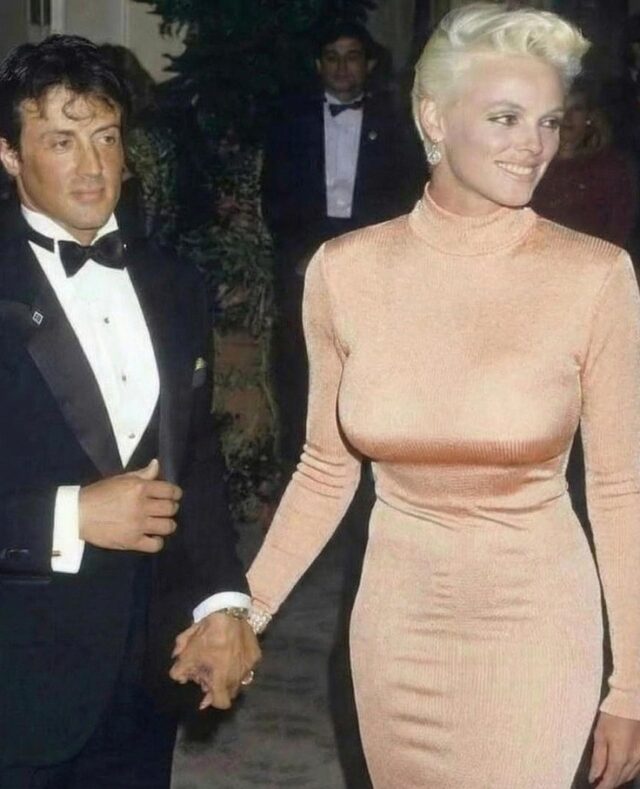
Once celebrated as part of one of Hollywood’s most talked-about couples, she is now drawing admiration for something far more lasting: the way she embraces life at 60 with confidence and authenticity. A recent public appearance highlighted a refreshed, radiant look that resonated with fans who value honesty over perfection. Rather than chasing trends or unrealistic expectations, she continues to present herself with ease and self-assurance. The expressive features and natural presence that once defined her on screen have matured into something deeper—a quiet confidence shaped by experience. Her openness about aging sends a powerful message that beauty does not fade with time; it evolves, becoming richer when paired with self-acceptance and gratitude.
Her life story reflects resilience built through change. Over the years, she has experienced multiple marriages, each one contributing lessons about growth, healing, and renewal. Instead of allowing transitions to define her negatively, she has spoken openly about learning from them and moving forward with clarity. As a devoted mother to five children, she balanced family life with a demanding career, showing determination and adaptability behind the scenes as well as in the public eye. These experiences, both joyful and challenging, shaped her grounded outlook. Rather than dwelling on the past, she consistently chose purpose, optimism, and the freedom to reinvent herself.
Now at 60, she represents a refreshing perspective on aging—one rooted in wellness, balance, and emotional strength. Admirers often note her vitality and poise, qualities that reflect mindful living rather than rigid standards. Her renewed visibility demonstrates that growing older can bring renewed energy, self-knowledge, and empowerment. By prioritizing health, inner peace, and personal boundaries, she shows that confidence is built through daily choices, not milestones. Her journey encourages others to honor each stage of life and to invest in themselves with patience and intention.
One chapter of her past, her marriage to Sylvester Stallone in the 1980s, remains a notable moment in entertainment history. Though brief, that relationship attracted significant attention and later led to a professional reunion decades later, handled with mutual respect. Today, however, she is recognized far more for her independence, resilience, and enduring grace than for any former partnership. Her story is a reminder that while the past may shape us, it does not define us. Confidence, self-worth, and fulfillment can continue to grow—beautifully and unapologetically—at any age.
For as long as I could remember, money meant uncertainty. Every year, while I carefully planned for college and dreamed about a future built on independence, my stepmother treated my education fund like a holiday expense account. Thousands disappeared into decorations, gifts, and celebrations that looked impressive from the outside but left nothing lasting behind. My father knew. He always knew. Yet he stayed silent, choosing peace in his marriage over responsibility to his child. When everything finally collapsed and bankruptcy followed, I wasn’t surprised—just tired. I walked away, not out of anger, but out of self-preservation, and learned early that if I wanted stability, I would have to create it myself.
College was relentless. I worked three jobs, slept in short stretches, and learned to measure time in shifts instead of weekends. While others focused on social lives and comfort, I focused on survival and progress. It wasn’t glamorous, but it was honest. Every bill I paid, every class I passed, felt earned. Slowly, my life steadied. I built a career, a modest home, and a sense of confidence rooted in knowing I owed nothing to anyone. I rarely thought about my father or his choices—until years later, when he called and asked for forty thousand dollars. I listened, said no calmly, and ended the call. When he asked again, my answer didn’t change.
The next day, I opened my door and froze—not from fear, but from shock. My father stood there, older, smaller somehow, holding an envelope instead of excuses. He didn’t ask for money. He didn’t argue. He simply acknowledged what he had failed to do years ago. Inside the envelope was a letter, not repayment, but accountability. He admitted his silence had cost me opportunities and trust, and that he understood if this conversation changed nothing. For the first time, he wasn’t asking me to fix his mistakes—he was owning them.
That moment didn’t erase the past, but it shifted something important. I didn’t hand over money, forgiveness, or promises. What I offered instead was honesty. I told him I’d built my life without support, and that strength came at a price. We spoke briefly, without drama, and when he left, the house felt lighter. Some stories aren’t about revenge or rescue—they’re about boundaries, responsibility, and choosing not to repeat old cycles. I closed the door knowing I didn’t owe my future to my past, and that the life I built, piece by piece, was finally my own.
Love compels parents to do extraordinary things for their children’s well-being. Celine Casey, a British mother, took remarkable steps to ensure her daughter Vienna’s...