Entertainment

King Charles funeral plans being updated in light of cancer treatment!

The sudden, hushed stillness that fell over Buckingham Palace in the early weeks of 2024 was not merely the product of the winter chill, but rather the weight of a heavy realization. For King Charles III, a man who had spent the better part of seven decades waiting in the wings of history, the transition from heir to monarch was supposed to be a long, steady afternoon of service.

Yet, the discovery of a malignancy during a routine procedure for an enlarged prostate shifted the internal landscape of the British Monarchy. What began as a transparent medical update to encourage public health awareness soon evolved into a quiet, focused urgency behind palace walls. The King, known for his relentless work ethic and dedication to his “red boxes,” found himself forced to balance the heavy machinery of state duties with the taxing reality of regular cancer treatments.

While the official bulletins from the Palace remained stoic and optimistic, projecting an image of a King very much in command, a different narrative began to circulate within the corridors of Whitehall and the inner sanctums of the Royal Household. Insiders, speaking in the hushed tones reserved for matters of national stability, suggested that the situation was far more precarious than the polished press releases implied. The King was reportedly battling a condition that demanded a significant toll on his energy, leading to a profound re-evaluation of the immediate future. This discrepancy between the public-facing resilience and the private vulnerability of the Sovereign necessitated a somber but essential task: the comprehensive revision of Operation Menai Bridge.

Named after the suspension bridge connecting the island of Anglesey to mainland Wales—a nod to Charles’s long tenure as the Prince of Wales—the protocol represents the intricate blueprint for the nation’s transition following a monarch’s passing. While every monarch begins planning their funeral shortly after their accession, the pace and detail of these updates increased dramatically following the diagnosis. The memory of Queen Elizabeth II’s passing and the flawlessly executed Operation London Bridge remained fresh in the collective memory of the staff. However, the King’s planners were now forced to look at the logistics through a lens of renewed immediacy. The updates to Menai Bridge were no longer a matter of distant administrative housekeeping; they became a vital priority to ensure that the transition to the reign of King William V would be as seamless as the tradition demands.

The revisions involved a meticulous examination of every facet of the state funeral, from the procession route through the heart of London to the complex invitation lists that include world leaders, religious figures, and representatives of the Commonwealth. Security protocols, which are among the most complex in the world for such an event, had to be recalibrated to account for the modern geopolitical climate. Even the choice of music and the specific readings for the service at Westminster Abbey were scrutinized, reflecting the King’s personal tastes and his desire for a ceremony that mirrored his lifelong commitment to interfaith dialogue and environmental stewardship. The goal was to create a farewell that was both a grand state occasion and a reflection of the man behind the crown—a delicate balance that requires years of planning, now being compressed by the uncertainty of health.Amidst these preparations, the King remained determined to be seen. He continued to host audiences with the Prime Minister and attend to the constitutional requirements of his office, often appearing in the window of the State Bentley or at the gates of Sandringham. To the public, he was a symbol of “Keep Calm and Carry On,” a living embodiment of the British spirit. Yet, those close to the planning of Operation Menai Bridge understood that this visibility was part of the strategy. Continuity is the currency of the Monarchy; the more the King is seen working, the more stable the institution remains, even as the contingency plans for his end are being rewritten in the background. This duality created a strange atmosphere within the royal estates—a mix of business as usual and a poignant, underlying preparation for the inevitable.


The impact of these updates extended beyond the logistics of a funeral. They signaled a shift in the internal dynamics of the Royal Family. Prince William, as the Prince of Wales, found himself increasingly briefed on the details of Menai Bridge and the subsequent accession protocols. The gravity of his future role became more tangible as the planning moved from theoretical to tactical. For Queen Camilla, the focus remained on supporting the King through his treatment, yet she too was integral to the discussions, ensuring that his personal wishes were honored within the rigid framework of state tradition. The family, much like the nation, was navigating a period of profound transition, caught between the hope for recovery and the pragmatism required of a thousand-year-old institution.

As 2024 progressed, the updates to the funeral plans were reportedly kept under a “need to know” basis, with only a small circle of high-ranking officials and family members aware of the full extent of the revisions. This secrecy was intended to prevent public alarm, but it also highlighted the fragility of the moment. The King’s diagnosis had effectively ended the “honeymoon period” of his reign, replacing the celebratory tone of the Coronation with a more reflective, somber reality. The planning of Operation Menai Bridge became a shadow task, running parallel to the King’s daily schedule—a reminder that even as he shaped the present, the machinery of the state was already preparing for a future without him.

In the grand tapestry of British history, the health of the monarch has always been a matter of intense scrutiny and national security. The current situation with King Charles III is a modern chapter in that long-running saga. The meticulousness of the Menai Bridge updates served as a testament to the institution’s resilience. It proved that the Monarchy is designed to survive the individual, ensuring that the cry of “The King is dead, long live the King” remains a promise of stability rather than a moment of chaos. While the world watched and hoped for the King’s full recovery, the architects of the state continued their work in the shadows, ensuring that when the time eventually comes, the transition will be marked by the same dignity and precision that has defined the British Crown for centuries.

Ultimately, the revision of these plans was not just an act of preparation for death, but a profound act of service to the living. By ensuring that Operation Menai Bridge was robust and ready, King Charles III was fulfilling his final duty to his people: providing a clear path forward, regardless of what the coming months might bring. The quiet updates to the funeral protocol were a silent acknowledgement of mortality, but also a loud declaration of the Monarchy’s permanence. In the face of a daunting diagnosis, the King and his advisors chose to face the future with the same methodical care that has sustained the throne through wars, crises, and the slow march of time.
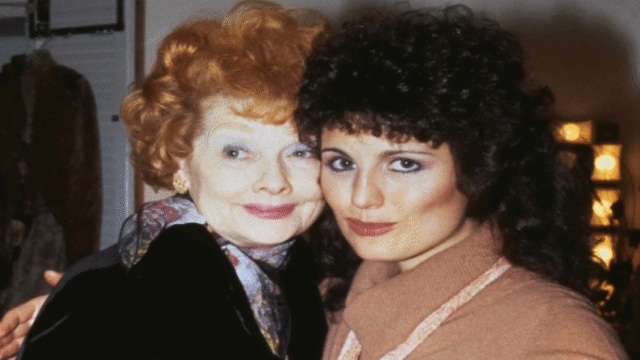
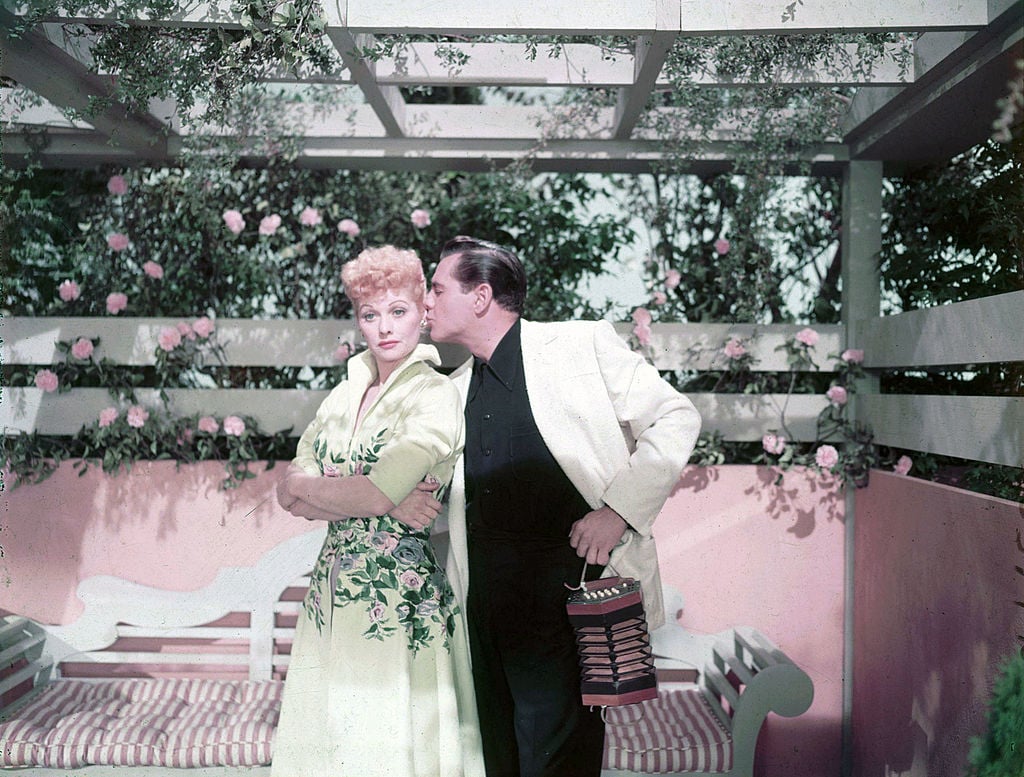
Lucie Arnaz Calls Mom Lucille Ball a ‘Fine Dame’ as She Remembers the Late Funnywoman On Her Birthday

Lucille Ball was born on Aug. 6, 1911

Lucie Arnaz is finding a special way to remember her mom, Lucille Ball.

The iconic comedienne was born on Aug. 6, 1911, in Jamestown, N.Y. On what would have been her birthday, her 74-year-old daughter remembered her with some special illustrations, remembering her unique gaze and sly smile.

“I’ll celebrate my mother’s birthday today with these gorgeous Henry LaMarr illustrations of her. I would really love to put out an entire set of his Lucy’s (and Desi’s!!) images,” she wrote in the caption of her Instagram post.

The illustration Lucie shared showed Lucille in a white coat and matching hat. She gazes past while holding her collar, with a diamond bracelet on her wrist and an aquamarine ring on her finger.

“Happy birthday to a fine dame who brought great joy to this whole world,” Lucie concluded.

Lucille rose to fame alongside husband Desi Arnaz. The two were married in 1940, but the next few years were turbulent and filled with frequent fights, as he was routinely caught having affairs.

In chatting with CBS, however, their daughter argued that her father never had affairs of the heart.

“People say he had affairs. He never had an affair. He didn’t even know these dames’ names,” she said, agreeing to the fact that the affairs were “transactional.”

“He loved my mother, he loved his family. It was a very unique, weird problem to have. And I think that’s the reason she stayed with him so long, is that she understood it,” Lucie shared.

“I don’t think I could do what she did, but somehow, at the time, with what they had, with what they needed from each other, they stuck it out as long as they could.”

Lucille and Desi ended their marriage and subsequently their hit television show, I Love Lucy, in 1960. Lucie was 8 years old at the time, and her younger brother Desi Jr. was 7.

The legendary actress died at age 77 on April 26, 1989. Named one of TIME’smost influential women of the 20th century, the actress’s impact on the entertainment industry is still felt today.

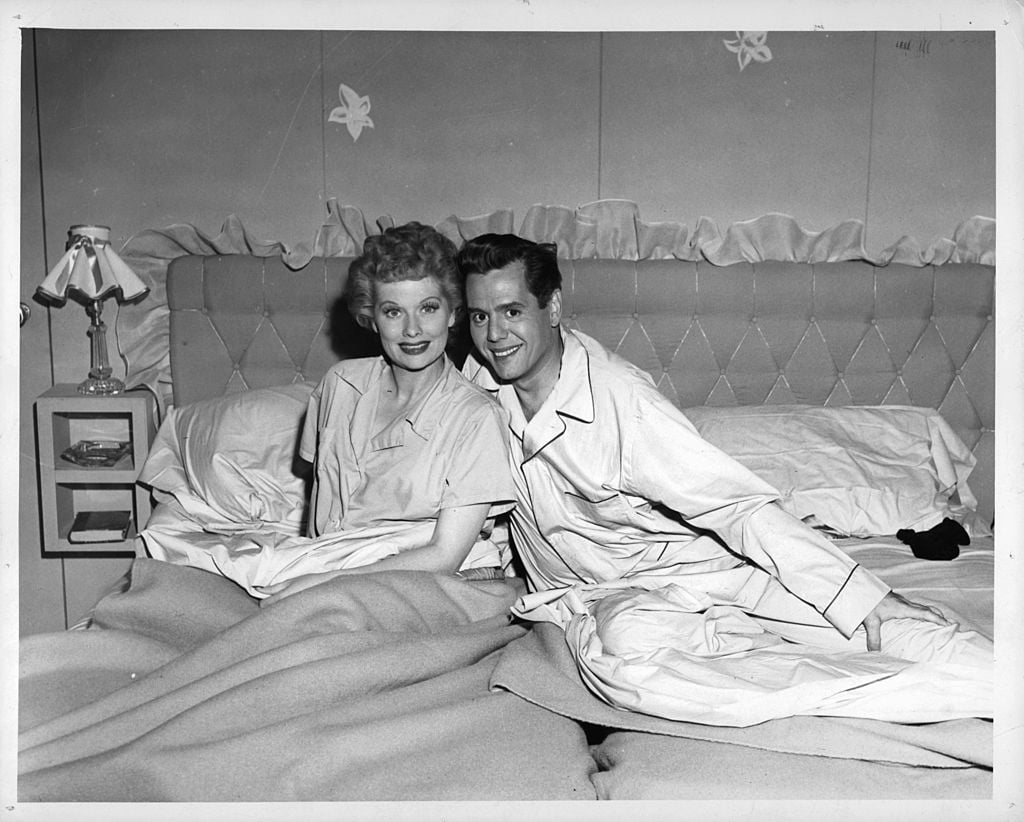
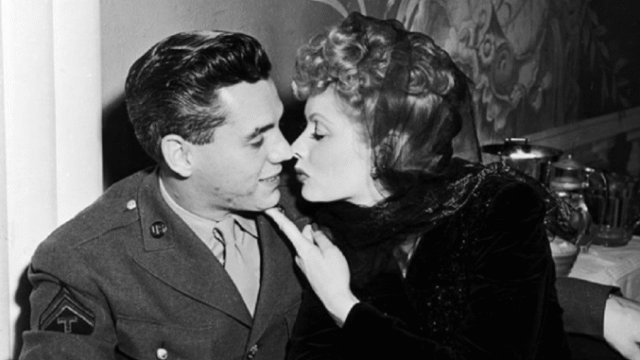
Lucille Ball’s ‘Last Kiss’ With Desi Arnaz Fell on the Last Episode of ‘The Lucy-Desi Comedy Hour’

After I Love Lucy ended, Desi Arnaz and Lucille Ball carried on their characters, Lucy and Ricky Ricardo, on The Lucy-Desi Comedy Hour.

Lucille Ball and Desi Arnaz had one of the most public-facing marriages of their era. After I Love Lucy ended, Arnaz and Ball carried on their characters, Lucy and Ricky Ricardo, on The Lucy-Desi Comedy Hour, which began in 1957 and ran for 3 years. That same year the show ended — 1960 — Ball and Arnaz also ended their relationship.

After ‘I Love Lucy’ and ‘The Lucy-Desi Comedy Hour’ended, Lucille Ball and Desi Arnaz’s marriage ended, too

Lucille Ball with her husband Desi Arnaz in 1955 | Archive Photos/Getty Images

In 1960, I Love Lucy star Ball was in a “depressed state of mind,” according to The New York Times.

Her massively popular TV shows had come to an end — but that wasn’t all.

“Her marriage had too,” The Times recalled. In fact, it marked several “lasts” for Ball.

“The last kiss with Desi fell on the last moment of their last episode,” the publication reported. It went something like this: “His face in her hair; her blubbering through tears: ‘You’re supposed to say cut.’ The final clinch.”

The very next day: Ball “filed for divorce” from Arnaz.

“When your marriage has been, in a way, America’s marriage, what do you do after the love crash-dives?” The New York Times wondered. “Lucille Ball didn’t know, at first.”

The very first thing Ball did, according to biographers was “slept and cried on a friend’s couch.”Apparently, Ball was feeling particular down “after slinking out to see a play starring Vivien Leigh.”

“What I do is so meaningless, so unimportant,” the I Love Lucy alum said at the time. “Look what she can do.”

Lucille Ball set her dreams on the stage

This tough experience is actually what inspired Ball to try her hand at something new: Broadway.

“This envy pushed her off the sofa: a footlights career, as Ball put it in her autobiography, was the ‘ambition of my life,’” The Times continued. Apparently, being a star of the stage had always been Ball’s dream:

At 17 she’d left her upstate New York high school for Broadway, only to be told: ‘You just don’t have it. Why don’t you go home?’ Later attempts had failed too; ‘I never made it,’ she told a reporter in 1960, ‘and I want to prove myself.’

Ball and Arnaz’s daughter reflects on their tumultuous relationship — and relatively positive divorce

When Lucie Arnaz talked to Closer Weekly a few years ago, she reflected on some rough times in the family home.

“There was a lot of anger and screaming,” she explained of her parents’ marriage. However, Lucie Arnaz believes divorce was the best course of action for her parents.

“The best thing that ever happened to them was getting divorced,” Lucie shared. “They had a great divorce.”

Despite Ball’s teary ending to her TV career — and her relationship — her daughter believes it all was for the best. And both Ball and Arnaz did their best to keep things cordial, especially with the children. As Lucie told the publication:

If their parents can’t get along and that happens, then kids should be so lucky to have a divorce like my mom and my dad did because they were kind. They never said bad words about each other in front of their children and they stayed friends till the day they died.

A Childhood Promise That Took on New Meaning Years Later

When I think back to my childhood, there is one memory that has stayed with me more clearly than most. I was eight years old, sitting on the floor of my bedroom, completely absorbed in a game only a child could invent. The afternoon light stretched across the carpet, and everything felt ordinary and safe. Then my father quietly opened the door and came in. He didn’t interrupt my play right away. Instead, he sat beside me, his presence calm and familiar, as if he simply wanted to share the moment. His voice was gentle when he spoke, and there was a seriousness in his tone I didn’t yet understand.

He asked me to promise something simple: to never leave my mother alone. At the time, it sounded like a small request, almost confusing. I nodded because that’s what children do when adults speak with certainty. He smiled softly, kissed the top of my head, and left the room. I went back to my toys, unaware that the air had subtly changed. What felt like a normal interaction was, in hindsight, something far more meaningful. It was a quiet moment, easily overlooked, yet carefully chosen.

Not long after, my mother rushed into the room. Her face looked different—tight with worry, her breath uneven. She asked me where my father had gone, and when I answered, she pulled me close without another word. At eight years old, I didn’t have the language to understand fear or urgency in adults. I only knew that something important had happened, something that made her hold me longer than usual. Life continued, as it always does for children, but that afternoon settled into my memory like a bookmark in a story I didn’t yet know how to read.

Years later, that moment returned to me with clarity. I understood then what my father had been doing—preparing me in the only way he knew how, with love and simplicity. He didn’t want to frighten me or burden me with explanations beyond my years. He wanted me to feel connected, responsible in the way only family can be. That memory taught me that love isn’t always loud or dramatic. Sometimes it’s a quiet sentence, spoken gently, meant to last a lifetime. And now, as an adult, I keep that promise not because I was told to, but because I finally understand what it meant.

A Beginner-Friendly Guide to Pressure Canning Homemade Meatloaf

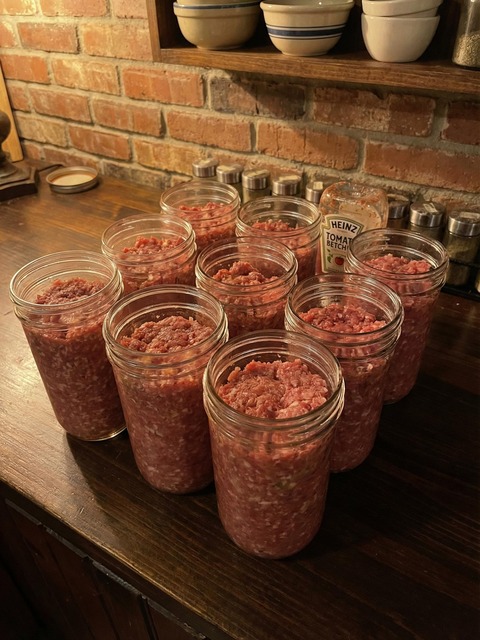
Preserving homemade meals can be a rewarding way to save time and reduce waste, and pressure canning meatloaf is one option some home cooks choose for long-term storage. When done carefully and with proper equipment, pressure canning allows cooked foods to be stored safely and enjoyed later with minimal preparation. The process requires attention to detail, organization, and patience, but the result is a shelf-stable meal that can be reheated when needed. Before starting, it’s important to gather all necessary supplies, including a reliable pressure canner, clean canning jars, new lids, bands, and basic kitchen tools. Following tested canning practices is essential for both quality and safety.

The foundation of a good canned meatloaf starts with a well-balanced mixture. Ground beef is commonly used, combined with ingredients that help maintain moisture and flavor during storage. Finely chopped onion, garlic, seasonings, eggs, and binders such as crushed crackers or breadcrumbs are mixed thoroughly to create a uniform texture. Sauces like ketchup or mustard add both flavor and moisture. Mixing evenly ensures consistent results in every jar. At the same time, jars and lids should be prepared according to standard canning guidelines, with jars kept hot and lids ready for use to promote proper sealing.

Once the mixture is ready, it is packed firmly into the prepared jars. Gentle pressing helps remove air pockets, which can affect processing and storage. Adequate headspace—typically about one inch—is left at the top of each jar to allow for expansion during canning. After wiping the rims clean, lids are placed on the jars and secured with bands tightened just until resistance is met. The jars are then arranged in the pressure canner with the appropriate amount of water. The canner is heated, steam is vented, and pressure is brought to the required level, which must be maintained steadily for the full processing time to ensure safe preservation.

After processing is complete, the canner is allowed to cool naturally without rushing the process. Once jars are removed and rested for several hours, seals should be checked carefully. Properly sealed lids will be firm and slightly curved inward. Sealed jars can be labeled and stored in a cool, dark place, where they may remain stable for an extended period. Any jars that do not seal should be refrigerated and used promptly. When opened, canned meatloaf should be reheated thoroughly and stored like any other cooked food. With careful preparation and attention to safety, pressure-canned meatloaf can be a convenient addition to a well-organized kitchen, offering comfort and practicality long after cooking day.

A Personal Story About Respect, Responsibility, and Finding My Voice at Home

When I married my husband, I knew blending a family would take patience. His daughter was already an adult, living at home while she figured out her next steps. I tried to be understanding at first. I cooked, cleaned, and made sure the house felt welcoming. But as months turned into years, the balance never shifted. She treated the home like a hotel and me like part of the service. When I finally suggested a small monthly contribution—nothing unreasonable, just a gesture of responsibility—the conversation escalated faster than I expected. She snapped that I didn’t belong there and reminded me, loudly, that it wasn’t my house. Her father stayed silent, staring at the floor, and that silence hurt more than her words.

That night, I barely slept. I replayed the argument over and over, wondering when standing up for myself had turned into a battle for legitimacy. I didn’t want to push anyone out, but I also couldn’t continue living without boundaries. The next day, I went about my routine, trying to regain a sense of normalcy. Then the doorbell rang. Two unfamiliar men stood on the porch, dressed neatly, carrying folders. My heart skipped—not out of fear, but confusion. They asked for me by name, their tone calm and professional.

They introduced themselves as representatives handling property matters. As they spoke, pieces I hadn’t known existed finally came together. Years earlier, my husband and I had quietly finalized legal arrangements when we married. The house, though emotionally tied to his past, was jointly owned and formally registered under both our names. The men explained that recent inquiries had prompted a routine clarification of occupancy and responsibilities. Nothing dramatic—just documentation, agreements, and expectations. Still, hearing it spoken aloud felt grounding. For the first time, my place in that home was officially acknowledged.

That evening, we sat down as a family. The conversation was uncomfortable but honest. The paperwork didn’t force anyone out; it simply set clear terms. My stepdaughter was faced with a choice: contribute fairly or make plans for independence. Her father finally spoke, gently but firmly, admitting that his silence had avoided conflict but created deeper resentment. No one won that night, but something shifted. Respect replaced tension, and clarity replaced assumptions. I learned that standing your ground doesn’t require anger—sometimes it just requires knowing where you stand.

I Cared for the Man Who Never Loved Me — What He Left Behind Changed Everything

I never pretended my stepfather and I had a warm relationship. From the moment he married my mother, he made it clear I was an inconvenience rather than family. His words were sharp, his silences louder. When my mother passed away years later, the distance between us hardened into something colder. Still, when age and illness finally broke him down at sixty-three, I was the only one who stayed. His biological daughter lived two states away and rarely called. I told myself I wasn’t doing this for love or approval. I did it because someone had to, and because leaving a helpless person alone felt wrong.

Caring for him became my full-time life. I managed medications, cooked meals he barely touched, helped him move when pain made every step unbearable. Some days he barely acknowledged me. Other days he snapped, as if resentment was the only strength he had left. I swallowed my pride and kept going. I told myself compassion didn’t need gratitude to be real. When he passed away quietly one morning, I felt an unexpected mix of exhaustion and relief, followed by a hollow sadness I couldn’t explain.

The funeral came and went quickly. His daughter arrived just long enough to sign papers and claim what was legally hers. She barely looked at me. As she left the house, she muttered something cruel, dismissing me as if the years I gave meant nothing at all. I didn’t argue. I packed my few belongings, locked the door behind me, and walked away without asking for anything. I believed that was the end of it—another chapter where kindness went unnoticed.

A week later, she showed up at my door in tears. Gone was the confidence, replaced by panic. She explained that while she inherited the house and accounts, my stepfather had quietly arranged something else. He had set aside a separate trust in my name—one that ensured stability, not wealth, but security. More than that, he had left a letter. In it, he admitted he never knew how to be kind, but he had seen my patience, my care, and my dignity when he least deserved it. He wrote that love sometimes shows itself too late, and that this was his way of finally acknowledging mine. I realized then that doing the right thing doesn’t always bring immediate reward—but it leaves a mark, even on the hardest hearts.

Passing of an Actor’s Daughter Reported at Age 34

Authorities in California are investigating the death of an adult woman who was found unresponsive at a hotel in San Francisco in the early hours of Thursday morning. Emergency services were called to a hotel located on the 900 block of Mason Street after reports of a medical emergency. Paramedics arrived shortly before 3 a.m. and attempted life-saving measures, but the woman was pronounced deceased at the scene. Officials have confirmed that the incident is being treated as a death investigation, though there are currently no indications of criminal involvement.

According to statements from local emergency responders, bystanders at the hotel were provided instructions for cardiopulmonary resuscitation before medical teams arrived. Despite those efforts, the individual could not be revived. The San Francisco Police Department later confirmed that officers responded to the location following a report of a deceased person. At this time, authorities have not released details regarding the cause of death, and investigators have emphasized that the case remains under review pending further medical examination. Regional outlets have reported that foul play is not suspected.

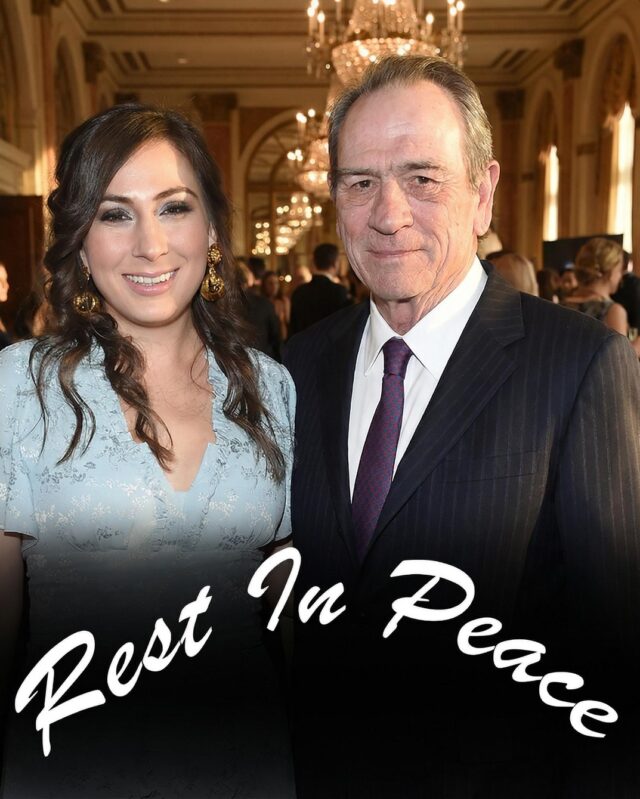
The woman was the daughter of acclaimed actor Tommy Lee Jones, known for his decades-long career in film and television. She was born during his first marriage and spent parts of her early life around the entertainment industry. As a young adult, she made several appearances in film and television projects, including a role in a major science-fiction sequel and later appearances in popular television dramas. She also participated in an independent film directed by her father, working alongside family members who contributed behind the scenes. Though she demonstrated early promise, she later chose a quieter life away from constant public attention.

In interviews over the years, her father spoke warmly about her talents, noting her acting ability, professionalism, and fluency in Spanish, which she learned from an early age. In more recent years, she largely stepped away from acting and maintained a low public profile, though she occasionally appeared alongside her father at industry events. News of her passing has prompted an outpouring of condolences from fans and observers who expressed sympathy for the family during this difficult time. As investigations continue, officials have asked for privacy and patience while final determinations are made. She is remembered today not only as the child of a celebrated actor, but as a person who lived much of her life beyond the spotlight.Rest in peace, Victoria Jones.

Jason Momoa Shares Family Photos from His Children’s First Metallica Concert

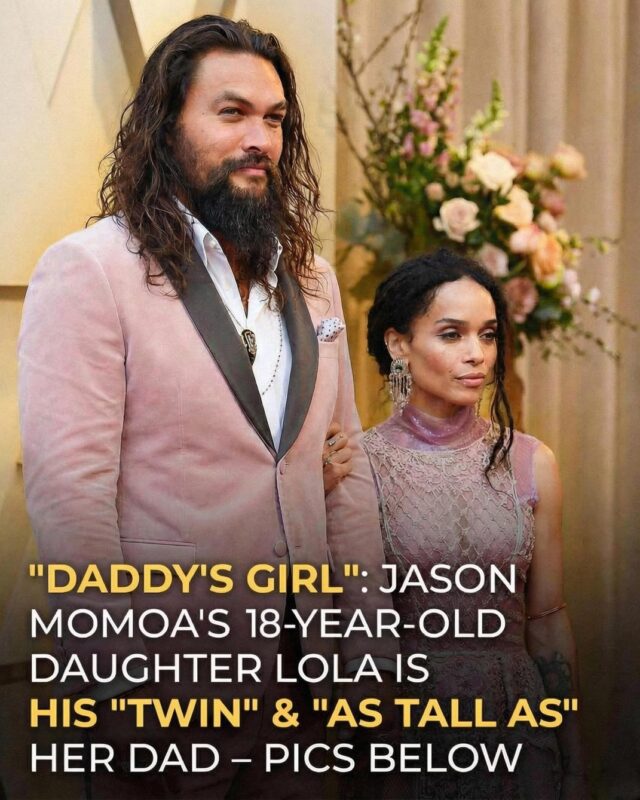
Hollywood star Jason Momoa recently shared a heartwarming family milestone that captured the attention of fans worldwide. The actor, best known for his role in Aquaman, treated his two children—Nakoa-Wolf, 16, and Lola, 17—to their very first Metallica concert. The special evening wasn’t just about music; it was a celebration of family, gratitude, and unforgettable memories. Photos posted on social media quickly drew admiration, with fans noting how much Momoa’s children have grown and how strikingly similar his son looks to him.

The concert took place on December 13, 2024, at the YouTube Theatre in Los Angeles during Metallica’s annual Helping Hands benefit concert, which supports the band’s charity, the All Within My Hands Foundation. In his caption, Momoa expressed deep appreciation for the band and pride in introducing his children to music that has meant so much to his life. He described the night as one of pure joy, calling himself the “happiest papa in the world.” The photos showed the family smiling backstage, meeting band members, and fully embracing the concert atmosphere.

Fans flooded the comments with praise, especially highlighting the close bond between the actor and his children. Many pointed out that Nakoa-Wolf resembles his father almost exactly, while others admired Lola’s confident and elegant presence. Supporters also shared how meaningful it was to see a global star prioritizing family moments despite a demanding career. The images reflected genuine happiness—laughing faces, relaxed energy, and a family clearly enjoying time together away from the spotlight.

Beyond the concert, Momoa has often spoken about how important fatherhood is to him. Growing up without a consistent father figure shaped how he approaches parenting, making presence, communication, and emotional connection his top priorities. He has shared that being a parent has changed his outlook on life and even influences his acting, as the depth of love for his children naturally carries into his work. While his career continues to thrive, Momoa remains grounded, focusing on creating meaningful experiences, teaching life skills, and being fully present for his kids. This memorable Metallica concert was just one more example of how he blends passion, family, and gratitude into everyday life—something fans clearly admire and respect.

Tommy Lee Jones’ Daughter Victoria Passes Away at Age 34

A quiet early-morning incident at a hotel in San Francisco has drawn public attention following reports involving Victoria Jones, the daughter of acclaimed actor Tommy Lee Jones. According to local authorities and multiple media outlets, the 34-year-old was found unresponsive during the early hours of the morning after what has been described as a medical emergency. Emergency services were contacted, and responders arrived at the scene shortly before dawn. News of the incident has prompted an outpouring of sympathy from the public, as many await official confirmation of details while respecting the privacy of the family during a difficult time.

Law enforcement officials stated that officers and paramedics were dispatched to a hotel located on Mason Street shortly before 3 a.m. after receiving a report of a person in distress. Upon arrival, first responders attempted life-saving measures, but those efforts were unsuccessful. A spokesperson for the San Francisco Police Department confirmed that officers responded to a report involving a deceased individual at the location. Additional reports indicated that individuals at the scene were provided instructions to administer CPR prior to the arrival of emergency personnel. Authorities emphasized that the response followed standard emergency procedures and that the situation was addressed promptly.

As of the latest updates, an official cause of death has not been released. Investigators have indicated that there are no immediate signs suggesting foul play, and the incident is currently being treated as a medical matter pending further review. Officials noted that cases of this nature often require additional time for examination and documentation before final determinations can be made. They also stressed the importance of avoiding speculation and stated that any confirmed findings will be shared through appropriate channels once the review process is complete.

Victoria Jones was born to Tommy Lee Jones and his first wife, Kimberlea Cloughley. She briefly explored acting in her early years, appearing in projects such as Men in Black II, One Tree Hill, and The Three Burials of Melquiades Estrada, the latter directed by her father. In later years, she chose a more private path, stepping away from regular public appearances and maintaining a life largely outside the entertainment spotlight. As tributes continue to emerge, many have reflected on her artistic beginnings, her individuality, and the quiet life she chose beyond Hollywood.

Popular

A Mother’s Love: Vienna’s Journey with a Birthmark

0
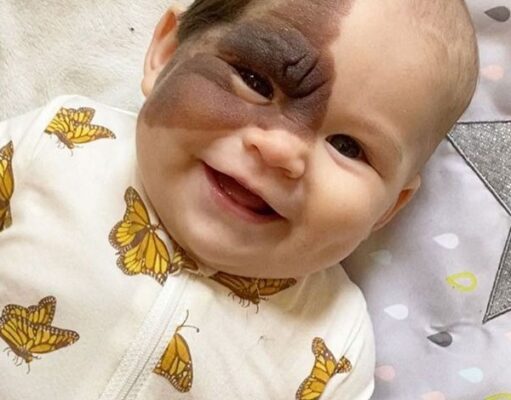
Love compels parents to do extraordinary things for their children’s well-being. Celine Casey, a British mother, took remarkable steps to ensure her daughter Vienna’s...