
Entertainment

FBI PUBLISHES FOOTAGE AND CASE IMAGES IN ONGOING NANCY GUTHRIE INVESTIGATION!

The disappearance of Nancy Guthrie has remained one of the most perplexing and emotionally charged cold cases in recent memory, but a significant breakthrough from federal investigators has reignited the search for answers. In an unexpected move, the FBI recently authorized the release of previously classified surveillance footage and a suite of forensic case images, signaling a strategic shift in an investigation that has spanned several months. This new evidence, which captures the final known moments near the Guthrie residence on the night of her disappearance, has been meticulously analyzed by digital forensic experts and is now being presented to the public in hopes of identifying individuals who have remained in the shadows.

The heart of the new evidence lies in a series of grainy, low-light recordings captured by a combination of residential doorbell cameras and commercial security systems in the quiet Tucson neighborhood where Guthrie lived. On the night she vanished, these cameras recorded several sequences that investigators now deem “highly significant.” One specific clip shows a dark-colored sedan idling near the edge of the property for several minutes before turning off its headlights and moving slowly down the street. While the license plate remains obscured by motion blur and poor lighting, the FBI is utilizing advanced algorithmic enhancement to resolve the vehicle’s make and model. Furthermore, the footage reveals a figure moving with what analysts describe as “distinctive purpose” near the perimeter of the Guthrie home. This individual, dressed in dark clothing, appears to be monitoring the residence, though no direct confrontation or entry was captured on camera.

For Savannah Guthrie, the renowned television journalist and Nancy’s daughter, the release of this footage is both a painful reminder of her mother’s absence and a vital tool for justice. Savannah has stepped into a dual role—both a grieving daughter and a public advocate—leveraging her platform to ensure her mother’s face remains in the public consciousness. In a heart-wrenching appeal accompanying the video release, she urged the public to look past the pixels and focus on the familiar. She noted that a specific gait, a certain way of walking, or even the silhouette of a vehicle could be the missing piece of the puzzle that finally brings her mother home. The Guthrie family has maintained a stoic but tireless presence throughout the ordeal, working closely with federal liaisons to ensure that the investigation does not lose momentum.

The FBI’s decision to involve the public at this stage suggests that traditional investigative avenues may have reached a temporary plateau. By crowd-sourcing the identification of the individuals seen in the footage, authorities are banking on the possibility that someone, somewhere, recognizes a detail that felt insignificant at the time. This “mosaic approach” to investigation acknowledges that while one piece of footage might not solve the crime, it could provide the necessary context to link existing evidence. In addition to the video, the FBI published high-resolution images of “items of interest” found near the scene, including a discarded piece of clothing and a unique keychain that family members insist did not belong to Nancy.

As the digital evidence circulated, the physical search for Nancy Guthrie widened significantly. While the initial investigation was concentrated within the immediate vicinity of Tucson, law enforcement has recently executed several high-profile search warrants in neighboring rural communities. These operations are the result of “digital breadcrumbs”—pings from cellular towers and financial records that suggest a movement pattern heading out of the city on the night of the disappearance. During one such operation in a desert outpost, tactical teams briefly detained a person of interest for questioning. While the individual was ultimately released and has not been formally named a suspect, the incident underscores the aggressive stance currently taken by the FBI’s Violent Crimes Task Force.+1

The psychological weight of the investigation has been felt deeply by the local community. Neighbors who once considered their streets safe now scan their own doorbell camera feeds with newfound scrutiny. The “unidentified individual” captured in the FBI’s latest release has become a focal point of intense speculation. Criminal profilers working on the case suggest that the person’s movements do not align with a random prowler or a common thief; the deliberate nature of their presence suggests a level of premeditation or stalking. This revelation has shifted the narrative from a potential accident or a voluntary disappearance to something far more calculated and sinister.

Technological advancements in forensic science are playing a pivotal role in the current phase of the case. Federal labs are currently processing “touch DNA” recovered from the Guthrie property—microscopic skin cells left behind on surfaces that might have been brushed by an intruder. Coupled with the newly released footage, the FBI is attempting to build a comprehensive timeline that accounts for every minute of the six-hour window during which Nancy is believed to have vanished. The difficulty lies in the “signal-to-noise” ratio; in a suburban environment, there are hundreds of movements every night, and distinguishing the criminal from the mundane is a monumental task.

Throughout this harrowing process, the Guthrie family’s resolve has been bolstered by a global community of supporters. Online forums and volunteer search groups have organized their own efforts to analyze the FBI’s data, though authorities have cautioned against vigilante investigations that could inadvertently compromise the chain of custody for evidence. The family’s message remains consistent: they are looking for the “one person” who knows the truth. They believe that someone holds a secret—perhaps a neighbor who saw a strange car, a friend who heard a passing comment, or a witness who has been too afraid to speak until now.

As the sun sets over the Arizona desert, the lights in the FBI’s field office remain on. The release of the footage is not an admission of defeat, but a tactical escalation. Every frame of video is being scrutinized by thousands of eyes, and every tip that comes through the dedicated hotline is being vetted with rigorous detail. For Nancy Guthrie’s loved ones, the wait for news is an agonizing cycle of hope and frustration, but the latest developments have provided the most substantial leads in months. The investigation is no longer just about a missing person; it is a race against time to uncover a hidden truth and restore a sense of peace to a family that has been shattered by uncertainty. The FBI remains committed to following the evidence wherever it leads, whether it stays within the dusty outskirts of Tucson or stretches across state lines, until Nancy Guthrie is found and those responsible are held to account.


Hidden Dangers Of Taking Hot Showers Every Morning For Older Adults-

Bathing is one of those everyday comforts that quietly supports independence, dignity, and well-being — especially as we grow older. Yet the body’s relationship with heat changes over time. Blood vessels don’t adjust as quickly as they once did, and circulation becomes a little slower to respond.

When warm or hot water hits the skin, blood vessels widen. This naturally lowers blood pressure. Younger bodies usually balance that shift almost instantly. Older bodies often take longer — and in that pause, lightheadedness or weakness can appear.

Not as danger.
Just as a signal to move more gently.

Timing matters more than we realize
The morning is when many people feel most unsteady. Blood pressure is naturally lower after sleep, and standing up too quickly can already cause dizziness. Adding hot water can deepen that drop, sometimes leading to blurred vision or a momentary loss of balance.

Late-night baths can also be taxing, as the body is preparing to rest and cool down while warmth asks the heart to work harder.

Mid-morning to early afternoon is usually kinder on the system — when circulation has settled and energy is steadier.

Warmth, not intensity
Extremely hot water places extra strain on the heart and increases the risk of dehydration or faintness. Gentle warmth is safer and just as soothing.

A comfortable range is usually around warm body temperature to slightly above — enough to relax muscles without overwhelming circulation.

Comfort doesn’t require heat extremes.

Small habits that protect independence
A few quiet adjustments can make bathing safer without taking away ease:

• Sit briefly before standing up, especially in the morning
• Test water temperature before stepping in
• Let feet adjust first before fully entering
• Use non-slip mats and sturdy grab bars for stability
• Avoid bathing right after large meals, when blood flow is focused on digestion

These aren’t restrictions — just ways of working with the body instead of against it.

The deeper truth
Aging isn’t about fragility.
It’s about learning new rhythms.

The body still serves well — it simply asks for steadier transitions, softer extremes, and a little patience.

When we listen to those quiet changes, we preserve independence longer, not lose it.

Care doesn’t always mean doing less.
Often it just means doing things more gently.

And gentleness, over time, is one of the strongest forms of wisdom.

My mom gave birth early today but the doctor said she is going to !! See more

The day was supposed to be joyful. A new baby, a new chapter, a family waiting with nervous excitement for the moment they would finally hear that first cry. Instead, what unfolded was the kind of nightmare families pray they never face—a premature birth, a medical emergency spiraling out of control, and a young mother suddenly fighting for her life.

It started early in the morning, when the expectant mother went into labor far sooner than anyone expected. She wasn’t due for weeks, but the pain came fast and wouldn’t stop. By the time she reached the hospital, the staff had already moved into emergency mode. Nurses rushed her into a delivery room. Monitors beeped sharply. Doctors worked with the kind of calm urgency that always means something is very wrong.

The baby arrived quickly—too quickly. A tiny, fragile newborn, barely big enough to cradle in two hands, let out a thin, wavering cry. It wasn’t strong, but it was something. The room filled with a brief moment of relief as neonatal specialists took over and placed the infant in an incubator. For one breath, it looked like the worst was over.

But for the mother, everything had only just begun.

Almost immediately after delivery, her condition plummeted. What started as exhaustion turned into a full medical crisis. Complications from the premature birth began stacking on top of each other, challenging even the most seasoned doctors. A swarm of medical staff surrounded her bed—checking vitals, calling for additional support, adjusting machines, ordering tests. The atmosphere in the room went from hopeful to grim in a matter of minutes.

When the doctor finally stepped into the waiting area to speak with the family, their faces said everything before their words ever did. The mother was critical. They were doing everything possible, but her condition was unstable and rapidly worsening.

The family’s world collapsed.

Loved ones rushed to her bedside—her partner, her parents, siblings, close relatives who had been counting down the days until the baby’s arrival. Instead of celebration, they found machines, IV lines, flashing monitors, and a doctor quietly warning them to prepare for the possibility she might not survive the night.

She was young, full of life, the kind of woman whose smile could lift a room. She had been excited about becoming a mother—chosen the baby name, decorated the nursery, folded the tiny clothes with a kind of tenderness that made everyone around her melt. This wasn’t how it was supposed to go. She had just brought a new life into the world, and now her own was slipping away.

Meanwhile, the newborn—so impossibly small—was fighting a different battle. Premature babies face uphill climbs their first hours, days, and sometimes months. The NICU team worked methodically, connecting the tiny child to monitors, stabilizing body temperature, checking breathing patterns, adjusting oxygen levels. Every minute mattered. The baby would need constant monitoring, careful feeding, and round-the-clock intervention to stay alive.

The contrast between mother and child—the woman fading, the newborn clinging to life—was almost too much for the family to bear.

Relatives huddled together in the hallway, some praying quietly, others staring at the floor with hollow expressions, all of them caught between hope and terror. One family member whispered, “She was so excited. She didn’t deserve this.” No one disagreed. No one had the words.

News of the emergency began to spread beyond the walls of the hospital. Friends reached out, shocked and heartbroken. Neighbors offered support. Social media filled with prayers, messages of strength, and pleas for a miracle. People who barely knew the family still felt the weight of it—a young mother giving birth far too early, a newborn struggling in an incubator, and a family bracing for the worst possible outcome.

Inside the hospital, the battle continued. The mother drifted in and out of consciousness, her body exhausted from the trauma of an early delivery. Doctors warned the family that the next few hours would be critical. Everything depended on how her body responded. No guarantees, only hope.

The baby remained under intense care, tiny chest rising and falling with fragile determination. Neonatal nurses checked vitals every few minutes, adjusting tubes, soothing gently, speaking softly even though the baby couldn’t understand them. They’ve seen miracles happen before—but they’ve also seen the heartbreak. When a life begins this early, nothing is certain.

The emotional weight hung heavy over everyone. The family kept returning to the mother’s bedside, holding her hand, whispering encouragement, telling her she had to fight for the baby who needed her. They talked to her as if she could hear every word, because sometimes the voice of someone you love is the one thing that pulls you back from the edge.

Doctors continued working through the day, adjusting treatments, calling in specialists, running tests, doing everything medically possible to keep her alive. They promised one thing: they wouldn’t stop trying.

This tragedy hit the community harder than anyone expected. It’s the kind of story that pulls at people’s humanity—a young mother in critical condition, a premature baby in the NICU, a family shattered but refusing to give up. People who heard about it felt an immediate instinct to help, even if the only thing they could offer was a prayer.

Life can turn on a dime. One minute, a family prepares to celebrate a new beginning. The next, they’re fighting to keep someone alive.

As night approached, the hospital lights dimmed, but the machines in both rooms continued their relentless rhythm. The baby’s tiny heartbeat flickered steadily on the monitor. The mother’s vitals remained fragile. And the family stayed, refusing to leave, refusing to give up hope.

For now, all they can do is wait—for answers, for strength, for a miracle that could turn the tide. They cling to the belief that sometimes the human spirit holds on even when the body is failing. They hold each other close, knowing that joy and devastation often live just one breath apart.

Whatever happens next, the family has already been changed forever. And somewhere in the NICU, a newborn—small but fierce—is still fighting, proving that even the tiniest new life can carry enormous strength.

The family hopes the mother will find the same strength to stay with them. They’re not ready to say goodbye, not today, not like this. They’re holding onto every second, waiting for a miracle big enough to bring both mother and child safely through the darkness.

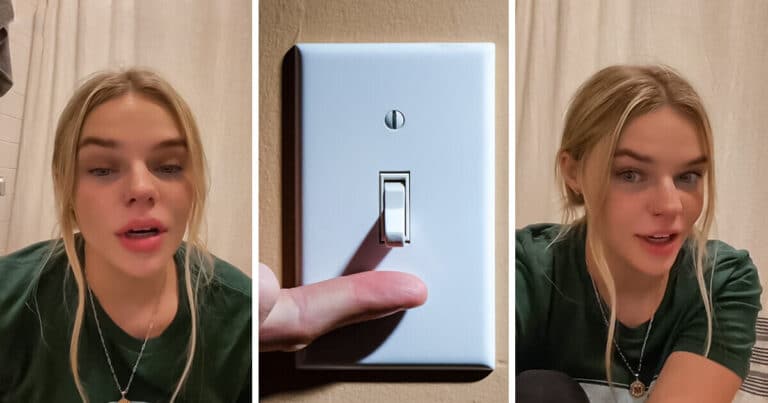
This Is Why Women Living Alone Should Wait Before Turning on Lights at Home

When you live alone, routines become a kind of anchor. You unlock the door, step inside, and reach for the light switch without thinking. It feels automatic. Comforting. Safe.

But what if that simple, ordinary movement — flipping on every light the second you walk in — quietly exposes more than you realize?

This isn’t about fear. It’s about awareness. And awareness, more than anything, is what keeps you in control.

The Visibility You Don’t See

At night, darkness works like a curtain for anyone standing outside. The moment you flood your home with light, that curtain disappears — for them.

If blinds are slightly open, if curtains aren’t fully drawn, if there’s even a small gap in coverage, your illuminated interior becomes a display case. Meanwhile, you can’t see beyond the glass. Light reflects inward, turning your windows into mirrors.

Someone outside could potentially observe:

Your home’s layout

Whether you’re alone

Where you drop your keys or bag

Which room you move into first

It’s not about assuming someone is watching. It’s about understanding that they could be — and choosing not to offer the view.

A Simple, Safer Habit
Instead of switching on overhead lights immediately, try a short pause.

Step inside.
Lock the door.
Listen for a moment.
Pull curtains or close blinds.

Then turn on the lights.

That 30–60 second pause shifts control back to you. You decide when your space becomes visible.

It’s a subtle change — but subtle changes often make the biggest difference.

The Predictability Factor
Another quiet vulnerability isn’t the light itself — it’s the timing.

If your lights switch on at the exact same minute every night, your schedule becomes predictable. Over time, patterns form. Patterns reveal habits. And habits reveal presence.

Predictability isn’t weakness. It’s human

But breaking small patterns — turning on a side lamp instead of the main light, switching rooms first, occasionally arriving at slightly different times — makes your routine less readable from the outside.

You don’t need to disrupt your life. Just soften the edges of predictability.

The Psychological Advantage
There’s something powerful about pausing before acting.

That brief moment in a dim entryway allows you to tune in.

Do you hear anything unusual?
Does anything feel off?
Was there a vehicle parked nearby that wasn’t there before?

Most safety professionals agree on one thing: awareness is your strongest layer of protection.

Not fear. Not hypervigilance. Awareness.

Smart, Comfortable Alternatives
If stepping into darkness feels unsettling, there are balanced options that preserve both comfort and control:

Use smart bulbs you can activate from your phone before unlocking the door.

Install motion-sensor lights in entryways only.

Keep a small flashlight on your keychain.

Prioritize outdoor motion lighting rather than relying solely on interior brightness.

These solutions let you see clearly without broadcasting your movements to the outside world.

Empowerment, Not Anxiety

Living alone is independence. Strength. Freedom.

Precaution doesn’t diminish that freedom — it reinforces it.

You don’t need to live cautiously or assume danger around every corner. You simply need to be intentional with small habits that protect your privacy.

Sometimes safety isn’t dramatic.

It isn’t alarms blaring or cameras flashing.

Sometimes it’s just the quiet decision to pause, draw the curtain, and then flip the switch on your own terms.

And that quiet pause?
It belongs entirely to you.

Did You Know That When a Dog Smells Your Private Area, Its Not Being Rude at All but Actually Detecting Complex Chemical Signals

In the intricate world of canine perception, a dog’s nose is not merely an appendage; it is a high-resolution window into the chemical reality of everything they encounter. While humans experience the world primarily through sight and sound, dogs inhabit a universe dominated by scent. One of the most common—and arguably the most awkward—interactions between humans and their canine companions occurs when a dog suddenly focuses its olfactory attention on a person’s private area. To the human, this feels like an embarrassing breach of social etiquette, but to the dog, it is a sophisticated act of data collection. Far from being rude, this behavior is a deeply instinctive process rooted in biology, evolution, and a refined sensory system that decodes information invisible to the human eye.

To truly appreciate this behavior, one must first understand the staggering hardware behind a dog’s snout. While humans possess roughly six million olfactory receptors, a dog’s nose houses upwards of 300 million. This anatomical advantage makes their sense of smell tens of thousands of times more acute than our own. When a person enters a room, a dog does not just “smell” them; they perform a comprehensive biological scan. They detect fluctuations in hormones, changes in diet, emotional stress, and even subtle shifts in health. This biological supercomputer includes the vomeronasal organ, or Jacobson’s organ, located between the roof of the mouth and the nasal passages. This organ is specifically tuned to detect pheromones—chemical signals that carry vital social and reproductive information. For a dog, sniffing is the equivalent of reading a detailed biography in a single breath.

The reason the groin area attracts such focused attention is found in the distribution of sweat glands. Humans have two types of sweat glands: eccrine and apocrine. While eccrine glands are found all over the body and produce a watery sweat for cooling, apocrine glands produce a thicker, protein-rich substance. These glands are highly concentrated in the armpits and the groin. When bacteria on the skin break down this sweat, they release a potent cocktail of chemical signatures and pheromones. To a dog, these areas are the most “information-rich” zones on the human body. When they sniff these regions, they are essentially checking a person’s “chemical business card,” gathering data on their biological sex, age, current emotional state, and even their stage in a reproductive or life cycle.

For instance, dogs are exceptionally sensitive to the hormonal shifts that occur during menstruation, pregnancy, or the postpartum period. Each of these states alters a person’s scent profile in a way that is immediately recognizable to a canine. Similarly, the scent of testosterone or fluctuations in metabolic activity can reveal a person’s baseline health or stress levels. From an evolutionary perspective, this instinct served a vital purpose for a dog’s ancestors. In a pack, scent was the primary language for establishing hierarchy, signaling mating availability, and identifying familiar or threatening individuals. While humans have replaced chemical signaling with verbal language and cultural norms, dogs have retained the ancient ability to read the unspoken chemical stories our bodies tell.

This incredible sensory capability has profound implications beyond social greetings. It is the same biological mechanism that allows medical detection dogs to identify certain cancers, detect hypoglycemia in diabetics, or predict an impending epileptic seizure minutes before it occurs. The groin area, being rich in sweat glands and located near major blood flow, often mirrors these internal shifts most clearly. When a dog pays unusual attention to a specific area of a person’s body, it is often because they have detected a variation—a chemical “newness” that deviates from that person’s usual scent profile.

Despite the biological logic, the human reaction is almost universally one of embarrassment. In canine society, sniffing another’s rear or groin is the standard, polite method of identification. When a dog applies this same protocol to a human, they are not aware of our cultural concepts of privacy; they are simply interacting with a member of their social environment in the most effective way they know. Redirection is the key to managing this behavior without causing confusion or anxiety for the animal. Experts suggest that rather than shouting or pushing the dog away—which can create a negative association with human contact—owners should calmly offer their hand as a more socially acceptable target for sniffing. Using “sit” or “leave it” commands and rewarding compliance with positive reinforcement helps the dog learn that while their instinct is natural, human interactions have different “rules.”

The depth of this connection is perhaps best illustrated by how dogs respond to human emotions. When a person is stressed, their body releases cortisol and adrenaline, which alters their sweat composition. A dog can detect this shift instantly and may mirror their owner’s anxiety or offer comforting behaviors in response. This chemical dialogue is a cornerstone of the human-canine bond. It means that our dogs often know how we feel before we’ve said a word or changed our facial expression. They are attuned to our biological “vibe” in a way that no other species on Earth can replicate.

Certain myths regarding this behavior persist, often clouding our understanding of our pets. Some believe that only poorly trained or unneutered dogs engage in this habit, or that it is a sign of dominance. In reality, curiosity and data collection are universal canine traits. Even the most well-behaved, neutered dog is still an animal primarily driven by its nose. It is also important to debunk the idea that this interest is sexual; to a dog, pheromones are simply data points regarding social identity and health, devoid of the human complexities of attraction.

Ultimately, understanding the science behind why dogs sniff “private areas” transforms an awkward moment into an opportunity for awe. It is a reminder that we share our lives with creatures who perceive a world far richer than our own—a world made of molecules, hormonal tides, and emotional echoes. When a dog is drawn to your scent, it is because you are an endlessly fascinating presence to them. They are not judging; they are recognizing. They are using their incredible evolutionary gift to reaffirm their bond with you and to understand your place in their world.

By respecting this instinct while gently guiding their behavior, we can maintain our personal comfort while appreciating the remarkable sensory intelligence of the canine species. The next time a dog gets a little too curious, remember that to them, you are a living map of history, health, and emotion. Their sniffing is not an invasion of privacy—it is a fluent, ancient language of recognition and care, spoken through the most powerful sense they possess.

Trump Deploys US Marines!!!!

The U.S. military has confirmed a controversial new move: 200 United States Marines are being deployed to Florida to provide assistance to Immigration and Customs Enforcement (ICE). While the announcement has triggered strong reactions nationwide, officials insist the deployment is strictly limited to logistical and administrative support roles, not frontline enforcement. Still, the sight of Marines in uniform operating alongside ICE agents has already sparked heated debates about the blurred line between military service and civilian law enforcement.

The plan is part of a broader federal strategy to reinforce ICE operations in states experiencing heightened immigration tensions, particularly Florida, Louisiana, and Texas. Officials argue that these regions face overwhelming demands on resources, and the additional manpower—though not armed or conducting raids—will help stabilize operations inside detention facilities, reduce backlogs, and improve coordination with other agencies.

But critics see it differently. The optics of Marines, a branch of the U.S. armed forces typically associated with combat and foreign missions, assisting ICE in domestic immigration affairs has been described by some as “a dangerous precedent.” Civil liberties advocates have voiced concern that even a non-enforcement role could normalize the use of military personnel in areas traditionally handled by civilian agencies. “Once you put military uniforms inside detention centers, the distinction between defense and policing begins to erode,” one analyst warned.

Local reaction has been equally divided. Supporters in Florida, particularly in communities near overcrowded detention facilities, have praised the move as a practical solution. They argue that Marines are disciplined, well-trained, and capable of handling high-pressure environments. For them, this deployment is about restoring efficiency and safety, not intimidation. “If the Marines can help keep the system running smoothly, then why not? We need the help,” said one resident outside a Miami-area detention facility.

Opponents, however, see the decision as politically motivated. They believe the administration is trying to project strength on immigration while sidestepping deeper issues, such as reforming overcrowded detention systems or addressing root causes at the border. “This isn’t about helping ICE,” one critic said. “It’s about optics—putting soldiers in uniforms next to ICE agents sends a message of toughness, but it doesn’t solve the humanitarian crisis.”

Military officials have been careful to stress that the Marines will not be engaging in arrests, raids, or any form of direct law enforcement. Their duties will focus on logistics, such as managing records, organizing transport, overseeing supply chains, and assisting in administrative work that has overwhelmed ICE staff. By taking over back-end tasks, the Marines free up ICE personnel to handle casework and other responsibilities. Still, observers argue that no matter how limited the scope, the imagery of U.S. Marines working within ICE detention centers is bound to stir emotions.

This isn’t the first time active-duty forces have been used in support roles tied to immigration. Previous administrations have sent military engineers to help build temporary facilities or provide surveillance along border regions. What makes this deployment different is the choice of Florida as the starting point, a state not directly located along the southern border but one with large detention facilities and a politically charged climate surrounding immigration.

The deployment also highlights the growing national divide on immigration policy. For some, it represents the government finally taking immigration seriously by committing resources beyond ICE’s own stretched manpower. For others, it signals an escalation that undermines the civilian nature of immigration enforcement and risks militarizing an already volatile issue.

Social media platforms exploded with commentary after the announcement broke. Videos and images of Marines in uniform entering ICE facilities circulated rapidly, drawing both praise and outrage. Supporters called them heroes stepping up to handle a national challenge. Critics accused the administration of using the military as a political prop. Hashtags trended on both sides, fueling an already polarized debate.

ICE, for its part, has welcomed the assistance. Officials released a statement emphasizing that the Marines’ presence would improve efficiency, reduce administrative bottlenecks, and ensure detainees receive faster processing. They framed the move as a necessary measure to manage record caseloads and overcrowding that have stretched ICE operations thin.

In a press briefing, a spokesperson from the Selangor Fire and Rescue Department—wait correction, from the U.S. Department of Defense—clarified the mission: “Our priority is to support civilian authorities in a manner that respects the law and ensures the safety of everyone involved. The Marines deployed to Florida will not engage in enforcement. Their role is purely logistical. We ask the public to cooperate, remain calm, and understand that this is about strengthening efficiency, not changing policy.”

Looking ahead, questions remain. Will this be a temporary deployment or the beginning of a longer-term military role in immigration operations? Will other states like Texas and Louisiana receive similar deployments? And perhaps most importantly, will this decision calm tensions or inflame them further?

For now, the Marines’ presence in Florida is both practical and symbolic. Practical in the sense that they are filling staffing gaps and reducing strain on ICE facilities. Symbolic because their uniforms carry weight far beyond their assigned duties. To some, they embody discipline and order. To others, they represent the creeping militarization of immigration enforcement.

What’s certain is that this decision will leave a lasting mark on the immigration debate in America. The people of Florida, and the rest of the nation, will be watching closely to see whether the gamble pays off—or whether the controversy overshadows the benefits.

The truth about cremation: What really happens and what it does for the soul!!!

Cremation has become an increasingly common choice for families in recent decades, especially in the Western world, where tradition and culture have shifted toward practicality, affordability, and even environmental concerns. Yet for many Christians, a lingering question remains: Is cremation a sin according to the Bible?

The Bible does not directly forbid cremation. There is no explicit commandment against burning a body after death. Still, many theologians, pastors, and believers have debated the subject for centuries, pointing to scriptural principles, cultural traditions, and symbolic meanings that go far beyond what happens to a body after death.

Burial in Biblical Tradition
From Genesis to the Gospels, burial is the method most often described in scripture. When Abraham’s wife Sarah died, he purchased a field and a cave to lay her body to rest (Genesis 23). Generations later, Jacob insisted on being buried with his ancestors, and Joseph, though embalmed in Egypt, gave instructions that his bones should be carried back to the Promised Land.

The greatest example comes with the burial of Jesus himself. After his crucifixion, his body was placed in a tomb, wrapped in linen, and prepared with spices, following the customs of the time. For Christians, this act of burial is not just cultural—it is deeply tied to the hope of resurrection.

Genesis 3:19 reminds humanity: “For dust you are, and to dust you shall return.” For centuries, burial has been seen as a symbol of this truth. It reflects the cycle of life, death, and the promise of new life through resurrection.

The Body as the Temple
One of the strongest arguments against cremation comes from passages like 1 Corinthians 6:19, which describes the human body as the “temple of the Holy Spirit.” To many Christians, the body deserves respect even after death. Burial, in this view, honors the vessel that carried the soul and visibly expresses faith in the resurrection described in 1 Thessalonians 4:16: “For the Lord himself will descend from heaven with a cry of command… and the dead in Christ will rise first.”

From this perspective, cremation is troubling because it appears to destroy the body rather than preserve it in anticipation of resurrection. To some, fire suggests judgment rather than peace, making burial the more “faithful” choice.

God’s Power Beyond the Grave
On the other hand, many Christians argue that God’s power is not bound by the method of death or decomposition. Countless martyrs throughout history perished in flames, drowned at sea, or were devoured by wild beasts. Others died in natural disasters where their bodies were never recovered. Surely, the God who created life itself can resurrect a body regardless of what remains are left behind.

This view emphasizes God’s sovereignty and omnipotence. Whether a body returns to dust naturally in a grave or is reduced to ashes by fire, it is no obstacle for the Creator who “knit us together in the womb” (Psalm 139:13).

The Question of Motives
For pastors and theologians who guide believers on this issue, the question is often not about how a body is laid to rest but why.

“If someone chooses cremation for selfish or pagan reasons, that’s where the spiritual danger lies,” said Pastor John Elliott of Faith Assembly Church. “It’s less about the method and more about the heart.”

In ancient times, cremation was sometimes associated with pagan rituals, sacrifices, or beliefs that denied resurrection. Choosing cremation for those reasons might conflict with Christian faith. But for a believer who chooses it for financial reasons, simplicity, or personal conviction, the choice does not necessarily carry sin.

Practical Considerations in the Modern World
Cremation often appeals to families because of cost. A traditional burial can be prohibitively expensive, involving a casket, burial plot, and service fees. Cremation is often cheaper, more flexible, and sometimes considered more environmentally friendly.

In cultures where space for cemeteries is scarce, cremation has become almost a necessity. In Japan, for example, over 95% of people are cremated due to limited land. Even in Western countries, the percentage of cremations has risen sharply over the last fifty years.

This raises another question: should financial or cultural pressures determine what believers do with the body? Or should Christian families prioritize the symbolism of burial, even at a higher cost? These are questions many families wrestle with in private.

Personal Conviction and Community Traditions
Ultimately, the Bible’s silence on cremation means the matter falls into the realm of personal conviction. Romans 14:23 reminds believers: “Whatever does not proceed from faith is sin.” If a Christian feels that cremation violates their faith, then they should avoid it. If another feels peace in choosing it, trusting God’s power to resurrect, then they can proceed without guilt.

Church traditions also play a role. Some denominations discourage or even prohibit cremation. The Roman Catholic Church, for example, now permits cremation but still emphasizes that the ashes must be treated with the same dignity as a body—buried, entombed, or placed in a sacred location rather than scattered or divided.

Protestant traditions vary widely, with some pastors strongly favoring burial and others leaving the choice entirely to the individual.

The Eternal Question
So, is cremation a sin? The answer is not black and white. The Bible leans toward burial as a tradition, symbol, and act of faith, but it does not explicitly condemn cremation. For many believers, the real issue is not the method of handling the body but the heart and conviction behind the choice.

Burial carries centuries of symbolism: respect for the body, a reflection of biblical examples, and the hope of resurrection. Cremation, while less traditional, does not limit God’s ability to raise the dead or to fulfill His promises.

In the end, death is not the final word. Whether buried in the earth or cremated into ashes, the hope of Christianity remains the same: that life continues beyond the grave, and that in Christ, believers will be raised to new life.

As culture evolves and families face practical challenges, the discussion around cremation will likely continue. But for Christians, the most important focus is not how the body returns to dust—it’s the assurance of what comes after.

The eternal question is not about burial or cremation. It is about resurrection, redemption, and what awaits us beyond this life.

Wow! Popes short message to the United States goes viral!

A brief message from Pope Francis has swept rapidly across the United States, igniting widespread discussion and reflection far beyond religious circles. Composed of only a few carefully chosen sentences, the statement spread across social media within hours, shared by millions who found meaning in its tone at a moment marked by political strain, cultural division, and persistent global unease. Its impact was not driven by dramatic language or explicit instruction, but by restraint—by what was suggested rather than declared explicit, and by the calm moral clarity that has become a hallmark of this papacy.

The message itself was striking in its simplicity. Pope Francis spoke of unity, shared responsibility, and the moral obligation to care for one another regardless of political, social, or ideological differences. He avoided naming specific leaders, policies, or conflicts. Instead, he focused on values that transcend parties and borders: compassion, dialogue, humility, and the recognition of common humanity. That lack of specificity is precisely what allowed the message to resonate so widely. People across the spectrum were able to see their own concerns reflected in his words.

In a country where public discourse is often loud, combative, and fractured, the Pope’s understated tone felt almost disarming. Many supporters described the message as a needed pause—a reminder to slow down and reconsider how Americans speak to and about one another. Clergy members from multiple denominations shared the message with their congregations, noting that it echoed long-standing spiritual teachings while also addressing contemporary anxieties.

At the same time, critics engaged with the message from a different angle. Some questioned whether a global religious leader should comment, even indirectly, on the internal climate of a single nation. Others argued that moral appeals, while well-intentioned, risk oversimplifying complex social and political realities. Yet even among skeptics, few denied the message’s reach or the skill with which it was delivered. Debate itself became part of the message’s impact, keeping it in circulation and amplifying its visibility.

Observers noted that Pope Francis has long demonstrated a rare ability to communicate profound ideas with minimal language. Rather than issuing lengthy doctrinal statements, he often relies on short reflections that invite interpretation rather than dictate conclusions. In the digital age, where attention spans are short and content is endlessly competing for notice, this approach has proven remarkably effective. A concise message, delivered at the right moment, can travel farther than pages of analysis.

The viral spread also revealed something deeper about the current American mood. Analysts pointed out that the reaction was not driven solely by interest in religious leadership. Instead, it reflected a broader hunger for reassurance, moral grounding, and a sense of shared direction. In times of uncertainty, people often look beyond political institutions for guidance, turning instead to voices they associate with continuity and ethical perspective.

Social media responses ranged from personal reflections to heated commentary. Some users shared stories of family divisions, workplace tension, and exhaustion with constant conflict, saying the Pope’s words felt like permission to step back from hostility. Others framed the message as a challenge, arguing that unity requires more than goodwill and must be matched by structural change and accountability. The diversity of reactions underscored the message’s openness—it did not prescribe solutions, but prompted self-examination.

Religious scholars noted that this is consistent with Pope Francis’s broader approach to leadership. Since the beginning of his papacy, he has emphasized encounter over instruction, urging people to listen before judging and to prioritize empathy over certainty. His communications often function less as directives and more as mirrors, reflecting back the moral questions societies are already grappling with.

The timing of the message also played a significant role in its reception. Delivered amid ongoing debates over governance, identity, and social responsibility, it arrived when many Americans were already feeling strained and disoriented. In that context, even a neutral call for compassion can feel pointed. Silence would have gone unnoticed; restraint gave the message weight.

Media outlets quickly picked up the story, framing it as evidence of the Pope’s continued influence despite declining religious affiliation in many parts of the country. Commentators emphasized that moral authority does not always correlate with institutional power. Even in a secularized environment, a voice perceived as sincere and consistent can still command attention.

What stood out to many was not just what the Pope said, but what he did not say. There was no condemnation, no warning, no call to action framed as urgency or fear. Instead, there was an appeal to conscience. In a culture accustomed to constant urgency, that calm invitation felt unusual—and effective.

As the message continues to circulate, its meaning is likely to evolve. Some will revisit it as a spiritual reflection, others as social commentary. Its lack of specificity ensures that it will not age quickly, tied to a single event or controversy. That durability is part of its power. It can be reread, reinterpreted, and reapplied as circumstances change.

Ultimately, the viral moment says as much about the audience as it does about the speaker. It reveals a society saturated with noise yet still responsive to quiet. It shows that amid endless commentary, there remains space for moral language that does not shout. Whether embraced or contested, Pope Francis’s brief statement has demonstrated that simplicity, when paired with credibility, can still cut through the chaos.

In an era defined by constant messaging, the episode serves as a reminder that influence is not always measured in volume or length. Sometimes, a few carefully chosen words—offered without accusation or agenda—are enough to stop people scrolling, start conversations, and momentarily reframe how a nation sees itself.

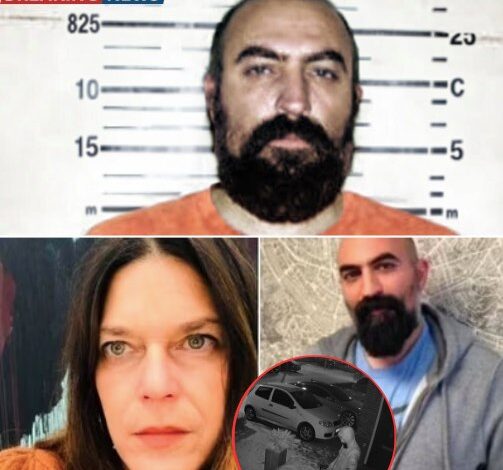
Tommaso Cioni Questioned by Authorities in Ongoing Nancy Guthrie Investigation!

The disappearance of 84-year-old Nancy Guthrie has taken a significant turn as investigators deepen their scrutiny of the events surrounding the night she vanished from her Tucson home. In a recent development that has fueled intense public discourse, authorities confirmed that Tommaso Cioni, Guthrie’s son-in-law, voluntarily appeared for an extended interview with law enforcement. While early social media reports erroneously characterized this interaction as an arrest, the Pima County Sheriff’s Department was quick to clarify that Cioni was not taken into custody, nor have any formal charges been filed against him. Instead, officials described the session as a critical component of the ongoing effort to reconstruct the timeline of January 31, 2026.

Nancy Guthrie was last seen on that Saturday evening after enjoying dinner with her daughter, Annie Guthrie, and Tommaso Cioni. According to official statements, Cioni drove Nancy back to her residence in the quiet, upscale Catalina Foothills neighborhood. He reportedly informed investigators that he arrived at the house at approximately 9:45 p.m. and waited in his vehicle until he observed her safely enter the front door. However, the following morning, the sense of security surrounding the Guthrie home evaporated. Nancy failed to appear for her Sunday morning church services, and when her family could not reach her by telephone, the alarm was raised.

Upon arriving at the scene, Pima County deputies discovered a series of chilling anomalies that immediately shifted the case from a missing persons report to a suspected abduction. Forensic teams identified evidence of a struggle near the entrance of the home. Most disturbingly, a security camera mounted near the front door had been manually disconnected in the early morning hours, creating a deliberate blind spot in the property’s surveillance. Furthermore, small traces of blood found on the porch were fast-tracked for DNA testing, which later confirmed the samples belonged to Nancy.+1

The digital evidence in the case has provided an even more precise, albeit harrowing, window into the night’s events. Investigators revealed that data from Nancy’s pacemaker indicated a sudden and unexplained disruption in communication shortly after 2:00 a.m. on February 1. This technological footprint suggests that whatever occurred inside or immediately outside the residence happened under the cover of darkness, hours after Cioni reported leaving the premises. Sheriff Chris Nanos has emphasized that these findings have led his department to treat the investigation with the utmost urgency, utilizing resources from the FBI to assist in the forensic analysis of both the physical site and the digital logs.

The decision to interview family members extensively—including the voluntary questioning of Tommaso Cioni—is characterized by law enforcement as a standard, non-accusatory procedure. In high-profile cases involving potential foul play, investigators prioritize establishing an airtight chronology by speaking with those who had the most recent contact with the victim. This process is designed to rule out possibilities as much as it is to uncover leads. Sheriff Nanos addressed the surging public speculation by reminding the community that cooperation with authorities should never be interpreted as an admission of guilt or an indication of criminal liability.

The investigation has been further complicated by a secondary criminal element involving fraudulent ransom demands. Shortly after the disappearance became national news, the Guthrie family began receiving messages demanding significant payments in cryptocurrency. While the FBI worked to trace the origins of these threats, federal agents in California arrested a man accused of sending a series of sham ransom notes. Prosecutors allege that this individual had no connection to the actual disappearance but attempted to exploit the family’s grief for financial gain. Authorities have warned that such “predatory opportunism” not only causes immense distress to the family but also diverts critical investigative resources away from legitimate leads.+1

In the days since Nancy vanished, search operations have expanded to include coordinated ground sweeps of the rugged desert terrain surrounding the Catalina Foothills. K-9 tracking units, drone surveillance, and infrared aerial scanning have been utilized to comb through areas of interest. The FBI has also announced a $50,000 reward for information leading to Nancy’s safe recovery or the arrest of those involved in her disappearance. For the Guthrie family, the situation is increasingly dire; they have made emotional public appeals emphasizing that Nancy requires daily medication for chronic health conditions.+2

The media’s role in the investigation has been a double-edged sword. While the widespread coverage has ensured that Nancy’s face remains in the public eye, it has also created a vacuum filled by unverified rumors and armchair detective work. Law enforcement has repeatedly cautioned the public against drawing premature conclusions based on snippets of evidence, such as Cioni’s questioning. They stress that forensic science and digital reconstruction take time, and that the integrity of the case relies on a methodical approach rather than the speed of social media updates.

As it stands, the investigation into the disappearance of Nancy Guthrie remains highly active and multifaceted. The combination of physical evidence—the blood on the porch and the forced entry—and digital evidence—the pacemaker disruption and the disconnected camera—points toward a calculated event. Investigators are currently focused on reconciling these forensic markers with the statements provided by those closest to the 84-year-old. The voluntary interview with Tommaso Cioni is just one of many steps being taken to ensure that no detail, however small, is overlooked.

The community remains on high alert as search teams continue their work and the FBI analyzes electronic data from mobile towers and neighborhood surveillance systems. The Guthrie family continues to hope for a breakthrough, maintaining a vigil as the search enters its third week. Until definitive evidence emerges or Nancy is located, the Pima County Sheriff’s Department maintains that all possibilities remain on the table. They continue to urge anyone who may have seen unusual activity in the Catalina Foothills area between the hours of 10:00 p.m. on January 31 and 4:00 a.m. on February 1 to come forward.

Do You Often Find Yourself Waking Up Between 3 am and 5 am?

For many, waking up between the hours of 3:00 a.m. and 5:00 a.m. feels less like a momentary interruption and more like a recurring, uninvited guest. You may have retired to bed at a reasonable hour, seeking the restorative embrace of a full night’s sleep, only to find yourself suddenly, sharply awake in the predawn stillness. The world outside is silent, but your internal world is anything but. The heart beats with a rhythmic urgency; the mind begins to navigate a labyrinth of wandering thoughts; and the blue light of the digital clock confirms the time: 3:14 a.m. Despite your best efforts to fluff the pillow and descend back into slumber, you remain suspended in a state of high-alert restlessness. By sunrise, you are left with a heavy sense of fatigue that lingers like a persistent fog, forced to navigate your day on the fumes of a fragmented night.

While it is easy to blame modern culprits like late-night caffeine or the habitual scroll of a smartphone, sleep researchers and psychologists suggest that consistent awakening during this specific window is rarely random. Instead, it represents a profound intersection of human physiology, emotional processing, and subconscious activity. This “witching hour” before the dawn is a unique period where ancient wisdom and modern science converge to reveal surprising insights into the state of our mind, body, and spirit.

Historically, this time was recognized long before the advent of sleep laboratories. In Scandinavian folklore, it was dubbed the “Hour of the Wolf”—a term popularized in the 20th century by filmmaker Ingmar Bergman. It was described as the period when nightmares feel most visceral, when the majority of births and deaths occur, and when the metaphorical veil between reality and the subconscious is at its thinnest. It is the time when the “sleepless are haunted by their deepest fears,” and the mind confronts what the distractions of daylight usually keep buried. Even in 2026, this phrase resonates because it accurately captures the strange emotional gravity of being awake while the rest of the world sleeps.

Physiologically, this window aligns with the lowest point of our circadian rhythm. During these hours, the body is in its most vulnerable state: core body temperature drops to its minimum, blood pressure falls, and circulation slows significantly. Cortisol, the hormone that eventually surges to wake us up, is at its lowest baseline before it begins its gradual morning ascent. In this physiological lull, the body is deeply relaxed, yet the mind becomes hyper-sensitive to any disruption. A minor sound, a slight dip in blood sugar, or a single intrusive thought can jolt the system into full alertness. Because our energy reserves are at their lowest, the body struggles to transition back into deep sleep, leaving us stranded in a state of “early morning awakening.”

From a psychological perspective, waking during this time often serves as an “emotional audit.” Between 1:00 a.m. and 4:00 a.m., the brain is busy consolidating memories and balancing hormonal levels. However, if the subconscious is burdened by unprocessed stress, grief, or anxiety, this delicate regulation system falters. Instead of moving smoothly through sleep cycles, the mind triggers a stress response. This is why predawn thoughts are rarely logical or productive; instead, they tend toward regret, worry about the future, or the replaying of past conversations. These thoughts haven’t arrived at 3:00 a.m.—they have been present all day, simply waiting for the silence of the night to be heard.

Traditional Chinese Medicine (TCM) offers an additional layer of insight through the concept of the “organ clock.” In this framework, the hours between 3:00 a.m. and 5:00 a.m. are governed by the lungs. Emotionally, the lungs are associated with grief and the process of letting go. Waking during this time may signal an emotional blockage or a subconscious need to release sadness or attachment. While Western medicine focuses on cortisol and glucose, the symbolism remains strikingly similar: this is a time of transition, a moment when the body is meant to breathe deeply and prepare for renewal.

Modern lifestyle factors frequently exacerbate these natural rhythms. Stress remains the primary biological trigger for early awakenings. When the brain perceives a state of ongoing stress—whether from financial pressure, relationship strain, or professional burnout—it disrupts the hormonal dance of sleep. Cortisol begins its morning rise prematurely, and melatonin, the hormone of darkness and rest, tapers off too soon. Other hidden triggers include the “rebound effect” of evening alcohol, which fragments deep sleep, and blood sugar fluctuations. A carb-heavy dinner can cause glucose to plummet in the early hours, prompting the body to release adrenaline to stabilize itself, which inadvertently wakes the brain.

Addressing this pattern requires a shift from frustration to curiosity. Sleep experts suggest that the most detrimental reaction to waking early is panic. Checking the clock and calculating how much sleep you are losing only reinforces the stress response, making sleep even more elusive. Instead, practicing the “4-7-8” breathing technique can help activate the parasympathetic nervous system, lowering cortisol and signaling to the brain that it is safe to rest. If sleep does not return within twenty minutes, it is often better to leave the bed and engage in a calming, low-light activity like reading or journaling until drowsiness returns.

Beyond the biological and psychological, there is a spiritual dimension to this predawn wakefulness. Many traditions view these hours as a “sacred window” when intuition is sharpest and the mind is clearest. Monks and mystics have long utilized this time for prayer and meditation, believing that the silence of the world allows for a deeper connection to one’s inner self. If you find yourself awake, it may not be a malfunction of your body, but an invitation to pause and listen to what your life is trying to tell you.

Ultimately, waking between 3:00 a.m. and 5:00 a.m. is a reminder that our physical health is inseparable from our emotional and spiritual well-being. It is a call to tend to our stress during the daylight hours so that our nights can remain peaceful. Whether the cause is a dip in body temperature, a surge in cortisol, or a subconscious whisper of grief, the predawn hour offers a mirror into the inner world. By approaching these moments with tenderness rather than irritation, we can learn to navigate the dark and eventually find our way back to the quiet restoration of sleep.

Popular

The Rising Discussion About Fear of Poverty and Emotional Well-Being!

0
In the hyper-accelerated landscape of 2026, success is frequently quantified by a relentless series of visible metrics: career peaks, digital influence, and the curated...