Entertainment

‘I Love Lucy’: Lucille Ball Was ‘Inconsolable’ When This Co-Star Died

Lucille Ball went into mourning after her close friend and co-star from ‘I Love Lucy’ died from cancer in 1979.

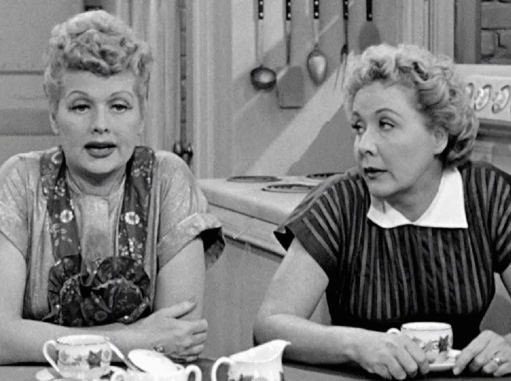
Lucille Ball and Vivian Vance became one of television’s most iconic comedy duos on I Love Lucy. Playing BFFs Lucy Ricardo and Ethel Mertz, Ball and Vance continued their on-air magic on The Lucy Show. Their off-camera friendship was also very close, with Ball hitting the depths of despair when Vance died from cancer.

Lucille Ball of ‘I Love Lucy’ | CBS Photo Archive/Getty Images

Lucille Ball said her final goodbye to Vivian Vance

Vance was diagnosed with breast cancer in 1973, which then metastasized to bone cancer. By August 1979, Vance’s condition was terminal. Ball visited her friend and former co-star at her home in Belvedere, California that month for the last time.

“You could hear them laughing, and towards the end there was a lot of sobbing,” Paige Peterson, a close friend of Vance’s, told People. “It was an amazing thing to witness. The love of these two women.”

Peterson had met Vance when she rented her mother’s home in Belvedere, and could vividly remember the final meeting between the two comedy legends.

“We had brought Viv down and she was lying on the couch in the living room – they ate lunch and they talked and talked,” Peterson recalled, noting Vance’s sadness after the famous redhead left. “The pain on her face shook me to my core. She was in tears. She couldn’t speak. I think Viv gave up after that.”

Vance died a few days later on Aug. 17. She was 70 years old.

‘I Love Lucy’ star grieved the loss of Vivian Vance

Ball’s daughter, Lucie Arnaz, described how devastated her mother was by Vance’s death.

“[They were] close friends,” Arnaz told KCRW. “Like sisters. It really killed my mother when Vivian passed away. She had weeks and weeks where she was just inconsolable.”

Playing besties for so many years created a unique bond between the two actors that surpassed what viewers saw on the screen.

“They had to work so tight together and in such a short amount of time and create what they created,” Arnaz explained. “She always talked about how much fun it was.”

Lucille Ball didn’t want Vivian Vance to leave ‘The Lucy Show’

Ball and Vance’s friendship hit a bump when Vance lobbied for more money and authority on The Lucy Show in order to return for season four. The thought of Vance leaving caused Ball great distress.

“Lucy cried in private talking to me because she depended on Vivian,” co-star Gale Gordon revealed, according to the book “Desilu: The Story of Lucille Ball and Desi Arnaz” by Coyne Steven Sanders and Tom Gilbert.  “She told me she could never do a show without Vivian. Lucy told me that, just prior to the break, Vivian was asking for more money than Lucy was willing to accept. It broke Lucy’s heart, really.”

Fearing she would lose her most famous sidekick and close pal, Ball was close to giving in to Vance’s requests.

“Lucy said, ‘I want Vivian to stay – It’s very important to me,’” Desilu Productions VP Bernie Weitzman remarked. “‘She’s very helpful to me, consoles me, we have a great friendship.’ And she was the last of the old guard. [Lucy] had been very emotionally involved with her.”

Ball eventually decided that Vance’s salary increase to almost a half million dollars was too high. Though Vance left the show, the two remained close friends until Vance’s death.

Vivian Vance Said Lucille Ball ‘Felt I Was Deserting Her’ When She Left ‘The Lucy Show’

When Lucille Ball’s longtime co-star Vivian Vance decided to quit ‘The Lucy Show’, the famous redhead had to go on without her comic sidekick.

Teaming up in the iconic show I Love Lucy from 1951 to 1957, Lucille Ball and Vivian Vance proved to be a dynamic comedy duo. Bringing their impeccable chemistry to television again for The Lucy Show in 1962, Ball and Vance seemed inseparable on screen.

Yet in the series’ fourth season, Vance started hedging on her commitment to continue with the show. When she finally made the decision to step away after contract negotiations failed, Vance knew Ball took it personally.

Vivian Vance and Lucille Ball of ‘I Love Lucy’ | CBS Photo Archive/Getty Images

Iconic ‘I Love Lucy’ team stops working together

While The Lucy Show was on the air, Vance had to commute to the studio from her home in Connecticut. Married to her fourth husband, Vance wanted to focus on her relationship and home life after a few seasons of being on another sitcom.

“I don’t want anything to happen to my marriage,” Vance said, according to the book Desilu: The Story of Lucille Ball and Desi Arnaz by Coyne Steven Sanders and Tom Gilbert. “All this flying back and forth is difficult. … I get up, go to the studio, go home, and fall into bed. It’s lonely.”

Vance sought to make the effort more worth her while by asking for more control of the show in addition to a sizable salary bump. Though Ball wanted her longtime co-star and friend to stay, she decided Vance’s asking price was too high.

“Lucy cried in private talking to me because she depended on Vivian,” co-star Gayle Gordon revealed. “She told me she could never do a show without Vivian. Lucy told me that, just prior to the break, Vivian was asking for more money than Lucy was willing to accept. It broke Lucy’s heart, really.”

Lucille Ball had a ‘fear of rejection’

Sanders and Gilbert’s book reported quotes from Vance’s unpublished memoir, where she described a phone call from Ball asking her to reconsider.

“‘Lucille, you mustn’t worry,’” Vance recalled saying. “‘With your talent, you mustn’t feel that way about anybody.’ Yet I was sure she felt I was deserting her.”

The comedy team had been through many milestones together, including divorce. By leaving the show, Vance feared that Ball viewed her departure as abandonment.

“She had a tremendous fear of rejection,” Vance remarked. “Unless she thought it through, it could seem that I was rejecting her, giving her up after fourteen years of closeness and clowning for a husband and a home I wanted to share with him. She and I would go on chatting together, seeing each other, staying friends, but the relationship inevitably changed.”

Vivian Vance didn’t regret her decision

The I Love Lucy alum was apparently content in opting for home life over Hollywood, and considered her time on the air well spent.

“I don’t think TV kept me from anything,” she revealed. “My ambition was never to be a big star.”

After decades in show business, Vance had often seen the cost of fame come at too high a price. The actor was happy to have avoided the pitfalls of stardom by playing a supporting role over the years.

Vivian Vance and Lucille Ball of ‘The Lucy Show’: CBS via Getty Images

“I’ve seen very few happy stars, and I was determined that that wasn’t going to happen to me,” Vance explained. “The plums hang so high and the vampires beckon … I knew that if I fell for it, I’d be as unhappy as the other ladies in Hollywood. Ambition doesn’t go too well with age or companionship.”

Strange Jelly-Like Clusters Found in Oklahoma Lake Turn Out to Be Ancient Harmless Organisms

In March 2024, boaters exploring the calm waters of McGee Creek Reservoir in Atoka County, Oklahoma, noticed something unusual hanging from submerged tree branches. Strange jelly-like masses clung beneath the water’s surface, sparking curiosity and confusion among visitors.

At first glance, these mysterious blobs appeared almost alien. Their gelatinous texture and irregular shapes resembled something from a science fiction film rather than a natural formation quietly growing in a peaceful freshwater lake.

The unusual discovery quickly attracted attention from people visiting the reservoir. Photos circulated online as many wondered whether the formations were eggs, an invasive species, or some unknown aquatic organism living beneath the lake’s surface.

Despite their strange appearance, scientists soon clarified that the blobs were not dangerous or unusual at all. In reality, they were colonies of bryozoans, small aquatic animals that naturally occur in freshwater ecosystems across North America.

The Oklahoma Department of Wildlife Conservation provided information to the public to help explain what people were seeing. According to the agency, bryozoans are common organisms that form jelly-like colonies attached to submerged surfaces such as branches and rocks.

Bryozoans are tiny invertebrate animals that live together in groups known as colonies. Each colony contains hundreds or even thousands of individual organisms called zooids, which cooperate together to survive and grow.

Although a colony may appear as one large blob, it is actually composed of many zooids living side by side. Each zooid functions as a small animal with its own feeding structure and specialized biological roles.

These microscopic zooids are filter feeders, meaning they capture small particles from the surrounding water. Using tiny hair-like structures called cilia, they move water across their feeding organs and collect nutrients.

The feeding structure used by each zooid is called a lophophore. This circular arrangement of tentacles allows bryozoans to efficiently filter bacteria, algae, and organic particles from the water around them.

By filtering these particles, bryozoans play an important role in maintaining water quality. Their feeding activity helps remove excess organic material and microscopic organisms that naturally accumulate in freshwater environments.

The jelly-like appearance of bryozoan colonies comes from a protective outer layer that surrounds the entire colony. This coating has a gelatinous texture that protects the delicate zooids living inside.

The outer material often feels soft and slippery when underwater. However, when exposed to air and allowed to dry, the surface becomes brittle and can easily break apart.

Most freshwater bryozoan colonies appear translucent or slightly brownish in color. Their shapes vary widely depending on environmental conditions, available surfaces, and the age of the colony.

Some colonies resemble rounded blobs, while others develop irregular branching structures. In many cases, they grow in clusters that cover submerged wood, rocks, or aquatic vegetation.

Bryozoans tend to attach themselves to stable surfaces where water gently flows past them. This movement allows a constant supply of microscopic food particles to reach the colony.

Lakes, ponds, and slow-moving rivers provide ideal environments for bryozoans to grow. Calm water with sufficient nutrients helps colonies expand steadily throughout the warm months.

In the case of McGee Creek Reservoir, submerged tree limbs offered perfect attachment points. The branches created sheltered areas where bryozoans could grow undisturbed beneath the water’s surface.

When water conditions are favorable, bryozoan colonies can grow rapidly. Colonies may reach the size of a grapefruit, a basketball, or occasionally even larger.

Although these colonies may appear strange, they are completely harmless to humans. They do not sting, bite, or release toxins into the water.

Scientists emphasize that bryozoans pose no threat to swimmers, anglers, or boaters. Their presence is simply a sign of natural biological activity within the lake.

In fact, the appearance of bryozoan colonies often indicates that the water environment is relatively healthy. These organisms typically thrive in freshwater systems with stable conditions and sufficient oxygen.

One of the most beneficial roles bryozoans play involves water filtration. By feeding continuously, they remove suspended particles and microorganisms from the water column.

This natural filtration can contribute to improved water clarity. While bryozoans alone do not control water quality, their activity supports the overall balance of aquatic ecosystems.

Bryozoans also play a role in the aquatic food web. Several animals feed on them or interact with their colonies in different ways.

Fish, snails, and certain aquatic invertebrates may consume bryozoan tissue. These interactions help transfer energy through the ecosystem from microscopic particles to larger animals.

In addition, bryozoan colonies can create microhabitats for other organisms. Small insects and aquatic invertebrates sometimes hide among the folds and surfaces of the colony.

These tiny habitats contribute to biodiversity within freshwater ecosystems. The presence of different organisms living together strengthens ecological stability in lakes and reservoirs.

Bryozoans reproduce in several interesting ways that help them survive seasonal changes. One of their most remarkable reproductive strategies involves producing structures called statoblasts.

Statoblasts are durable reproductive capsules that allow bryozoans to survive harsh conditions such as winter freezing or drought. They contain genetic material capable of forming new colonies later.

When environmental conditions become unfavorable, colonies release statoblasts into the water. These small structures sink to the bottom or attach to surfaces.

Once temperatures rise and conditions improve, the statoblasts can develop into new colonies. This process allows bryozoans to repopulate lakes and ponds year after year.

Statoblasts are extremely resilient and can survive long periods in sediment. Some may remain dormant until the right environmental signals trigger their development.

This reproductive strategy helps bryozoans spread widely throughout freshwater systems. Water currents, animals, and even birds can transport statoblasts between different bodies of water.

Because of this dispersal ability, bryozoans can be found across many regions of the world. They inhabit lakes, reservoirs, ponds, and slow-moving rivers on multiple continents.

Although they are widespread today, bryozoans have an even more impressive history on Earth. Fossil records show that their ancestors existed hundreds of millions of years ago.

Scientists estimate that bryozoans first appeared during the Ordovician period roughly 470 million years ago. Since then, they have evolved into thousands of different species.

These ancient origins make bryozoans one of the oldest groups of colonial animals still living today. Their survival through many geological eras demonstrates remarkable adaptability.

Over millions of years, bryozoans have adapted to both marine and freshwater environments. Many species live in oceans, while others have specialized for life in lakes and rivers.

Freshwater bryozoans like those found in Oklahoma represent only a small portion of the group’s diversity. However, they play an important ecological role wherever they appear.

Despite their long history, bryozoans remain unfamiliar to many people. Because they live underwater and are often small, they rarely attract attention unless colonies grow large.

When colonies become visible near the water’s surface or attached to docks and branches, people may notice them for the first time and wonder what they are.

In many cases, their gelatinous texture leads observers to assume they are eggs or some type of unusual algae. However, careful study quickly reveals their true biological nature.

Scientists study bryozoans to learn more about aquatic ecosystems and environmental health. Their presence can provide clues about water conditions, nutrient levels, and ecological stability.

Because bryozoans filter water continuously, they respond to changes in the environment. Pollution or poor water quality may reduce their ability to survive and grow.

Therefore, the appearance of healthy bryozoan colonies can indicate that a freshwater habitat remains relatively balanced. This is one reason scientists view them as positive ecological indicators.

At McGee Creek Reservoir, the discovery of bryozoan colonies suggested that the lake continues to support a functioning aquatic ecosystem. Clean water and suitable habitats allow many organisms to thrive there.

Reservoirs like McGee Creek provide valuable resources for both wildlife and people. They support fish populations, recreational activities, and natural biodiversity.

The presence of organisms such as bryozoans demonstrates that complex ecological processes are constantly taking place beneath the water’s surface.

Although humans often notice only fish or large animals in lakes, microscopic organisms and colonial invertebrates play equally important roles in maintaining ecological balance.

Every organism in the aquatic environment contributes to the broader system. From bacteria to fish, each species participates in nutrient cycling and energy transfer.

Bryozoans represent one small but fascinating component of this intricate natural network. Their colonies quietly filter water and support other organisms without drawing much attention.

For boaters and visitors, encountering bryozoan colonies can be a surprising experience. However, understanding what they are helps transform confusion into appreciation for freshwater biodiversity.

Instead of viewing these blobs as strange or frightening, they can be recognized as natural signs of life thriving beneath the water.

Education about organisms like bryozoans helps people better understand the ecosystems they enjoy during outdoor recreation.

Lakes and reservoirs contain countless species that interact in complex ways. Learning about these interactions encourages responsible environmental stewardship.

Protecting freshwater habitats ensures that organisms such as bryozoans continue to survive and perform their ecological functions.

Clean water policies, habitat conservation, and responsible recreation all contribute to maintaining healthy aquatic ecosystems.

When people respect natural environments, they help preserve the delicate balance that allows biodiversity to flourish.

The mysterious blobs discovered in Oklahoma ultimately served as a reminder of how much hidden life exists within lakes and reservoirs.

What first appeared unusual or even unsettling turned out to be an example of nature quietly operating as it has for millions of years.

Bryozoans continue to thrive in freshwater environments around the world, filtering water and supporting aquatic ecosystems.

Their long evolutionary history and unique colonial lifestyle make them one of the most intriguing groups of small aquatic animals.

The next time someone notices a jelly-like mass attached to an underwater branch, it may simply be another colony of bryozoans doing its important work.

Rather than being mysterious invaders, these organisms are part of a natural system that has existed for hundreds of millions of years.

Their presence reminds us that even the smallest creatures can play significant roles in maintaining the health of our planet’s ecosystems.

Understanding these organisms helps people appreciate the complex and interconnected world hidden beneath the surface of freshwater lakes.

Bryozoans may look unusual at first, but they represent a remarkable example of cooperation, adaptation, and ecological balance in the natural world.

Actor James Ransone Dies at 46 as Authorities Share New Details About His Passing

The entertainment industry and audiences around the world were deeply saddened by the death of James Ransone, who passed away at the age of 46.

Known for his powerful and often emotionally complex performances, Ransone left behind a body of work that earned admiration from critics, filmmakers, and fans alike.

According to the Los Angeles County Medical Examiner, the actor died on December 19, 2025, and his death was ruled a suicide. The news shocked many in the entertainment community and led to an outpouring of tributes remembering both his talent and his honesty as a person.

Ransone had spent more than two decades building a respected career in television and film. While he may not have been considered a traditional Hollywood superstar, he developed a reputation as a skilled character actor capable of portraying complicated and deeply human individuals.

For many viewers, Ransone’s most memorable role came from the acclaimed HBO series The Wire. In the show’s second season, he portrayed Ziggy Sobotka, the troubled and impulsive son of a Baltimore dockworker.

The character quickly became one of the most talked-about figures in that season of the series. Ziggy’s mixture of insecurity, desperation, and reckless behavior made him a tragic figure, and Ransone’s performance brought emotional depth to the role.

The Wire has long been praised as one of the greatest television dramas ever produced. The series explored social institutions in Baltimore, including law enforcement, politics, education, and labor unions.

Within that complex narrative, Ziggy Sobotka represented the frustrations of working-class communities facing economic decline. Ransone’s portrayal captured the vulnerability and unpredictability of a young man struggling to find purpose in a difficult environment.

Although the character was often chaotic and sometimes controversial among viewers, critics widely praised the authenticity of Ransone’s performance. Many felt that he brought a raw honesty to the role that made Ziggy unforgettable.

The success of The Wire helped introduce Ransone to a broader audience. However, his career extended far beyond that single role, and he continued to appear in a wide range of television series and films.

Throughout the years, Ransone appeared in several well-known television shows. These included crime dramas and procedural series that allowed him to demonstrate his versatility as an actor.

Among the programs in which he appeared were Law & Order and CSI: Crime Scene Investigation, both long-running crime dramas that have featured numerous guest actors over the years.

His television work also included roles in Generation Kill, a critically acclaimed war drama based on the experiences of U.S. Marines during the early stages of the Iraq War.

In that series, Ransone portrayed Corporal Josh Ray Person, a character known for his sharp humor and complex personality. The role demonstrated Ransone’s ability to handle both dramatic intensity and moments of dark comedy.

Beyond television, Ransone developed an impressive film career that included both independent productions and larger studio projects. Directors often cast him in roles that required emotional vulnerability and realism.

One of his most widely recognized film roles came in the horror movie It Chapter Two, based on the novel by Stephen King.

In that film, Ransone portrayed the adult version of Eddie Kaspbrak, a character who returns to the town of Derry with childhood friends to confront a terrifying supernatural entity.

His portrayal of Eddie balanced humor, anxiety, and courage, and many viewers appreciated the sincerity he brought to the role. The film itself was a major commercial success and introduced Ransone to a new generation of audiences.

Another notable appearance came in the horror thriller The Black Phone, where he played a determined investigator searching for missing children.

The film was produced by the well-known horror studio Blumhouse Productions and received strong audience reactions for its suspenseful storytelling.

Ransone later returned for the sequel, further expanding his presence within the modern horror genre. His ability to portray flawed yet sympathetic characters made him well suited for psychologically intense stories.

In addition to horror films, Ransone also worked frequently in independent cinema. He collaborated with filmmakers who valued naturalistic acting and character-driven storytelling.

One of those collaborations occurred with director Sean Baker on the film Tangerine.

The film became widely known for being shot entirely on smartphones and for its vibrant portrayal of life in Los Angeles. Ransone’s performance was part of a cast that critics praised for its authenticity and energy.

Throughout his career, Ransone built a reputation for choosing roles that explored the complexities of human behavior. Rather than seeking only glamorous characters, he often portrayed individuals dealing with personal struggles or difficult circumstances.

This approach made him particularly valued in independent filmmaking circles, where nuanced performances are often essential to storytelling. Directors appreciated his willingness to take creative risks and fully inhabit challenging characters.

Ransone was born on June 2, 1979, in Baltimore, Maryland. Growing up in the city, he developed an early interest in creative expression and eventually pursued studies related to the arts.

He attended the George Washington Carver Center for Arts and Technology in Maryland, where he studied theater and visual arts. The school has long been known for nurturing artistic talent among young students.

After completing high school, Ransone moved to New York City to continue exploring opportunities in the creative industry. He briefly studied film at the School of Visual Arts.

However, his path into acting was not entirely conventional. Before becoming widely recognized on screen, he worked in various creative fields and slowly built connections within the entertainment world.

Like many aspiring actors, he initially appeared in small television roles and independent films. These early experiences helped him develop the skills that would later define his acting style.

Ransone’s breakthrough came when he was cast in The Wire in 2003. The series itself was praised for its realistic storytelling and strong ensemble cast.

Working alongside actors such as Dominic West and Wendell Pierce, Ransone gained valuable experience in a production that demanded emotional authenticity from its performers.

Over time, he became known within the industry as a dependable actor capable of elevating supporting roles. Even when appearing briefly in a story, he often left a lasting impression on audiences.

Despite his professional achievements, Ransone also spoke openly about difficult personal experiences. In interviews and social media posts, he discussed the challenges he had faced earlier in life.

In 2021, he revealed that he had been sexually abused by a tutor during childhood. He explained that the trauma had contributed to years of shame and emotional pain.

Ransone also acknowledged that he struggled with addiction earlier in his life. At one point, he developed a heroin addiction that created significant difficulties both personally and financially.

However, he later became sober and worked to rebuild his life and career. His willingness to discuss these experiences publicly was widely seen as an act of courage and honesty.

Many fans appreciated his openness about recovery and mental health challenges. By sharing his story, he helped reduce stigma around topics that are often difficult to discuss.

In his personal life, Ransone was married to Jamie McPhee. The couple had two children together and maintained a relatively private family life away from the spotlight.

Following his death, McPhee shared an emotional message on social media remembering her husband. The tribute reflected both grief and gratitude for the life they had shared.

In her message, she expressed enduring love and appreciation for their family. She also thanked Ransone for the two children they raised together, Jack and Violet.

Her post resonated deeply with many people online, and thousands of supporters responded with messages of sympathy and encouragement.

Alongside her tribute, McPhee shared information about mental health organizations, encouraging awareness and support for those facing emotional struggles.

The gesture highlighted the importance of mental health resources and the value of seeking help when needed.

Following the news of Ransone’s passing, numerous colleagues and collaborators shared tributes reflecting on their experiences working with him.

Actor Wendell Pierce, who appeared in The Wire, posted a message expressing sorrow and remembrance.

His tribute reflected the deep connections that often form between actors who work closely together on major projects.

Filmmaker Spike Lee also honored Ransone, remembering their collaborations and sharing a message acknowledging the actor’s contributions to film.

Other tributes came from actors and filmmakers who had worked with Ransone on independent projects.

Director Sean Baker shared a message expressing gratitude for their time working together and describing Ransone as a valued collaborator.

Actress Madeleine McGraw, who appeared alongside him in The Black Phone, remembered him as a supportive and kind colleague.

Similarly, actress Natasha Lyonne posted a message expressing affection and sadness over the loss of her fellow performer.

These tributes reflected the respect Ransone had earned within the industry. Many colleagues described him as thoughtful, humorous, and deeply committed to his craft.

Although his career included many roles that explored darker aspects of human behavior, those who knew him personally often remembered his warmth and generosity.

For fans, Ransone’s legacy will continue through the characters he portrayed on screen. His performances remain available to audiences through films and television series that continue to reach new viewers.

From the intense world of The Wire to the suspense of The Black Phone and the horror adventure of It Chapter Two, his work spans multiple genres and styles.

Each role demonstrated his dedication to portraying believable human emotions and experiences.

His career serves as a reminder that some of the most powerful performances come from actors who fully commit themselves to understanding complex characters.

While his passing represents a profound loss for family, friends, and colleagues, many people hope that conversations surrounding mental health and emotional well-being will continue to grow in importance.

If you or someone you know is experiencing emotional distress or thoughts of self-harm, reaching out to a mental health professional or a trusted support organization can make a meaningful difference.

Confidential support services and crisis lines exist in many countries, providing assistance to individuals who may be struggling.

Remembering the life and work of James Ransone offers an opportunity not only to celebrate artistic contributions but also to emphasize compassion, understanding, and the importance of supporting mental health.

His performances, honesty, and dedication to storytelling will continue to resonate with audiences for years to come.

Officials Respond Following Report of Pipeline Damage

Recent remarks made by former U.S. President Donald Trump have reignited discussions about European energy security, particularly amid ongoing tensions surrounding Ukraine and regional infrastructure.

His statements have drawn attention to the vulnerability of critical energy networks. Trump publicly commented on reports of an attack on a major pipeline, offering his perspective in a way that quickly spread through media channels, highlighting the role of political figures in framing public discourse on international matters.

Energy infrastructure in Europe remains a highly sensitive subject due to its direct impact on economic stability, industrial output, and daily life. Pipelines transporting natural gas and other fuels are essential to both residential and commercial sectors.

The interconnected nature of these pipelines means that disruptions in one country can have far-reaching effects, influencing supply chains, commodity prices, and diplomatic relations across multiple nations simultaneously.

European governments have long prioritized the protection of critical infrastructure, recognizing that even minor incidents can escalate into major economic or political challenges if not addressed quickly and transparently.

Ukraine, situated at the crossroads of major energy transit routes, plays a strategic role in the European energy landscape. Its pipelines connect Eastern and Western Europe, making its security measures closely scrutinized by both regional and international partners.

Officials in Ukraine have so far refrained from extensive public commentary on Trump’s statements, focusing instead on maintaining operational integrity and coordinating with international allies to ensure energy systems remain secure.

The geopolitical sensitivity of Ukraine’s energy network is heightened by ongoing tensions in Eastern Europe, where conflicts and historical disputes can amplify the consequences of any damage to critical infrastructure.

Pipelines serve not only as conduits for energy but also as symbols of economic interdependence, signaling how nations rely on one another to meet their heating, electricity, and industrial requirements.

Disruptions in energy flow can trigger immediate consequences in global markets, with traders and analysts reacting to even preliminary reports of damage or sabotage, reflecting the high stakes of infrastructure security.

Political statements, such as Trump’s, can influence perception and dialogue, even if they do not directly change events on the ground, because they often shape media narratives and public understanding of complex issues.

FILE PHOTO: Security walks in front of the landfall facility of the Baltic Sea gas pipeline Nord Stream 2 in Lubmin, Germany, September 19, 2022. REUTERS/Fabrizio Bensch/File Photo

Prominent figures commenting on sensitive matters can accelerate discussion among policymakers, journalists, and analysts, making accurate interpretation and responsible communication more important than ever during crises.

Social media platforms amplify the reach of these remarks, often causing rapid debate among supporters, critics, and experts, each assessing the implications based on both historical context and current events.

Energy infrastructure attacks or perceived threats can have cascading effects, disrupting supply and provoking immediate questions about both national security and international collaboration in preventing further incidents.

Investigations into pipeline damage typically involve technical assessments, satellite imagery, and coordination between governments, as multiple layers of expertise are necessary to determine both cause and responsibility accurately.

Transparent communication among countries is essential to prevent misunderstandings and ensure that political or economic tensions do not escalate unnecessarily in response to unverified information or misinterpretation.

Historical incidents involving pipelines in Europe underscore the potential consequences of inadequate oversight or political friction, demonstrating that even minor threats can have outsized impacts on regional stability.

The European energy network relies on redundancy, monitoring, and preventive maintenance, with agencies constantly evaluating risk to minimize disruptions and maintain continuity of supply under challenging circumstances.

Ukraine’s central role in energy transit has made the nation a focal point for both regional cooperation and international concern, as disruptions can quickly affect neighboring countries and their energy security.

Beyond pipelines, the broader energy ecosystem, including storage facilities, distribution hubs, and electricity grids, requires constant vigilance to ensure that local events do not spiral into wider crises.

Diplomatic sensitivity is paramount when discussing incidents affecting energy infrastructure, as public statements from foreign leaders can influence negotiations, economic decisions, and bilateral relations between involved nations.

Analysts emphasize the importance of verified information before drawing conclusions, noting that premature speculation can exacerbate tensions or undermine coordinated response efforts, which rely on accurate technical and intelligence assessments.

International organizations, including the European Union and energy oversight bodies, often participate in investigations to ensure that findings are transparent, credible, and actionable for policymakers.

Even minor operational disruptions, if left unchecked, can cascade into broader economic effects, affecting natural gas prices, electricity costs, and industrial production levels across multiple European countries.

Energy security discussions now intersect with broader geopolitical considerations, particularly regarding Ukraine’s relations with Russia, NATO members, and other regional stakeholders, highlighting the complexity of the issue.

Trump’s remarks add a layer of political interpretation to these technical and strategic discussions, illustrating how public commentary by high-profile figures can affect both perception and policy discourse.

In addition to the immediate technical concerns, infrastructure incidents can trigger debates about preparedness, resilience, and the adequacy of existing security protocols across the energy sector.

European governments maintain contingency plans for pipeline incidents, including emergency rerouting of supplies, coordination with neighboring states, and public communication strategies to ensure continuity and minimize disruption.

The ongoing situation emphasizes the intertwined nature of energy, economics, and diplomacy, where decisions in one sector can reverberate across multiple domains and influence public and governmental response.

Media coverage of infrastructure events often shapes public understanding, with narratives influenced by technical reports, official statements, and commentary from political figures, requiring careful navigation by responsible journalists.

Observers note that political commentary, while influential, does not replace the rigorous work of engineers, regulators, and security experts responsible for investigating and addressing pipeline incidents.

Ukraine’s ongoing collaboration with European partners demonstrates the critical importance of international cooperation, as energy security is not a concern for one nation alone but a shared responsibility.

Assessments of pipeline incidents typically consider technical factors, geopolitical context, and historical patterns, ensuring that conclusions are drawn with both precision and caution.

The strategic significance of pipelines makes them vulnerable targets, either from accidents, technical failures, or intentional sabotage, which underscores the need for preventive measures and coordinated international monitoring.

Experts also stress the importance of resilience planning, ensuring that alternative supply routes and backup systems are available to mitigate the impact of any disruption on European energy markets.

Energy market volatility often responds quickly to perceived threats, illustrating the economic sensitivity of Europe’s interconnected system and the stakes involved in securing critical infrastructure.

Political statements like Trump’s can highlight perceived vulnerabilities or suggest policy priorities, influencing debate among legislators, diplomats, and regulatory bodies in Europe and beyond.

Security concerns extend beyond physical attacks, encompassing cyber threats, infrastructure maintenance challenges, and operational risks, all of which require continuous oversight and international collaboration.

Incidents affecting pipelines can also have humanitarian implications, as disruptions in heating, electricity, or fuel supply during winter months can directly affect vulnerable populations.

Consequently, governments often maintain multi-layered crisis management frameworks to address both immediate technical challenges and broader societal impacts of energy disruptions.

Monitoring and verification mechanisms, such as satellite surveillance, remote sensors, and coordinated reporting, are central to ensuring that any incident is accurately assessed and communicated to relevant stakeholders.

Energy security remains an ongoing discussion point, with lessons drawn from past incidents informing current strategies for preventing, mitigating, and responding to disruptions in Europe and globally.

The interplay between public commentary, media amplification, and expert assessment underscores the complexity of modern energy security, where perception and reality can diverge if communication is not carefully managed.

For Ukraine, maintaining operational energy infrastructure is inseparable from broader national security concerns, as control over energy networks is both a strategic asset and a potential vulnerability in regional politics.

International oversight, cooperation, and technical expertise are critical to ensuring that infrastructure events do not escalate unnecessarily, demonstrating the value of transparency and coordination in high-stakes scenarios.

As new information emerges about pipeline incidents, governments, analysts, and media outlets continue to monitor developments closely, balancing rapid reporting with accuracy to prevent misinformation from affecting markets or diplomacy.

The broader European energy landscape is shaped by both domestic and international policies, with energy interdependence highlighting the importance of dialogue, shared protocols, and contingency planning across borders.

Events like the reported pipeline incident illustrate how technical infrastructure, geopolitics, and public statements are tightly intertwined, emphasizing the need for measured, informed, and cooperative responses at every level.

Observers, policymakers, and citizens alike continue to follow the situation, recognizing that developments in energy infrastructure carry implications for both security and economic stability across multiple European nations.

Even statements from former political leaders, such as Trump, underscore the role of public perception in shaping the narrative, influencing debate, and informing potential policy actions, despite not directly altering immediate technical realities.

The European energy sector remains vigilant, with experts continually assessing risk factors, monitoring systems, and coordinating across borders to maintain uninterrupted supply and safeguard against emerging threats.

Incidents like these serve as a reminder that energy security is a complex, multifaceted challenge requiring expertise, international cooperation, and informed political dialogue to ensure stability in a rapidly changing geopolitical environment.

The pipeline disruption highlights the ongoing importance of infrastructure investment, maintenance, and modernization, ensuring resilience against both natural and man-made risks in critical energy networks.

As investigations progress, further insights into the cause, scope, and impact of the incident are expected, offering lessons for policymakers, energy providers, and international partners in managing similar events.

Public interest in pipeline security continues to grow, particularly when high-profile figures comment on ongoing developments, illustrating how energy issues intersect with politics, media, and public awareness in contemporary discourse.

Monitoring, transparency, and verification remain essential to prevent misinformation, manage diplomatic sensitivities, and maintain confidence in the resilience and reliability of Europe’s interconnected energy infrastructure.

The reported pipeline incident serves as a case study in energy vulnerability, demonstrating the ripple effects of infrastructure threats on markets, policy, and international relations, while reinforcing the importance of coordinated response mechanisms.

As the situation evolves, governments and analysts remain alert to developments, seeking to balance rapid response with careful verification, ensuring that policy decisions are informed by accurate and comprehensive information.

The interplay of media coverage, political commentary, and technical assessment exemplifies the modern challenges of managing energy security in a globally interconnected system.

Maintaining secure energy networks in Europe requires cooperation among technical experts, governments, and international organizations, highlighting that infrastructure resilience is not merely a national concern but a shared responsibility.

Policymakers continue to evaluate the implications of pipeline incidents for energy diversification, supply chain resilience, and contingency planning, recognizing the critical role these networks play in both domestic and international security frameworks.

In conclusion, discussions sparked by Trump’s remarks underscore how political perspectives, media narratives, and technical realities converge in shaping public understanding, diplomatic discourse, and strategic planning surrounding European energy infrastructure.

Unexpected Attic Discovery Leaves Homeowner Amazed

James never imagined that an ordinary afternoon would uncover a secret capable of changing the way his family viewed their home forever.

What began as a routine day quickly transformed into a moment filled with curiosity, history, and unexpected discovery. The event that started everything was surprisingly simple. James heard his young son, Liam, crying somewhere in the house.

At first, the sound was faint, echoing through the quiet hallway of their suburban home. Concerned, James followed the sound upstairs. The cries seemed to be coming from the attic, a place that the family rarely used except for seasonal storage and old boxes that had been forgotten over time.

When he opened the attic door, James found Liam standing near the small window, tears running down his face. The boy had been exploring and became frightened after hearing a strange humming sound outside the house.

James comforted his son and tried to calm him down, assuming the noise was probably coming from construction somewhere in the neighborhood. However, Liam insisted that the sound was coming from their backyard.

Curious but not overly concerned, James looked out through the attic window. At first, everything seemed perfectly normal. The yard appeared quiet, peaceful, and unchanged from any other day.

Yet something about the direction Liam pointed toward caught James’s attention. Along the east side of the property stood a long row of arborvitae trees that had been planted many years earlier.

These trees had always served as a natural privacy barrier between their home and the neighboring properties. During the summer, their thick green branches created a beautiful wall of greenery.

However, that winter had been unusually harsh. Deer roaming through the area had damaged many of the arborvitae trees by feeding on their branches during the colder months when food sources were limited.

By early spring, the once lush row of trees looked thin, uneven, and partially destroyed. James and his wife Emma had already discussed replacing them once the weather improved.

Back in 2018, the couple began planning their small landscaping project. It seemed like a simple task that would restore the beauty of their yard and improve the appearance of the property.

One afternoon, while inspecting the damaged trees more closely, James noticed something unusual hidden among the dense branches near the ground. A small, weathered metal object caught his eye.

The object looked like an old metal box partially buried in the soil. Its surface was dull, slightly rusted, and covered with dirt accumulated over many years.

At first glance, James assumed it was an electrical junction box or some leftover equipment installed by a previous homeowner. Older houses often contained such items, especially in large yards.

Because it appeared harmless, James did not think much about it. He simply made a mental note to mention it to the landscapers who would soon be working in the area.

For several weeks, the mysterious metal box remained unnoticed as daily life continued. James went to work, Emma managed household tasks, and Liam focused on school and playing with friends.

Spring gradually warmed the air, and by May the landscapers finally arrived to remove the damaged arborvitae trees and prepare the ground for new plantings.

The workers began their job early in the morning, carefully cutting the dead branches and digging around the root systems that had grown deep into the soil over the years.

As they cleared away debris and loosened the earth, one of the workers suddenly stopped digging. He had struck something hard beneath the surface that did not resemble a normal tree root.

Curious, the landscapers began brushing away the soil more carefully. Instead of stone or concrete, the object appeared to be made of metal and extended deeper into the ground than expected.

One of the workers called James outside to take a look. When he approached the area, he immediately recognized the same metal object he had noticed earlier between the trees.

However, now that more soil had been removed, it was obvious that the “box” was much larger than he had originally thought. Only the top portion had been visible before.

As James leaned closer to inspect the exposed surface, he suddenly heard a low, steady buzzing sound. It was faint but noticeable in the otherwise quiet backyard.

The sound reminded him of an engine or mechanical device humming slowly somewhere underground. It was not loud, but it was persistent enough to make everyone pause.

Young Liam, who had followed his father outside, listened carefully as well. The strange noise made the moment feel mysterious, almost as if something hidden beneath the yard was still alive.

The landscapers exchanged puzzled looks. None of them had expected to uncover anything unusual while removing a row of damaged trees.

Together, they began clearing away additional soil around the metal surface. With every shovelful of dirt removed, more of the structure appeared.

Gradually, the shape started to make sense. What initially looked like a simple metal box was actually part of a much larger construction buried beneath the ground.

The exposed metal panels suggested walls rather than a container. The structure appeared solid, with reinforced edges and a heavy frame.

After nearly an hour of careful digging, the workers uncovered what looked like the top portion of a small underground room.

James felt both fascinated and uneasy. It was not every day that someone discovered a hidden structure beneath their own backyard.

As the dirt continued to fall away, a thick metal door became visible on one side of the structure. The door was sealed tightly and equipped with an old-style handle.

The discovery raised many questions. Who had built this underground room, and why had it been hidden beneath the yard for so many decades?

Unsure how to proceed, James decided it would be safer to contact local authorities before attempting to open anything. Hidden structures can sometimes pose safety risks.

Later that afternoon, officials arrived to examine the site. They carefully inspected the metal walls and door, confirming that the structure appeared stable but very old.

After evaluating the situation, the experts concluded that the structure was likely a storm shelter or fallout shelter constructed during the mid-twentieth century.

During the 1950s, many homeowners in the United States built underground shelters as protection from severe storms or as precautionary measures during periods of global tension.

With proper safety precautions in place, the officials slowly opened the sealed metal door. The hinges creaked loudly as the door moved for the first time in decades.

A cool, stale breeze escaped from the dark interior. The air smelled dusty, as though it had been trapped underground for many years.

Using flashlights, the investigators looked inside the small underground room. The interior appeared surprisingly intact despite the passage of time.

Shelves lined the metal walls, and several old containers remained neatly arranged. Some of them still held canned food that had been stored long ago.

In one corner, there were simple tools, blankets, and other basic survival supplies that a family might have kept for emergencies.

Perhaps the most interesting discovery came from a small wooden desk placed against the far wall. On its surface rested several notebooks and handwritten journals.

The pages described daily life from decades earlier, written by the family who had originally built the shelter. Their notes documented preparations, worries, and ordinary routines during uncertain times.

Reading those journals gave James a unique glimpse into the past. The shelter was not just a structure; it represented the hopes and fears of another family who once lived there.

For Emma, the discovery felt deeply meaningful. She realized that their home had a much longer story than they had ever imagined.

Instead of being just a modern suburban house, the property had become a bridge connecting two generations separated by more than half a century.

Liam was equally fascinated by the discovery. What had once been a frightening mystery had turned into an exciting adventure filled with history and imagination.

In the following weeks, James worked with local historians to learn more about the previous owners of the property and the circumstances surrounding the shelter’s construction.

Records confirmed that a family living there during the 1950s had indeed built a small underground storm shelter as a precaution during that era.

Rather than removing the structure, James decided to preserve it as part of the home’s unique history. With careful restoration, the shelter could remain a fascinating feature of the property.

Today, the discovery remains one of the most memorable experiences the family has shared. What began as a simple landscaping project turned into an unexpected journey into the past.

For James, Emma, and Liam, the hidden shelter became a reminder that every home holds stories waiting to be uncovered beneath its surface.

Sometimes the most extraordinary discoveries appear in the most ordinary places, quietly waiting for the right moment—and the right curiosity—to bring them back into the light.

At 2 am my sister collapsed outside my home, bruised, shaking, holding her disabled daughter, Then came a text from mom, dont save that cripple

I was halfway through a lousy beer and an even worse crime-show rerun when someone started hammering on my door. Not a polite knock. Not a neighbor needing sugar. This was panic—fast, uneven, desperate. At 2 a.m., that kind of knocking is never good news.

I slid on my hoodie, covering the holster I’d left on the counter, and stepped toward the door. Before I reached it, I heard the voice.

“Maddie—please! Open up!”

Savannah. My sister. The one I hadn’t seen in months. The one Mom insisted was “too dramatic to deal with.”

I unlocked the deadbolt and cracked the door. She was barely standing, rain-soaked hair plastered to her face, one eye already swelling shut. Her little girl, Khloe—eight years old, wheelchair-bound, gripping the armrests so hard her hands trembled—was wedged against her side.

Savannah collapsed into me the second the door opened. I hauled her in, pulled Khloe’s chair over the threshold, and kicked the door closed behind us.

She was freezing, shaking, clothes torn. I’d seen enough domestic violence cases in the Military Police to know exactly what I was looking at.

My phone buzzed on the counter. I grabbed it without thinking.

A text from Mom: Don’t save her. She’s a traitor. And don’t bother with the cripple.

I stared at the message for one long, stunned breath, then set the phone facedown and turned back to Savannah.

“You’re okay now,” I said, easing her onto the couch and covering her with a blanket. She winced and clutched her ribs. The bruise underneath her shirt was already darkening—a bad one.

Khloe didn’t speak. She held a silver necklace to her chest like it was a lifeline.

“You hurt anywhere?” I asked her.

She shook her head but wouldn’t look up.

Savannah tried to speak. “Don’t… don’t call Mom.”

“I wouldn’t call Mom if she were the last human being on earth.” I grabbed my first-aid kit and knelt beside her. “Who did this?”

She closed her eyes and whispered, “Not now.”

Fine. But this wasn’t a “not now” situation anymore. I dialed 911.

By the time the paramedics arrived, Savannah was struggling to stay conscious. The police officer who came with them asked if I knew the suspect. I looked at Savannah. She shook her head again.

“Not yet,” I told the officer.

The paramedics lifted her onto a stretcher. I locked up and wheeled Khloe out beside them. Her chair squeaked over the concrete. She kept that necklace clamped in her fist.

Inside the ambulance, the paramedic strapped her mom down and checked vitals. Savannah’s eyes fluttered open.

“Don’t tell them everything,” she whispered.

Khloe finally spoke. “Grandma was there.”

Every muscle in my body went rigid.

“When?” I asked.

“Tonight,” she whispered. “She told me not to talk about Kyle.”

Kyle Merrick. Savannah’s husband. Mom’s golden boy. The guy who always smirked like he knew something you didn’t.

The paramedic looked at me. “That the suspect?”

Savannah shook her head weakly. “Please… not yet.”

At the ER, the bright lights exposed everything: the bruises, the swelling, the fear. The doctor listed the injuries—cracked ribs, a possible fractured arm, blunt-force trauma. I’d read those words in too many reports.

Mom’s text replayed in my head like a threat.

In the corner of the room, Khloe clutched the necklace again. I crouched beside her. “You’re safe here. Your mom is too.”

She hesitated, then whispered, “Grandma said she deserved it.”

The doctor left, and Savannah finally looked at me.

“It’s worse than you think,” she murmured.

“Then start talking.”

She swallowed hard. “Kyle takes Khloe’s disability money. All of it. Mom helps him. They say it’s for the household, but… they use it on trips, tools, junk we never see. When I asked to separate the account, he snapped. Said I was too stupid to handle anything.”

She blinked back tears. “Mom just sat there. Didn’t say a word. When I tried to leave with Khloe, she blocked the door.”

I pulled a Power of Attorney form from my bag. “Sign this. I’ll take it from here.”

She signed with a shaky hand. I opened my laptop, tracked the account routing number from her VA letters, and within minutes I had the records—hundreds of dollars siphoned out monthly. Vegas hotels. Golf clubs. A condo deposit. Nothing for Khloe.

I turned the screen to her. “He’s done.”

My phone buzzed again.

You stick your nose in, you’ll lose your stripes.

I didn’t need the name to know it was Kyle.

The next morning, I found him leaning on the doorframe of my apartment, grinning like he was the one holding all the cards.

“We should talk,” he said. “You’re making this messy.”

“You threatened a military officer,” I told him, lifting my phone so he could see the red recording dot. “Keep digging.”

The grin disappeared.

An hour later, I was in the base legal office with Deborah Langley—sharp, ruthless, exactly what we needed. When she heard everything, she didn’t blink.

“He’s toast,” she said. “Let’s go.”

Two days later, in court, Kyle tried to flip the script—filed for emergency custody, claimed Savannah was unstable, insisted she dragged a disabled child out of the house without cause.

Then Deborah laid out the truth—medical photos of the bruises, screenshots of the bank statements, the audio recording of Kyle threatening me, and the neighbor who’d seen Mom and Kyle pocketing Khloe’s disability money.

When the judge revoked Kyle’s visitation and handed full custody to Savannah, his entire face fell. Mom stared straight ahead in rigid denial.

Outside the courthouse, Savannah hugged Khloe, who was grinning ear to ear.

“Does this mean Grandma can’t yell at us anymore?” she asked me.

“Exactly what it means,” I told her.

A week later, Savannah sent me a photo of Khloe in the yard of their new place, arms raised in triumph as a neighbor’s dog licked her face.

She wrote: She says this is her safe spot.

That night, I visited them. No tension. No secrets. Just quiet, and hope, and a long road ahead.

When I got home, I opened a notebook and wrote one line on the first page:

Protect them. Always.

It wasn’t an order. Not a duty. Just the truth of who I was. And how far I’d go to keep them safe.

When My Future Mother-in-Law Hurt My Little Brothers, We Had to Set Clear Boundaries

Three months ago, my life changed forever when my parents died in a house fire. In a single night, everything I knew disappeared, and my six-year-old twin brothers, Caleb and Liam, were left with only me. The memories of that night are still blurred by smoke and fear, but I remember one thing clearly: hearing their voices calling for help and knowing I had to reach them. Somehow, we made it outside together. From that moment on, they became my responsibility and my purpose. Thankfully, I wasn’t alone. My fiancé, Mark, stepped into our broken world with kindness and patience, helping us attend grief counseling and promising that once the courts allowed it, we would officially adopt the boys and build a new family together.

While Mark loved the twins wholeheartedly, his mother, Joyce, never accepted them. From the beginning, she treated them like a burden rather than two children who had already lost everything. She made small, cutting comments at family gatherings and often acted as though the boys were invisible. Once, at a birthday party, she even served cake to every child except them, claiming there were no slices left. Mark and I tried to ignore her cruelty, hoping time would soften her heart. Instead, her behavior only became worse. She constantly insisted that Mark should focus on having “his own” children, as if love and responsibility could be measured by blood rather than care.

The worst moment came when I had to travel for work for two nights. While Mark was preparing dinner at home, Joyce stopped by unexpectedly with what she called gifts for the boys. When I returned, Caleb and Liam ran to me in tears, clutching small suitcases she had given them. Inside were clothes, toothbrushes, and toys. Joyce had told them they would soon be sent to live with another family because they “didn’t belong” in our home. Hearing that two grieving children had been frightened into thinking they were being abandoned broke my heart. Mark was equally horrified when he learned the truth.

Not long after, Mark invited Joyce to dinner under the pretense of sharing important news. During the meal, we briefly pretended we were considering giving the boys up, and Joyce immediately celebrated the idea without hesitation. That moment confirmed everything we needed to know. Mark calmly told her the truth: the boys were staying, and she would no longer be part of our lives until she truly changed her behavior. She left in anger, but the decision was final. Soon after, we began legal steps to protect our family and move forward with the adoption. Today, Caleb and Liam fall asleep each night asking if they will always stay with us. And every night, I give them the same answer—yes, forever.

Firefighters Share Important Phone Charging Safety Tips for Every Household

In today’s digital world, smartphones play a central role in how people communicate, work, and stay informed. Because these devices are used throughout the day, keeping them charged has become a routine part of daily life. Many people plug in their phones while relaxing in bed or leave them charging nearby overnight for convenience. However, safety professionals, including firefighters, often remind the public that charging habits matter. Placing a phone on soft surfaces such as beds or couches while it is charging can sometimes create conditions that increase heat buildup, which may lead to potential safety concerns.

One of the main issues involves how heat is managed during charging. Modern smartphones use lithium-ion batteries that naturally generate warmth while they recharge. Normally, this heat dissipates easily when the device is placed on a hard, flat surface such as a table or desk. On soft materials like blankets, pillows, or mattresses, however, airflow can be restricted. These fabrics can trap heat around the device and prevent it from cooling properly. Over time, excessive heat may affect the battery and, in rare cases, increase the risk of damage or malfunction. Because bedding materials are often made of cotton, foam, or synthetic fibers, safety experts recommend avoiding placing charging devices directly on them.

Another important factor in safe charging is the type of charger being used. Official chargers provided by manufacturers are designed to deliver the correct voltage and current for specific devices. Certified chargers from reputable brands are also tested to meet established safety standards. By contrast, poorly made or uncertified chargers may provide inconsistent power, which can lead to overheating or shorten the life of the phone’s battery. For this reason, experts generally advise using manufacturer-approved accessories and regularly checking cables for signs of wear, such as fraying or loose connections.

Simple habits can significantly reduce potential risks. Charging your phone on a hard surface like a nightstand or desk allows heat to disperse more effectively. Keeping the phone uncovered while charging ensures that airflow remains unrestricted. Some people also choose to set up a small charging station in a common area of the home, which keeps devices organized and away from soft materials. In addition, it is wise to unplug the phone if it becomes unusually warm and allow it to cool before using it again. By following these basic precautions, households can enjoy the convenience of their devices while maintaining safe and responsible charging practices.

After 28 Years of Marriage, I Made a Surprising Discovery About My Husband

At 55, I believed the most unpredictable chapters of life were already behind me. My husband Richard and I had been married for 28 years, raised our children, and built what I thought was a stable, ordinary life. When my company downsized and I suddenly lost the job I had held for two decades, I felt unsteady for the first time in years. To distract myself from the silence of being home all day, I began cleaning the attic, a space we had ignored since moving into the house. Among the dusty boxes and forgotten decorations, I found something that didn’t belong—a carefully sealed folder labeled with my husband’s name and an address I had never seen before. Inside were official documents showing that Richard had purchased another house more than twenty years earlier, long after we were already married.

Confused and uneasy, I typed the address into my phone and drove across town. The small house I found looked well cared for, with flowers by the porch and a wind chime gently moving in the breeze. I expected to discover an explanation that made sense, perhaps a rental property or a forgotten investment. Instead, when the door opened, I was greeted by a woman who calmly asked if I had come because of Richard. To my astonishment, she introduced herself as Elaine—Richard’s mother. I had barely known her during our marriage because Richard had always said she preferred living privately. Elaine explained that Richard had arranged for her to live there quietly and had even asked her to claim that the house was meant to be a retirement surprise for us if I ever discovered it.

However, Elaine handed me a folder and suggested I read it before asking more questions. What I found inside left me shaken. There were detailed notes about my life—my moods, medical appointments, and moments when I had felt overwhelmed after our children left for college. Alongside these notes were legal documents tied to a trust connected to the house. The wording suggested that if I were ever considered mentally unfit, control of certain assets could shift. Elaine admitted that Richard had convinced her I was struggling emotionally and that the arrangement was meant to protect his future. Speaking with me in person made her question everything she had been told.

Instead of confronting Richard immediately, I quietly gathered information and sought professional advice. When I finally spoke to him, I calmly explained what I had discovered and presented my own documentation. I gave him a choice: resolve our situation respectfully or allow the matter to unfold through legal channels. In the end, he chose to settle the matter privately. Our marriage ended without public conflict, the trust was dissolved, and the property was sold. Walking away from the final meeting months later, I didn’t feel like I had won a battle. Instead, I felt something more important—a sense of clarity and the courage to rebuild my life on honesty and self-respect.

Popular

The boy from a smog-drenched city who sang through addiction and...

0
With his global tours, and the iconic, gravelly voice – this star became synonymous with rock and roll. But before that, he was just a lad...