Entertainment

7 Nostalgic TV Shows for When You Want to Binge the Classics

Sometimes you don’t want to watch something new. You want to lean back into the nostalgia of the classics, even if the shows came out before your time. There’s comfort in knowing that you can sit back and relax with a series that comes with long seasons and entertainment that is just as good then as it is now. TV’s greatest hits are hits for a reason.

Here, we’re breaking down seven of TV’s greatest classics, and where to stream them when you’re craving a hit of pop culture nostalgia.

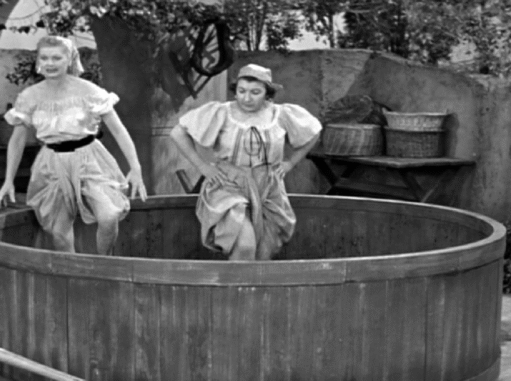
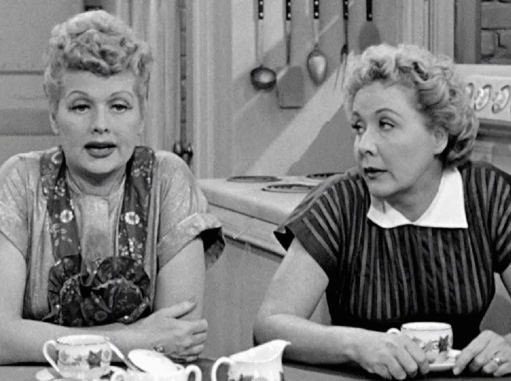
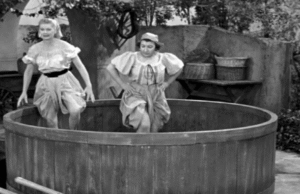
I Love Lucy

Lucille Ball and Desi Arnaz didn’t just make us laugh — they pioneered the sitcom format. The first to be shot in front of a live studio audience, I Love Lucy made Ball the Queen of Comedy and gave us characters we laughed along with but also truly cared about and related to. In comedy, timing is everything, and this 1951-57 series still shines with the derring-do of the fresh, young medium. (Catchy Comedy, Pluto TV)

Courtesy Everett Collection Columbo As rumpled as his signature trench coat, Peter Falk‘s police lieutenant was the progenitor of the how-will-it-be-solved crime drama that shows such as Elsbethcarry forward by revealing the killer at the start. In 69 TV movies from 1968 to 2003, the man known only by his last name captured L.A.’s rich and powerful killers — matching wits with such guest stars as Janet Leigh and Dick Van Dyke. (Cozi TV, Hallmark Mystery, Roku Channel)

Columbo

As rumpled as his signature trench coat, Peter Falk‘s police lieutenant was the progenitor of the how-will-it-be-solved crime drama that shows such as Elsbethcarry forward by revealing the killer at the start. In 69 TV movies from 1968 to 2003, the man known only by his last name captured L.A.’s rich and powerful killers — matching wits with such guest stars as Janet Leigh and Dick Van Dyke. (Cozi TV, Hallmark Mystery, Roku Channel)

Everett Collection Perry Mason You’ve probably never had to utter the words “He was dead when I got there.” But many of the ace defense attorneys’ innocent clients have. We keep coming back to this classic 1957-66 drama for Raymond Burr‘s cool, reassuring presence as Mason, but also to enjoy his teamwork with gal Friday Della Street (Barbara Hale) and private eye Paul Drake (William Hopper), as well as his courtroom standoffs with the perpetually defeated Hamilton Burger (William Talman). What the writers and actors did with that formula makes this series anything but a “guilty” pleasure. (MeTV, FETV)

Perry Mason

You’ve probably never had to utter the words “He was dead when I got there.” But many of the ace defense attorneys’ innocent clients have. We keep coming back to this classic 1957-66 drama for Raymond Burr‘s cool, reassuring presence as Mason, but also to enjoy his teamwork with gal Friday Della Street (Barbara Hale) and private eye Paul Drake (William Hopper), as well as his courtroom standoffs with the perpetually defeated Hamilton Burger (William Talman). What the writers and actors did with that formula makes this series anything but a “guilty” pleasure. (MeTV, FETV)

©CBS/Courtesy Everett Collection The Jeffersons Norman Lear‘s 1975-85 sitcom featuring TV’s first wealthy Black family, dry-cleaning businessman George (Sherman Hemsley) and his wife, patient “Weezy” (Isabel Sanford), focused on the formerly working-class couple adjusting to life in their Manhattan high-rise. To our delight, insults flew from the cantankerous George, often toward housekeeper Florence (Marla Gibbs), as the show balanced issues with a zany comic sensibility. (Antenna TV, FETV)

The Jeffersons

Norman Lear‘s 1975-85 sitcom featuring TV’s first wealthy Black family, dry-cleaning businessman George (Sherman Hemsley) and his wife, patient “Weezy” (Isabel Sanford), focused on the formerly working-class couple adjusting to life in their Manhattan high-rise. To our delight, insults flew from the cantankerous George, often toward housekeeper Florence (Marla Gibbs), as the show balanced issues with a zany comic sensibility. (Antenna TV, FETV)

Everett Collection The Carol Burnett Show Movie spoofs, musical numbers, Mama… We don’t have enough fingers to count all the reasons we can’t stop watching this wonderfully smart-silly 1967–78 variety show headlined by a comedy legend. There’s the iconic “Went With the Wind” sketch and Tim Conway‘s befuddled Oldest Man, who took jobs ranging from clock repairman to doctor with hilarious incompetence. But whether she’s singing and dancing her way through a musical send-up or playing up the soapy melodrama in “As the Stomach Turns,” Burnett’s geniality keeps us tuning in. (Catchy Comedy, MeTV)

The Carol Burnett Show

Movie spoofs, musical numbers, Mama… We don’t have enough fingers to count all the reasons we can’t stop watching this wonderfully smart-silly 1967–78 variety show headlined by a comedy legend. There’s the iconic “Went With the Wind” sketch and Tim Conway‘s befuddled Oldest Man, who took jobs ranging from clock repairman to doctor with hilarious incompetence. But whether she’s singing and dancing her way through a musical send-up or playing up the soapy melodrama in “As the Stomach Turns,” Burnett’s geniality keeps us tuning in. (Catchy Comedy, MeTV)

©20thCentFox/Courtesy Everett Collection M*A*S*H Never before or since has a sitcom made us laugh so hard in the face of war. This 1972-83 series, television’s first dramedy, still resonates, thanks to an unforgettable ensemble — notably Alan Alda, Mike Farrell, and Harry Morgan — and stories that fearlessly dealt with the reality of military life. Anyone who’s ever served, or cared about someone who has, can connect to the 4077th during the Korean War. (MeTV, Hulu)

M*A*S*H

Never before or since has a sitcom made us laugh so hard in the face of war. This 1972-83 series, television’s first dramedy, still resonates, thanks to an unforgettable ensemble — notably Alan Alda, Mike Farrell, and Harry Morgan — and stories that fearlessly dealt with the reality of military life. Anyone who’s ever served, or cared about someone who has, can connect to the 4077th during the Korean War. (MeTV, Hulu)

Courtesy Everett Collection Bonanza Not many Westerns were also family dramas. But Bonanza was unique. With an attractive, stellar cast led by Lorne Greene as Ben Cartwright, father to Adam, Hoss, and Little Joe (Pernell Roberts, Dan Blocker, and Michael Landon), this 1959-73 series was — and still is — a popular destination for viewers seeking action but also everyday heroes from a solid if imperfect family unit. (MeTV, Philo, Plex, Sling TV, Tubi, WEST)

Bonanza

Not many Westerns were also family dramas. But Bonanza was unique. With an attractive, stellar cast led by Lorne Greene as Ben Cartwright, father to Adam, Hoss, and Little Joe (Pernell Roberts, Dan Blocker, and Michael Landon), this 1959-73 series was — and still is — a popular destination for viewers seeking action but also everyday heroes from a solid if imperfect family unit. (MeTV, Philo, Plex, Sling TV, Tubi, WEST)

After 80: factors that can influence health and longevity.

Multiracial group of happy senior people taking selfie with cell phone in nursing home.

Why Some People Thrive After 80—While Others Begin to Decline
Reaching 80 is more than a milestone—it’s a reflection of resilience, experience, and a life lived through decades of change. But what truly defines this stage isn’t the number itself. It’s how life continues beyond it.

Some individuals remain mentally sharp, physically active, and emotionally fulfilled well into their 90s. Others, however, begin to lose energy, independence, and motivation much earlier.

The difference often isn’t luck—or even genetics.

More often, it comes down to daily habits, emotional well-being, and the quiet routines that shape everyday life.

1. When Purpose Begins to Fade
One of the most overlooked factors in aging is the sense of purpose.

It doesn’t need to be grand. It can be as simple as watering plants each morning, caring for a pet, helping a neighbor, or having a small daily routine that feels meaningful.

People who maintain even a modest sense of purpose tend to stay more mentally engaged and physically active. It gives structure to the day—and a reason to keep moving forward.

When that sense disappears, something subtle shifts. Motivation drops. Energy follows. Over time, this can affect mood, physical health, and even the body’s natural defenses.

Feeling needed—or simply having something to look forward to—can make a measurable difference.

2. The Quiet Weight of Loneliness
Social isolation is one of the most underestimated challenges in later life.

As the years pass, circles naturally become smaller. Friends may be gone. Family members grow busy. Distance—both physical and emotional—can widen.

At first, it’s barely noticeable.

Then the days become quieter.

Then repetitive.

And eventually, isolating.

But loneliness isn’t just emotional. It carries physical consequences. It has been linked to weaker immunity, memory decline, and an increased risk of illness.

The encouraging part is that even small connections matter.

A short phone call. A brief visit. A conversation with a neighbor. Joining a local group or activity.

These moments may seem minor—but they restore a sense of connection that the body and mind both depend on.

3. Mobility: The Turning Point
Physical decline rarely happens all at once.

It begins gradually—slower steps, stiffness, a hesitation when standing, a slight loss of balance.

These changes often seem normal. Easy to ignore.

But when movement decreases, everything else begins to follow.

Muscles weaken. Confidence drops. Independence becomes limited. Activities once enjoyed start to feel difficult—or even risky.

This creates a cycle that can be hard to break.

Less movement leads to weakness.
Weakness leads to even less movement.

The solution is not intense exercise—it’s consistency.

Simple actions like walking, stretching, or gentle daily movement can preserve strength, balance, and confidence. The goal isn’t performance. It’s continuity.

Multiracial group of happy senior people taking selfie with cell phone in nursing home.

4. Nutrition and Hydration: Small Choices, Big Impact
As people age, appetite often decreases. Cooking may feel like effort rather than routine. Meals become simpler—and sometimes less nutritious.

At the same time, the body still needs what it always has:

Protein to maintain muscle
Vitamins and minerals to support overall function
Energy to stay active and alert

Hydration becomes even more important—but also more easily overlooked. The natural sense of thirst weakens with age, meaning dehydration can happen without clear warning.

The effects can be subtle at first—fatigue, dizziness, confusion—but they can quickly become serious.

The solution doesn’t require drastic change.

Balanced meals.
Regular water intake.
Simple consistency.

These small choices add up in powerful ways over time.

Living Well Beyond 80
Aging does not automatically mean decline.

In many cases, the difference between a fragile later life and an active one comes down to everyday patterns—small decisions repeated over time.

A sense of purpose keeps the mind engaged.
Connection keeps the spirit alive.
Movement preserves independence.
Nutrition fuels the body.

None of these require perfection.

Only attention.

Simple Habits That Make a Difference
Keep a daily purpose, no matter how small
Stay socially connected in any way possible
Move your body every day—even gently
Eat balanced meals with variety and protein
Drink water regularly, even without thirst
Stay engaged with life instead of withdrawing from it
Growing older doesn’t mean losing quality of life.

More often, it means adjusting to change—with awareness, intention, and care.

Because in the end, longevity matters—but how those years are lived matters far more.

Campbell’s Soup Gets Troubling News — Buy Now Before Prices Rise

I always believed we were the kind of family people secretly hoped to have. A little sentimental, maybe even a bit excessive, but rooted in warmth and affection. After twelve years of marriage, Hayden still slips handwritten notes into my coffee mug—tiny reminders that love doesn’t fade when it’s cared for. And our daughter, Mya, asks the kind of earnest, wide-eyed questions that stop me mid-sentence and remind me why the world is still worth loving.

Every December, I pour myself into making Christmas feel magical for her.

When she was five, I turned our living room into a snow globe—cotton batting piled like drifts, twinkle lights tucked into corners, soft music floating through the air. Last year, I organized a neighborhood caroling night and let her stand front and center, belting out “Rudolph” like she was headlining a concert. Afterward, she squeezed my hand and whispered, “This is the best Christmas ever.”

This year, I thought I’d outdone myself. I had tickets to The Nutcracker hidden beneath the tree, wrapped carefully and tucked far back where curious little hands wouldn’t find them too soon. I couldn’t wait to see her face.

Christmas Eve unfolded exactly as I’d imagined. The house glowed with lights. The ham roasted in the oven. Mya twirled through the living room in her red dress, laughing as the skirt flared around her knees. Later, she climbed into bed in her Rudolph pajamas, cheeks flushed, eyes heavy with excitement.

“This is going to be the best Christmas,” she said sleepily.

Sometime in the early morning hours, I woke with a dry throat. The house was quiet in that hushed, sacred way it only ever feels on Christmas Eve. I padded down the hallway—and froze.

Mya’s bed was empty.

Panic hit instantly, sharp and breath-stealing. I checked the bathroom. The living room. The kitchen. Then I spotted it: a piece of paper propped carefully against a gift under the tree.

My name, written in careful block letters.

My hands shook as I read it. She’d taken blankets. Sandwiches. And my car keys. She’d gone to the abandoned house across the street.

I didn’t bother waking Hayden. I threw on my coat and ran.

The front door of the old house creaked open easily. Inside, sitting cross-legged on the floor and wrapped in three mismatched blankets, was my daughter. A flashlight lay beside her. A small pile of sandwiches sat neatly stacked.

She looked up at me, eyes shining with pride.

“I’m waiting for Santa,” she said. “The reindeer might be tired. They need somewhere warm to rest.”

I didn’t know whether to laugh or cry. I scooped her into my arms, holding her tight, whispering into her hair, “You brilliant, ridiculous child.”

We gathered her supplies and brought them home. She fell asleep almost immediately, utterly content, certain she’d done something important.

In the morning, she raced to the tree and found a letter tucked into the branches. Santa thanked her for her kindness and said the reindeer were very grateful—especially Vixen, who had loved the veggie sandwiches.

Mya gasped, clutching the letter to her chest like a treasure.

Then she saw the tickets.

Her joy filled the room, bright and pure and overwhelming. In that moment, I realized something quietly profound. The real magic of our home wasn’t in the decorations or the traditions I worked so hard to perfect.

It lived in our daughter’s kindness. Her imagination. Her instinct to care for someone—even someone she’d never met.

That Christmas, our house glowed more than it ever had before. And it had nothing to do with the lights.

Paris Jackson Shares Emotional Tribute to Michael Jackson and His Lasting Legacy –

The contrast between public myth and private reality has always been stark for the Jackson family. While the world watched a performer who seemed to exist somewhere between superhuman and surreal, Paris experienced something entirely different: a gentle, deliberate father who treated parenting as his most sacred art form. She describes a childhood woven with intention, where normalcy wasn’t an accident but a carefully constructed sanctuary. Behind the gates of Neverland and beyond the reach of flashbulbs, Michael cultivated an environment where curiosity was currency and kindness was law.

What emerges from Paris’s memories is a portrait of pedagogical devotion. This was a father who didn’t simply shelter his children from fame’s toxicity; he actively prepared them to navigate a complex world with independent minds and compassionate hearts. She recalls late-night conversations that stretched into philosophy, discussions about the world’s suffering that never felt heavy because they were always paired with actionable hope. Education, in their home, wasn’t confined to textbooks. It meant understanding humanity in its full spectrum—recognizing dignity in everyone from studio executives to the strangers who gathered outside their windows.

The specificity of her testimony carries the ring of truth that generic tributes lack. Paris remembers how her father emphasized critical thinking over blind acceptance, how he taught her to question narratives while maintaining respect for others’ experiences. These weren’t the lessons of a distant icon dispensing wisdom from a throne, but of a hands-on parent kneeling to meet his daughter’s gaze, ensuring she understood her own worth before the world could try to define it. In an industry that commodifies childhood and consumes innocence, Michael apparently fought to preserve both, creating a bubble where his children could develop authentic selves before facing the public’s projection.

Yet Paris doesn’t romanticize the complexity of her inheritance. She acknowledges the burden of carrying the Jackson name, the pressure of being the daughter of arguably the most famous entertainer in history. But rather than being crushed by that legacy, she has chosen to translate it. Today, as she forges her own path through music and visual art, she carries forward the values he instilled—not as a shadow, but as a continuation. Her creative work becomes an act of filial translation, transforming his lessons about compassion and human connection into her own generational language.

The resonance of her revelation extends beyond celebrity biography. In sharing these memories, Paris offers something increasingly rare in our culture: a reminder that behind every public figure who has been dissected, deified, and debated exists a private person capable of ordinary, extraordinary love. She challenges the reduction of her father to controversy and costume, insisting instead on his humanity—the late-night fears, the morning rituals, the small sacrifices that constitute real parenthood.

Ultimately, Paris Jackson’s testimony redefines what legacy means. It suggests that Michael’s greatest creation wasn’t “Thriller” or the moonwalk, but the ethical framework he imprinted on his children. As she speaks his parenting into the historical record, she shifts the narrative from entertainment achievement to emotional inheritance. The music may have stopped, the performances frozen in time, but the compassion he modeled continues to pulse through his daughter’s voice, her art, and her choices.

In breaking her silence, Paris hasn’t just defended a father’s memory—she has illuminated the enduring power of intentional love. She reminds us that while fame fades and fortunes scatter, the lessons taught at kitchen tables and whispered during thunderstorms are the true architecture of immortality. Michael Jackson gave the world his art, but to Paris, he gave something more valuable: the tools to build a life of purpose, empathy, and authentic strength. That gift, she makes clear, is the legacy that will outlast every headline.

BETRAYED BY THE GOLDEN BOY, Why These Twins Just Destroyed Their Fathers Career on Live Television

When I fell pregnant at seventeen, I didn’t just lose my youth; I lost my shadow. I learned to shrink, to hide my growing belly behind cafeteria trays while the girls I once called friends shopped for prom dresses. I swapped pep rallies for WIC forms and sonogram rooms where the volume was always turned down low. Evan, the varsity starter with the “golden boy” smile, had promised he’d be there every step of the way. But by the next morning, he was a ghost. His mother slammed the door in my face, he blocked my number, and he vanished “out west,” leaving a teenager to navigate the wreckage of a shared mistake alone..

..

For sixteen years, I was the only wall between my twin sons and the world’s cruelty. I ate peanut butter on stale bread so Liam and Noah could have the bigger piece of chicken. I worked double shifts at the diner until my server shoes squelched with rainwater and my bones ached with a fatigue that sleep couldn’t fix. We had a life built on rituals: Friday movie nights, pancakes on test days, and a hard-won peace. When they were accepted into a prestigious dual-enrollment college program, I cried in the parking lot, certain that the hardest part of our journey was finally behind us.

I was wrong.

I returned home one Tuesday to a silence that felt like a physical weight. My sons were sitting on the couch, their bodies rigid, looking at me like I was a stranger. “We met our dad,” Liam said, his voice cold and unfamiliar. Evan hadn’t just returned; he had reinvented himself as the director of their college program. Even worse, he had poisoned them. He told them I was the one who had kept them away, that I had robbed him of sixteen years of fatherhood. He offered them a choice: believe his lies or watch him use his power to get them expelled and ruin their futures.

He didn’t just want their forgiveness; he wanted their image. Evan was angling for a seat on the state education board and needed a “perfect family” to clinch the appointment. He demanded I play the part of the doting wife at a high-profile banquet, or he would dismantle the boys’ academic careers before they even started.

“I would burn the entire education board to the ground before I let that man own us,” I told my sons, looking them in the eye until the guarded flickers of doubt finally began to melt. We hatched a plan, not of submission, but of surgical exposure.

The night of the banquet, Evan looked the part of the savior in his designer coat and polished shoes. He stood on that stage, bathed in the glow of the spotlight he always craved, and introduced his “greatest achievement”—his sons. He praised me as his “biggest supporter,” a lie so sharp it felt like a blade in the room. He beckoned the boys up to the podium to show the world what a “real family” looked like.

Liam stepped forward first. The room went silent as he adjusted the microphone. “I want to thank the person who raised us,” he began, as Evan leaned in, beaming for the cameras. “And that person is not this man. Not at all.”

The silence shattered. Liam and Noah took turns dismantling the “golden boy” myth in front of the city’s elite. They spoke of the seventeen-year-old girl he abandoned, the three jobs I worked to keep them fed, and the threats he had made just days prior to secure their silence. They didn’t just reject him; they erased him.

By morning, Evan was fired and under investigation. That Sunday, the house didn’t smell like betrayal; it smelled like bacon and pancakes. As I watched my sons at the stove, I realized that while Evan had spent sixteen years building a career out of glass, I had spent sixteen years building men out of steel.

Cruel Valentine Dinner Test Reveals Why A Seven Year Romance Failed

A Proposal That Became a Test — And What It Revealed

After seven years together, she walked into that Valentine’s dinner carrying a quiet certainty.

Not entitlement. Not pressure. Just a sense that the relationship had reached its natural next step.

He had planned everything—insisted on celebrating something “important,” chosen an expensive restaurant, set the tone with care. The evening unfolded exactly as she would have imagined: shared memories, laughter, reflection on everything they had built.

It felt like a moment of arrival.

When Expectation Meets Silence
Then the bill came.

He placed it between them and asked her to split it—equally. Not as a casual suggestion, but as a statement.

She didn’t refuse out of inability. That wasn’t the issue.

She paused because something didn’t match.

This wasn’t an ordinary dinner. It was something he had framed as a meaningful gesture. And in that context, the request felt less like partnership and more like a sudden shift in the rules—one that had never been spoken before.

Instead of explaining, he withdrew.

He paid. He left.

No conversation. No attempt to steady the moment.

Just absence.

The Message That Closed the Door
What came next was not clarity—it was judgment.

A note.

He had brought a ring. The dinner had been a test. Her hesitation, in his eyes, was proof she wasn’t the partner he wanted.

And just like that, seven years were reduced to a single reaction, measured against an expectation she was never given.

What This Was — And What It Wasn’t
There is nothing wrong with wanting fairness in a relationship.

There is nothing wrong with discussing finances openly, even seriously.

But there is a difference between shared understanding and hidden evaluation.

One builds trust.

The other quietly undermines it.

A partner who is preparing for marriage doesn’t set traps. They speak. They ask. They listen. They make space for misunderstanding instead of turning it into a final verdict.

Because real partnership isn’t proven in a single moment.

It’s built over many—especially the imperfect ones.

The Quiet Clarity That Followed
What she felt that night was not just heartbreak.

It was something sharper, but also clearer.

The realization that she had not failed a test—she had been placed in one without consent.

And more importantly:

If this is how conflict is handled before marriage, it rarely becomes easier after.

Walking away wasn’t just about loss.

It was about refusing a future shaped by silent expectations, sudden judgments, and conditions revealed only after they are failed.

Final Thought
Not every ending is a mistake.

Some are a form of protection.

A relationship meant for a lifetime cannot depend on hidden standards or unspoken rules. It requires something steadier:

Clarity.
Respect.
And the willingness to meet each other honestly—without turning love into something that must be passed.

💬 What do you think matters more in a relationship—fairness or communication?

NEW UPDATE on Nancy Guthrie. At least three people

A major development came on the night of February 13, when multiple agencies—including SWAT teams and forensic units—executed a search warrant at a property located roughly two miles from Guthrie’s home. The operation, which extended overnight, led to the temporary detention of three individuals and the seizure of a silver or gray Range Rover for examination.

Despite the scale of the response, officials clarified that the action was part of an ongoing investigation rather than a confirmed breakthrough. All individuals detained during the operation were later released, and no arrests have been made. Authorities emphasized that the search was driven by investigative leads that required follow-up, not by definitive evidence linking those individuals to the disappearance.

Several pieces of evidence continue to shape the direction of the case. Investigators reported finding drops of Guthrie’s blood inside her home, along with signs suggesting unusual or suspicious activity. In addition, both her doorbell camera and pacemaker monitoring system were disconnected around the time she went missing, raising further concerns about the circumstances.

Authorities have also identified an unknown male individual from surveillance footage and are analyzing DNA evidence that does not match Guthrie or her immediate contacts. These elements suggest the involvement of someone outside her known circle, though no suspect has been formally identified.

Complicating the situation further are reports of alleged ransom messages requesting cryptocurrency. Officials have not confirmed whether these messages are authentic or directly connected to the case, and they remain part of the broader investigation.

As the search continues into its third week, the reward for information has increased, and authorities are urging the public to come forward with any relevant details, including footage or observations that could assist investigators.

Family members, including her daughter Savannah Guthrie, have continued to appeal for information while expressing hope for her safe return. For investigators, the focus remains on gathering evidence, analyzing leads, and maintaining coordinated efforts across agencies.

At this stage, the case remains unresolved, with key questions still unanswered. Authorities continue to stress that public cooperation may play a crucial role in advancing the investigation and bringing clarity to what happened.

PRAY FOR KATHY BATES HEALTH!

There are moments when even the strongest people are forced to stop and confront something bigger than themselves. For Kathy Bates, a woman known for her fierce on-screen presence and award-winning performances, that moment came not once—but twice.

For years, fans have admired Bates for her resilience, her talent, and her ability to bring unforgettable characters to life. Behind that strength, however, lies a deeply personal battle that she has only recently begun to share more openly. And what she revealed has left many stunned.

In a candid and emotional conversation, Bates disclosed that her fight with cancer didn’t end with her first diagnosis. Many people knew she had bravely overcome ovarian cancer nearly a decade ago. That chapter alone was life-altering—physically, mentally, and emotionally. But what most didn’t know is that her journey took another devastating turn.

Several weeks prior to the interview, Bates received news that would shake anyone to their core: she had been diagnosed with breast cancer.

The revelation didn’t come with dramatic buildup or polished statements. It came raw, honest, and direct—exactly the way she’s always carried herself. She described the moment of diagnosis not as something distant or abstract, but as something immediate and terrifying. A reality that hit her all at once.

“You think American Horror Story is scary?” she said, referencing one of her most recognizable roles. “You should’ve been in that room with me.”

That single sentence says everything. It strips away the fiction, the scripts, the characters—and leaves behind the reality of a woman facing a life-threatening condition for the second time.

Cancer is often described as a battle, but for those who live through it, it’s more than that. It’s a constant weight, a lingering uncertainty, and a reminder that life can change in an instant. For Bates, surviving ovarian cancer once might have felt like reaching the finish line. Instead, it turned out to be just one part of a much longer journey.

What makes her story even more powerful is the way she chooses to face it. There is no denial, no attempt to soften the truth. She acknowledges the fear, the shock, and the emotional toll. But she also shows something else—something just as important: endurance.

Nine years after overcoming ovarian cancer, she had every reason to believe that part of her life was behind her. She had earned that peace. Yet life had other plans.

Hearing the word “cancer” again isn’t just about starting over—it’s about reliving everything you thought you had already survived. The hospital rooms. The waiting. The uncertainty. The quiet moments where everything feels fragile.

And yet, Bates continues to stand in the middle of it all.

Her story resonates not because she is a celebrity, but because it reflects something deeply human. Illness doesn’t discriminate. It doesn’t care about achievements, fame, or past victories. It arrives uninvited and demands attention.

But what defines a person isn’t the diagnosis—it’s how they respond to it.

Bates has never portrayed herself as invincible. Instead, she shows what real strength looks like: acknowledging fear while continuing forward anyway. Speaking about something painful instead of hiding it. Letting people see the reality, not just the polished version.

There’s also something important about the way she shares her experience. She doesn’t dramatize it unnecessarily, nor does she downplay it. She tells it as it is. That honesty is what makes people listen.

Her words carry weight because they come from lived experience. When she talks about fear, it’s not theoretical. When she talks about facing cancer, it’s not something she read about—it’s something she’s lived through, twice.

For many fans, this revelation shifts how they see her. Not as a distant figure on a screen, but as someone navigating the same vulnerabilities that millions of people face every day.

It also brings attention to something often overlooked: surviving cancer once doesn’t mean you’re immune to it in the future. The idea of being “done” with it is comforting—but not always realistic.

That reality can be hard to accept. It forces people to rethink what recovery truly means. It’s not always a clean ending. Sometimes, it’s ongoing. Sometimes, it comes back in unexpected ways.

And sometimes, like in Bates’ case, it becomes part of a larger story of resilience.

There’s no denying the emotional toll of what she’s going through. Facing a second diagnosis isn’t just physically demanding—it’s mentally exhausting. It requires a kind of strength that isn’t always visible from the outside.

But if there’s one thing Bates has made clear, it’s that she refuses to let fear define her.

She continues to speak openly, to share her journey, and to confront the situation head-on. That alone is powerful. Not everyone has the ability—or the willingness—to do that.

Her story serves as a reminder of how unpredictable life can be. One moment, everything feels stable. The next, everything shifts.

And yet, even in the middle of uncertainty, there is still room for courage.

Kathy Bates doesn’t present herself as a symbol of perfection or invulnerability. She presents herself as someone who is going through something difficult and choosing to face it with honesty.

That’s what makes her story stick.

Not because it’s dramatic, but because it’s real.

Not because it’s easy, but because it isn’t.

And in a world where people often hide their struggles, that kind of openness stands out.

Her journey isn’t over. It’s still unfolding. But one thing is certain—she’s not backing down.

And that, more than anything, is what people will remember.

Lucille Ball Stole the Show in a ’40s Cult Classic Before ‘I Love Lucy’

Lucille Ball worked hard to make her reputation as one of the great screen comedians of history, trudging through years of experimentation and failures to become responsible for one of the most important pop culture works of the 20th century, I Love Lucy. While it might be hard to imagine her failing at anything, given her sharp business acumen and legendary intelligence for playing on the screen, it’s intriguing to note how long she tried to make it in movies before finding her stride on television. She tried to find different films that suited her style, and while drama didn’t work in her favor, she found the best cinematic showcase of her career thanks to the direction of one of the first great female directors in Dance, Girl, Dance.


What Is ‘Dance, Girl, Dance’ About?

Dance, Girl, Dance is about the frenemy rivalry between two passionate up-and-coming dancers, Judy (Maureen O’Hara) and Bubbles (Lucille Ball). If you’ve seen Black Swan, then you have an idea how this will play out. Judy is more technically proficient and heartfelt, but she lacks stage presence and is overly anxious. Bubbles might not be quite as skilled, but she’s got that “it factor,” that innate ability to play to the audience, and has a far more fiery personality to match. Judy pursues a life in ballet, while Bubbles dives head first into the world of burlesque performance. Judy finds her spotlight constantly stolen by Bubbles, both regarding her dancing opportunities and her love life. Bubbles’ instinct for sabotaging Judy gets so bad that Judy hits a point where she must take a job as Bubbles’ “stooge” sidekick in her burlesque show.

On paper, this is all the stuff of traditional backstage dramedies in the vein of 42nd Street or Stage Door, with a little romantic comedy spice thrown into the mix with a love triangle involving Jimmy (Louis Hayward), a sad sap who’s still in love with his soon-to-be-ex-wife Elinor (Virginia Field). Instead, the film strikes a delicate tone that prioritizes the sincerity of these women’s shared ambitions and shows solidarity in how women can both hurt each other and support each other in pursuit of their dreams. Key to this undertone is how Lucille Ball is directed, as she’s more or less the antagonist of the film, single-handedly creating a majority of the problems for Judy, who the film favors as the protagonist. While Bubbles is no doubt opportunistic and a bit of a shark when it comes to sniffing out what she needs to move forward, Ball plays her as far less catty than would be normal and comes off as more cynical and pragmatic in her approach. It’s not bad blood, it’s just business.


Lucille Ball Plays To Her Strengths in ‘Dance, Girl, Dance’
Lucille Ball as Bubbles, Maureen O’Hara as Judy, and Mary Carlisle as Sally in Dance, Girl, Dance (1940)
Image via RKO Radio Pictures

An important side character in this story is the mentor and manager of Judy and Bubbles, Madame Basilova (Maria Ouspenskaya), who underlines the fundamental difference between the two: that Bubbles simply has that “oomph” that can’t be taught, and Judy doesn’t have it. If Lucille Ball had anything in life, it was that “oomph”, and no film utilized that better than Dance, Girl, Dance due to how it allows her to embody a full character without falling back on clownery. Despite her silly name, Bubbles doesn’t treat her burlesque ventures with frivolity or shame, she’s wise about what others see in her and how to use that to her advantage. She espouses the perfect philosophy when she says “I don’t fall in gutters, I pick my spots.” When viewed in the context of Lucille Ball’s future ventures, specifically her genius for making herself both the butt of jokes and the source of laughter, Bubbles feels almost prophetic, like the closest we’ve come to seeing an accurate representation of how Ball saw herself as an entertainer. This isn’t to claim that she’s “playing herself,” but to say that the director saw things in Ball that other filmmakers didn’t and knew what a perfect fit this character was.

Take how the film exhibits her dance skills. For her side of the narrative to work, we must buy that she is not only a good dancer, but that she has an instant charisma that Judy simply couldn’t compete with. From the first time, she crashes an audition to do a hula dance routine right after Judy’s adequate audition, the emphatic hip swings and the sly winks of “I’m enjoying this too” to her audience make it abundantly clear how equipped she is for show biz, especially given the extreme close-ups of the male talent agent leering at her. Ball’s physical command is so precise that she communicates that she’s still a relatively basic dancer in terms of skills, but is making up for that with her sex appeal, which translates well into her burlesque phase. Seeing her antagonistically tease the audience, throwing barbs with her sharp delivery, and fighting back against a giant fan blowing her dress around is to be witness to how thrillingly confident Lucille Ball was when making a fool of herself. It speaks to one of the ways that the film humanizes Bubbles: she will not be made to feel cheap for doing things her way, and will not apologize for chasing her ambition.
Dorothy Arzner’s Direction Is ‘Dance, Girl, Dance’s MVP
Lucille Ball as Bubbles in Dance, Girl, Dance
Image via RKO Radio Pictures

Normally I’d have said the name of the director by now, but Dorothy Arzner is so important to this film, that she deserves her section. For context, Dorothy Arzner was arguably the first female director to achieve mainstream success and acceptance in Hollywood. Starting as an editor, she transitioned to directing with the Rudolph Valentino film Blood and Sand, shooting bullfighting sequences and editing the footage with an efficiency that saved Paramount Studios thousands of dollars. This initial promise led her to make many successful silent films and then became the first woman to direct Paramount’s first sound film, The Wild Party, starring Clara Bow. The making of this film led to Arzner having to improvise by putting a microphone on a fishing pole to capture the actors’ dialogue, which is considered the invention of the boom mic. With the success of The Wild Party, Arzner went on to collaborate with some of the biggest stars of the 1930s, including Katharine Hepburn, Joan Crawford, Fredric March, and Claudette Colbert. Efforts like these led to her becoming the first woman invited to what we now call the Director’s Guild of America, and eventually happily retired to be an educator at UCLA, where one of her most famous students was Francis Ford Coppola.

Arzner’s direction of this film is the reason it stands out amid numerous dance films of this era, rises above the conventional trappings of the melodramatic structure, and gives Ball the chance to present a woman working in the world of burlesque as respectable and with agency. It’s her sensibilities that allow the film to end on a note that’s ultimately radically empathetic. The climax of the film is Judy and Bubbles getting into a fight on stage Judy gets arrested for starting the fight, and she gets put on trial before a judge. Once Judy and Bubbles tell their sides of the story, essentially recapping the plot for the judge, he gives a most unexpected verdict. He blesses them both with human dignity and argues that they were just at the whim of their different human natures and that it wouldn’t be right to punish them, though he does insist that Judy should pay a fine or stay in jail for a few days. In the end, both women wind up getting what they’ve spent a lifetime chasing, and the film makes them feel equally rewarded for it. This ending doesn’t work unless the film has been actively giving the characters an equal playing field, and the only way that would have happened is for Lucille Ball to play Bubbles as more than a cheap amoral floozy.
What Makes Lucille Ball and Dorothy Arzner’s ‘Dance, Girl, Dance’ Collaboration Brilliant?

Lucille Ball as Bubbles in Dance, Girl, Dance (1940)

In Lucille Ball’s entire film career, she was only ever directed by a woman once, and that was by Dorothy Arzner in Dance, Girl, Dance. It’s difficult not to see something in the idea that a brilliant talent like Lucille Ball’s could only have been fully unlocked when a woman was directing her and giving her the freedom to use everything she had at her disposal. The issue with the films that Ball tried being a major star in wasn’t simply that they were directed by men or were too serious for her; it’s because those films pigeonholed her in how they conceptualized her, wanting to treat her as either a silly screwball or a sincere supporter, but rarely are the two extremes aligned. Arzner is the person who cracked the code and guided Ball toward combining the two sides of the coin into one whole, making Bubbles a woman who is at once the stuff of screwball legend and a fiercely cynical realist with an instinct for self-preservation. Whether Arzner had any clue as to Ball’s potential future is something we’ll never know, but her handling of the script made for a significant boost over what was on the page.

If there’s anything to be gleaned from this collaboration, it has less to do with Lucille Ball specifically and more about the broad concept of women getting to direct major films. It shouldn’t be a Nobel Prize-winning concept that Lucille Ball would have had a better film career had she worked with better scripts and/or more empathetic directors, as that is a baseline principle of making films. But it can’t be ignored that Ball reached a high point in her career the one time she worked with a great woman director, as it affords a greater deal of comfort and freedom for a woman when a man isn’t in charge. We’re inching closer to an age where women consistently directing major films is a typical reality. Two of the most recent Best Director winners have been women, two of the most recent Best Picture winners have been directed by women, and the film that helped define this year’s pop culture landscape was co-written and directed by a brilliant woman. This current landscape exists in part due to the trailblazing of Dorothy Arzner, and without her creative input, we wouldn’t have been given the eternal gift that is Lucille Ball.

Star Trek Wouldn’t Exist Without… Lucille Ball?

Comedy pioneer Lucille Ball is still recognized today for her groundbreaking television comedy, but it turns out she also played a pivotal role in the exploration of the final frontier. Though many may be surprised to learn of it, Ball was a key figure in the success of the original “Star Trek” series, which spawned a massive multimedia franchise that’s still going strong today, not to mention the immeasurable influence it casts over the entire science-fiction genre.

The story can be found on the official “Star Trek” site, celebrating how the “I Love Lucy” star was crucial in her behind-the-scenes role of bringing the show to the airwaves following a failed pilot episode.

In 1964, when “Star Trek” creator Gene Roddenberry was trying to get the show produced, Ball was the sole head of the Desilu production company following her split from Desi Arnaz. She bought the series from Roddenberry without fully grasping its concept; the story goes that she initially thought it was about a troupe of celebrity USO performers entertaining the soldiers during World War II.

Ball championed the series during its rocky first steps

The first pilot episode of “Star Trek,” entitled “The Cage,” holds an infamous place in the series’ history. Were it not for Lucille Ball, “The Cage” would have likely been the first, last, and only adventure of the USS Enterprise. Instead, Ball fought hard and even invested her own money in a second pilot episode, which made it to air and kicked off the pop culture phenomenon we know today.

Unfortunately, Ball suffered life-changing sacrifices for “Star Trek,” and the show’s unusually expensive production budgets eventually led to her selling off Desilu. Noted “Star Trek” scholar Marc Cushman put it in no uncertain terms:

“Lucille Ball lost her studio because of ‘Star Trek.’ She had gambled on the show, and you can read the memos where her board of directors is saying, ‘Don’t do this show, it’s going to kill us.’ But she believed in it. She moved forward with it, and during the second season, she had to sell Desilu to Paramount Pictures. Lucille Ball gave up the studio that she and her husband built, it’s all she had left of her marriage, and she sacrificed that for ‘Star Trek.’”

Ball’s instincts told her that “Star Trek” had the potential to be a massive enduring hit, one that would continue to be successful in reruns and broadcasts all over the world. She was proven more right than she ever could have dreamed but sadly wasn’t able to reap the financial benefits after selling Desliu to Paramount Pictures, which still holds the rights to the “Star Trek” franchise today.

Popular

A Mother’s Love: Vienna’s Journey with a Birthmark

0
Love compels parents to do extraordinary things for their children’s well-being. Celine Casey, a British mother, took remarkable steps to ensure her daughter Vienna’s...