Entertainment

Resurfaced interview with Rob & Nick Reiner reveals sad truth about their relationship

Nick Reiner, the 32-year-old screenwriter, has dealt with addiction and homelessness over the years.

Now, he has been arrested after the deaths of his parents.

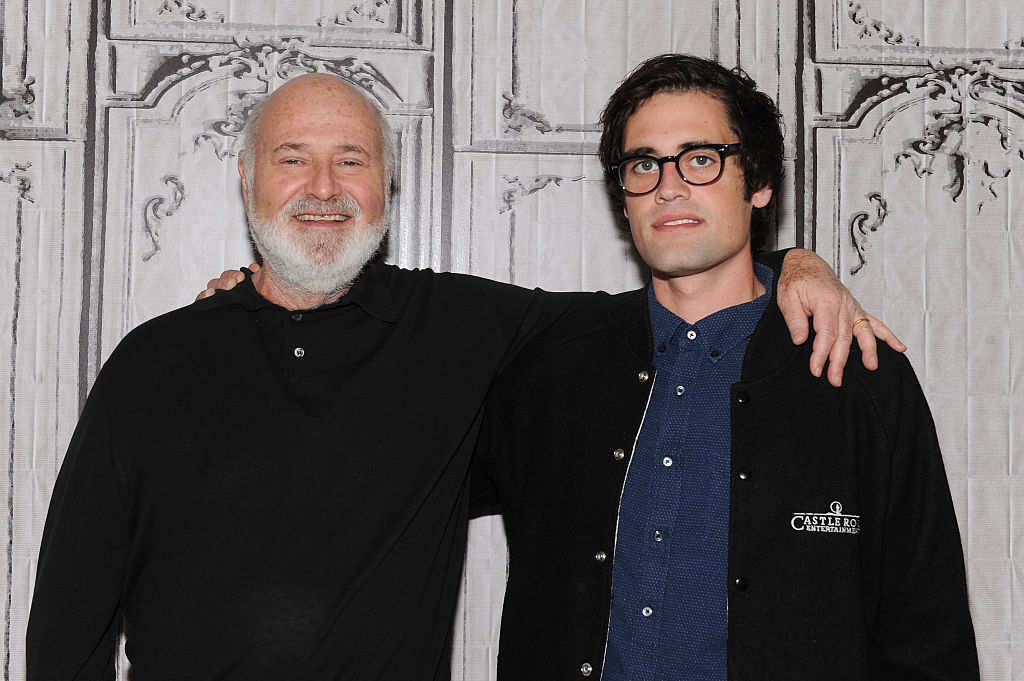
Meanwhile, resurfaced interviews with Rob and Nick Reiner have cast new light on their relationship.

A ”very loud argument”

Rob Reiner, his wife Michele, and their son Nick were at Conan O’Brien’s Christmas party on Saturday night. According to Reiner family sources who spoke to TMZ, Rob and Nick got into a “very loud argument” during the event — so loud that many other guests could hear it.

Rob and Michele were then found dead on Sunday, December 14, inside their abode in Brentwood, California. According to The Mirror, authorities described the scene as a “horror double murder” involving what appeared to be stab wounds. 

Reiner was 78, Michele was 68.

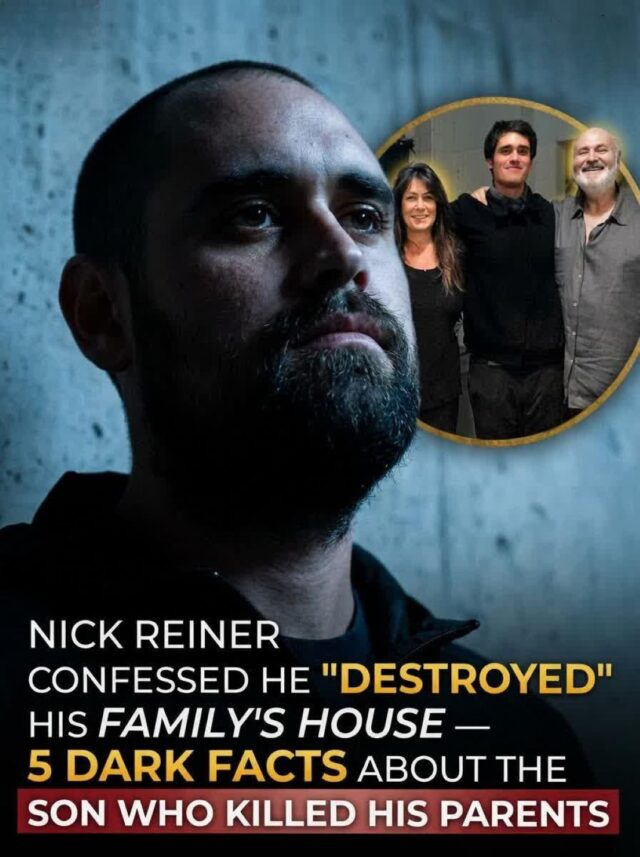
Now, Nick Reiner has been arrested on suspicion of murder after the deaths of his parents, according to the Los Angeles police chief Jim McDonnell. Jail records first indicated his bail was set at $4 million, but authorities later ordered that Nick Reiner be held without bail.

Authorities have not released any information about a possible motive for the killings. But as more details have emerged and police have identified a suspect, public attention has increasingly turned to Nick’s relationship with the rest of his family, with fans revisiting past dynamics in search of context.

Made a movie together

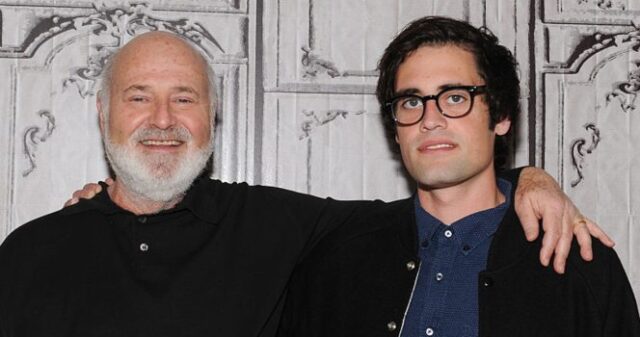
Years before the current tragedy, Rob and Nick Reiner had publicly explored their complicated father-son relationship through film.

In 2015, the two collaborated on Being Charlie, a semi-autobiographical movie inspired by their family’s real-life struggle with addiction. Nick co-wrote the script with a friend he met in rehab, drawing directly from his own experiences as an addict, while Rob directed the project.

The film stars Cary Elwes as the father figure modeled after Rob, with Nick Robinson playing a character inspired by Nick. Premiering at the Toronto International Film Festival in September 2015, Being Charlie follows Charlie Mills, an 18-year-old battling addiction while clashing with his famous father, David, a movie star running for Congress.

Much like the Reiners’ own story, the character resents what he sees as his parents’ rigid, rehab-focused approach to his recovery.

The movie’s final moments are especially poignant. The father apologizes for how he handled his son’s addiction, while still affirming his love. Charlie responds by saying he doesn’t “hate” his dad, embraces him, and quietly says, “take good care” before walking away.

Homelessness and rehab

That on-screen apology mirrored real life. Nick spent years moving between rehab centers and also faced periods of homelessness during his teenage years.

“When Nick would tell us that it wasn’t working for him, we wouldn’t listen,” Rob told the Los Angeles Times during a family dinner that included Nick.

“We were desperate and because the people had diplomas on their wall, we listened to them when we should have been listening to our son.”

Michele Singer Reiner echoed that sentiment, adding: “We were so influenced by these people. They would tell us he’s a liar, that he was trying to manipulate us. And we believed them.”

At the time, Nick said he was sober.

Rob and Nick went on to do multiple interviews together, offering a rare and candid look at their relationship and the emotional process of making the film. Speaking on Paul Mecurio’s podcast 2 Chairs and a Microphone in 2016, Rob admitted that working together wasn’t always easy.

“We hashed everything out — sometimes it became fights and other things… we hashed it out,” he said.

The advice his father gave him

Nick recalled a piece of advice his father gave him on set: “‘There’s one person on the set that has to make the final decision whether it’s right or wrong… and that’s the director.’ After I heard that, I was like, ‘Okay, I’ll do what he wants me to do… but ultimately what gets into the movie is what gets into the movie.’”

Rob later acknowledged that despite his decades of experience, he often deferred to his son.

“There were times where Nick would fight for certain types of things, my first instinct is, ‘I have a lot more experience,’” Rob explained. “But then I realized… I don’t have a lot more experience on this particular subject — what the young guy is going through.” He ultimately called Nick the “heart and soul” of the film.

Nick, for his part, shared what he learned about his father along the way.

“He has sometimes a hard time expressing himself through conversation,” Nick said. “But he listens. He’s a great dad. He’s best at explaining himself when he’s in his element making a movie — showing how much he cares through that way.”

Following a screening Q&A, Rob described Being Charlie as “cathartic” and “therapeutic,” even though that hadn’t been the original goal.

“But it turned out to be that,” he said, admitting that their disagreements were “at times… really rough.” Nick added, “Sometimes it would get overwhelming for me. Sometimes it didn’t feel like a movie — it felt like it was turning into more of something.”

Michele’s heartbreaking confession

In a separate 2018 appearance on the Dopey podcast, Nick spoke candidly about a dark period during his addiction, recalling destructive behavior while staying in his parents’ guest house.

“I went 10 rounds in my guest house,” he said. “I got totally spun out on uppers — I think it was coke and something else — and I was up for days on end… Everything in the guest house got wrecked. I literally punched the TV.”

Taken together, the interviews and the film itself offered a deeply personal portrait of a family trying — imperfectly, publicly, and with love — to navigate addiction, parenthood, and forgiveness.

Tragically, something went terribly wrong over the weekend. As previously reported, TMZ was the first outlet to reveal the recent argument between Rob and Nick.

According to sources close to the family, Michele had confided in friends in recent months that she and Rob were emotionally exhausted and deeply distressed over Nick’s mental health struggles and his alleged substance abuse. Those same sources said the couple felt completely out of options when it came to helping their son, with Michele reportedly telling friends, “We’ve tried everything.”

Rob Reiner’s son Nick located 6 hours after parents bodies found

The loss of Hollywood legend Rob Reiner and his wife, Michele Reiner, has shaken the world. The brutal murder of the couple is suspected to have been committed by their own son, Nick Reiner.

According to reports, he was found soon after his parents’ bodies were discovered. Keep reading to learn more.

Nick Reiner was reportedly not at the home where the bodies of his parents, Rob and Michele Reiner, were found.

32-year-old Nick allegedly left his parents’ Brentwood home and, according to reports, was found by authorities just a little further away near the campus of the University of Southern California in Los Angeles.

Authorities found Nick rather quickly near campus, where he was promptly arrested on suspicion of the murder around 9:15 p.m. on Sunday.

As for confirmation, the Los Angeles Police Department confirmed his apprehension to the media by saying through their public information officer, “the location of the suspect’s arrest was in the Exposition Park area near USC.”

Nick was identified as a suspect and taken into police custody mere hours after the murders were discovered. According to reports, the bodies were found around 3:40 p.m. on Sunday, and soon after, Nick was identified as the suspect.

Nick Reiner is currently being held without bond in Los Angeles’ Twin Towers Jail.

He is set to appear in court today, December 16, 2025, according to reports.

According to sources, the night before the murders, Nick, Michelle and Rob Reiner were seen attending Conan O’Brien’s holiday party. According to two sources who were at the party, Nick and Rob got into a ‘big fight.’

“Nick was freaking everyone out, acting crazy, kept asking people if they were famous,” one source shared.

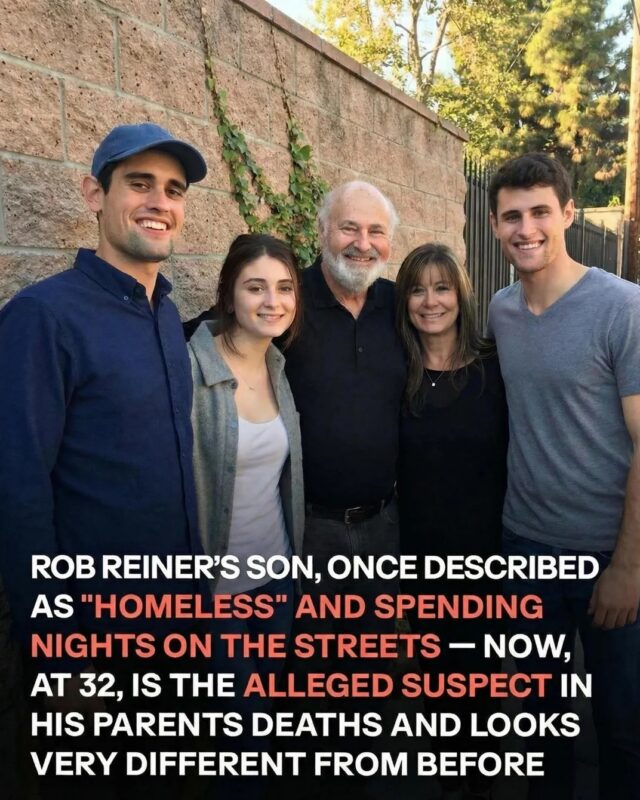
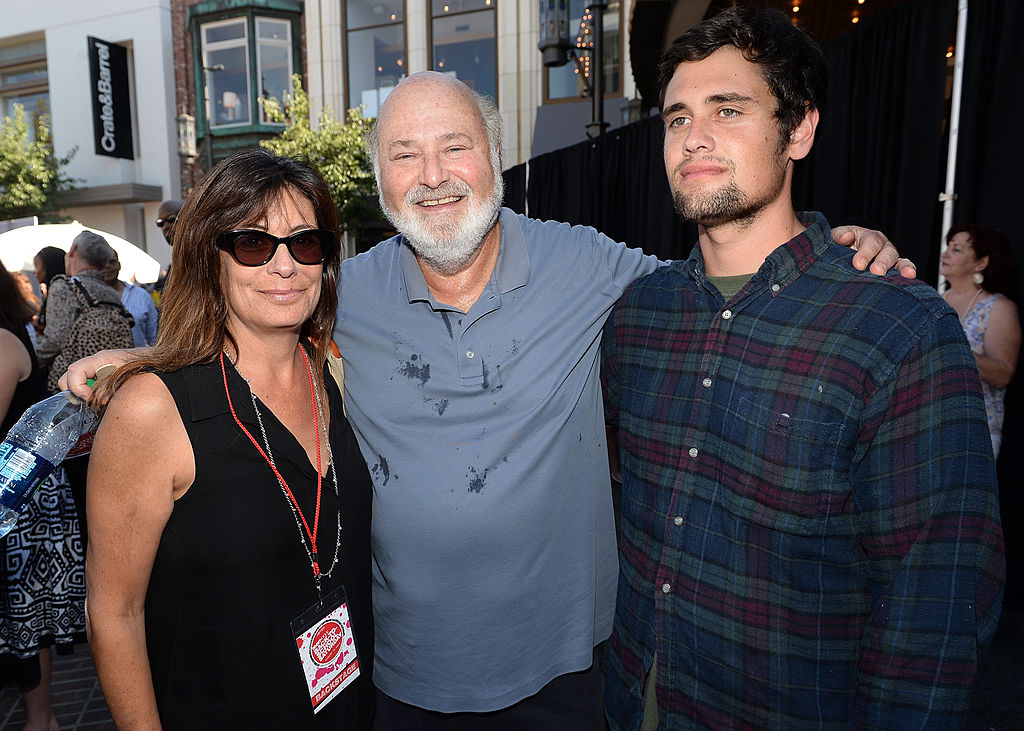
Rob Reiner and Michele married in 1989 and shared three children together; Jake, Nick, and Romy. Rob was previously married to Penny Marshall from 1971 to 1981, with whom he shared a daughter, Tracy. The actor-come-director later adopted Tracy during his marriage to Michele.

Nick had previously spoken out about his addiction and homelessness. He had told the media previously in 2016 about how he cycled in and out of rehab since he was 15 years old. As his addiction got worse, he spent more and more time away from his family and living on the streets in various states.

This entire ordeal has been so unfortunate. We are sending our condolences to the family and friends of Rob and Michele Reiner. Share this with others who want to keep up to date with the latest news surrounding this.

Bondi Beach hero breaks his silence and shares sad update

Ahmed Al-Ahmed managed to disarm one of the alleged shooters during this weekend’s terror attack in Sydney — and has rightfully been hailed as a hero worldwide.

Now, a heartbreaking update has emerged about the Bondi Beach hero.

A simple tobacconist turned global hero. This is the story of Ahmed al-Ahmed, and it’s capturing the world’s attention right now.

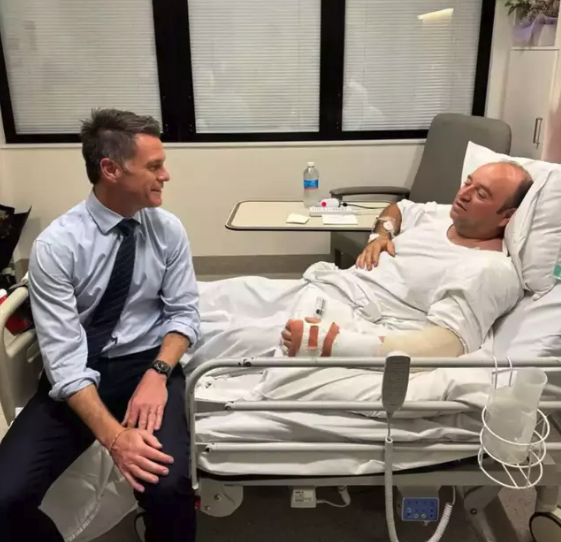
The 43-year-old father of two, who courageously tackled one of the gunmen during Sunday’s horrific Hanukkah mass shooting at Bondi Beach, is currently recovering in a Sydney hospital after being shot five times.

Jaw-dropping footage circulated online shows him creeping behind parked cars along Campbell Parade before ambushing gunman Sajid Akram from behind, wrestling the rifle from his hands, and pointing it away without firing.

Moments later, a second bystander threw an object at the disarmed shooter, but tragically, Al-Ahmed was shot by the second alleged gunman, Akram’s 24-year-old son, Naveed, positioned on a nearby footbridge.

The Syrian-born Ahmed’s life-saving actions drawn global admiration, but the pain and trauma are starting to take a heavy toll. Initial reports stated he had been shot twice, but new details have now emerged.

Al-Ahmed’s injuries are severe

Al-Ahmed’s injuries are far more serious than initially reported. He was shot in the shoulder, arm, and hand and has undergone multiple surgeries, with at least one bullet still lodged in his back.

“At this stage, he says he has no feeling in his arm,” his former migration lawyer Sam Issa told the Daily Mail.

“I’m no medical doctor, but he said to me that it seems like one of the bullets may have hit a nerve. The pain has started to take a toll on him. He’s not well at all. He’s riddled with bullets. Our hero is struggling at the moment.”

There are growing fears he could lose his arm due to nerve damage. Yet from his hospital bed, Al-Ahmed sent a message of faith and hope:

“Through Allah, I went through a very difficult phase, only Allah knows it. I ask my mother, the apple of my eye, to pray for me. Pray for me, my mother. God willing, it will be a minor injury,” he told TRT World in Arabic.

A hero’s courage

Before confronting the gunman, Al-Ahmed warned his cousin of the danger:

“He said: ‘I’m going to die – please see my family and tell them that I went down to save people’s lives,’” Jozay Alkanj told The Sydney Morning Herald.

His cousin Mustafa al-Assad said Al-Ahmed couldn’t stand by: “When he saw this scene, people dying of gunfire, he told me, ‘I couldn’t bear this. God gave me strength. I believe I’m going to stop this person killing people.’”

Al-Ahmed’s father, Muhammad Fateh al-Ahmed, highlighted his son’s lifelong instinct to protect others: “My son is a hero. He served with the police and in the central security forces, and he has the impulse to protect people.”

His mother, Malakeh Hasan al-Ahmed, was overwhelmed upon realizing her son was the man in the viral video:

“I’m proud that my son was helping people. He saved lives, souls. God would not harm him because he was a do-gooder,” she said.


“He saw they were dying and people were losing their lives, and when that guy ran out of ammo, he took it from him, but he was hit. We pray that God saves him.”

Al-Ahmed moved to Australia over a decade ago on a student visa and was granted citizenship in 2022. He now runs a tobacconist and convenience store in Sutherland and is known locally as a devoted family man.

Despite the horror, Al-Ahmed’s bravery has inspired millions. “When he did what he did, he wasn’t thinking about the background of the people he’s saving,” his father said. “He doesn’t discriminate between one nationality and another. Especially here in Australia, there’s no difference between one citizen and another.”

Prime Minister Anthony Albanese also praised those who ran toward danger: “Australians who ran towards danger in order to help others are heroes.”

NSW Premier Chris Minns called Al-Ahmed a “genuine hero” who undoubtedly saved lives, while US President Donald Trump added:

“In Australia, as you’ve probably read, there’s been a very, very brave person who went and attacked frontally one of the shooters. He saved a lot of lives, a very brave person who is right now in the hospital, pretty seriously wounded. I have great respect for the man who did that.”

Al-Ahmed’s GoFundMe campaign has now raised over $2 million, including a $100,000 donation from billionaire Bill Ackman. The funds will support his recovery and help care for his young daughters, aged six and seven, as their father fights to heal.

The Hanukkah by the Sea tragedy on December 14 in Sydney claimed the lives of fifteen innocent people, including a 10-year-old girl. Authorities have described it as the deadliest attack in Australia since the 1996 Port Arthur massacre, leaving a nation in mourning.

The surviving suspected terrorist, 24-year-old shooter Naveed Akram, has now awakened from a coma after being shot by police. NSW Police Commissioner Mal Lanyon has confirmed that Akram will face charges once he is medically cleared.

Jimmy Kimmel fires back with 2 scathing words to Trump after ‘disgusting’ remarks about Rob Reiner

Jimmy Kimmel and Donald Trump are clashing once again.

Tensions have escalated following the death of Rob Reiner and the remarks the president made about the tragedy.

Comments sparked widespread outrage

Jimmy Kimmel didn’t hold back during Monday night’s broadcast of Jimmy Kimmel Live! as he addressed Donald Trump’s comments on Rob Reiner’s death.

Trump had claimed Reiner died “due to the anger he caused others” through what he called “Trump derangement syndrome.” The comments sparked widespread outrage, with many — including prominent celebrities — strongly condemning Trump for his words about the iconic Hollywood director and actor.

Here’s what Jimmy Kimmel said during his broadcast:

“What we need at a time like this, besides common sense when it comes to guns and mental health care, is compassion and leadership. We did not get that from our president, because he has none of it to give. Instead, we got a fool rambling about nonsense,” Kimmel said. “For Rob and Michele Reiner, we got this post.”

Kimmel read Trump’s Monday morning Truth Social post aloud, in which the former president wrote:

“A very sad thing happened last night in Hollywood. Rob Reiner, a tortured and struggling, but once very talented movie director and comedy star, has passed away, together with his wife, Michele, reportedly due to the anger he caused others through his massive, unyielding, and incurable affliction with a mind crippling disease known as TRUMP DERANGEMENT SYNDROME, sometimes referred to as TDS.

”He was known to have driven people CRAZY by his raging obsession of President Donald J. Trump, with his obvious paranoia reaching new heights as the Trump Administration surpassed all goals and expectations of greatness, and with the Golden Age of America upon us, perhaps like never before. May Rob and Michele rest in peace!”

Thought it was fake

“It’s so hateful and vile,” Kimmel said of the post. “When I first saw it, I thought it was fake. My wife showed it to me this morning. I was like, ‘Even for him, that seemed like too much.’ But nothing is ever too much for him.”

He also addressed Trump’s comments at an Oval Office press conference, where the president was given a chance to retract or clarify his remarks but instead doubled down.

“I wasn’t a fan of his at all,” Trump told reporters. “He was a deranged person as far as Trump is concerned. He knew it was false. In fact, it’s the exact opposite. He said I was a friend of Russia, controlled by Russia. You know, the Russia hoax. He was one of the people behind it. I think he hurt himself career-wise. He became like a deranged person. Trump derangement syndrome. So, I was not a fan of Rob Reiner at all, in any way, shape or form. I thought he was very bad for our country.”

Scathing words

“That corroded brain is in charge of our lives,” Kimmel shot back.

“If you voted for that, it’s okay to reconsider. It’s perfectly fine. I have to say, I know from my personal interactions with Rob Reiner that he would want us to keep pointing out the loathsome atrocities that continue to ooze out of this sick and irresponsible man’s mouth. So we’re going to do that over and over again until the rest of us wake up.”

Kimmel wasn’t alone in acknowledging Reiner’s death. While not addressing Trump directly, Stephen Colbert began his Monday night show with a somber preface, referencing Reiner’s death alongside the shootings at Bondi Beach and Brown University.

“Hello, everybody,” Colbert said. “Normally, we start the show with a short cold open about a major news story of the day. But after the terrible news this past weekend, the horrifying Hanukkah massacre at Bondi Beach, the tragic shootings at Brown University and the heartbreaking deaths of Rob and Michele Reiner, all of the major stories are too dark for that. Other people’s tragedy is sacred ground, and we try very hard not to walk there. But we are going to do a comedy show tonight, in light of and in spite of the darkness.”

A ”very loud argument”

Rob Reiner, his wife Michele, and their son Nick were at Conan O’Brien’s Christmas party on Saturday night. According to Reiner family sources who spoke to TMZ, Rob and Nick got into a “very loud argument” during the event — so loud that many other guests could hear it.

The couple were then found dead on Sunday, December 14, inside their abode in Brentwood, California. According to The Mirror, authorities described the scene as a “horror double murder” involving what appeared to be stab wounds. 

Reiner was 78, Michele was 68.

Their son, Nick Reiner has been arrested on suspicion of murder after the deaths of his parents, according to the Los Angeles police chief Jim McDonnell. Jail records first indicated his bail was set at $4 million, but authorities later ordered that the 32-year-old Nick Reiner be held without bail.

Tori Spellings Beach Day Backlash, Neon Two-Piece Sparks Social Media Frenzy

Tori Spelling, the enduring star of the iconic $90210$ series, recently found herself at the center of a swirling social media storm following the publication of photos from her sun-drenched beach day in Malibu, California. The images, which captured the 51-year-old enjoying the ocean and sand on Tuesday, July 2, while sporting a vibrant neon green two-piece swimsuit, immediately ignited a fierce debate among online commenters about her physique, cosmetic treatments, and the use of prescription weight-loss medications.

The divisive nature of the photos stemmed from Spelling’s notably slim figure, showcased prominently by the bold neon swimwear. The bikini design left little to the imagination, accentuating her flat stomach, defined rib cage, and cleavage, while also revealing hip piercings. To complete her premium beach look, the mother of five accessorized with a gold necklace, a subtle body chain draped across her midsection, and stylish sunglasses. Her time in the sun was shared with friend Laura Rugetti, who opted for a contrasting ensemble: a zebra-print one-piece and a fashionable white wide-brim hat. The two women reportedly spent over two hours basking in the California warmth.

Despite the undeniable effort the actress has put into achieving her toned body, the public reaction was far from unanimously complimentary. Instead of praise for her physical transformation, a significant portion of the audience took to various platforms like Facebook and Instagram to mock her appearance and raise suspicions that her figure was not attained through traditional means. The concept of natural weight loss versus medically assisted slimming became the central point of contention.

One blunt Facebook comment attributed her appearance to plastic surgery, a sentiment quickly echoed by another user who pointed out, perhaps inaccurately, the apparent lack of a belly button. The criticism escalated with several users simply declaring the look “NOT A GOOD LOOK,” often in capital letters to emphasize their disapproval. A particularly harsh critique advised the star to “employ a [cover-up].” Adding a layer of social commentary, one user expressed concern, noting that since Spelling “She’s had many babies,” her extremely trim physique—whether achieved through surgery or photo alteration—could lead other women to feel “inadequate” about their own post-pregnancy bodies. This reaction underscores the intense pressure and unrealistic body image expectations often placed on high-profile celebrities.

However, the tide of criticism was not absolute. A pocket of online defenders rallied behind Spelling, expressing admiration for her confidence and appearance. Among the notable supporters was reality TV personality Dolores Catania from The Real Housewives of New Jersey, who praised the actress, commenting, “She looks amazing.” Another fan offered effusive praise on a media outlet’s post, stating, “This is the best I’ve seen her look in a really long time,” highlighting a perceived successful fitness journey.

This public scrutiny gained added weight because Spelling has been remarkably candid about the tools she employed for her recent physical transformation. Photos of her on the beach were often accompanied by captions referencing her previous public statements. As reported by Page Six, the actress was showcasing her “slimmed-down figure after confirming she used Ozempic and Mounjaro to shed pounds following the birth of her son Beau.”

This crucial disclosure was made back in April 2024 on her podcast, “Misspelling.” During the segment, she addressed the use of the popular diabetic medications, which have become a trending topic in Hollywood weight management. She clarified her experience, stating, “Everyone now acknowledges that I completed Mount Everest. I tried Ozempic, but it wasn’t effective for me.” She explained that she subsequently transitioned to Mounjaro, a similar drug approved for treating Type II diabetes, but widely used off-label for effective weight reduction.

Spelling’s rationale for choosing this medical route over conventional methods like rigorous exercise was based on her unique history and circumstances. She expressed a modern acceptance of such methods, noting, “I don’t feel bad about saying that because it’s a different time.” She detailed her struggle with postpartum weight retention, a problem she had not faced with her first four children. “I was unable to shed the baby weight,” she explained, specifically after the birth of Beau McDermott, her youngest child with then-husband Dean McDermott.

Before this recent challenge, Spelling had enjoyed a natural propensity for thinness, a detail she emphasizes when discussing her health and wellness history. “I have never dieted in my life. I have pretty good genes from birth,” she previously revealed, underscoring her generally low-effort maintenance prior to her fifth pregnancy. Her weight, which she disclosed had historically peaked at $120$ pounds, soared to $160$ pounds after welcoming Beau.

When her attempts at conventional weight loss—including exercising, consuming protein, and various diets—failed, she consulted her physician. The doctor confirmed that her age, $44$ at the time, was presenting a significant obstacle. While receiving hormone therapy for menopause, she decided to explore pharmaceutical weight management. After her initial trial with Ozempic did not yield the desired effect, she switched to Mounjaro. Importantly, Spelling confirmed that she is no longer taking the medication. “I did drop weight, but I’m not on it anymore,” she stated, adding, “It was the end of January when I last used it. Because I didn’t want to drop too much weight, I did stop using it.”

Beyond the discussions of prescription medication for weight loss and body transformation, Spelling also took a moment to celebrate another physical milestone: maintaining her reproductive health after delivering all five of her children via Cesarean section. The recent beach photos, therefore, not only captured a moment of relaxation but also served as a catalyst for a multifaceted public conversation dissecting modern celebrity beauty standards, the accessibility and implications of advanced medical weight loss solutions, and the relentless social scrutiny faced by women in the public eye. The entire saga is a clear example of how digital media amplifies personal choices into global, polarized debates about health, authenticity, and appearance.

78-year-old Susan Sarandon criticized for her clothing

Susan Sarandon is perhaps one of the most iconic actresses of her generation. Apart from holding her own on screen, the actress is known for never holding back in real life either.

So when people started questioning her decisions, she decided to school them.

Susan Sarandon has had an impressive career in Hollywood and is still going strong. Her role as Janet Weiss in the 1975 cult classic musical film The Rocky Horror Picture Show cemented her worth as a talented actress.

After that, she went on to star in numerous movies, which earned her critical acclaim, including the much-loved Thelma & Louise. She received a nomination for Best Actress at the Academy Awards for her portrayal in the film. The actress ultimately earned an Academy Award for her role in Dead Man Walking.  

The actress has always been a proponent of body positivity and always likes to express herself with her fashion choices. She has quite an unapologetic personality and is vocal about the causes she supports.

It was during a red carpet event that the actress was wearing a white jacket with a black bra which raised some eyebrows. A journalist went as far as to say her outfit was “totally inappropriate.” 

But instead of trying to defend herself with words, the actress decided to use a picture.

She posted an old picture of herself in her underwear, proudly displaying her figure. After all, a picture is worth a thousand words, and Sarandon shut up anyone who was questioning what was ‘appropriate’ for her and what wasn’t.

The actress is not bothered about aging and focuses on what feels important to her. She said in an interview, “When your sense of time has an ending and isn’t finite, like how it feels when you’re young.” She added, “When you have an understanding that time is precious—you have a tendency not to waste energy on the small stuff and only to surround yourself with people who are vital, curious, brave, and adventurous.”

As for what she does to maintain her beauty, she simply said, “If you want to age gracefully, probably laugh a lot, and get the normal amount of exercise, and eat well and stay out of the sun would be the main things,” Sarandon stated. But the actress added, as is having an amazing makeup and hair team to help you keep looking good.

Susan Sarandon is surely one of a kind! The actress marches to the beat of her own drum and does not pay attention to anyone who has something negative to say about her. What do you think of her response to haters? Let us know in the comments.

Make sure to share this piece with your friends and family so that next time they face criticism, they can adopt a strategy similar to Susan!

NCIS: Los Angeles’ actress Rachael Carpani dies after long battle with “chronic illness

The NCIS: Los Angeles actress and McLeod’s Daughter star Rachael Carpani has died at the age of 45, her family announced. The Australian actress passed away “unexpectedly” after battling a chronic illness.

On Monday, December 15, Rachael Carpani’s sister, Georgia, shared a statement that the actress had died at the age of 45.

Rachael Carpani, born in Sydney, Australia, starred in several US shows and films. She featured in a 2009 episode of NCIS Los Angeles, with other credits including If There Be Thorns, and The Glaes, and had the lead role in Against the Wall.

The actress was best known for starring as Jodi Fountain in the Australian series McLeod’s Daughters, which ran from 2001 to 2009.

“It is with great sadness that Tony and Gael Carpani announce that their beautiful daughter, beloved Australian actress Rachael Carpani, unexpectedly but peacefully passed away after a long battle with chronic illness, in the early hours of Sunday, 7th December,” the statement read.

“The funeral will be a private event, to be held on Friday, 19th December with close family and friends,” the statement continued. “The family requests privacy at this very difficult time and will be making no further statements.”

Australian actress Rachael Carpani dead at 45

Carpani also starred in the 2009 movie Triangle alongside Australian star Liam Hemsworth. Exactly what type of chronic illness the actress suffered from is not known. However, in 2021, she was rushed to the hospital after experiencing acute abdominal pain.

“I was admitted to emergency with acute abdominal pain just over a week ago and spent a few days in the ICU,” she wrote at the time. “Was then moved to the surgical ward,” she added before telling fans: “listen to what your body is trying to tell you”.

In August, Rachael Carpani’s sister penned a birthday tribute to her. Now, fans have left comments and tributes under the post.

“I am so incredibly saddened to learn of your darling sisters passing, I am so sorry. I grew up watching & wanting to be her. Sending much love and enveloping hugs to your family,” one person wrote.

A second added, “Praying for your beautiful family,” and a third stated, “I loved your sister in McLeod’s daughters! Sorry for your loss! Xo.”

Suffered from chronic illness

Rachael Carpani’s co-star on McLeod’s Daughters, Bridie Carter, paid tribute to her on Instagram, writing,

“In love and respect, for our beautiful Rach, in prayer and with the deepest sorrow and profound sympathy for the Carpani family. Rest In Peace our beautiful girl….the “baby” of our [ McLeod’s Daughters] family. We love you, we cherish you.”

“This is the wrong order of things. We are better people for having the privilege of sharing time with you, we know Rach will not only be missed immeasurably by her family, by us, but she is loved and will be missed by you all, around the world. We love you Carpani.”

Rest in peace, Rachael Carpani.

“SILENCE TOOK OVER BEFORE HIS WORDS WERE DONE…” Nothing flashy happened — no cues, no sound — but the atmosphere shifted as soon as Dick Van Dyke moved forward, almost a century old and glowing with youthful charm.

On a sunlit afternoon in Malibu, California, the air was charged with warmth and anticipation, though no stage lights shone and no music played before the event began.

The room seemed ordinary at first glance, yet the moment Dick Van Dyke entered, it transformed.

At nearly 100 years old, the beloved actor and entertainer carried with him a familiar energy — that twinkle in his eye and infectious smile that instantly made everyone feel lighter, as if they had stepped back into childhood.

Minutes earlier, Van Dyke had led a two-hour sing-along, co-hosted with his wife, Arlene Silver.

The event was designed to raise funds for the Van Dyke Endowment of the Arts and the in-development Dick Van Dyke Museum, two initiatives close to his heart.

But more than a fundraiser, the gathering was a celebration of human connection, creativity, and the joy of music.

Van Dyke made it clear from the start that the afternoon was about more than nostalgia; it was about reviving a certain art that he feels is fading — the art of genuine conversation and presence.

“There are several reasons for doing this — all of them good — but for me, it’s about bringing back the art of conversation,” Van Dyke said, his voice gentle yet commanding attention without demanding it.

He observed the subtle ways people have grown disconnected despite being physically close: couples sitting together in restaurants or on buses, engrossed in their devices rather than sharing a moment.

He gently nudged the audience to acknowledge the common experience of living in the digital ether, while physically in the presence of others.

In a tone that combined humility with a touch of humor, Van Dyke revealed a detail that took the audience by surprise.

“I may be the only person in the United States over 10 who does not have a cell phone. I don’t have a phone,” he confessed.

A few chuckles rippled through the crowd, but many fell silent, struck by the weight of the observation.

The point was not the absence of a device itself, but what it represented: the displacement of simple, human interaction by digital distraction.

This moment crystallized one of the event’s underlying themes — the value of being present and engaged, of conversations held without interruption or expectation.

The afternoon’s program was a carefully curated journey through Van Dyke’s remarkable career.

Though the day was in part a celebration of his upcoming 100th birthday on December 13, it was also a testament to a lifetime dedicated to joy, artistry, and performance.

From the opening note, the audience was swept into the familiar, whimsical worlds Van Dyke has helped create over decades.

He opened with “Chitty Chitty Bang Bang,” the instantly recognizable song that immediately evoked a sense of playfulness and nostalgia.

Joining him were The Vantastix, a vocal group known for their harmony and energy, adding depth and texture to the performance.

As the set progressed, Van Dyke invited the audience to participate, creating a communal, interactive experience rather than a passive show.

Songs like “Supercalifragilisticexpialidocious” had the audience laughing and singing along, while classics like “You Two” and “Carolina in the Morning” prompted smiles of recognition and murmurs of delight.

Perhaps most poignant was the performance of the theme from The Dick Van Dyke Show, a melody so familiar that many attendees admitted they didn’t realize they were smiling until the tune lingered in their minds.

These songs were more than entertainment; they were a bridge connecting generations.

Children, parents, and grandparents alike shared a sense of belonging, remembering Van Dyke’s influence on their own lives and appreciating the shared cultural touchstones.

Beyond the music, Van Dyke’s interactions with the audience conveyed warmth and attentiveness.

He encouraged participants to join in, to raise their voices together, and to experience music as a communal act rather than a solitary one.

This emphasis on shared joy was consistent with his broader message about human connection.

He spoke with an awareness of the digital age’s challenges, where devices often replace dialogue, and presence is measured in status updates rather than attention.

During a Q&A segment, a member of the audience asked Van Dyke what he loves most about Christmas. Without hesitation, he replied: the singing and the caroling.

His answer reflected the entire ethos of the afternoon — a celebration not just of his career, but of community, shared experiences, and the simple pleasures that bind people together.

The event, after all, was as much about human presence as it was about music or nostalgia.

It was a demonstration of the enduring power of joy and togetherness, curated by someone who has spent a century perfecting the art of making others smile.

The sing-along was not just an exercise in reminiscence. It was a demonstration of the vitality and energy Van Dyke still possesses at nearly 100.

His movements were sprightly, his expressions animated, and his voice clear and engaging.

Volunteers and co-hosts noted that maintaining the pace of a two-hour event with interactive singing, storytelling, and audience engagement requires not only stamina but a deep understanding of performance.

Van Dyke’s ability to sustain both the energy and the intimacy of the experience was a testament to his lifelong dedication to his craft.

Arlene Silver’s presence alongside Van Dyke added another layer of warmth and accessibility.

She seamlessly facilitated transitions between songs, helped cue audience participation, and provided a supportive presence that highlighted the couple’s personal and professional partnership.

Together, they exemplified teamwork, balance, and shared passion for the arts.

Audience reactions reflected the unique nature of the afternoon. Families clapped and sang in unison, often pausing to absorb Van Dyke’s stories about the origins of certain songs or anecdotes from his career.

Laughter and applause punctuated key moments, but what stood out most was the quiet attentiveness during reflective parts of the event.

The confession about not owning a cell phone, for instance, prompted moments of silent contemplation among the crowd — a rare experience in today’s digitally-saturated world.

Behind the scenes, the event was meticulously organized to honor Van Dyke’s legacy while fostering meaningful engagement.

Technical staff ensured sound quality was pristine, volunteers coordinated seating and songbooks, and organizers carefully managed transitions to allow for both performance and audience interaction.

Every detail was designed to enhance the sense of community and immersion, reinforcing the evening’s central themes of connection, presence, and shared joy.

As the afternoon concluded, Van Dyke led the audience in a final sing-along, blending several iconic numbers into a medley that captured the spirit of celebration and continuity.

The crowd sang with enthusiasm, voices rising and intertwining in harmony.

The energy in the room was palpable, a collective acknowledgment of both Van Dyke’s artistic contributions and the shared human experiences he has long celebrated through music and performance.

When the event finally ended, attendees left with more than memories of songs and anecdotes.

They carried a reminder of the importance of conversation, the value of presence, and the joy of communal experience.

For Dick Van Dyke, the afternoon was not merely about performing or celebrating a milestone birthday.

It was a deliberate effort to reconnect people with the simple, yet profound, pleasures of shared humanity.

In reflecting on the event, one observer noted that Van Dyke’s influence extends far beyond entertainment.

His commitment to fostering real connection, maintaining kindness, and celebrating the small joys in life serves as a model for audiences young and old.

Nearly 100 years into his life, he continues to demonstrate that energy, curiosity, and a playful spirit can bridge generational gaps and inspire meaningful human engagement.

Ultimately, the Malibu sing-along served as a testament to a lifetime of artistry and empathy.

It underscored the enduring relevance of Dick Van Dyke’s work, not only for its musical and comedic achievements but for its celebration of human connection, community, and presence.

In an era dominated by digital distraction, the event offered a reminder that some of life’s most valuable experiences come from being fully present with one another, sharing voices, stories, and laughter in real time.

Woman Strikes Back at Neighbor’s Son by Pouring Water, After He Targeted Her Cat

Cruelty toward animals is widely recognized as a sign of a lack of empathy and can evoke strong emotional responses in society.

Whether intentional or unintentional, acts that cause harm or distress to defenseless creatures remind us of the moral and ethical responsibilities humans bear toward other living beings.

Over the years, societal awareness and legal protections for animals have improved significantly, with laws against abuse and organizations devoted to rescue, rehabilitation, and advocacy.

Yet, despite these advances, incidents continue to occur that highlight the importance of vigilance, accountability, and public discourse around humane treatment.

In recent years, the internet has become a powerful tool for amplifying stories involving animals, particularly when the narrative involves a human stepping in to defend them.

Social media platforms allow for rapid dissemination of such incidents, often sparking widespread conversation and debate.

People tend to react strongly to cases where boundaries are crossed, whether in moments of cruelty or protective intervention.

These discussions frequently touch upon broader societal issues, including parenting, responsibility, ethical behavior, and the role of community norms.

One incident that captured public attention involved Shannon Cooper and her neighbor’s child.

According to Shannon, the incident began when she noticed the child pouring water onto her cat while it sat calmly on a fence.

The cat, a domestic pet that had known care and affection, was suddenly subjected to discomfort for no apparent reason.

The child laughed as the cat reacted, demonstrating a disregard for the animal’s well-being.

Observing this, Shannon experienced a surge of protective instincts, feeling both anger and concern for the cat’s welfare.

Her immediate response was to pour water back on the child. She described the act as a reflexive measure to communicate that harming another living being, even playfully, carries consequences.

Later, Shannon shared the story on the social media platform X, writing succinctly, “Don’t touch my cat.”

The post resonated with many animal lovers who identified with her protective stance, emphasizing the importance of setting boundaries for the safety of pets and promoting empathy toward animals.

The story quickly gained traction online, with thousands of reactions and comments.

Supporters praised Shannon’s response, framing it as a simple but effective lesson in cause and effect.

Many highlighted that the water caused no lasting harm to the child while simultaneously signaling that intentional misbehavior toward an animal would not be tolerated.

Several parents weighed in, agreeing that teaching children to respect animals from a young age is essential and that practical lessons — when safe and proportionate — can reinforce ethical behavior.

In these discussions, commenters often noted that early interventions can shape lifelong attitudes toward animal welfare and responsibility.

Beyond the immediate reactions, the incident prompted deeper conversation about societal attitudes toward animals and the ethical development of children.

Some observers emphasized that understanding empathy requires experiential learning, including seeing firsthand the impact of one’s actions.

From this perspective, Shannon’s response was a form of real-world feedback that could help the child develop a stronger moral compass.

Commentators frequently pointed out that small interventions, if handled carefully, can be educational rather than punitive, reinforcing the broader principle that animals deserve protection and respect.

Nevertheless, the story also attracted criticism. Some argued that Shannon overstepped boundaries by directly retaliating against the child rather than addressing the parents first.

These critics maintained that disciplinary measures for minors are ultimately the responsibility of guardians or caregivers, and that adults should model non-retaliatory conflict resolution.

They cautioned against replicating aggressive or reactive behavior, noting that children often learn social norms by observing adults’ responses.

From this standpoint, while the instinct to protect the animal was understandable, the method of response was debatable in terms of teaching constructive lessons about respect and boundaries.

The debate highlighted the tension between immediate, visceral reactions to animal cruelty and the longer-term approach of structured guidance.

Some commenters discussed alternative strategies, such as calmly explaining the consequences of harming the cat, guiding the child through empathy exercises, or involving the parents to reinforce behavioral expectations.

These approaches focus on cognitive and emotional learning, promoting understanding without potentially escalating conflict.

In a follow-up post, Shannon clarified that the incident had not led to lasting tension between herself, the child, or the child’s parents.

She explained that both the child and his father eventually laughed about the situation, and that the cat remained unharmed.

This clarification helped contextualize the event, illustrating that immediate reactions can coexist with amicable resolutions and mutual understanding once initial emotions have settled.

By sharing this update, Shannon reinforced the narrative that accountability, communication, and empathy are intertwined, both for children learning social responsibility and for adults navigating responses to unethical behavior.

The broader public reaction to Shannon’s story underscores the ongoing societal concern for animal welfare and the ways in which adults teach children to respect other living beings.

Social media platforms magnify these incidents, offering opportunities for collective reflection, debate, and learning.

Viral stories like this one often become cultural touchpoints, serving as catalysts for discussion about ethical behavior, parenting practices, and the moral responsibilities humans have toward vulnerable creatures.

Legal and social frameworks surrounding animal protection also play a role in shaping public responses.

In many countries, laws against animal cruelty are designed not only to penalize offenders but also to reinforce societal norms about humane treatment.

Educational initiatives, public awareness campaigns, and community programs supplement legal frameworks by teaching children about empathy, kindness, and responsible pet ownership.

In this context, real-world stories, even those shared anecdotally online, illustrate the principles that formal structures seek to promote.

Shannon Cooper’s experience exemplifies the complex intersections between human behavior, child development, and animal welfare.

It demonstrates how adults respond when witnessing harm to animals, the ethical considerations in immediate reactions, and the social expectations for teaching respect and empathy.

Her post and subsequent discussion reflect broader cultural values, emphasizing the importance of clear boundaries, ethical education, and the protection of vulnerable creatures.

For many viewers, the viral story also emphasized the importance of proportionate responses and community engagement.

While protective instincts are natural, discussions about the most constructive approaches highlight how adults can guide children to understand empathy and accountability.

The story also reminds readers that humor, reconciliation, and follow-up communication can help ensure that lessons are learned without lasting conflict.

Ultimately, the incident remains a potent example of how small actions can spark significant conversations about morality, responsibility, and compassion.

It demonstrates that even everyday interactions between neighbors can become opportunities for reflection on ethical behavior and the care of other living beings.

By carefully examining the narrative, both supporters and critics contribute to a broader understanding of how society negotiates the protection of animals, the education of children, and the reinforcement of community norms.

The case of Shannon Cooper and her cat serves as a reminder that vigilance, ethical guidance, and the cultivation of empathy are ongoing responsibilities.

Communities are challenged to foster environments in which children learn respect for animals and adults model constructive intervention.

In a world where stories circulate rapidly online, incidents like these become touchstones for public dialogue, illustrating both the power and the responsibility inherent in human actions toward the creatures with whom we share our lives.

Through reflection, conversation, and continued emphasis on ethical behavior, such stories help reinforce the values that underpin humane treatment and social accountability.

Shannon’s decision to act, share, and clarify demonstrates that the lines between instinctive protection and deliberate education can coexist, offering lessons for individuals, families, and society at large.

The narrative remains relevant as a case study in balancing immediate action with reflective guidance, and in understanding the profound impact of small acts on broader cultural attitudes toward animals and morality.

A Clever Text Exchange That Shows Why Timing Is Everything!

Some jokes land because they’re loud. Others land because they’re clever, quiet, and painfully honest about human behavior. This story falls squarely into the second category—a short, sharp reminder that timing, psychology, and attention are sometimes far more powerful than volume or repetition. What makes it funny isn’t the message itself, but the way it exposes a universal truth most people recognize immediately, whether they want to admit it or not.

It started late one evening, the kind of ordinary night that blends into a hundred others. The husband was wrapping up his day, sitting in his car before driving home, scrolling through his phone with that familiar mix of boredom and curiosity. At home, his wife was already settled in, winding down after a long day of her own. Nothing dramatic. Nothing unusual. Just two people living their routine lives.

That’s when the husband had an idea.

With a small grin—the kind that signals mild trouble but nothing truly dangerous—he decided to send his wife a message. Nothing outrageous. Nothing cruel. Just a straightforward request, delivered casually, as if it were the most natural thing in the world. He typed out a text asking her to wash his dirty clothes and prepare his favorite meal before he got home.

He read it once. Then twice. Satisfied, he hit send.

And waited.

At first, he expected a response almost immediately. Maybe a sarcastic remark. Maybe a laughing emoji. Maybe even a mock complaint followed by reluctant agreement. Anything would have worked. But minutes passed. Then more. His phone stayed stubbornly silent, screen dark, notifications empty.

No reply.

He checked the time. He checked his signal. He even unlocked the phone again, just to make sure the message had actually gone through. It had. Delivered. Read receipt off, of course, because of course it was.

The joke, it seemed, had gone nowhere.

At this point, many people would have shrugged and dropped it. But the husband wasn’t done. If anything, the silence only sharpened his curiosity. He knew his wife well enough to recognize that this wasn’t a technical issue. This was selective attention in its purest form—a phenomenon psychologists have studied for decades and married couples have mastered instinctively.

So instead of repeating himself, he changed tactics.

He opened the message app again and typed a second text. This one was shorter, brighter, and deliberately impossible to ignore. He wrote that he’d just received news of a significant salary increase at work and was planning to buy her a brand-new car as a surprise.

No demands. No chores. Just pure, sparkling financial optimism.

He hit send.

This time, the response was instant.

His phone buzzed almost violently in his hand. The screen lit up with enthusiasm, disbelief, and capital letters. “OMG really?” she wrote, followed by a string of excited emojis that practically leapt off the screen. The delay from silence to instant engagement was so sharp it felt like a punchline already forming.

That was all the confirmation he needed.

With perfect restraint and surgical comedic timing, the husband typed his final reply. No emojis. No buildup. Just one line, delivered cleanly and without mercy: “No. I just wanted to make sure you got my first message.”

And there it was.

The humor didn’t rely on exaggeration or cruelty. It didn’t insult anyone outright. Instead, it gently exposed a reality most people understand instinctively: attention is often tied to perceived value. Messages associated with obligation can disappear into the background, while those promising reward, excitement, or financial upgrade trigger instant engagement.

It’s a joke rooted in everyday relationship dynamics, behavioral psychology, and modern communication habits shaped by smartphones and constant notifications. In an era where attention is currency and timing is everything, this tiny exchange manages to feel both timeless and painfully current.

What makes it resonate so strongly is its simplicity. There’s no long setup, no elaborate scenario. Just two texts and a truth most people recognize immediately. It mirrors the way people respond not just in relationships, but in emails, marketing campaigns, workplace communication, and even social media algorithms. Offer perceived value, and people engage. Ask for effort, and attention suddenly becomes scarce.

From a digital communication standpoint, the joke accidentally highlights principles used in high-level marketing strategies and consumer psychology. Subject lines that promise gain outperform those that request action. Messages framed around benefits outperform those framed around responsibility. The husband didn’t just tell a joke—he ran a perfect A/B test.

But beyond the psychology, there’s warmth in the humor. It’s playful, not mean-spirited. The punchline doesn’t demand obedience or mock his wife harshly. It simply calls attention to the moment with wit, allowing both people to laugh at a shared truth rather than argue about it.

That’s why stories like this travel so well online. They’re short enough to digest quickly, clever enough to remember, and honest enough to spark recognition. They tap into universal experiences—marriage, communication gaps, selective listening—without turning them into conflict. Instead, they turn them into something lighter: a shared laugh.

In a world saturated with overproduced humor, viral pranks, and forced punchlines, this kind of understated wit feels refreshing. It reminds us that sometimes the smartest humor comes from observing real behavior and letting timing do the heavy lifting.

The husband didn’t raise his voice. He didn’t resend the message five times. He didn’t demand acknowledgment. He simply reframed the situation, waited for the reaction, and delivered the truth with perfect precision.

Timing, after all, isn’t just about when you speak. It’s about knowing how people listen.

And in that quiet realization—buzzing phone in hand, punchline delivered—the joke completes itself.

Popular

A Mother’s Love: Vienna’s Journey with a Birthmark

0
Love compels parents to do extraordinary things for their children’s well-being. Celine Casey, a British mother, took remarkable steps to ensure her daughter Vienna’s...